


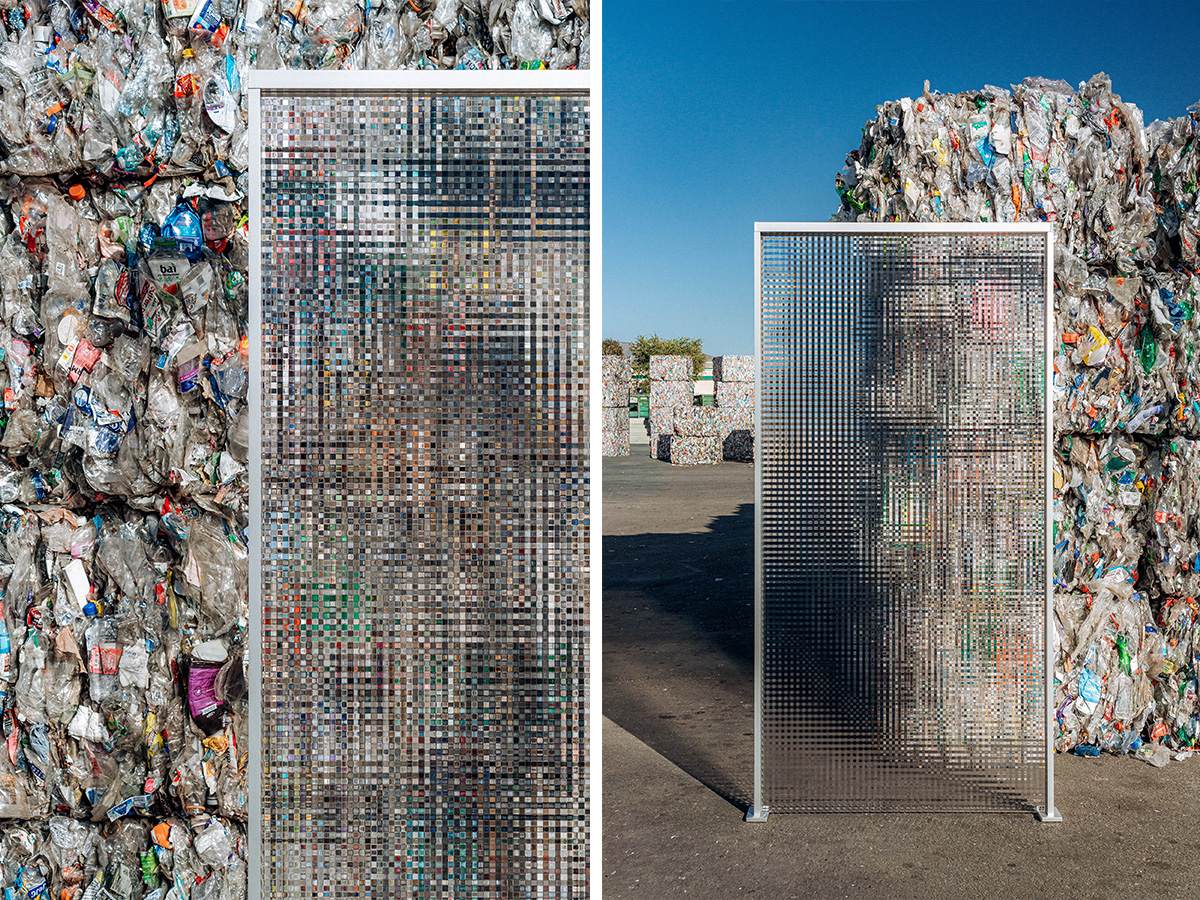
3form Initiative Finds New Life in Hard-to-Recycle Plastics
Mechanical recycling has long shaped how plastic is given a second life, but its path is limited—only certain forms can move through the process, and only for a finite number of cycles. For 3form, this practical reality prompted investment in a complementary method: molecular recycling, an innovative technology that breaks plastic down to its molecular building blocks and rebuilds it without loss of quality. Paired with the company’s ongoing mechanical recycling efforts, this approach anchors Know New Plastic, 3form’s initiative to increase recycled content and produce architectural resin entirely from reclaimed material.
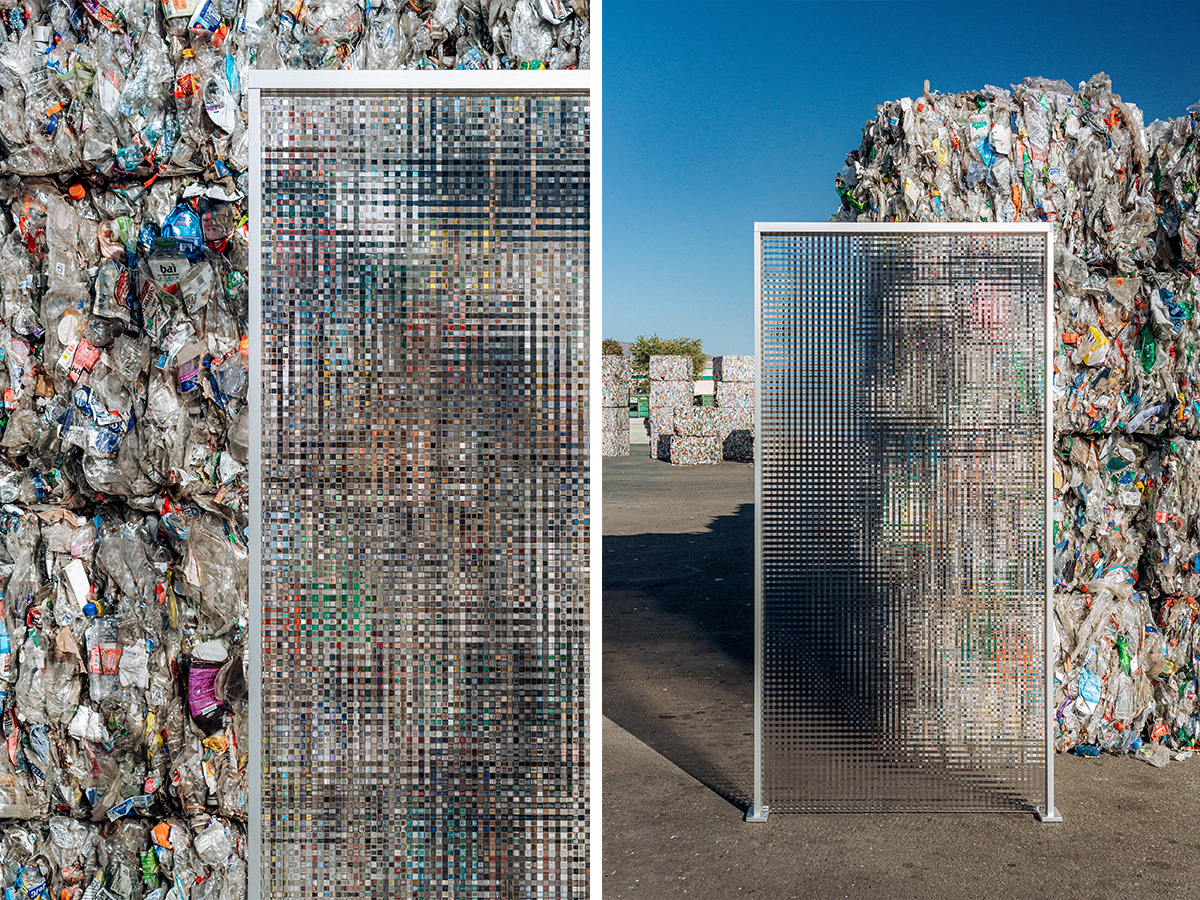
In practice, this means working with plastics that seldom enter the conventional recycling stream—synthetic clothing fibers, carpet fibers, single-use packaging—and reducing them to their molecular components before rebuilding the material. The resin that results is made entirely from recycled content while maintaining the clarity, durability, and visual consistency that define 3form’s products. By making use of plastics that mechanical recycling cannot accommodate, the process increases the volume of waste that can be recaptured and reintroduced into architectural applications, informing how 3form advances both material design and sustainability across its collections. “This innovation effectively paves the way for utilizing existing plastic to develop new products, rather than creating new plastics from fossil fuels,” says Karli Slocum, 3form’s Vice President of Product & Marketing.
Material Integrity and Environmental Impact
As molecular recycling becomes part of 3form’s material pathway, the focus turns to how it can support long-term goals around sourcing and product development. The technology’s role within that work is reflected in how the material behaves once rebuilt. “The interesting aspect of molecular recycling is that it produces material with the same integrity and performance as virgin plastic,” says Slocum. This consistency reinforces the initiative’s potential to support future collections made from fully reclaimed content.
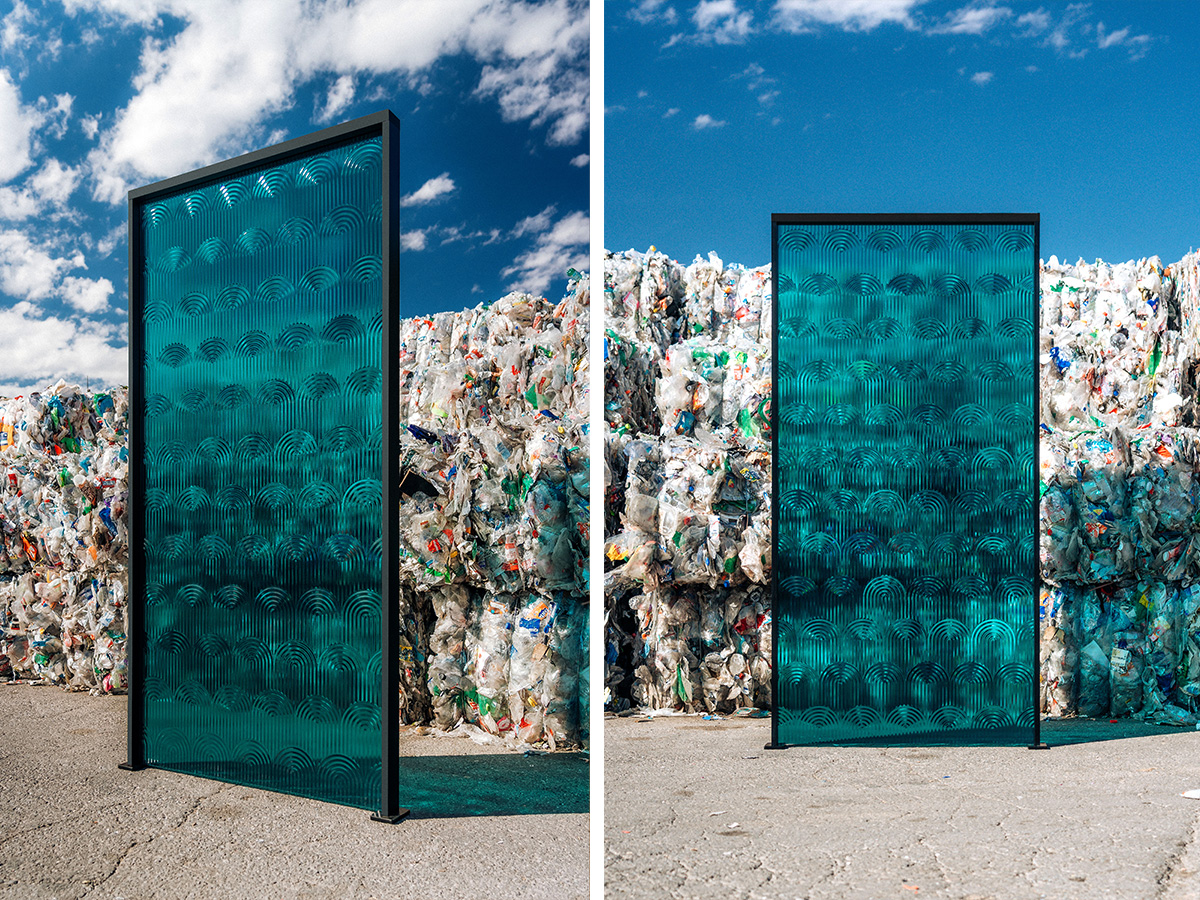
The environmental gains register just as clearly. Molecularly recycled resin carries a lower carbon footprint than conventionally produced plastic, reducing manufacturing emissions by roughly 25 percent. A single 100-percent recycled Varia panel diverts the equivalent of 3,296 plastic bottles from the landfill, and every 50,000 pounds of material processed avoids about 10 metric tons of CO₂. “Molecular recycling has the benefit of allowing us to move away from virgin material, plus a reduction in carbon emissions in the production of the raw material—basically a two-for-one,” Slocum explains. Together, these reductions shape how the initiative aligns with 3form’s broader goals around resource use and long-term carbon impact.
Scaling and Future Direction
The initiative currently centers on the Textures Collection, which now uses 100 percent recycled content through a blend of mechanical and molecular recycling. As 3form works toward broader adoption of this approach, the pace reflects current patterns in how plastic is collected and routed for recycling. “Our infrastructure is not set up to widely collect all plastics effectively and get them to the few facilities that are spearheading molecular recycling technology,” Slocum notes. These conditions play a role in how fully recycled content can be integrated across the Varia platform, the architectural resin line that anchors much of 3form’s portfolio.
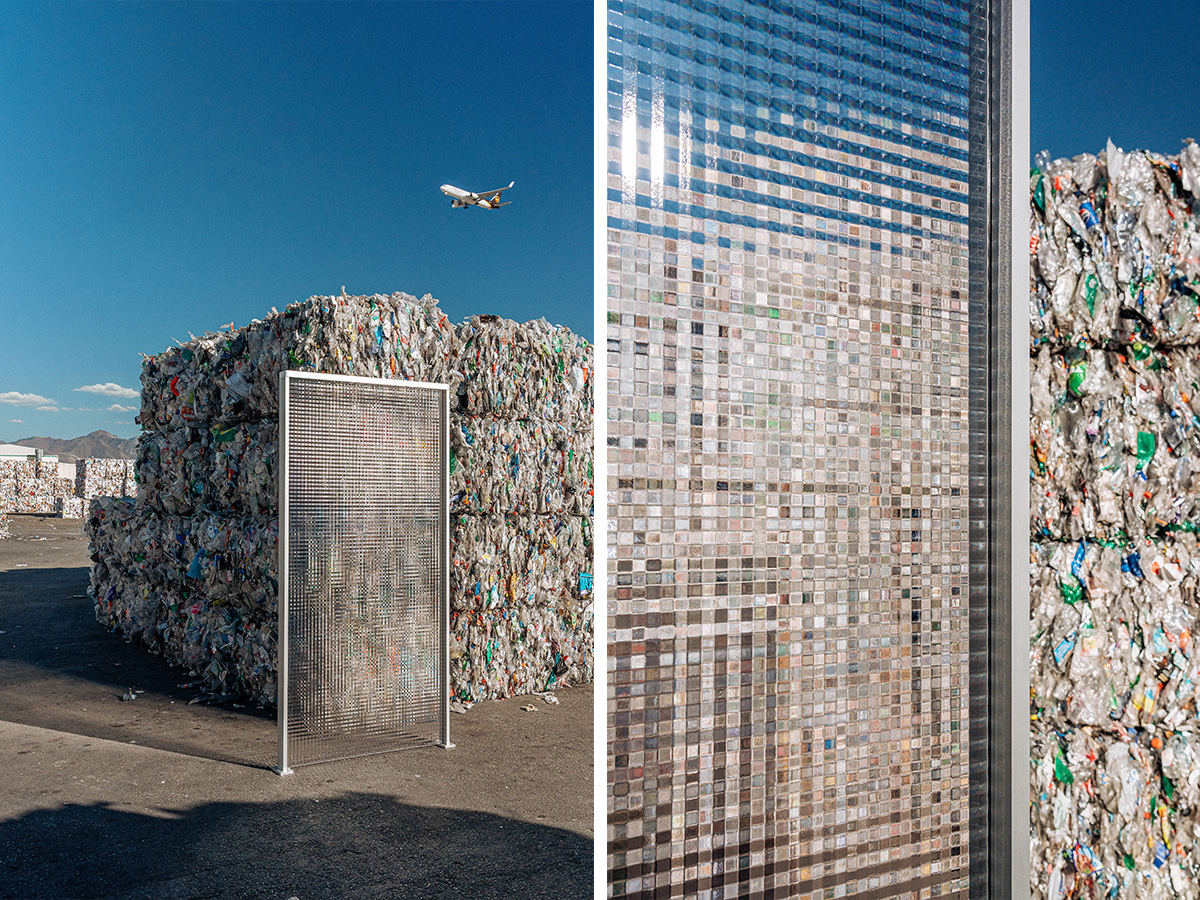
Planning for that expansion is already underway, with additional textures made from molecularly recycled material scheduled for Fall 2026. “We will be expanding our collection of Textures using 100% recycled material—keep a lookout for these in Fall ’26,” Slocum says. The broader aim is to integrate recycled content throughout the Varia line and support a long-term shift toward eliminating virgin plastic altogether, guided by continued investment in the technology and the certifications that accompany it.