


Blink by Teknion Distills Seating to Its Most Essential Form
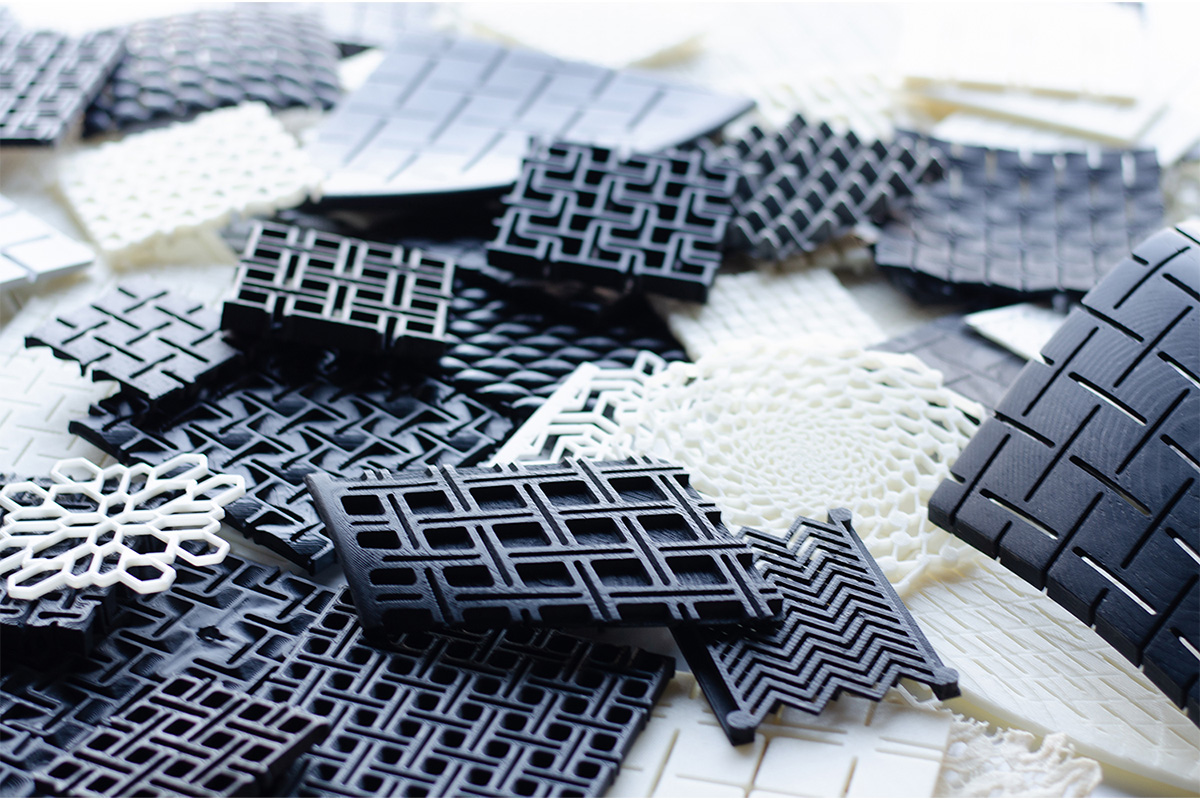
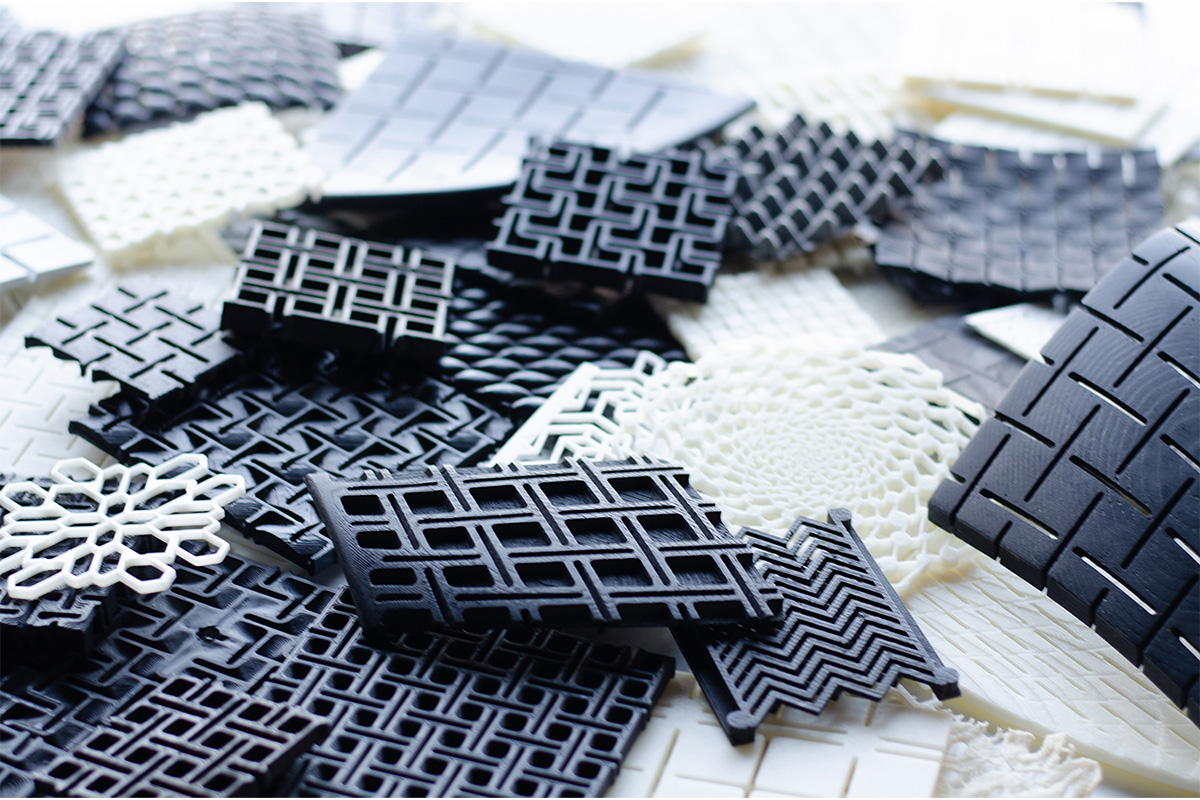
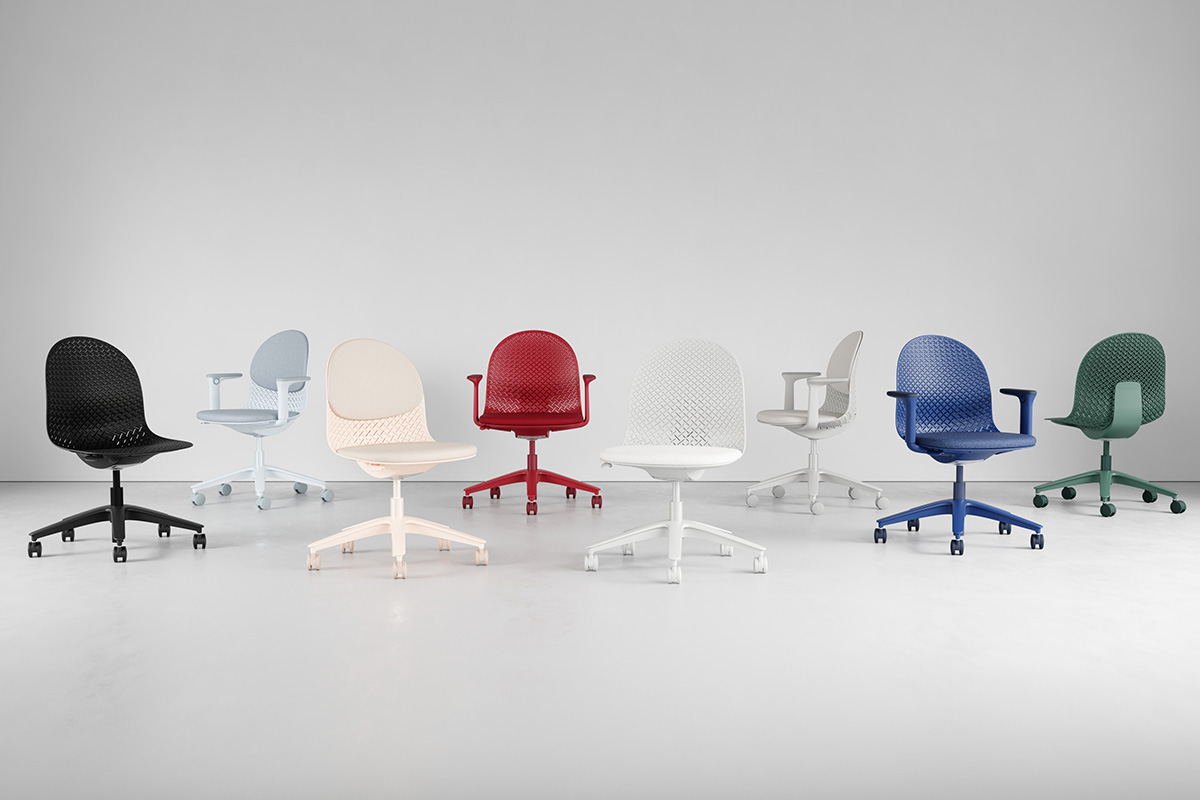
The shell of the Blink chair is scored by a grid of small rectangular voids that shift in depth and density across its surface, following the curve of the back from lumbar to shoulder. The pattern is auxetic, a lattice-like geometry borrowed from body armor, medical implants, and technical athletic wear that allows flat planes to flex and bend around curved contours. It is also the structural logic behind a chair that Teknion developed in partnership with Formway, a research-led design studio based in New Zealand, to answer equally to comfort, aesthetics, and environmental responsibility.
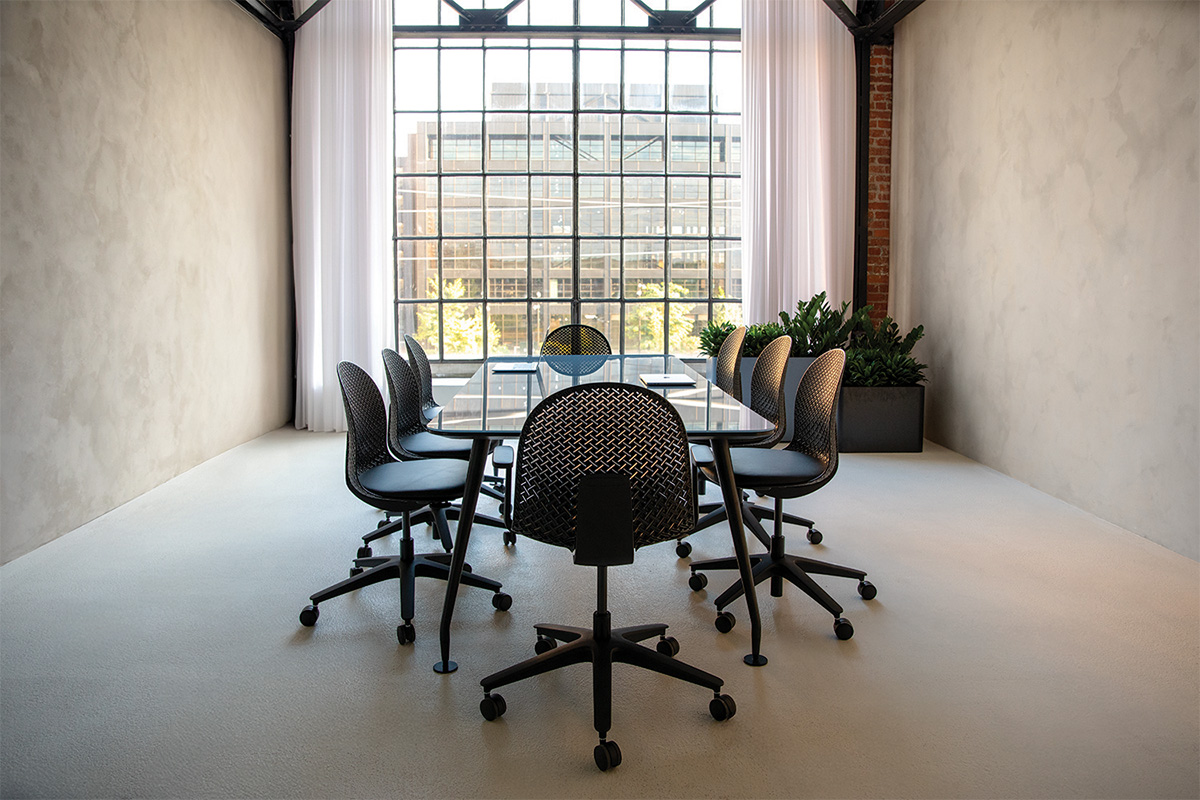
Blink is a multi-use task chair whose development was guided by what Teknion calls a reduction-first philosophy, using material only where it offers the most value and addressing waste and consumption at the design stage rather than downstream. “The Blink Chair has been distilled to its most essential components,” says Julia La, Product Manager, Seating at Teknion. “While each part is highly sophisticated in design, the way they are made and work together is remarkably simple. The approach is about using material wisely, where it offers the most value in delivering comfort, functional benefit, and aesthetic experience to the user.” That process of distillation shaped every component of the chair, starting with the two systems at its core.
Built to Respond
The auxetic shell went through more than 500 design variations before it reached its final form, with comfort and aesthetics developed along two parallel tracks that informed each other throughout. Comfort was refined through full-scale prototypes tested against defined ergonomic standards, while the pattern was developed visually through digital renders and small 3D-printed models across dozens of grid treatments. Each iteration brought the two channels closer together until they converged into a single form.
The process culminated in a full-scale prototype produced in a material matching the physical properties of the intended final product, a “looks-like sits-like” model reviewed both aesthetically and functionally before final adjustments were made to grid spacing, cell dimensions, and the lumbar profile. “One of our key goals for this product was to introduce task-chair level comfort to a chair with a more casual, simple, and residential aesthetic,” says Josh Bruderer, Lead Designer at Formway. “We think that this balance of performance and aesthetic will be a crucial differentiator, and Blink will lead the way in creating a new category of deceptively simple-looking, comfortable, and sustainable chairs.”
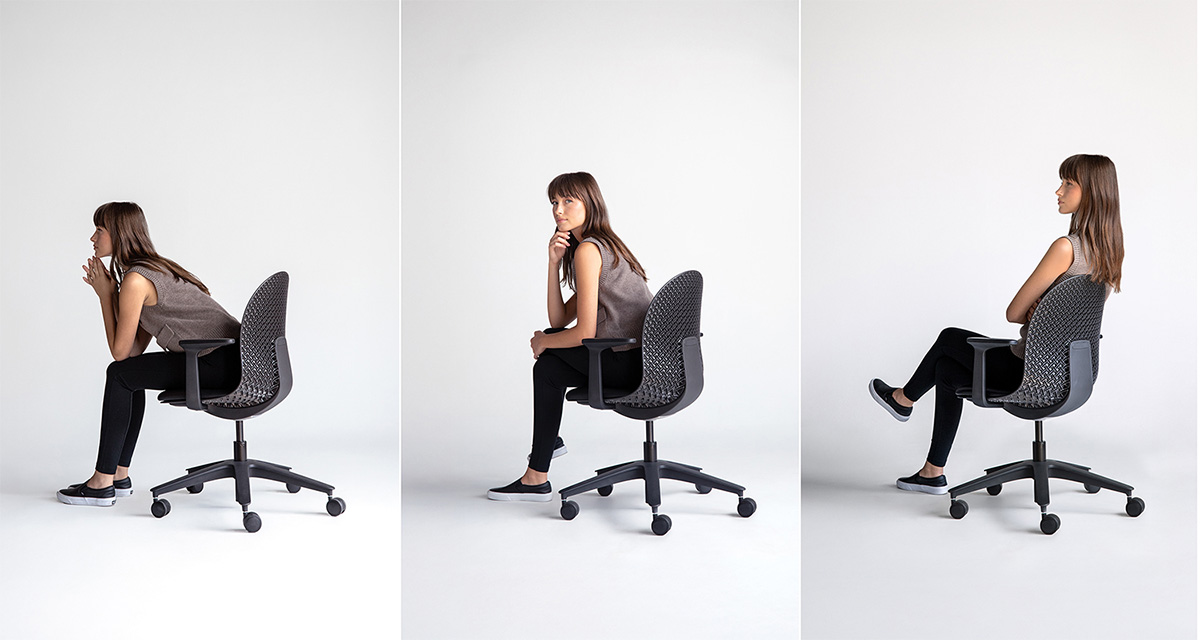
Beneath Blink's auxetic shell sits the Keel, a patent-pending gear and spring mechanism that takes its name from the structural element that keeps a boat level on the water, and from the bone in a bird's sternum that anchors its flight muscles. Both hold things steady under shifting pressure, and the Keel works the same way, using the sitter's body weight to respond automatically to every shift in posture, tilting forward and backward without knobs or levers. “The Keel's weight-compensating effect helps to reduce pressure points and supports the natural postures that people naturally take while working,” says La. “For example, a forward, active posture benefits focused work, while a reclined state supports moments of relaxation and reset.” The two systems were developed in tandem, each iteration of one assessed alongside the other.
Reduction in Every Detail
The reduction-first philosophy extends to the materials themselves. Blink's shell is made with a minimum of 51 percent certified recycled polypropylene, selected in part for its amber color, which allows consistent pigmentation across all eight of the chair's colorways and its signature fully color-dipped look, from shell to base, cylinder, casters, and armrests. The support structure at the back of the shell is made from 100 percent regenerated nylon, a premium material produced through a chemical recycling process that breaks discarded fishing nets, carpets, and fabric scraps down to their molecular building blocks, restoring them to virgin quality. Together these material choices give Blink a recycled content of 73.5 percent and a global warming potential of 39.2 kg CO2e, figures the company supports with an EPD.
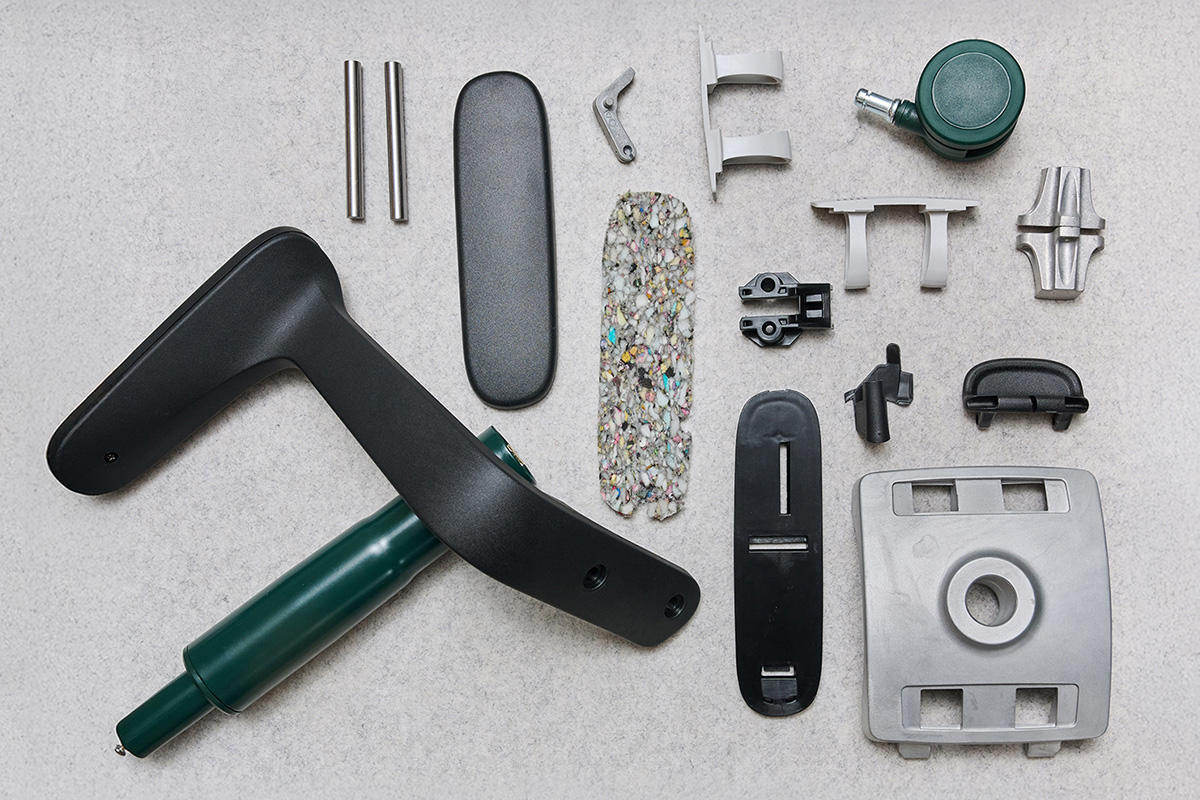
“When discussing sustainability, as important as what's there is what's not,” says La. Blink's shell and Keel designs eliminate the need for multiple user-adjusted knobs, levers, and mechanisms, reducing the total number of components to be manufactured and eventually recycled or disposed of. The chair is built to be serviced throughout its life and disassembled at end of life, supported by material transparency certifications including Declare, BIFMA level 3, and SCS Indoor Air Quality Gold.