


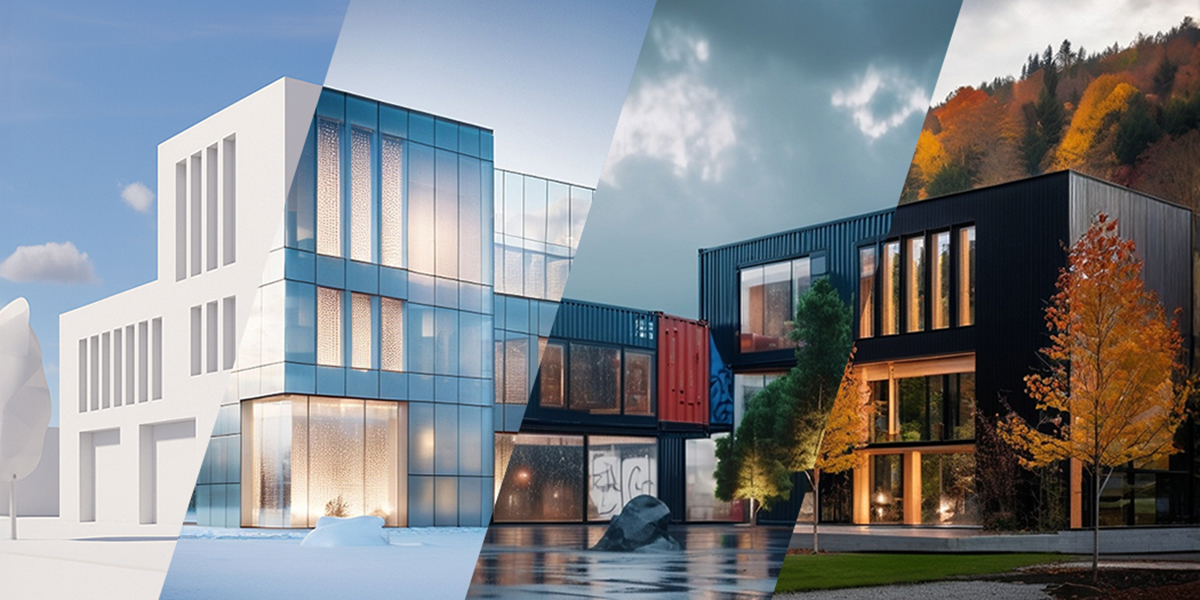
Chaos Explores AI’s Rapidly Changing Role in Architecture
Artificial intelligence (AI) is rapidly finding its place across the architecture and design environment. While it’s easy to get swept up in the buzz, its real impact on the industry is emerging in more nuanced and promising ways. Rather than upending the profession overnight, AI is gradually becoming a thoughtful collaborator, helping architects work smarter, visualize ideas faster, and explore new creative directions.
Across the industry, adoption looks different for everyone. Some firms are fully embracing AI as a transformative design partner, while others are taking a more measured approach, integrating it where it adds genuine value.
In an effort to clear up misconceptions and encourage the responsible use of AI, software company Chaos recently published a comprehensive white paper, AI in Architecture: Trends, Hidden Risks, & What Comes Next. Drawing on practitioner interviews and in-depth internal research, the report explores how AI technologies are truly being adopted in architectural practice and the measurable efficiencies they’re delivering. With valuable insights from leading experts, the study also addresses how practitioners can be more vigilant in safeguarding against potential risks and how the technologies will become even more integral to the field in the future.
According to the white paper, AI adoption is still gradual. Most practitioners understand the relevance of AI, but don’t fully know how to get started introducing it within their practices. And yet, it’s already beginning to alter workflows—replacing specific tasks such as project coordination and data analysis. It’s transforming the creative process, too. This is particularly true when looking at the relationship between the architect and their client and how the latter is becoming more self-sufficient in visualizing their own concepts, using readily available tools like Midjourney.
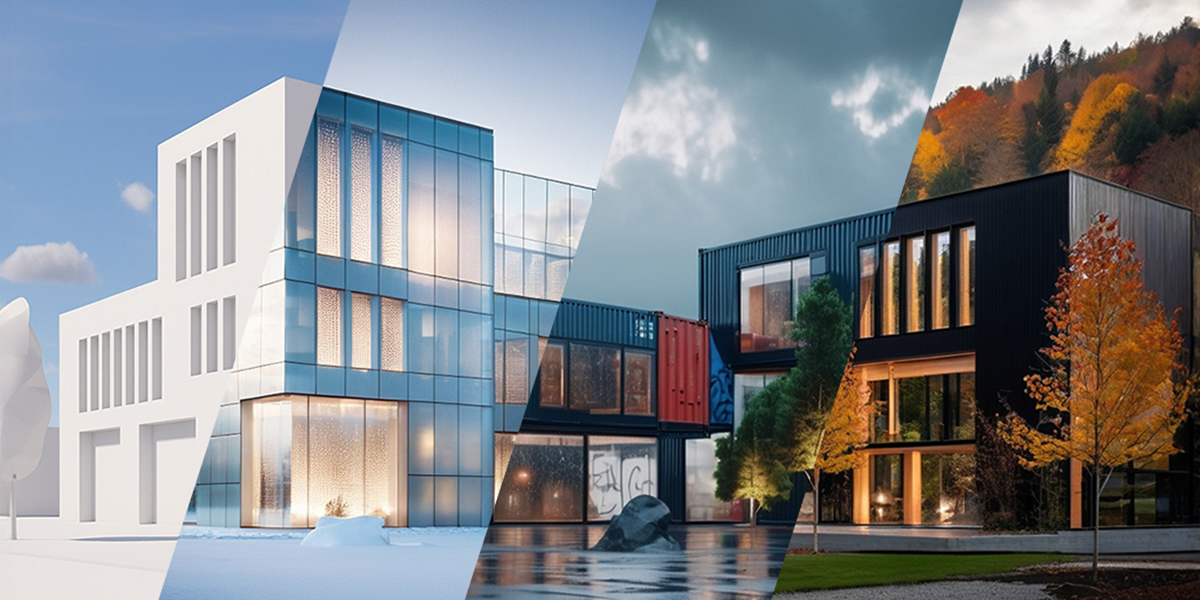
It might seem like AI is taking over the early conceptual phase, but in reality, it’s opening the door to a more collaborative approach. By the growing abundance of what are ultimately homogenous AI-generated images that a client might pull from, practitioners are having to come up with even more innovative and idiosyncratic solutions. Bringing visualization back in house, rather than commissioning third-party studios that might inadvertently leak a concept, firms are able to maintain creative control and exert their distinctive visions.
“Without understanding AI, the architect risks being reduced to a technician rather than a designer,” says Kostika Lala, Founding Partner of Toronto animation studio Flashcube Labs. “Top firms will still command a premium because of their brand and authored designs, but for many in the middle, the pressure to stand out will be intense.”
The white paper clearly states that AI is not, and will not, replace the architect. Rather, it’s here to help streamline repetitive steps and in turn provide practitioners with more time to ideate. In digital modelling, it takes the guess work out of populating a scene with more believably randomized elements (people or plants, for instance). AI can also compress multi-step operations into concise actions.
The technologies can also serve a more intuitive purpose that isn’t always talked about: pushing the practitioner to experiment in ways they might not have been able to do before. The challenge with this new dimension of speculation is to not get too lost in the impractical.
“Unlimited iterations? That’s not necessarily helping. We’ve lost the original purpose of iteration, which was to evoke an emotional reaction and get direction, not to just cast a net and see what you catch,” says Charles Portelli, Senior Associate and Digital Innovation Strategist at major multi-city firm Perkins & Will. Lala concurs. There’s a risk of falling into the speed trap: the temptation of going too fast with the endless array of possibilities AI affords, but not taking time to reflect. “Speed can be the enemy of quality,” he notes.
Though being introduced incrementally, the technologies are quickly evolving. The sheer amount of content is expanding exponentially. With this largely unchecked degree of growth comes more risk. Given the open source nature of the data, breached privacy and copyright infringement are becoming more prevalent. To protect against these inevitably human-led control is key. As with any technology, security and integration gaps are also risks. To counteract costly malfunctions, comprehensive programmatic configuration from the outset is essential.
"I’d push for more transparency from AI vendors—how the models are trained, what data they’re using, what biases might be in there,” says Portelli. “Right now, there’s a lot of black-box behavior, and that’s risky when we’re using these tools to make design decisions that have real-world impacts.”
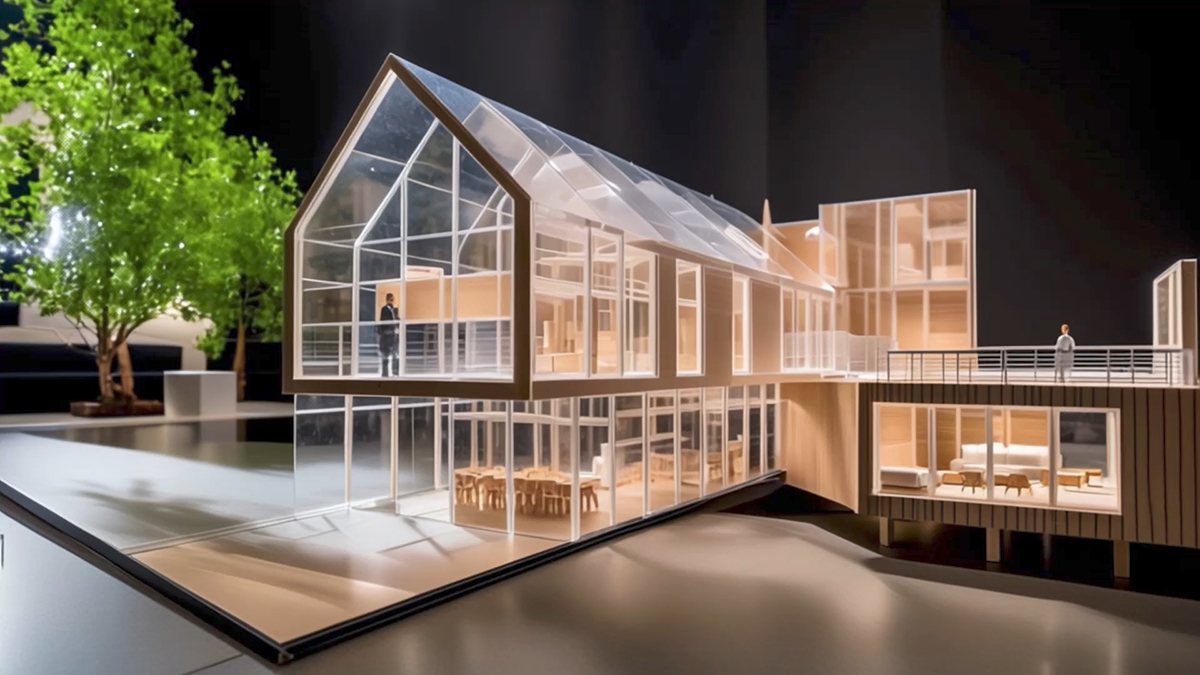
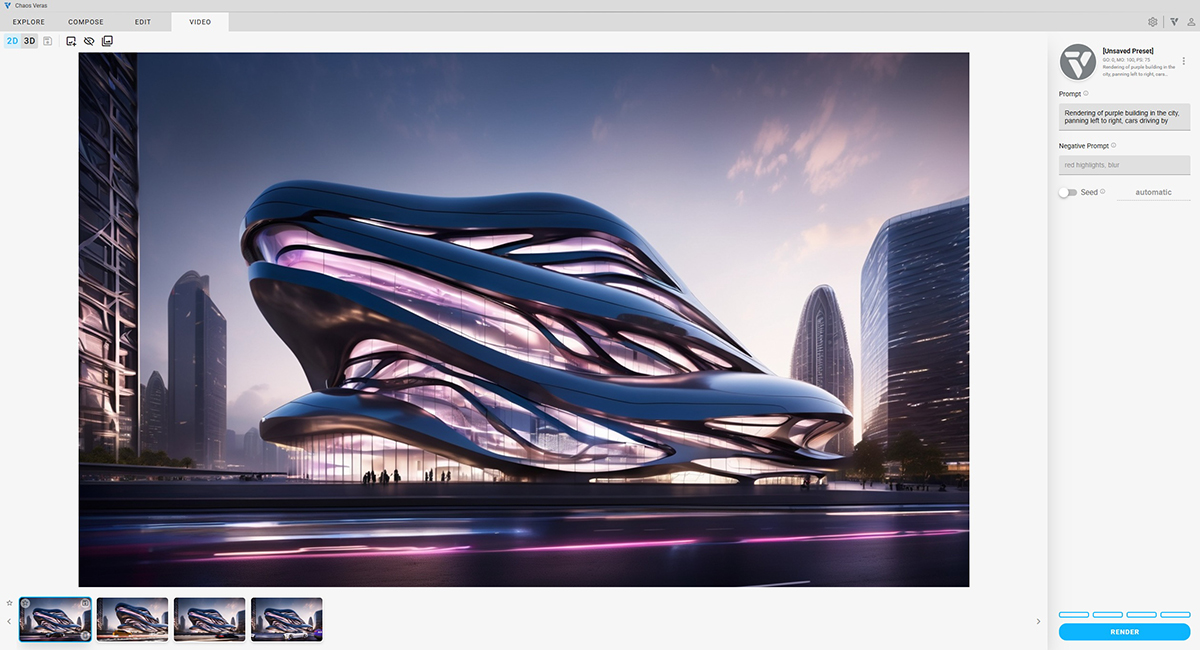
To address these potential pitfalls, the white paper also includes a set of frameworks thoughtfully devised for firms to responsibly implement AI: internal protocols and carefully written contracts that include straightforward privacy and copyright clauses, as well as clearly stipulating procedures. Chaos also outlined best practice for the design process: critical thinking as a means of quality control and framing how one prompts AI generation as a new skillset.
If all of this is taken into consideration, and the temperance of AI isn’t just achieved through top-down regulation but also bottom-up initiative, the future looks good. The white paper indicates that more immediate developments will center on removing the road blocks between concept and delivery. AI will not just be a digital assistant that pops up but a tool that seamlessly integrates into modeling and workflow software. Not just automatizing routines, it will eventually be able to unpack complex briefs as an analytical partner.
“We should be honest about what AI can and can’t do, and focus on building tools that actually improve creativity and quality,” Lala concludes. “And that means involving designers directly in development—not just as beta testers but as co-creators of the tool."
Explore the full findings in AI in Architecture: Trends, Hidden Risks & What Comes Next to see how responsible innovation is shaping the future of design. Download the white paper at Chaos.