


Crypton Fabrics Anchor a Detroit Landmark Restoration
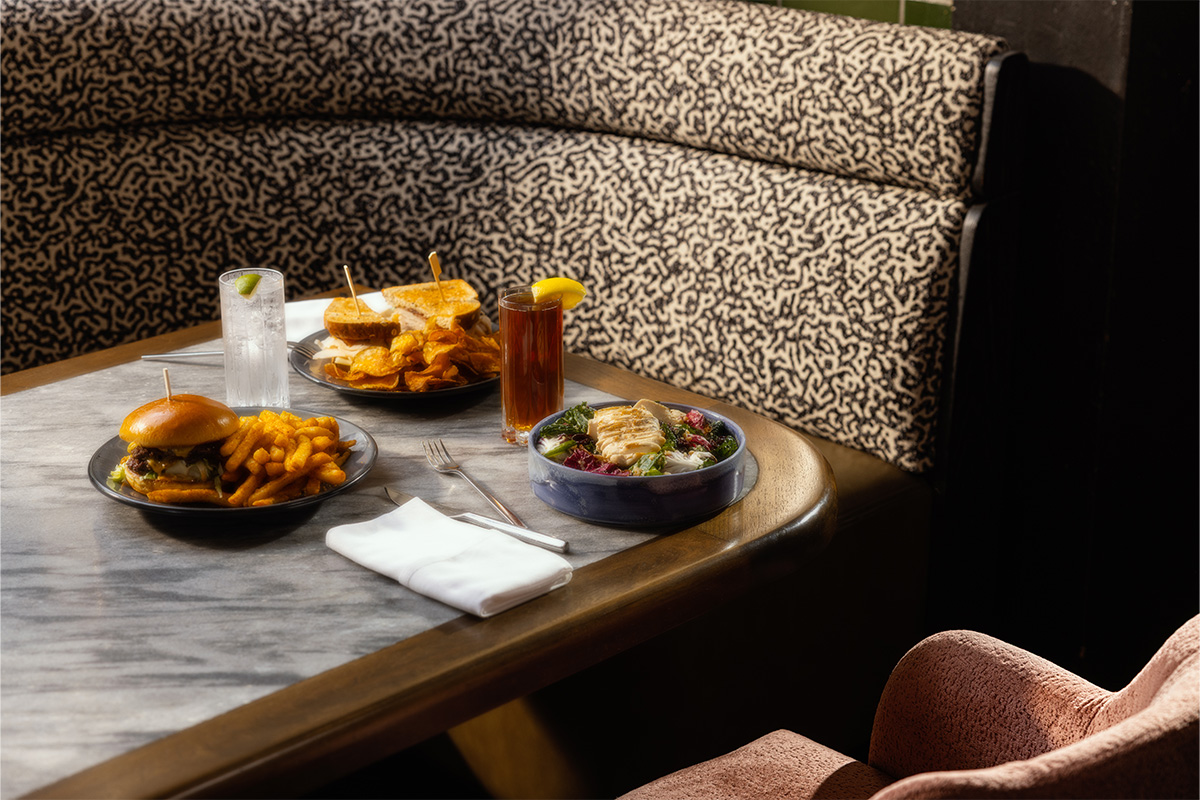
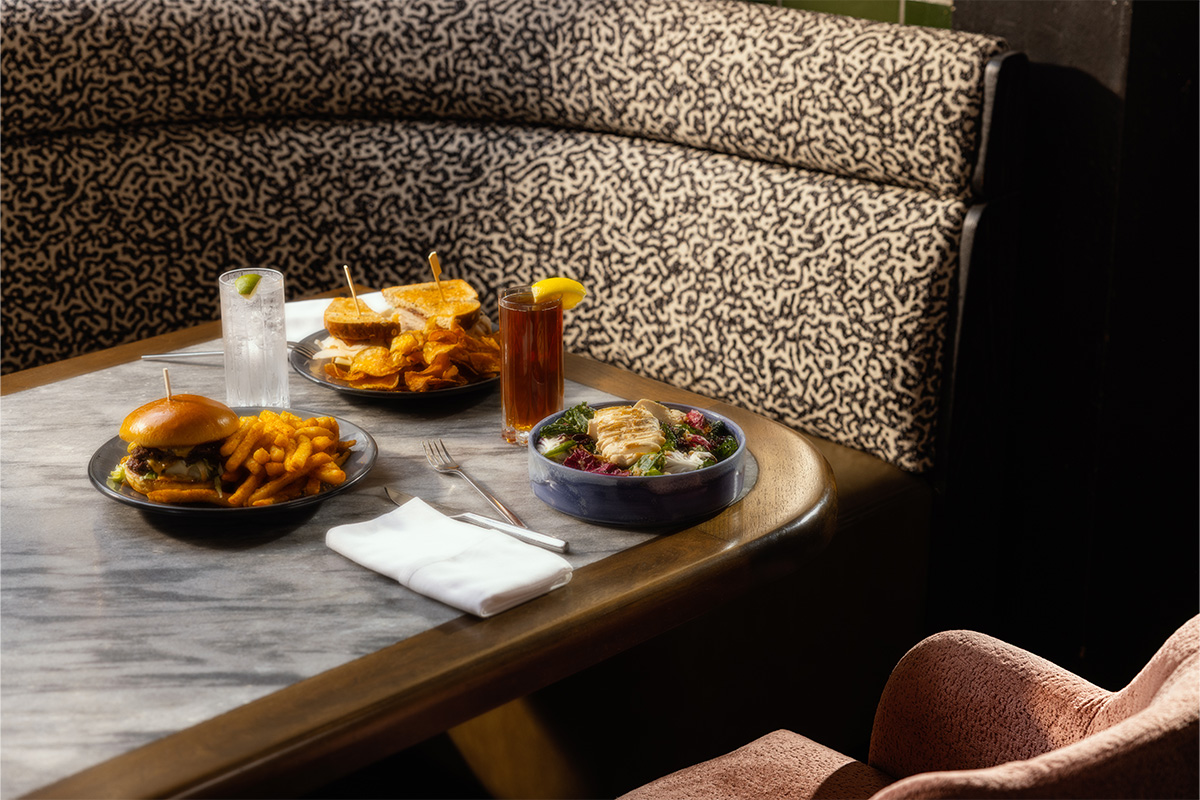
Slide into a banquette inside The Apparatus Room at the Detroit Foundation Hotel, and the upholstery reads plush and richly textured: chenilles, velvets, patterned jacquards, and refined solids in deep, saturated tones that carry through the signature restaurant and into the lobby and bar beyond. Hospitality has long asked its fabrics to serve two ends at once: absorb the wear of daily service and read as luxurious in the process. The Foundation Hotel's seating delivers both, evidence of a shift in which performance no longer dictates aesthetics. Behind the specification is Crypton, a Michigan-born performance textile company founded more than thirty years ago, whose fabrics were selected by the Detroit studio Parini Design across the property's public spaces.
Crypton's ties to Detroit predate the project by decades. Randy and Craig Rubin started the company more than thirty years ago as longtime members of the community, and Crypton counts the city as part of its origin story. Its return, embedded in the seating of a building that first served as the city's fire department headquarters in 1929, closes a loop nearly a century in the making. CEO Lance Keziah calls the specification especially meaningful, an opportunity to contribute to a project that, in his words, “honors the city's rich history while helping shape one of its most iconic hospitality destinations.”
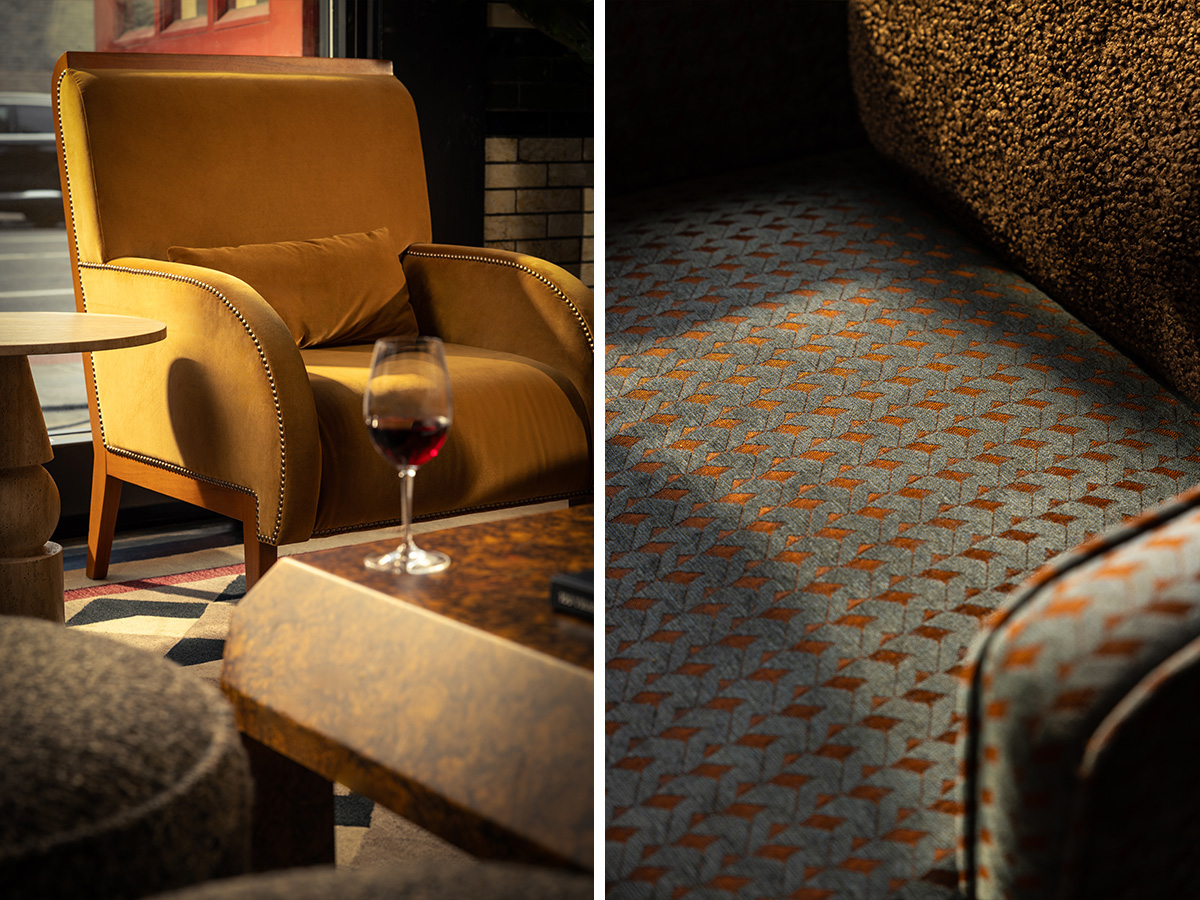
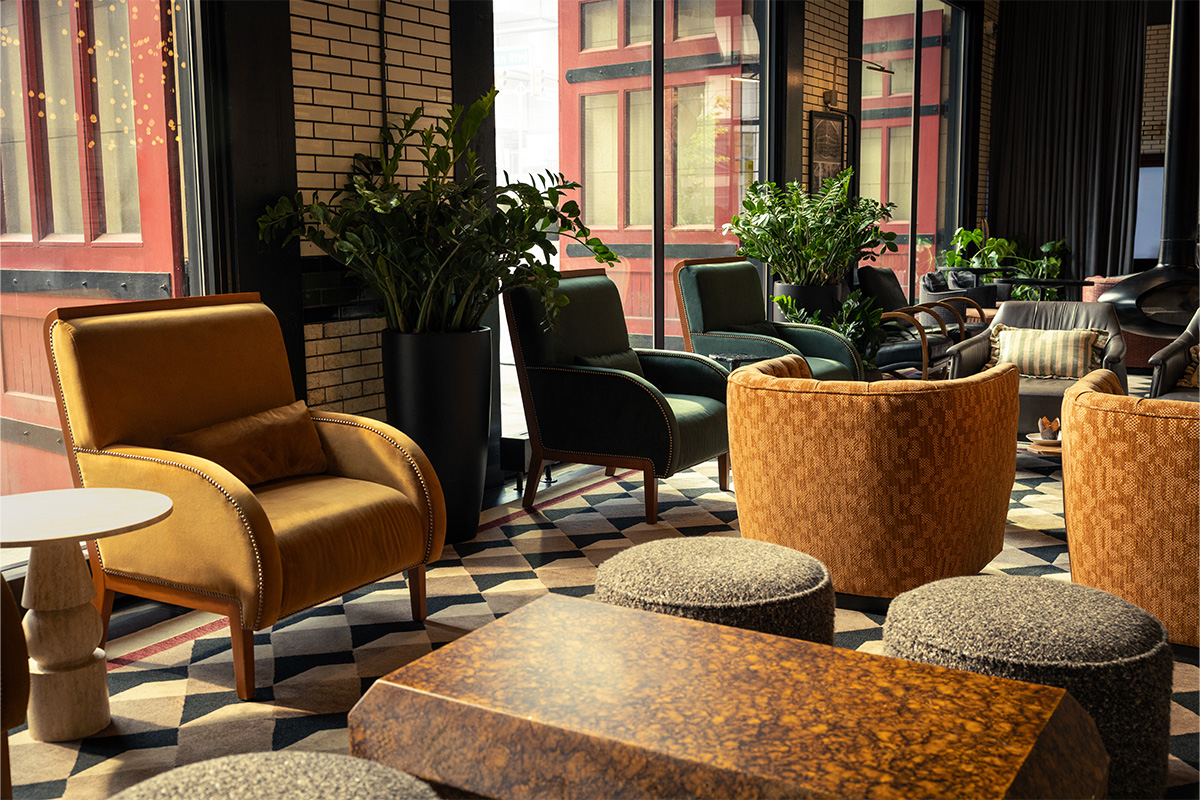
The June 2025 renovation preserved distressed glazed brick and original stained wood doors, restored the firehouse's brass poles, and traded a rawer industrial character for one of layered elegance and refined detail. Hometown studio Parini Design shaped the fabric mix, layering patterns, textures, and color Keziah calls “timeless and distinctly Detroit.” “Having our fabrics become part of a landmark like the Detroit Foundation Hotel is something to be proud of,” Keziah says. “It's a testament to the power of enduring partnerships, thoughtful design, and materials that are made to perform for years to come.”
Across the property's three most demanding public spaces, one fabric system takes on three distinct sets of pressures. In The Apparatus Room, reconceived in the renovation for greater intimacy and material richness, upholstered seating meets full food and drink service. “Restaurant seating is among the hardest-working upholstery in any hospitality environment,” says Elise Gabrielson, Crypton's VP of marketing. “Throughout the day, fabrics are exposed to coffee, wine, cocktails, oils, sauces, and constant guest turnover, all while needing to maintain a refined, welcoming appearance.” Built into the fabric is a patented moisture barrier the company pioneered for upholstery more than thirty years ago, preventing liquids from reaching the cushion beneath. Plush banquettes and sculptural lounge chairs keep their composure through a full dinner service, then reset for the next one.
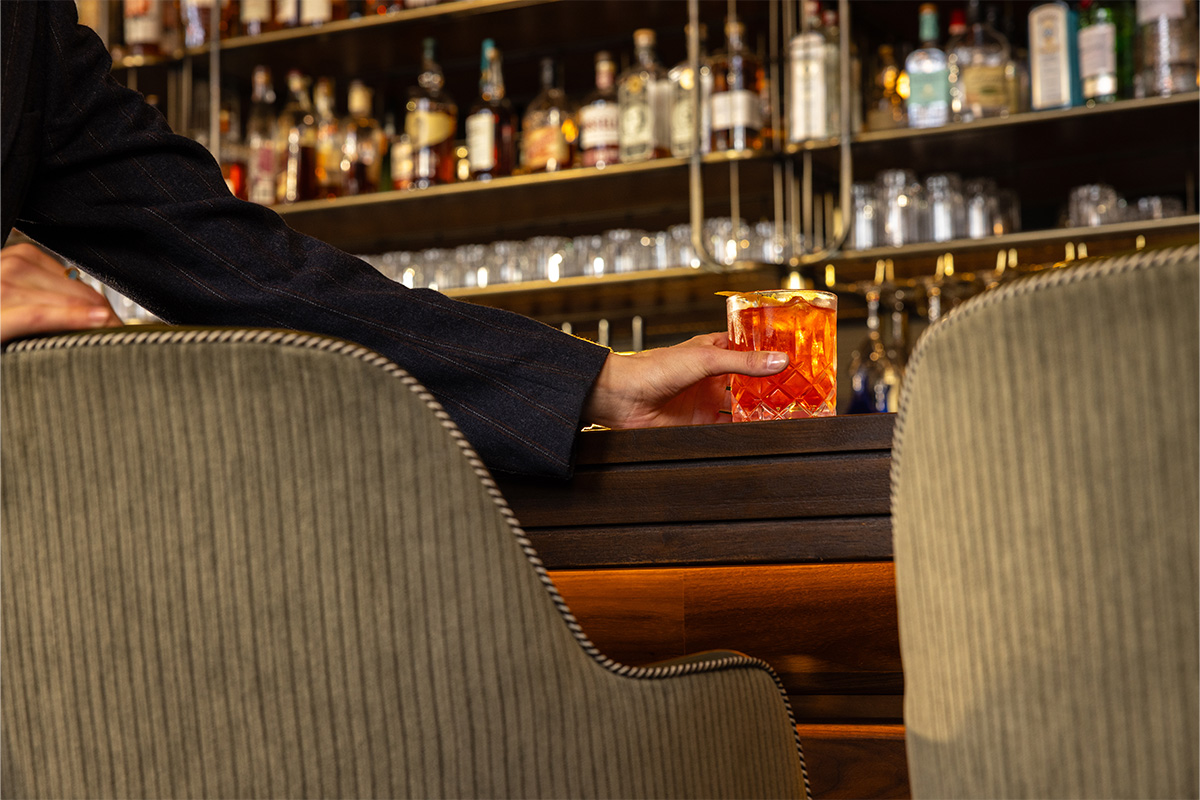
Elsewhere in the hotel, the upholstery contends with a broader mix of daily traffic. “Hotel lobbies and bars are some of the most demanding environments designers specify for,” Gabrielson says. “Lobby seating welcomes a constant flow of guests throughout the day—from travelers with luggage and business meetings to families gathering and guests settling in for extended stays. Bar seating faces an equally demanding environment, with food and beverage service making spills an everyday occurrence.” Specifying Crypton across all three settings gives the hotel a consistency of upkeep to match its consistency of character: routine cleaning in place of replacement, and furnishings that hold their appearance years past opening day.
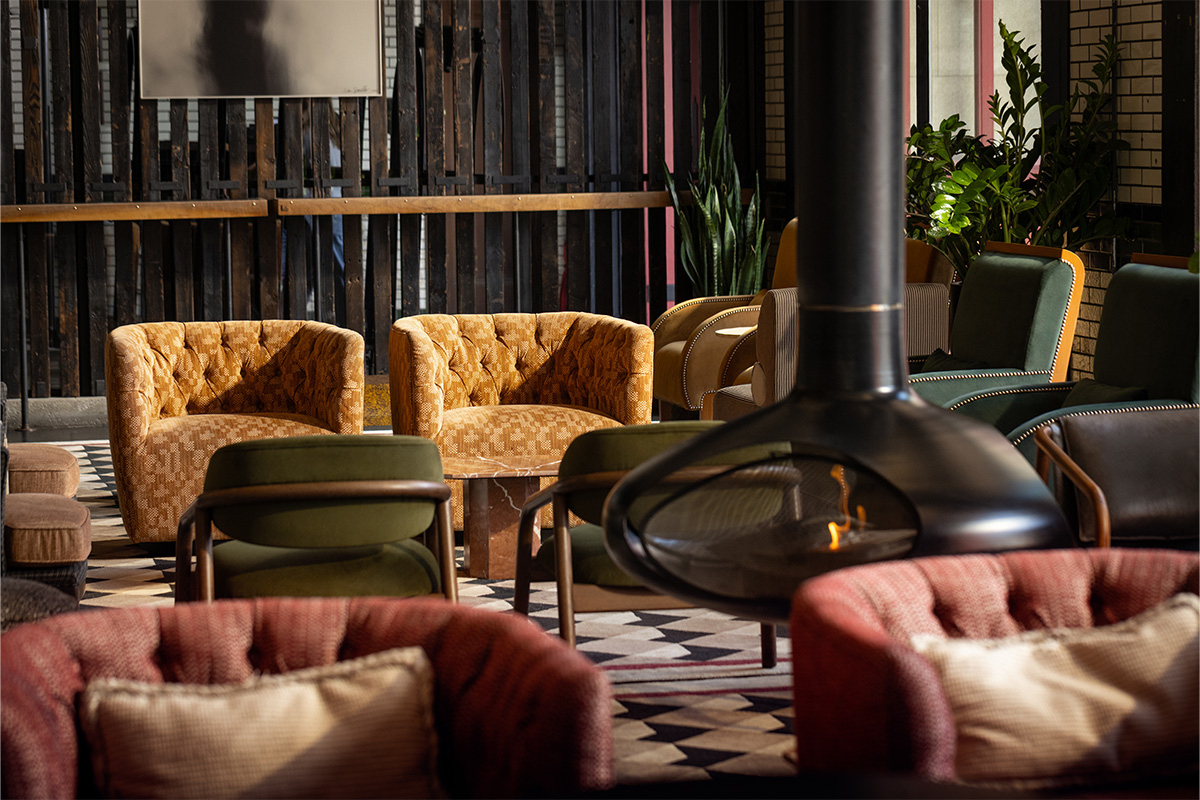
Beyond performance, Crypton's fabrics answer a set of concerns that has moved to the center of hospitality specification: health and transparency. The fabrics are engineered without PFAS, verified fluorine-free, and GREENGUARD Gold Certified for low chemical emissions, credentials that support healthier indoor air in rooms where people gather and stay. The company also publishes Health Product Declarations, complies with the Living Building Challenge Red List, and can contribute to WELL Building rating credits across material transparency, restricted materials, and low VOC categories. Crypton frames longevity itself as part of that ethic. “Durability is an essential part of sustainability,” Gabrielson says, noting that textiles which endure extend the life of furniture and reduce waste over time.