


How One Company Is Leading a New Era of Product Development
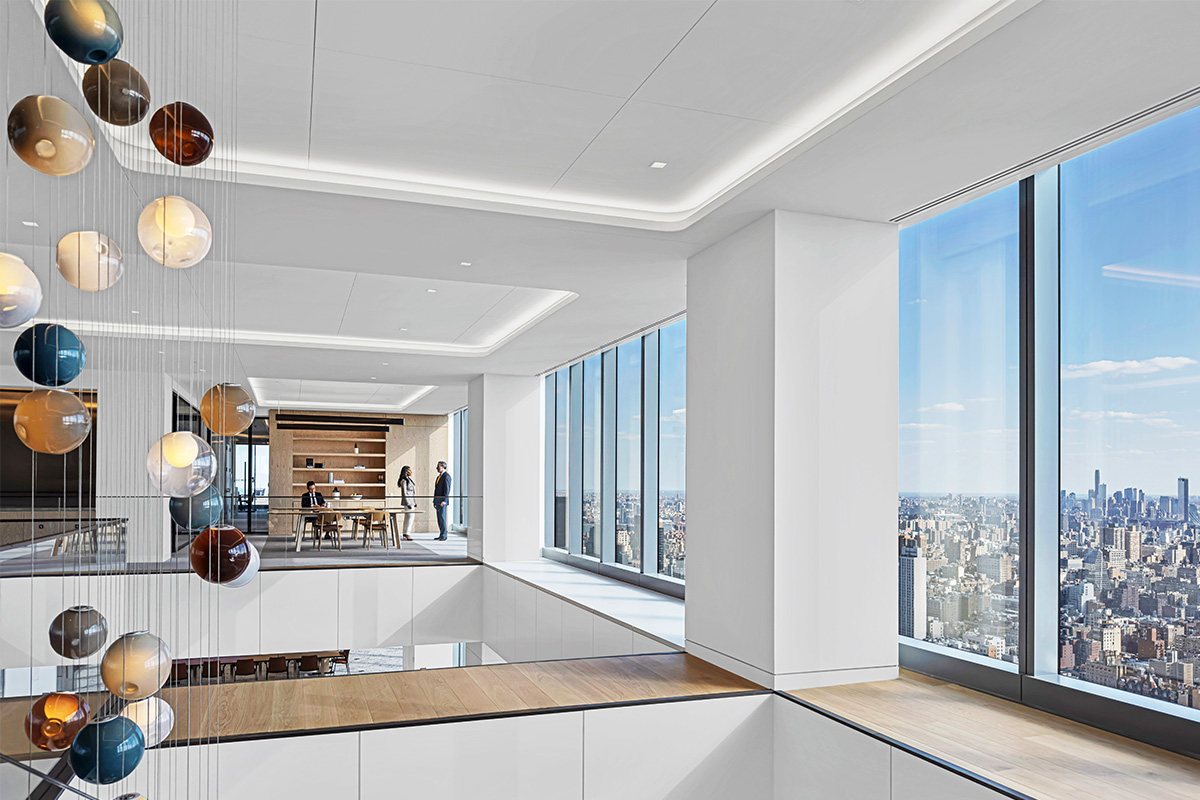
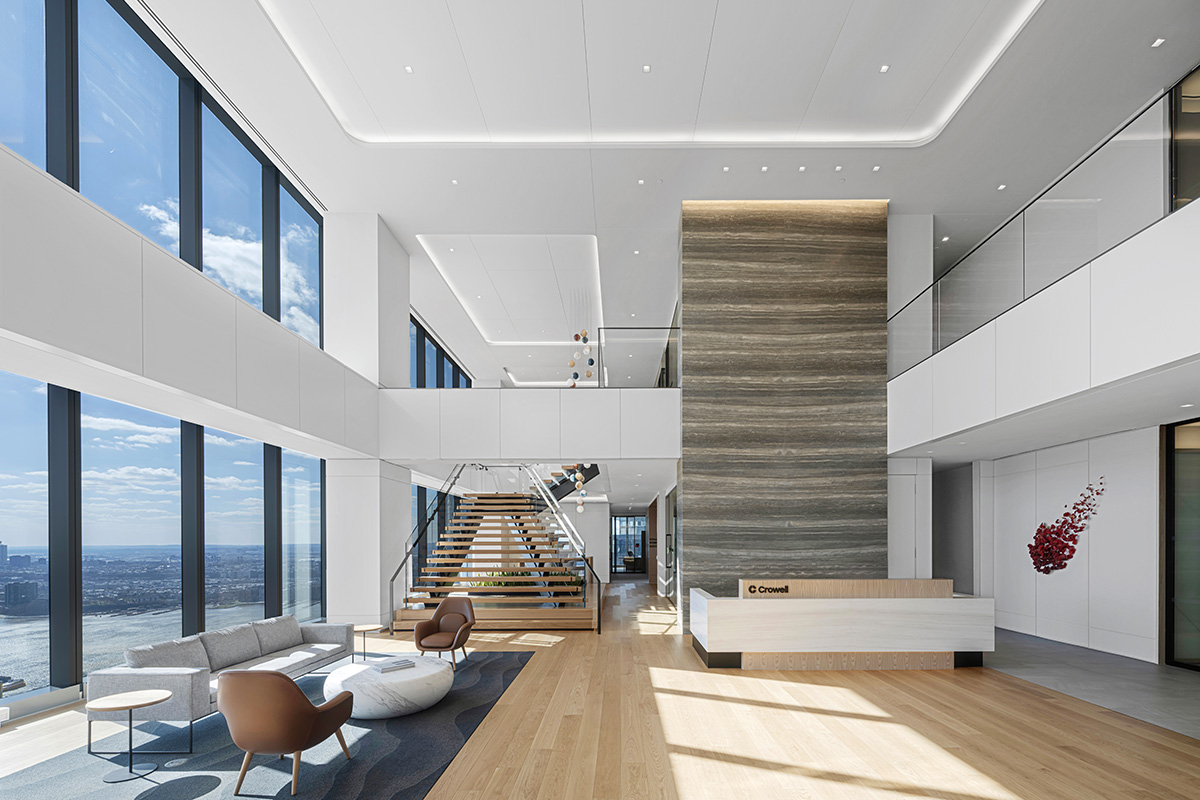
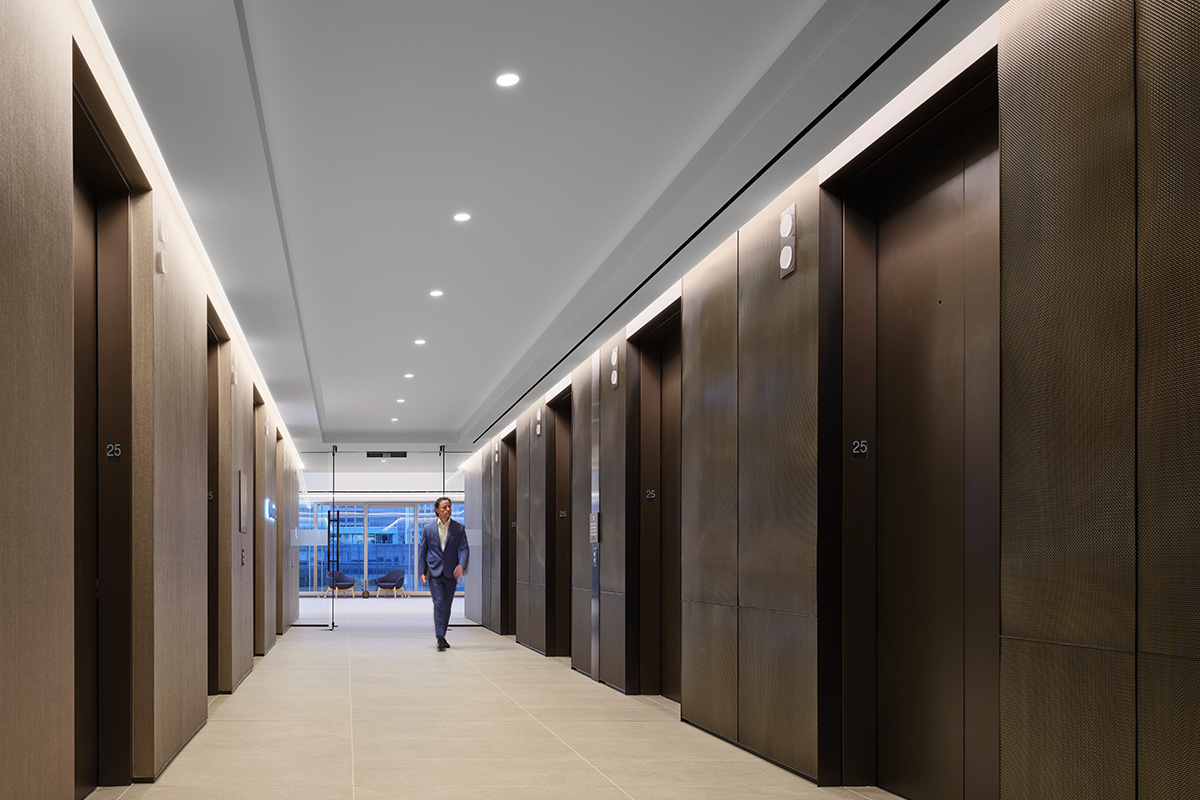
In recent years, as corporate interiors have grown more design-forward, Alina Ainza, Partner and Managing Director in the New York office of lighting design firm LOOP Lighting, was beginning to notice a change in the law firm interiors her studio was working on. The amenity spaces, reception areas, and public-facing floors that had once been secondary to the work of lawyering were becoming primary, and with this shift came a different architectural ask of light. Curves were appearing in ceilings, feature walls, and elevator lobbies. “It seems nothing has a straight 90-degree corner anymore,” she says.
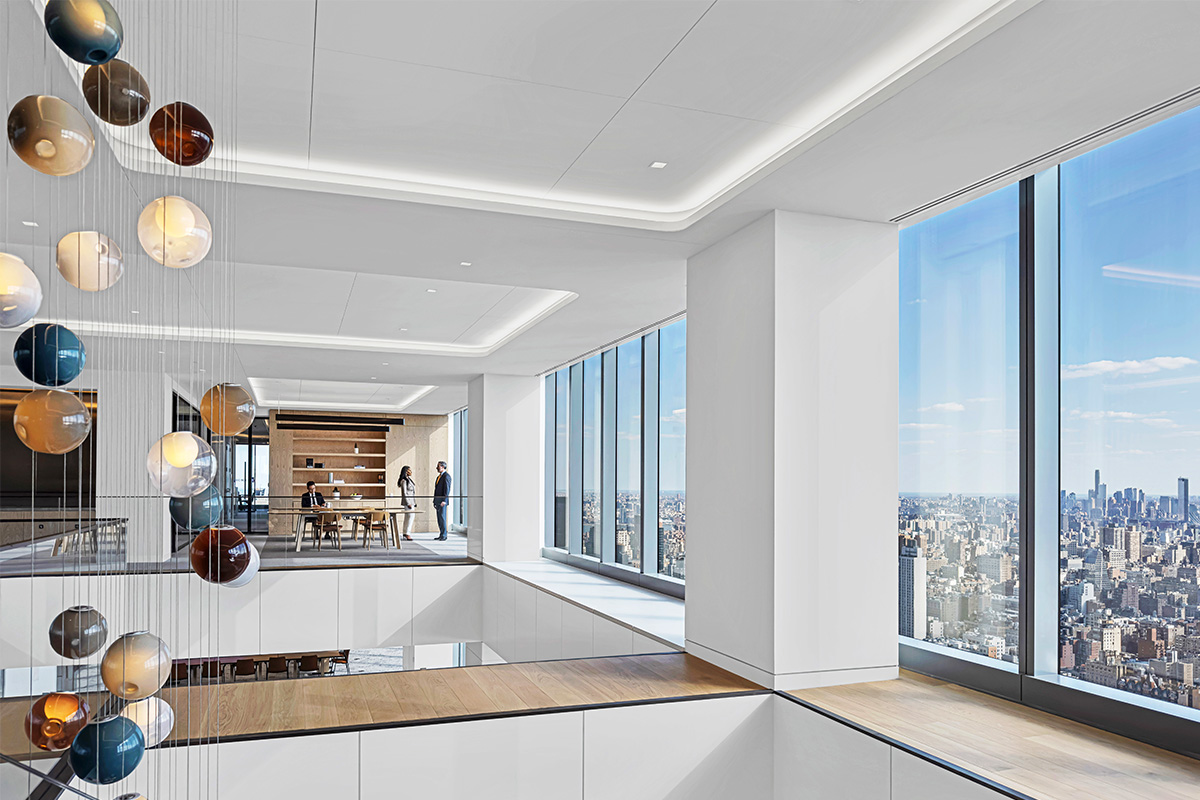
What the lighting market offered at the time was limited. Existing products that could handle curved installations relied on predetermined radii that bore little relationship to what contractors found on site. What Ainza needed was a system that could be curved in the field, adjusted to whatever geometry the architecture had delivered. She brought that problem to Coronet LED, a New York–based architectural lighting manufacturer known best for their linear luminaires. The timing, as Ainza puts it, was perfect: “We needed a fixture that we could not find on the market. They were interested in expanding their product offerings at the same time.”
“We already knew how to light the cove,” says Tyler Mark, Vice President of Business Strategy at Coronet. “We just needed to design the housing that the new fixture would sit in.”
What followed, across emails, in-person meetings, small-scale mockups at LOOP's Manhattan studio, and prototype reviews at Coronet's factory in New Jersey, left the team with the silver bullet to Ainza’s problem: the field-curvable Lalina Cove fixture.
The final step in prototyping was testing in real-world applications, where the fixture was further refined. “You can design something in a factory,” Ainza says, “but until contractors actually receive a product and install it, that also is where the next phase of learning begins.”
Now, Lalina Cove is one of Coronet’s standout products, embraced by designers and contractors alike. The system has continued to evolve beyond the original project, expanding into new iterations including a Wall Wash version and most recently Lalina Knife Edge, a field-curvable cove system with a knife-edge detail for a clean ceiling transition inspired by an early suggestion from Ainza.
The close collaboration that paved the way to Lalina is one instance of a broader shift. Research from the American Institute of Architects finds that nearly three-quarters of design professionals place high value on manufacturers who involve them in product development. Coronet has made that gap its territory.
Iteration Over Time
David Rush, President of architecture firm ENV's New York office, has maintained a long-running relationship with Coronet, one that has shaped both how the company's products work and how he deploys them. The Rush series, Coronet's suspended linear luminaire system, emerged from his conversations with Coronet’s CEO and Design Director Russell Osur. The two were looking at a linear fixture together, trying to determine what it could become. “I think this is what a pendant linear fixture should look like,” Rush told Osur. “Very small, sleek.” The goal, as he puts it, was always “better lighting, not more lighting.”
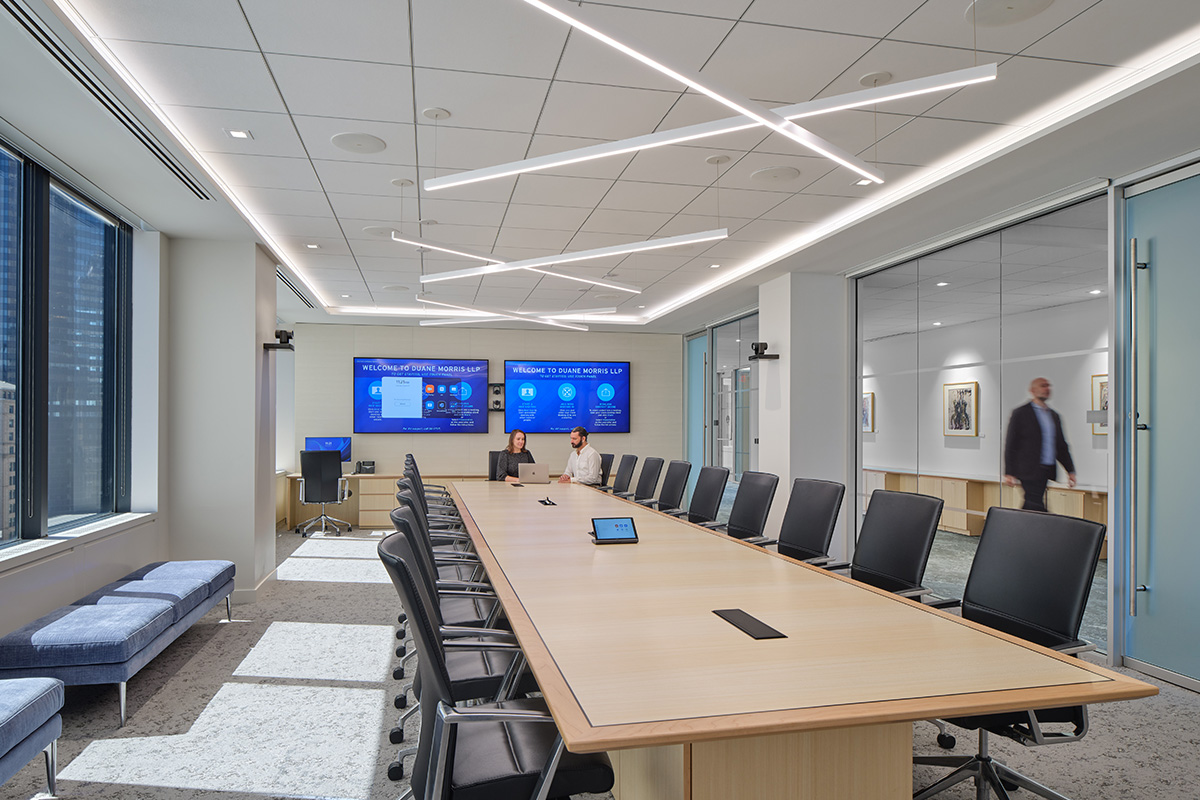
From there, the profile took shape through a series of prototypes at Coronet's factory, with initial iterations including 3D-printed versions, before landing on its final form. One of the first projects to use it was a dining hall at St. John's University, which became an early proof of the fixture's versatility. Rush and his team suspended units at eight different elevations to create what he describes as a chandelier effect, an arrangement that tracked so closely to the original rendering that it surprised even him. The resulting fixture became one of the few sub-one-inch linear architectural luminaires on the market, and the series has continued expanding through multiple refinements and variations.
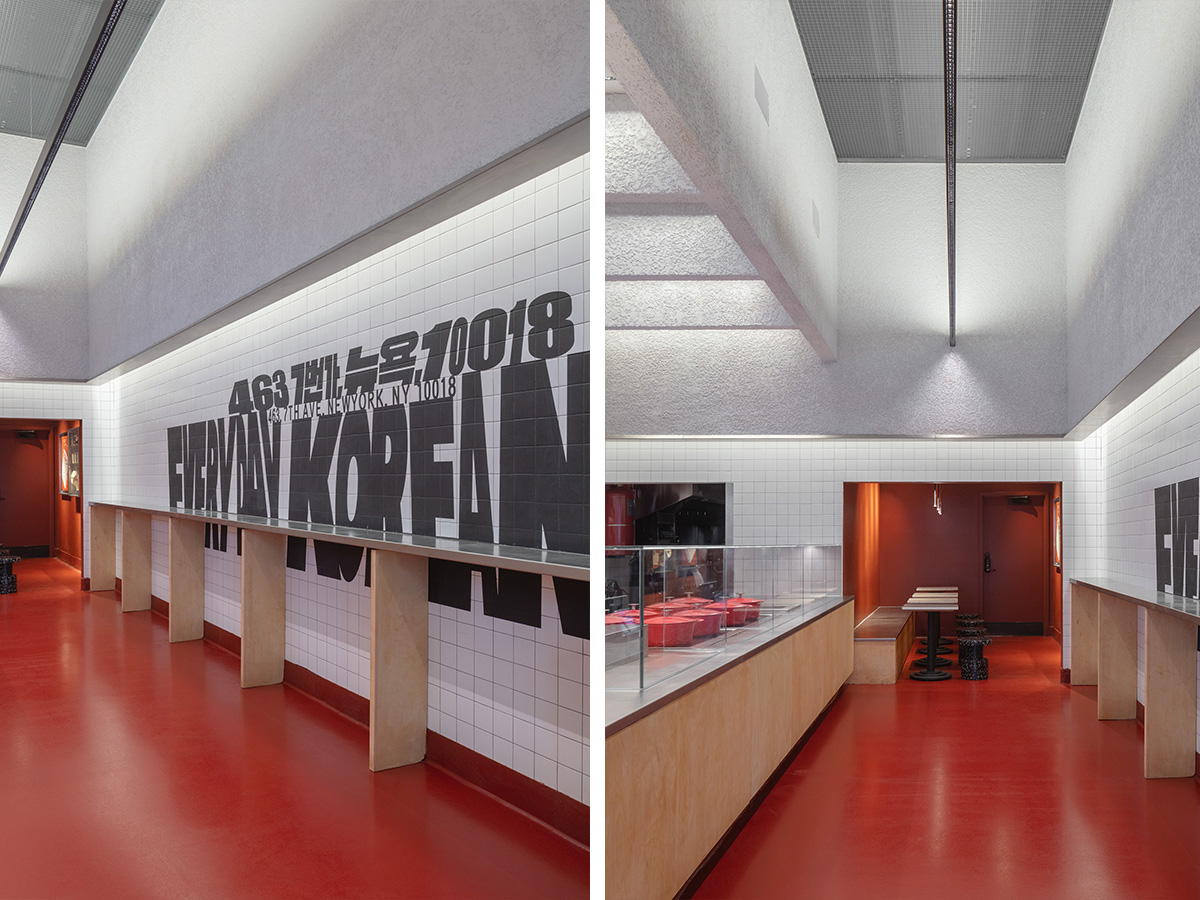
The Rush Sharp, among the most specified variations, incorporates an internal optical louver that diffuses light for a low-glare experience. Each project that specified the fixture produced new information, which fed back into the next iteration—the extrusion accommodating up and down light configurations, adjustable canopy sizing, and a recessed-capable version developed in part to make installation easier for electricians. “Every time it was specified,” Rush says, “we'd think of new ways to push it further.”
Solving for Acoustics
It was through that same process of repeated specification that Rush identified another gap. The Shush, Coronet's pendant acoustic luminaire, came out of a problem he kept encountering in open slab office interiors: the lighting looked right but the acoustics had become unworkable. The two systems, illumination and sound absorption, were being addressed separately, which meant acoustic panels arrived visually disconnected from everything else.
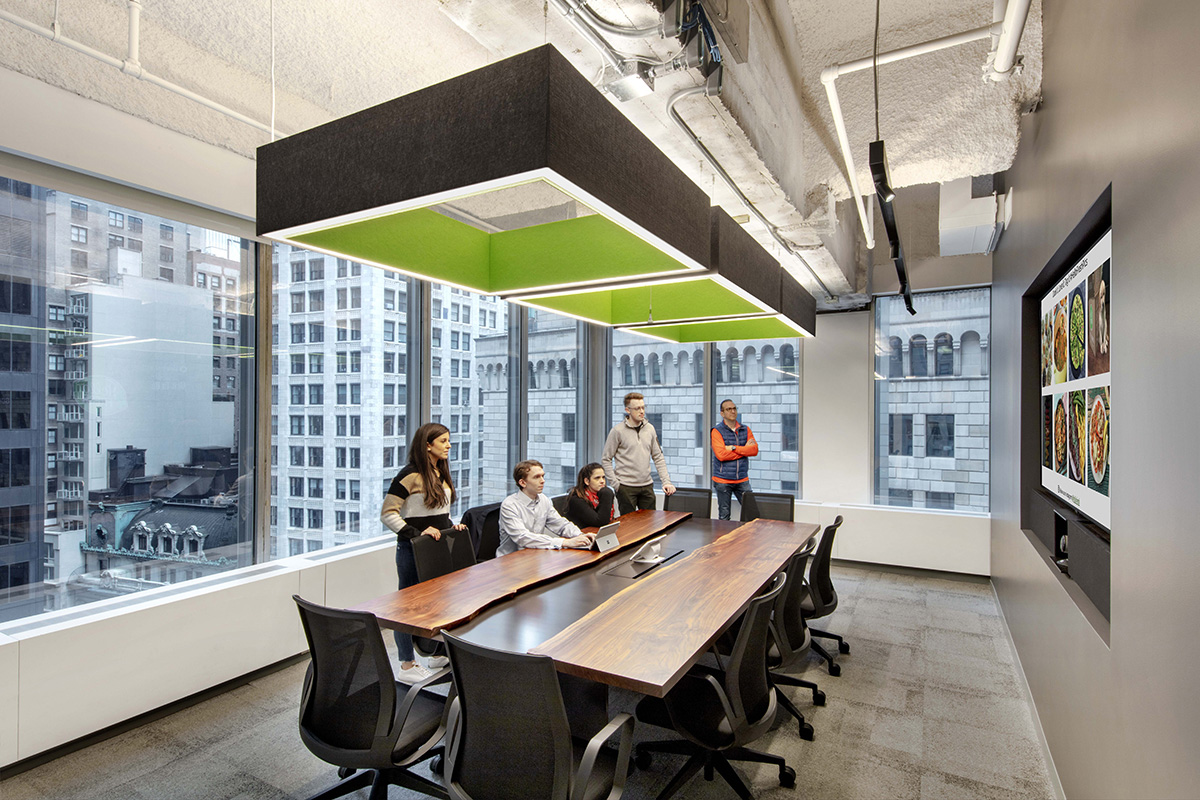
Rush approached Coronet with a specific brief: a suspended fixture wrapped in acoustic felt that could absorb sound and provide light from a single object. The fixture went through testing to establish a verified noise reduction coefficient, and the felt panels have since gone through their own iterations. What Rush values most about the result is its presence independent of its utility. “It's not just light, it's an object,” he says. “So, you're getting two things—light you see and light you see with.”
Each of these products followed a similar path: a condition observed in the field, a problem brought to Coronet, a solution refined through prototypes and installation, and eventually specified again somewhere else. Beyond a manufacturer, Coronet is a design partner and resource—and their long-standing relationships with architects and designers are part of what distinguishes the company within the lighting industry. They have a track record to prove it. “You always have to be evolving,” Rush says. “It's the nature of the beast.”