


Interface on Advancing the Next Era of Sustainable Design
The planet is at an inflection point. To solve the climate crisis – and protect the health of people and the planet – we need bold, collective action. Within the built environment industry, we have an incredible opportunity – and responsibility – to lead the way. Buildings account for nearly 40% of global greenhouse gas emissions, and every design and material choice matters. That’s why we’re proud to sponsor the Metropolis Interface U.S. Sustainable Design Report 2026: to spark dialogue, share insights, and accelerate progress toward a low-carbon future.
This report is designed to capture where we are today and where we need to go next as an industry. It’s helping to shape a roadmap for climate leadership in the built environment. And create a movement that prioritizes transparency, innovation, health, and collaboration over the status quo.
At Interface, we’ve spent more than 30 years working for climate progress. We know that flooring, one of the interior materials with the highest carbon footprints, can be reimagined to help architects, designers, and builders lower the carbon impact of their projects – without compromising on design or performance. We know it’s possible because we’ve done it.
And our journey is far from over. Today, we’re ‘all in’ on carbon negative by 2040. Our climate strategy is clear: avoid, reduce, and store more carbon than ever before. We’re on track to meet our science-based targets by 2030 – an important halfway point to 2040. Interface is prioritizing carbon reductions, not offsets, to achieve our goals. We’ve already achieved measurable progress:
- Reduced carbon footprints across all product categories—carpet tile down 35%, LVT down 46%, and rubber flooring down 21% since 2019.
- Increased recycled and bio-based content to 52% of raw materials.
- Cut Scope 3 upstream emissions by 9% in just one year.
But, no single company can solve the climate crisis alone. That’s why we’re also focused on inspiring others to set their own goals. Inspiring our suppliers to develop lower carbon – or even carbon storing – materials. Encouraging the A&D community to demand transparency. That’s how we make an even bigger impact, together.
Systemic change requires collaboration across the entire value chain – manufacturers, suppliers, architects, designers, builders, owners, and more. And our ‘all in’ strategy is proof that collaboration can change an industry.
We’re driven by the feedback and insights provided by architects, designers, and builders. Interface will continue to prioritize the level of climate action necessary to reach our goals – and yours. The report shows that 75% of respondents would like to incorporate more sustainability into their projects. And the same amount expects sustainability to continue to increase in importance over the next 5-10 years.
So, how can Interface encourage more A&D firms to prioritize climate health? We need to make it easier for you to take climate action every day. The latest insights show the biggest obstacles to sustainable design are client education, cost premiums for sustainable materials, limited product options, and complex environmental data. At Interface, we’re tackling these challenges by:
- Providing tools, case studies, and transparent data to help architects and designers educate clients on the benefits of sustainable design.
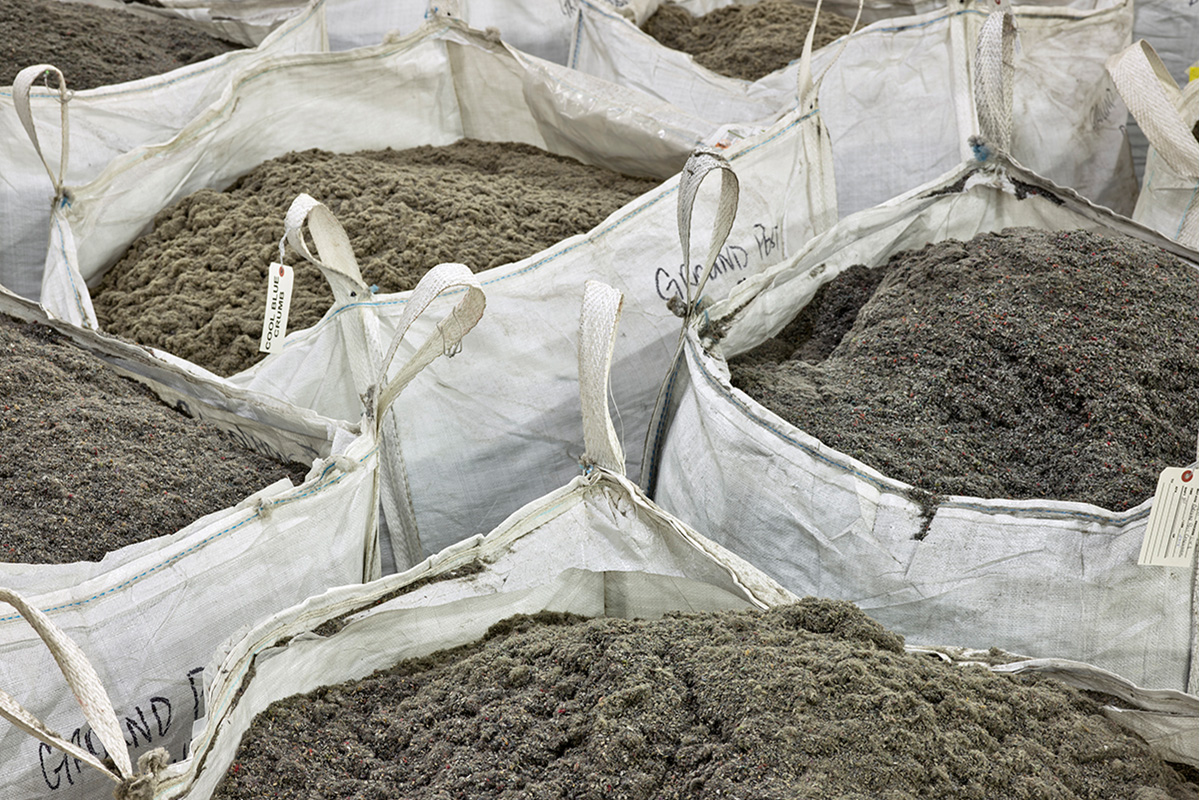
- Investing in low-carbon innovations – like recycled, bio-based, and captured carbon materials – that lower the carbon footprint of our flooring without compromising design or performance.
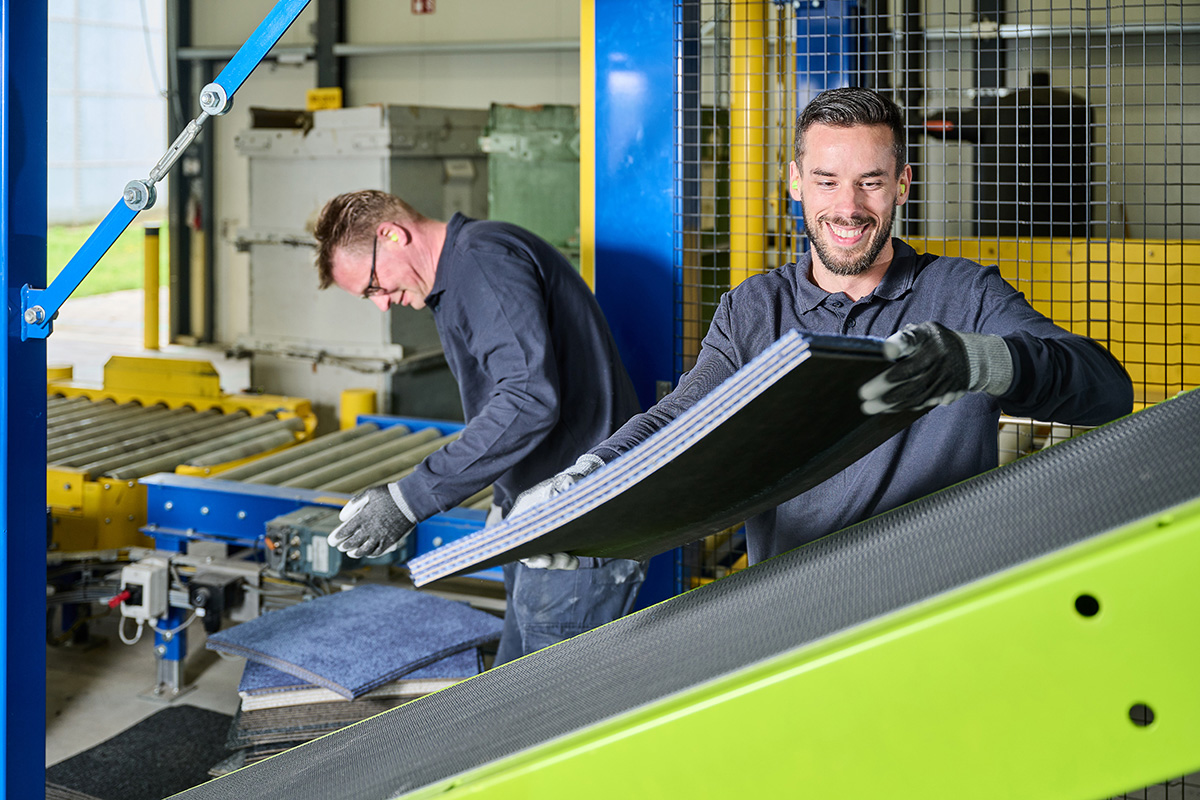
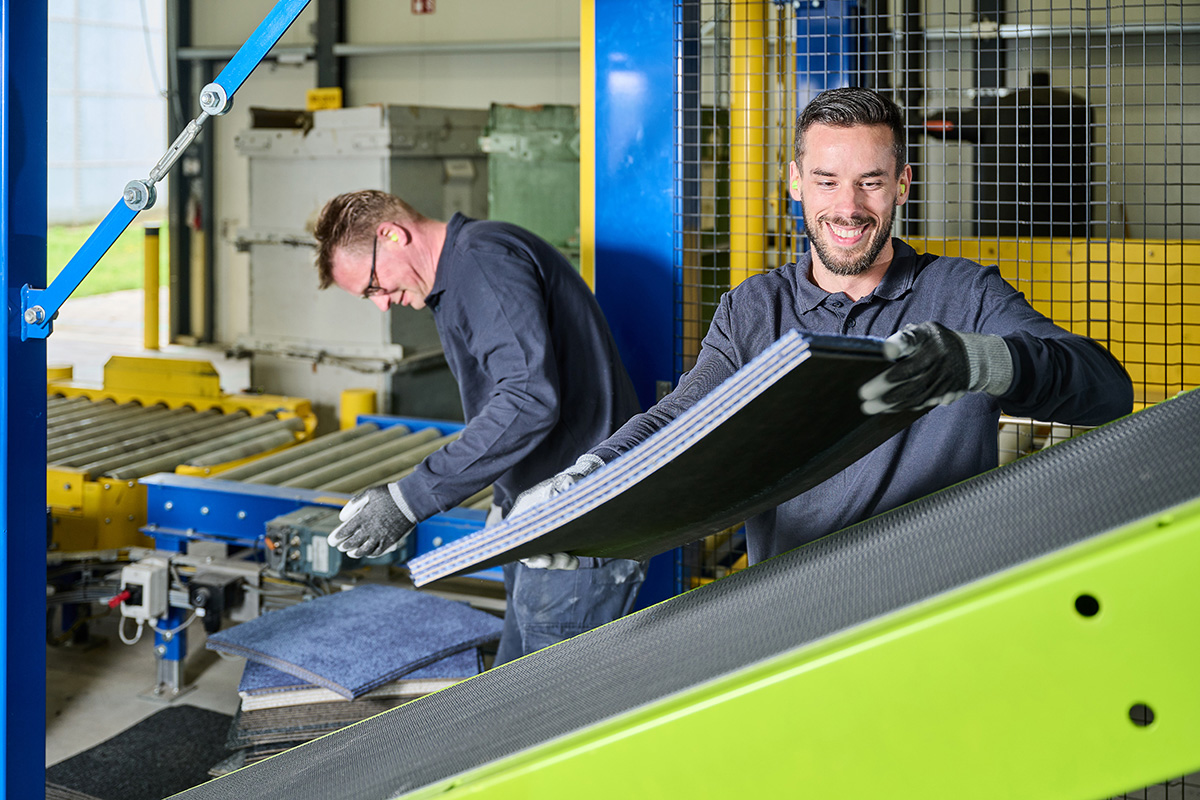
- Offering carpet tile, LVT, and rubber flooring with low-carbon and carbon-storing materials, plus circular programs like ReEntry™ Reclamation and Recycling program.
- Simplifying access to embodied carbon data through Environmental Product Declarations (EPDs) and digital tools to help calculate the carbon footprint of a project’s flooring, compared to flooring industry averages.
- Providing sustainability training to customers and sharing best practices for specifying low-carbon flooring.
Interface will continue to lead by example – investing in new innovations and technologies, scaling circular design principles, and challenging ourselves to keep setting the standard for sustainability. But leadership isn’t about going at it alone. It’s about inspiring others to act boldly with us. If a manufacturer in a “take-make-waste” industry can transform its business, imagine what we can achieve together.
The urgent need to solve the climate crisis is real. And the opportunity our industry has to help is extraordinary. The time for action is now. Let’s make storing carbon in building materials the norm – not the exception. Let’s prove that being more sustainable can be more profitable. And let’s create a built environment that restores, rather than depletes, the world around us – while supporting health and well-being. After all, we are the designers of the future – what kind of world do we want to leave behind?
Your perspective matters. Your choices matter. And together? We can change the climate and leave the world better than we found it for generations to come.
We’re all in. Are you?