


Italian Leather Craft Defines Unika Vaev’s Pelle Collection
Porto Sant'Elpidio, a historic town on Italy's Adriatic coast, is home to the House of Pavoni, a purveyor of bespoke leather popular amongst the interior, fashion, and marine industries. Since 2005, founder Alan Newberry has guided the company with an emphasis on craftsmanship and sustainable production, working with Italian tanneries that use vegetable-based dyes and closed-loop water systems. Unika Vaev's newest Pelle Collection, created in collaboration with Pavoni, translates these high-end hides into acoustic wall products built for the long term.
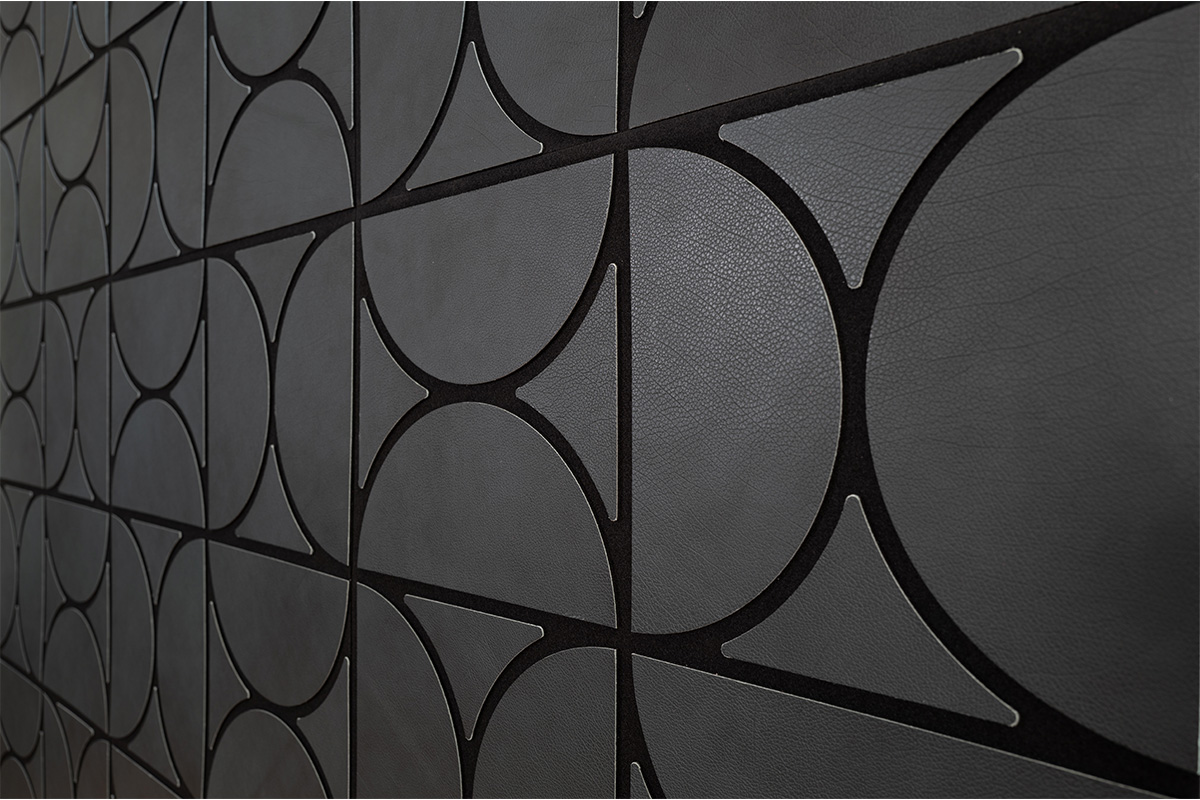
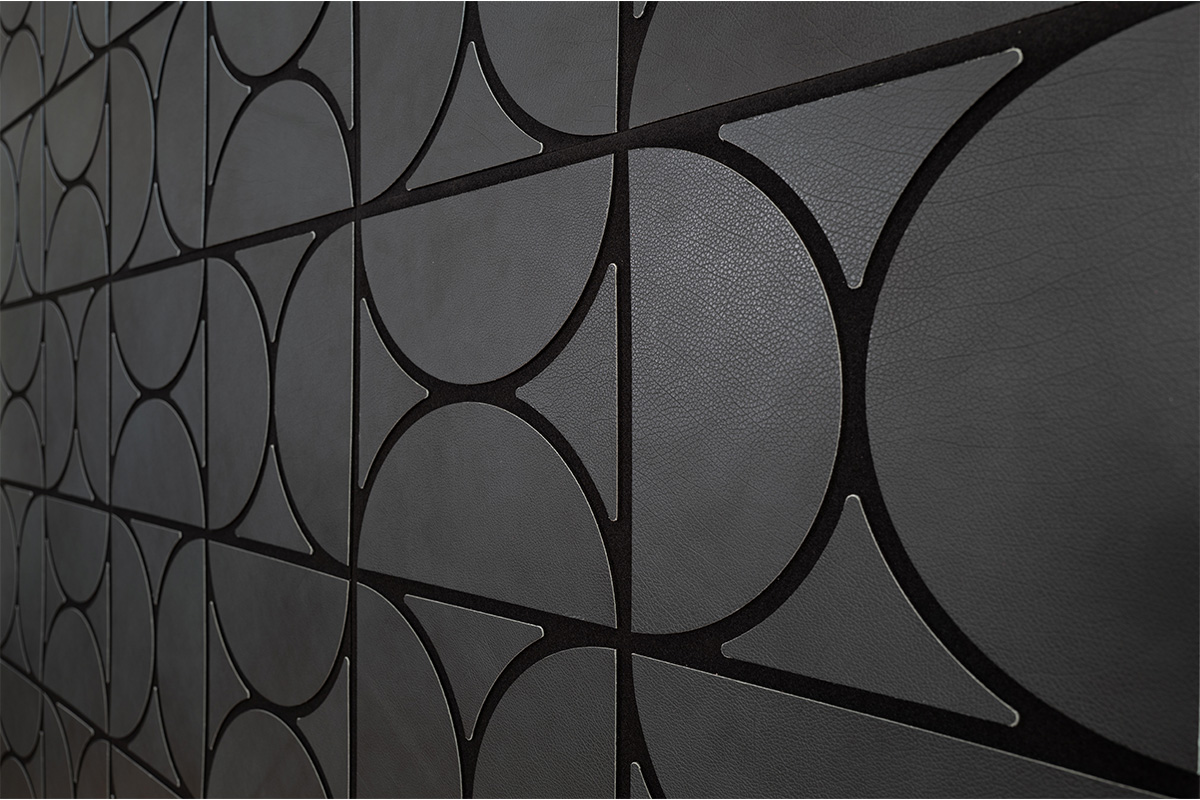
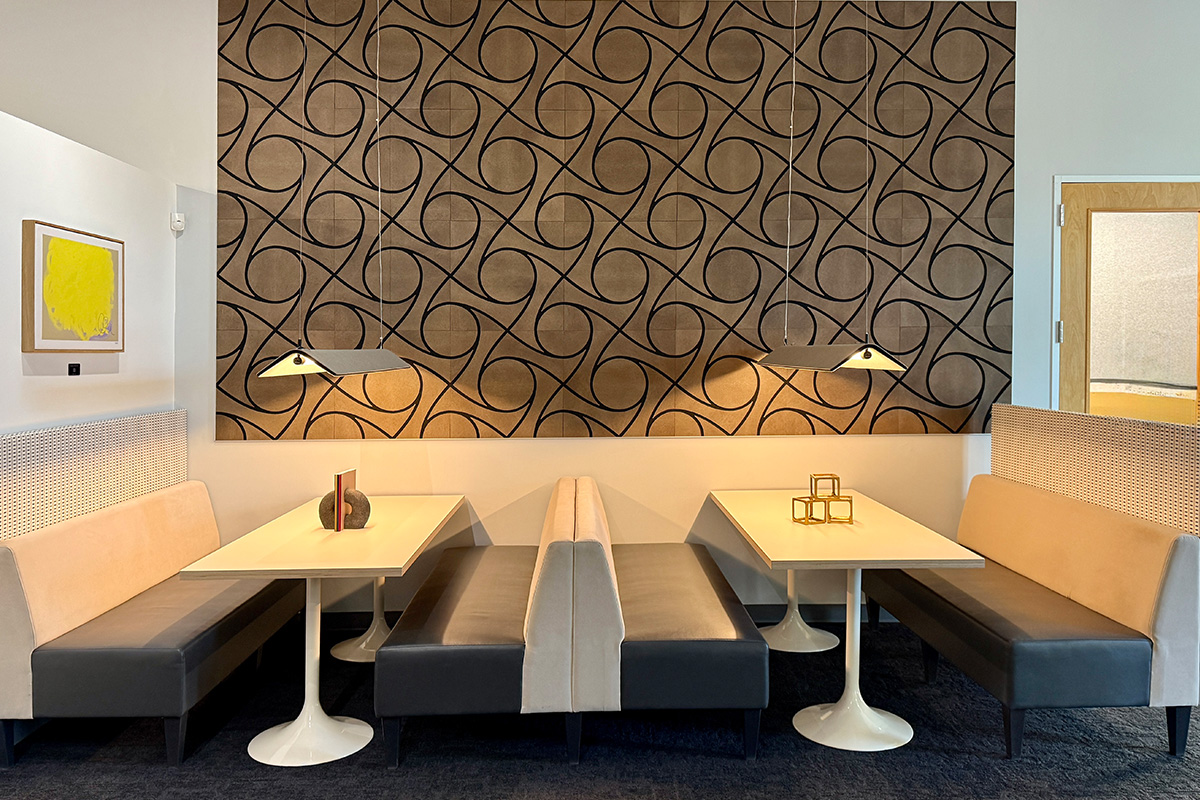
The partnership unfolded over three years, with the two companies working in close coordination on everything from leather selection to pattern development. The collaboration grew from a desire to bring a richer, more tactile material into a category that has historically offered only a limited range of surface finish types. Pavoni's position in the luxury market, supplying fashion houses and automotive brands, brought a level of material expertise that reshaped how Unika Vaev approached the design. “Their understanding of material quality, finish, and presentation pushed us to think differently, to design in a way that allows the leather to speak for itself,” says Wick Wolfe, president of Unika Vaev, referring to the Pavoni team. “That passion is evident in every detail, and it ultimately helped us bring a collection to life that feels both sophisticated and enduring.” The Pelle Collection arrives in three designs, Affarone, Volante, and Strisce, each precision-cut from Pavoni leather and applied to a black PET acoustic felt substrate.
Pattern and Surface
Translating luxury leather into a collection of acoustic wall products meant selecting hides that could hold their character at architectural scale while meeting the performance demands of commercial interiors. Achieving both required attention to how leather and substrate interacted. “The surface qualities of the leather had to work in harmony with the underlying acoustic substrate,” says Wolfe. “Through thoughtful design and material pairing, we were able to ensure that the system achieves strong sound absorption without compromising the integrity or expression of the leather itself.”
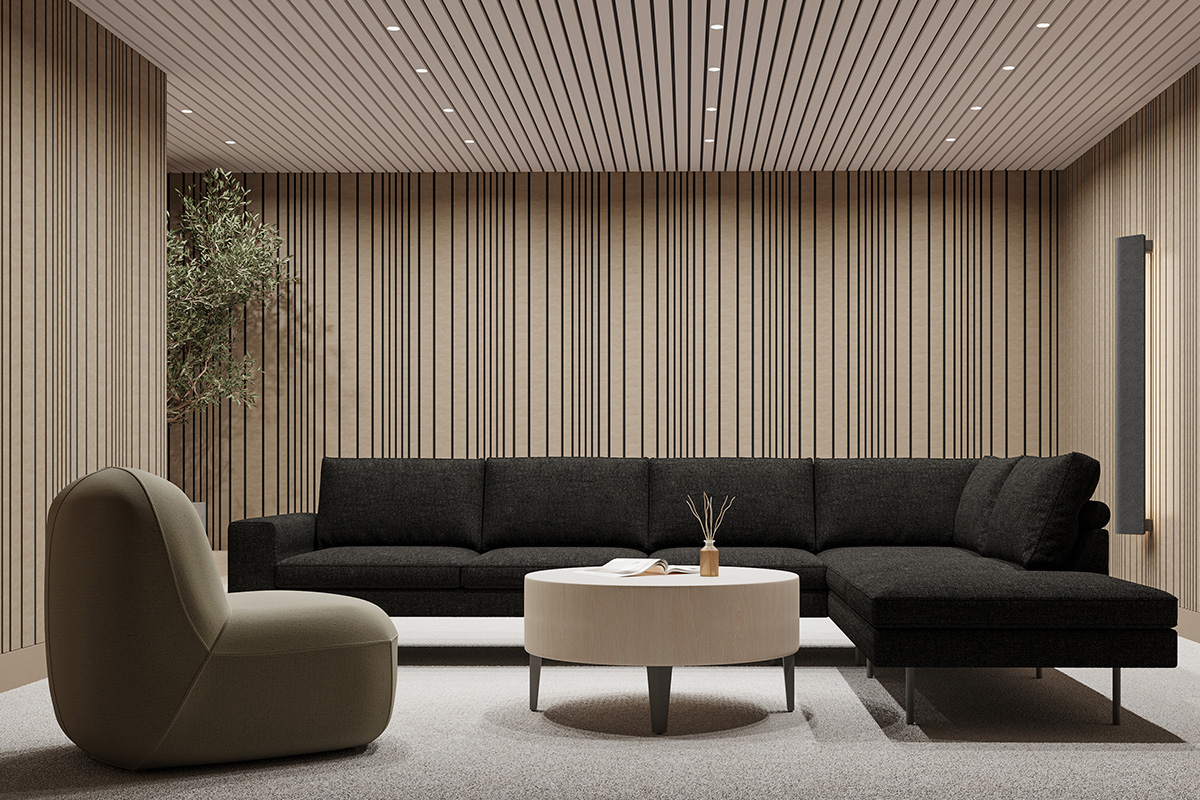
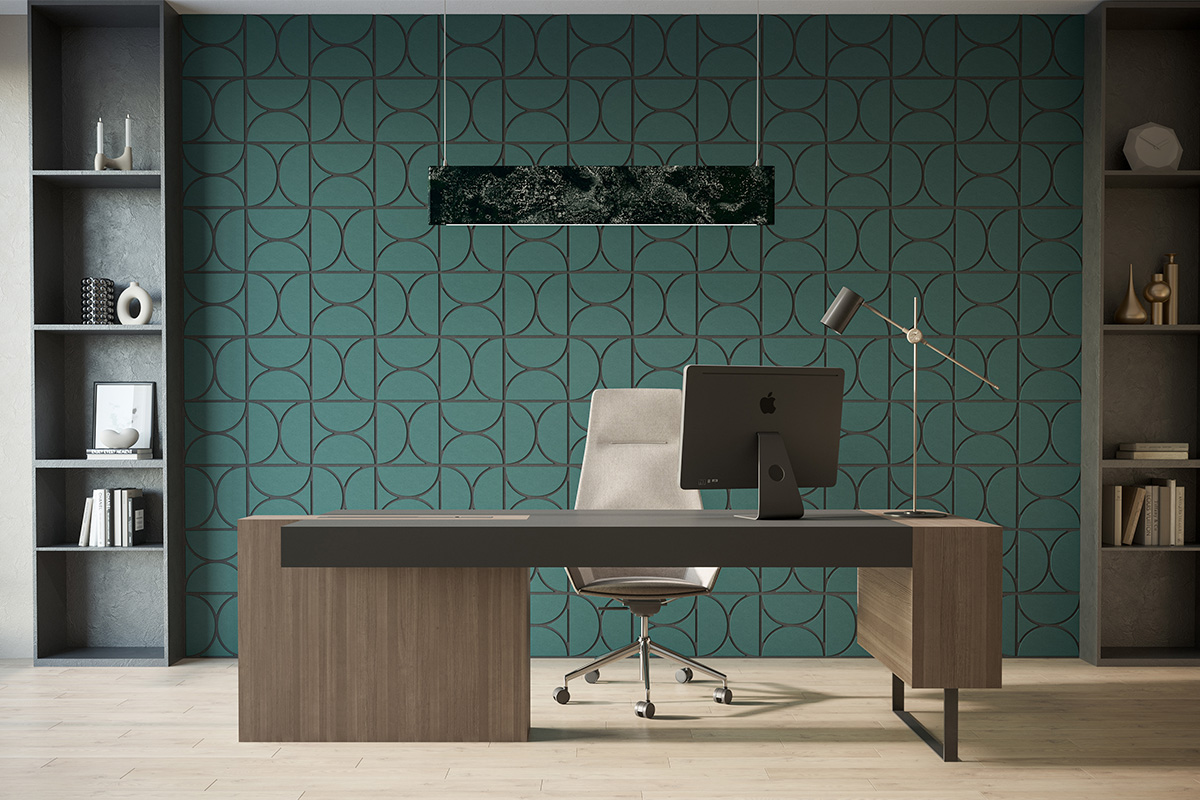
The collection draws from five leather families, Roma, Milano, Napoli, Torino, and Perlata, spanning dozens of colorways from Pitch Black and Military Green to Salmon and Ochre Yellow. Each is precision-cut into one of three designs. Affarone and Volante are square tiles, both measuring 23.6 by 23.6 inches, their curved and interlocking motifs designed to align on all four sides and extend continuously across a surface. Strisce, the third design, is a tall panel at 59 inches high, its vertical leather strips of varying widths creating a rhythm that shifts depending on viewing distance. Suitable for wall applications, the collection achieves noise reduction coefficients between 0.55 and 0.75 depending on installation method.
A Considered System
The material choices behind the Pelle Collection extend beyond aesthetics. The black PET felt substrate that backs each tile and panel contains 60 percent recycled content, supporting the acoustic performance of the collection while diverting material from waste streams. Pavoni's tanneries operate under strict EU environmental regulations, and sourcing both leather and core materials within Italy and the EU reduces transportation emissions relative to more conventional global supply chains. The collection carries a Health Product Declaration and is Red List Compliant, with no FR additives, conflict minerals, or PFAS/PFOS chemicals present.

“Sustainability wasn't treated as a constraint, it was part of the design language,” says Wolfe. “Pavoni's approach to producing high-quality, responsibly made leather allowed us to create a collection that feels luxurious and refined, while still meeting the expectations of a more conscious, forward-thinking market.” The Pelle Collection is an argument for materials with a traceable history, ones that carry the logic of their making into the spaces they occupy.