


Little Perillo ECO Leads a New Dauphin Americas Portfolio
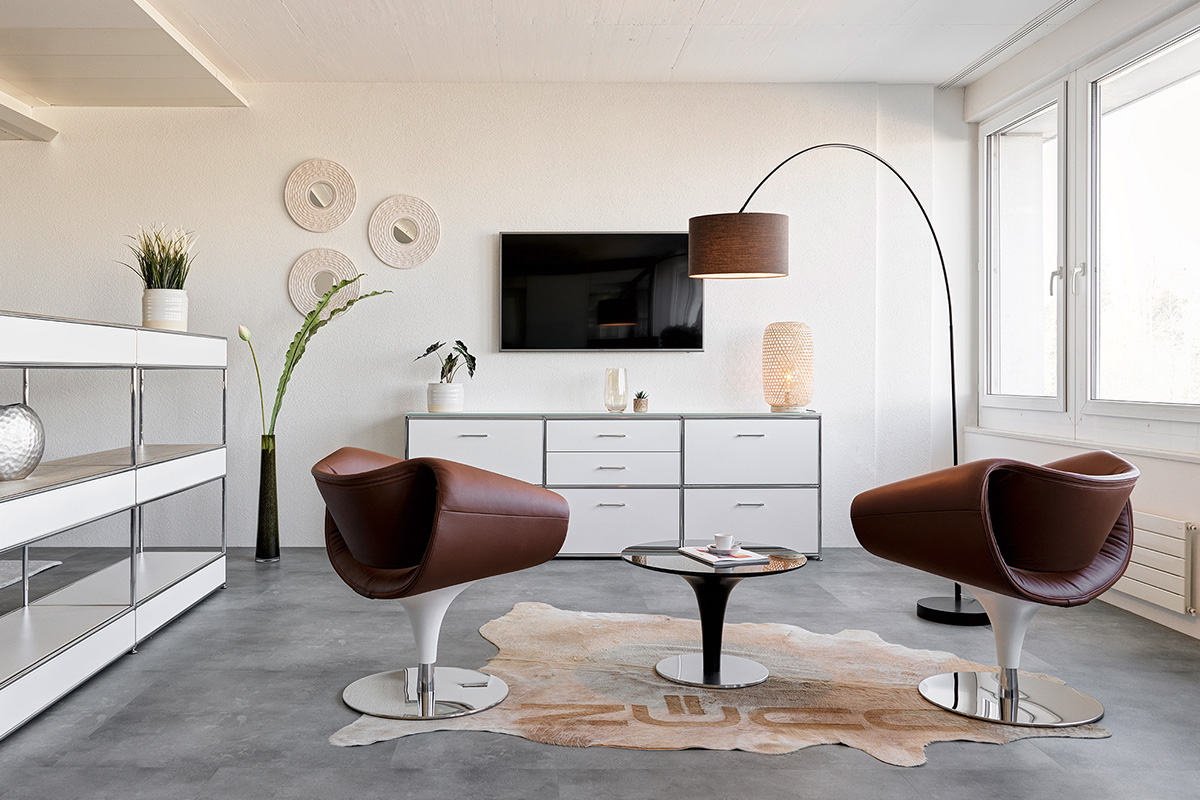
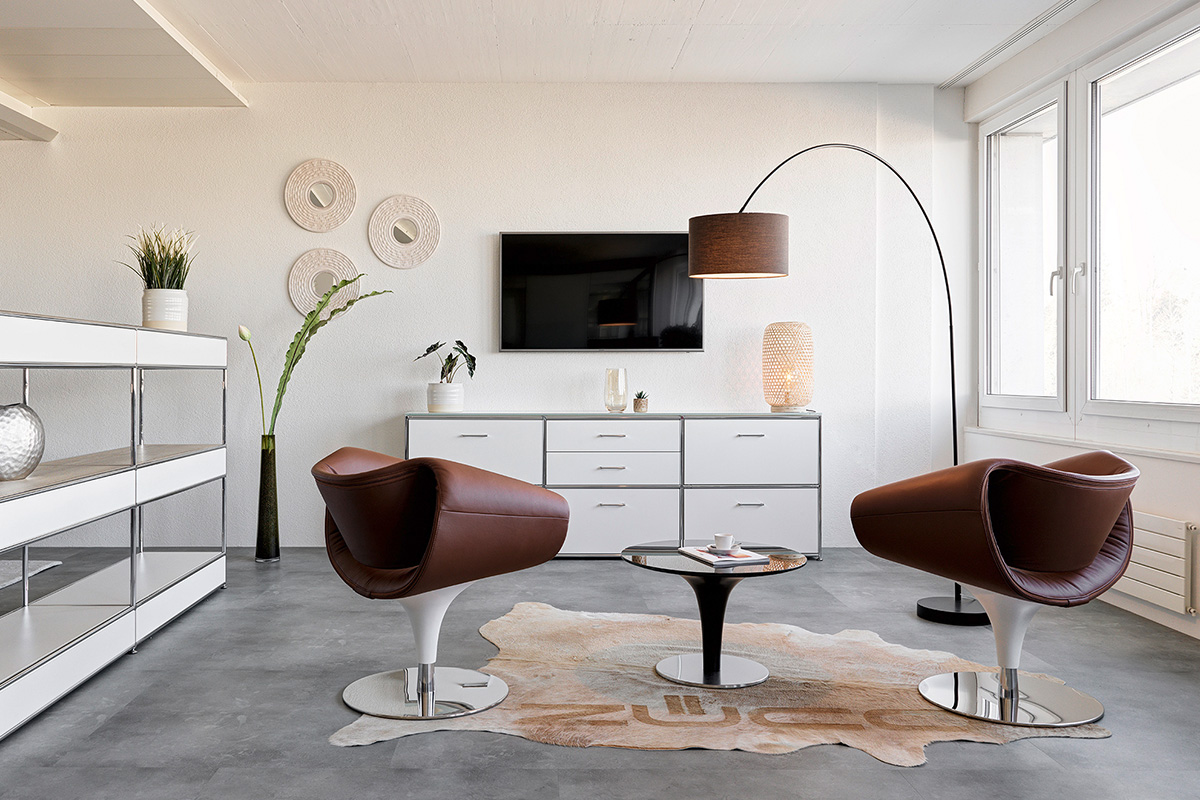
The Perillo chair has been a staple of Dauphin's portfolio since 2009, spawning multiple iterations in the years since. Its shell curves and folds with Möbius-like fluency, drawing seat, backrest, and armrests into one continuous sculptural surface. As Dauphin Americas rolls out its reimagined 2026 portfolio, the chair remains central to the story, now rebuilt from post-consumer recycled plastics through a materials engineering process demanding enough to preserve every quality the original was known for.
Its latest evolution, Little Perillo ECO, is one of four products anchoring the launch, alongside Modul Space, a modular architectural storage and spatial system, LaCinta, an executive seating line, and the M1 height-adjustable conference table. Together they address a tension that has come to define the modern office: the need to balance open, collaborative environments with the demands of deep focus, individual comfort, and considered aesthetics. Ed Pedrick, President and CEO, describes the sensibility connecting them as “a shared obsession with hidden functionality, premium materials, and human-centric ergonomics,” a through-line rooted in the HumanDesign® philosophy Dauphin has pursued since its founding in 1968.
Form and Its Possibilities
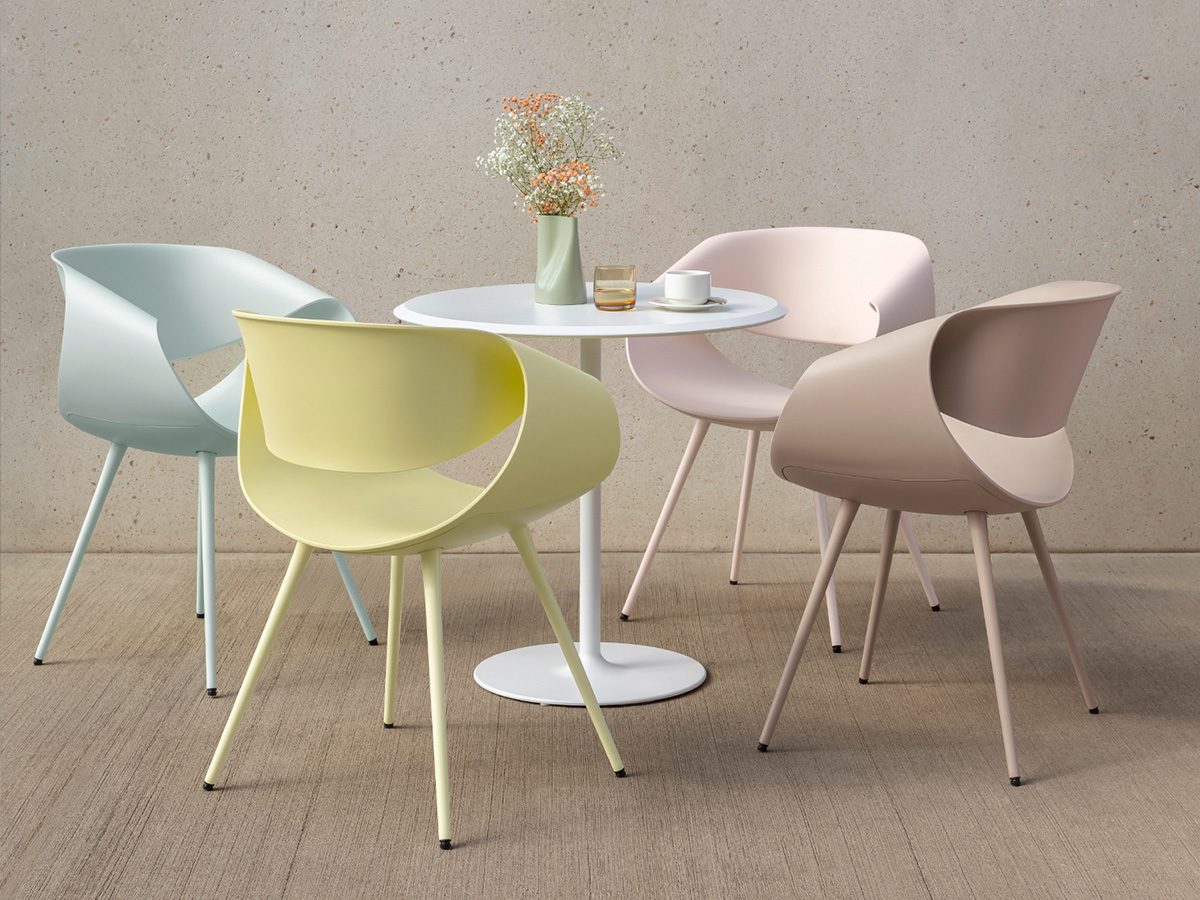
Little Perillo ECO maintains every quality the original was known for, its seamless flex achieved through careful work on material behavior, tooling tolerances, and the precise structural geometry of the form. The shell is processed from sorted post-consumer household plastics, cleaned and formed into a granulate, then melted and shaped into its sculptural profile. By the nature of how plastics are recycled, the material takes on faint streaks and specks of darker pigment, ensuring no two chairs are exactly alike. The ambition driving all of it, Pedrick says, was straightforward: “to prove that iconic design doesn’t have to be compromised for sustainability.” The chair arrives in six gelato-inspired pastel colorways, each shade chosen to animate collaborative and multipurpose settings with a lightness the material story earns.
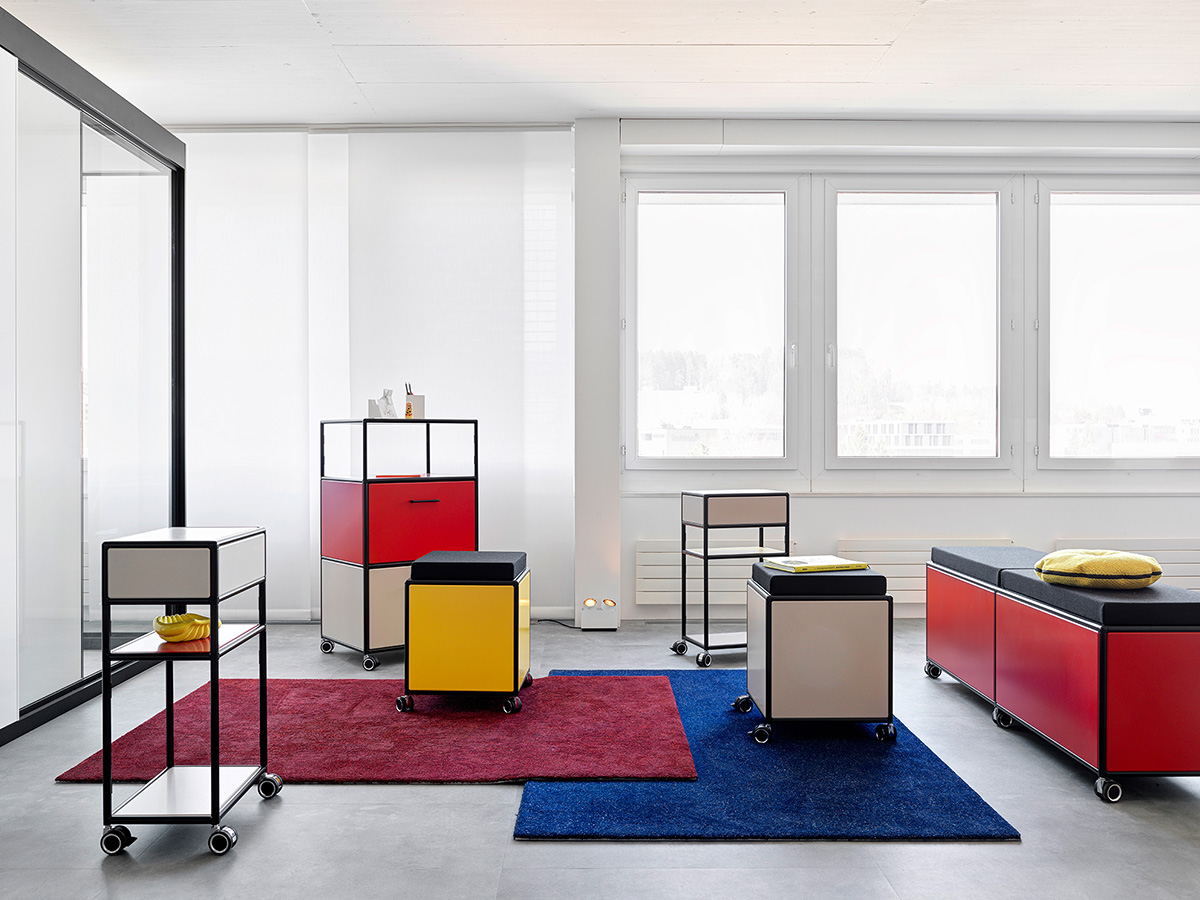
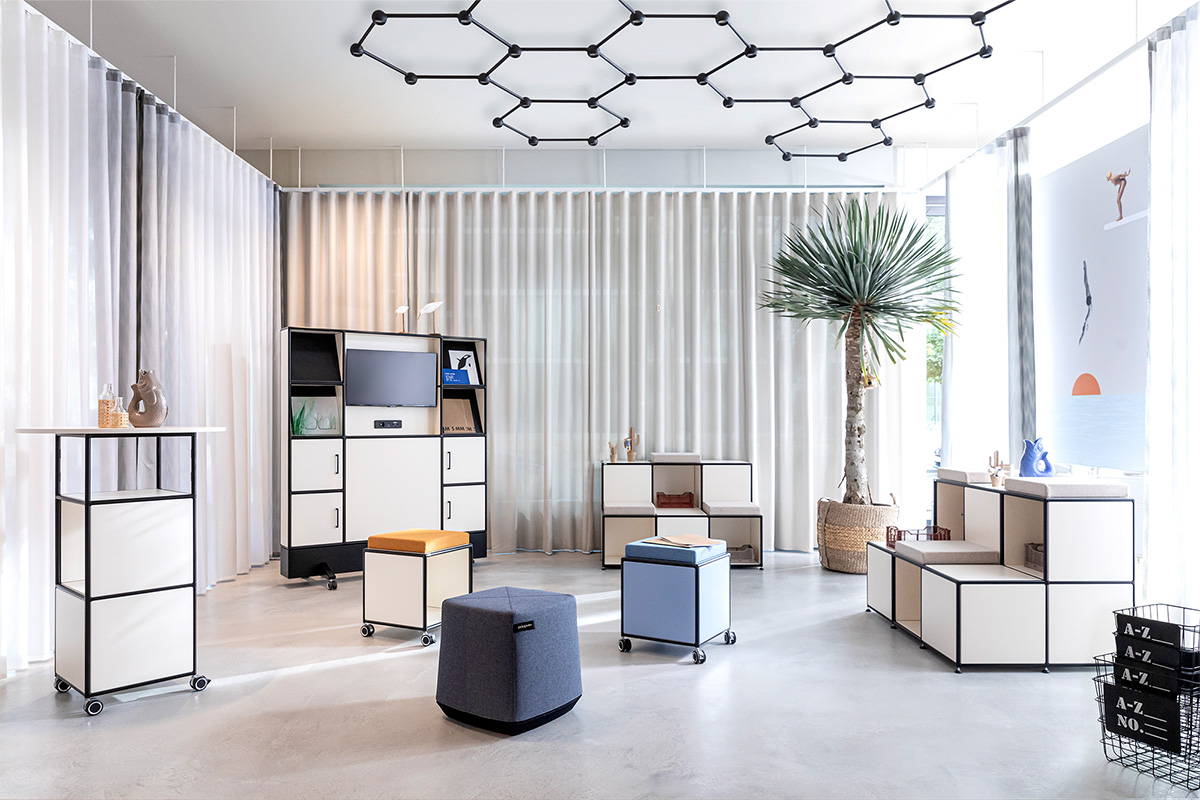
Modul Space extends a similar attention to material possibility across an architectural scale. Built around a tubular chrome or matte-black frame, the system can divide or open a room, anchor a collaborative zone, or serve as expressive shelving architecture. Its flexibility speaks directly to the spatial paradox of the open office, offering a single product framework that can create enclosure or openness depending on what a given moment requires.
Its paneling draws from an exclusive selection of Le Corbusier’s Les Couleurs® palette. “These specific architectural colors inherently harmonize with one another, allowing designers to create vibrant, emotionally resonant spaces without disrupting visual cohesion,” says Pedrick. “It turns a functional organizing tool into an artful spatial anchor.” Clean-lined and endlessly reconfigurable, the system is designed around the premise that a single product framework can accommodate a thousand spatial possibilities.
Precision Out of Sight
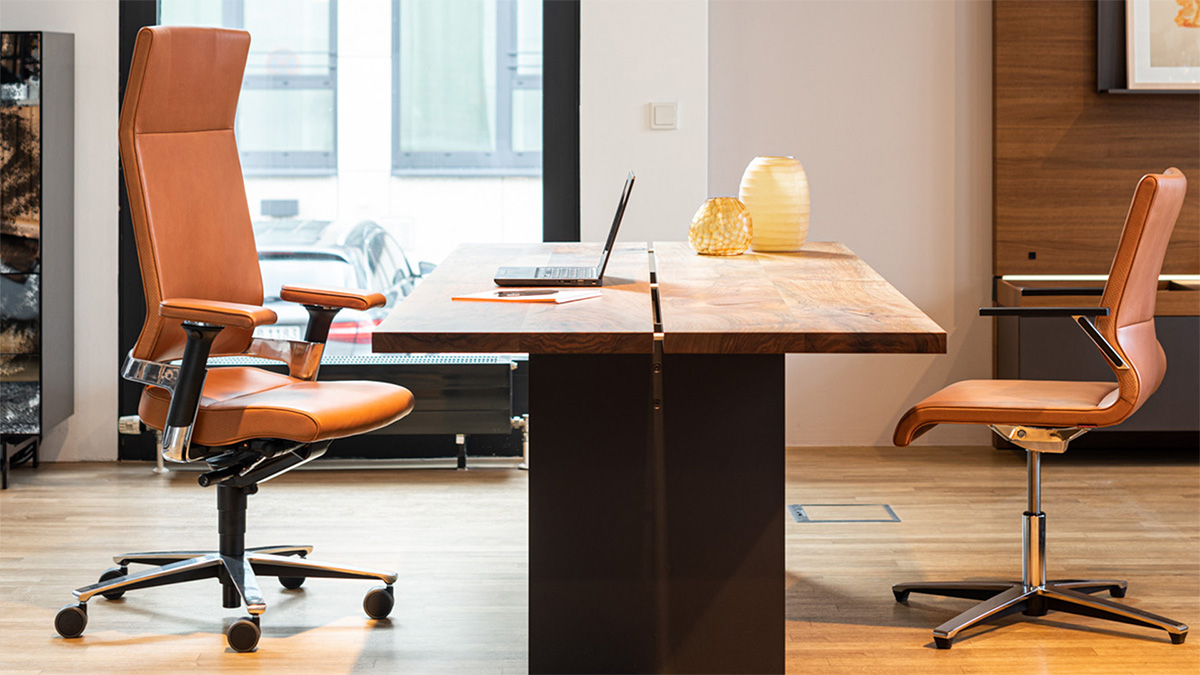
Where Modul Space addresses the question of how a room is organized, LaCinta and the M1 attend to the individual within it. Dauphin has spent decades perfecting the art of concealment, and LaCinta, the collection’s executive seating line, carries that instinct into the boardroom. Its Syncro-Dynamic Advanced® mechanism distributes counter-pressure continuously in response to the user’s movements, keeping seat and backrest in a synchronized ratio that maintains spinal alignment through long hours of use. “LaCinta redefines executive seating by seamlessly concealing world-class German engineering beneath an elegant, slim profile,” says Chuck Heckman, EVP of Marketing and Technology.
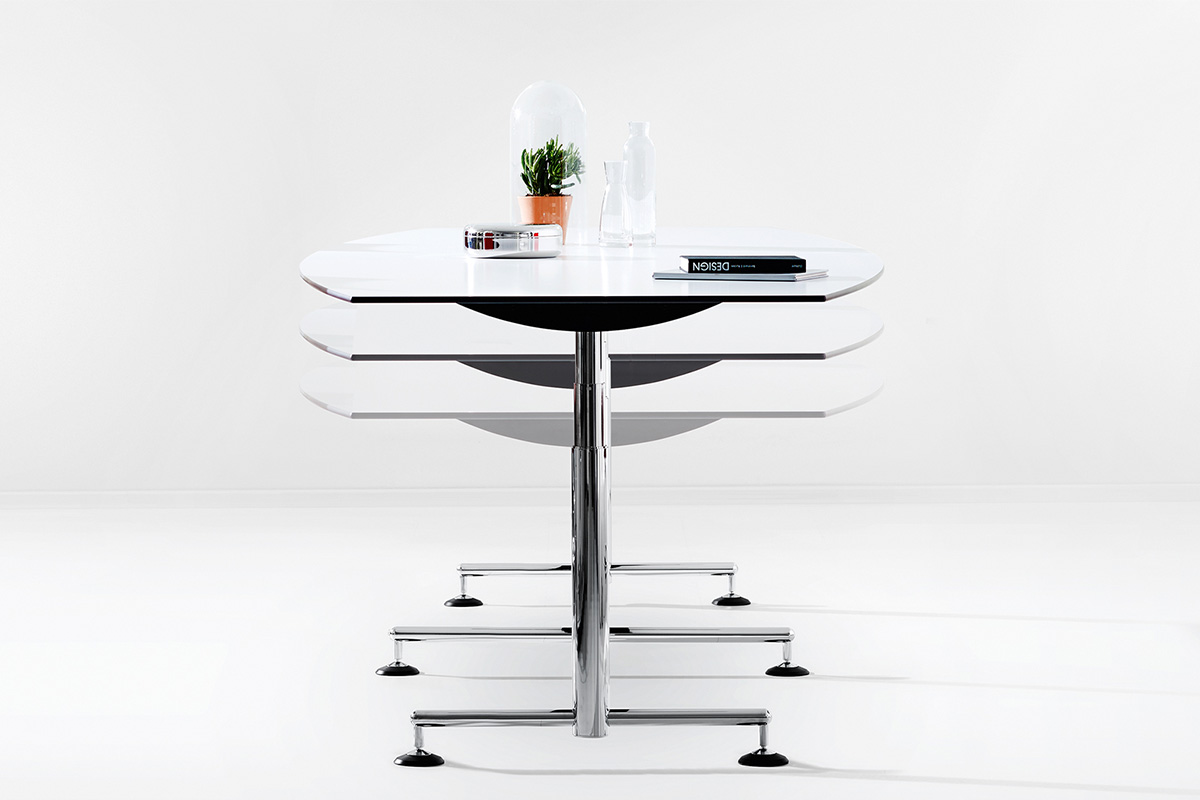
The M1 height-adjustable conference table works along similar lines. Its synchronized motors and piezo collision sensors are embedded entirely within the architectural frame, leaving premium wood finishes and refined edge profiles as the table’s only visible register. Whisper-quiet motors carry it between sitting and standing heights, accommodating the physical rhythms of extended sessions without disturbing the atmosphere of a formal meeting environment. “High-performance technology should be felt, not seen,” Heckman says.
The conviction behind all four products traces back to Friedrich-Wilhelm Dauphin's founding vision. “Since 1968, the Dauphin HumanDesign® philosophy has dictated that furniture must adapt to the human being, not the other way around,” Pedrick says. “Today, that fifty-year history informs our product development by grounding every new concept in rigorous ergonomic research and holistic well-being rather than passing trends.”
For the North American market, that means something specific: “translating classic European design sensibilities—like compact footprints and timeless minimalist aesthetics—to fit the scale, agility, and collaborative demands of modern American offices.” The 2026 portfolio, he adds, is ultimately about “elevating the daily human experience within the workspace through thoughtful, high-performance design,” a deeply rooted philosophy of work-life harmony, carried forward in four new forms.