


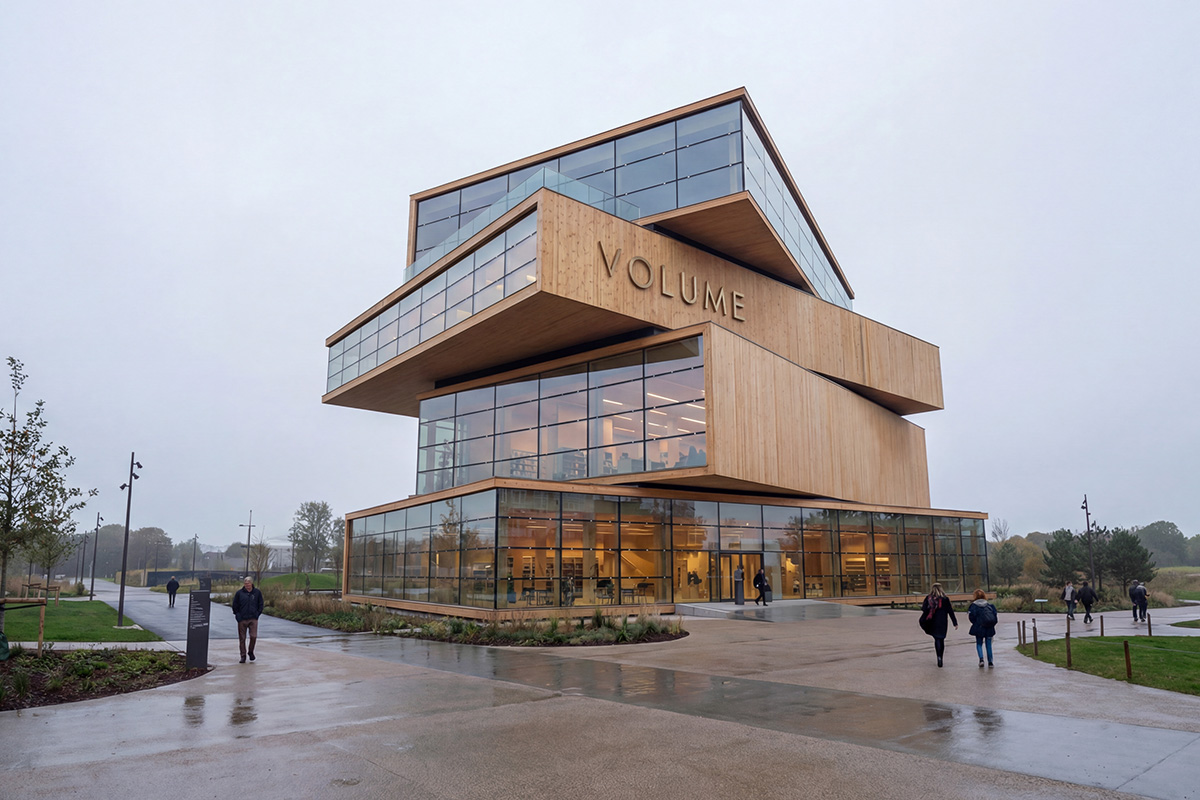
Motif Integrates AI-Powered Review Into Architectural Workflows
One worry architects and interior designers have about AI is that it will replace their creative agency. What if it did the opposite? What if it enabled them to do more of it: spend their time intuitively ideating rather than rifling through disjointed and ambiguous feedback; having to constantly recreate concept drawings and rebuild the same model each time a slight alteration is requested.
The issue is that the CAD software still in use today was engineered decades ago and only to be operated by a single person on an isolated device. For too long, these highly skilled professionals have been limited in their ability to more fluidly collaborate, quickly introduce clearly communicated change, and focus on what truly matters: the essential practice of critical problem solving and creative ideation.
What if AI could help significantly move things along, take the time-consuming grunt work out of architecture and interior design. What if the technology could allow practitioners to become curators rather than have to contend with mere authorship; focus on exerting their judgement, taste, and their aptitude to experiment rather than just translate predetermined ideas? AI can now reduce the hours spent developing finish combinations into seconds, automating the process so that creative thinking can be allowed to go that much further.
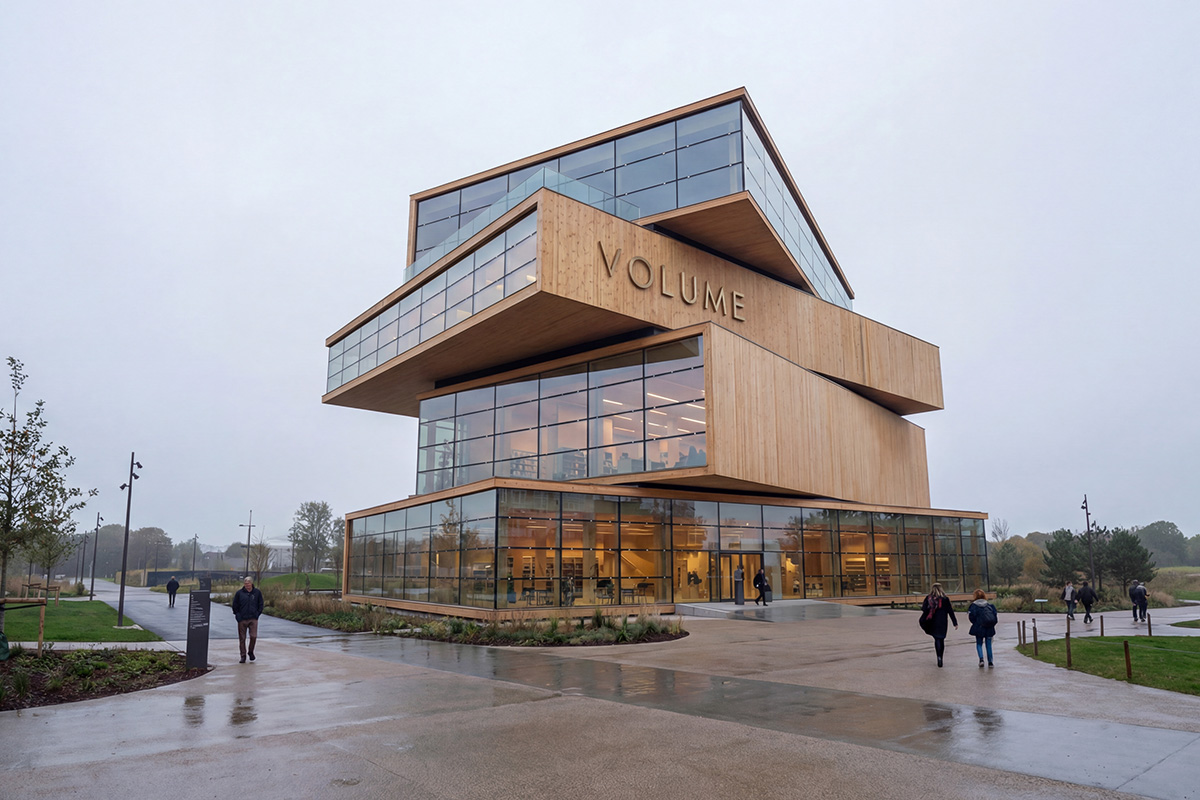
Variations can be generated to the nth-degree but somehow stay tethered to the real world constraints of a project. Even with the door for endless possibilities now fully open, the introduction of AI to the process doesn't have to result in the outlandish laissez-faire, surface-level image-prompting many are lamenting. It doesn't have to flatten the dynamic left-brain and right-brain skill set architects and interior designers have shrewdly honed over time to just that role either. Rather, this paradigm shift in digital design—if implemented correctly—can push them to more effectively innovate, dream big while remaining in the confines of practicality. In this respect, it has the potential to fundamentally transform these fields and for the better.
Motif enters as a cloud-native program that layers next to established programs like AutoCAD, Revit, and Rhino as a collaborative platform for real-time review and revisions. The browser-based application brings all material—drawings, models, sheets into a single workspace accessible to all stakeholders.
“AI hasn't changed AEC yet, and it's not because AI isn't good enough,” says Amar Hanspal, Motif CEO. “The tools people use today were built decades ago to document buildings, not to reason about them. To fully leverage AI, you need tools that were built for that purpose, not bolted on to the side.”

The ‘multiplayer environment’ allows for the conversation between architects, clients, contractors, and others to become more fluid, yet clear and substantive. Rather than having to go through endless paperwork or sort through disorganized PDFs, practitioners can now immediately respond to suggested changes made directly to a shared multimodal model streamed-in from the base software mentioned above. The ambiguity and miscommunication that often stem from written comments, in-person conversations even, are eliminated.
“Architects shouldn't have to spend their time fighting their software,” Hanspal adds. “The most talented people in the profession should be using their judgment, not proving their patience.”
Using Motif’s easily decipherable Model and Sheet Review functions, clients can leave their feedback on the design itself. These visualized notations are tracked so that there’s no disconnection between the principals reviewing ideas and the teams introducing technical updates. This shortens the lead time for fresh revisions and new proposals from weeks to hours.
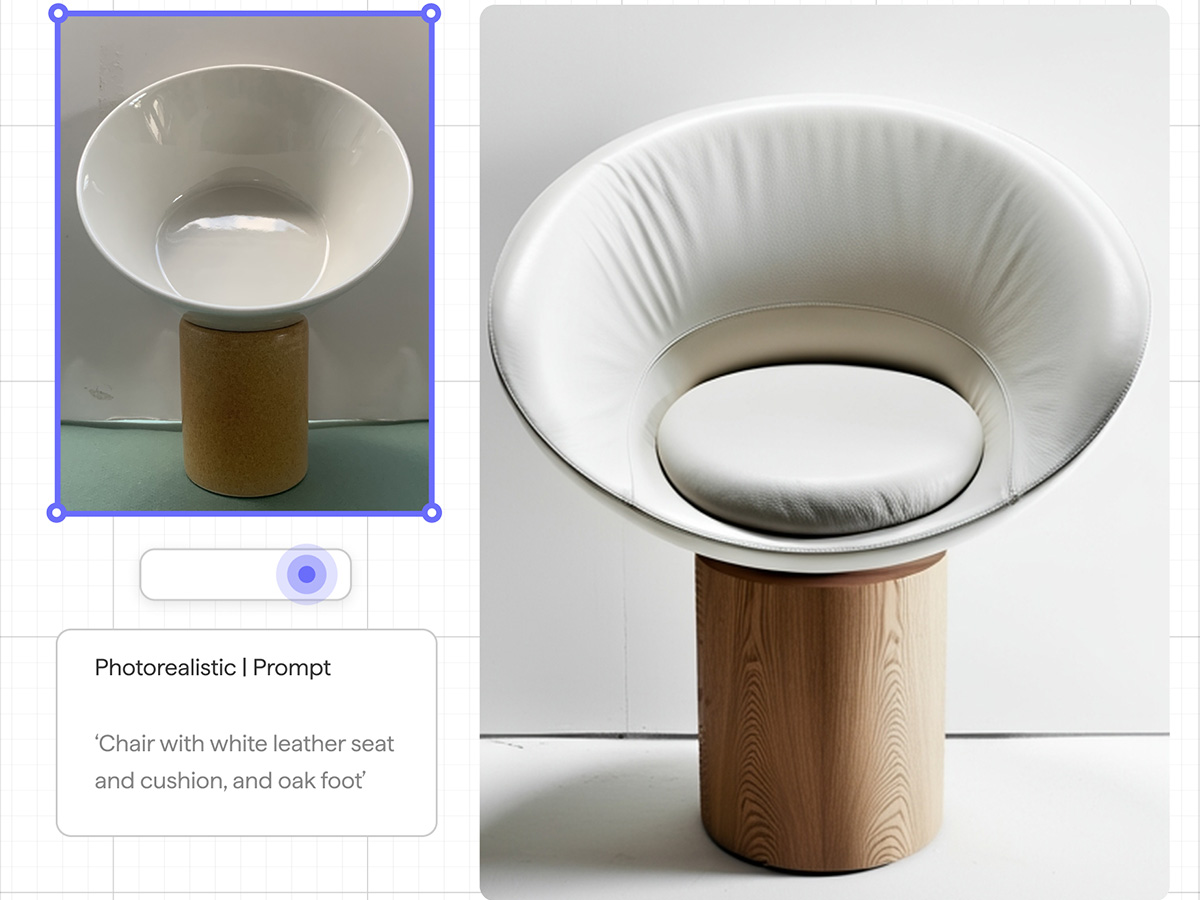
At the core of Motif’s proposition is an expanded AI visualization capability–renderings generated from sketches, images, and live 3D models; with multiple model styles under a single plan, 4K output, image-to-video, and the geometric accuracy that general-purpose image tools can't offer.
“Motif doesn't hand architects a menu—it hands them a faster pencil, a deeper sketchbook, and a model that talks back,” Hanspal says. “Architects and interior designers still draw the bad version, still chase the strange idea, still throw out the obvious answer to find the better one. The difference is how many times they get to do it in a day. Motif handles the cost of iteration. Architects keep the iteration itself.”
Woven through Motif’s various integrated functions, AI serves as a means of creative emancipation but doesn’t emerge as a creative force in its own right. It doesn’t demand attention or take over. Rather, it fades into the background as a tool implemented to fundamentally improve everyday practice.