


Parador Builds Transparency Into Material Practice
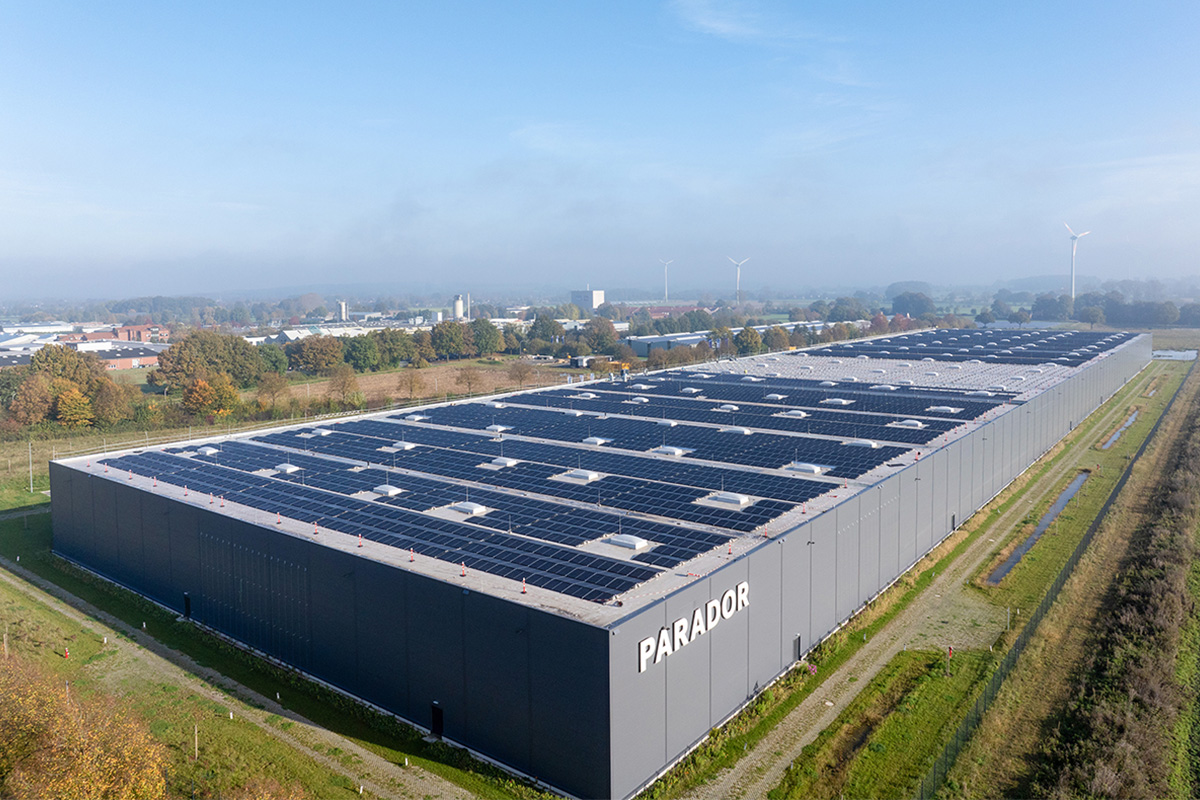
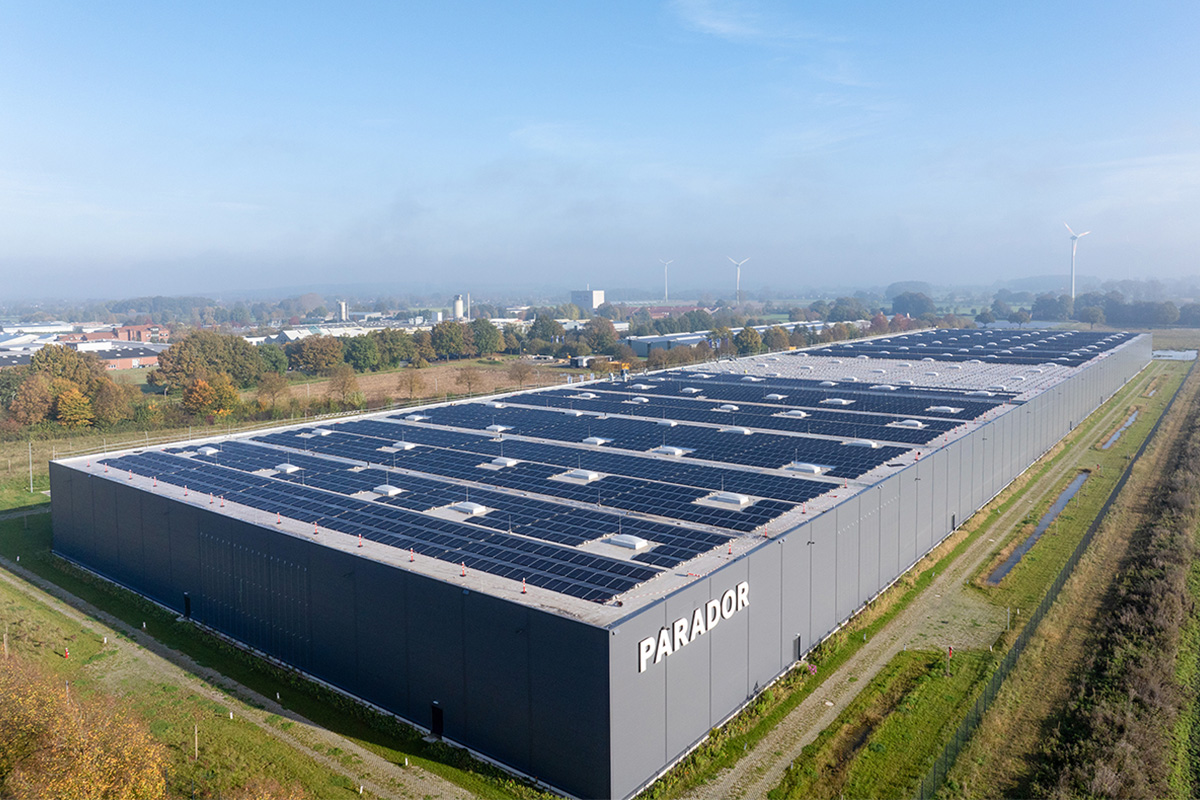
Every interior starts with the floor. At Parador, that foundation is made with certified materials, documented performance, and production systems designed to reach carbon neutrality. In Coesfeld, Germany, and Güssing, Austria, the company’s factories run on renewable energy and recycle production waste back into new material streams. Each stage is documented to international standards, creating a framework where environmental impact is measured alongside design performance.
“Responsible production is not something we do on the side, it is the foundation of who we are and where we are going as a company,” says Neel Bradham, CEO of Parador. That principle has guided choices across every part of the business—from the way products are conceived to the way factories operate—giving Parador a consistent identity built on responsibility. “At Parador we do not want sustainability to be something that we just talk about, we strive to build it into every floor,” Bradham adds.
Materials and Methods
Modular ONE anchors Parador’s non-vinyl resilient offering as a PVC-free, plasticizer-free system designed for acoustic comfort and durability. “At Parador we believe that beauty and responsibility can go hand in hand. Modular ONE is a proof point of that ideal as we answered the customer need for a flooring option that encompasses all the performance benefits of vinyl, but without the environmental compromises associated with PVC,” says Bradham.
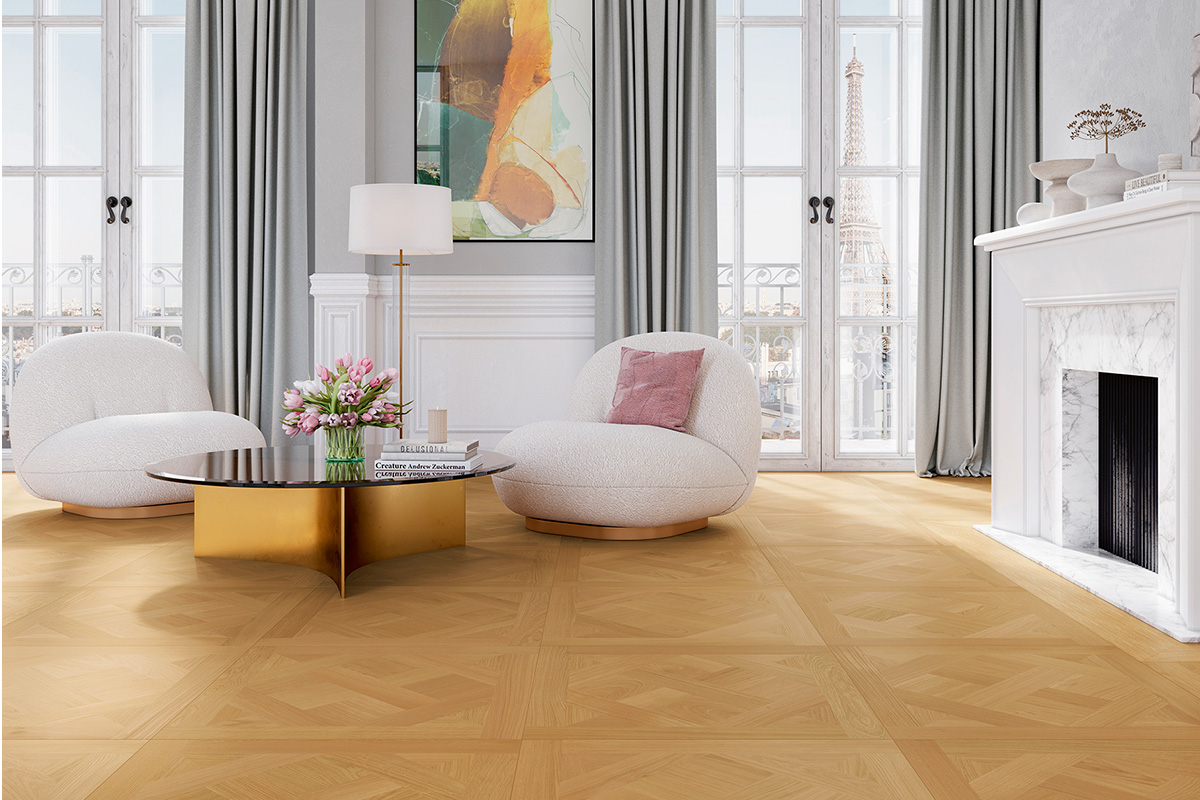
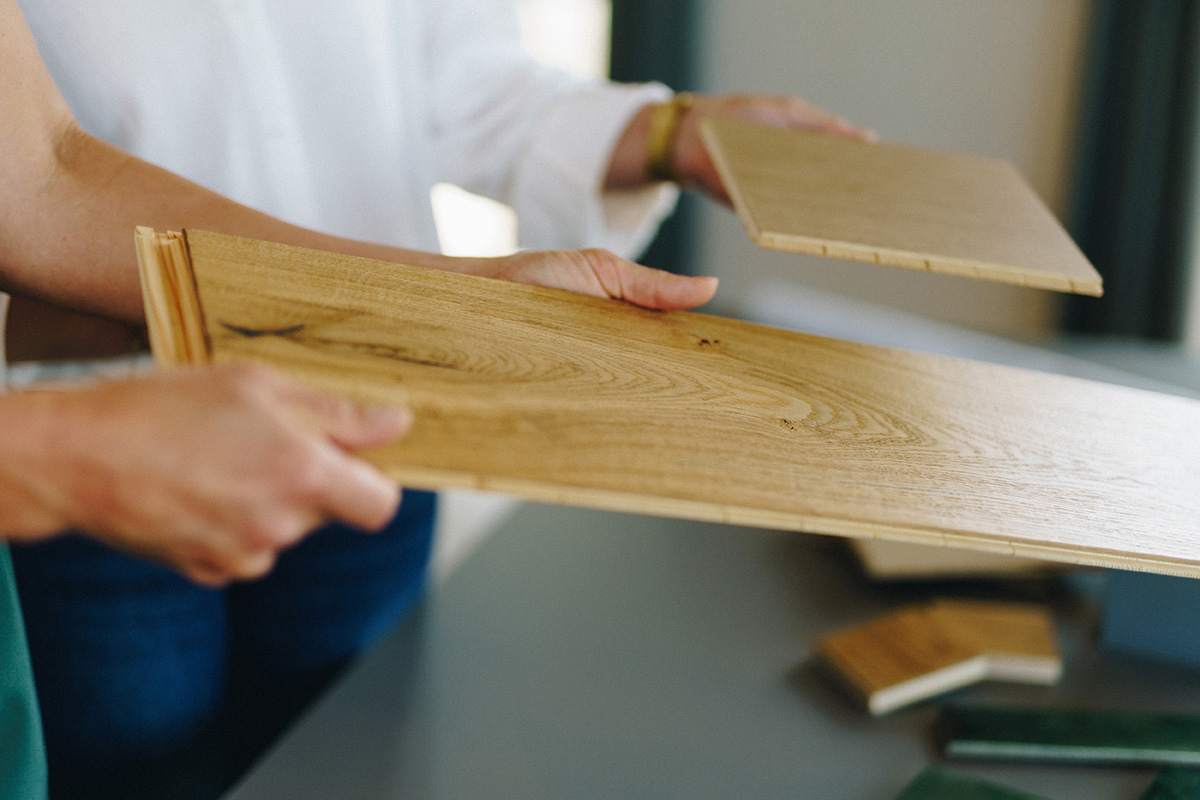
The collection has become a centerpiece of Parador’s strategy, combining the durability and maintenance ease of resilient flooring with the warmth and realism of natural textures. Engineered layers provide stability under changing conditions, while integrated sound absorption makes it adaptable across residential and commercial interiors. Behind its development was a coordinated effort across design, product management, and production to align performance with principle. “Choosing to go PVC-free and plasticizer-free was a deliberate step to put health and environmental sustainability first. The outcome is a floor that proves innovation, performance, and responsibility can strengthen each other,” Bradham explains.
At the production level, efficiency and accountability drive decisions. By the end of 2025, both factories aim to be carbon neutral. “The achievement of carbon neutrality is a discipline lived every day. It takes commitment and resolve, and within our manufacturing sites in Germany and Austria, you can see it in practice,” says Bradham. Everyday operations reflect this goal—renewable energy powers production, efficiency is tracked closely, and recycling eliminates waste to landfill. Employees across procurement, planning, and logistics share responsibility for reducing the company’s footprint. “Sustainability isn’t an add-on for us, it’s woven into how we operate every single day,” says Bradham.
From Forest to Floor
Sourcing is held to the same standard. Every plank begins with certified suppliers, its path documented through audited chains of custody. “Wood is the soul of many of our products,” says Bradham. “The forest is Parador’s natural habitat and each of us at the company know that it is part of our life existence to protect it.” Certified supply partnerships and careful yield management extend this respect into measurable practice. Each tree is used as efficiently as possible, reducing waste while maximizing value, with origin tracked across every stage.
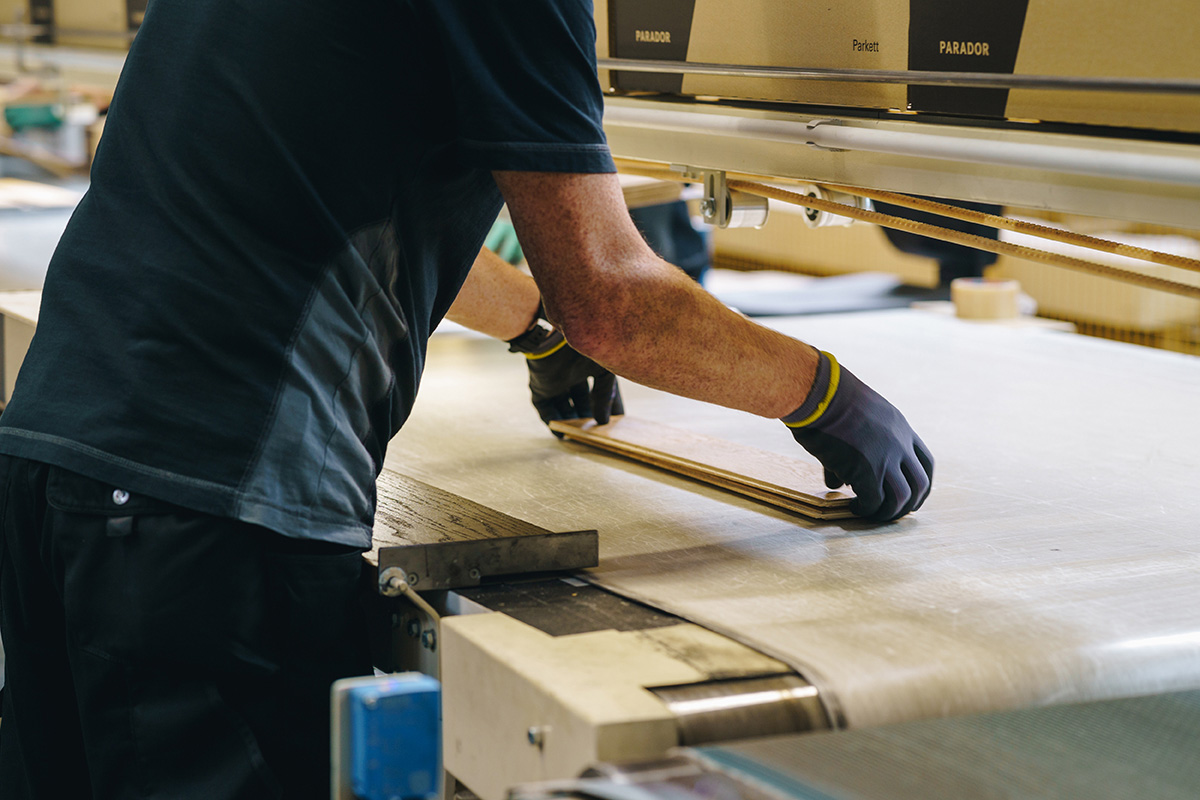
Verification reinforces this approach. Parador holds EMAS III registration, ISO 14001 and ISO 9001 certifications, and an EcoVadis Gold Medal that places it among the top five percent of companies worldwide. The company also publishes annual sustainability reports in line with GRI standards, creating a consistent record for designers and partners to reference. “Designers need reliable data to make informed choices, and by putting our data on the table, we give them confidence in specifying Parador,” says Bradham. “Accountability builds trust and that trust sharpens our long-term strategy.”
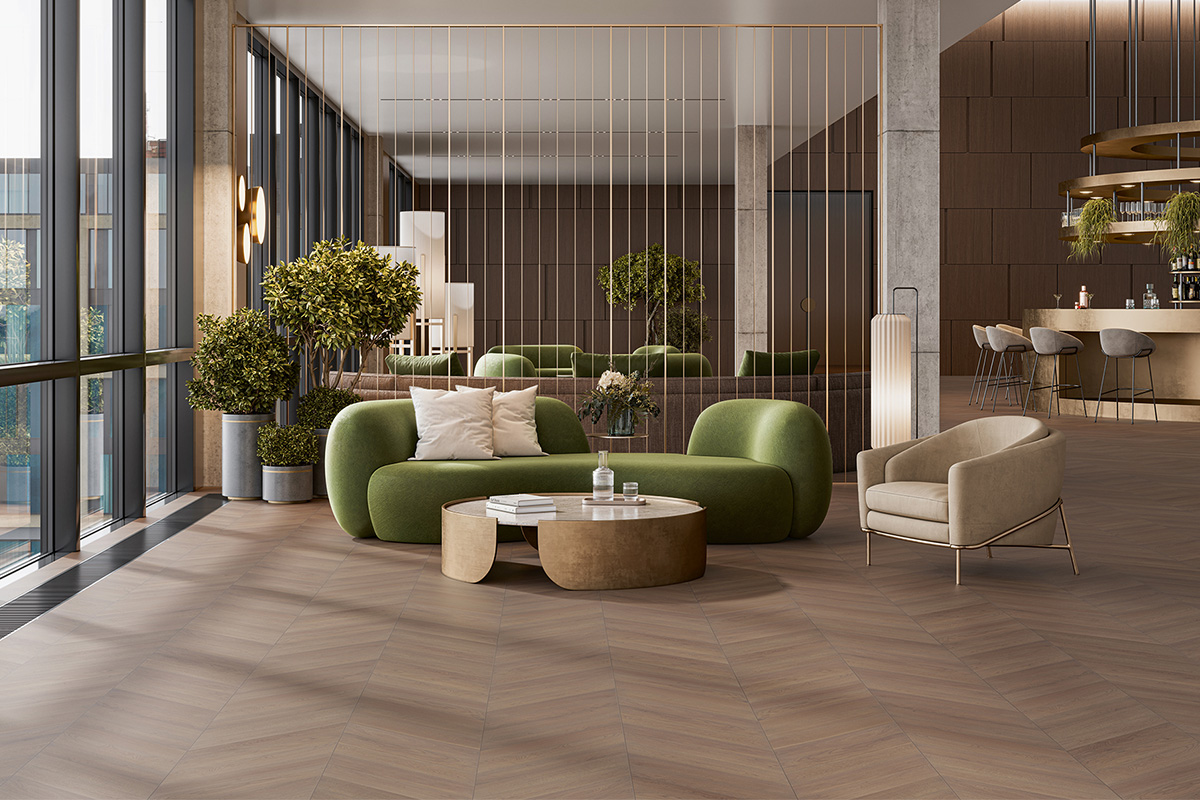
Looking ahead, Parador is focused on expanding circular products and deepening transparency across its collections. Future priorities include designing with recyclability in mind, refining production systems to minimize waste, and continuing to make data accessible for architects and designers. For Bradham, these steps connect responsibility directly to the practice of design, positioning sustainability as a creative driver rather than a constraint. As he puts it, “Our ambition is simple: that every floor we make sets the stage for spaces that are not only beautiful, but meaningful, designed with integrity, with purpose, and with responsibility that lasts.”