


Patcraft’s Wanderwood Rebuilds Terrazzo With Patterns of Hand-Placed Wood Chips
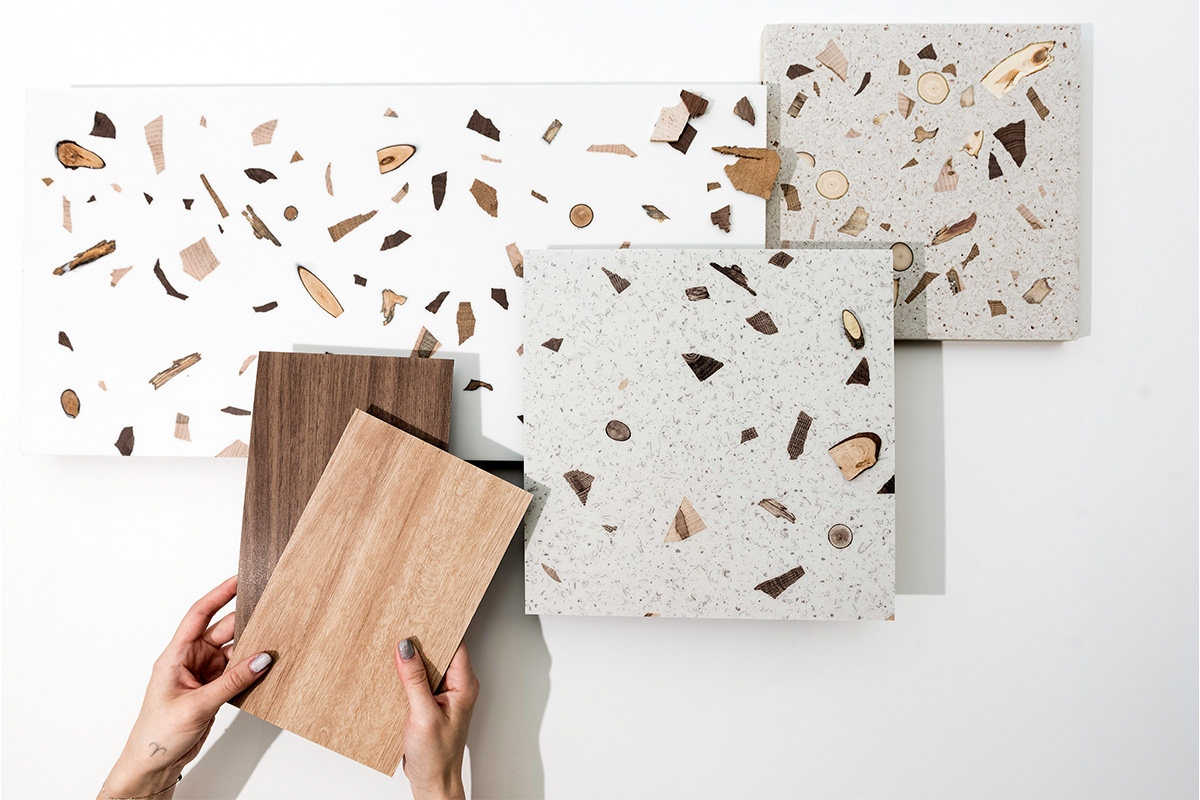
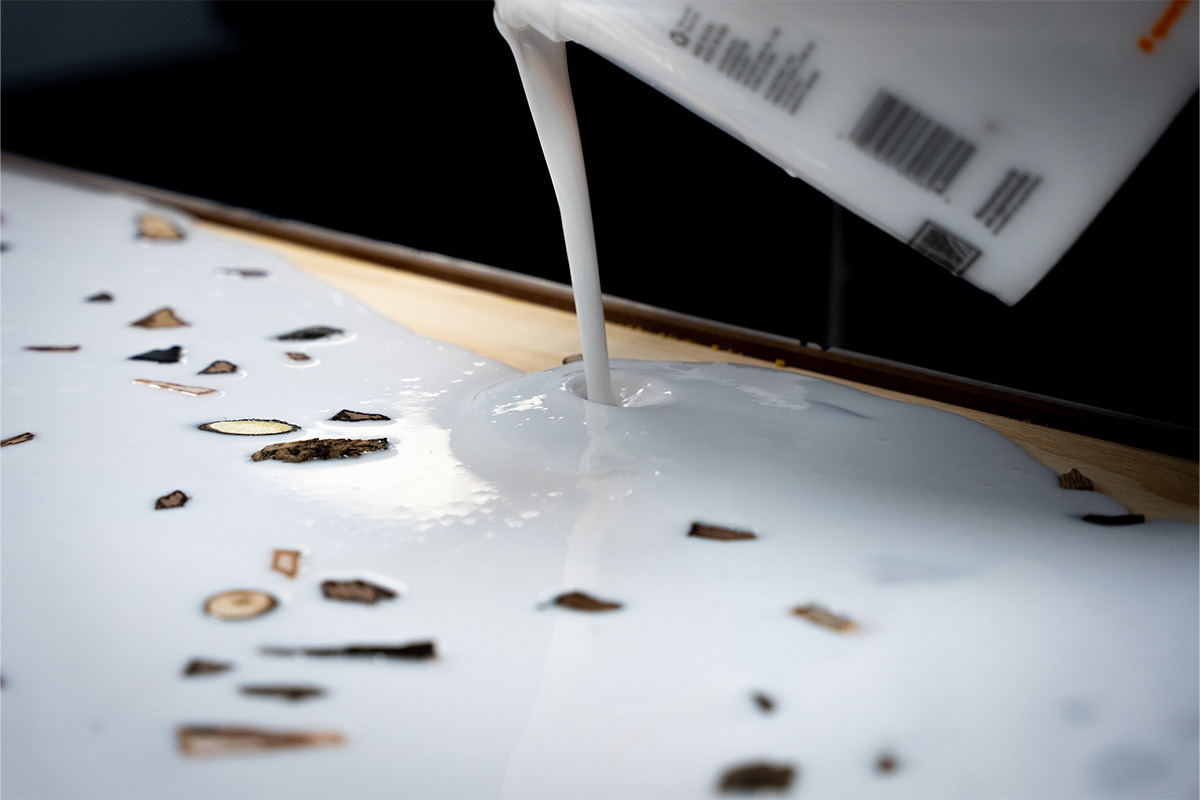
Chips of reddish cherry and pale, tight-grained maple sit beside open-grained oak and knotty, honey-colored pine in the artwork that inspired the patterns for Wanderwood. Patcraft’s new hard surface collection grew out of that artful exploration, with patterns that emulate a lift in the grain lines and splintered edges of the cast panel. They carry onto 24-inch-square tiles in two styles, Saw Grit and End Grain, which reinterpret the classic terrazzo visual with timber in place of stone. While creating the artwork for the patterns, a few fragments were sliced straight across the branch with rings and bark intact, and every one was sanded smooth and placed individually, irregularities and all.
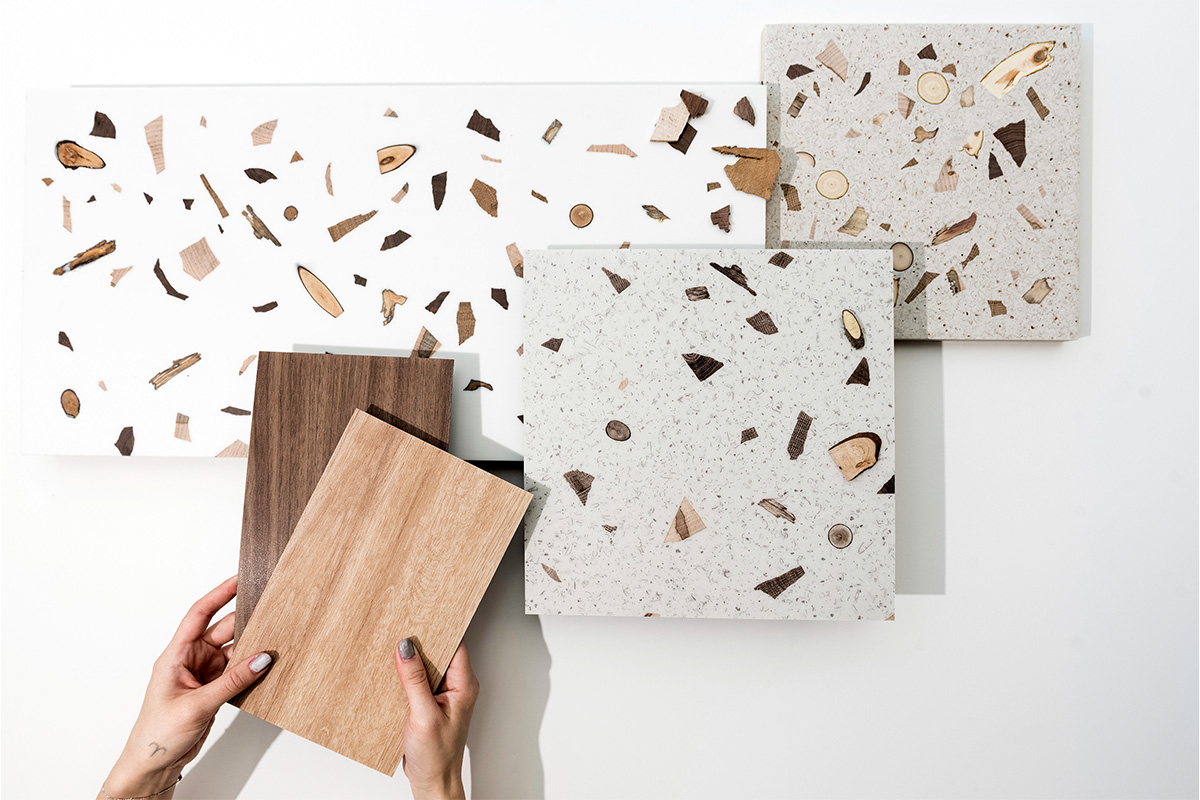
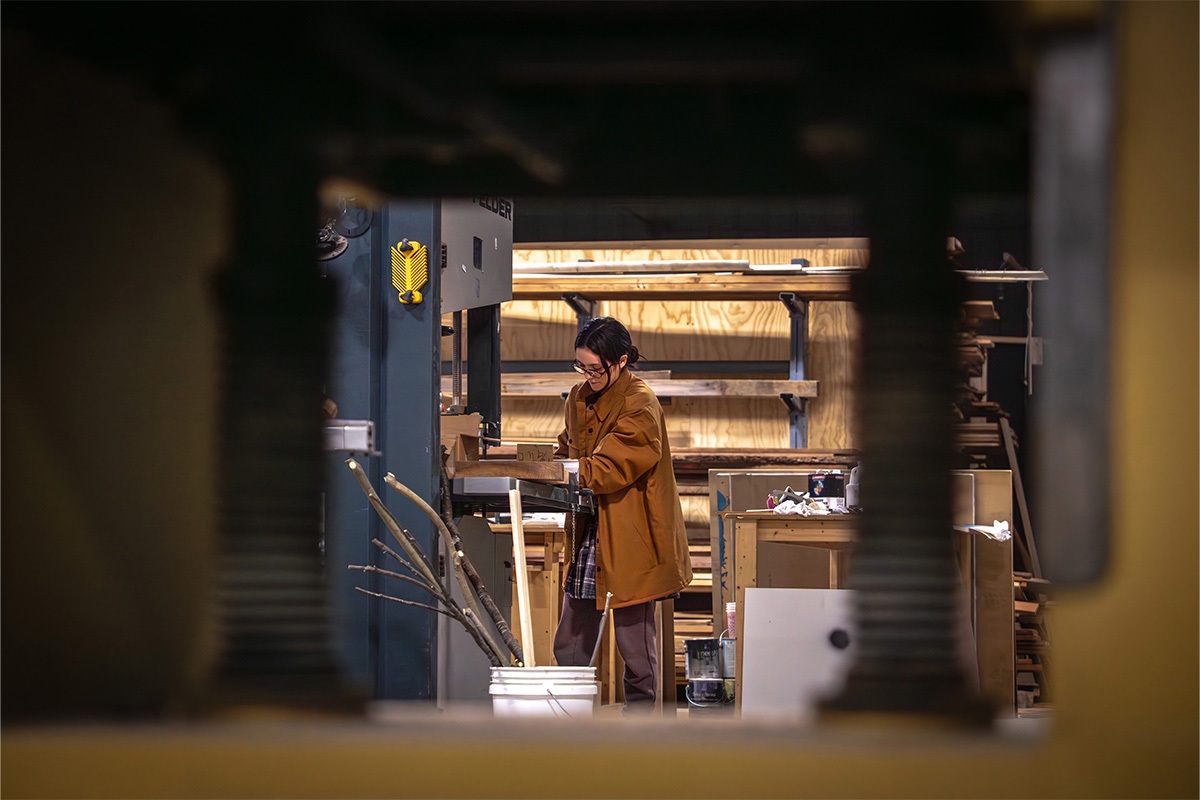
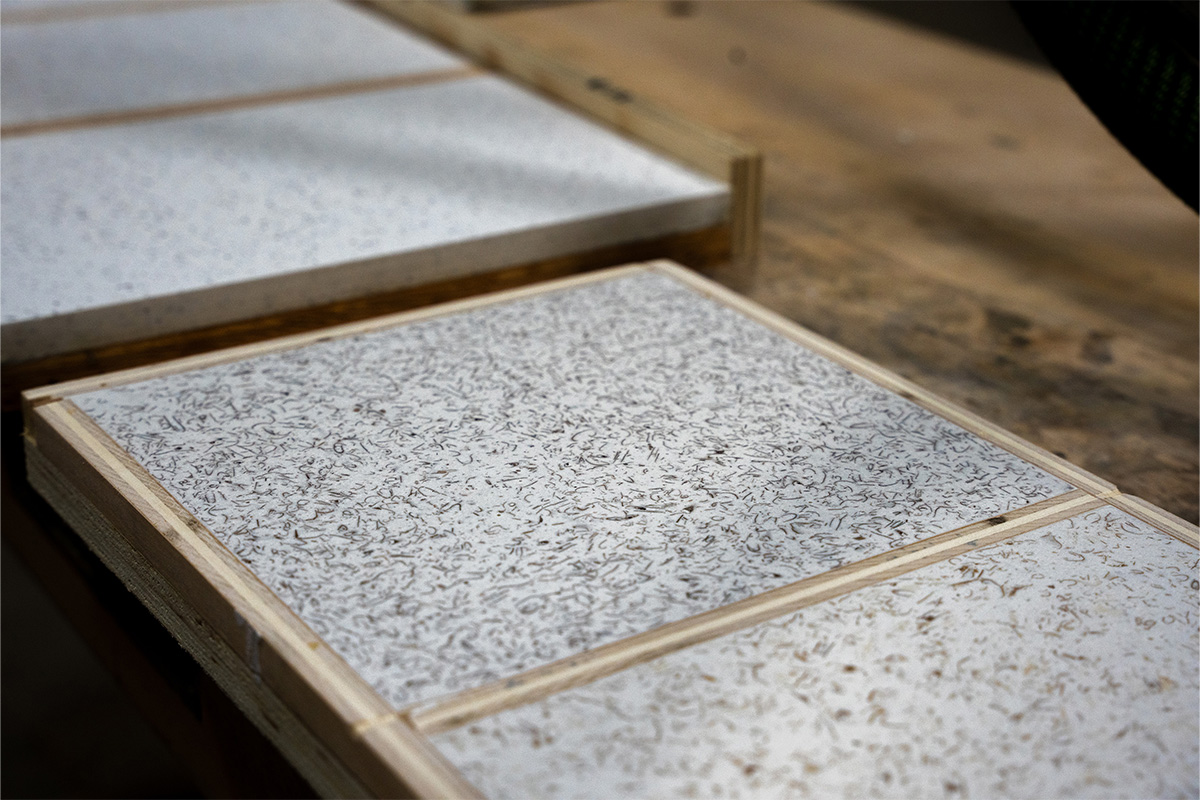
The making itself began as hands-on exploration, with the team testing timber in various forms, scales, and byproducts. Oak, pine, cherry, and maple were chosen for their range of color and value, and each was cut and sanded into segments and chips of varying size. The ground around them came from a separate casting, in which jesmonite, a water-based composite, was mixed with fine aggregate and pale shavings until the surface held a dense scatter of curls and specks. Once both were scanned, the designer built the pattern out digitally while keeping control over placement and balance.
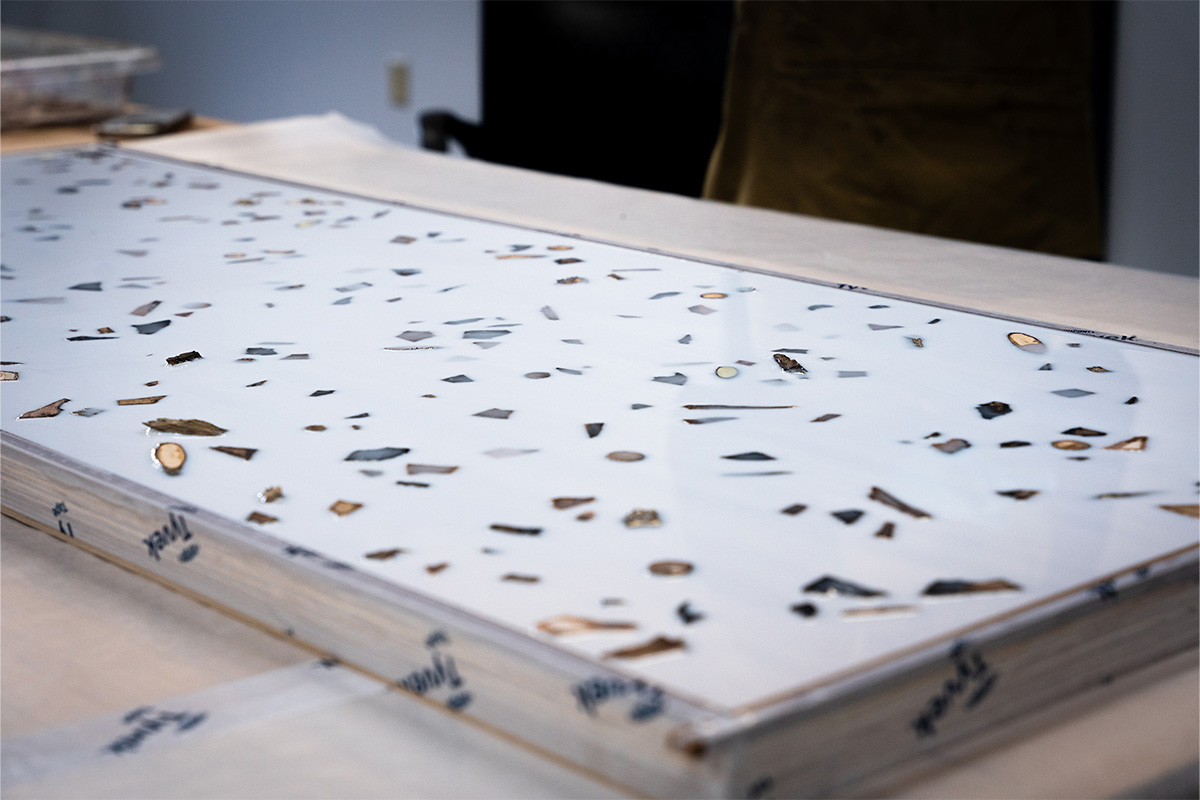
Working this way widened the range of color and tone in the wood and pushed the limits of rotogravure printing. For Mada Jones, hard surface designer at Patcraft, the appeal lies in how much of the making survives in the finished visual. “What I love about Wanderwood is how the visual celebrates process over perfection,” she says. “Through every step of the design, laying the pieces by hand, adjusting and responding, the materials truly guided the outcome. As we worked with the layout, there was a level of control and unexpectedness that led us to ultimately create this beautifully unique composition.”
Material First
Kelly Williams, hard surface design manager at Patcraft, recalls how the idea first took shape. “The initial inspiration for Wanderwood began with creative conversations around new concepts for our flooring designs—how could we take a classic terrazzo visual and transform it with different materials,” she says. “We have a lot of success with our unique wood looks, and we were excited to bring this idea to life—connecting to customer insights, while also delivering impact through the manufacturing process to highlight circular design.”
Scale and Color
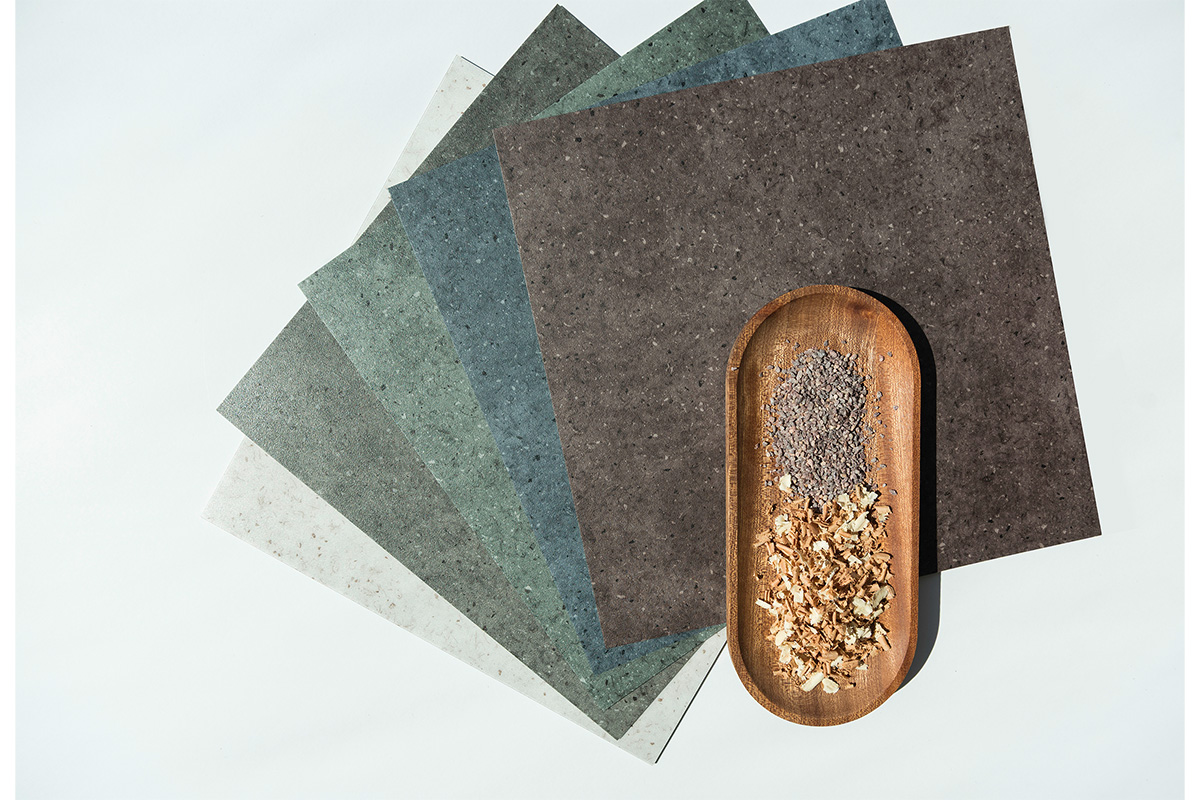
Saw Grit, the smaller-scale style, is a textural visual made from fine layers of aggregate, and it also serves as the base and background of End Grain, tying the pair together. Its 10 colorways run from pale stone and sand through sage, deep green, slate blue, and espresso brown, with the mid-tone and darker shades keyed to the wood chips in End Grain.
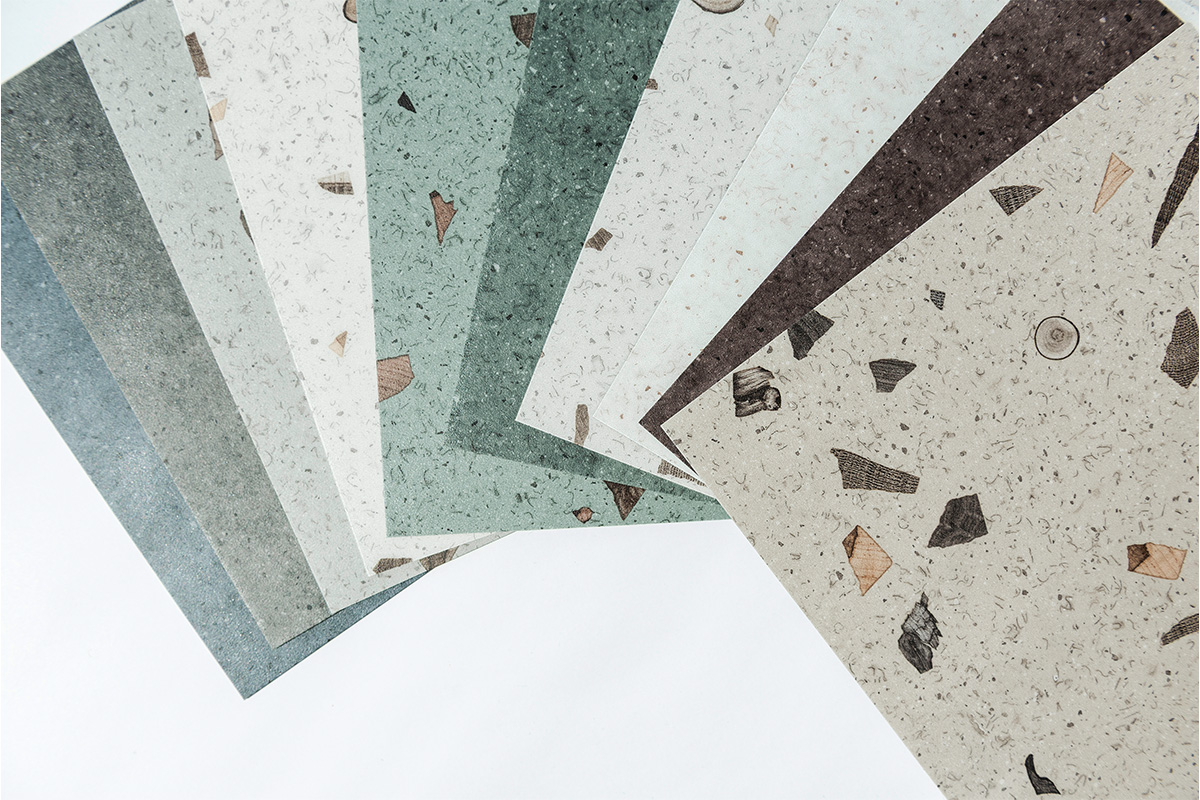
End Grain works at a larger scale, assembled from the cross sections, cuts, and offcuts arranged in the hand-laid panel. Its 10 biophilic colorways were developed for pairing, both with Saw Grit and with Patcraft’s existing wood visuals.
Beyond the Floor
Wanderwood carries Patcraft’s In The Loop designation and is fully recyclable through the re[TURN] reclamation program. Day to day, the collection asks little: polishing and buffing are optional, and an ExoGuard+ finish helps the surface hold its appearance over time. A 20 mil wear layer makes it suitable for heavy commercial traffic.
Two thicknesses are available, two and a half and four millimeters, and the thicker option can sit directly alongside carpet tile with no transition between them. The collection is engineered for lasting performance in spaces for learning, healing, working, and living, carrying a hand-laid experiment in wood well beyond the shop where it began.