


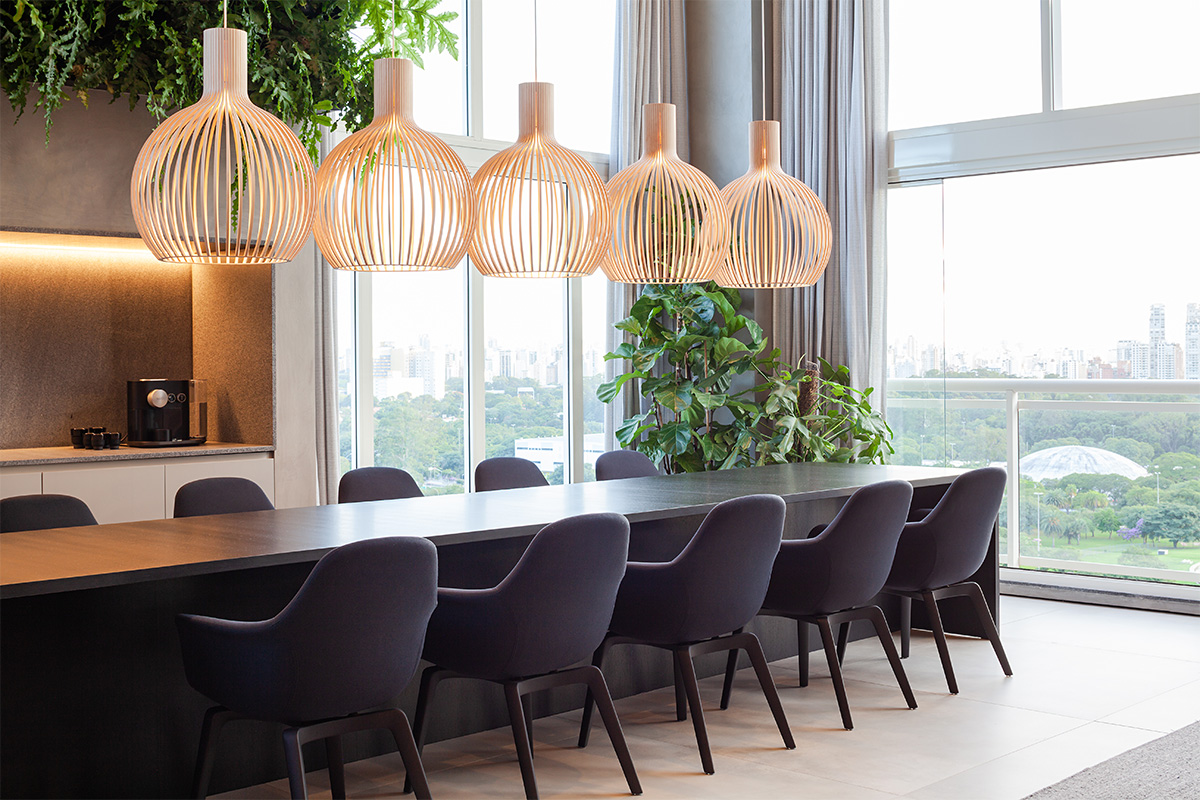
Secto Design Extends Its Material Language Through New Forms
Seppo Koho builds the first prototype of every lamp he designs by hand, working in birch, the material he has used since beginning his collaboration with Secto Design, a Finnish lighting company founded by Tuula Jusélius in 1995. The collaboration had begun with wooden furniture, and when customers started asking about lighting that felt equally considered, Koho drew on the bent-birch techniques that have shaped Finnish design for generations, cutting thin slats from curved blanks and assembling them into pendant shades. “The very first Sectolamp used a clear incandescent bulb, which projected beautiful linear shadows onto surrounding surfaces,” Jusélius recalls. “The atmosphere was unlike anything we had seen before. We immediately felt deeply connected to it ourselves, and the response from the public was equally enthusiastic and encouraging.”
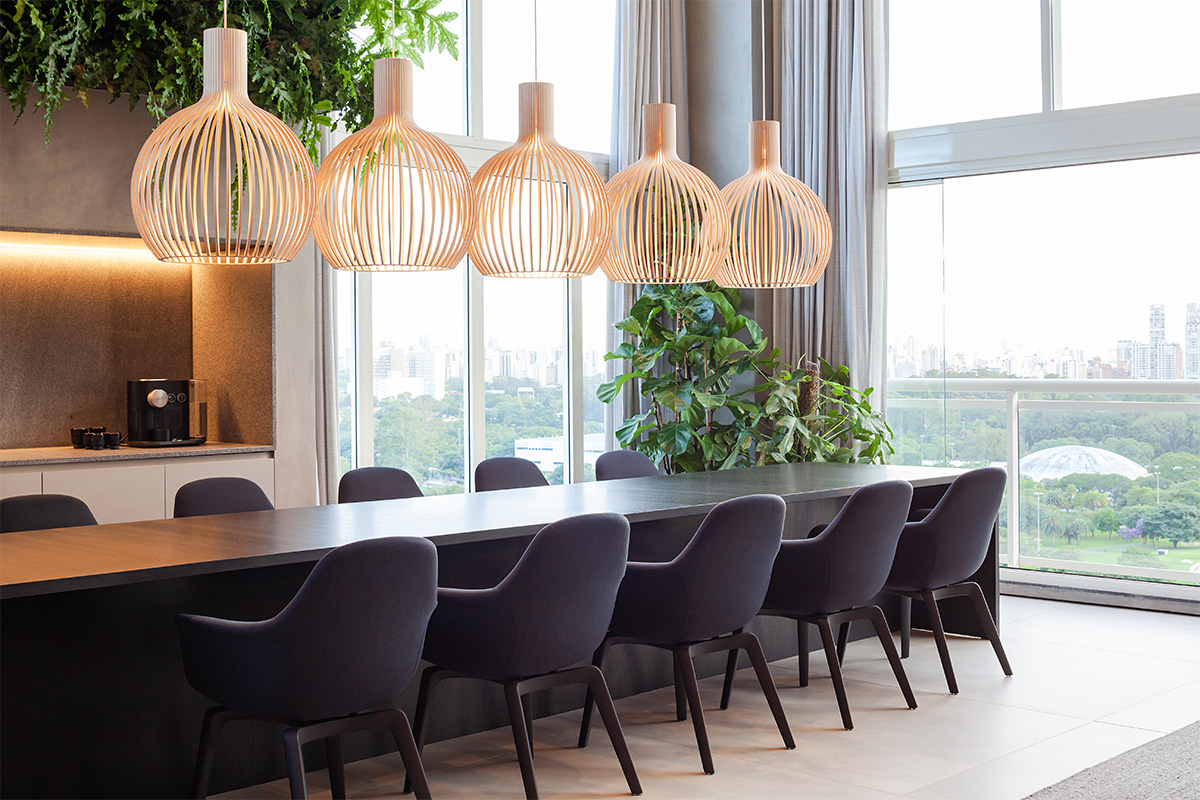
Koho, who trained at Helsinki University of Art and Design before earning an architecture degree from Tampere University of Technology, has approached each new form with the same underlying constraint, finding different solutions to it across three decades of work. “We have consciously maintained a strong continuity throughout the collection so that the lamps remain unmistakably recognizable as Secto Design pieces,” Jusélius says. “One principle we have never abandoned is that light should never cause glare for the viewer.” How that is achieved has changed as the collection has grown: earlier forms relied on the geometry of the shade itself, while later designs introduced internal components that manage the relationship between bulb and eye without compromising the lamp's silhouette.
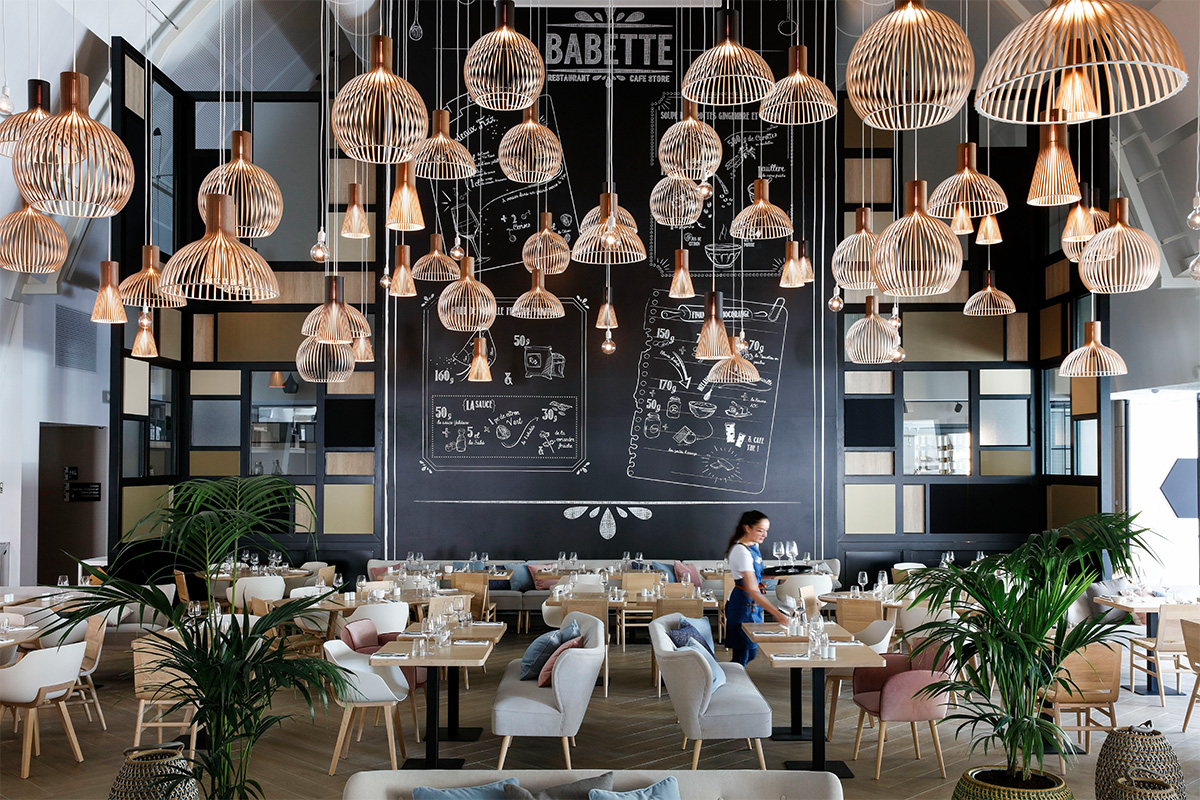
The material makes much of that possible. Finnish birch, sourced from PEFC-certified commercial forests in central Finland, is strong and pliable enough to hold the precisely pressed forms the lamps require. Production takes place at Sectomo, a factory in Heinola wholly owned by Secto Design since 2017, where about 30 craftspeople assemble each lamp by hand.
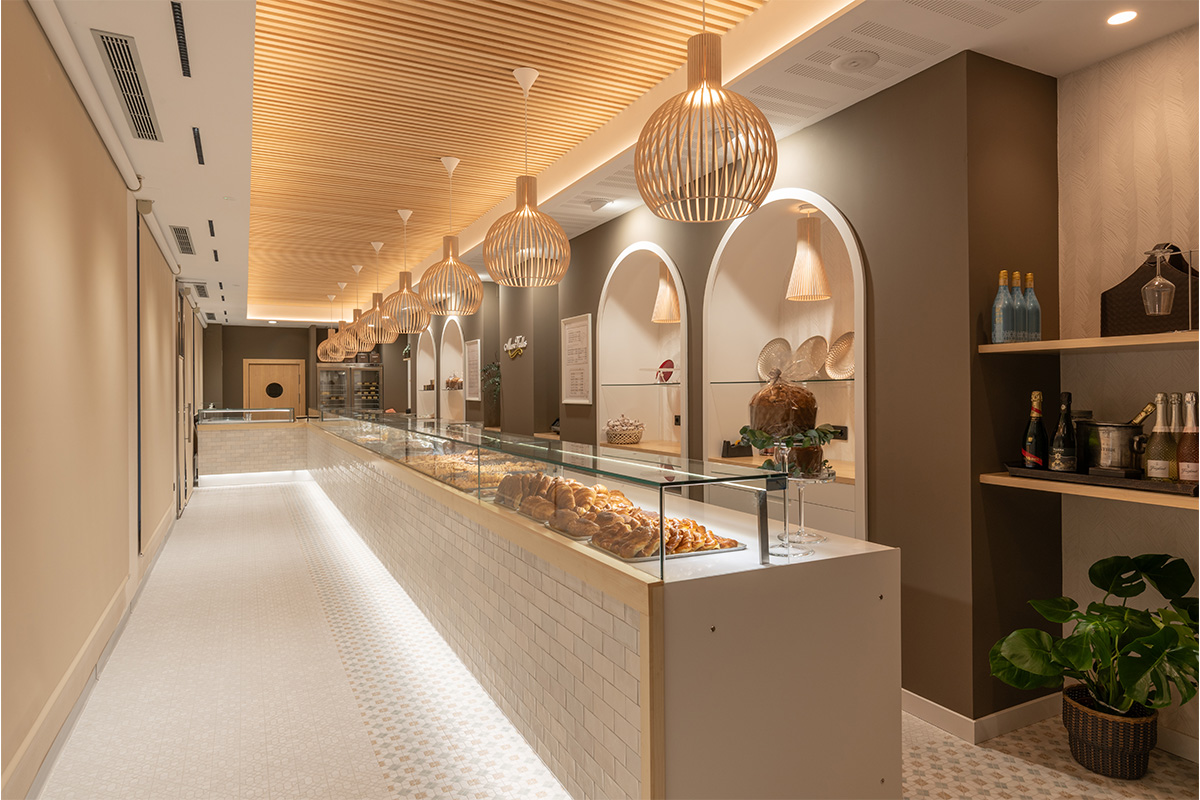
Every shade undergoes inspection at different stages throughout the manufacturing process, seven on average, before leaving the building. “Finnish birch and local production continue to define not only how our products are made, but also how we think about design development itself,” Jusélius says. “The expertise of our craftspeople, their versatility and willingness to embrace new techniques, make it possible for us to continue evolving the collection while keeping production local and deeply connected to Finnish craftsmanship.”
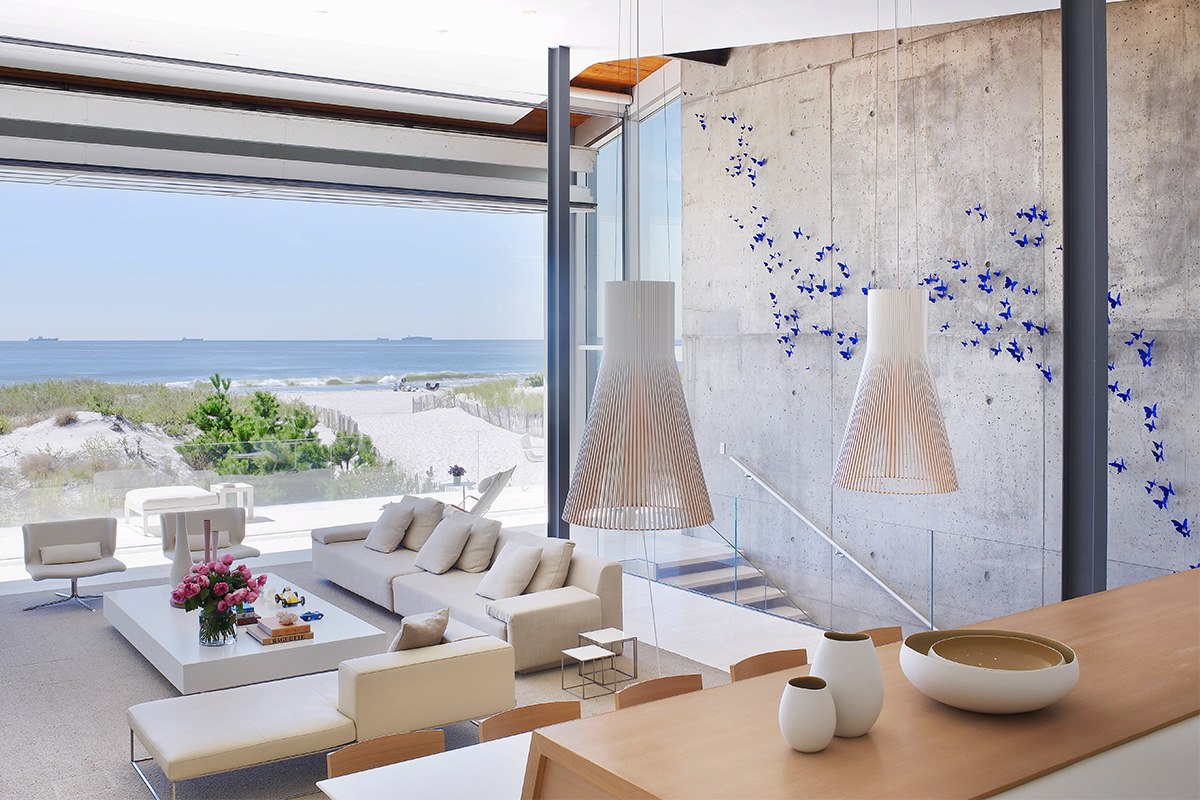
The portfolio has expanded considerably since the first conical pendant, both in form and finish. Among Koho's more recent work is Kumulo, a pendant lamp whose airy, undulating form draws inspiration from cumulus clouds, launched in 2024. More recently still, designer Ilkka Kauppinen, who trained first as a wood artisan before studying industrial design at LAB Institute of Design and Fine Arts, contributed the Adilo pendant, launched in 2025 and soon to be ETL/CETL-listed for the North American market. Delivered as a flat disc of ultra-thin birch plywood, it unfolds into a fully dimensional shade in a single movement. “Today, developments in lighting technology allow us to approach form and construction in entirely new ways, opening possibilities that simply did not exist when the collection began,” Jusélius says. “That evolution will continue to inspire future reinterpretations as well.”