


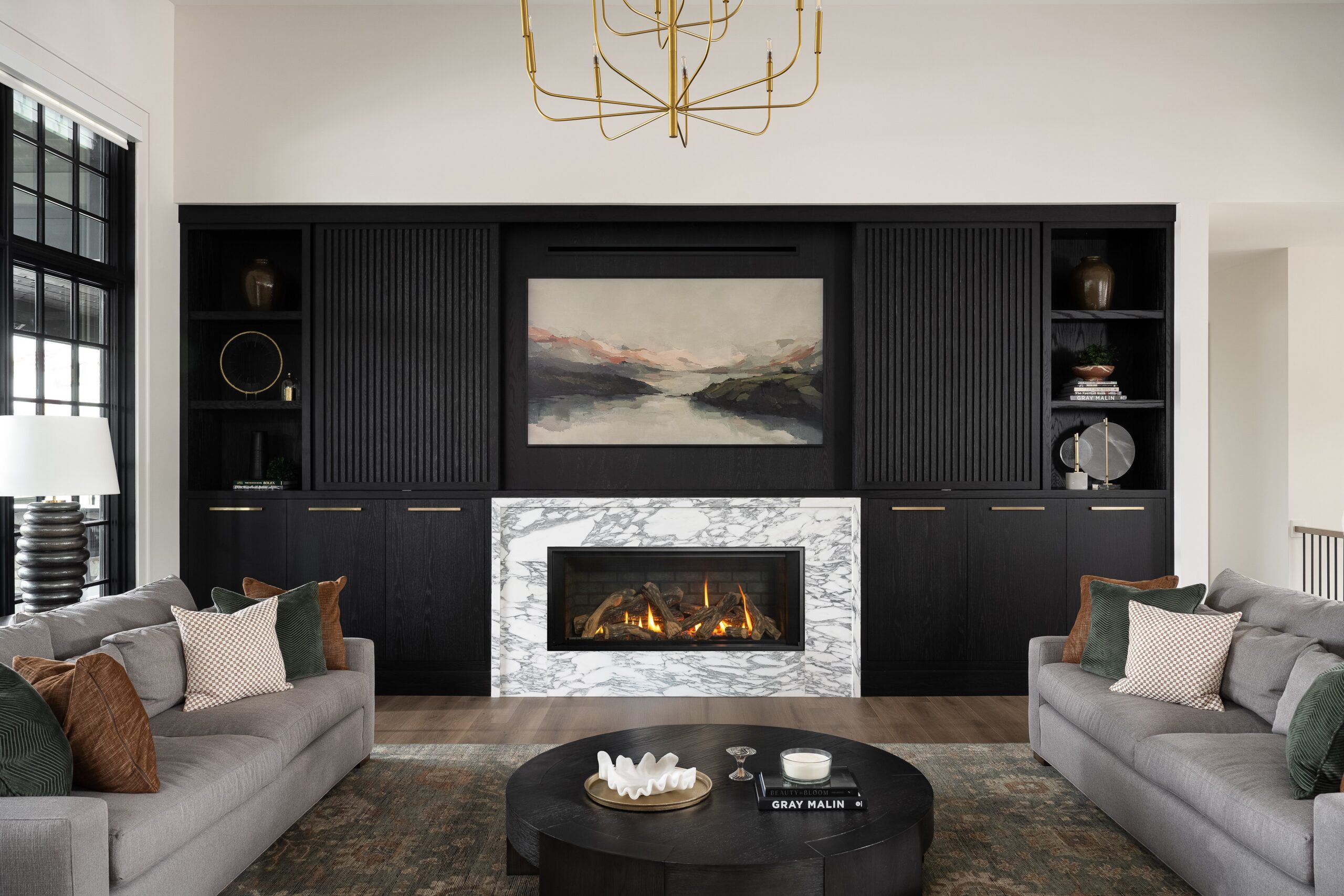
Valor Fireplaces Reroutes Rising Heat With HeatShift to Free the Wall Above
The warmth of a Valor fireplace moves along two paths, outward into the room as radiant heat and upward as a convective current. HeatShift, the company’s gravity-driven system, gathers that warm air and sends it through concealed ducts, sparing the surface over the firebox and opening it to timber paneling, art, or a mounted screen.
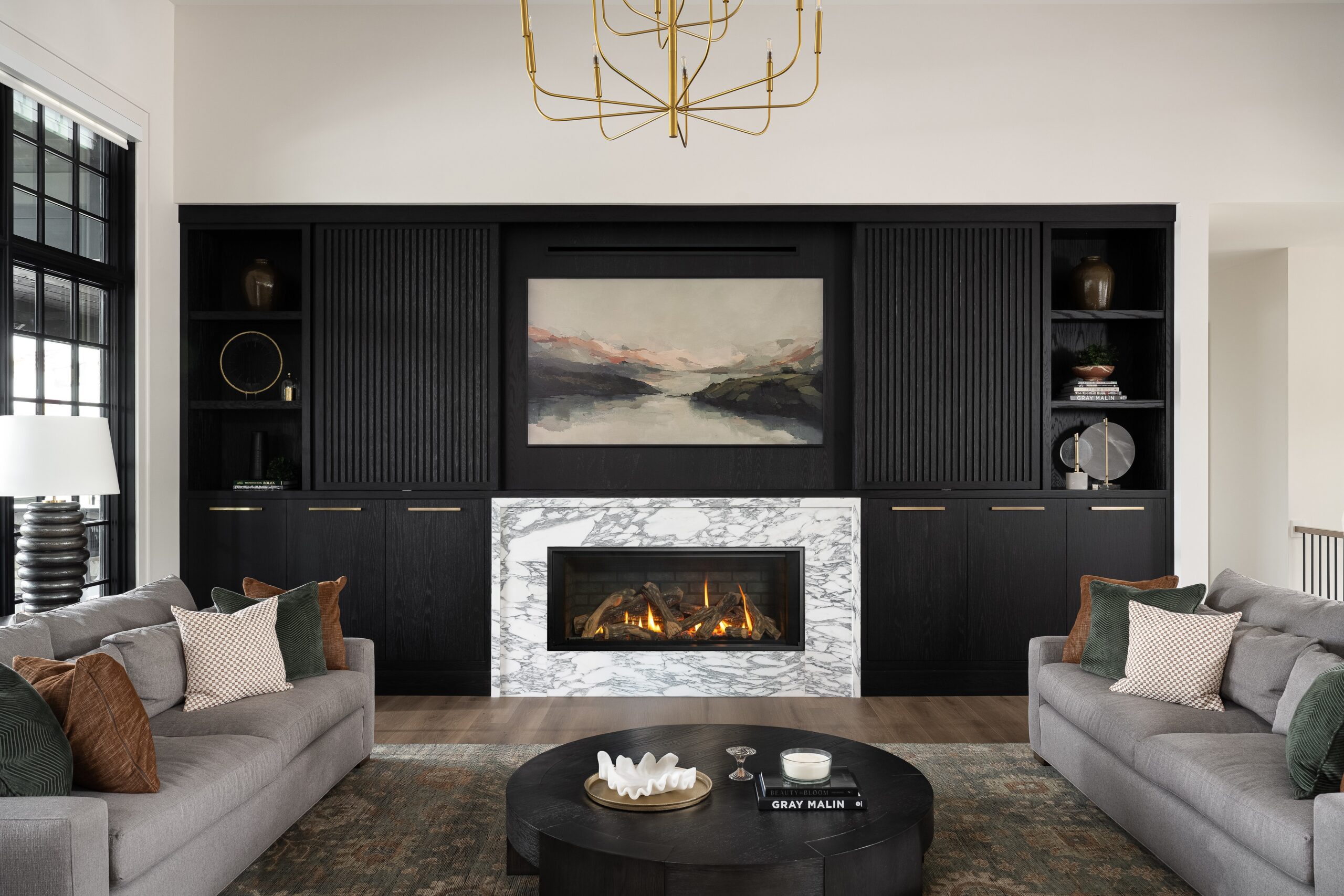
With the heat diverted, finishes and objects overhead are protected from cracking and damage, and within approved installation clearances the wall may be clad in combustible materials such as wood and drywall. The system pairs with much of Valor Fireplaces’ gas lineup, from slender linear models to more traditional designs, making it adaptable to rooms of very different character.
Natural Convection
HeatShift was conceived as an extension of the hearth itself, with the two engineered to work together and their airflow routes integrated to get the most out of it. “We already knew our fireboxes were excellent at generating natural convection, so the thinking is what if we could deliberately capture that rising heat, route it through hidden pathways, and release it higher in the room instead of letting it bake the wall?” asks Luke Elburn, head of product development.
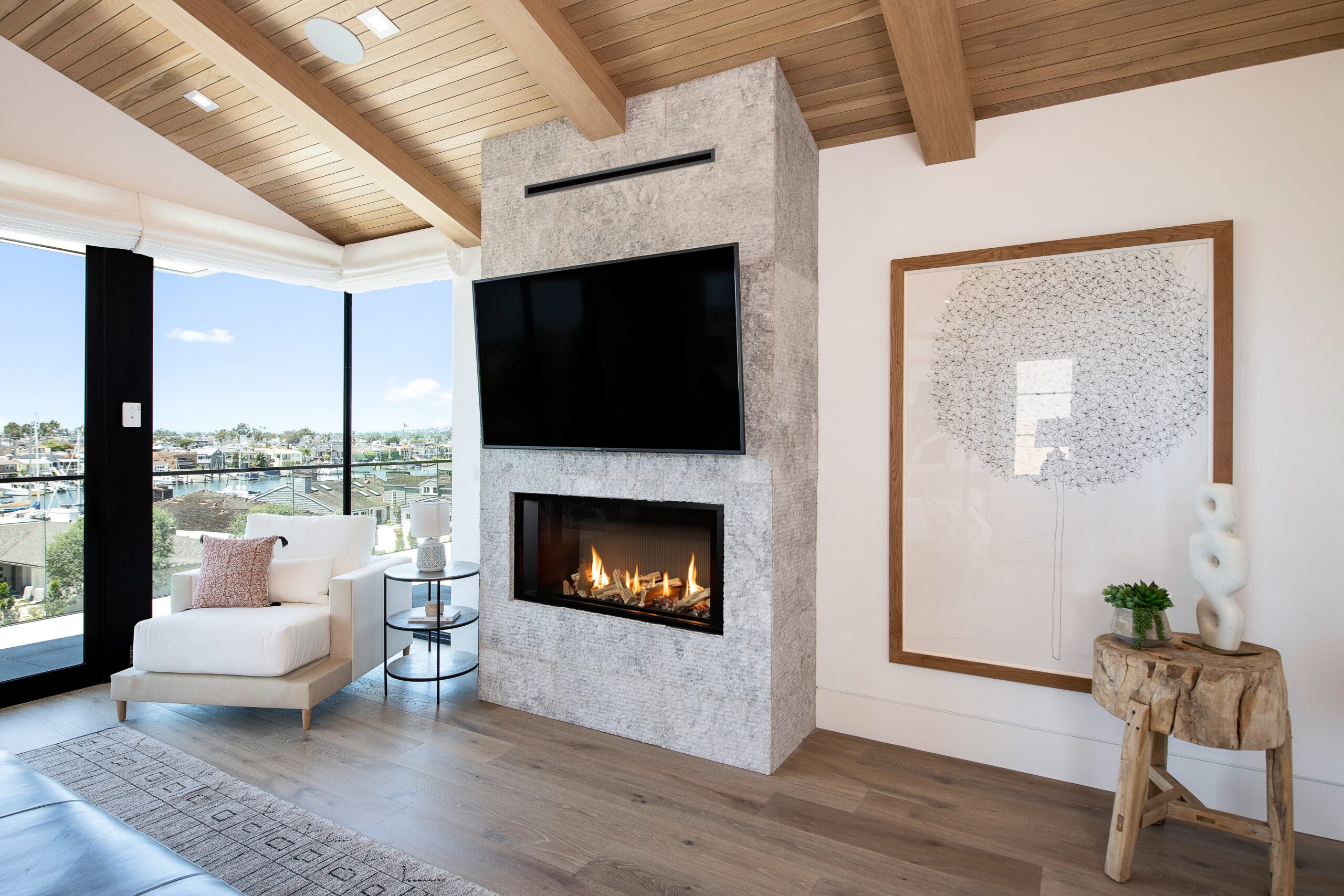
Inside the wall, the convective air collects atop the unit and travels upward through ductwork by gravity alone, moving up to 125 cubic feet per minute before exiting through a discreet outlet. Drawing no electricity, the system keeps working through a power outage, and two priorities shaped its passive approach. “For simplicity and for silent operation,” Elburn says. “If it’s well designed, it shouldn’t need a fan to operate effectively.”
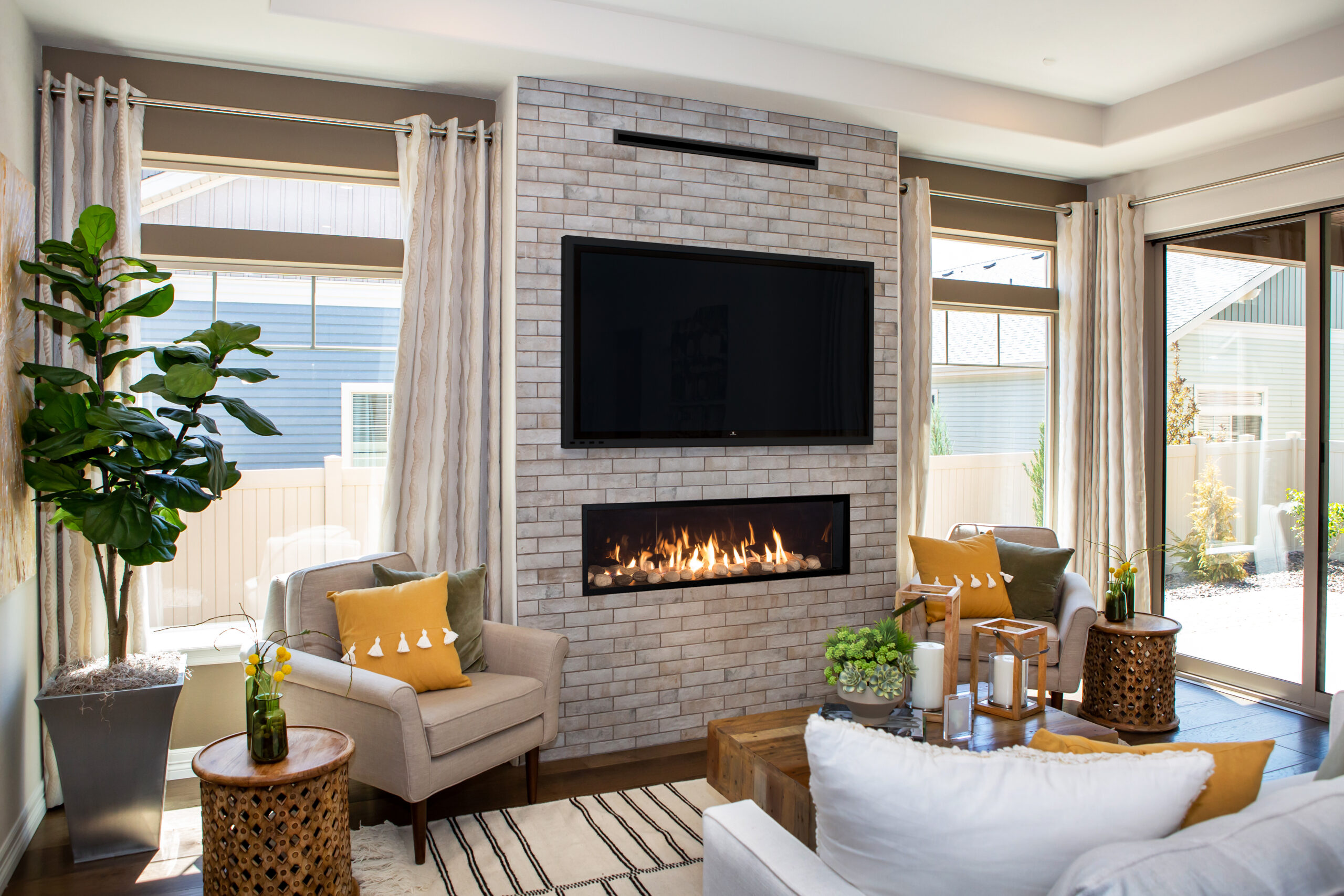
An Open Wall
With HeatShift, Valor Fireplaces set out to give homeowners greater flexibility in how they build around the hearth and which materials they bring to it. Outlets come in several forms, including a front plenum, side grilles, and a hidden top valance, and a plenum or grille can be painted to match its surroundings until it all but disappears.
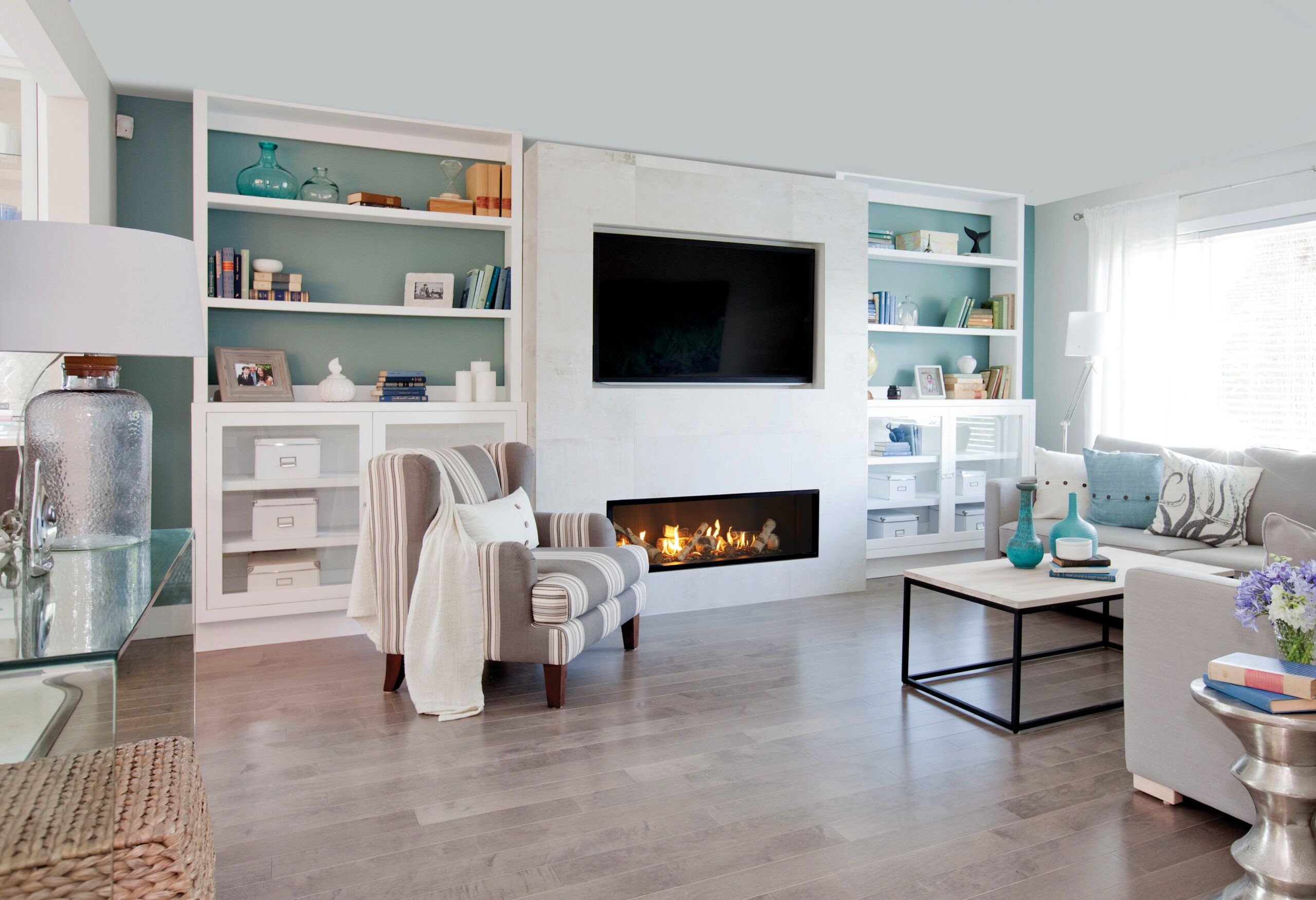
A canopy version of HeatShift, designed for one multisided model, lets the fireplace sit within a pony wall, a low partition that keeps the surrounding space open, an option Valor Fireplaces describes as unique to the brand. Optional steel framing kits for the company’s multisided models accommodate both front and side outlets and simplify construction of the enclosure around them. Heat can also travel beyond a single area through the companion HeatSplit system, which connects to 38- and 48-inch front wall plenums and carries warmth to bedrooms, hallways, or utility rooms.
HeatShift works with a broad range of the company’s gas models, from the L2 and LT1 to the H6 and P2. Designed and built in North America for North American homes, it relies on standard construction techniques that meet code requirements across the continent, and Valor Fireplaces has continued refining the system for performance and ease of installation since launch.
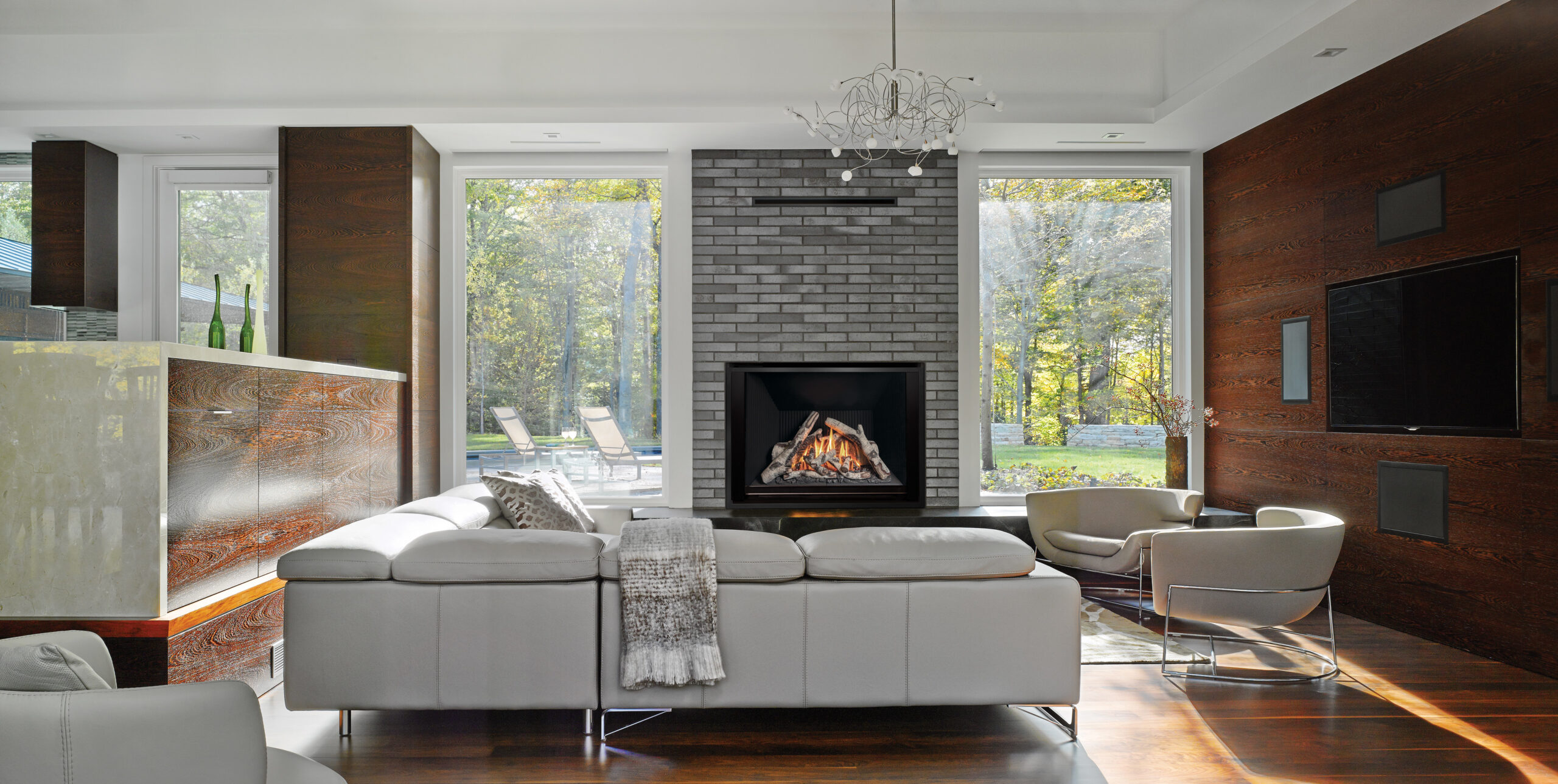
Keeping the surface above the firebox cool alters the hearth’s place in a room’s composition. “The fireplace no longer dictates the design; it becomes an integrated element within a more flexible and expressive wall,” Elburn says. “Mantels can sit closer, finishes can run continuously, and the visual focus can shift upward or outward in ways that simply weren’t possible before.”
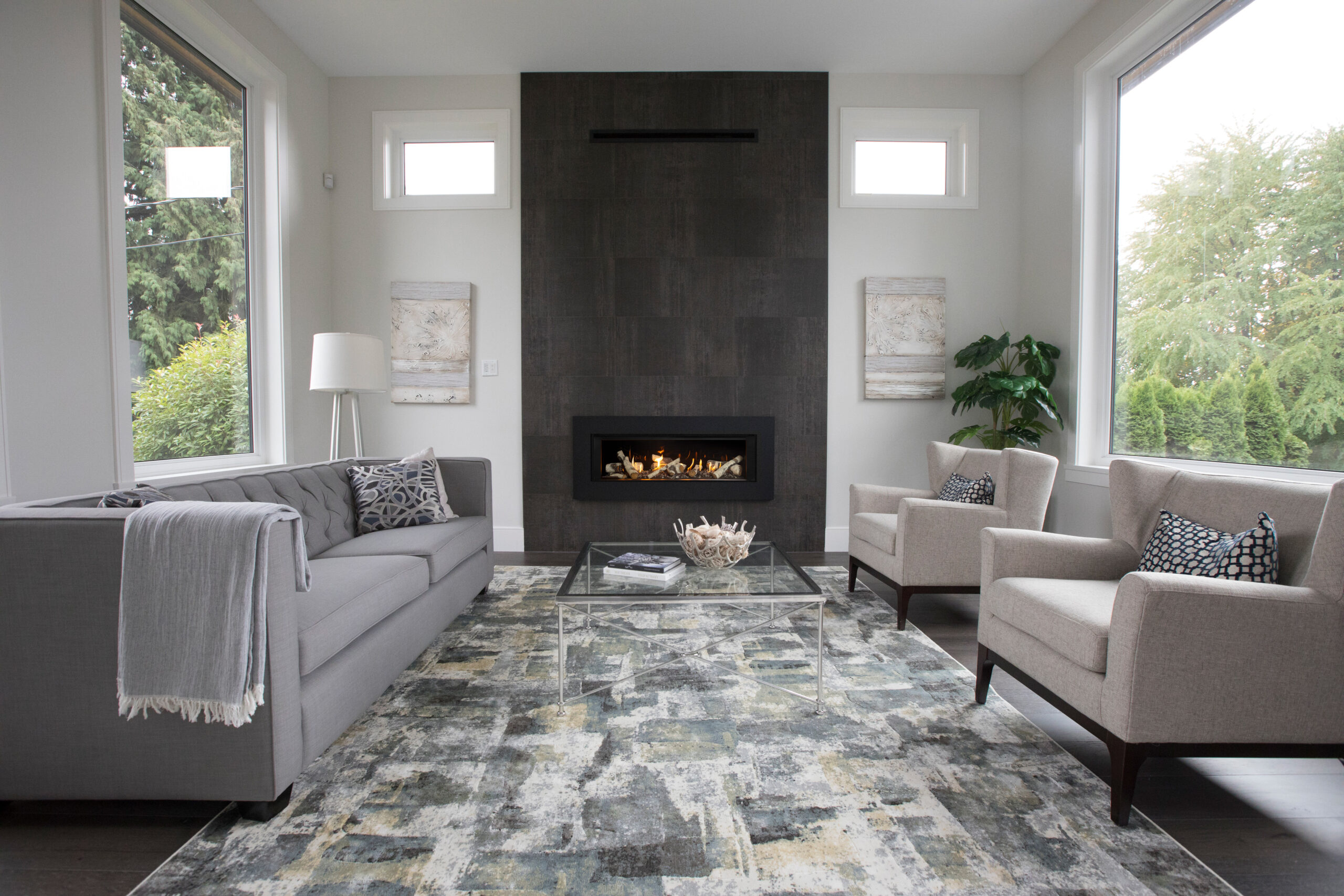
Whether the wall above holds a painting or a television, HeatShift keeps its work out of view, leaving the flame and the surrounding finishes to define the room.