


December 17, 2024
3 Products That Do Double Duty
Whether it’s a classic technique made new with modern materials, objects of utility enriched by aesthetics, or furnishings that oscillate between indoor and outdoor use, like those shown here—sometimes it’s the dualities that make design so compelling.

LICEO OUTDOOR LOUNGE CHAIR
To the Italians, it’s not just an armchair. And to the internationally renowned, Lombardy-born designer Piergiorgio Cazzaniga, it’s an opportunity to teach consumers about craftsmanship, technology, and circular design. In the outdoor version of Andreu World’s Cazzaniga-designed Liceo, the chair’s sinuous iroko-wood form cradles a seat fabricated from recycled polypropylene cord fabric.
ANDREU WORLD
andreuworld.com

PANIGIRI COMBO
Part of the Panigiri Collection, the Panigiri Combo boasts the functional efficacy of its Table and Picnic counterparts while providing users with the flexibility to configure the various seating options to best suit their preferences. Its thoughtful design, informed by social rituals and accessibility, can comfortably accommodate eight people in a variety of arrangements. Optional backrest attachments and cushions are available for more possibilities.
EXTREMIS
extremis.com

BERTJAN POT INDOOR/OUTDOOR RUG
Bertjan Pot’s rugs for Maharam are an amalgamation of simple components, patterns, and the Dutch industrial designer’s fascination with textile structures. His inaugural indoor and outdoor collection consists of Pop and Groove, two pieces that utilize multicolored technical rope for uniquely striated patterns derived from repetitive techniques.
MAHARAM
maharam.com
Would you like to comment on this article? Send your thoughts to: [email protected]
Latest
Projects
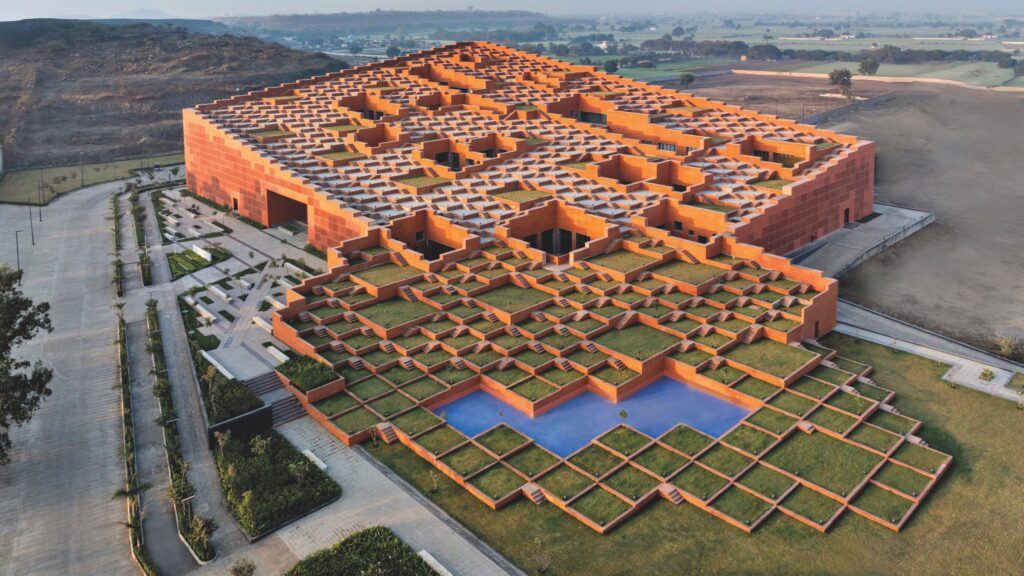
In India, Prestige University Offers Lessons in Climate Craft
The IGBC Platinum–rated education project is part of Sanjay Puri Architects’ quest for creative—and delightful—responses to a warming planet.
Viewpoints
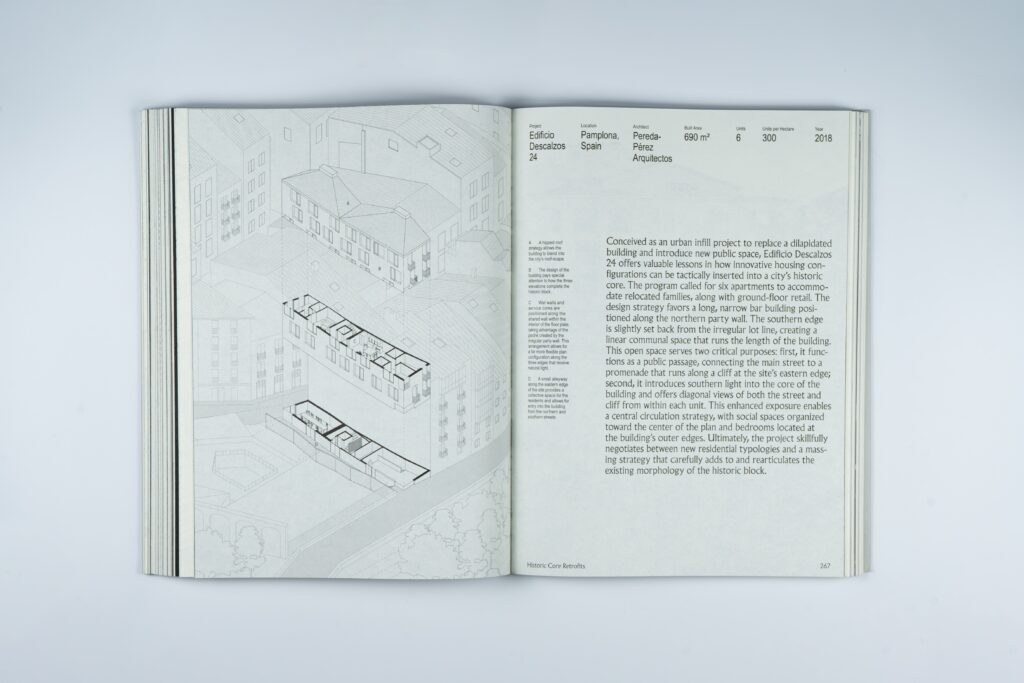
Drawing Collective Housing Back Into a Common Language
Felipe Correa’s Collective Living and the Architectural Imaginary, and why this survey of a century of collective housing was built to argue a point, not cover the field.