



October 18, 2024
Autodesk’s Forma Gets You Ahead of the Curve on Carbon
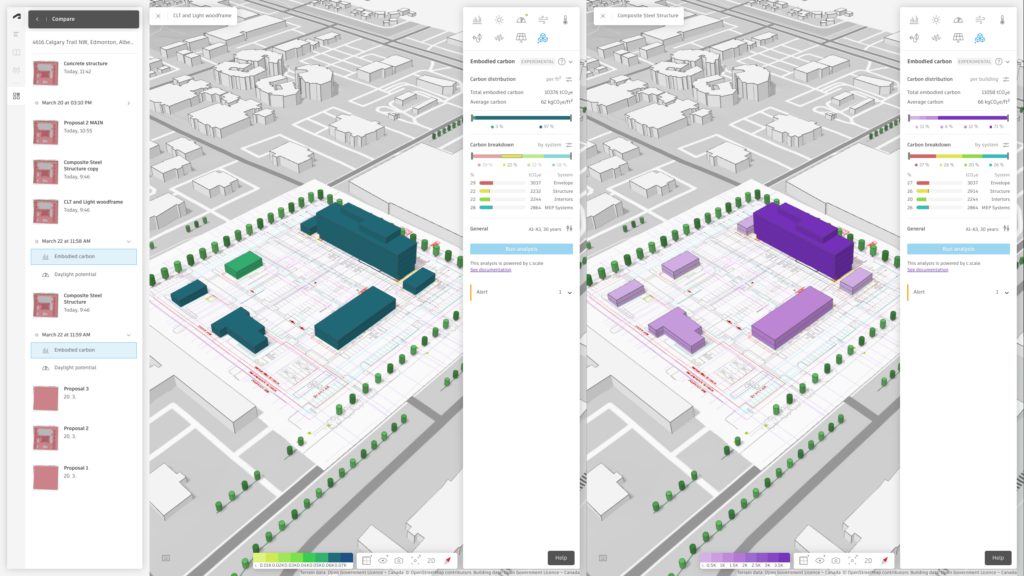
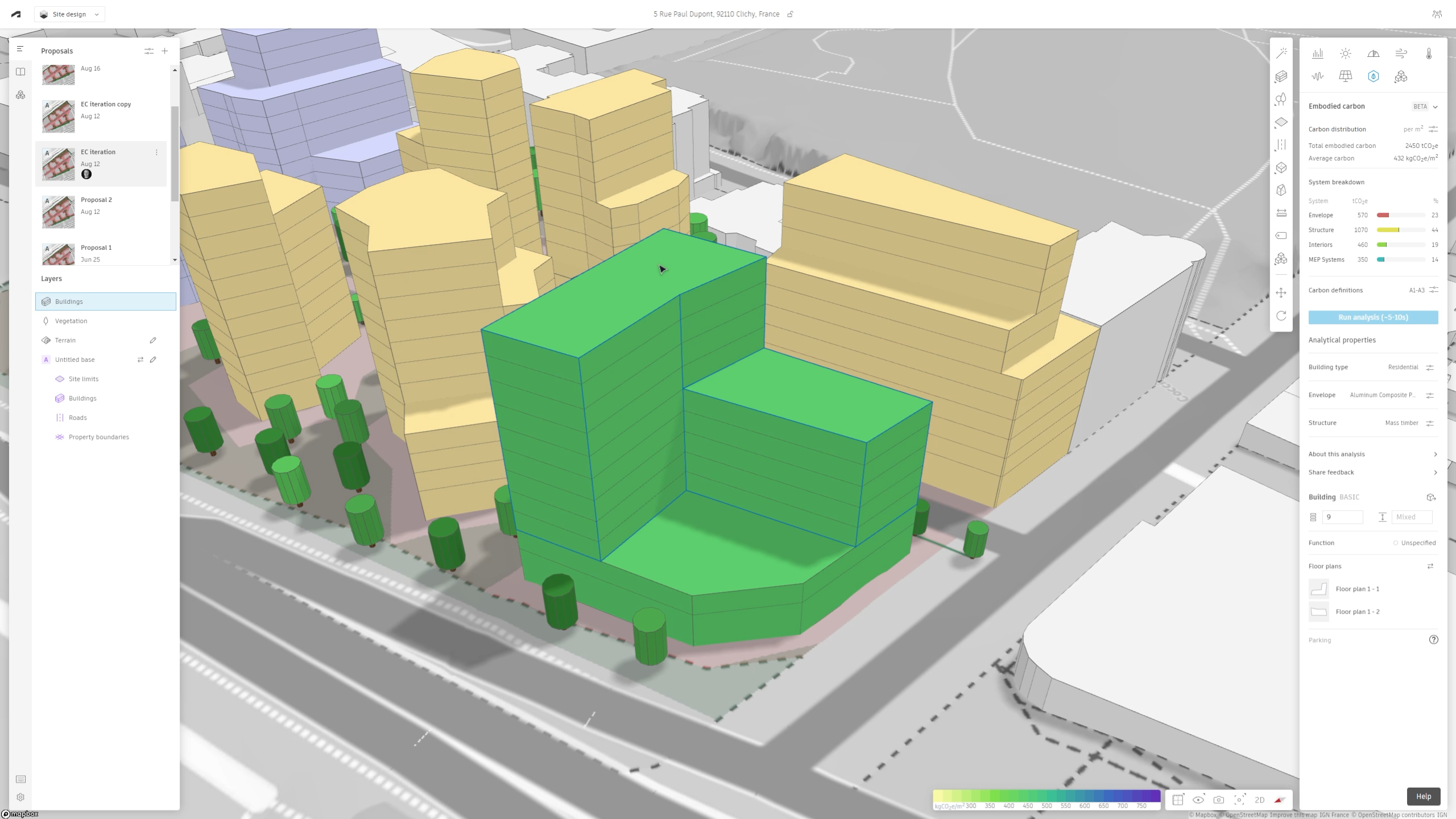
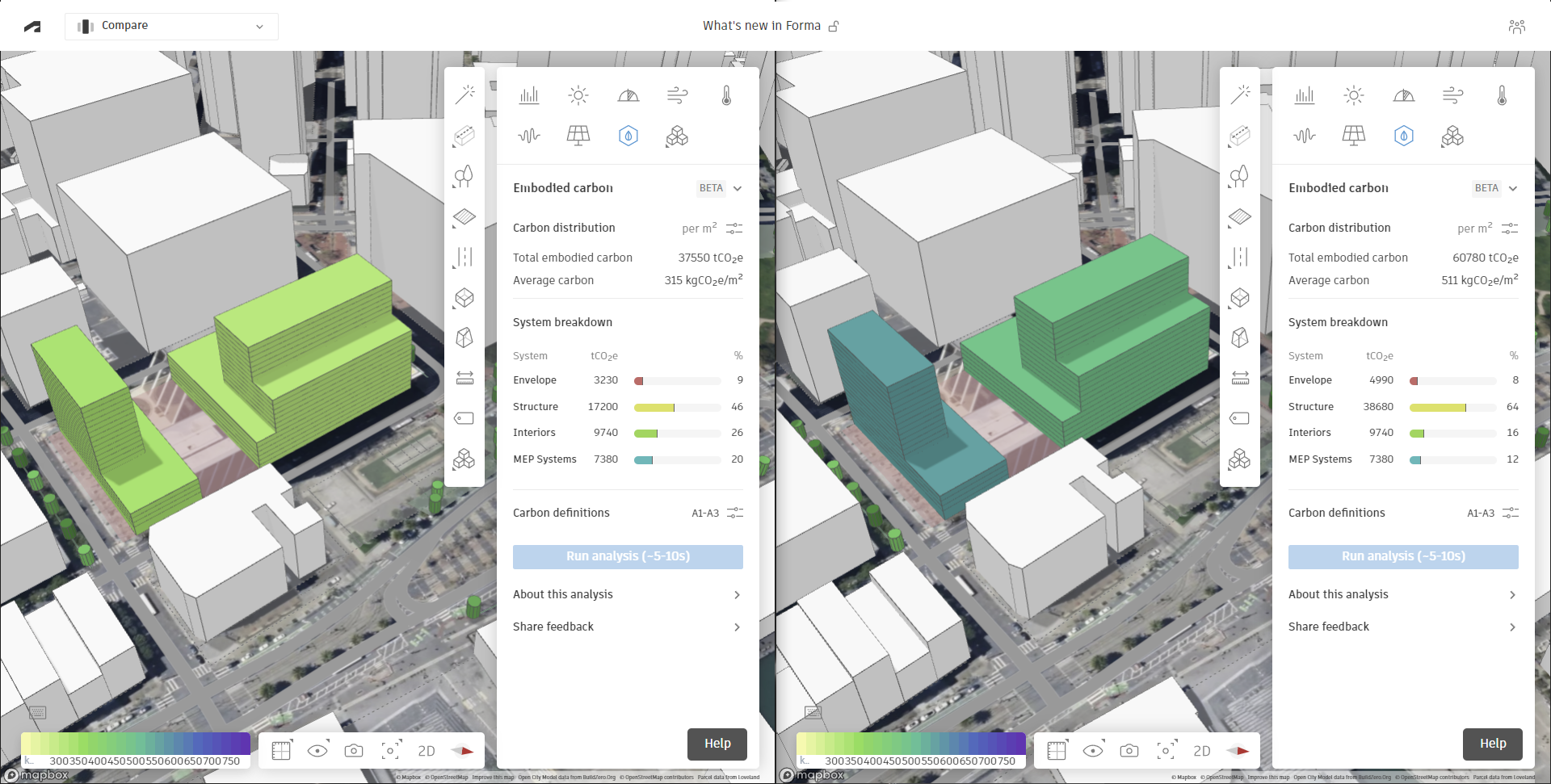
Forma does this by connecting in real time to the C.Scale database and analysis platform built by architecture firm EHDD, which also powers the Early Phase Integrated Carbon (EPIC) assessment tool. C.Scale uses machine learning technology to compare the user’s building with its database and estimate its embodied carbon footprint based on actual buildings. In Forma, a user can select general structural systems, facade types, and levels of interior fit-out for their building, run a quick analysis, and see where the major embodied carbon hot spots are.
In early project phases, explains Jack Rusk, cofounder of C.Scale and director of carbon strategy at EHDD, the goal isn’t just to get the right answer; it’s to understand what measures are most critical to the project’s total carbon impact. It might not always be the structural system, he cautions. Elements like facades, interiors, and even landscaping matter enormously. “How do we ensure we’re focusing our effort where it matters most?” he asks. “Data helps us do that.”
According to Marta Bouchard, the software giant’s AEC sustainability lead, this comparative approach to decarbonization reflects Autodesk’s vision for Forma, which is meant to be quick, intuitive, and iterative. By simplifying embodied carbon analysis and incorporating it when ample design options are still being explored, she hopes it can “help democratize access to what has historically been a very specialized part of the architectural design process that’s sometimes even hired out to third parties.
Would you like to comment on this article? Send your thoughts to: [email protected]
Latest
Projects
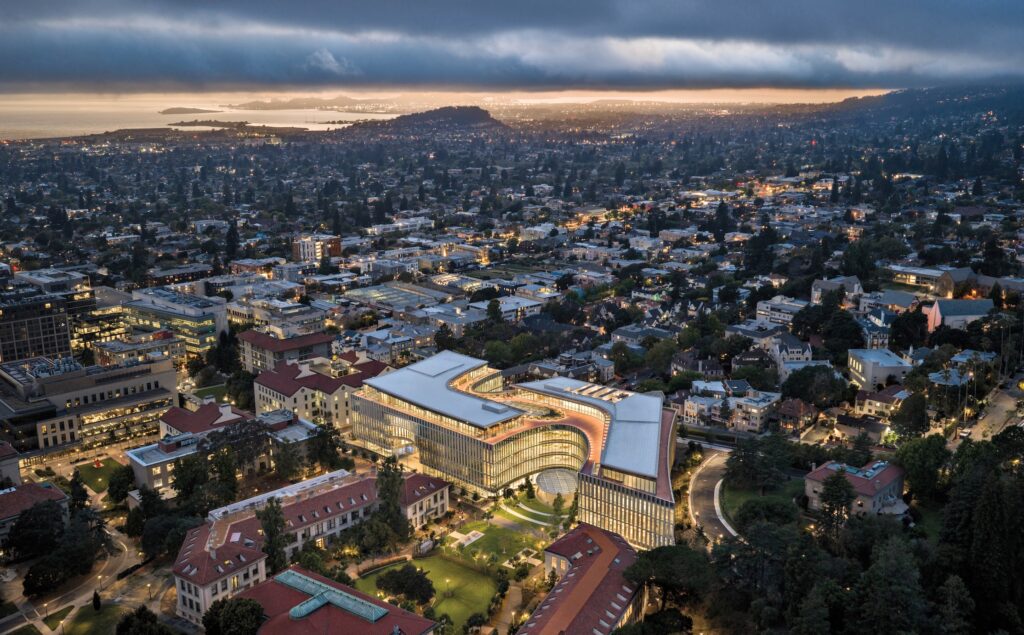
UC Berkeley’s Newest Building Is All About Human Interactions
The long-awaited project highlights uncomfortable truths about Los Angeles’s cultural sector and civic health.
Projects
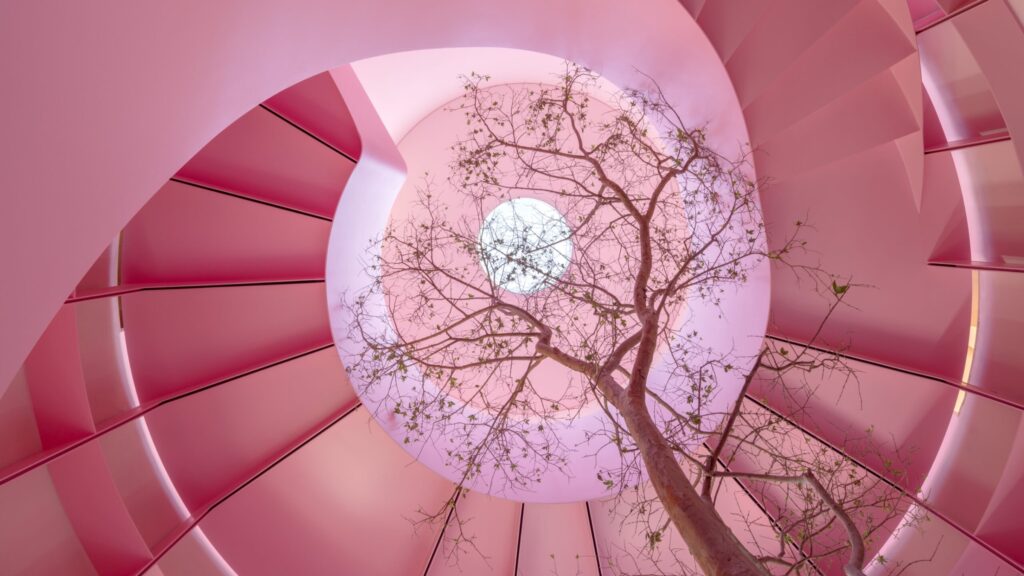
ZD+A Brings a Modernist Mexico City House in Line with its Context
Architect Yuri Zagoin Alazraki reorganized the speculative house to respond to its site and create unique spaces for contemplation.
Viewpoints
The Architecture & Design Film Festival Enters a New Chapter
ADFF 2026 brings together stories of reuse, climate action, architectural history, politics, gender, and public life.