



December 24, 2025
Jesús Llinares on Andreu World’s Path to Circular Design

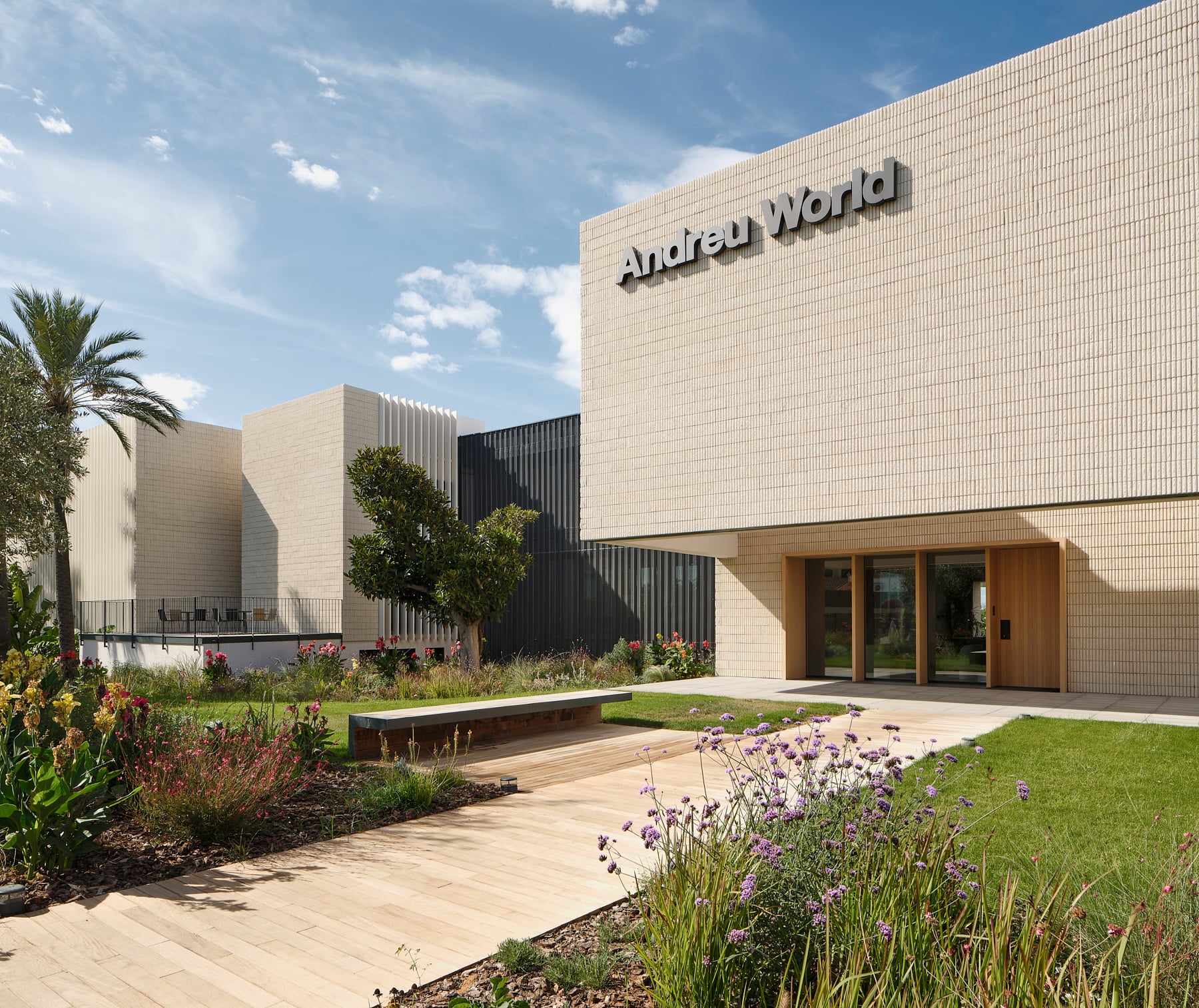
Valencia is a city rich in artisan production—from textiles to ceramics to wood. How do these regional craft traditions and histories influence Andreu World’s design philosophy?
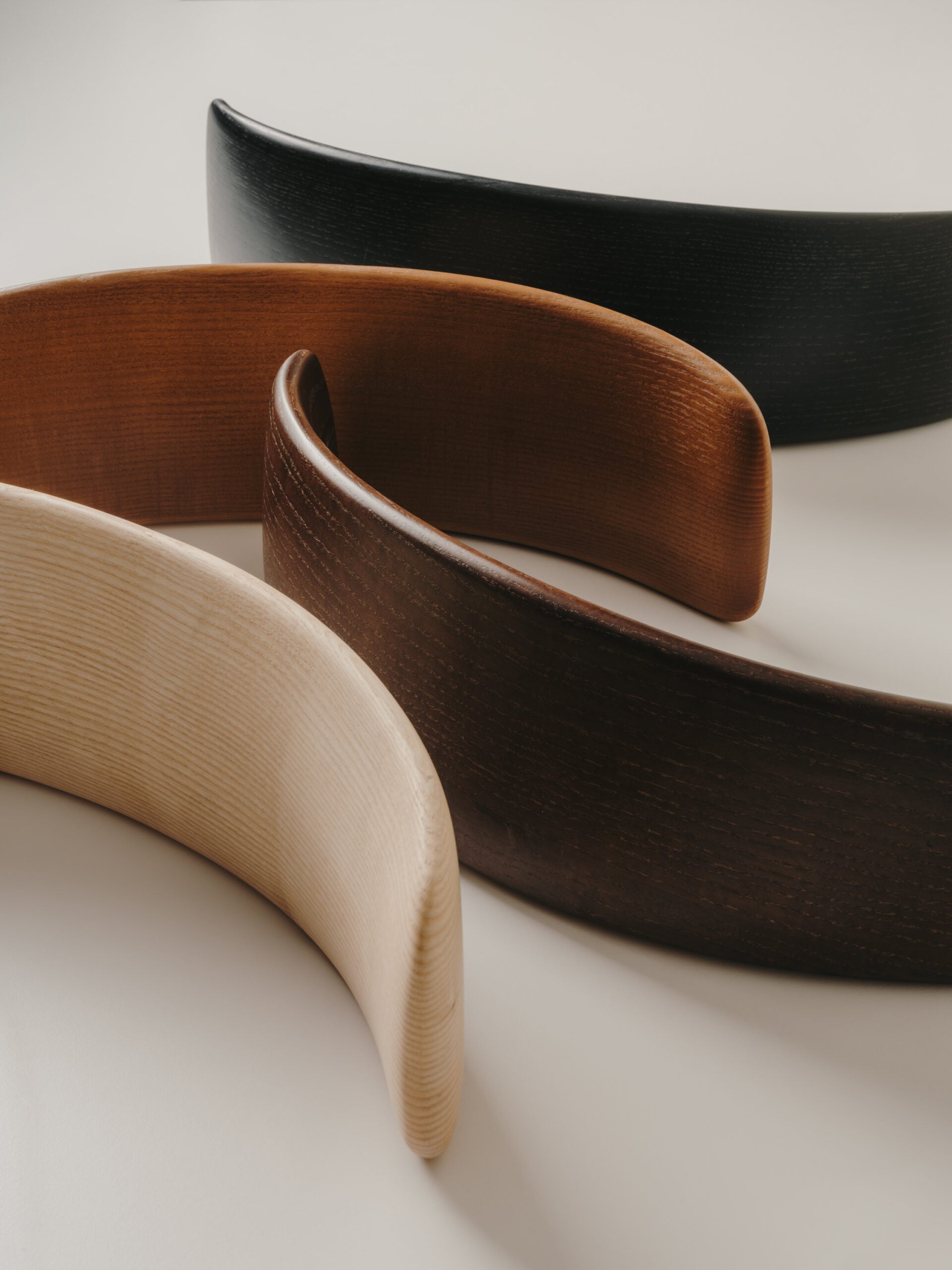
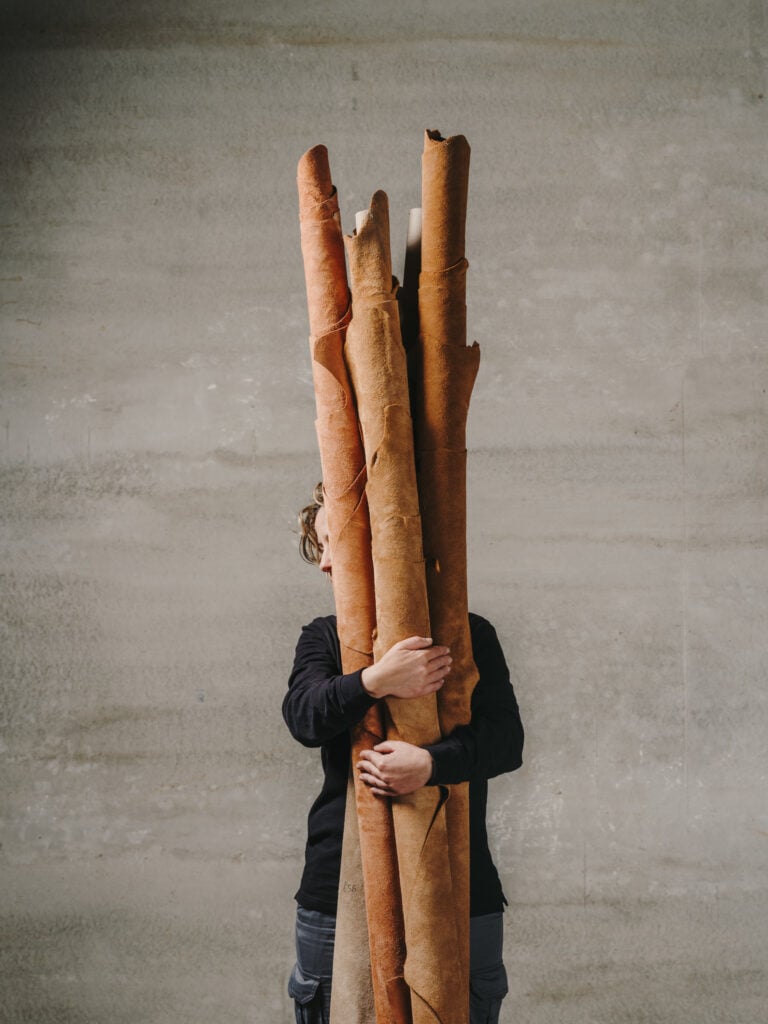
Valencia is well known for artisans working with wood—veneer, solid wood, as well as bent wood, which is where Andreu World started 70 years ago. It was a geographical thing, and the regional economy was rooted in craftsmanship. We want to maintain this technical mastery in everything we do and we want to deliver the best possible design with the raw material of hardwood. It can take 100, 120, 150 years to grow a tree, so for us it was mandatory not only to use reforested wood, but to treat the wood with maximum respect.
The port of Valencia is the oldest port in this region of the Mediterranean, older than Marseille, older than Barcelona. In Valencia, the port is 2,000 years old because it comes from the Romans and it’s a natural port. When we started, part of the character of Valencia was to be very open to international business—the port was like a door to the world. Because we obviously wanted to continue growing naturally, the way to do this was through exports, so we started looking into markets all over the world. Now we export 90 percent of our total production. We decided to use contemporary design as a way to have a world-class product, so in the first 20 years we started working with local designers from Valencia and from Barcelona but now we work with international designers as well.
Valencia was also the World Design Capital in 2022, and it’s a hub in design education. There are several schools, not only in architecture, but in design, so we have a lot of well-trained students. There’s a program in Europe that is called the Erasmus+ program, and the purpose of this program is for students to have one year of their degree somewhere outside of their city and country. The Spanish often choose France, Italy, UK, Germany, but Valencia is one of the cities with the highest attraction for international students because of the level of design in the city.
How do you define craft, or think about the relationship between craft and industry?
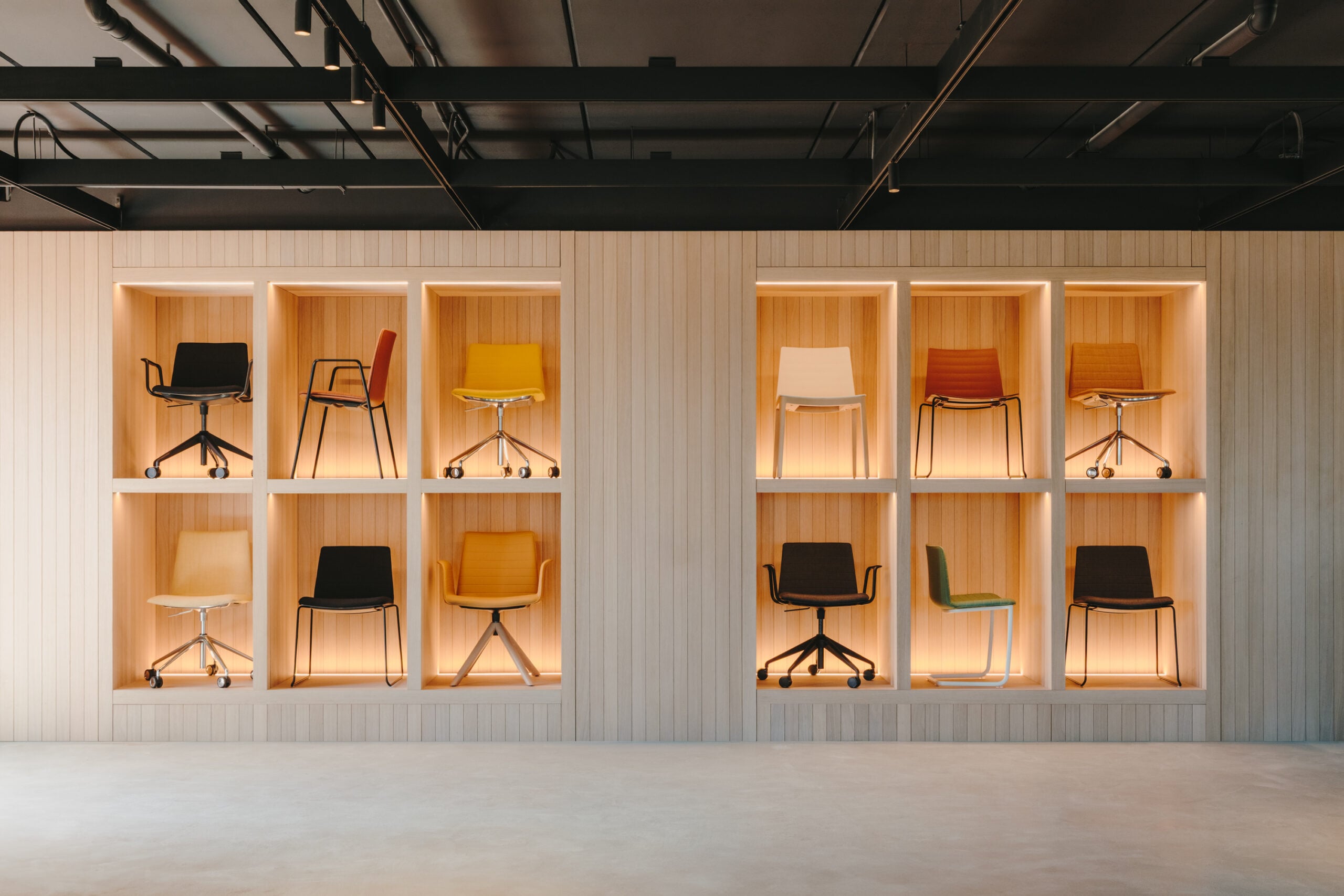
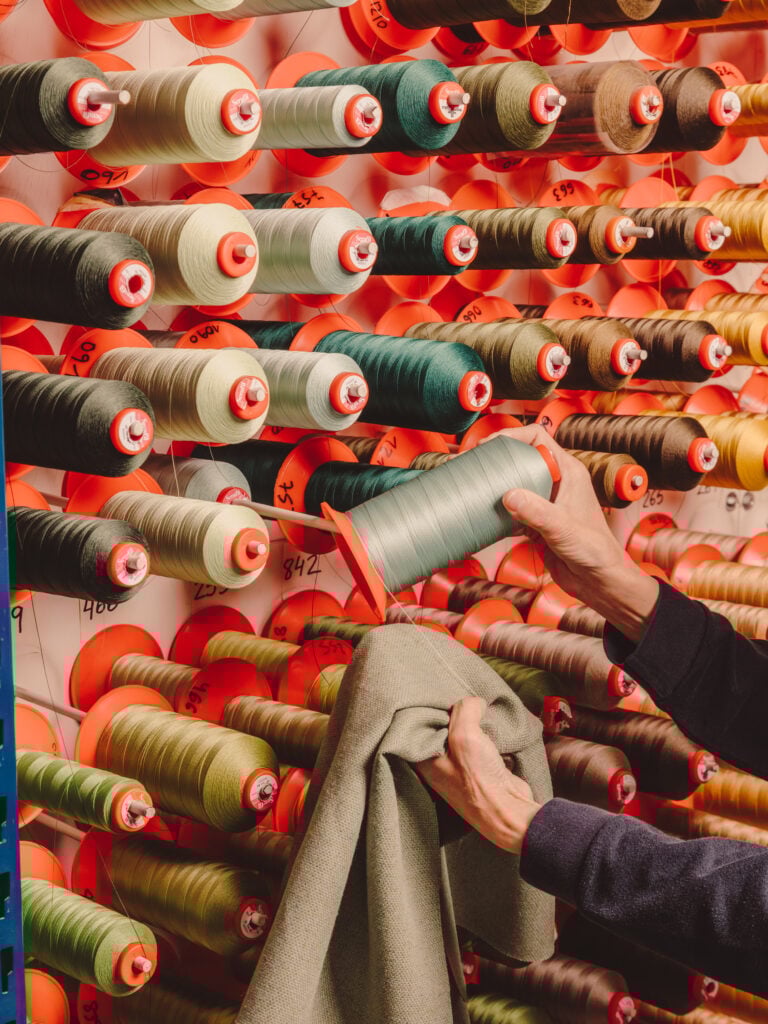
We used to say that we have an industrial culture as a company, but realistically, one of our main contributions to the design industry or furniture industry is that we industrialize craftsmanship. When the company started, we had like seven or eight people working in a workshop, and after many years, we have divided the process into different parts. In the factory, you will see the upholstery process, which is all done by hand, and you will see how important the person is.
By preserving these values, the attention to detail, and the quality to detail, this gives us the chance to customize easily, without losing the industrial productivity. For us, craftsmanship is everything that you can do without machines, what you must do without machines. In our case, this is all the upholstery and all the adjustments we make to the wood after mechanization, which is done by a cabinet maker.
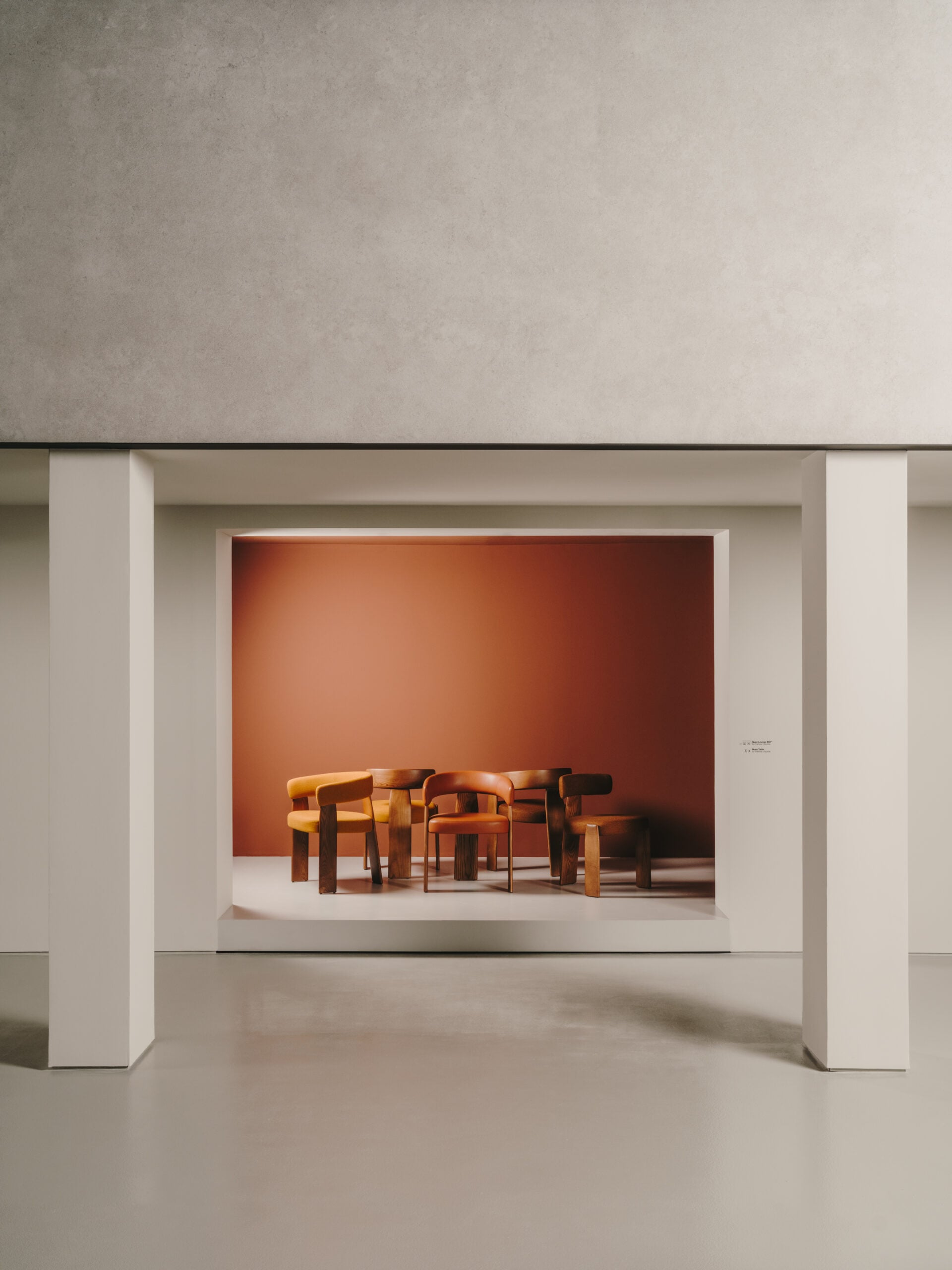
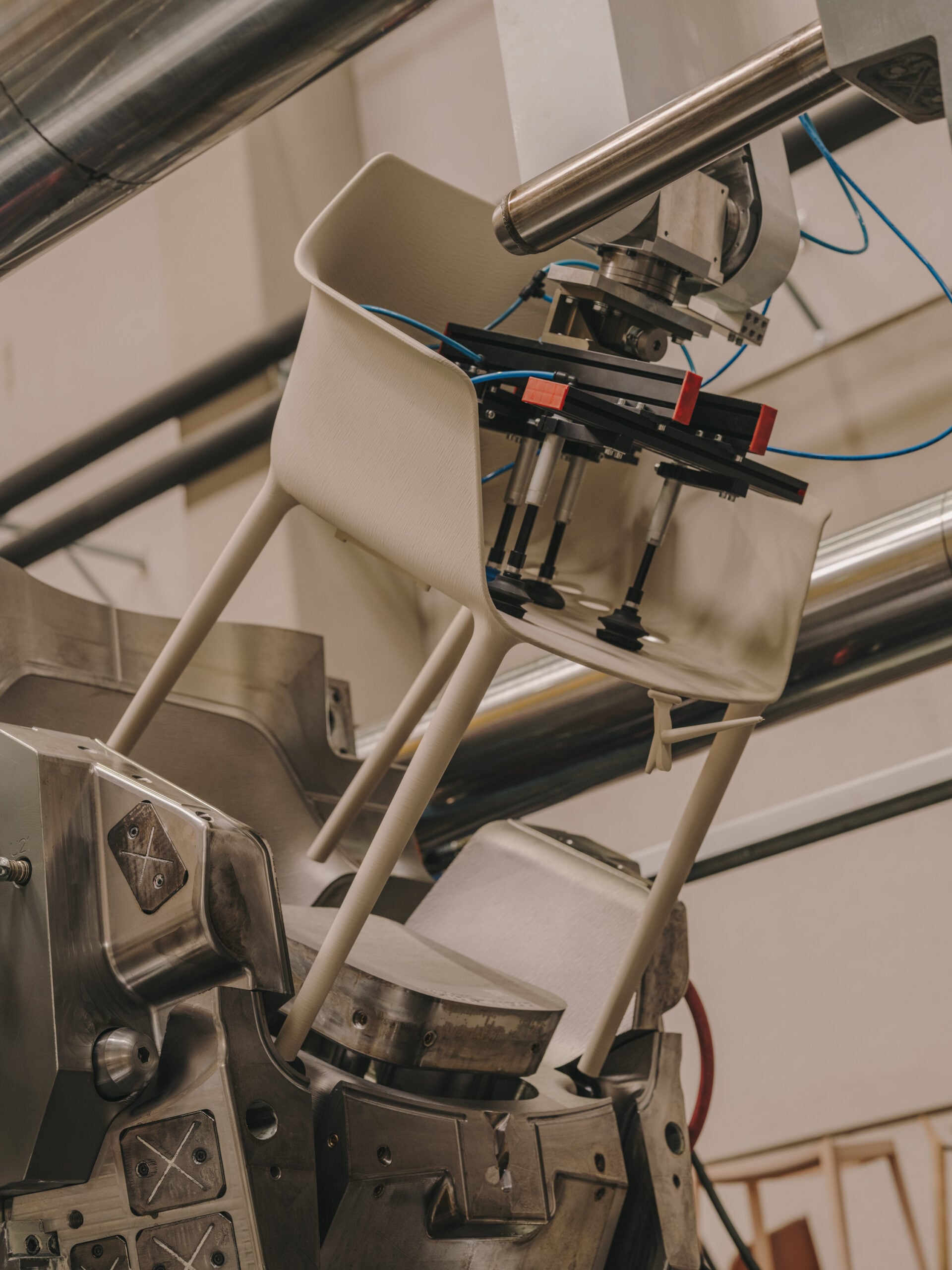
A chair that represents who we are very well is Patricia Urquiola’s Oru Chair. I was very proud to launch this product because the company is now 70 years old and using exactly the same technology that we honed 70 years ago—bent wood. The chair is now a bestseller that a lot of people are copying. This chair is a great example of Andreu World’s craftsmanship, and it shows this technical mastery, and shows who we are, and the history of the company. It’s a synthesis.
Talk to us about Andreu World’s circular design journey over the years.
In 2005, some architects from Boston and New York asked for a product built of 100 percent FSC wood…but I don’t like the idea of just doing one product because I like a more radical approach. To me, just one FSC-certified product is bad marketing. So, I started searching. I visited the offices of FSC in Madrid, and I explained all our supply chain, everything we do, all our forests, etc. When we did a supply chain audit in 2006, we were probably the first company in the world auditing the supply chain from the forest to the chain of custody around the world with only FSC. We started following the [Ecodesign framework] in 2013 and now, everything we do is Ecodesign.
What I realized in May 2020, in the middle of the pandemic, was that the world was looking for a leading company that can show others the way to do the things from the circular economy point of view. So, in 2020, we launched our sustainability committee. One of our objectives is to be 100 percent zero waste, have a carbon-neutral footprint, and to arrive at the end of 2025 with our entire catalog aligned with circular design principles—not just the new products. And by the end of this year practically our whole catalog will take into account the second life of the product, using systems to create more durable, timeless product, not just a timeless design, because that is something that we have done from the beginning, but in the sense that the product is easy to repair and at the end of its life, easy to separate, and recycle.
We are the first company in the world to have its entire catalog 100% Cradle to Cradle certified, we are using more and more textiles that come from recycled processes, and all of the plastic that the company uses is 100 percent recyclable or biobased. We always want to take the radical approach, so we have also been working on creating new technologies, new materials, and new ways to do the things in order to be this example for others, and we explain our processes in universities and to the industry at large because we believe an open-source approach is the only way.
Most companies try to protect their competitive advantages. But when it comes to sustainability, that approach is not coherent. In the entire world, one company is nothing. We share everything so that we can promote sustainable thinking and challenge others to do the same, even our “competition.” By sharing this authentic path we took, we hope to be an example for others.

Would you like to comment on this article? Send your thoughts to: [email protected]
Latest
Products
16 New Releases Doing More by Design
New collections suggest a recalibration of how materials and furnishings define space. From tactile surfaces to reworked natural references and systems that extend indoors and out, these products foreground durability, f…
Viewpoints
UIA 2026: No Easy Answers in Barcelona
Rather than offering a unified vision for architecture’s future, the 2026 UIA World Congress embraced contradiction, bringing together diverse voices to debate ecology, technology, craft, and the social role of design.