




October 28, 2021
Ali Ucer Discusses How Graphics Can Engage Workers
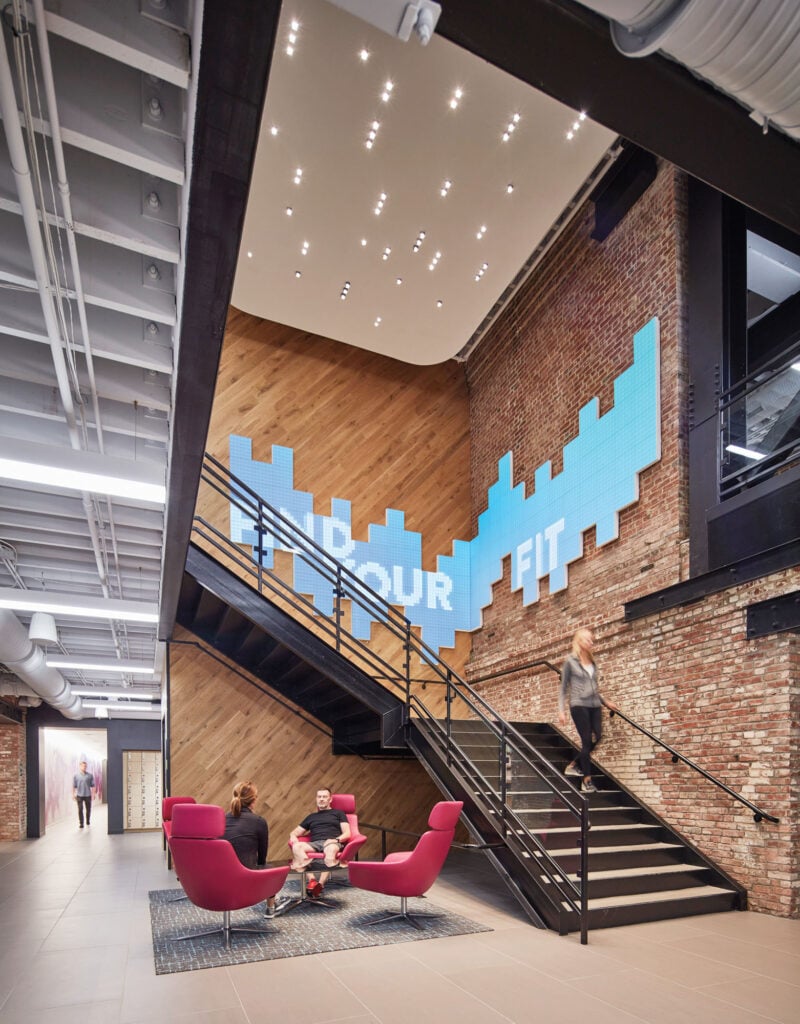
Prior to joining IA in 2008, Ucer worked for a who’s who of corporate and digital America: Microsoft, Uber, Red Hat, JPMorgan Chase. and Bank of America are just a few names that stand out on his résumé. “I prefer to work with people who are passionate,” he says. “That may be someone from a start-up, but it also may be someone from a very established company. And it’s not about one person’s particular taste. It’s about the brand. A good company wants people to live and breathe that brand.”
They also want interiors that are healthy for employees to live and breathe in. “Sustainability is our biggest focus right now at IA,” Ucer says. “I won’t spec Red List materials. I won’t do anything that is potentially harmful.” In his more than 20 years as a practitioner, he has become committed to improving his knowledge of chemicals and materials, along with his expertise in technology.
His education uniquely prepared him to send and receive messages—of comfort, trust, safety—using signage and wayfinding design. In Turkey he got his undergraduate degree in industrial design before coming to New York to earn a master’s degree in communication arts at New York Institute of Technology. The institute was so impressed with his student work that it hired him shortly after graduation to be an adjunct professor. Ucer asserts that he is still learning: “School is just the tip of the iceberg,” he concludes. “It’s all a hands-on learning process.”
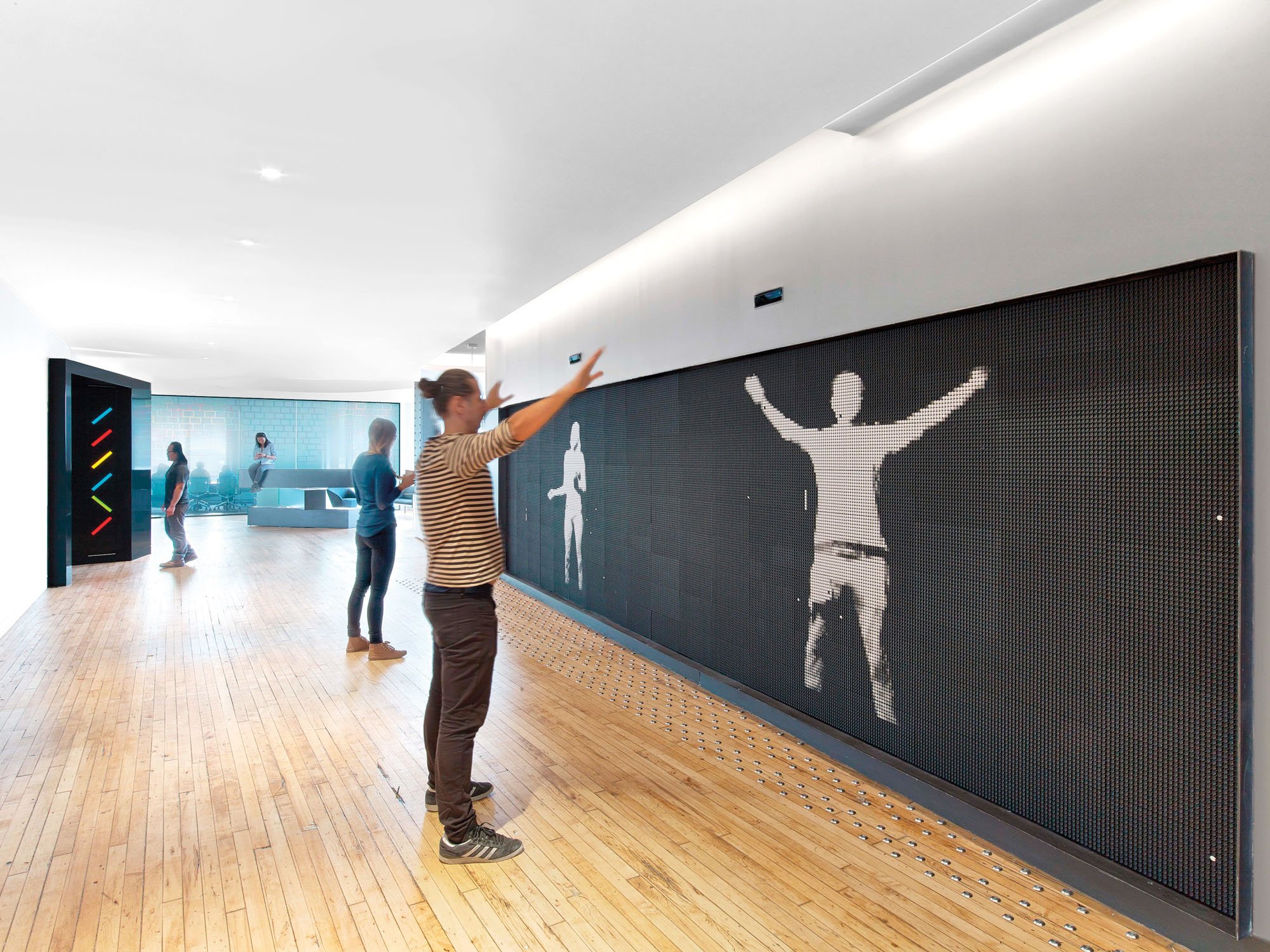
COURTESY IA INTERIOR ARCHITECTS 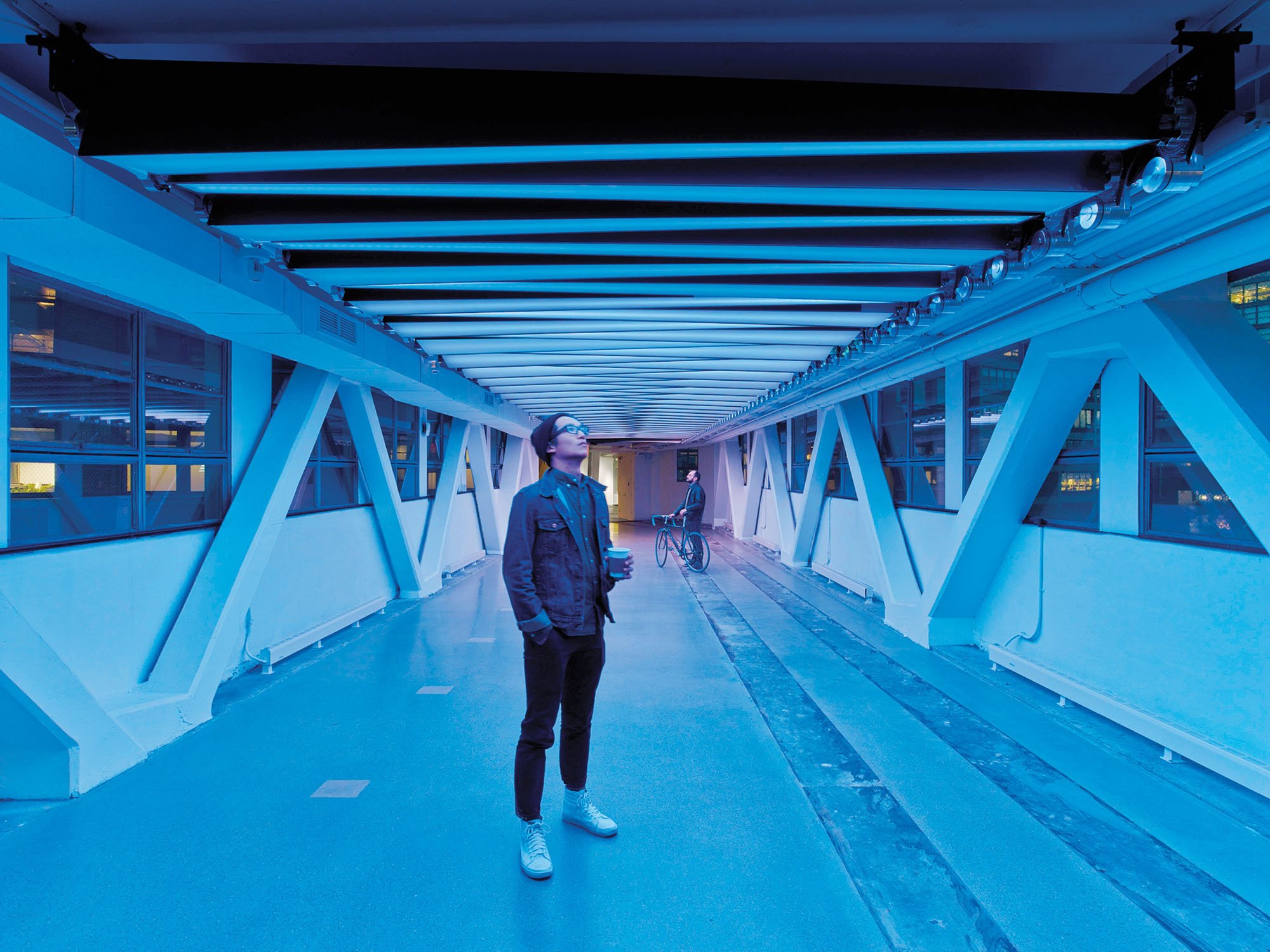
COURTESY IA INTERIOR ARCHITECTS 
COURTESY IA INTERIOR ARCHITECTS 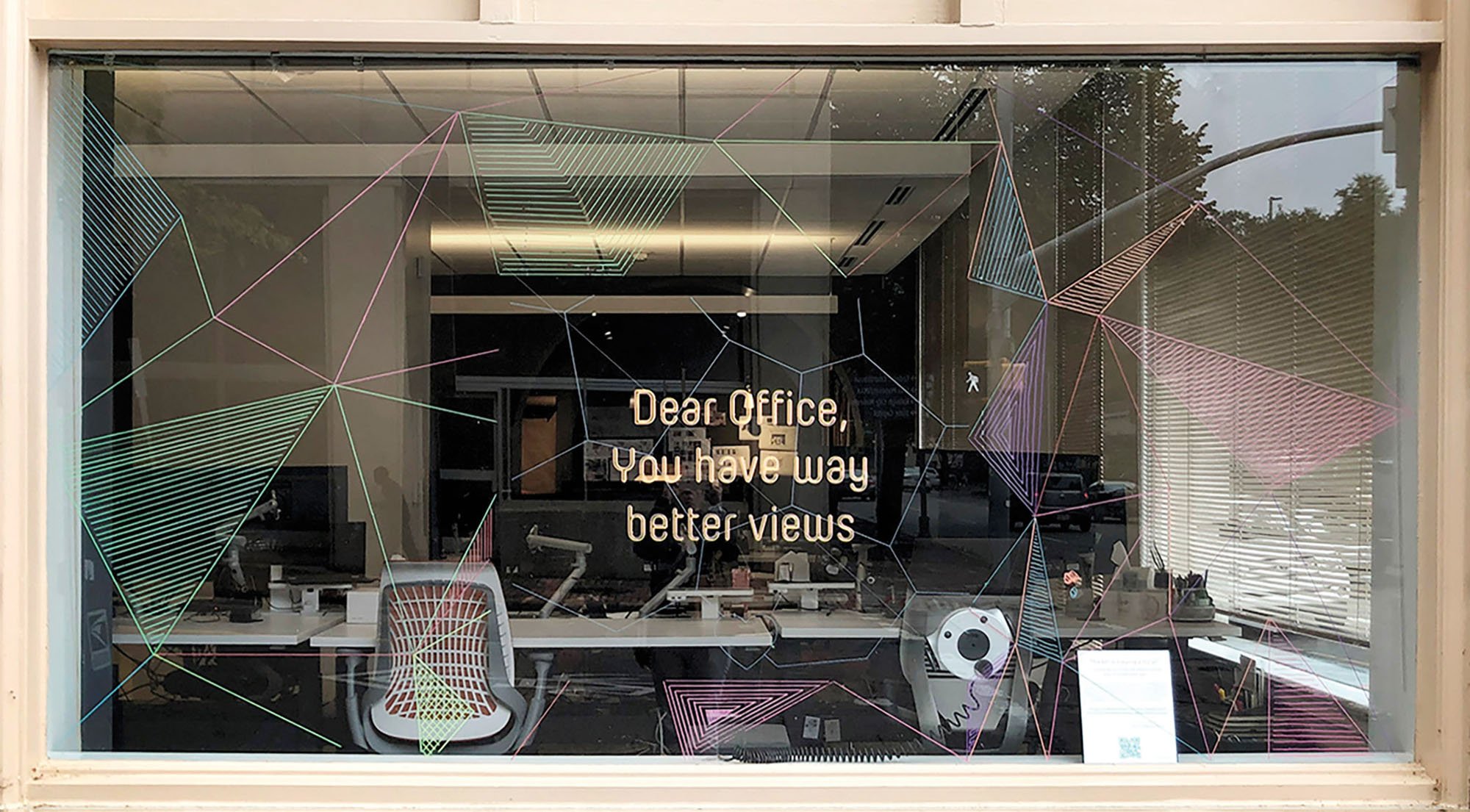
COURTESY IA INTERIOR ARCHITECTS
Would you like to comment on this article? Send your thoughts to: [email protected]
Latest
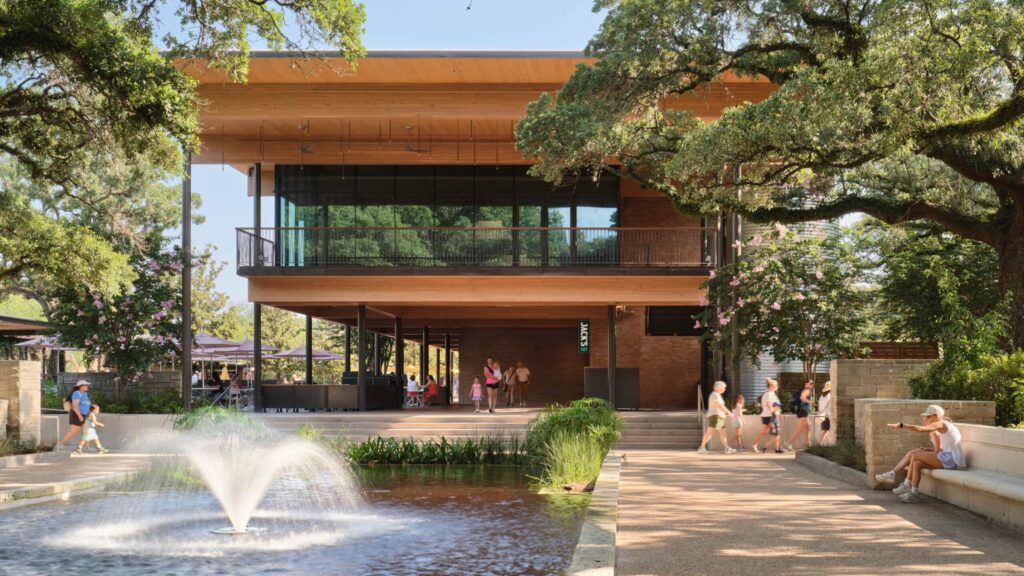
Projects
At Houston Zoo, Lake Flato Makes a Case for Architecture as Habitat
The long-awaited project highlights uncomfortable truths about Los Angeles’s cultural sector and civic health.
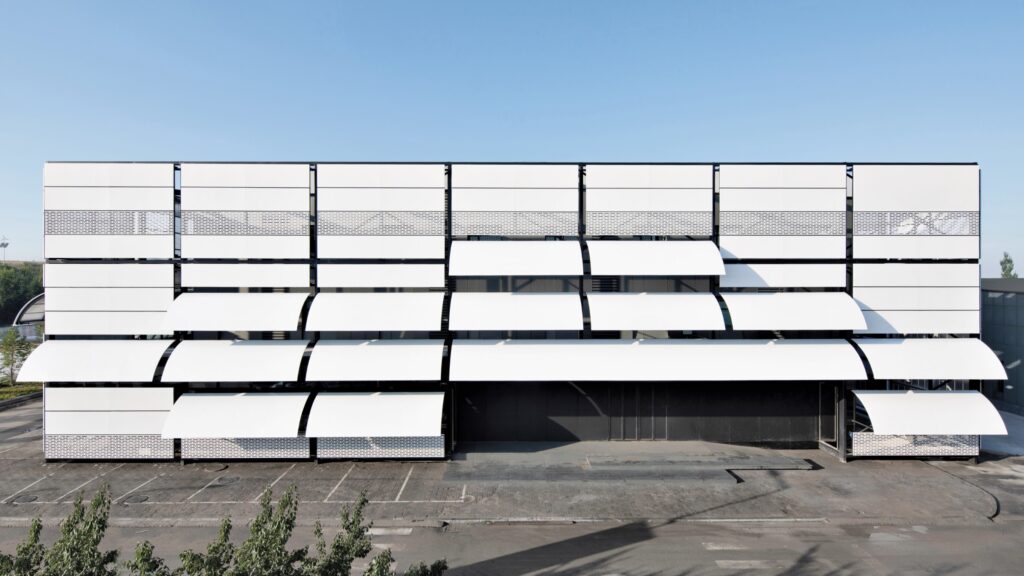
Projects
The Erdos Cashmere Centre Is a Catalyst for Textile Innovation
UK- and China-based waa未觉建筑 (we architech anonymous) creates a workplace that supports the creative process behind luxury textiles.
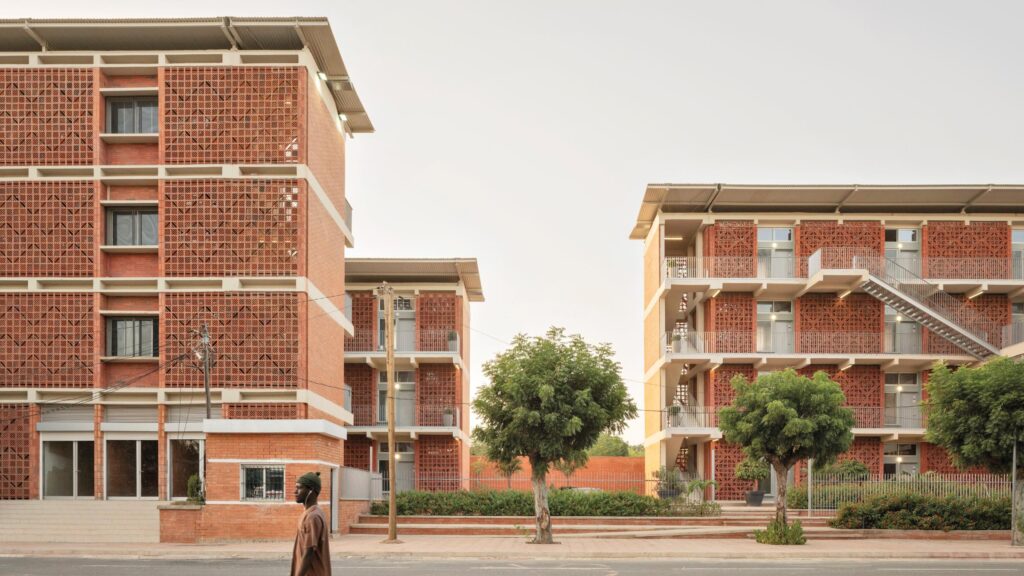
Projects
Student Housing That’s Resilient by Design
A bioclimatic university project in Dakar weathered ten years of change by staying flexible—and, in doing so, made a case for building African architecture from African earth.