




March 22, 2022
Designing for the Happiness Ecosystem
“We spend a lot of time thinking about how that comes together into truths of happiness and how we can take that and design from what works the best,” Williams said, rolling out some sobering statistics: “Depression among workers has almost quadrupled over the last two years. For every engaged employee there are two who are disengaged. That’s bad the for the bottom line, for the culture, for everything.”
Can design help? The team at CallisonRTKL thinks so: “People want to be able to break away and focus on their wellbeing in quiet spaces, so we’ve seen a big emergence of wellness rooms and recharge rooms,” said Crum. “Happiness does not necessarily come from a new job with more money,” she opined, “It’s really finding a job that allows you to find balance in your personal life.”
In designing for happiness, surprises almost always come up. Williams shared that in their D.C. office, “the most popular space is a plain old five-and-a half-foot workstation, but it’s got the best light in the office. It feels good just to sit there.”
With that in mind, Acosta pleaded designers to simply spend more time asking people what they liked: “If you want to look at different ways of gauging contentment, the easiest way is just to talk to people. Check in with somebody. I mean, who’s really going to stop you?” After all, she added: “Happiness is a universal goal.”

The Think Tank discussions were held on February 3, 10, and 17. The conversations were presented in partnership with Versteel and GROHE.
Would you like to comment on this article? Send your thoughts to: [email protected]
Related
Projects
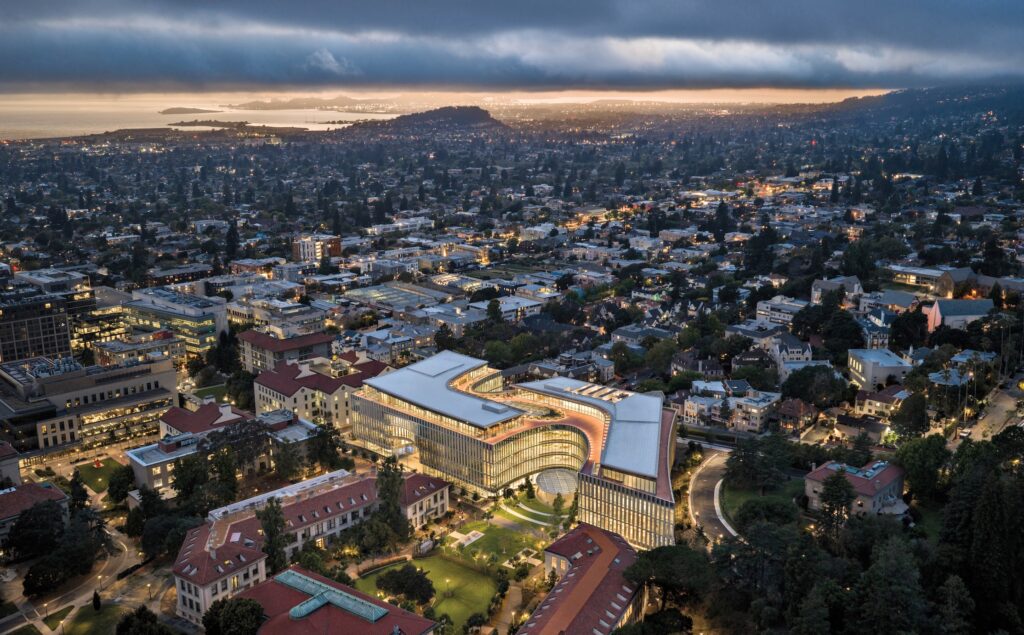
UC Berkeley’s Newest Building Is All About Human Interactions
The Barbara and Gerson Bakar Gateway—home to the university’s College of Computing, Data Science, and Society—gently reminds data scientists and AI researchers of what’s really important.
Projects
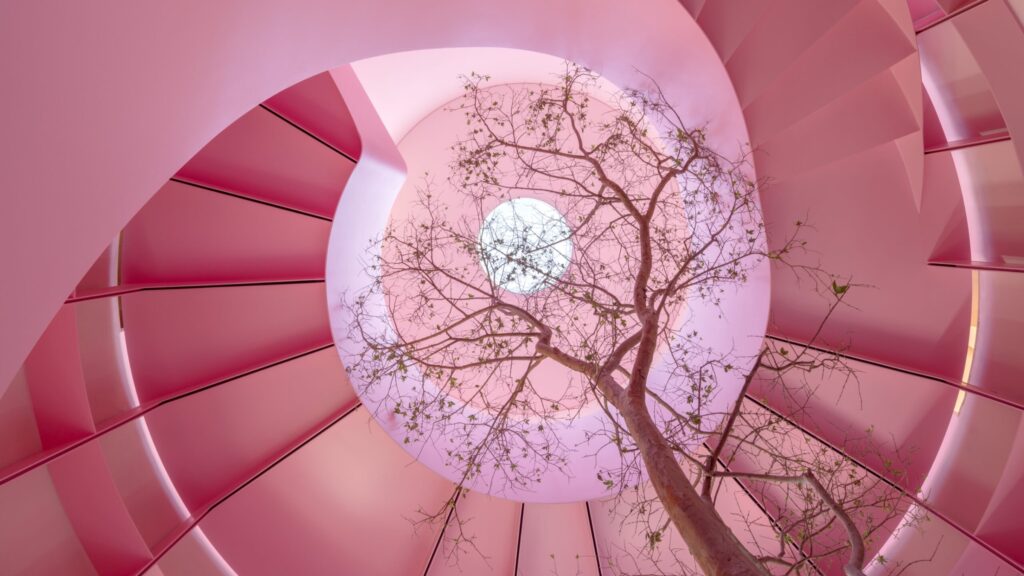
ZD+A Brings a Modernist Mexico City House in Line with its Context
Architect Yuri Zagoin Alazraki reorganized the speculative house to respond to its site and create unique spaces for contemplation.
Viewpoints
The Architecture & Design Film Festival Enters a New Chapter
ADFF 2026 brings together stories of reuse, climate action, architectural history, politics, gender, and public life.