



October 7, 2021
Understanding the Whole Life Impact of Buildings and Interiors
“Don’t build something you don’t need in the first place.”
Gail Napell, global design resilience leader, Gensler
Hodgdon outlined new WELL building certifications for homes and affordable housing. “Every affordable housing project that’s WELL certified is a partnership with Enterprise Community Partners,” she said. Enterprise is a national nonprofit focusing on the nation’s affordable housing crisis. “The certification process focusses on air and water quality, abundant daylight, sound acoustics and healthier materials. Healthy homes should be available to all, not just the few.”
The keynote ended with Hodgdon saying she got married in the midst of the pandemic and that she, her wife, and her parents are planning “a multi-generational house that will be one of the first WELL certified homes in the world.”
Inspired by the keynote, the panel wrestled with numerous issues around buildings and their environmental impacts. Gail Napell, global design resilience leader, Gensler, urged assessing a building overall. “The core and shell have a certain carbon footprint, but if we assume that the interiors and renovated every ten years, and it’s often much more often than that, then the interiors have a greater environmental impact than the original core and shell.” She further argued for “adaptive reuse at all scales. Don’t build something you don’t need in the first place.”
The other architect on the panel, Margaret Montgomery, principal, sustainable design leader, NBBJ, said her firm is “doubling down on carbon reduction on all our projects. We’re working to prepare clients for the post-carbon future, reducing both embodied and operational carbon use.” She stated that climate justice was a subject close to her heart. “Carbon has a disproportionate impact on women and people of color. We have an impact on people we will probably never meet.”
Mitch Quint, president, Formica, brought a manufacturer’s perspective to the talk. “Starting last year we began a deeper look into our sustainability approach, including doing a full life-cycle analysis,” he said. “There are three chief impacts: CO2 emission, energy consumption, and water usage. By 2025 we are going to reduce our carbon footprint by 25 percent and be fully carbon neutral by 2030. The journey is both exciting and scary.”
Scary indeed. Rajagopal reminded the group: “2030 is tomorrow. There’s real urgency.”
Would you like to comment on this article? Send your thoughts to: [email protected]
Latest
Viewpoints
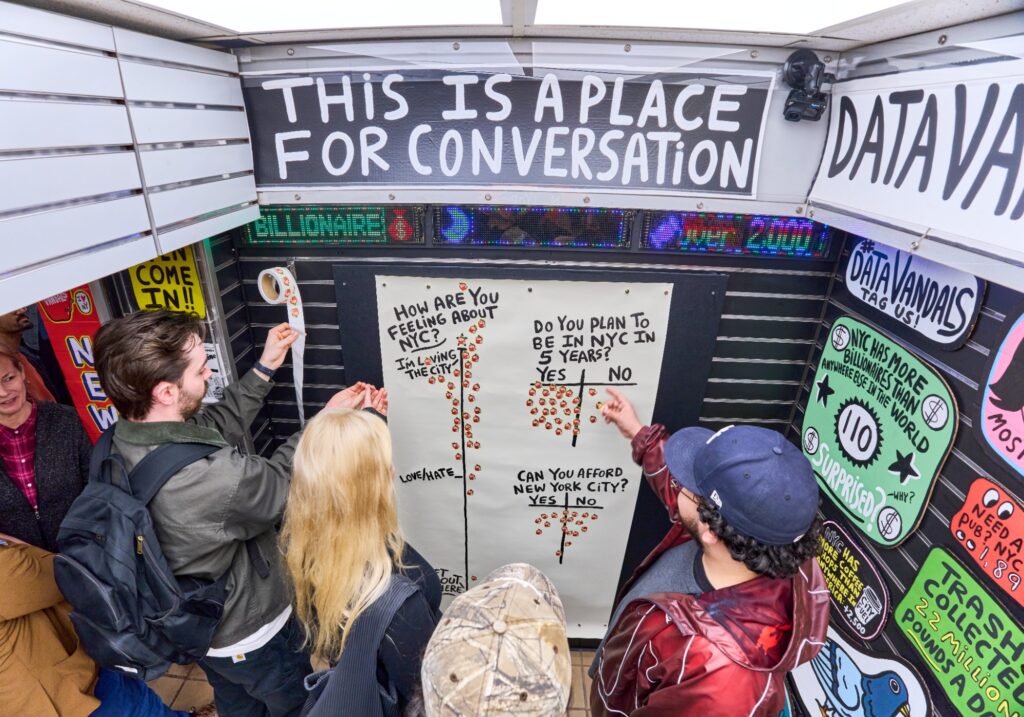
What to See and Do at Archtober 2026
A special newsstand activation from Data Vandals expands this year’s festival lineup, alongside recurring faves.
Viewpoints
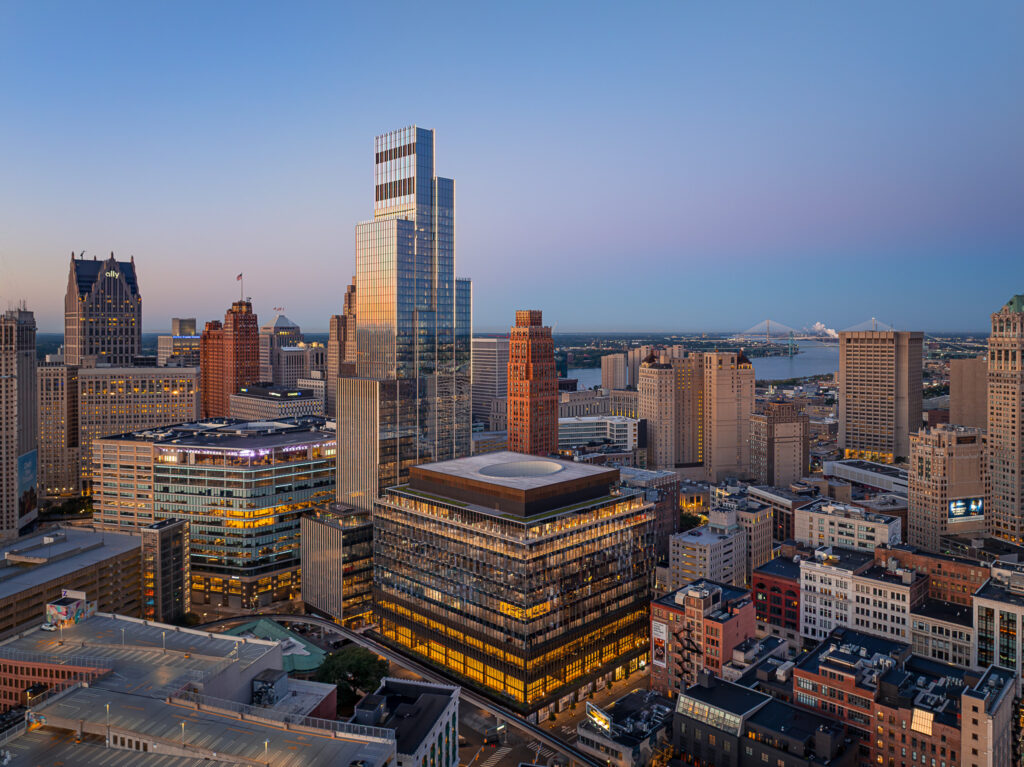
Detroit Month of Design: A City’s Work in Progress
Now in its 16th year, the celebration offers insights into the Motor City’s ongoing accomplishments without glossing over its hurdles.
Projects
How a Hybrid Building Helped an Historic Manhattan Congregation Remain in Place
On Billionaire’s Row, FX Collaborative designed a new home for Calvary Baptist Church combined with an office tower.