



October 13, 2025
In Chicago, a Shuttered School Becomes a Beacon of Community Design
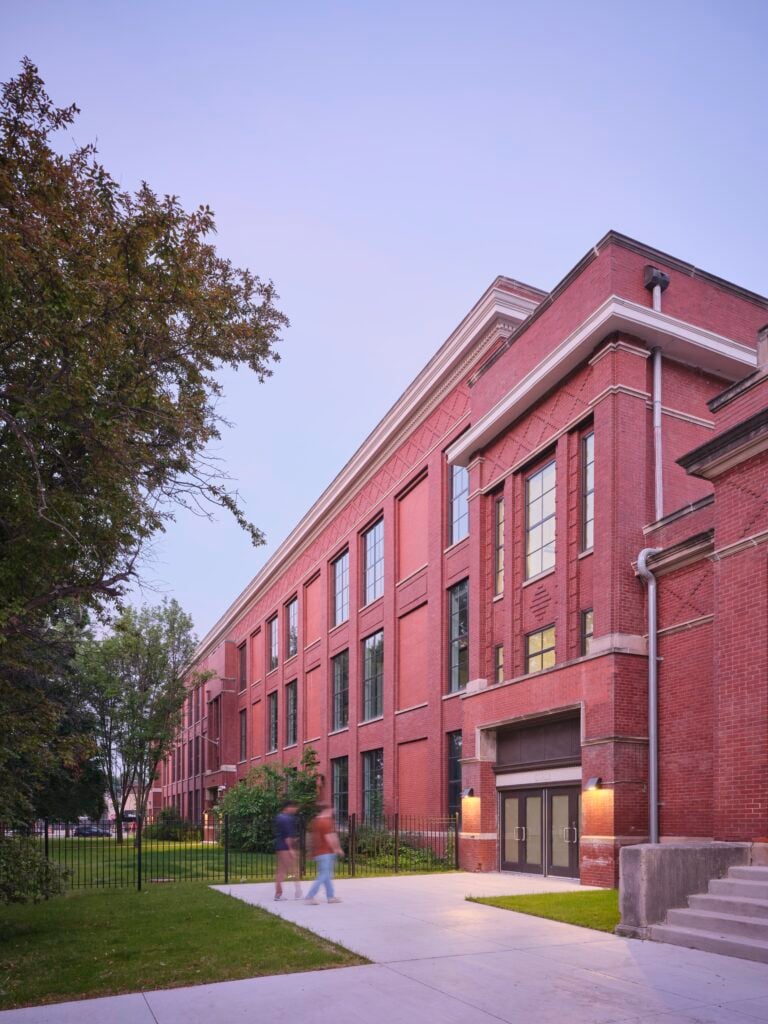

“After the school closed someone bought the building and was going to use it to house a for-profit business,” Komnenich says. “The community showed up and said absolutely not.” In 2018, Westside Health Authority purchased it, with Austin Coming Together helping to shape its direction and LJC coming on board in 2019 to design it. They embedded the site in Austin’s Quality-of-Life Plan, a community-driven framework funded by the MacArthur Foundation. The vision stemmed from the community feedback. “Our role was to listen and figure out how design could support what they needed,” Komnenich says.
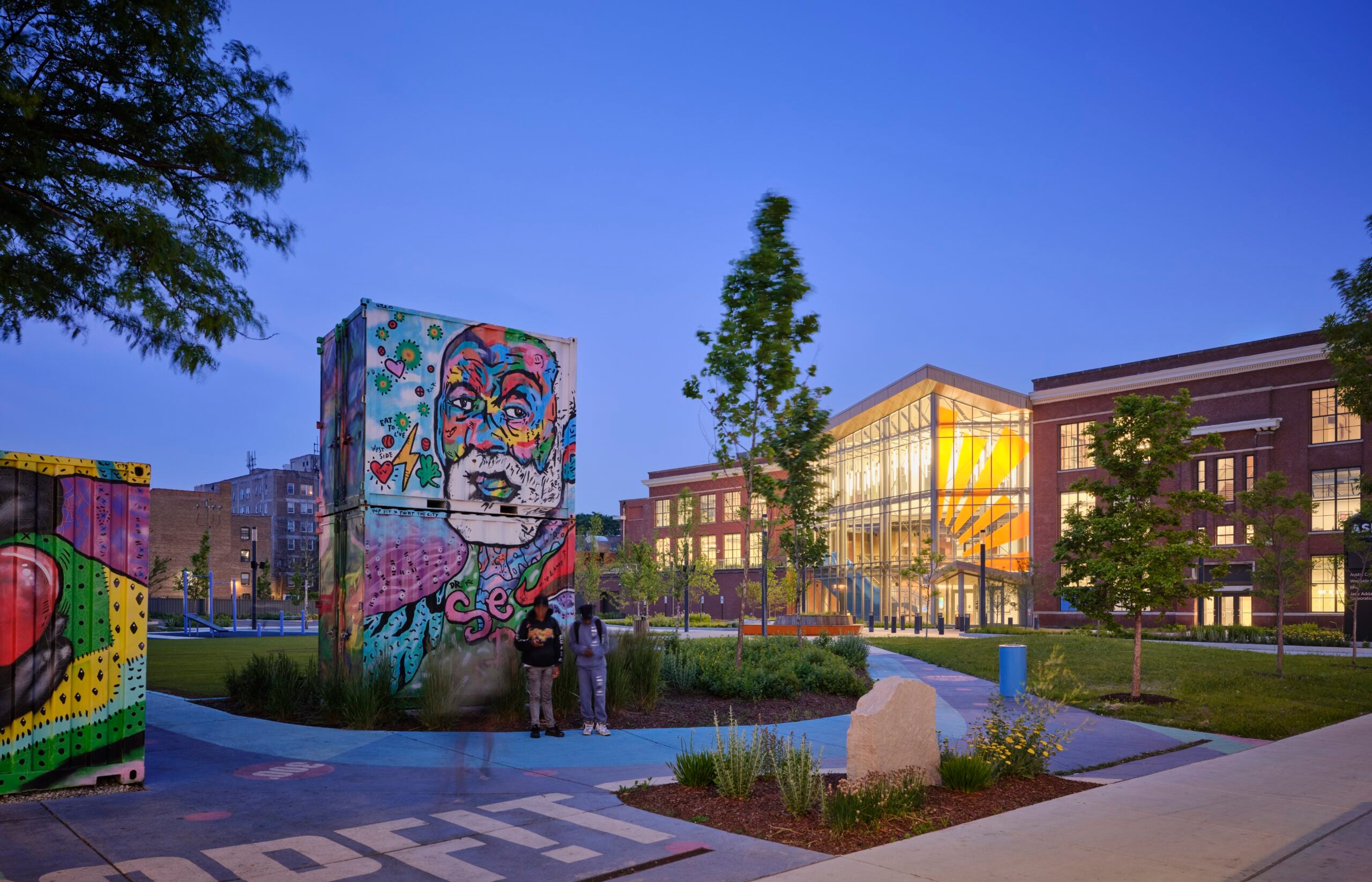
The school had always faced east onto Pine Avenue, a residential street. Madison and Central, two of Austin’s busiest arteries, were treated like the building’s back. LJC flipped the script, creating a three-story glass-atrium angled addition that is visible from the intersection. “It’s a beacon,” says Komnenich. “At night you see this glowing space full of activity and realize something is happening here, and it’s for you.”

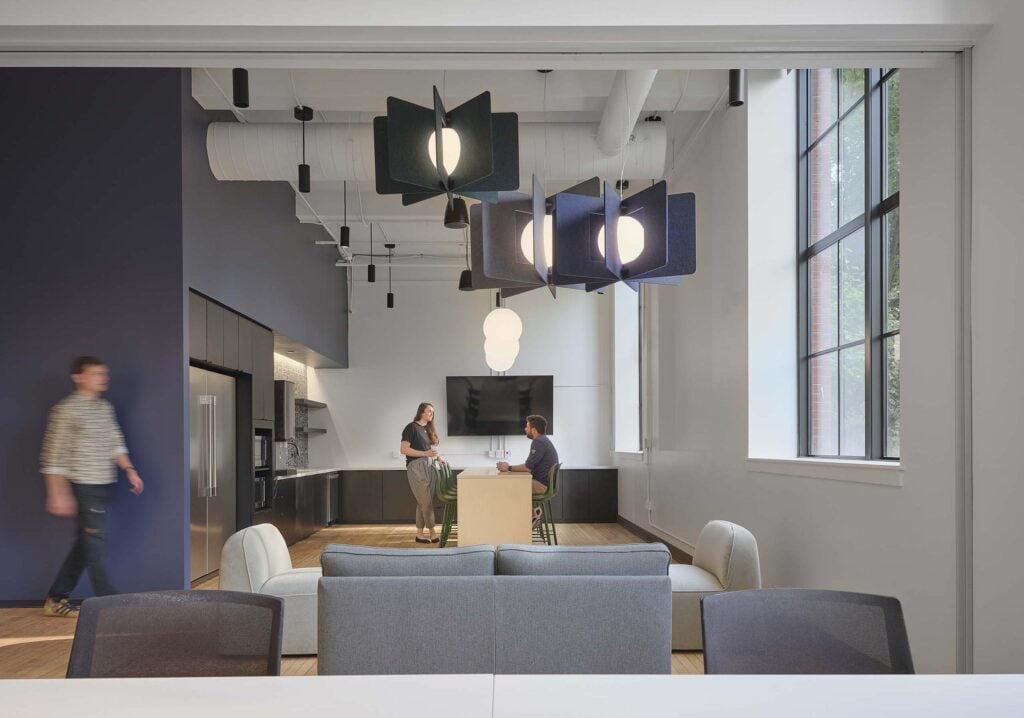
The atrium houses amenities rarely seen in disinvested neighborhoods: a flexible event space, a mezzanine for coworking, and a landscaped roof deck. The staircase doubles as a social space, with railings that morph into counters where people can plug in laptops. “It’s what you’d expect in a downtown office building,” Komnenich notes. “That was intentional. We wanted Austin to have nice things.”
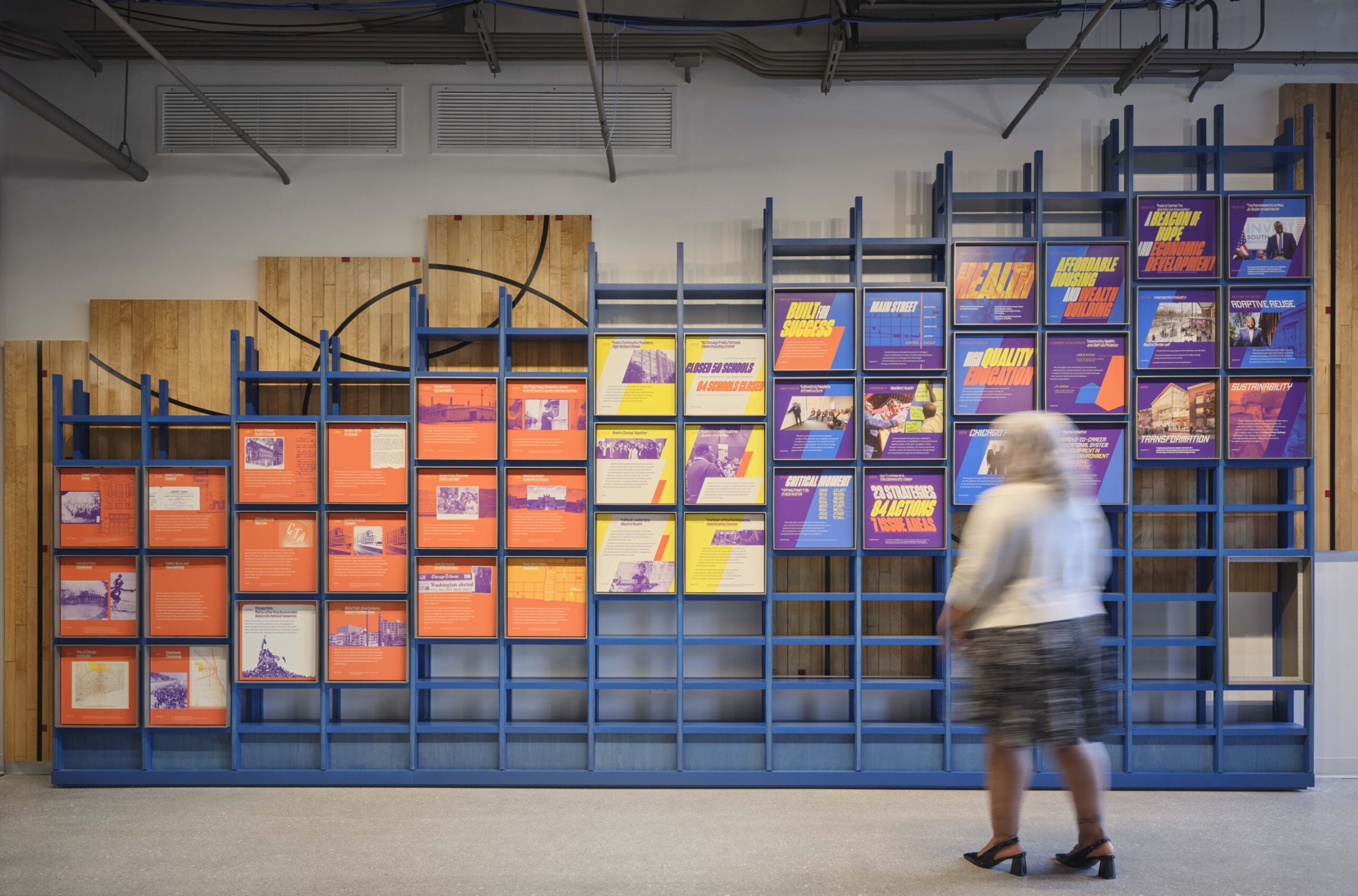
LJC restored the former oversized windows, allowing daylight to flood the spaces. Wood flooring salvaged from the gym now forms a history wall and vintage auditorium chairs were repurposed as seating outside offices. Even the principal’s office lives on, now occupied by Austin Coming Together’s executive director, Darnell Shields.
High-performance mechanical systems, auto-shading, and LED lighting make the building efficient, conserving embodied carbon. “It would have been easier to build new,” Komnenich admits. “But the reuse of these shuttered schools is incredibly powerful. People say, ‘I went here. I can’t believe it’s being used this way.’ That history adds so much weight.”
Even the landscape outside extends the mission. The plaza doubles as a public living room, complete with Wi-Fi, speakers, and tiered seating. “This isn’t just landscaping,” Komnenich notes. “It’s health infrastructure.”
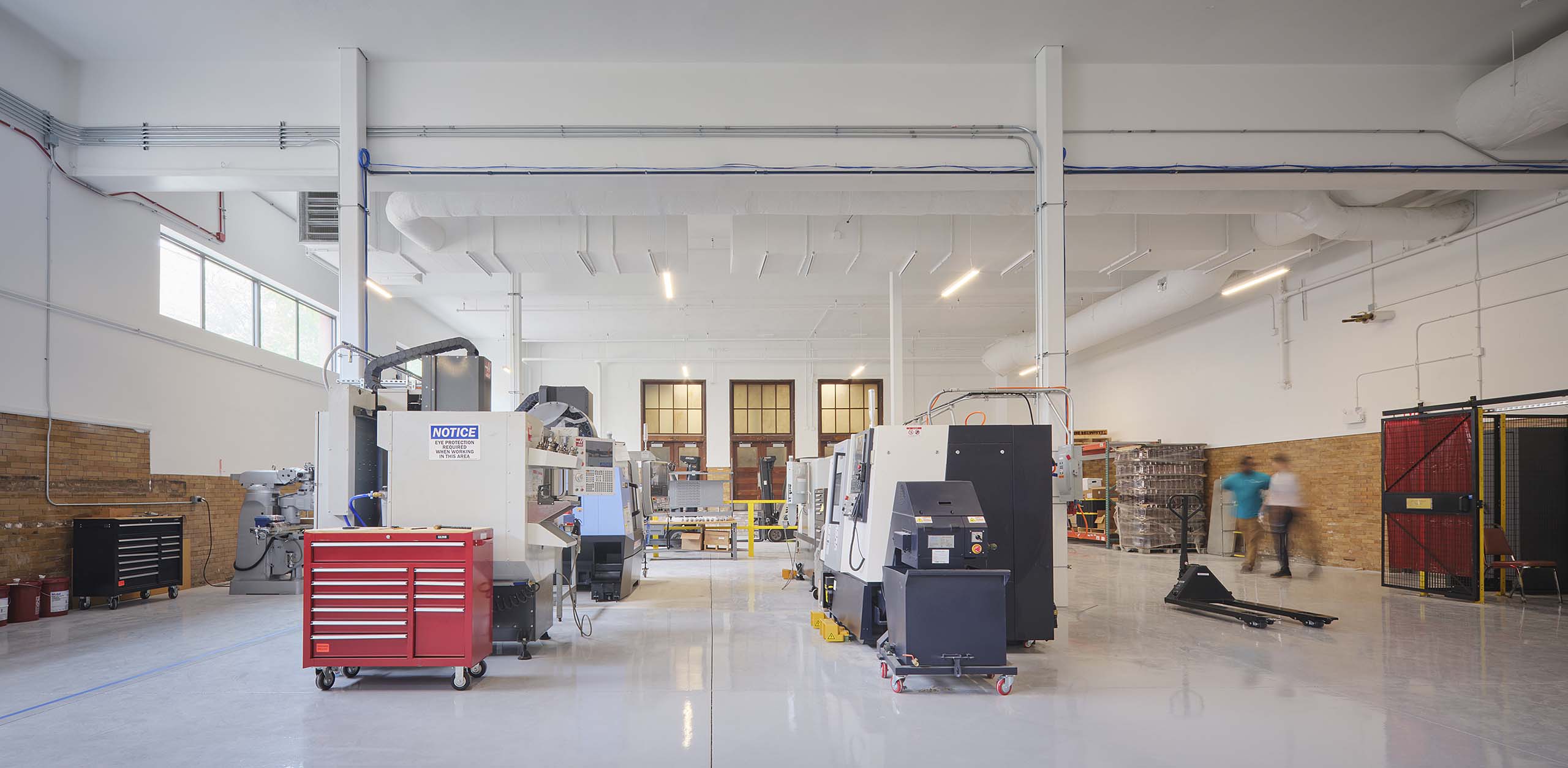
If the architecture sets the stage, it’s the programming that brings Aspire alive. Jane Addams Resource Corporation runs welding and light manufacturing training out of the old gym. BMO Harris Bank, a financial partner, operates a branch in the lobby itself where financial literacy classes are part of the mix. And then there’s Austin Coming Together’s one-stop desk where residents can request resources. “Somebody walks in and says, ‘I need a job,’ or ‘I’m looking for childcare,’” Komnenich explains. “They get connected to one of 250 local organizations.”
At the Juneteenth ribbon-cutting ceremony many former teachers and principals returned. “They were beaming,” Komnenich recalls. “Seeing it alive again was incredible. It’s a place that belongs to them.”
Would you like to comment on this article? Send your thoughts to: [email protected]
Latest
Viewpoints
Detroit Month of Design: A City’s Work in Progress
Now in its 16th year, the celebration offers insights into the Motor City’s ongoing accomplishments without glossing over its hurdles.
Projects
How a Hybrid Building Helped an Historic Manhattan Congregation Remain in Place
On Billionaire’s Row, FX Collaborative designed a new home for Calvary Baptist Church combined with an office tower.