



January 28, 2026
How Brooks Running’s HQ North Brings Motion to Architecture
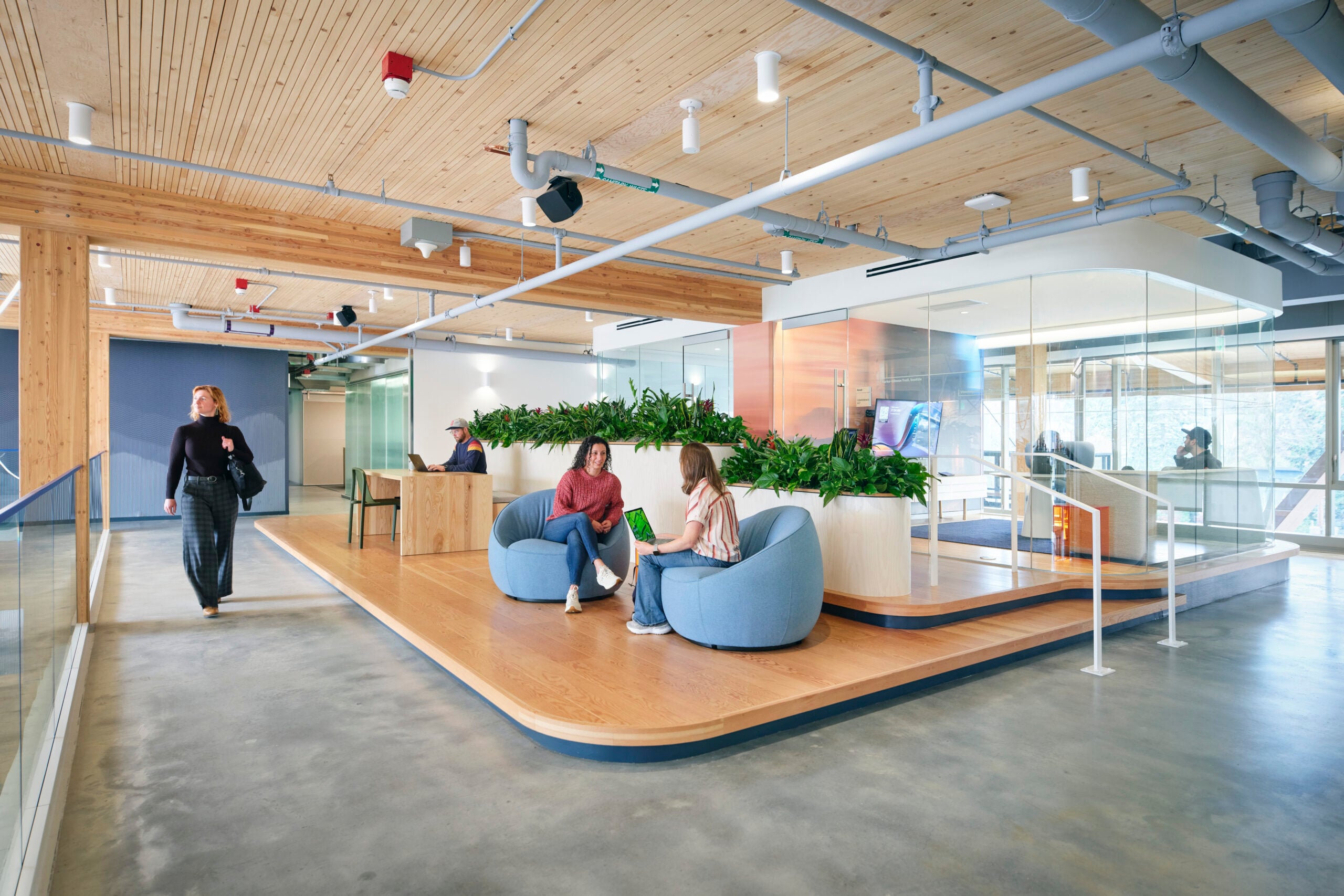
Seattle-based Brooks Running, consistently the most popular shoe among high-performance runners, is obsessed with the power of a good jaunt. So when it set out to expand the company’s headquarters in Seattle’s proudly free-spirited Fremont neighborhood, NBBJ raised the question: how do you translate the rhythm, energy, and, yes, joy of a run into architecture?
Complicating matters, NBBJ wasn’t starting with a blank slate. Brooks had begun construction, and their new building’s barbell-shaped core-and-shell—two floors of concrete below and three floors of mass timber above—had already been completed.
NBBJ wasn’t shy: carving, inserting, redirecting, and choreographing Brooks’ relentless energy into a fixed frame. As a result, HQ North, a 110,000-square-foot expansion that complements Brooks’ Stone34 hub across the street is a building that hums with the culture that inhabits it. “Buildings are static, and Brooks is not,” sums up NBBJ partner Ryan Mullenix.
A Social Hub for Runners and Employees
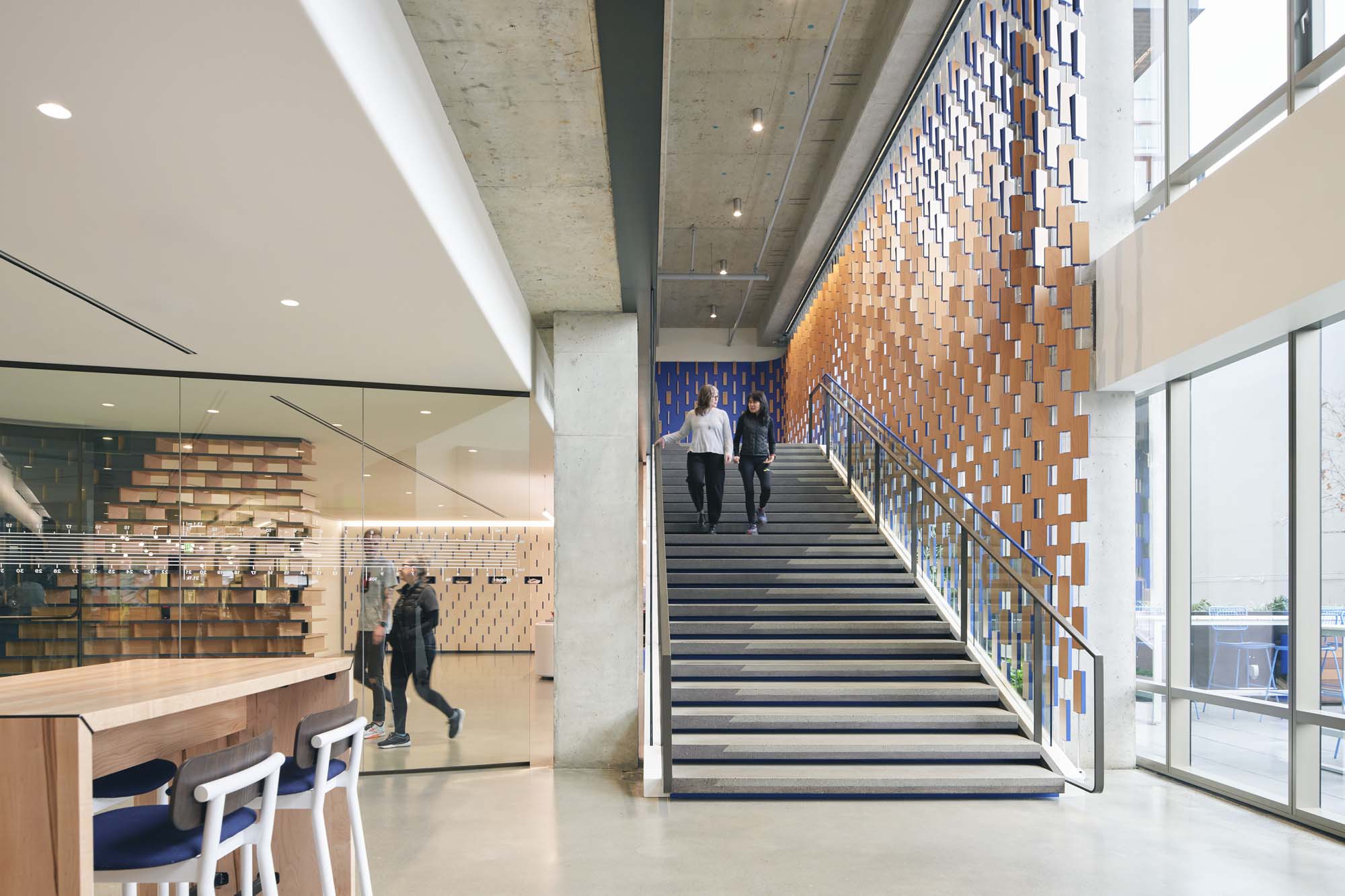
Stone34, completed in 2014, pushes its social and learning energy to the top, with a panoramic café overlooking Lake Union. At HQ North, NBBJ reversed the logic. “We really wanted to bring Brooks to the ground floor—not only for the public, but for their employees,” says Mullenix. The new entry is conceived as a social hub and even pre-run gathering zone. A compact trailhead café anchors one side; on the other, a porous, rotating product wall—scaled from the proportions of the Brooks shoebox—pulls visitors deeper inside. Behind the reception desk—built from a porous, backlit material reminiscent of Brooks’ cushioning foams—a mural made of woven shoelaces greets visitors. And just beyond that is the building’s signature intervention: a two-story stair lined with a rotating screen of wood blocks, each precisely the size of a Brooks shoebox.
“We wanted to mimic what it feels like running along a body of water,” Mullenix explains—referencing Lake Union, Green Lake, and the Ballard Locks, the local running terrain. “The reflections, the warm sunrise hues, the dappled light.” As you ascend, the blocks rotate open, revealing soft sunrise tones and increasing daylight. On the second floor, a café, fitness center, and testing and learning rooms pull the building’s social energy upward.
Movement and Materiality: Designing Workspaces That Inspire
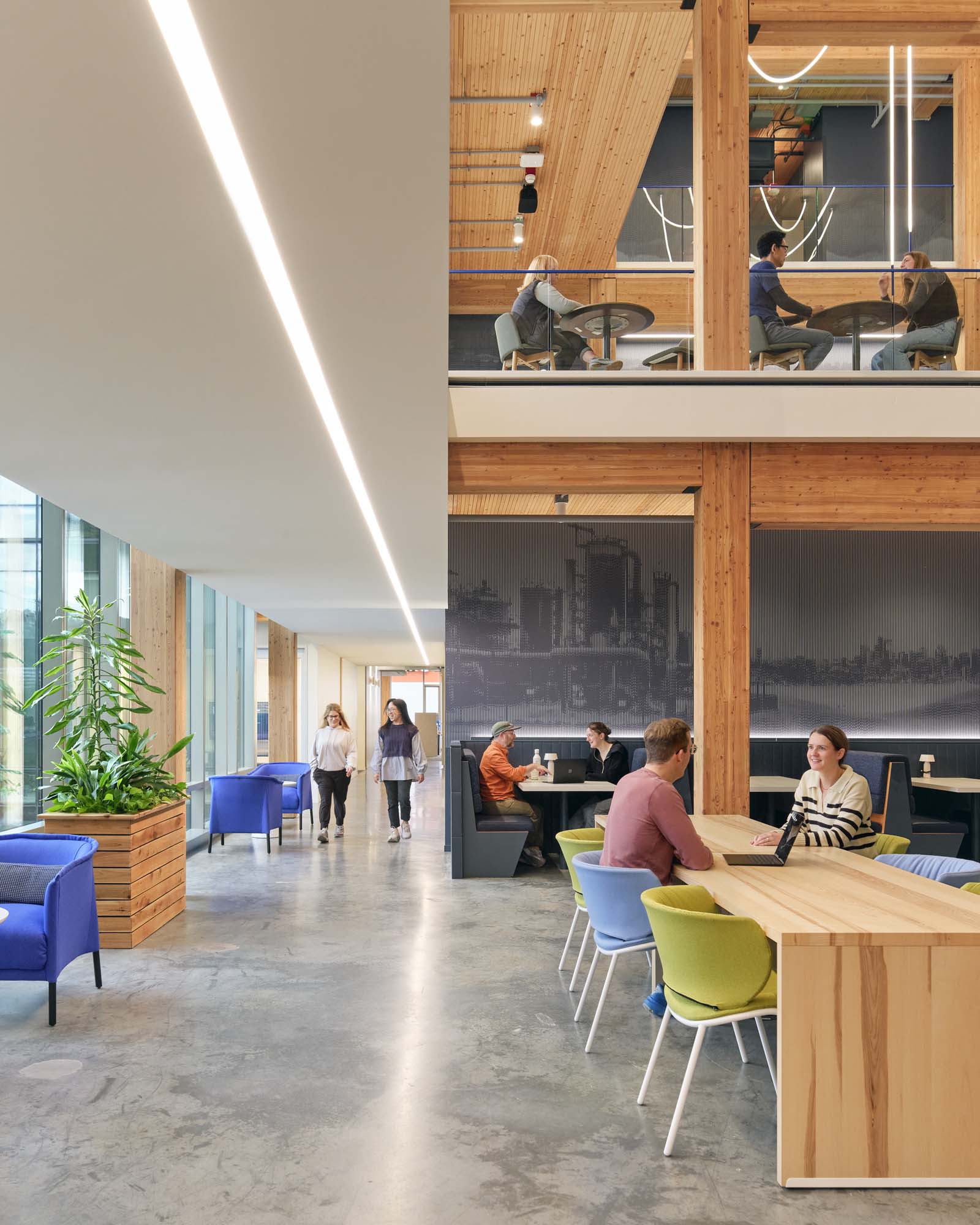
The third, fourth, and fifth floors, designed for working and making, are organized around NBBJ’s most ambitious move: a three-story, central atrium, supported with mass timber columns and beams, cut into the already-built structure.
“When you step off the elevators, you’re immediately immersed,” describes Mullenix. “The key was for nobody to feel isolated.”
The atrium is deliberately imperfect—its voids shift in scale floor by floor—introducing a sense of movement and variability. And NBBJ established troughs in each section of the mass-timber structure, creating routes for power and data invisibly through the beams.
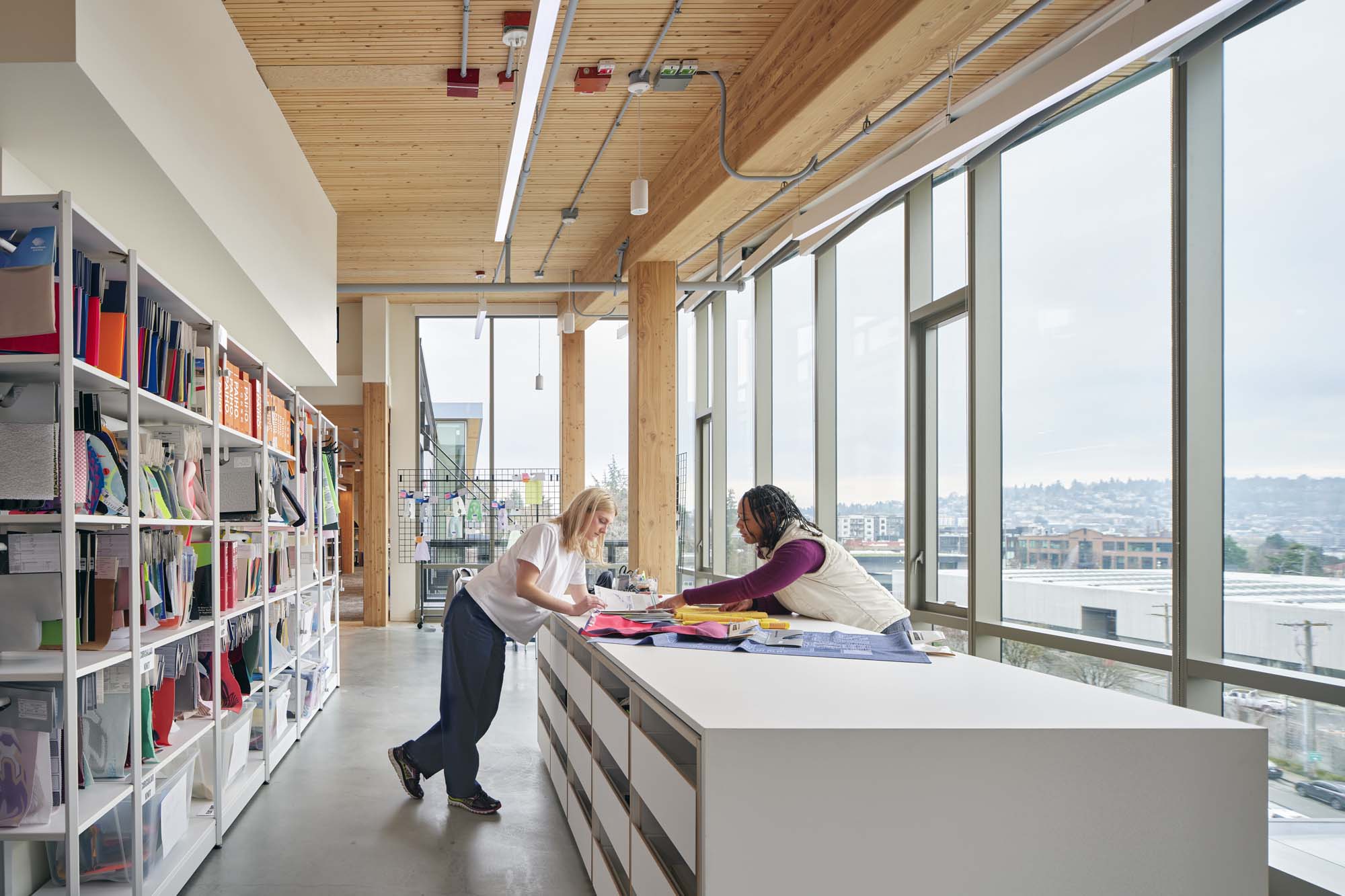
Directly off the open atrium are Brooks’ materials library, sewing lab, apparel fit rooms, seasonal alignment rooms, and collaboration wall—programs that had previously been scattered across several Fremont buildings. And in the human-scaled open offices beyond, vertical infrastructural walls concentrate plumbing, electrical, and AV, while the rest of the walls are lightweight and reconfigurable—a kind of flexibility that Mullenix likens to the team breaking in a pair of shoes. The offices reached 95 percent Red List–free materials, surpassing the Living Building Challenge requirement.
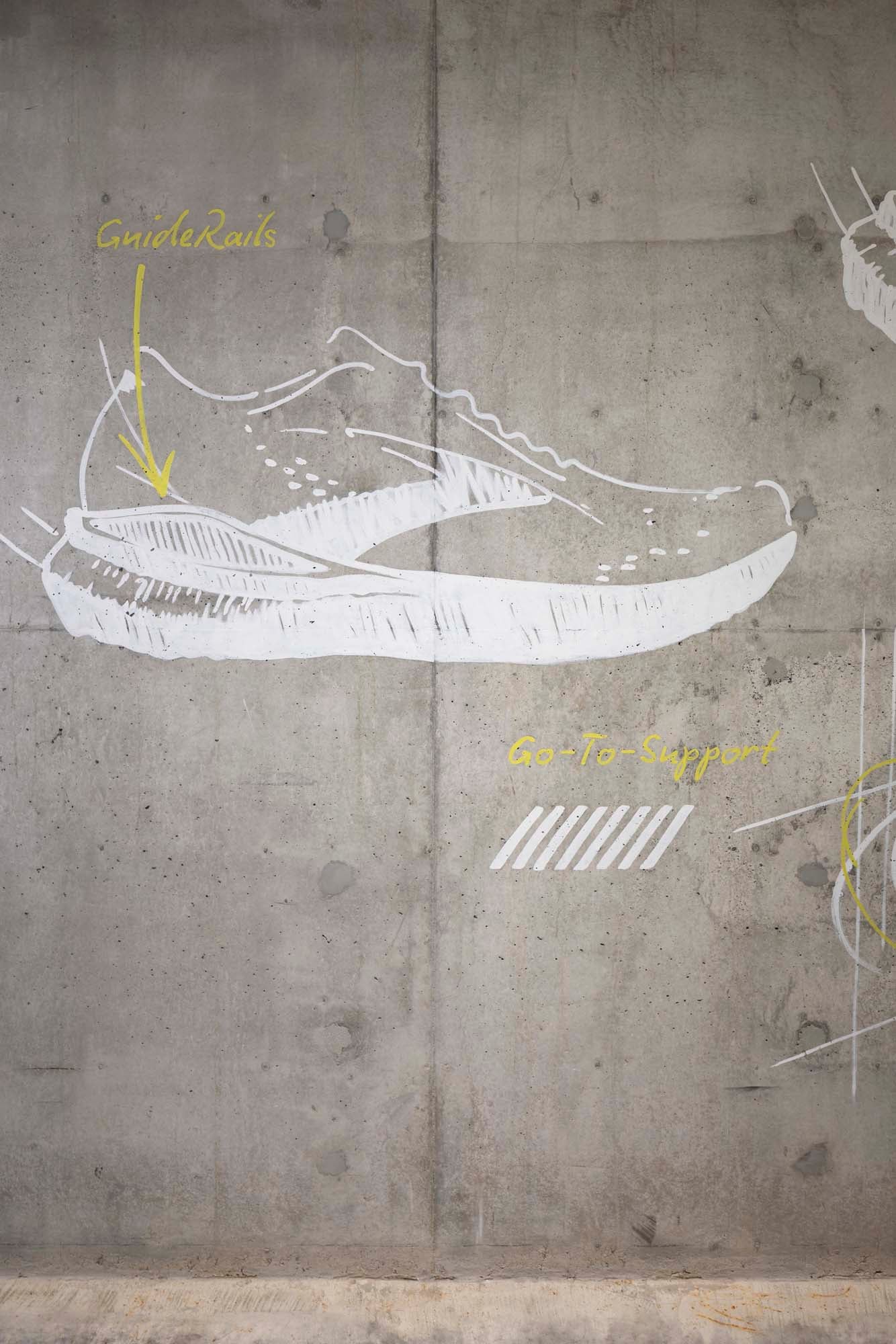
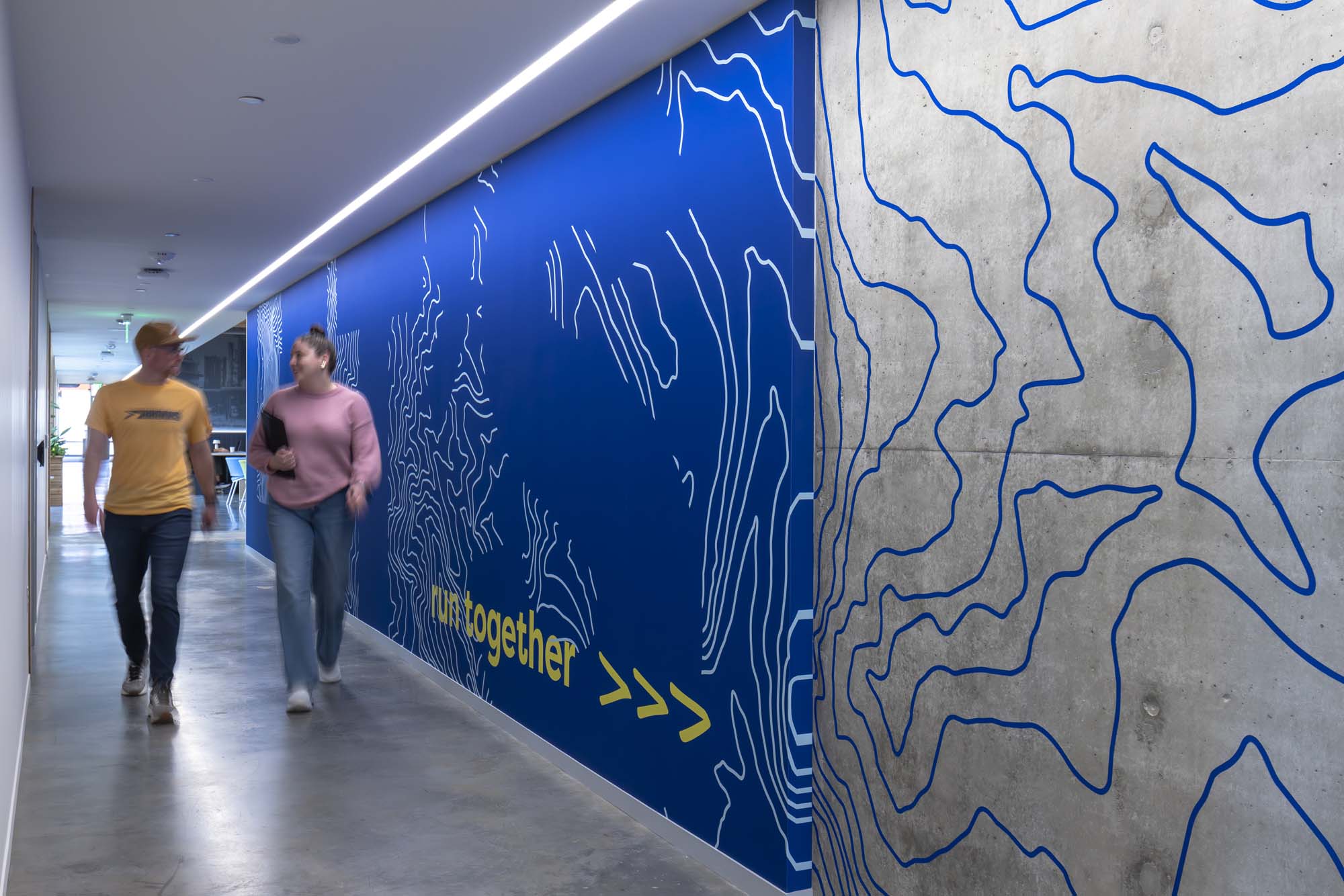
Movement is expressed subtly and consistently throughout. Curved corners soften transitions; fluted glass blurs figures into rhythmic silhouettes; pendant lights shaped like shoelaces, complete with metal aglets, hang over collaborative zones. Graphic layers deepen the local narrative: a hand-drawn map merges Seattle’s running routes with meaningful landmarks—Fremont’s “Wall of Death” art installation, the Space Needle, and marathon icons. The café’s large mural mixes global running cities with nearby cues like Stone34 and Fremont’s “Center of the Universe” signpost.
“They’re one of the most emotive companies I’ve ever worked with,” Mullenix reflects. “They know exactly who they are. Our job was just to help them convey it.”
Would you like to comment on this article? Send your thoughts to: [email protected]
Latest
Viewpoints
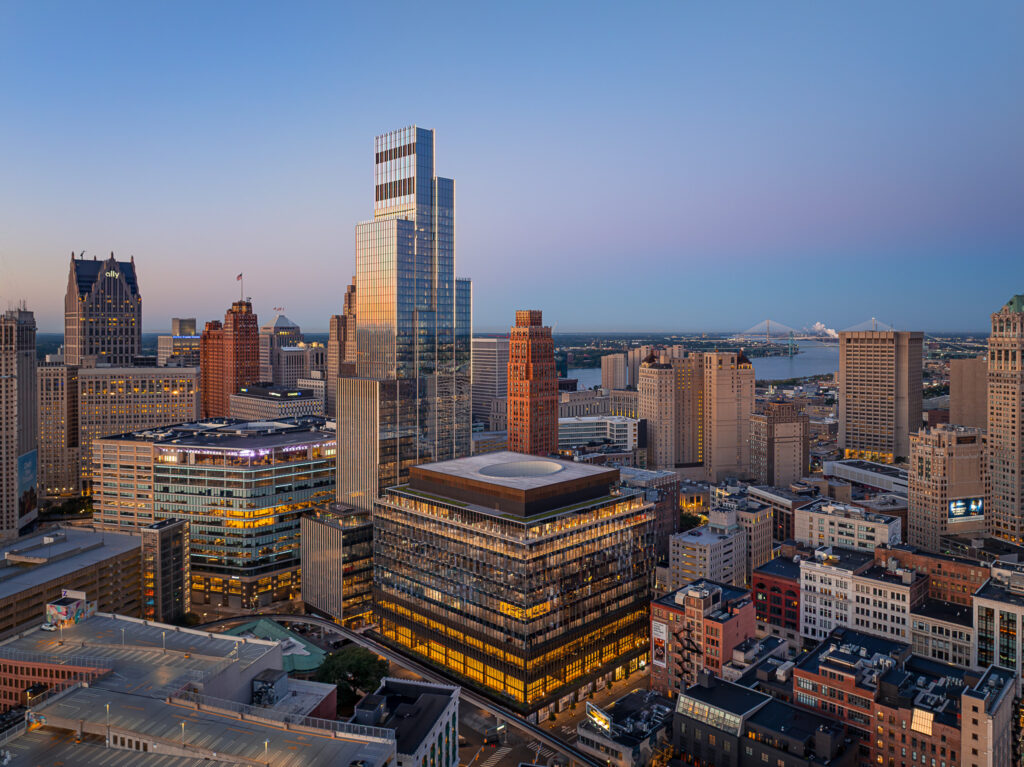
Detroit Month of Design: A City’s Work in Progress
Now in its 16th year, the celebration offers insights into the Motor City’s ongoing accomplishments without glossing over its hurdles.
Projects
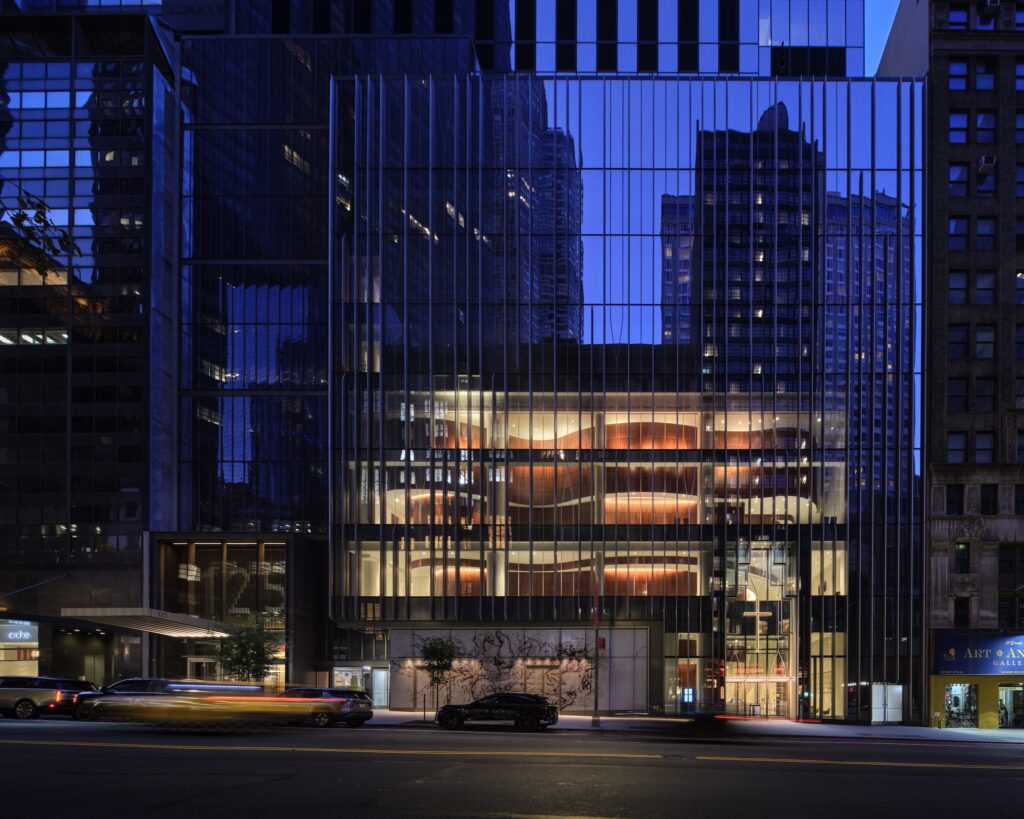
How a Hybrid Building Helped an Historic Manhattan Congregation Remain in Place
On Billionaire’s Row, FX Collaborative designed a new home for Calvary Baptist Church combined with an office tower.