



April 1, 2026
4 Signals of a Systems Shift in Nature-Based Design
01 Building with Biomass: A New American Harvest
Rocky Mountain Institute
By Chris Magwood, Aurimas Bukauskas, Tracy Huynh, and Victor Olgyay
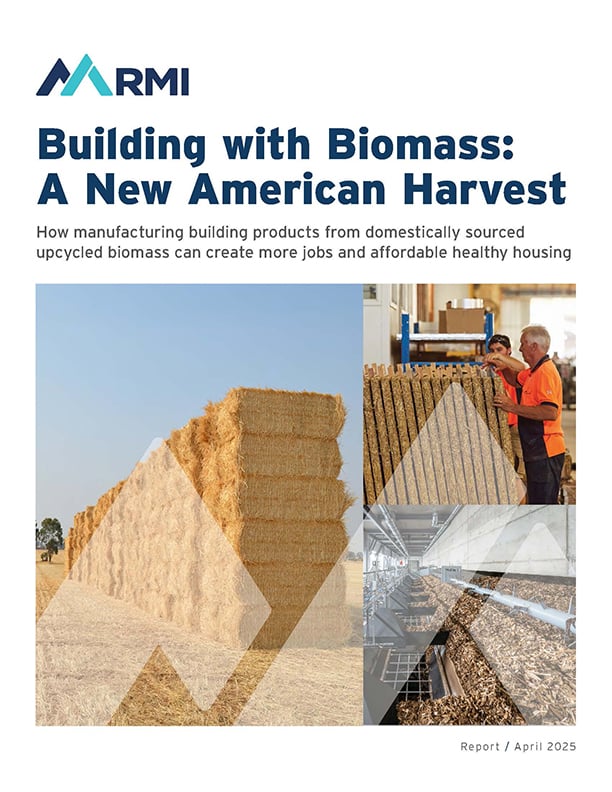
A 2025 report by Rocky Mountain Institute Building with Biomass: A New American Harvest, argues that upcycling plentiful, underutilized biomass—like agricultural straw, corn, timber thinnings, forestry residue, or waste—into building materials can help solve America’s housing crisis, create jobs, and boost domestic manufacturing.
The authors write: “Upcycling low-value American biomass into building products made entirely by large manufacturers to meet current construction rates of roughly 1 million homes per year could be associated with an estimated 42,000 direct jobs in clean manufacturing, approximately 310,000 indirect jobs, and over 79 billion in economic activity.”
02 Biodiversity Primer for Landscape Architects: Essential Knowledge to Inform Meaningful Action
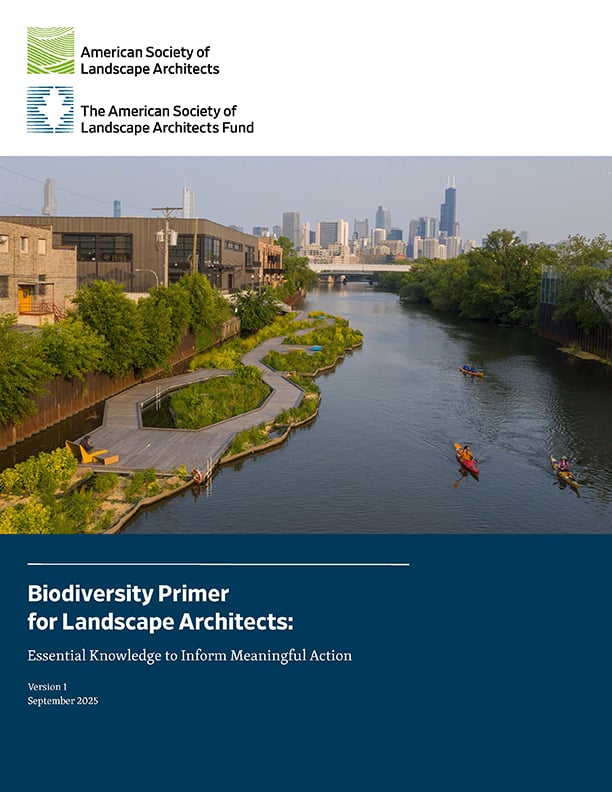
The American Society of Landscape Architects (ASLA) Biodiversity Primer for Landscape Architects is a 27-page guide and call to action that equips designers with foundational science, global targets, and practical guidance to help counter the biodiversity crisis. It outlines core priorities and demonstrates how to embed ecological thinking at any project scale, helping landscapes support diverse species, resilient ecosystems, and a healthier planet.
According to the WWF Living Planet Report from 2024, there was a 73% average wildlife population decline from 1970 to 2020, two out of three land plants are threatened with extinction, and 38% of tree species are at risk. “Despite a renewed global effort to protect biodiversity, we still see a decline in global species,” the report states. “There is a need to act by 2030, the year scientists say counts most in the fight to avert climate change and the continued loss of millions of species as we approach tipping points in the biosphere. This means a paradigm shift from business as usual to pursuing climate- and biodiversity-positive solutions in all aspects of our work.”
03 mindful MATERIALS’ 2025 Data Ecosystem Report: A Connected Future for Sustainable Materials Decisions
mindful MATERIALS’ 2025 Data Ecosystem Report presents a vision for a connected, industry-wide infrastructure—built around the Common Materials Framework—that standardizes, digitizes, and links sustainability data for building materials across manufacturers, architects, contractors, owners, and certification tools.
The report argues current material data is often fragmented, inconsistent, and unverified, making sustainable product decisions difficult. In contrast, the Data Ecosystem enables seamless data flow, automated vetting, easier comparisons, and streamlined reporting—saving time, money, and energy while improving transparency and credibility. Version 1.0 delivers a shared data schema, verified data practices, and API connections to design and construction tools, paving the way for scalable, impact-aware decision-making.
“Data is the bridge between ambition and action. Data helps us quantify what matters—not just operationally, but the full environmental, human, and social footprint of the products that make up our buildings.”
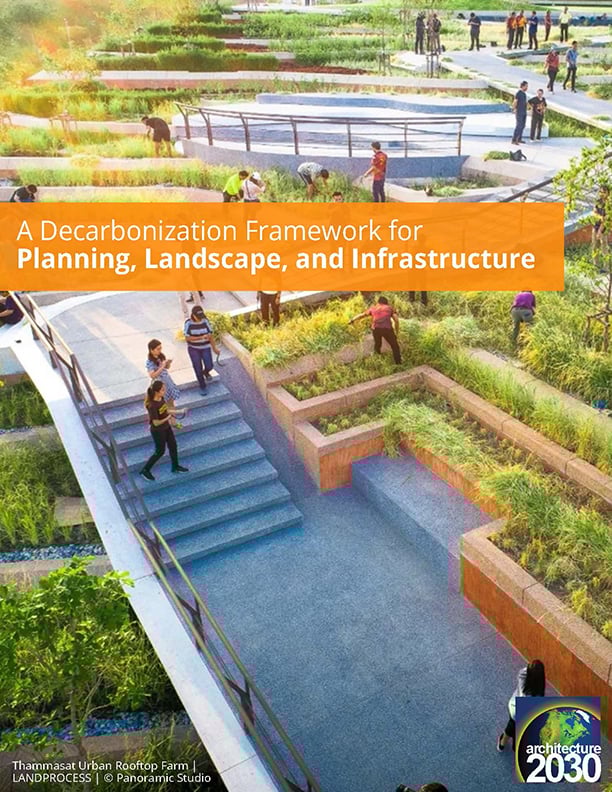
04 Architecture 2030: A Decarbonization Framework for Planning, Landscape, and Infrastructure
By Erin McDade and Vincent Martinez
In this 2024 report from Architecture 2030, the authors highlight how climate-resilient planning requires tailoring policies, buildings, and infrastructure to address local hazards such as flooding, wildfires, and extreme heat, while also considering how these conditions are expected to intensify with warming temperatures. The report argues that embedding resilience in zoning and building codes reduces emissions associated with rebuilding, protects communities, and promotes sustainable growth.
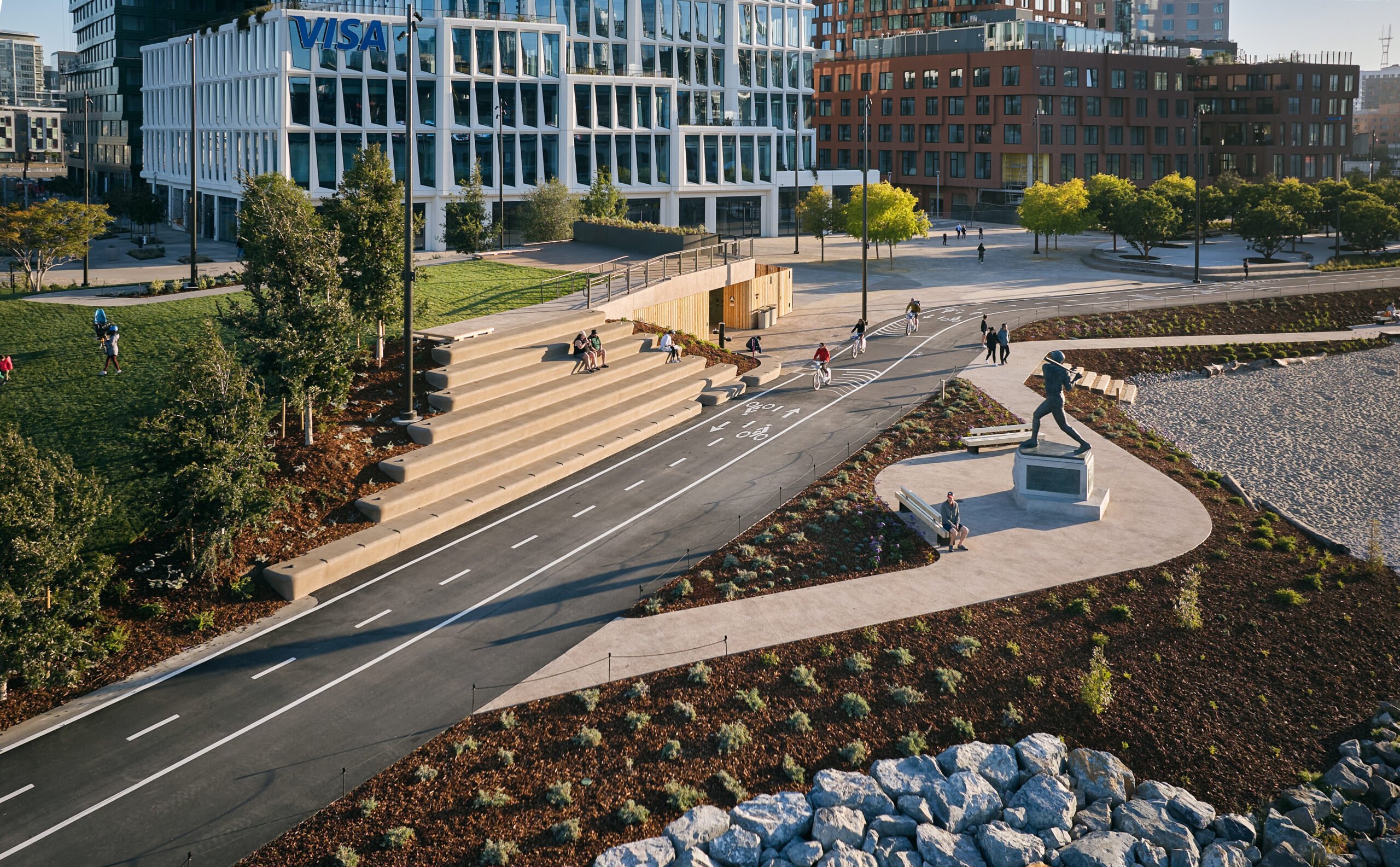
The report highlights examples, including AdaptNYC, the NYC Mayor’s Office of Climate and Environmental Justice’s comprehensive plan to adapt to climate change and San Francisco’s Waterfront Resilience Program—both of which adapt infrastructure to safeguard people, property, and ecosystems.
“Nature based systems tend to be more durable than modern solutions, making them ideal for climate resilience. For instance, mangrove forests and permeable surfaces can mitigate the impacts of sea level rise and heavy rainfall while withstanding extreme conditions.”
Viewpoints
Report: METROPOLIS Weighs in on Sustainable Design in the U.S.
The METROPOLIS Interface U.S. Sustainable Design Report 2026 captures the state of green building today and what comes next.
Download NowWould you like to comment on this article? Send your thoughts to: [email protected]
Latest
Viewpoints
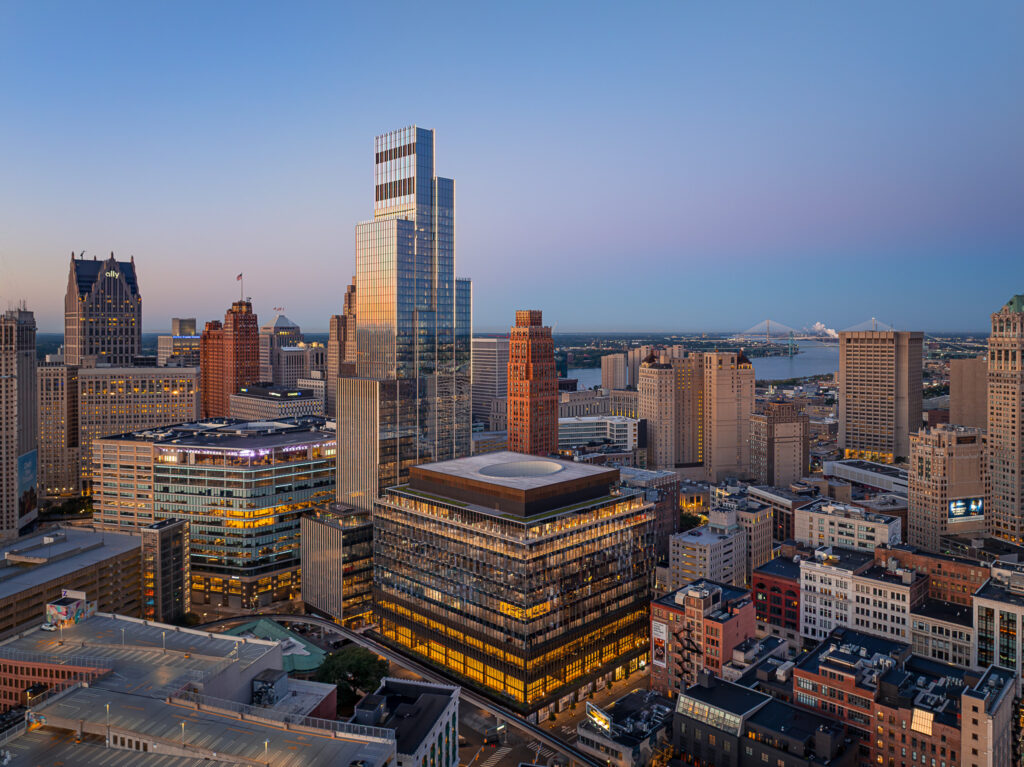
Detroit Month of Design: A City’s Work in Progress
Now in its 16th year, the celebration offers insights into the Motor City’s ongoing accomplishments without glossing over its hurdles.
Projects
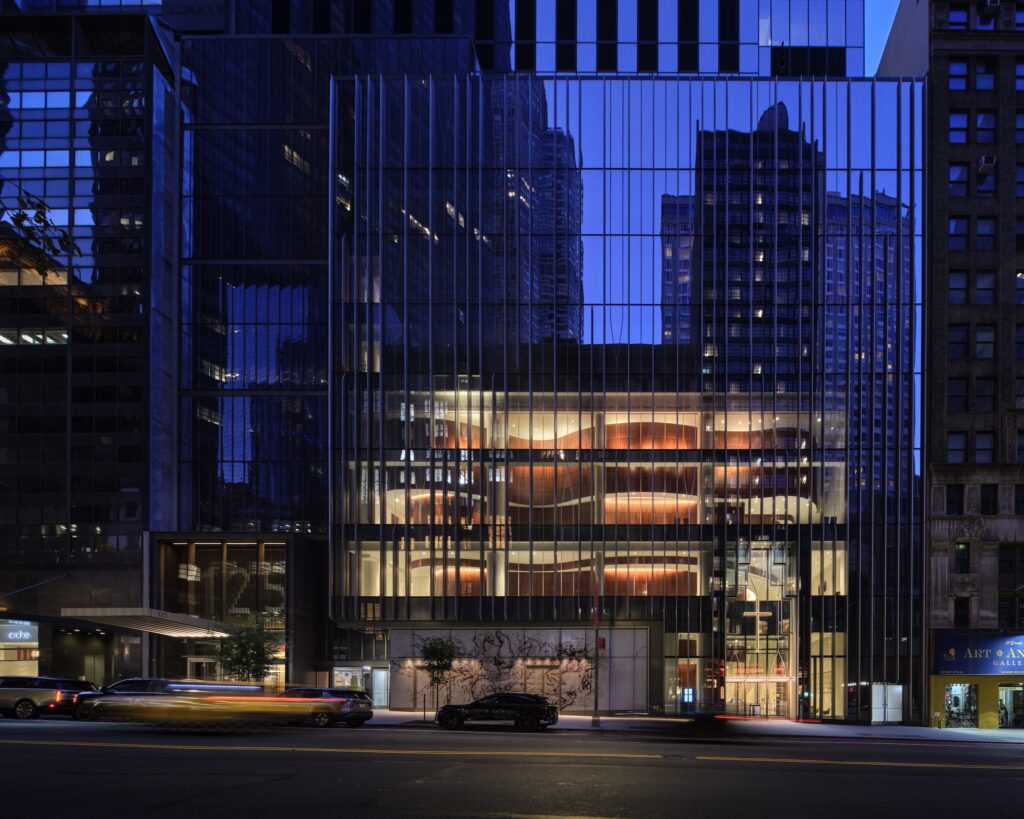
How a Hybrid Building Helped an Historic Manhattan Congregation Remain in Place
On Billionaire’s Row, FX Collaborative designed a new home for Calvary Baptist Church combined with an office tower.