


November 6, 2026
5 Spanish Furniture Brands Prioritizing Play and Personality
1. SANCAL
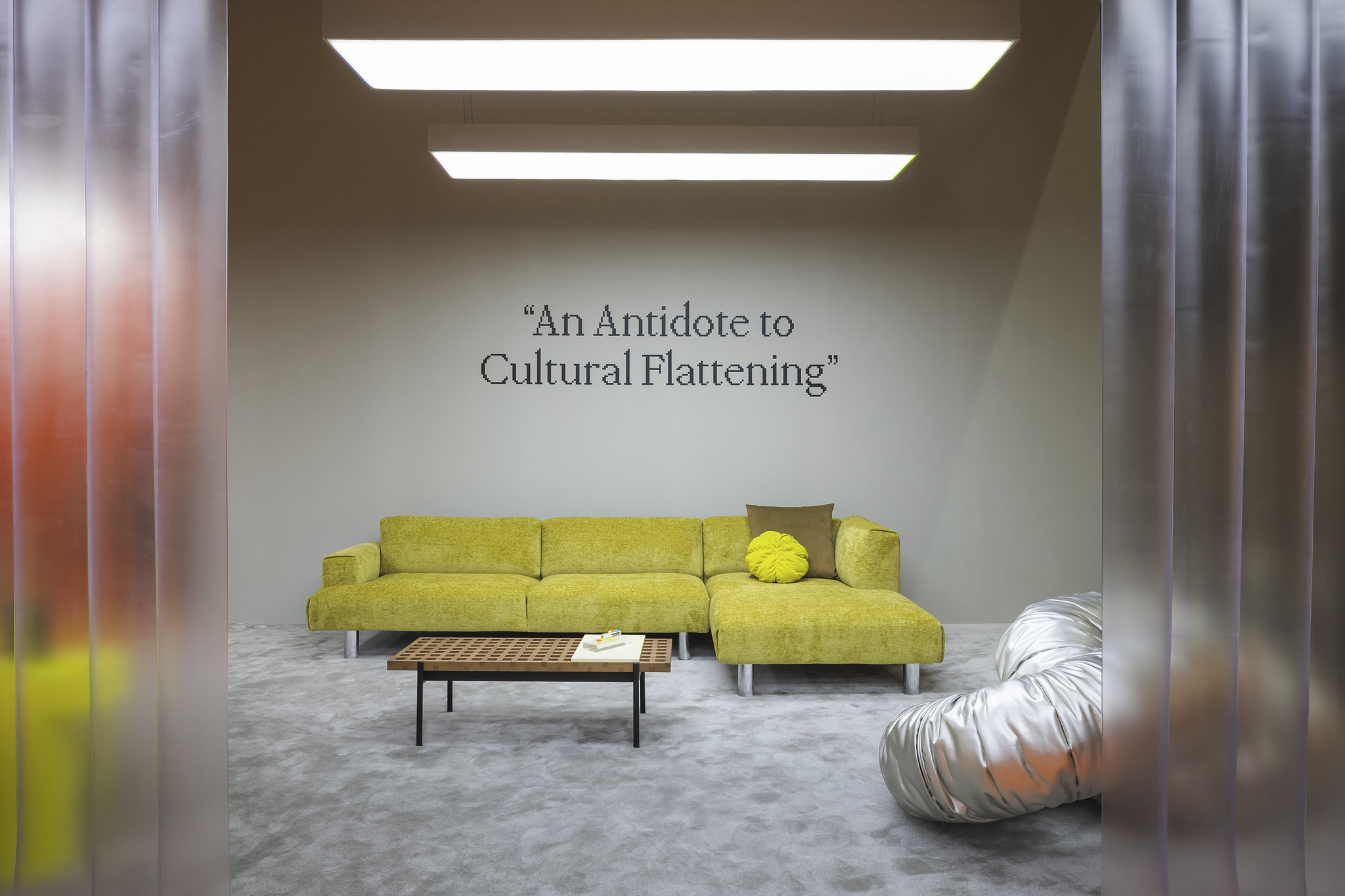
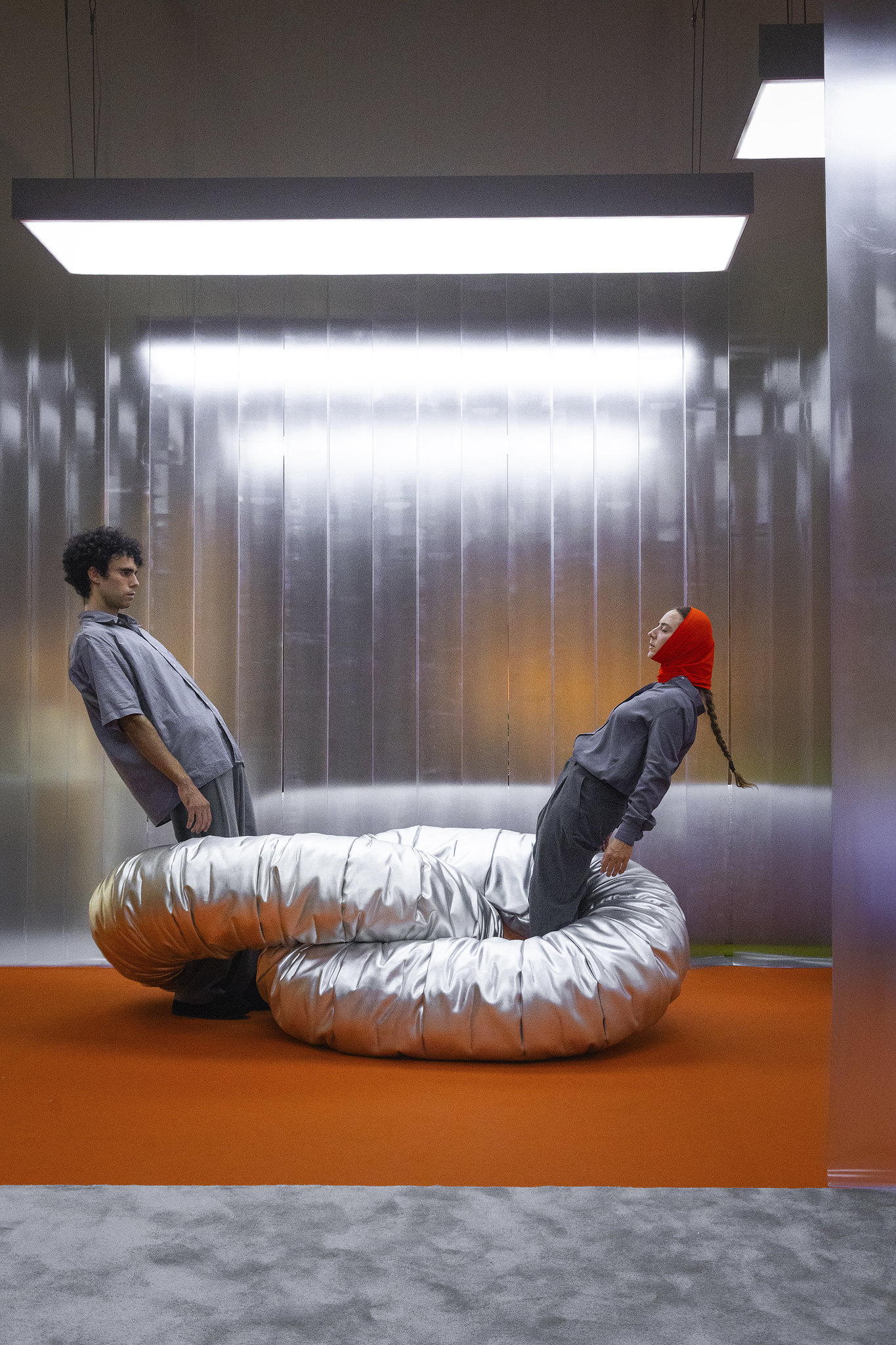
At Sancal’s stand, sitting on the furniture was only part of the experience. For Feria Hábitat València 2026, the Spanish furniture manufacturer transformed its exhibition space into Experimentarium, an eccentric, laboratory-inspired playground where visitors were encouraged to touch, explore, question, and generally abandon the usual rules of furniture-show etiquette. The experience even included a modern dance performance by Sandra Egido and Iván Sier, who climbed, circled, and interacted with the furniture in unexpected ways, exploring the relationship between the human body and the spaces we inhabit.
But behind the spectacle was a pointed critique of contemporary design culture. Sancal describes Experimentarium as an “antidote to cultural flattening”: a world increasingly shaped by algorithms, where the same aesthetics, references, and ideas circulate until everything begins to look alike. The company argues that the “real cultural threatening isn’t repetition itself, but the disappearance of alternatives.” Its proposed remedy? Experimentation, intuition, curiosity, and a willingness to make mistakes.
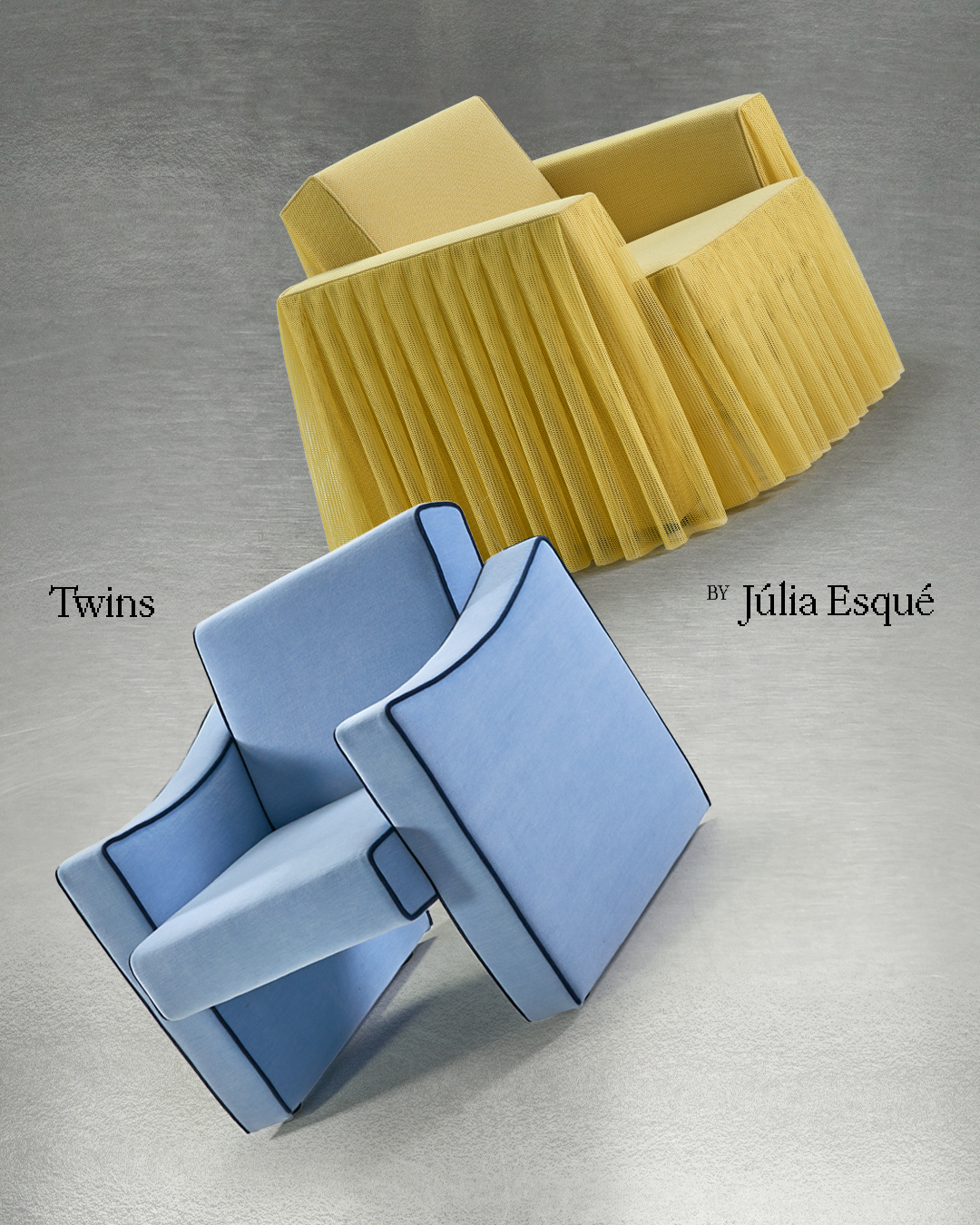
Conceived by Estudio Sancal under the creative direction of Esther and Elena Castaño-López, Experimentarium was also a showcase for four new designs. Among them, Mimoso, by Swedish Note Design Studio, is an oversized, modular sofa that looks as though an enormous duvet has been casually tossed over its sturdy base. Twins, by Júlia Esqué, takes a more playful approach to upholstery: two armchairs share the same basic structure but develop entirely different personalities through their proportions and fabric treatments. Gradas, designed by Dutch architecture studio UNS, reimagines the stepped seating of an urban grandstand as a modular furniture system. Available in different scales, from an architectural bench to a sofa and armchair, Gradas encourages people to sit however they please. Overall, the entire collection makes a case for play and trial and error as an “act of resistance.”
2. KODU BY VICAL
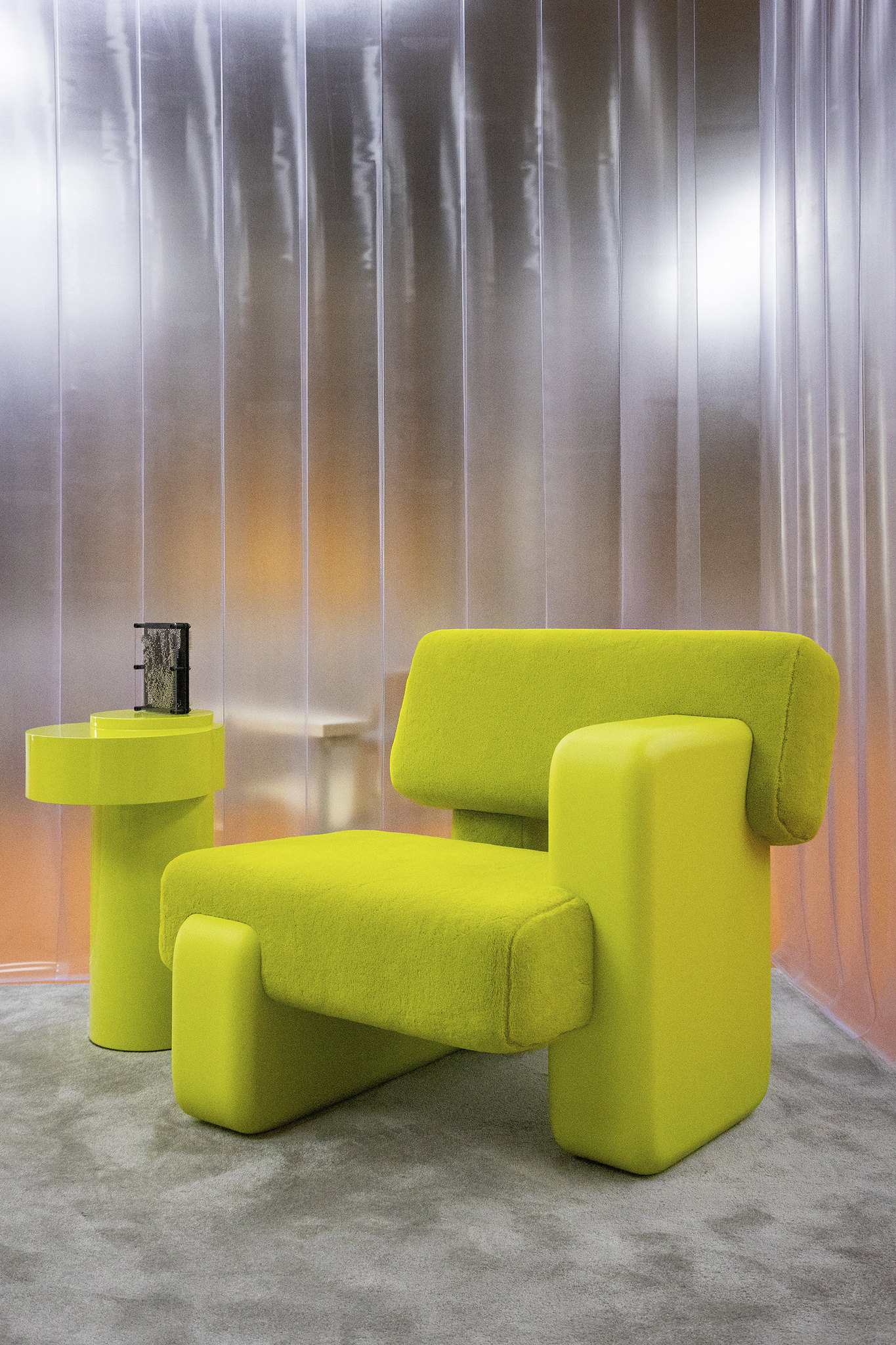
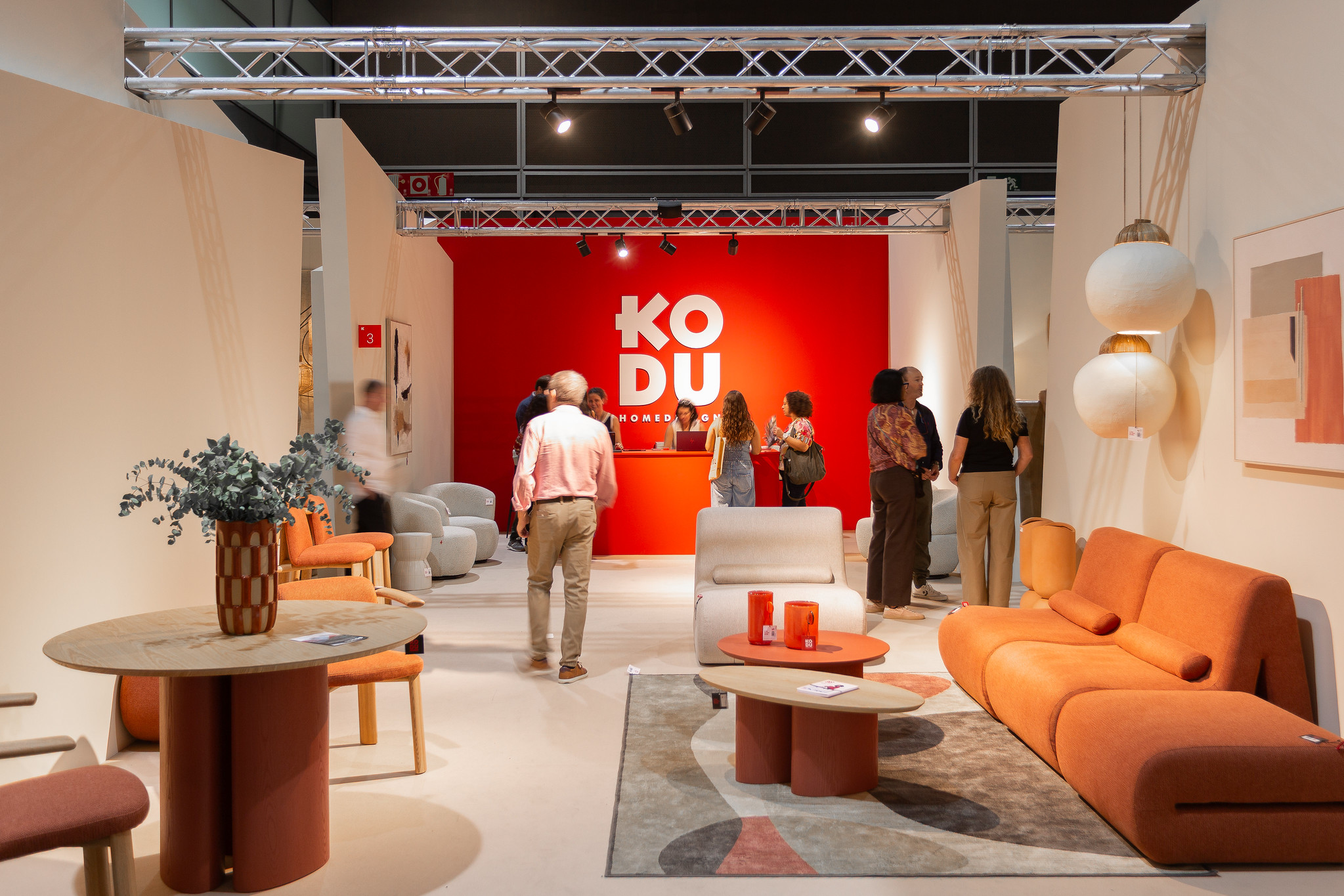
With its NEW MID collection, KODU Home Designs, the younger furniture and interiors brand from Valencian company VICAL, builds on the playful language of Midcentury Modernism. The collection combines retro-inspired silhouettes with saturated colors, rounded forms, and unexpected material combinations, creating furniture for interiors that favor personality over perfectly coordinated minimalism.
Among the standout pieces is the Foam Armchair, designed by Ewa of CALMA Studio for KODU SIGNATURE. Its generous, enveloping form makes a statement through both its proportions and vibrant personality, making it perfect for “interiors that seek character and an emotional contemporary image,” according to the company. The Vianne armchair takes a similarly sculptural approach, with a curved space-age-esque silhouette upholstered in either a striking orange or a more restrained gray. Elsewhere, the Olten, Thun, and Zug side tables bring a pop-art sensibility to the living room.
Founded in 1950, VICAL traces its roots to the craftsmanship of wicker, wood, and basketry. That artisanal heritage continues to inform the company’s approach to contemporary furniture and interiors. For Kodu, in particular, “[Our] philosophy is based on three pillars: identity, emotion, and creative freedom,” Vical and Kodu’s marketing director, Patricia Boluda tells Spanish magazine, Exágono. “We develop each collection from a clear idea: that design must provoke something. More than a closed manifesto, we have a very defined attitude: designing with personality, avoiding the generic, understanding space as an extension of those who inhabit it, and differentiation.”
3. OMELETTE EDITIONS
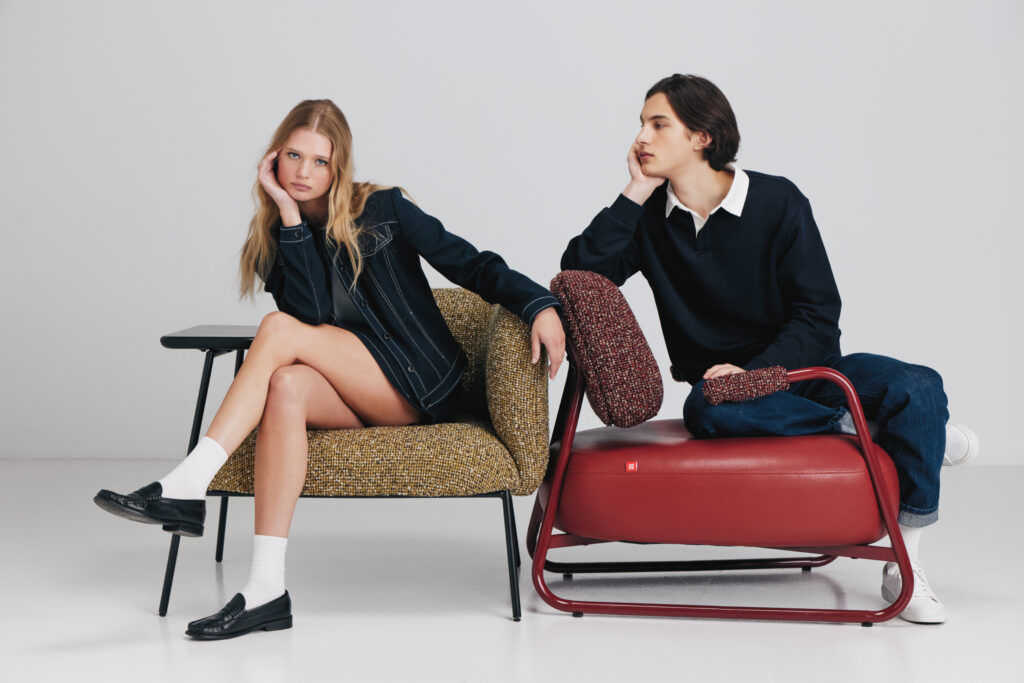
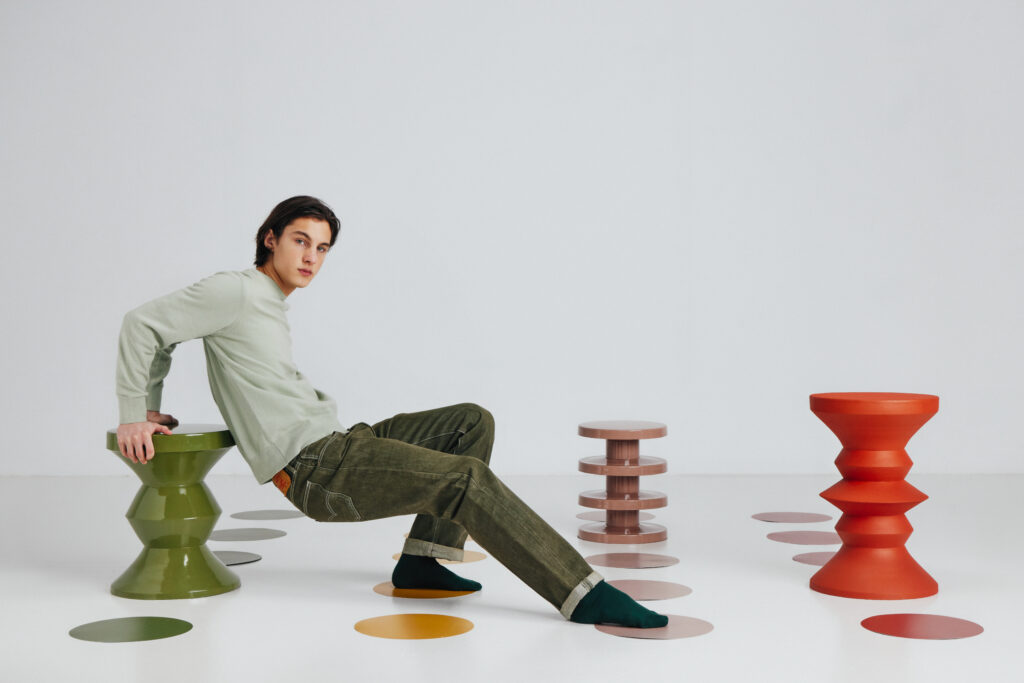
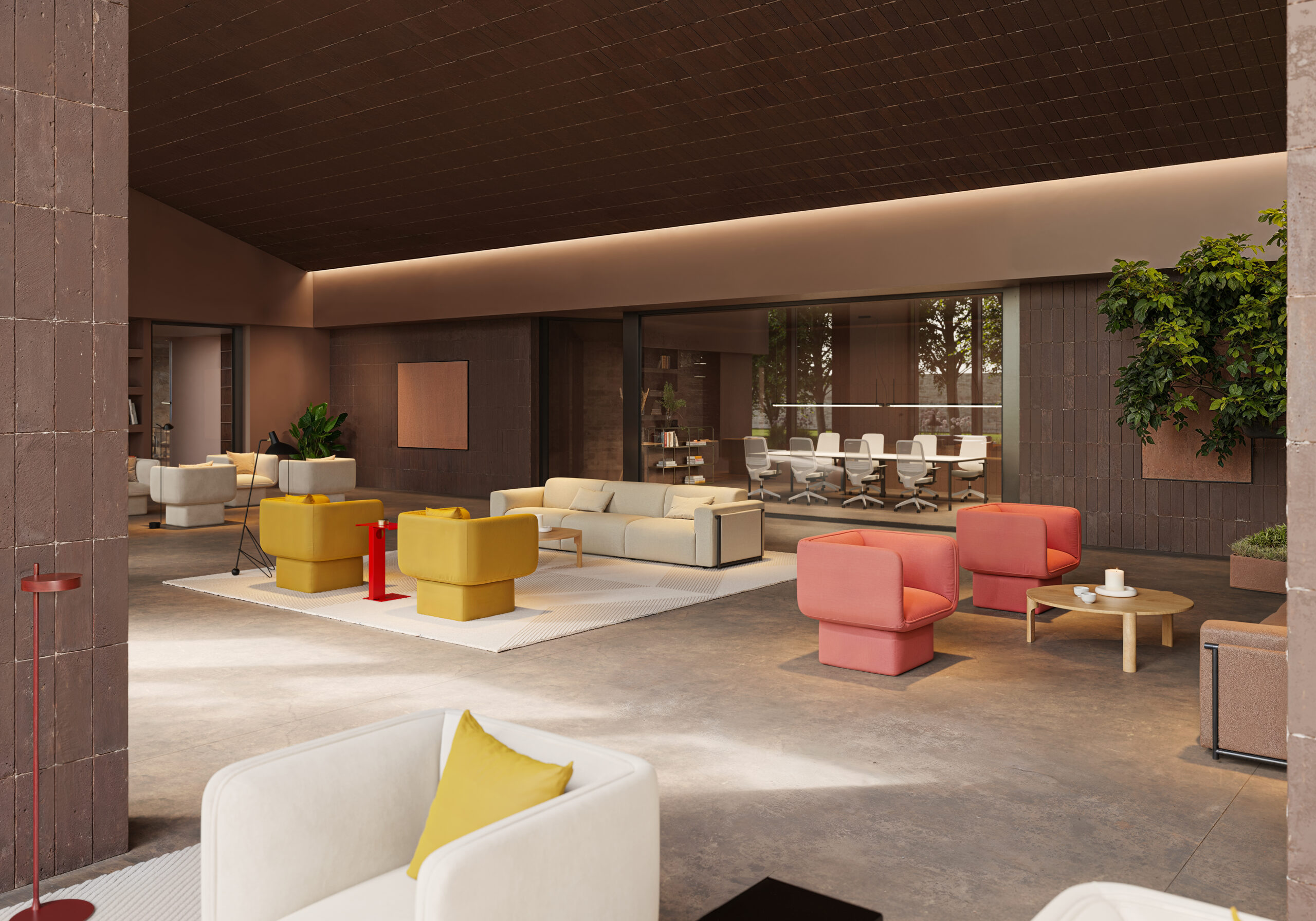
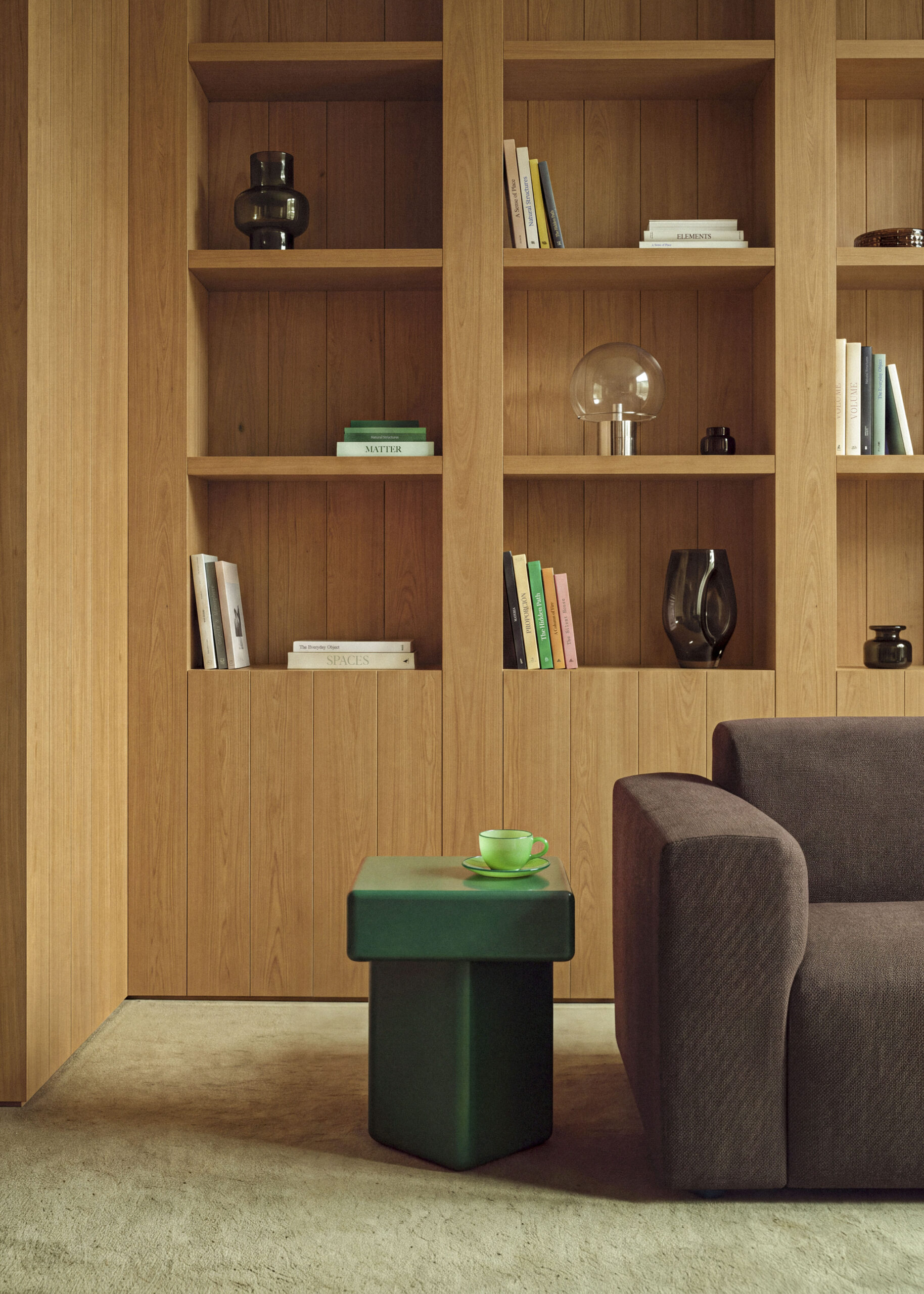
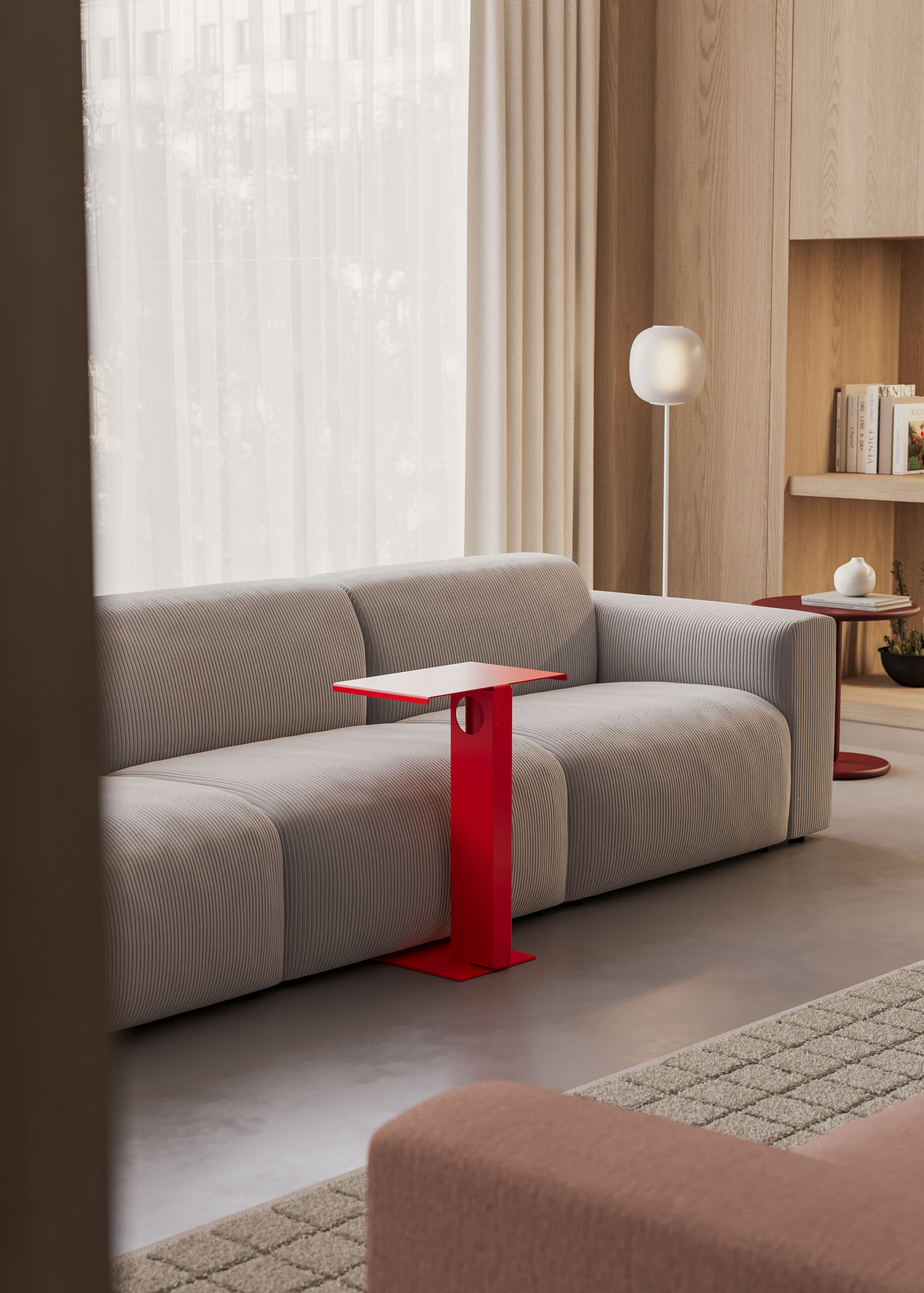
Founded in 2016 by the Valencian design studio La Mamba, Omelette Editions approaches furniture as a means of creating an emotional connection between people and the objects they use every day. Its designs balance functionality with distinctive visual gestures, often incorporating unexpected proportions, graphic details, and expressive finishes. At Feria Hábitat València 2026, the brand’s new Turn Table was a compelling example of this philosophy. The Turn Table “explores balance and playful disruption through its graphic silhouette, bold proportions, and confident use of color,” writes the studio on its Instagram page. Finished in a rich gloss lacquer, the table evokes a sense of movement, even when at rest. This experimentation with shape, color, and proportion is clear elsewhere in the studio’s Block Chair and Ori Side Table.
That balance between practicality and personality is central to Omelette Editions’ wider design approach. The brand describes its collections as an ongoing conversation between designers, architects, manufacturers, and the people who ultimately live with the furniture. Its aim is to create versatile pieces that are unique and eye-catching, without relying on short-lived trends.
The company also emphasizes localized production and material sourcing—98 percent of its production takes place in Spain, primarily between Barcelona and Valencia. Its material choices include FSC- and PEFC-certified wood, REACH-certified foams, and recycled fabrics. The result is a design language that combines visual impact with an emphasis on longevity.
4. REALLY NICE THINGS
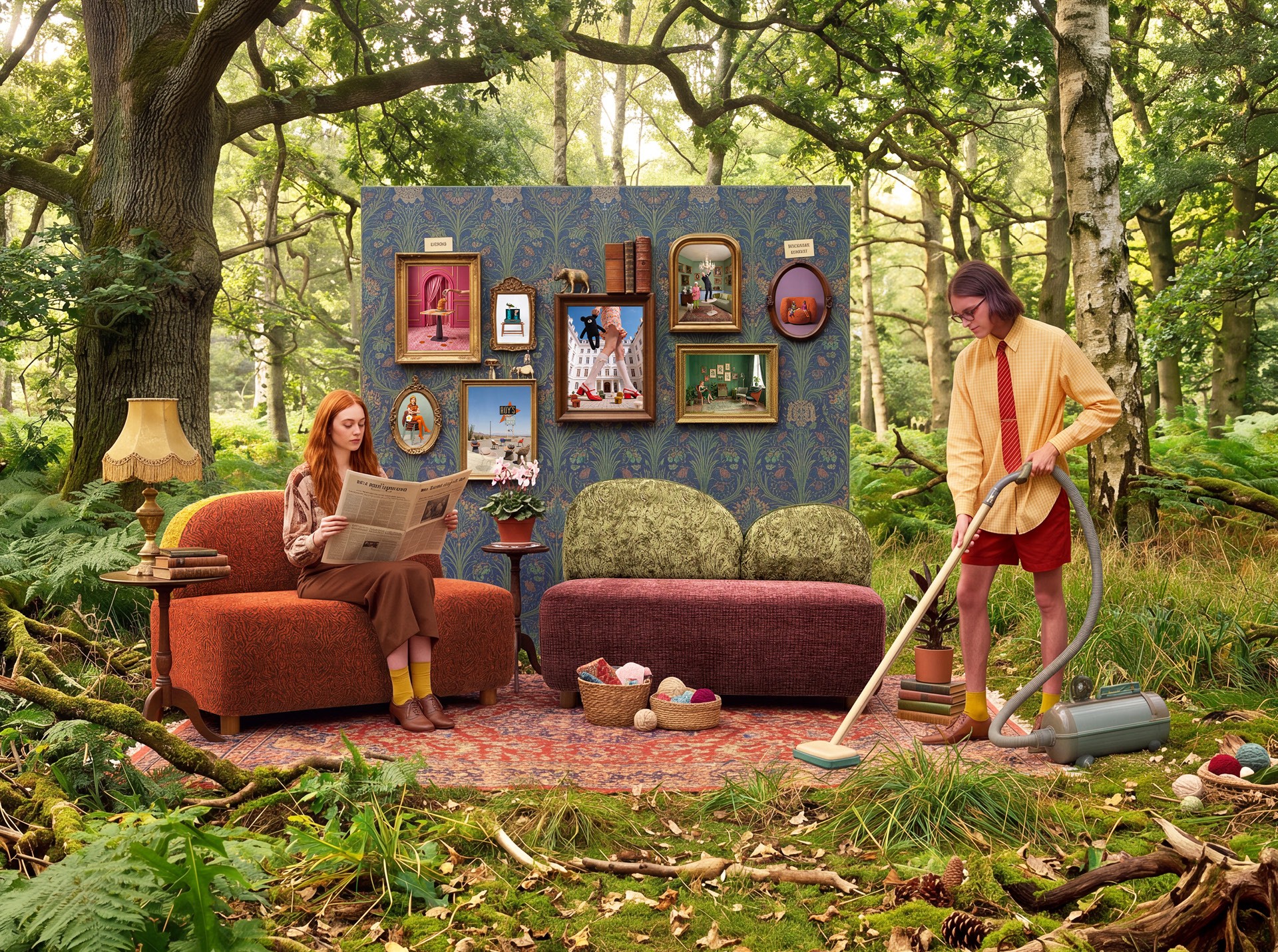
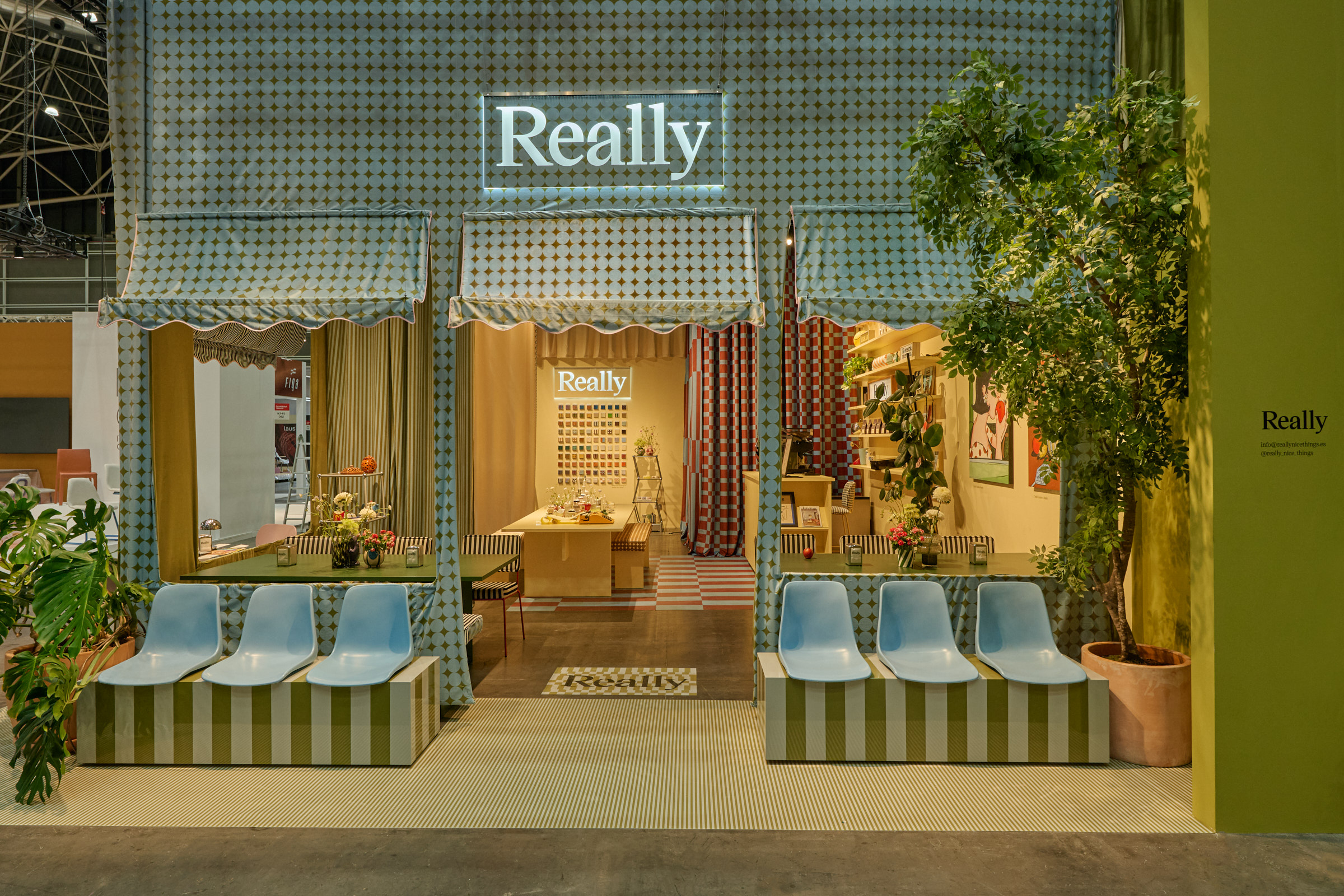
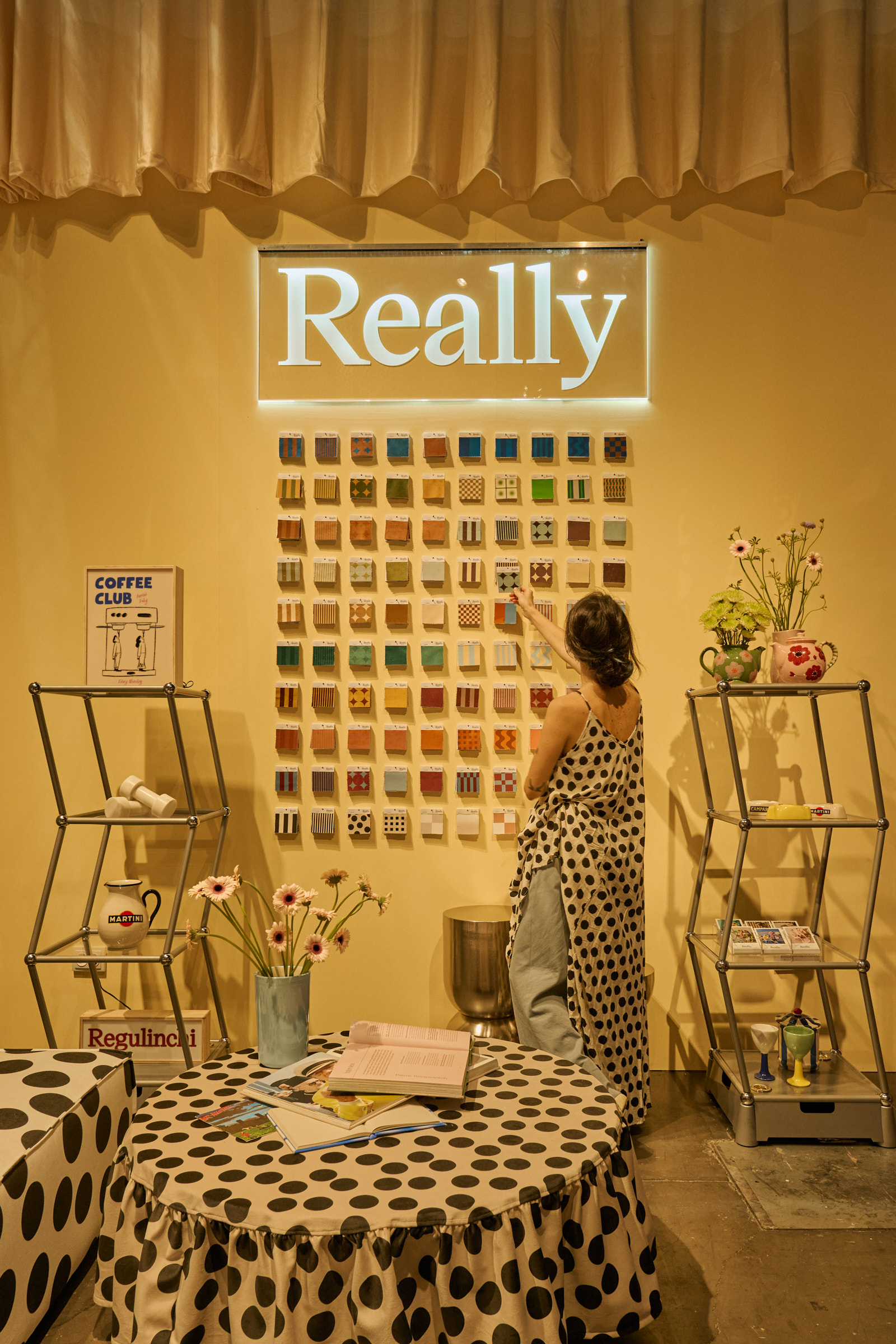
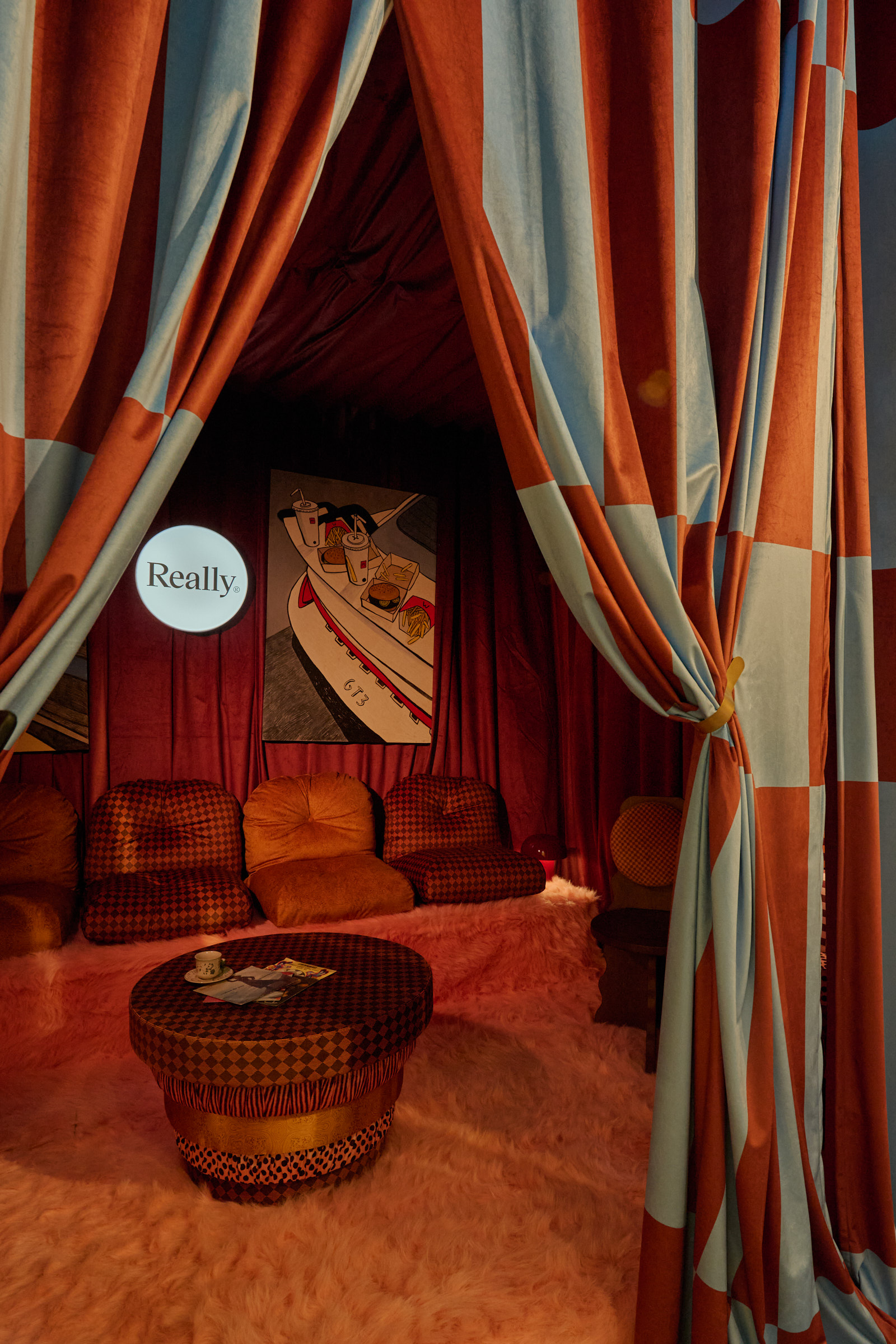
When you’re walking over seven miles back and forth across a furniture show floor, perhaps nothing draws you into a booth faster than the smell of good espresso. It’s just one way that Really Nice Things made a strong impression at Feria Hábitat València 2026. Blurring the line between furniture showroom and social gathering space, Really’s exhibition elicited several observations from its visitors about its design, ranging from “Alice in Wonderland” to “abuela’s house.”
Curated by Really Nice Things art director, Carolina Micó Navarro, the installation was conceived as the Really Social Club, bringing together design, art, music, and coffee in an environment that reflects the brand’s whimsical and irreverent personality. Saturated colors, graphic elements, and playful shapes created an energetic backdrop for the furniture, while a dynamic open layout highlighted the possibilities for customization across its collections. The space also featured artwork by Spanish painter Carla Fuentes, whose colorful, character-driven work brought another layer of personality to the interiors. Fuentes was also there to join visitors for coffee and conversation, turning the booth into a setting for creative exchange as much as product discovery.
That same sensibility carries through to the brand’s Second Life collection, which brings a fresh perspective to familiar furniture typologies through expressive upholstery, graphic patterns, and colorful finishes. The collection reflects Really Nice Things’ interest in interiors that feel personal and eclectic, drawing on vintage references without becoming overly nostalgic. Based in Valencia, the company also emphasizes local manufacturing and collaborations with Spanish workshops, incorporating recycled fabrics into some of its designs. Between its expansive product offerings and its lively presentation at the fair, Really Nice Things makes a compelling case for furniture that doesn’t take itself too seriously.
5. CASUAL
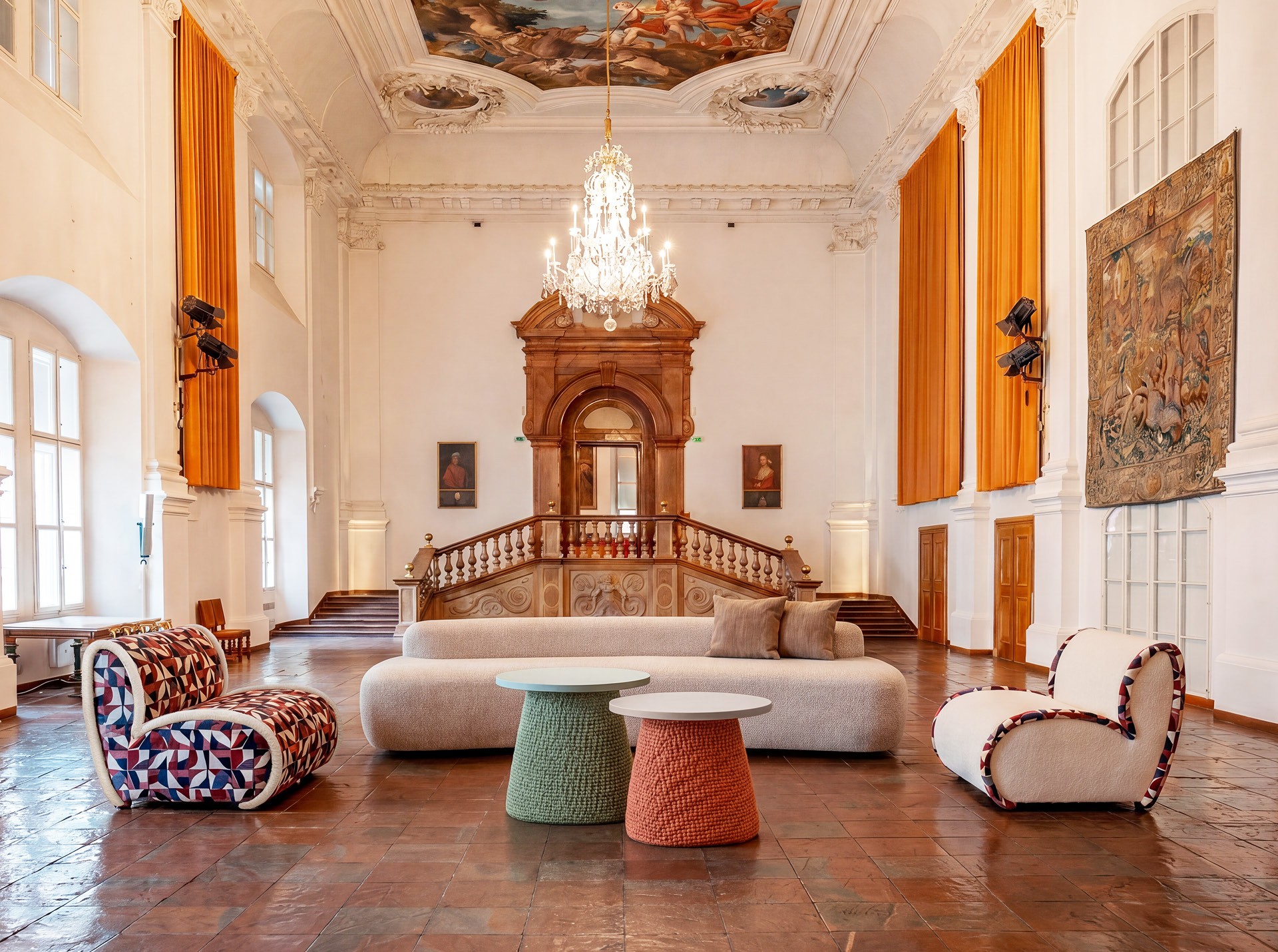
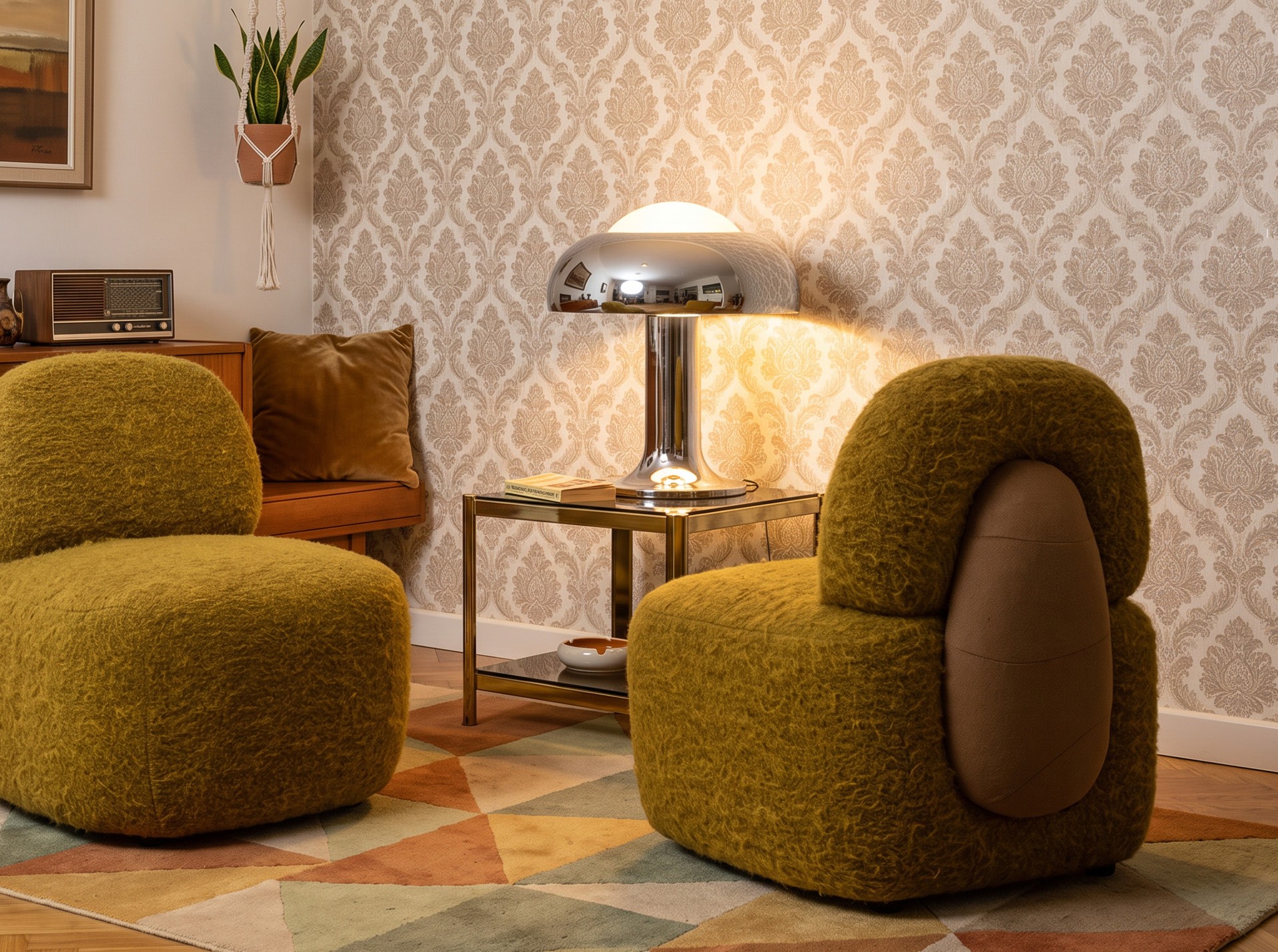
“The ability to create surprising environments full of personality is the value that defines Casual,” the brand states in its newest product catalog. For its booth at Feria Hábitat València 2026, Spanish furniture brand Casual imagined a hospitality destination with a decidedly unconventional concept. Its “Crazy Hotel” installation brought together 13 distinct interior settings, each with its own visual identity, demonstrating how furniture, color, and unexpected combinations can transform a hospitality space into an immersive experience. The team writes, “Take all your crazy ideas and pack them in the suitcase that will accompany you. A place where there are no rules, no right or wrong, only what your mind decides.”
The collection is built around the idea of bringing the freedom of residential design into the contract sector. Rather than approaching hotel interiors through a standardized aesthetic, Casual emphasizes customization, allowing designers to combine different shapes, textures, materials, and finishes to create spaces that feel specific to their intended users. The result is an exuberant mix of upholstery, patterning, expressive silhouettes, and fun details that challenge the conventional language of hospitality furniture.
Among the new designs showcased were the Lips chair and Ancor pouffe, both of which contribute to the collection’s eclectic visual vocabulary. The broader “Crazy Hotel” concept also demonstrates how the brand’s furniture can be combined across different settings, with each environment telling a different story. Despite its experimental approach, comfort remains central to the collection, alongside the practical demands of contract furniture.
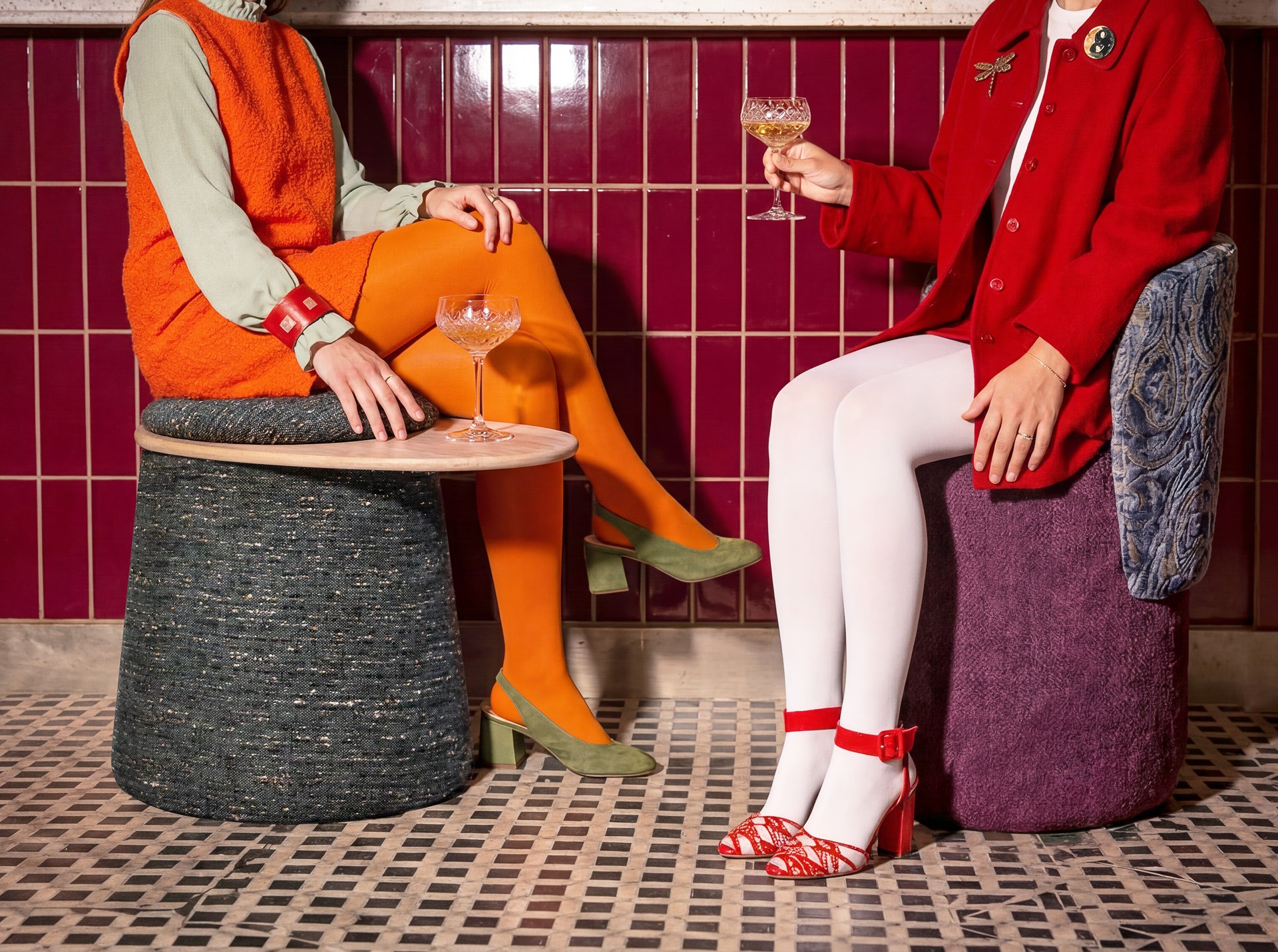
Would you like to comment on this article? Send your thoughts to: [email protected]
Latest
Products
6 Material Trends Shaping Interior Design
From playful plaids and painterly botanicals to sculptural forms, discover what’s next in textiles, surfaces, and acoustic products.
Viewpoints
Are Data Centers the Biggest Design Problem of This Era?
AI is driving a data center boom. Can architects rethink the typology to meet growing demand without overwhelming communities and ecosystems?