




April 24, 2026
Designing Architecture in Dialogue with Water
For Kimhour Lor, architecture begins with listening—to land, to memory, and to the rhythms of water. An undergraduate architecture student at the University of Houston, Lor approaches design with analytical precision and an intuitive sensibility informed by the places that shaped her early life.
Her honors thesis, Return of a River: Reimagining Flood Resilience in Phnom Penh, examines Cambodia’s complex and evolving relationship with water amid climate instability and rapid urbanization. Drawing on cultural research, hydrological studies, and narrative-driven drawings, Lor proposes an architectural framework that works with water rather than against it. Her project envisions adaptive wetlands, stilted villages, and flexible architectural systems that respond to seasonal flooding, reviving ancient water traditions while addressing contemporary environmental pressures. Situated at the confluence of the Mekong, Tonle Sap, and Bassac Rivers, the project reframes Phnom Penh as a living system shaped by ecology, memory, and resilience.
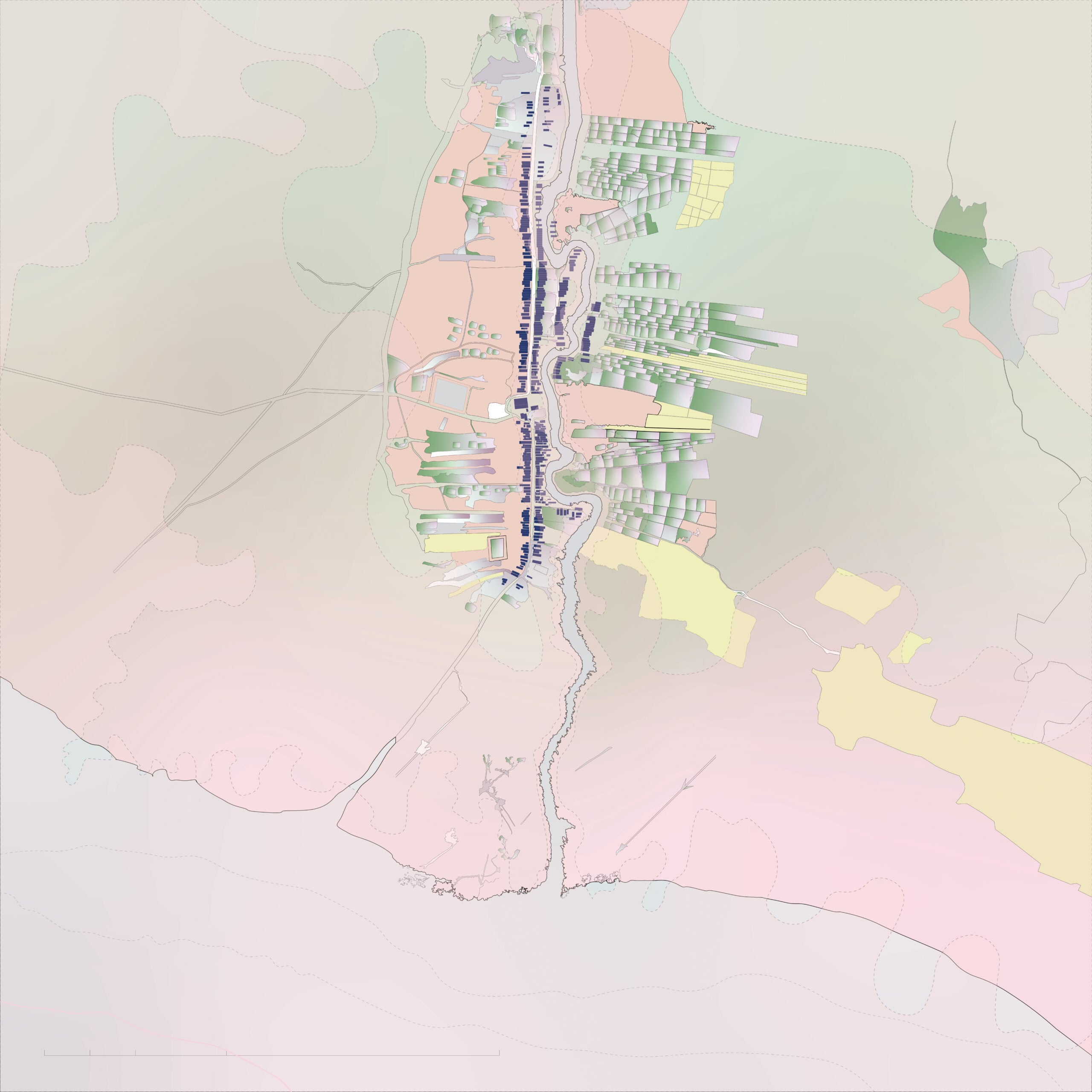
“Few students approach their work with the same level of dedication, curiosity, and emotional intelligence as Kimhour Lor,” says her nominator, Dalia Munenzon, assistant professor, Department of Architecture and Design, University of Houston. “Her approach to design combines rigorous analysis with an intuitive, almost poetic sensibility.”
Would you like to comment on this article? Send your thoughts to: [email protected]
Latest

Viewpoints
Detroit Month of Design: A City’s Work in Progress
Now in its 16th year, the celebration offers insights into the Motor City’s ongoing accomplishments without glossing over its hurdles.
Projects
How a Hybrid Building Helped an Historic Manhattan Congregation Remain in Place
On Billionaire’s Row, FX Collaborative designed a new home for Calvary Baptist Church combined with an office tower.