



July 2, 2026
Materia Latina / Latin Matter
Rather than focusing solely on formal expression, a whole generation of Latino architects is rethinking practice through the material realities of extraction, labor, migration, and supply chains. Operating at different latitudes between the United States and Latin America, studios Balsa Crosetto Piazzi, Studio Cadena, and Estudio ALA explore how materials like brick, terrazzo, timber, volcanic stone, and industrial metal panels are evidence of territorial economies, inherited craft traditions, and systems of human labor that architecture too often conceals.
Less Detail, More Architecture: BALSA CROSETTO PIAZZI
From the 1970s to the 1990s, architect José “El Togo” Díaz had an enormous impact in Córdoba, Argentina, through dozens of crafted brick multifamily buildings and years of teaching. His mantra, “Menos detalle, más arquitectura” (Less detail, more architecture), shaped generations of architects, including those who make up Balsa Crossetto Piazzi. “That refined detail architects often pursue—the perfect assembly or the perfect encounter between materials—is not really what interests us,” Juan Balsa, cofounder of the studio, notes.
Instead, the office prioritizes systems that can absorb imperfection and change. “We realized that the success of a project shouldn’t depend on some sophisticated detail functioning perfectly,” cofounder Rocío Crossetto explains. “Especially in contexts like Argentina, where those are the first things lost when budgets get tight.”
Now, all three of the studio’s founders are connected to U.S. universities, yet despite the office’s growing academic presence abroad, the architects insist their work remains rooted in construction. “We approach projects always with the same attitude,” Leandro Piazzi adds, “understanding architecture as a material action—something that is built to exist.
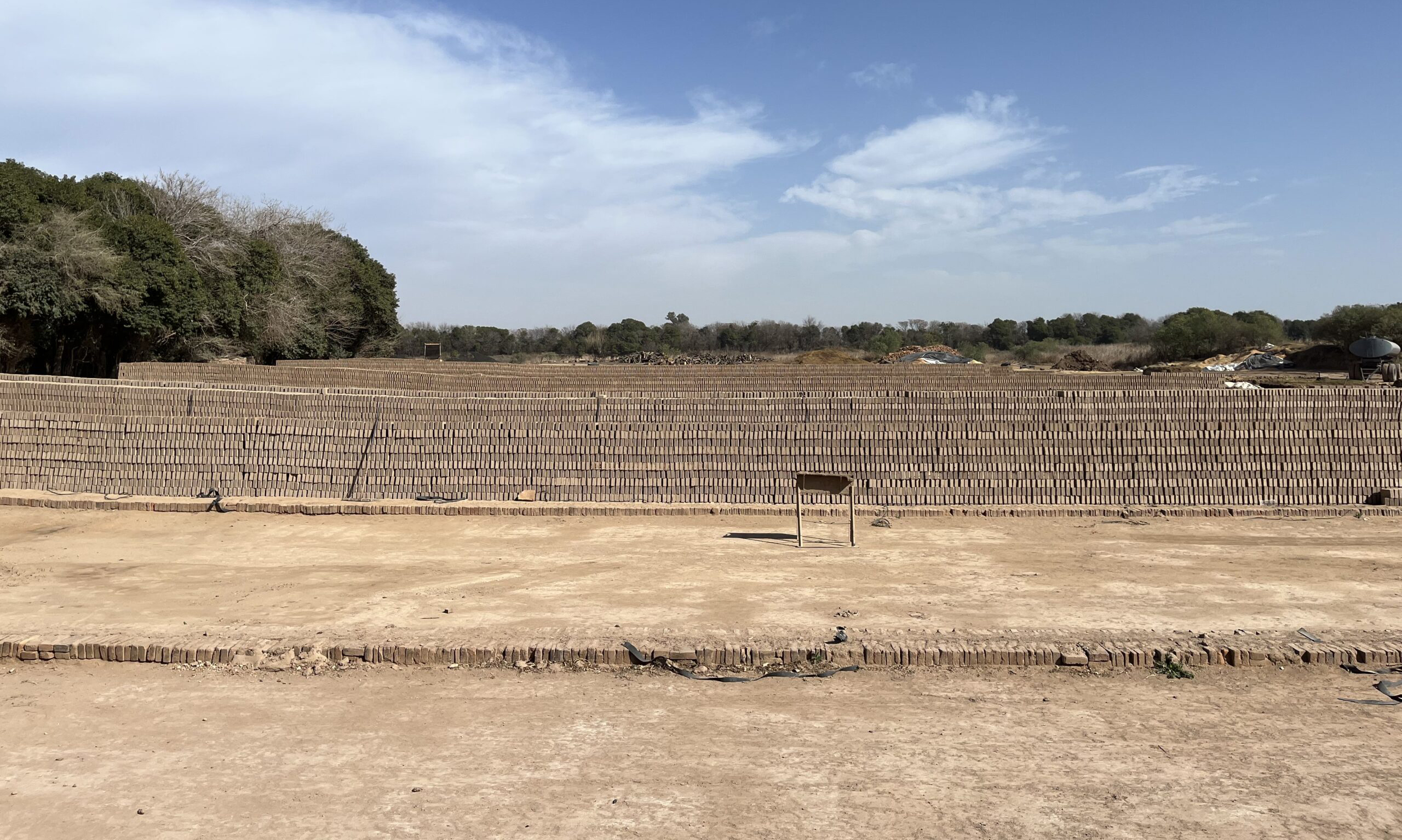
Their material philosophy, however, emerged from Córdoba, where brick production forms a visible part of the regional economy. “We understand territory as a complex place,” Balsa says. “It’s defined not only by materials but also by manual labor and local economies.”
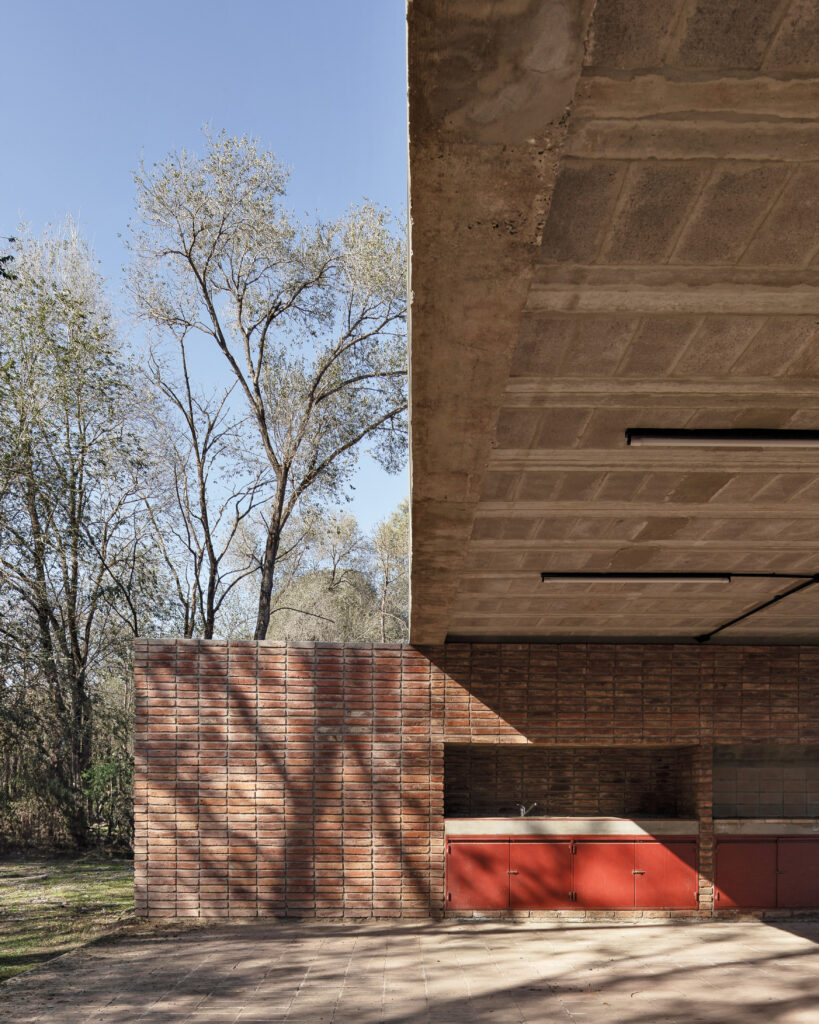
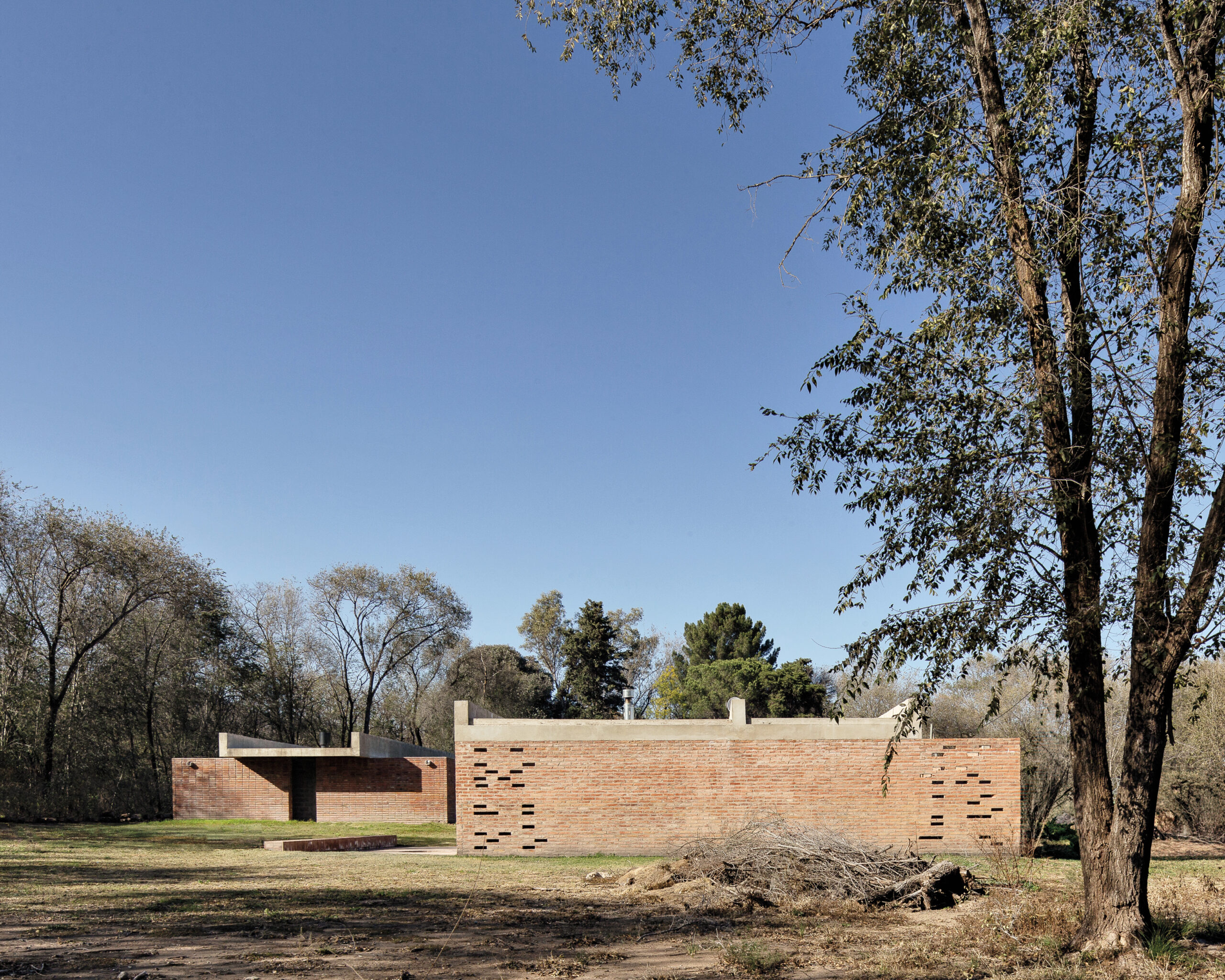
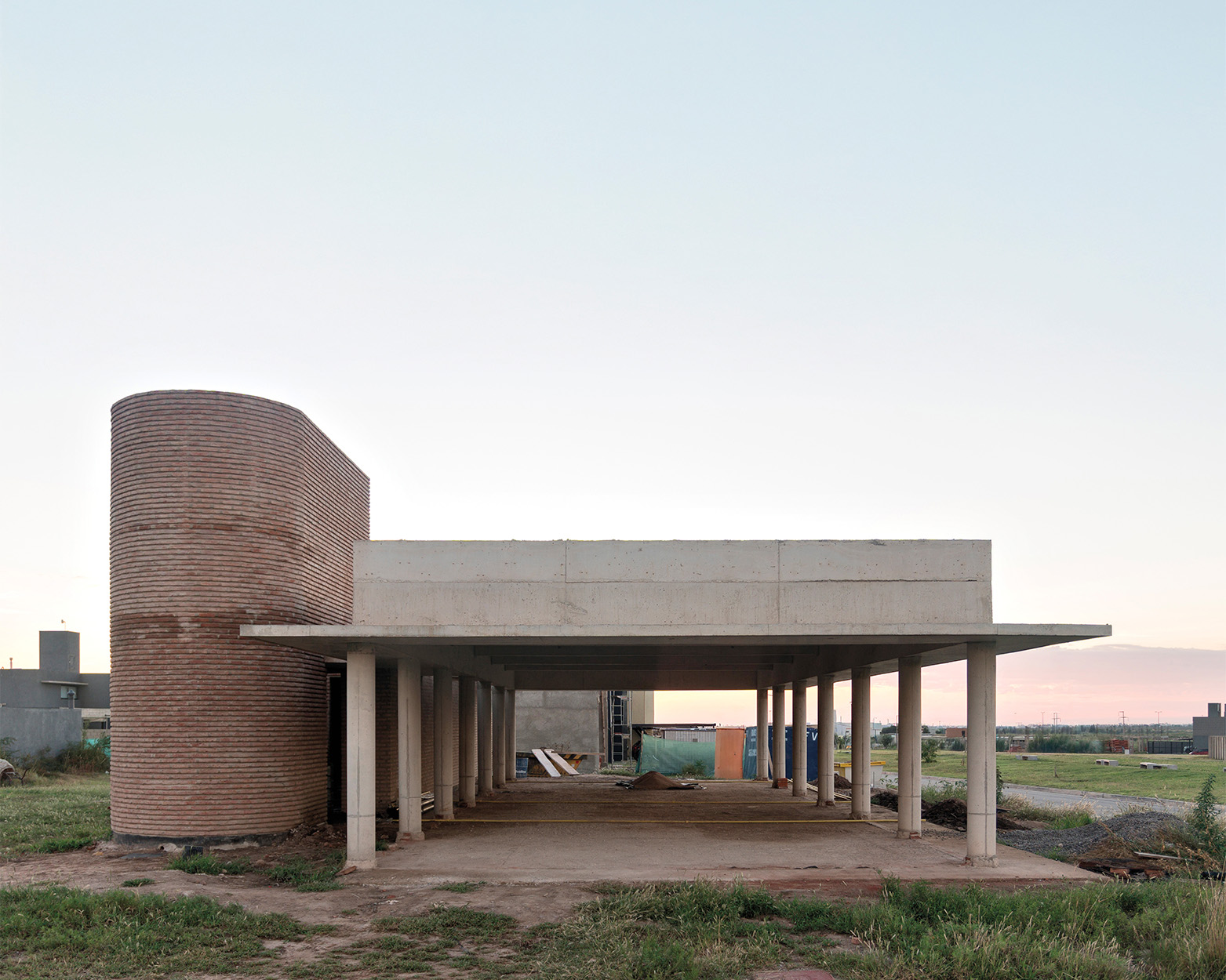
That ethos is visible in the Quincho pavilion, completed during the COVID-19 pandemic. Built almost entirely from a single construction drawing, the project used standard precast concrete beams and local brick assembled remotely by builders because the architects were unable to visit the site. “The builders already knew how to make it,” Piazzi says. “The project wasn’t about inventing a new system—it was about organizing what already existed in a more precise way.”
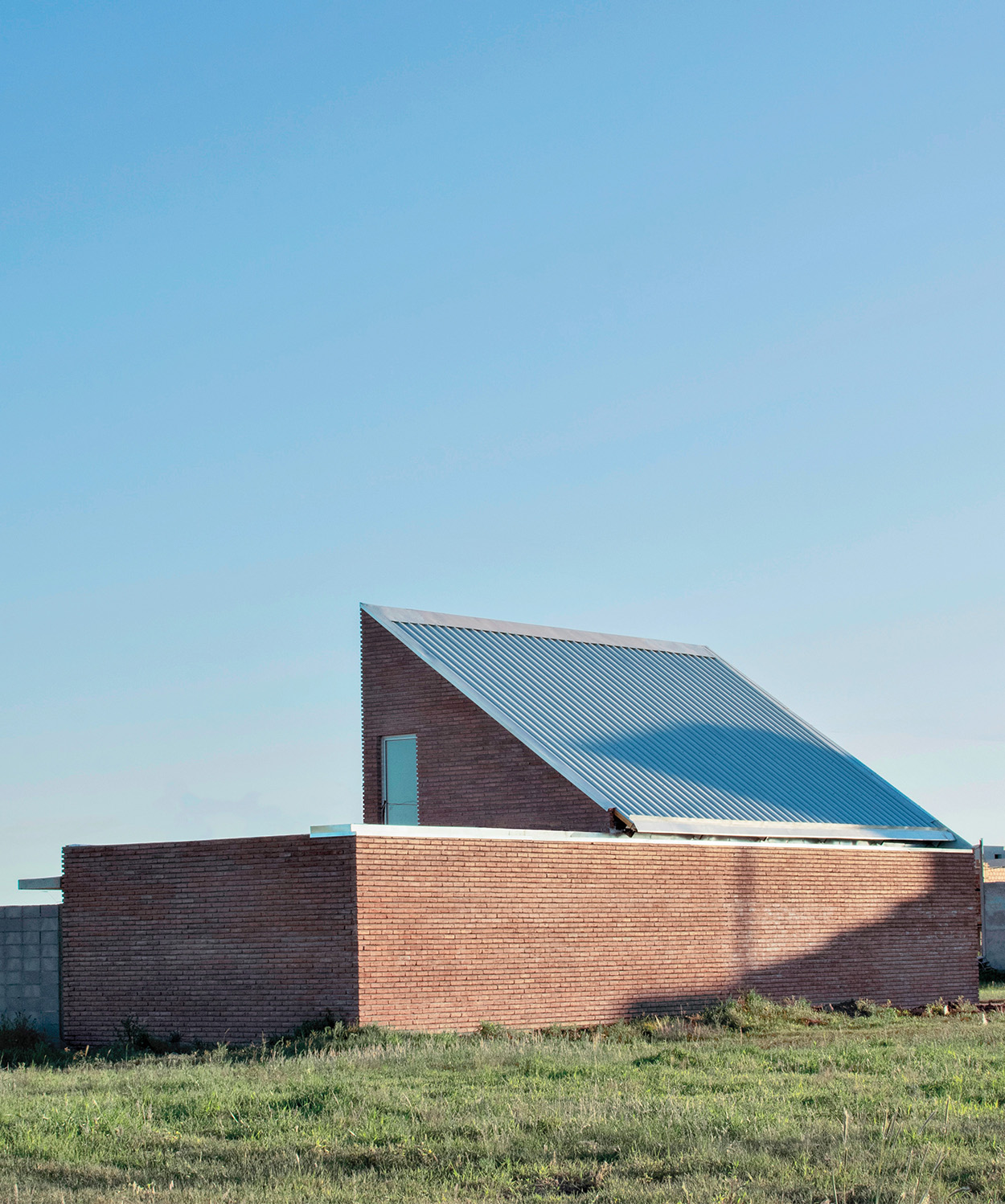
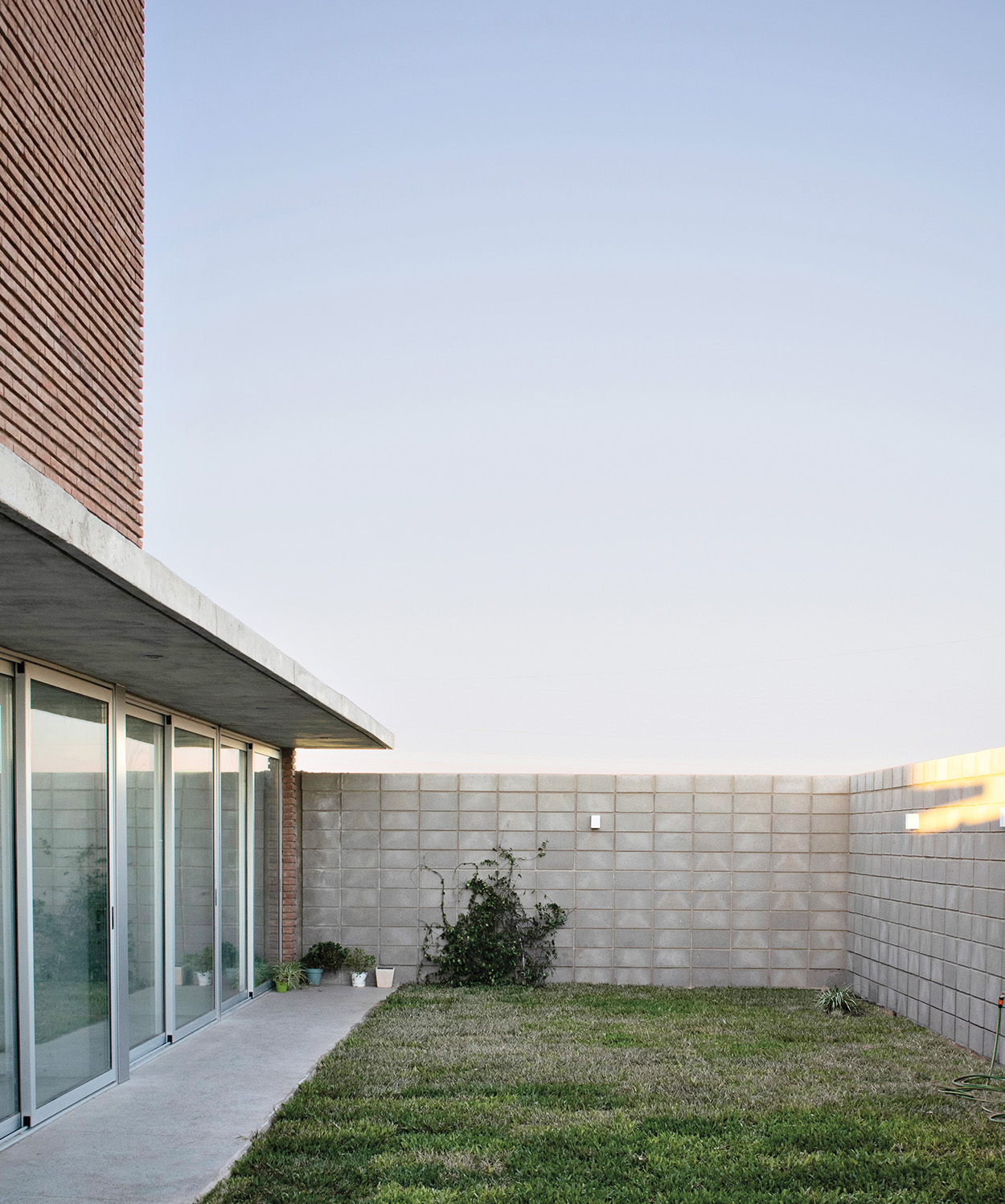
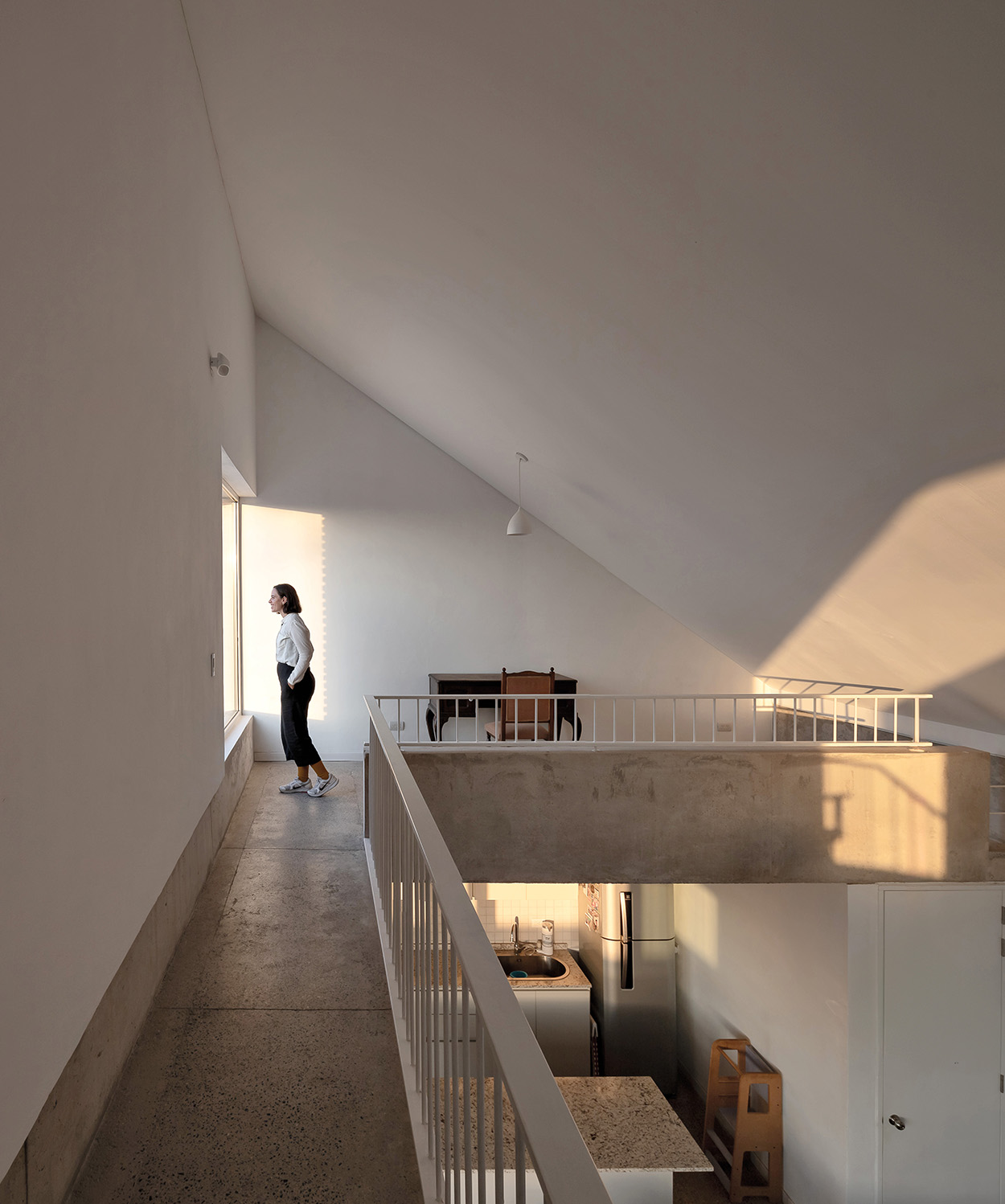
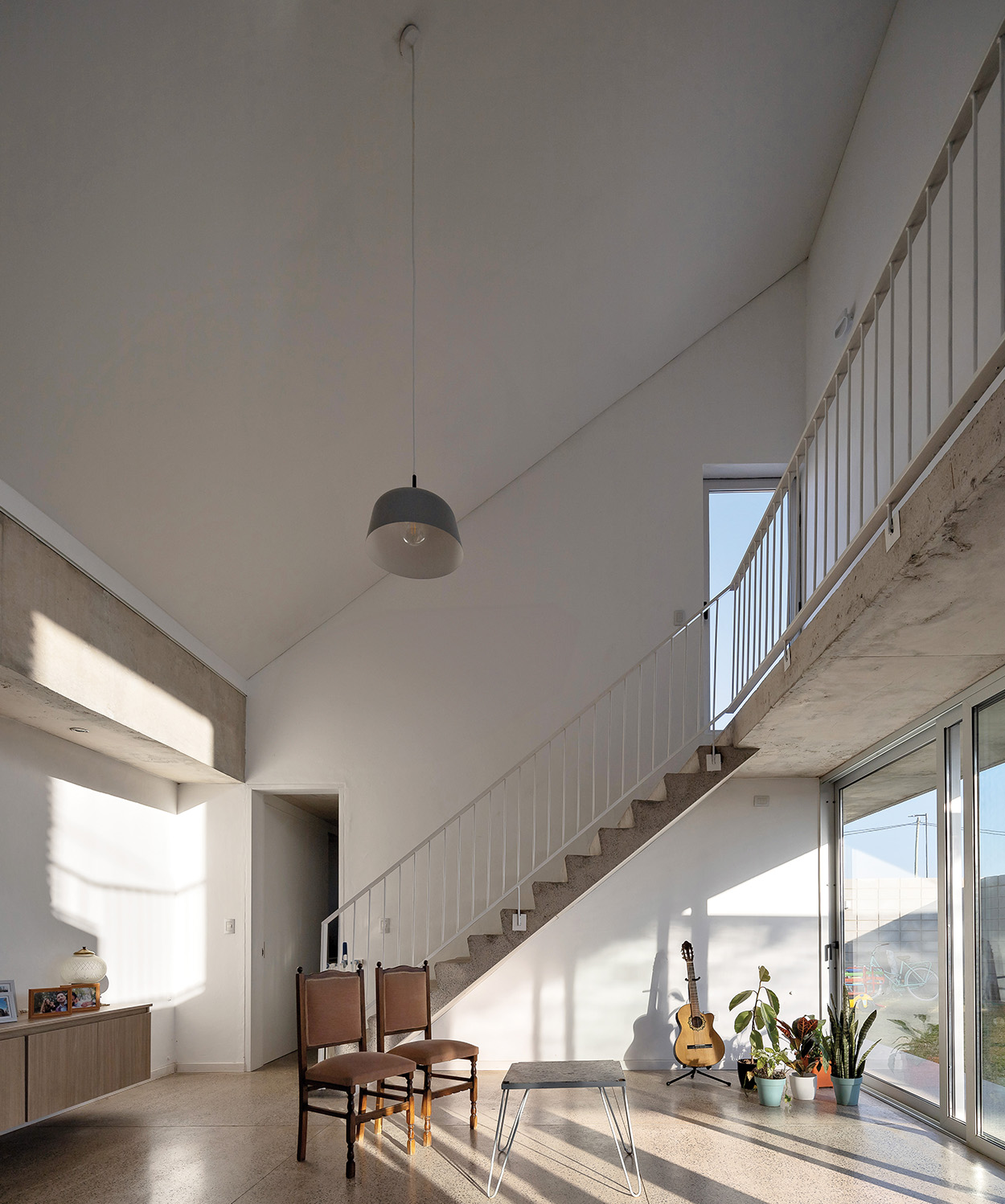
The same sensibility informed Casa Techo Inclinado, or House with the Sloped Roof. Built for a middle-class client with a constrained budget, the house transforms ordinary masonry construction into a sharply pitched roof that creates a dramatic interior volume while also simplifying water drainage and thermal performance.
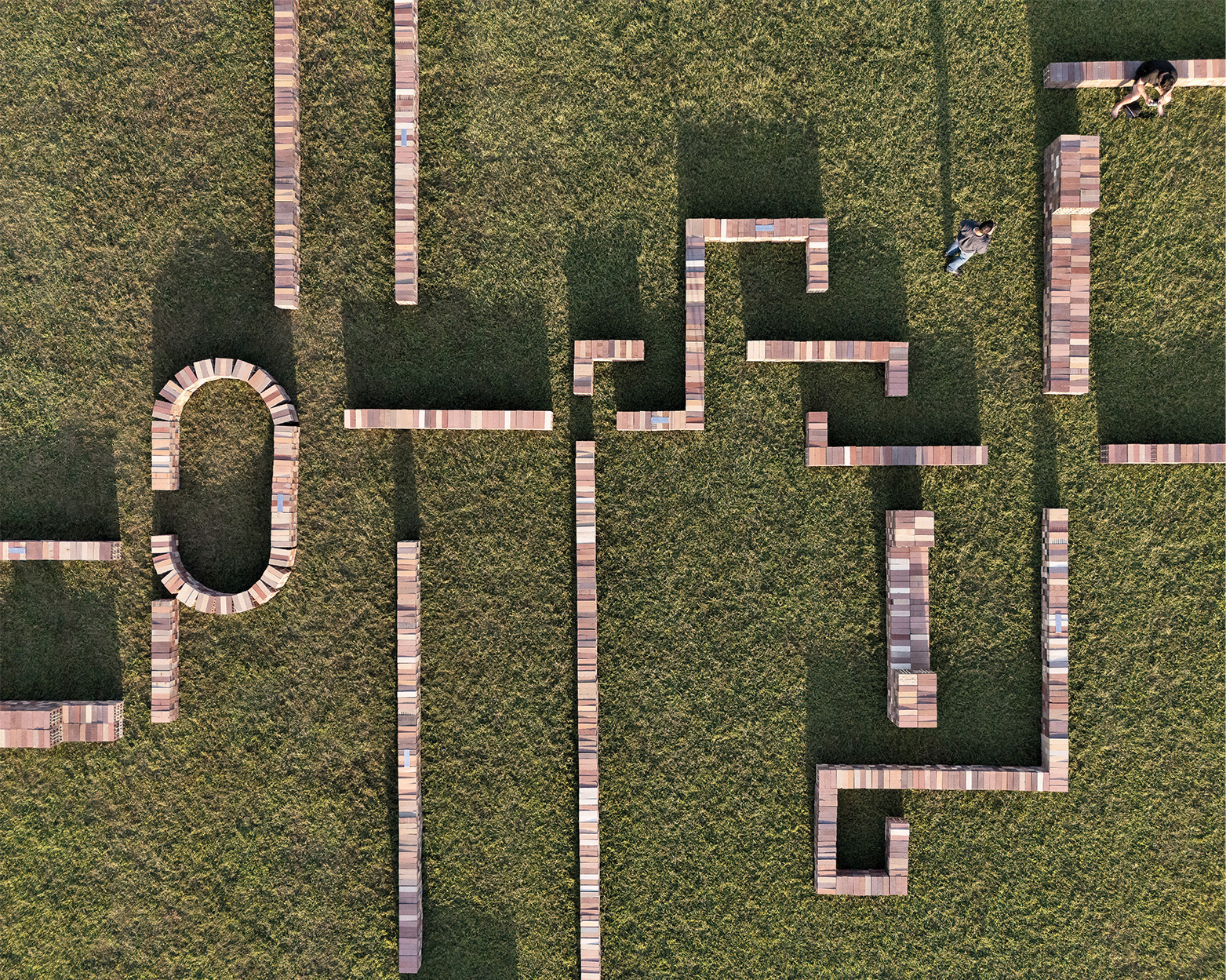
Local knowledge also informed installations at MIT and the Chicago Architecture Biennial last year, where the studio reused donated brick and existing construction materials rather than designing bespoke, fabricated elements.
“We look for what already exists,” Piazzi says, “and think about how to reorganize it. If a brick already exists in Chicago or Boston, why design a new component? The answer is already there.”
Their newest project in Córdoba continues that line of thinking. Currently under construction, the building combines a glazed pavilion with a thick brick service bar that will contain kitchens, bathrooms, and infrastructure. Exposed structural systems and unfinished surfaces reduce costs while emphasizing material presence.
Architecture of Permanence: STUDIO CADENA
For Benjamin Cadena, architecture begins with a bit of wonder and discomfort with the increasingly layered and overmediated systems that dominate contemporary construction. Working between New York and Bogotá, Colombia, Cadena has developed a practice that quietly resists the intricacy of building in favor of something more elemental.
“When I encounter all these very complicated details and layered armatures, I always start getting nervous,” Cadena admits.
Educated at the University of Pennsylvania and formed professionally through experiences in New York and Tokyo, the Colombian architect operates between radically different construction cultures. New York introduced him to adaptive reuse, legal complexity, and rigorous documentation, while Colombia offered immediacy, improvisation, and a freer relationship between architecture and climate.
“In Colombia,” he explains, “the simplified building conditions, in a way, allow you to think about other things.”
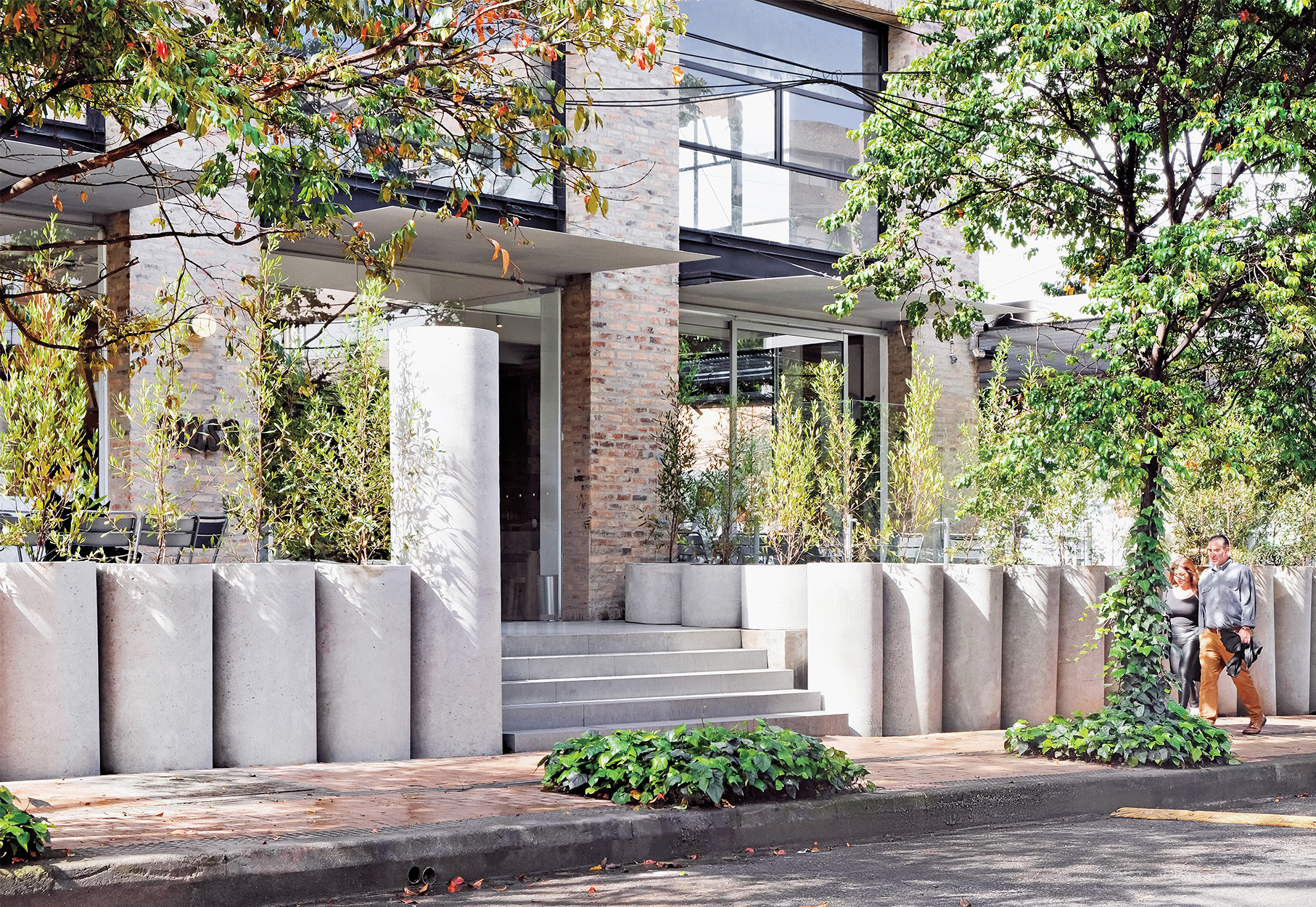
Those “other things” frequently revolve around urban relationships and budget constraints. Cadena’s breakthrough project, the restaurant Masa in Bogotá, was designed with limited funding and an intentionally restrained material palette. The restaurant relies on raw concrete walls and triangular windows, in line with Cadena’s reading of a more gestural design.
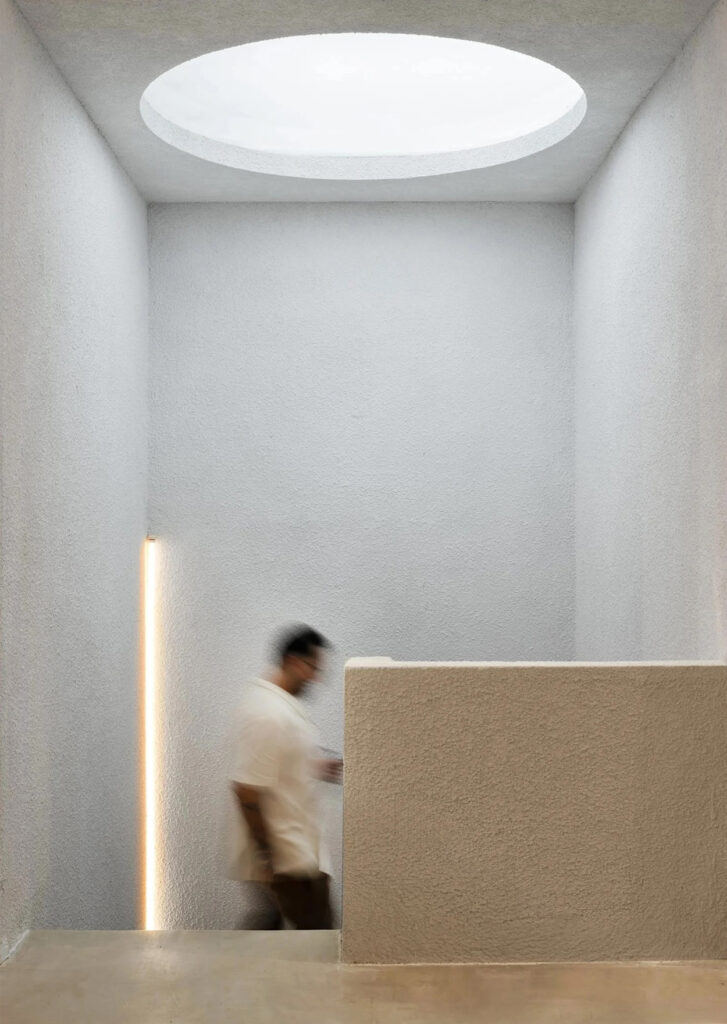
“So you have the lighting apertures, whether it be a skylight hitting a wall or these light catchers with color,” Cadena says. “The design is trying to do as much as you can with very few elements.”
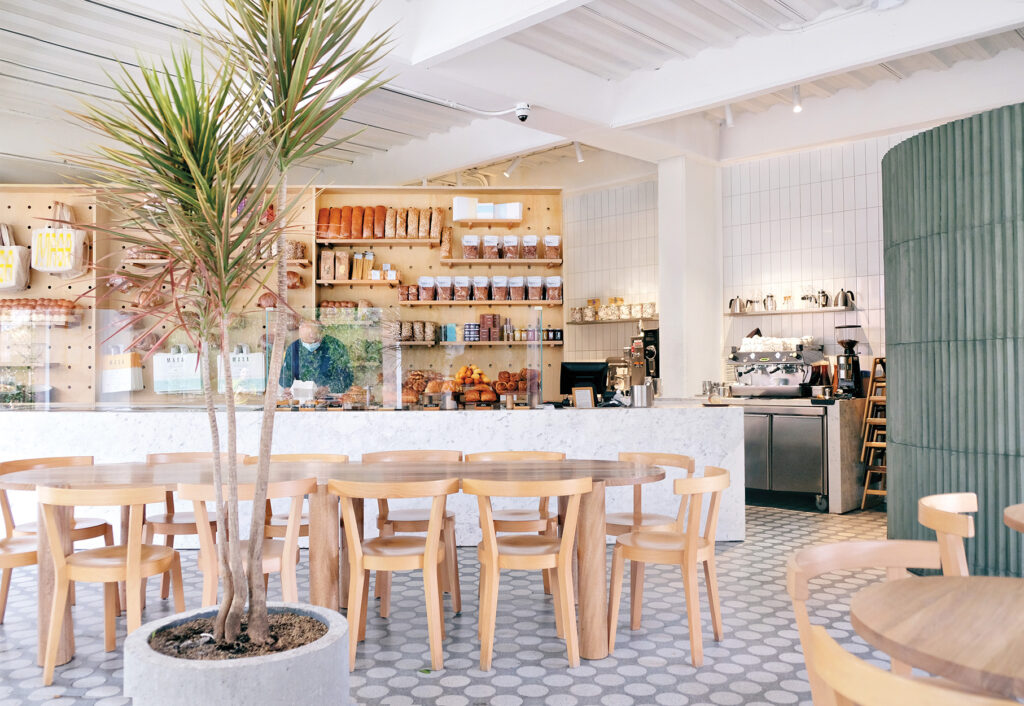
For the same client, Cafe Masa 70 extends beyond material austerity into a sophisticated interior, connecting terrazzo patterns and bespoke furniture while opening to the exterior. In Bogotá—a city historically shaped by inward-facing typologies rooted in colonial urbanism and reinforced by decades of security anxieties—the project proposes a more open civic posture, establishing a porous relationship with the public realm.
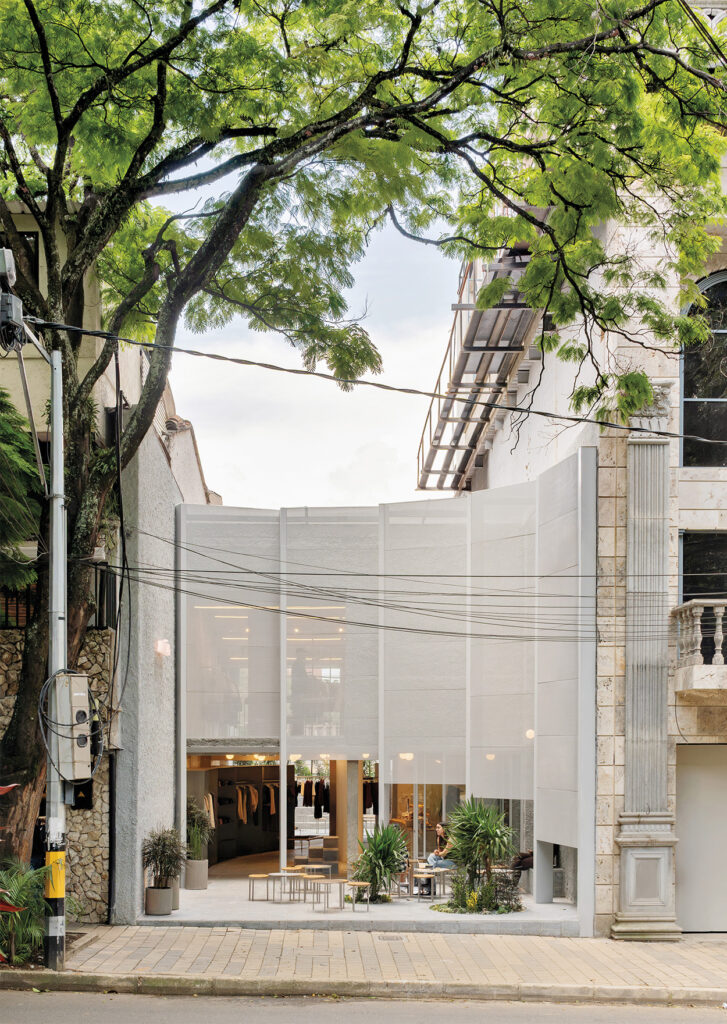
That same urban ambition reappears in Store With a Gap, a recently completed adaptive reuse project in Medellín, Colombia. Rather than demolishing an existing fragmented residential structure, Cadena selectively stripped and reworked it, preserving traces of the original building while inserting new spatial interventions. “The entrance, in a way, has its own way to relate back to the street,” Cadena explains. “It’s not necessarily an enclosure. It’s more like a soft enclosure.”
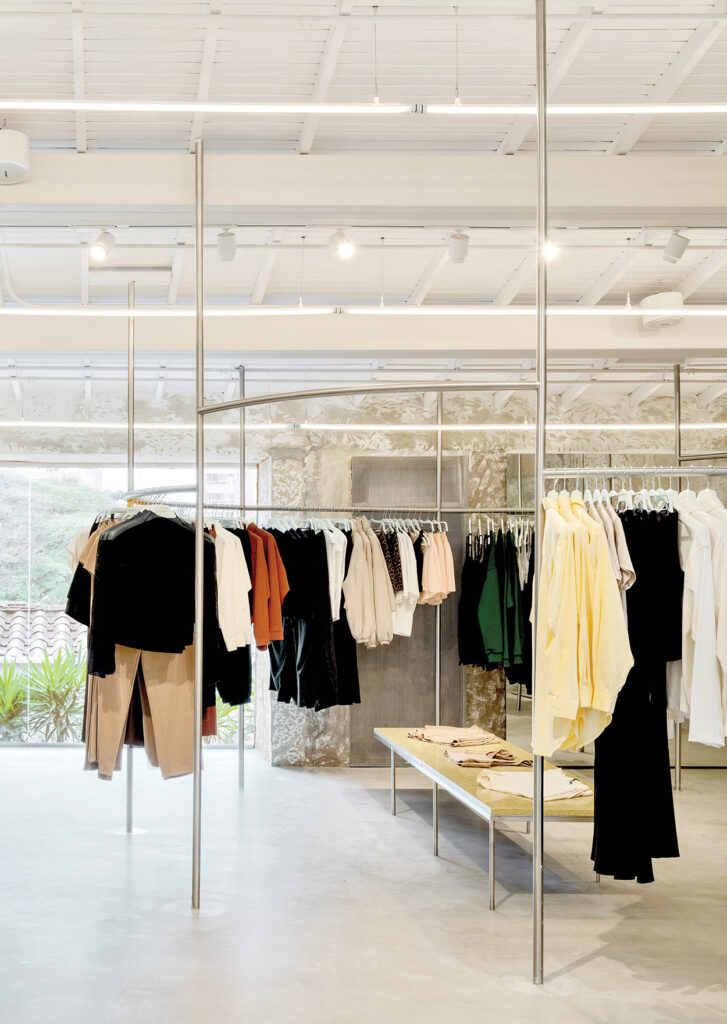
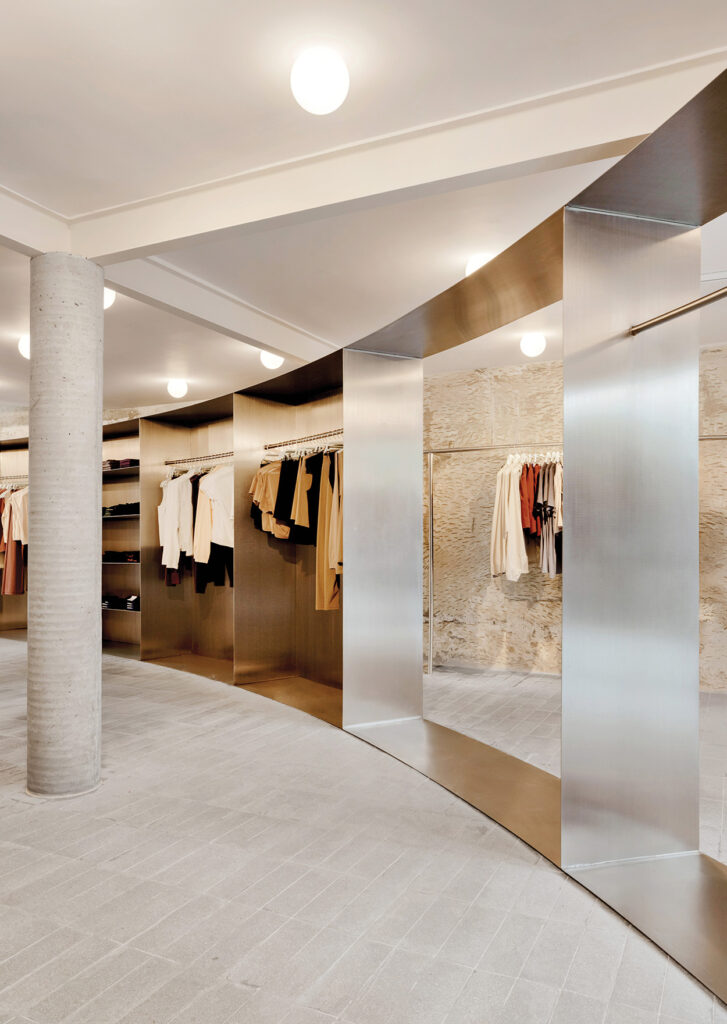
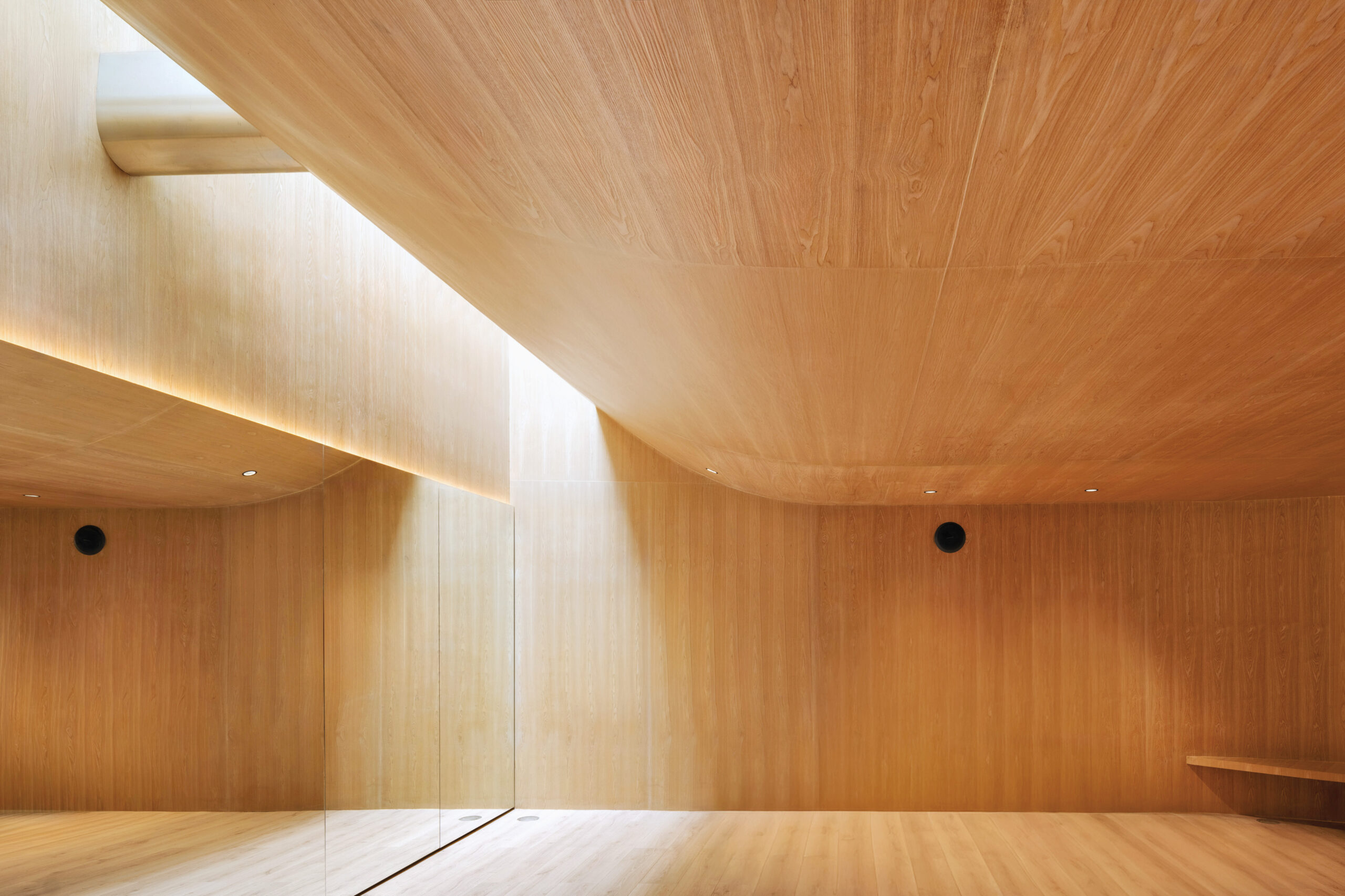
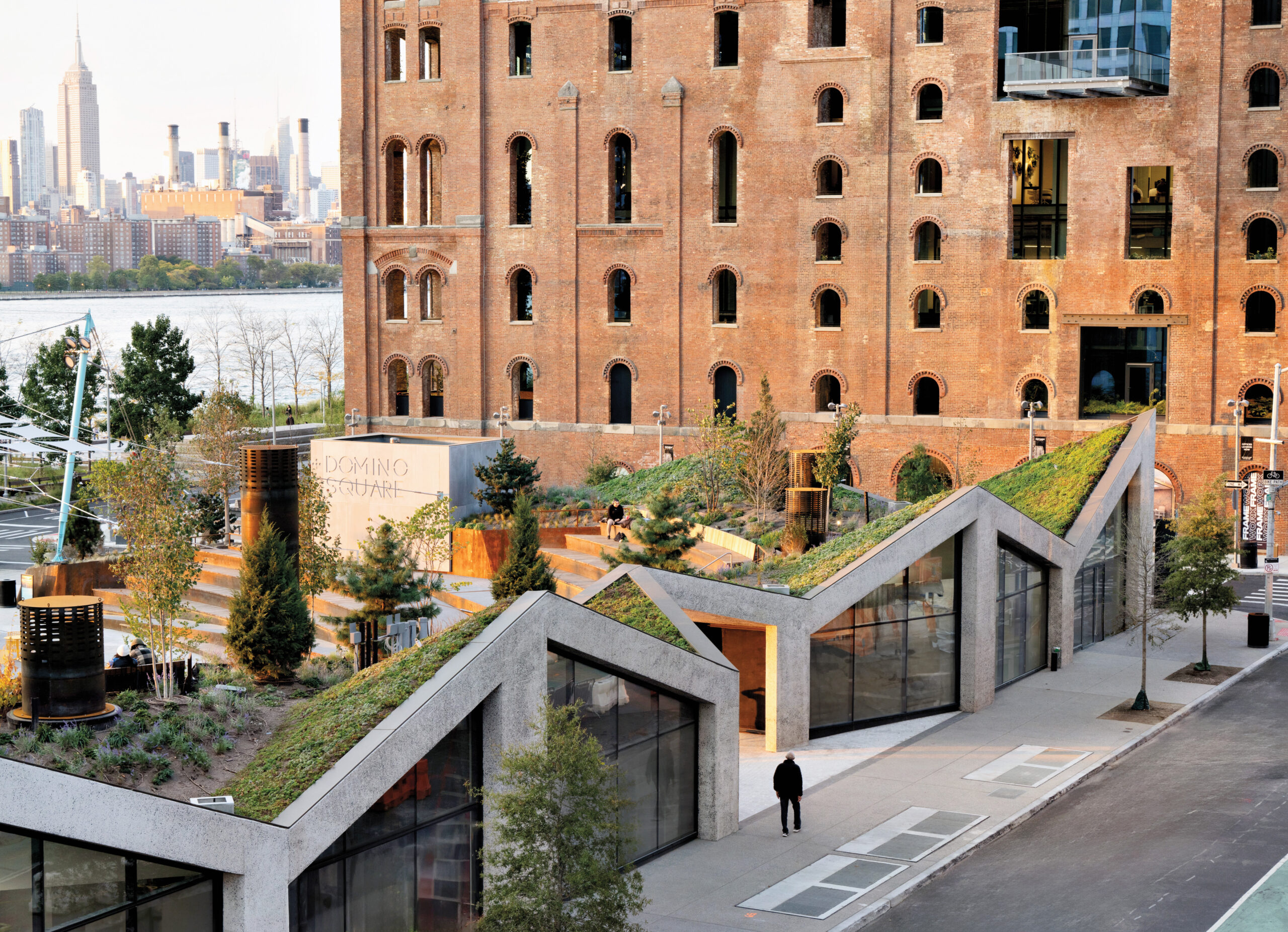
The studio’s work refuses to separate tectonics from urban ethics. At Domino Square in Brooklyn, for instance, Cadena designed a flood-resistant public structure using exposed concrete aggregate capable of withstanding saltwater, wind, and time. “I like to think that buildings are allowed to change with time,” he says. “Clients don’t like to think that their building is going to get old, but I hope they have a good aging process.”
That clarity may ultimately be Cadena’s most radical gesture. At a time when architecture increasingly oscillates between image production and technical overcomplication, his work insists instead on the enduring power of mass, openness, and urban legibility.
Material, Memory, and the Architecture of Territory: STUDIO ALA
Led by Armida Fernandez and Luis Enrique Flores, Estudio ALA has spent the last 14 years developing an approach to architecture as an embedded cultural act—one inseparable from the productive landscapes and communities that sustain it.
Though based in Guadalajara, Mexico, they have projects in the U.S. and Costa Rica, and for them, context is neither aesthetic nor symbolic. It is territorial, economic, political, and deeply human.
“Each project has been very different, which has helped us develop a humble attitude—learning to listen to and understand the place. Over time, we’ve realized that a good reading of context becomes the language of the project itself,” says Fernandez. “Recently, many of our projects have been in rural contexts, which prioritize adaptability, reuse, and openness differently than cities.”
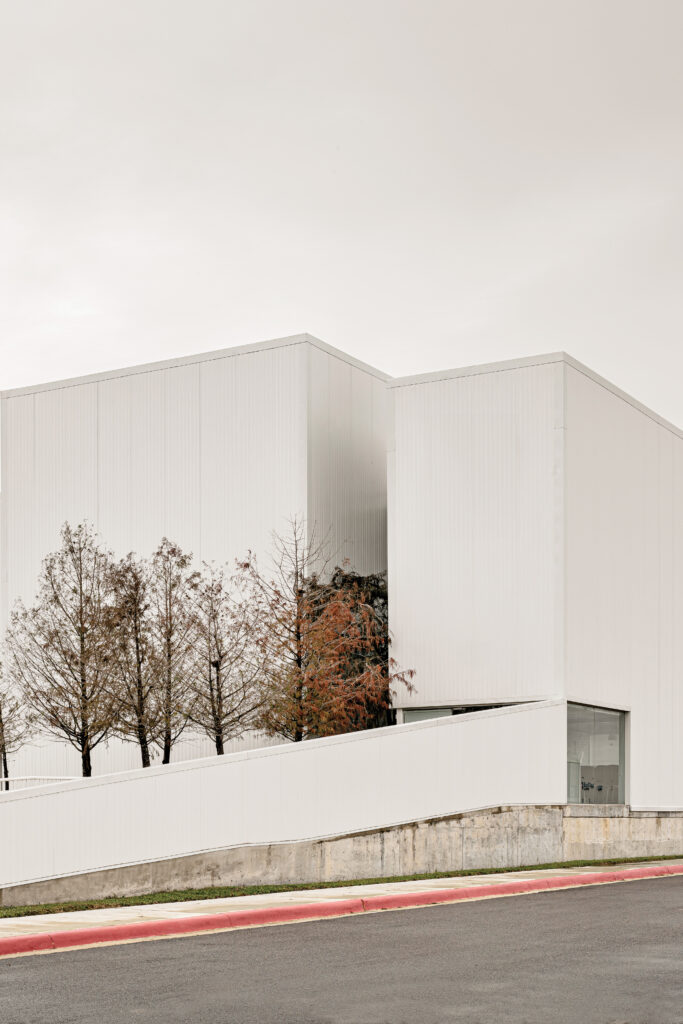
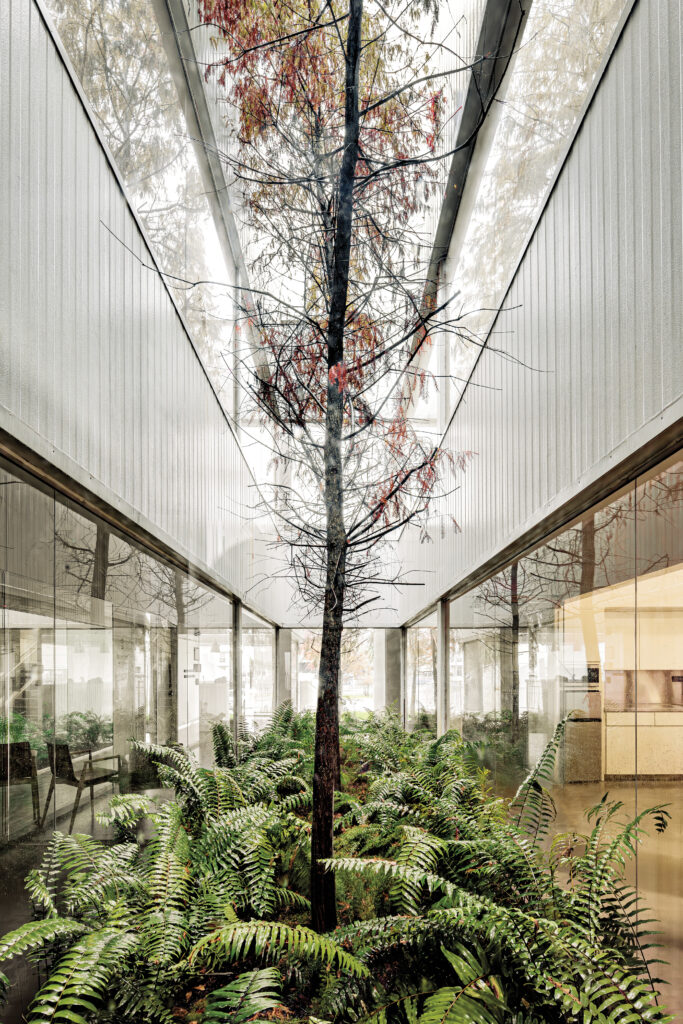
That adaptability, for example, became in a way political for the Bonanza Global Fresh distribution center in McAllen, Texas. Positioned within the vast logistical infrastructure connecting agricultural production in Mexico to consumption in the United States, the project challenged the rigid spatial hierarchies typical of industrial architecture. “Through design, we tried to democratize the space—creating shared areas while still respecting operational needs.”
Their research on material flows in the area informed the project’s signature strategy: refusing to conceal the insulated metal multipanel system used throughout the refrigerated facility’s facade. Estudio ALA instead exposed the material across the entire project.
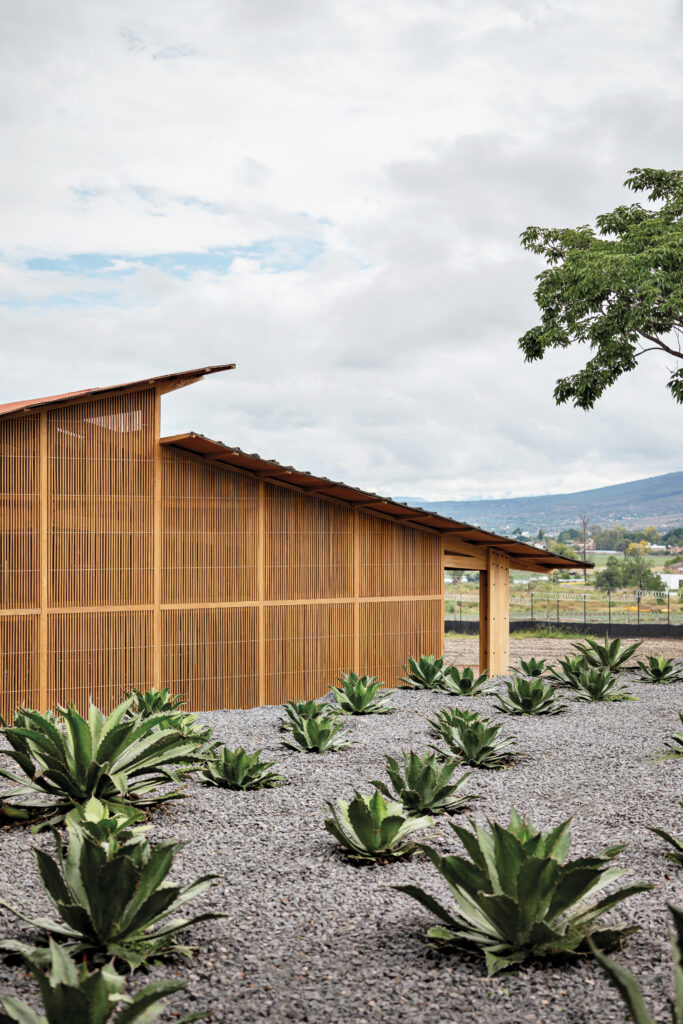
Estudio ALA’s understanding of construction as an accumulation of local knowledge is visible in the design of corporate offices for an agave and mezcal company in Guadalajara, Oficinas PSA. Instead of reproducing the sterile language of global corporate interiors, Estudio ALA introduced volcanic stone flooring and vernacular construction techniques directly into the workspace.
Working with a local builder, the architects developed wall finishes using straw-clay stucco mixed with agave bagasse and horse manure. The resulting interiors aim to collapse distinctions between rural production and corporate culture.
That same blurring of scales and context appears in the studio’s Mezcal Production Palenque in Michoacán, where Estudio ALA studied artisanal distillation sites as living spatial systems to be learned. They analyzed how domesticity, labor, and infrastructure coexist within rural mezcal culture.
“In those small distilleries you find the whole family there,” Flores says. “Food is being prepared, there are guests, domestic animals around you—it’s an intergenerational matter.”
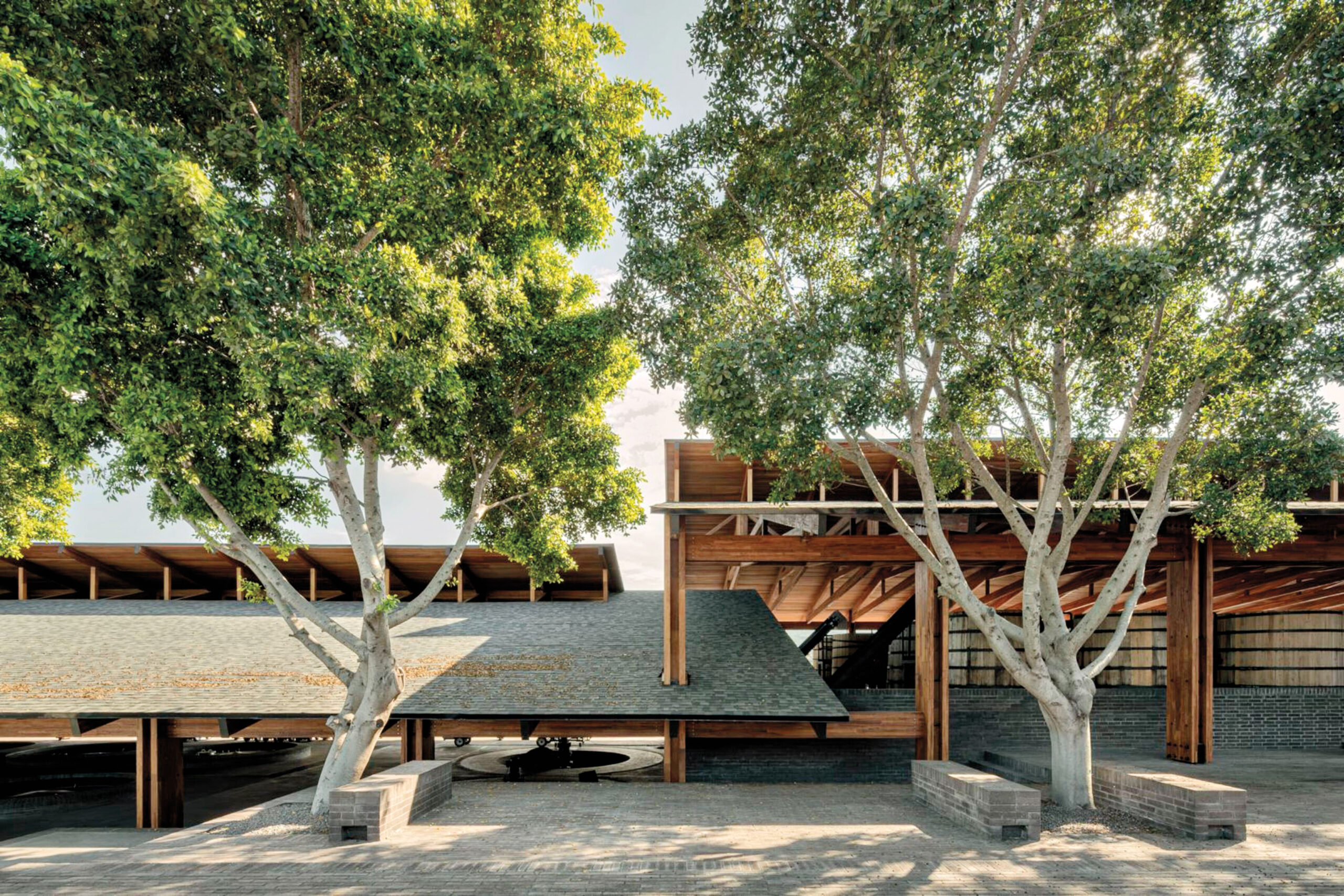
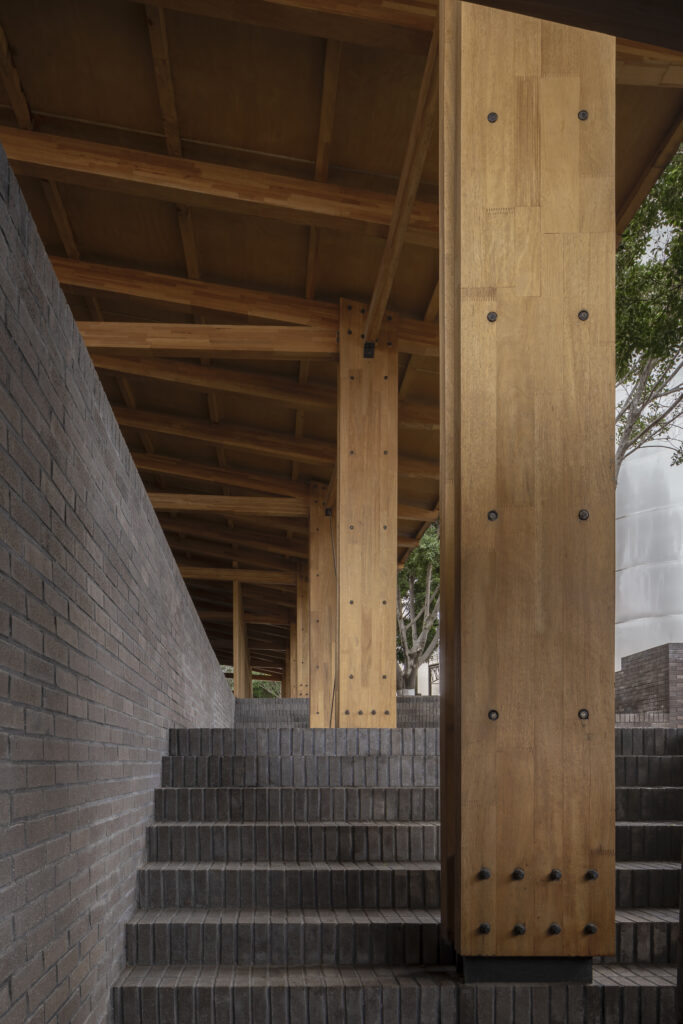
This sensitivity toward human and ecological networks extends into the studio’s emerging use of mass timber and wood. In Casa Hermosa, a house in Costa Rica, the remote tropical landscape made prefabricated mass timber a great choice, and, ironically, in the same way, it rendered mass timber ideal for a new public urban pavilion in San Pablo plaza, a busy urban intersection in Guadalajara.
“There are places where accessibility makes everything extremely expensive,” Flores notes. “So we’re interested in looking for other solutions where the economy pushes us into restrictions, and those restrictions frame the design.”
Would you like to comment on this article? Send your thoughts to: [email protected]
Latest
Viewpoints
Detroit Month of Design: A City’s Work in Progress
Now in its 16th year, the celebration offers insights into the Motor City’s ongoing accomplishments without glossing over its hurdles.
Projects
How a Hybrid Building Helped an Historic Manhattan Congregation Remain in Place
On Billionaire’s Row, FX Collaborative designed a new home for Calvary Baptist Church combined with an office tower.