



February 19, 2026
Tuckey Design Studio Is Rooted in Reuse

Tuckey and his colleagues turned to unstabilized rammed earth as the answer after realizing that it is essentially made of “water, clay and gravel,” and sometimes other aggregates. With plenty of clay available “literally underneath our feet,” and the former brickworks providing plenty of crushed brick and concrete aggregate once demolished, most of the ingredients for this circular “construction cake mix” were right there for the taking.
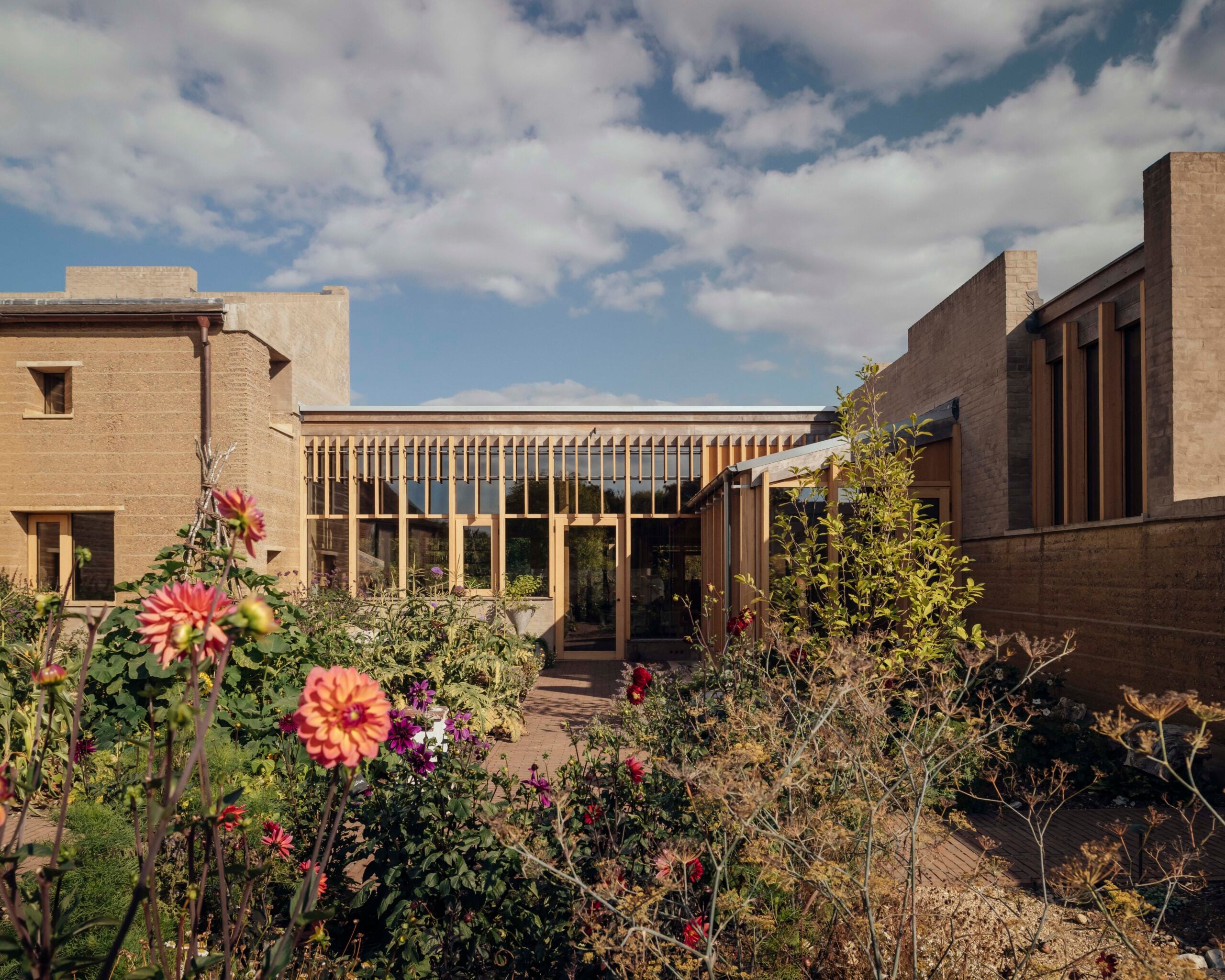
The resulting Rammed Earth House is a textured, quietly alluring domestic complex, embellished with traditional materials that grow more beautiful with time, such as cedar shingles for the roofing, copper for the drainpipes, and reclaimed greenheart timber for the colonnades. The process of making it was undeniably labor intensive, says Tuckey. First the existing buildings had to be demolished, the clay had to be excavated, and the waste sorted into piles, “effectively turning the site into a quarry.”
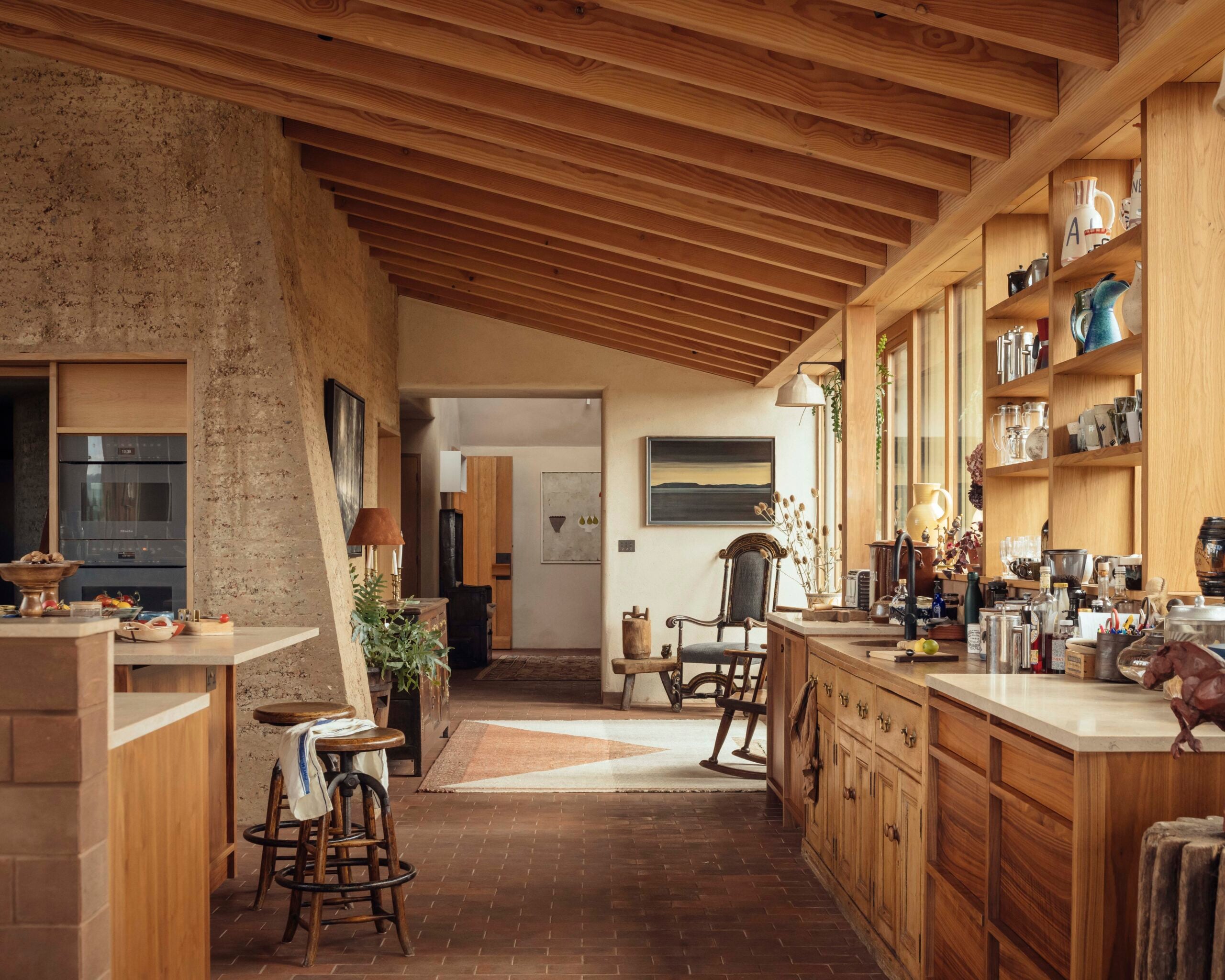

Then there was the task of working out the optimal building material composition—a 25/25/25/25 ratio of clay, demolition aggregate (formed of crushed brick and concrete), locally sourced limestone gravel, and water. Finally, local contractors had to be brought up to speed in the basics of building with the material and spent several months testing small portions of the walls. “If it wasn’t strong enough they would knock it down and make another one,” says Tuckey. The definitive walls were painstakingly constructed layer by layer, with the rammed earth manually compressed by the builders.
Once the studio had completed this project in mid-2024, they got a taste for the material. As did the contractor they worked with, Stonewood Builders. “[We] are setting up a rammed earth factory that makes prefabricated rammed earth panels,” says Tuckey, noting that the material actually has the potential to save time and construction costs. “By using standardized panels that can be dropped into position on site, construction can happen quickly and not be so weather dependent,” explains Tuckey. “What’s more, since you get paid for taking construction waste away, we wouldn’t just be getting free materials but actually making money by using them.” The team’s first project will be a set of six terraced houses on a suburban site in Wiltshire or Gloucestershire, for which they are in the very early stages. The idea is to “get them down to a cost that is close to affordable housing.”


There are other new build projects in the works too, some of them also experimenting with recycled materials. The studio is currently working on a homestead with four residences and communal facilities such as a spa, sauna, and family dining room and is also at work on a new home in Surrey, England made of timber, hempcrete, and a lime concrete. Recently the studio finished a residential interiors project in Yorkshire, which involved reconfiguring the home’s layout as well as creating bespoke joinery, furniture, and murals.
The studio has also developed an ongoing stream of work reconciling buildings for hospitality, but with a twist. “In the last ten years our work has represented a [mindset] shift where people are travelling to places they have never heard about or that are remote,” says Tuckey. “Partly it’s come about as a result of entrepreneurial people spotting cheap buildings, having a vision and recognizing that there’s a community that will follow them.”
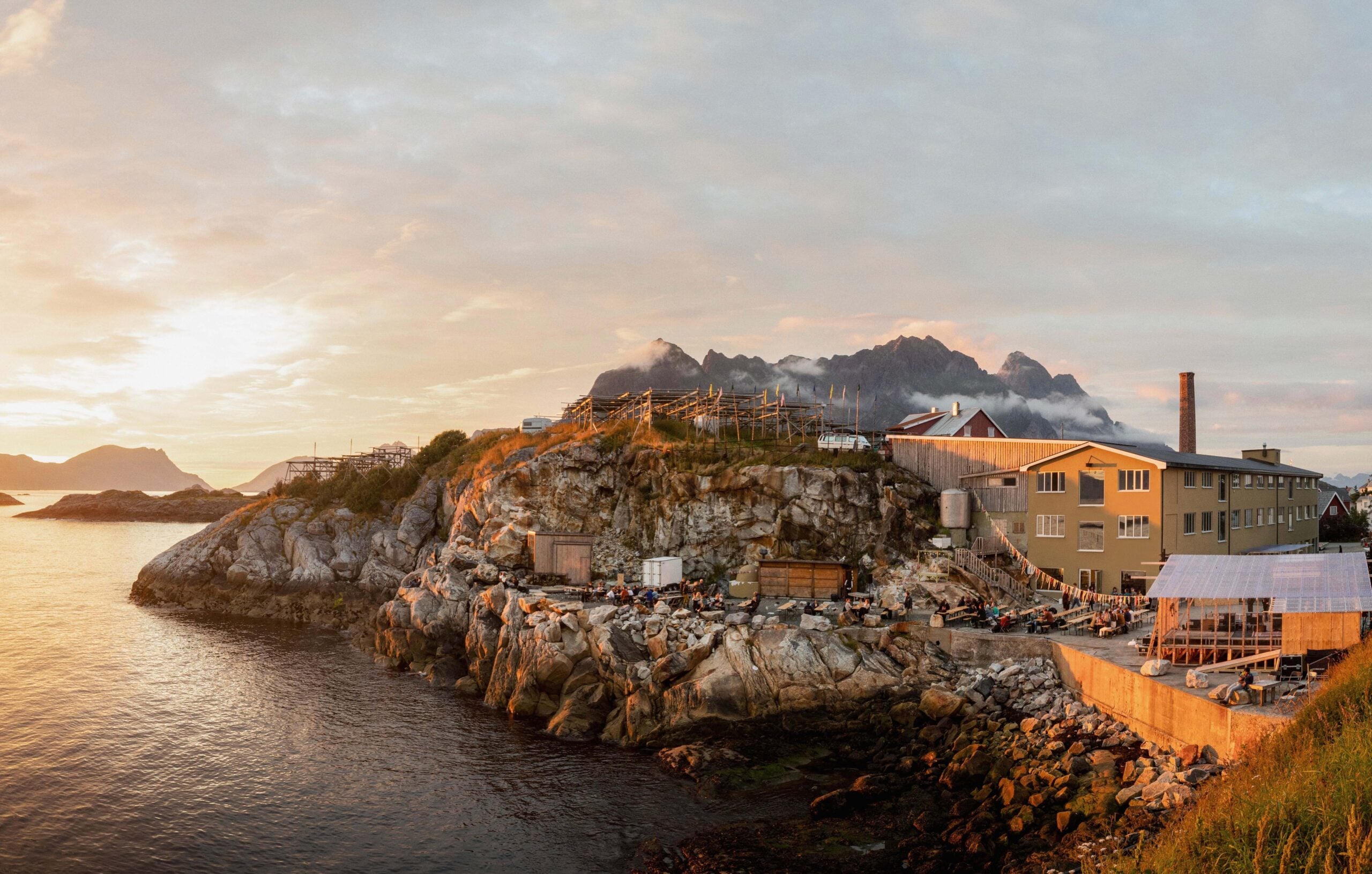
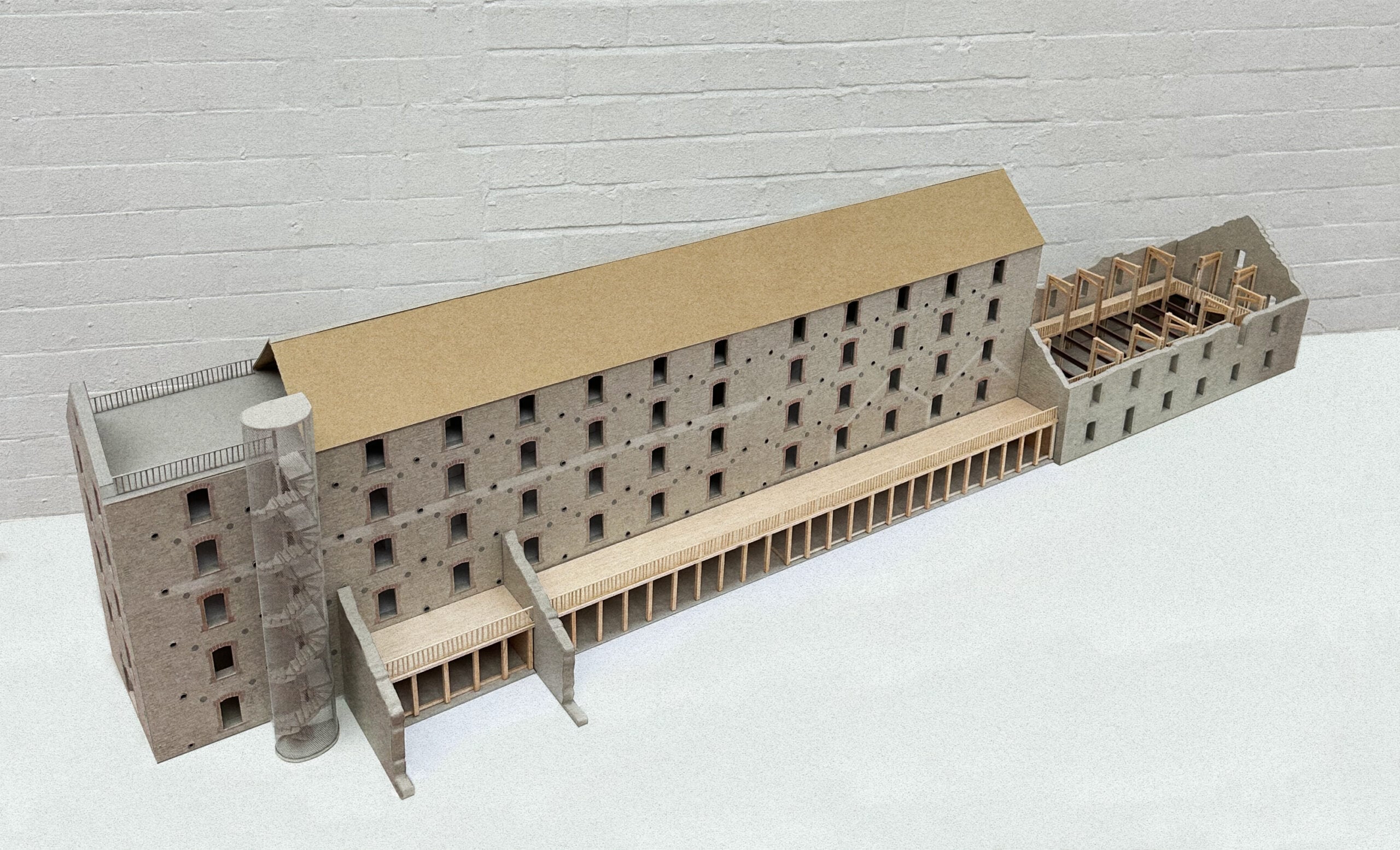
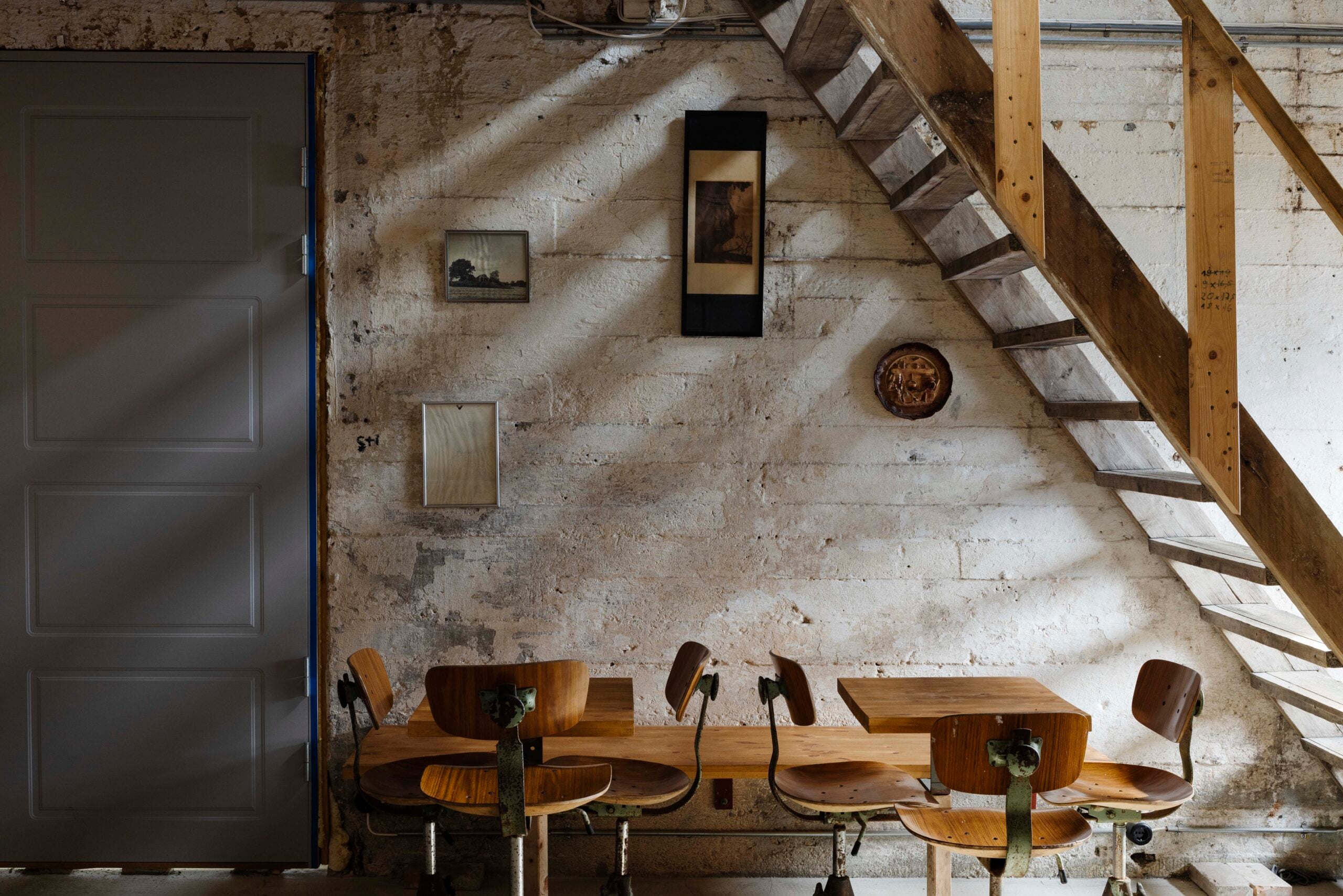
One such spot is Trevarefabrikken on an island in northern Norway, a project that started when a group of friends bought a former cod liver oil factory back in 2014. With Tuckey Design’s help, they transformed it into a 20-plus room hotel and arts destination. In a similar vein, the studio is currently renovating a former tannery in southern Belgium into an eco-retreat and cultural hub and leading the conversion of a grand Georgian farmhouse in the northernmost tip of Scotland into a hotel and restaurant. Finally, the remodeling of an existing ruin in Piedmont, northern Italy into a cork-clad wellness retreat is due for completion later this year.
One thing is certain, there is no risk of Tuckey Design Studio being typecast. For Tuckey, the studio will always be more interested in “how people use buildings and why the buildings are the way they are” than in chasing or following a specific style or trends. And the layered, finely detailed results are all the better for it.
Would you like to comment on this article? Send your thoughts to: [email protected]
Latest
Viewpoints
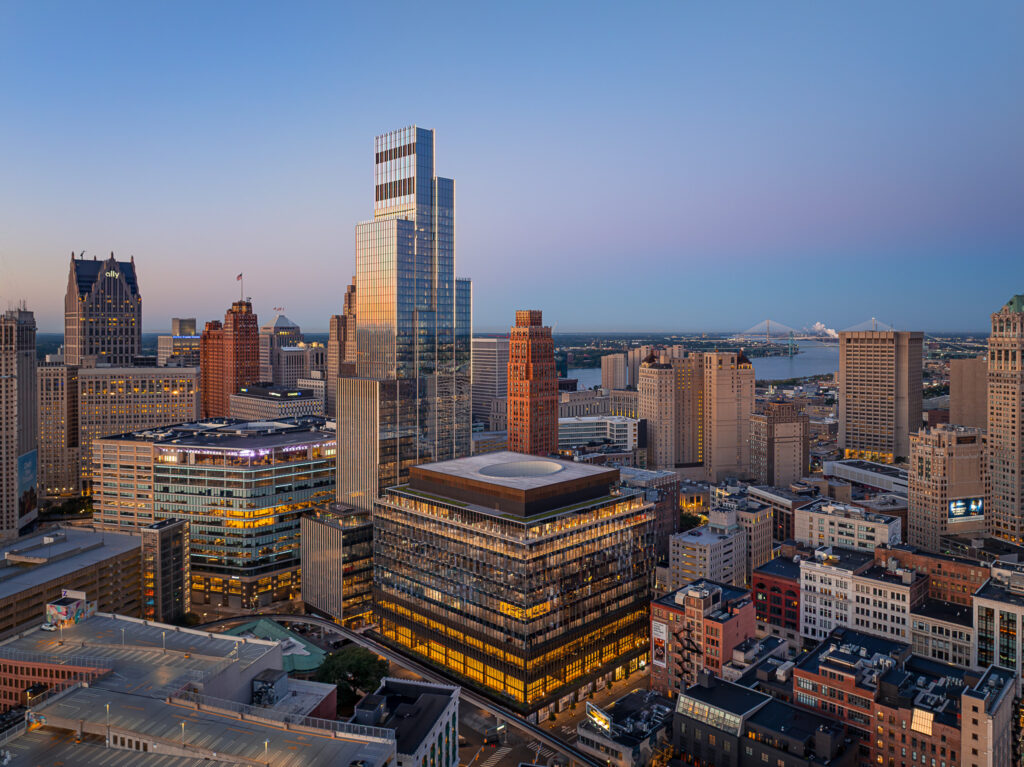
Detroit Month of Design: A City’s Work in Progress
Now in its 16th year, the celebration offers insights into the Motor City’s ongoing accomplishments without glossing over its hurdles.
Projects
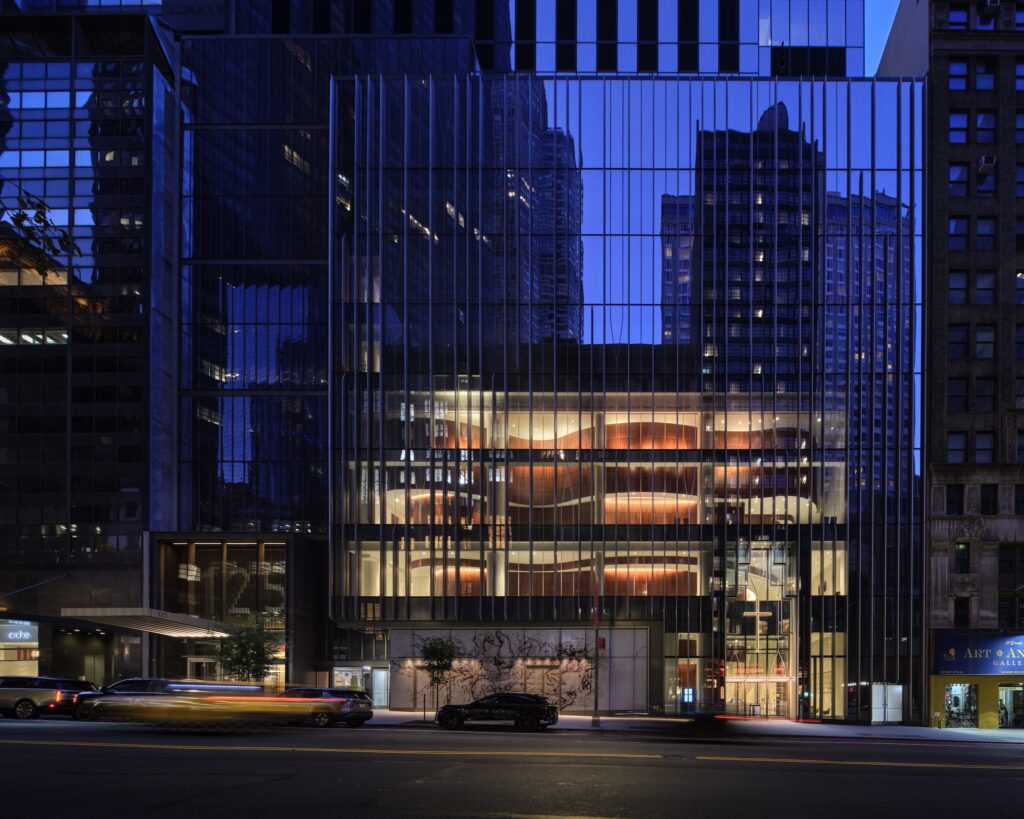
How a Hybrid Building Helped an Historic Manhattan Congregation Remain in Place
On Billionaire’s Row, FX Collaborative designed a new home for Calvary Baptist Church combined with an office tower.