


November 9, 2026
Designtex Celebrates the Beauty of Nature’s Details
For most of human history, our species has lived in harmony with the natural world. It’s no wonder that we respond intuitively to the dappled light of a forest floor, the rust-colored leaves that carpet the ground in autumn, or the kaleidoscopic patterns and raw textures of nature. These sensory cues trigger mental and physical responses—lowering stress, regulating mood, and improving overall well-being.
With over a decade of research into well-being in the built environment, Designtex brings these biophilic design principles into the heart of its design decisions—informing how new ideas take shape, how daily work gets done, and the creative partners they bring in.
“Biophilia is where our design process begins, not a finishing touch,” states Sara Balderi, executive director, Designtex. “When we develop a new collection, we start by asking what people will experience in a space—stress, focus, the need to recover—and how nature-informed cues can support them. That shapes our color, which draws on natural hues that calm or restore focus; our patterns, which come from how nature organizes itself rather than literal imagery; and our textures, because what people touch matters as much as what they see.”
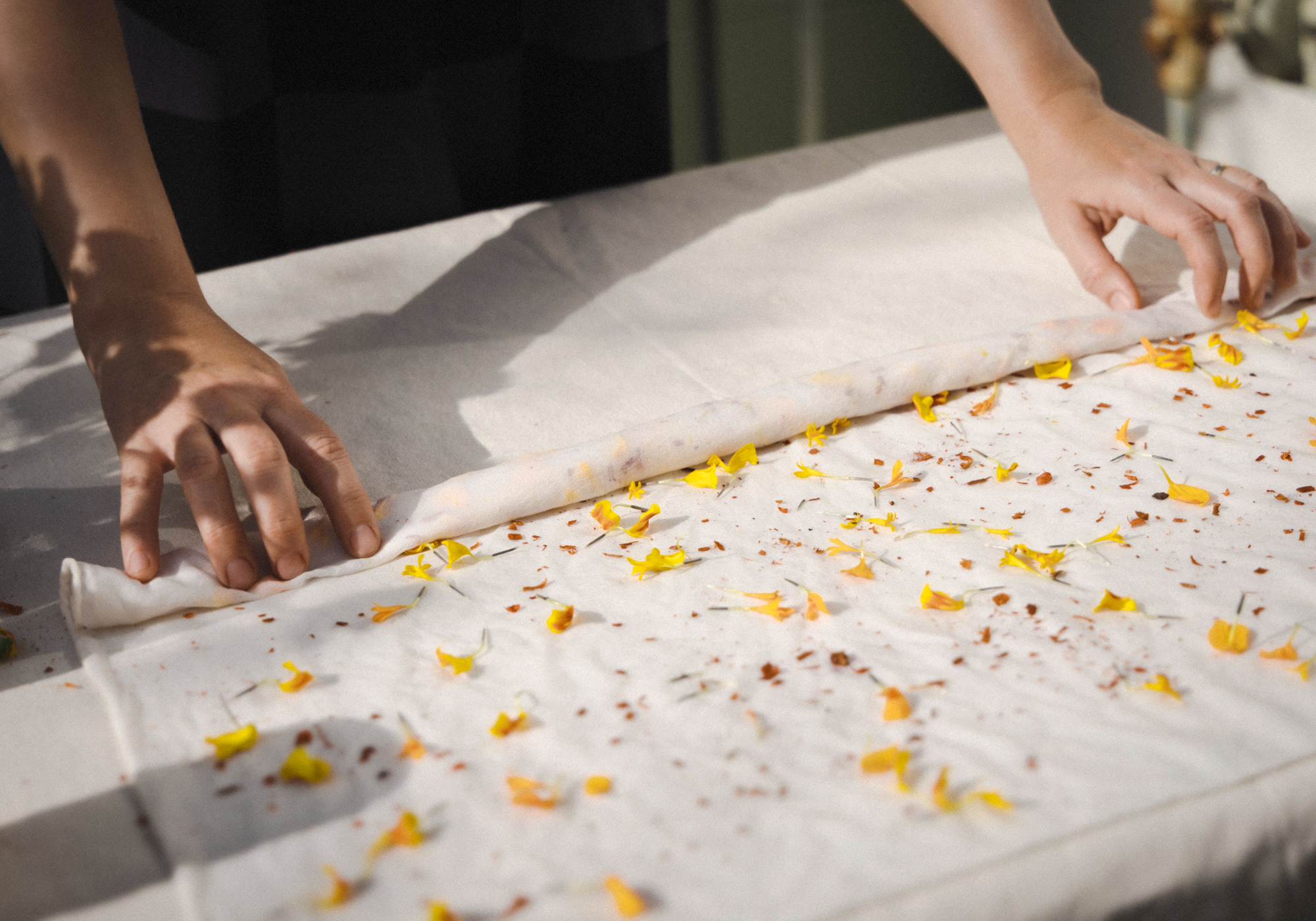
Designed in collaboration with Tokyo-born, Los Angeles–based artist and designer Alisa Benfey, Designtex’s latest wallcovering and upholstery collection, Slow Color, explores the idea: Can color and pattern have universal appeal? Drawing on Kusaki-zome, the Japanese art of seasonal botanical dyeing, Benfey develops distinctive patterns and hues through hands-on techniques such as Shibori, steam dyeing, and pounding plants directly onto fabric, using natural materials found around her Los Angeles home, including flowers, fallen leaves, kitchen scraps, and locally grown vegetables. The resulting designs are true to nature and intimately linked to the organic environment of Los Angeles and the handmade techniques of Japan.
“I grew up in Japan where celebrating the seasons is embedded in the culture,” Benfey explains. “That is a big part of how I design things. It shaped me and my color sensibility. I appreciate nature and want to bring it into the built environment.”
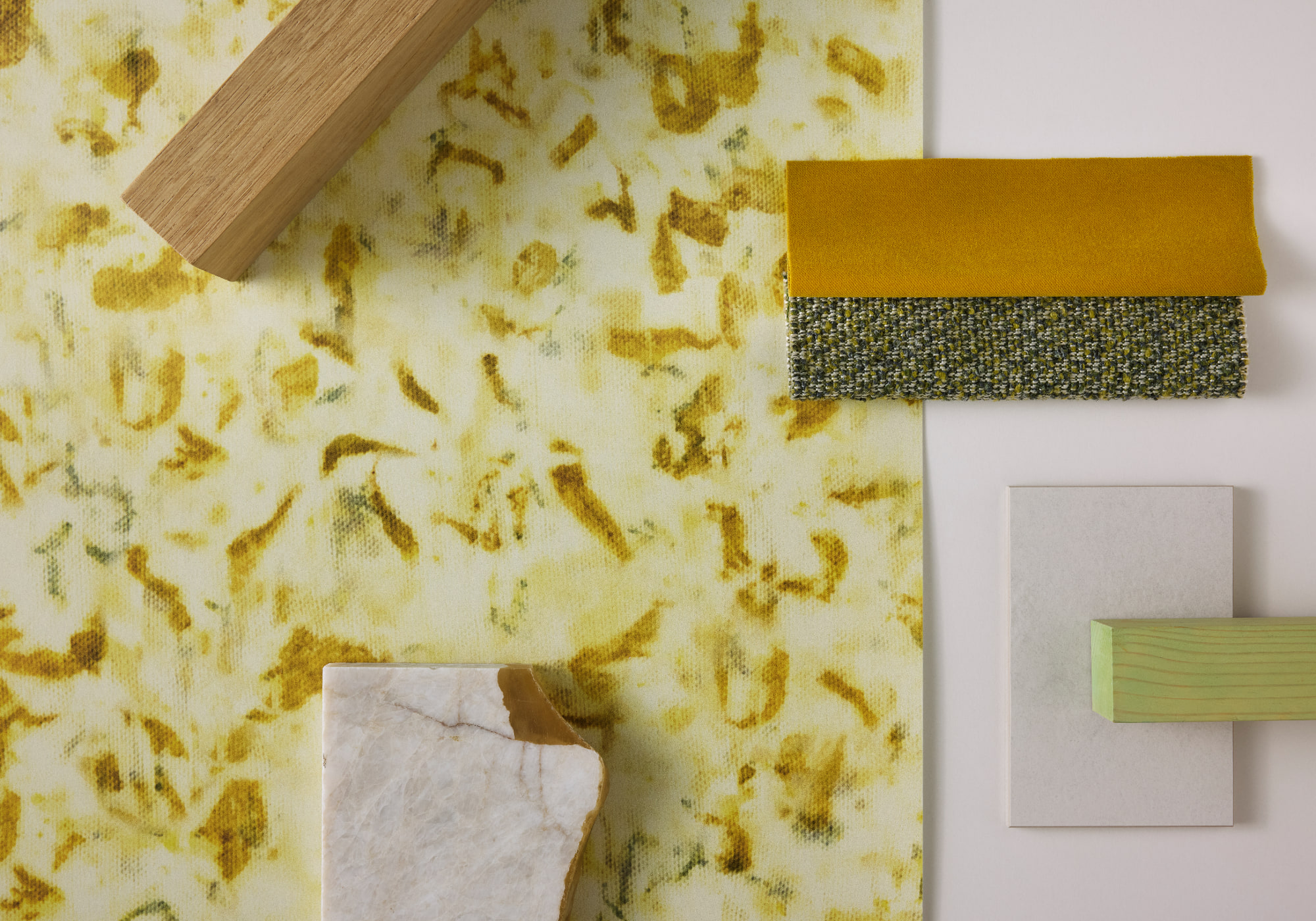
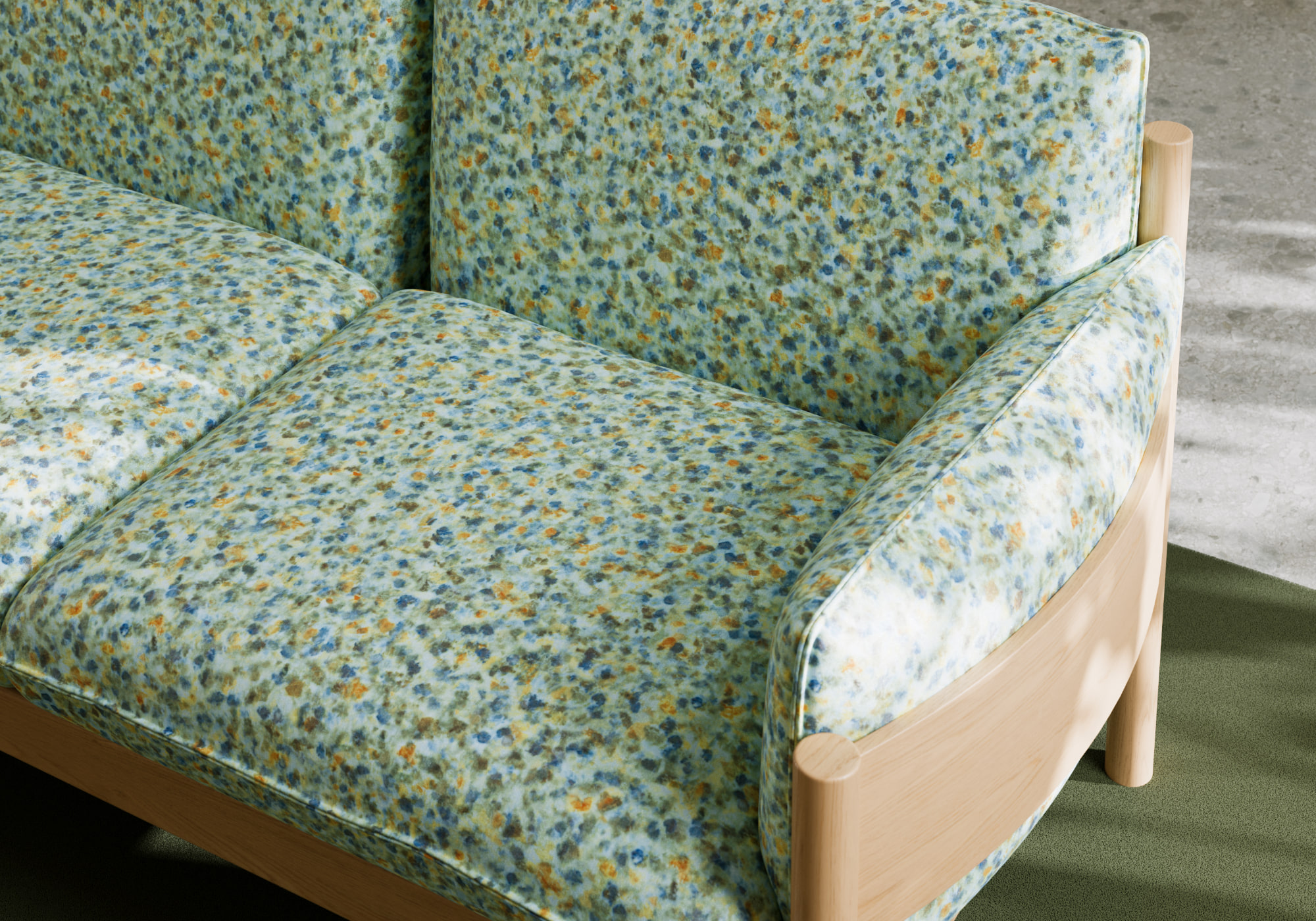
Designtex then captures these natural patterns and textures, translating the handmade designs into high-performance, print-on-demand wallcoverings and textiles at its factory in Portland, Maine. “Digital printing is able to reproduce nuanced color gradations and a wide spectrum of hues,” says Karen Gelardi, principal designer, Designtex. “This process allows us to honor the beautiful aspects of natural dye work—the hues, the form, the texture, and even the subtleties of the original silk and linen Alisa used in the dye process—and faithfully bring them to the world of high-performance materials.”
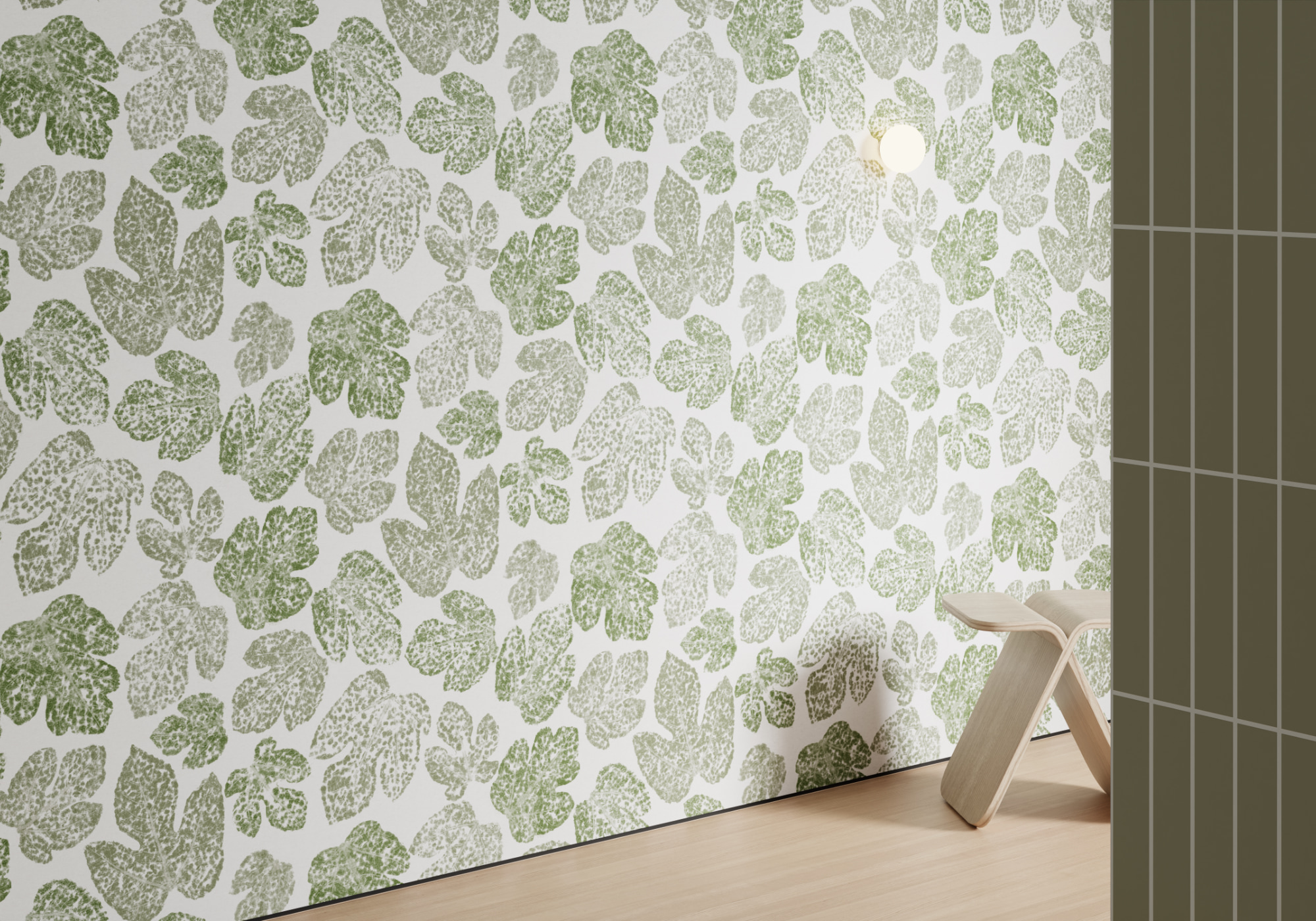
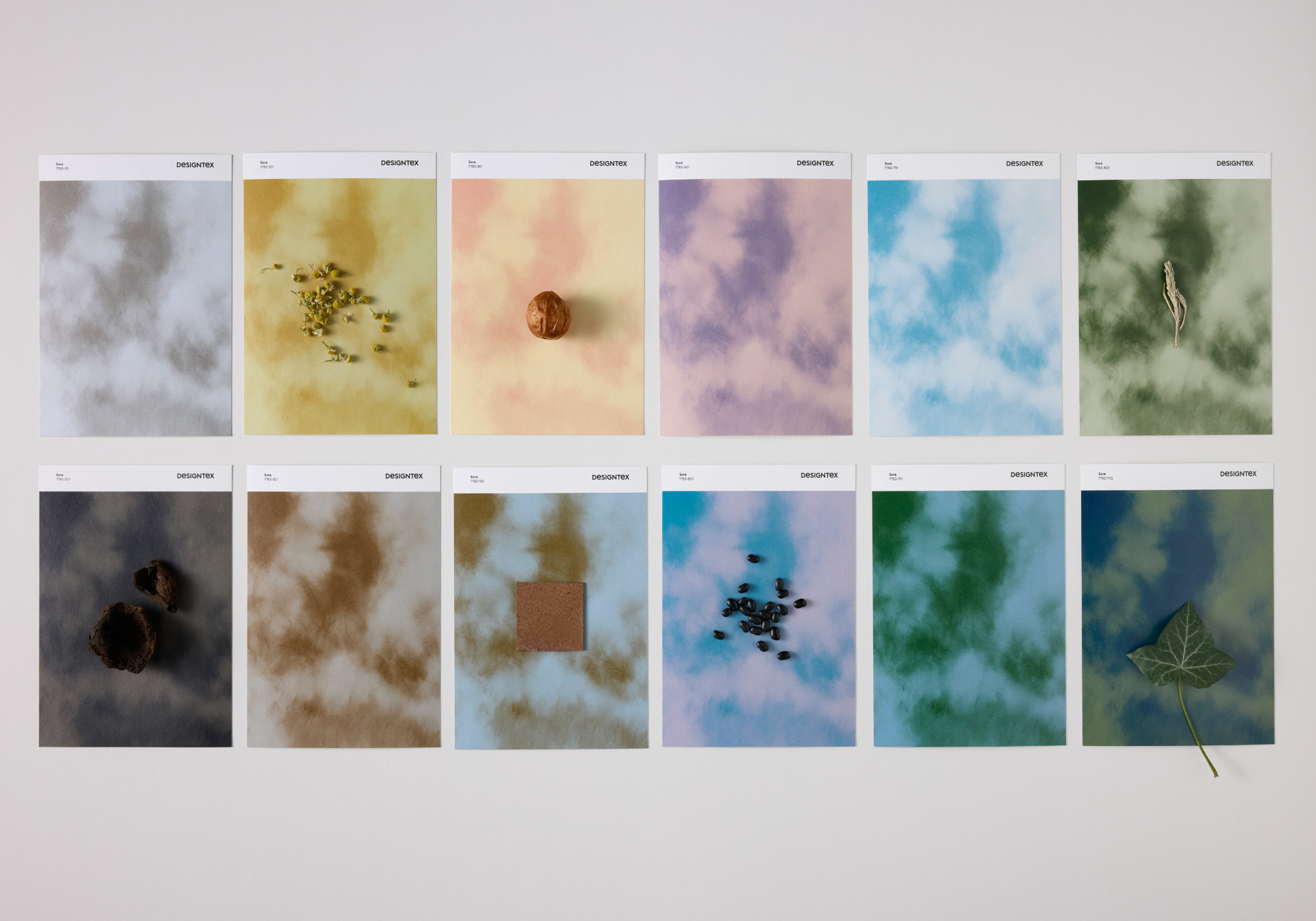
The collection includes Kusaki and Kusaki Wall, a textural upholstery textile and coordinating larger-scale wallcovering featuring patterns derived from steam-dyed chrysanthemum petals, onion skins, hibiscus, madder root, and other botanicals. It also includes Sora, a softly diffused pattern created using Shibori, the traditional tie-dye technique, with color derived from natural indigo, oak bark, and avocado pit dyes. Four additional patterns, available through Designtex Digital Studio, round out the collection. The three-pattern Itajime series (Kage, Kiku, and Tsuki), each with a distinct visual identity, is made by carefully folding, clamping, and dyeing fabric between wooden blocks. Kuwa, which bears a fig-leaf pattern, is revealed through Tatakizome, a natural dyeing technique that involves pounding plants directly onto the fabric’s surface.
“The Slow Color collection is a reminder of the power of plants and natural colors,” says Benfey. “By sharing the process of botanical dyeing, I hope to remind people of the importance of crafts and natural materials.”
Through the exploration of natural processes like these, Designtex makes biophilia part of the design process, not simply the end result. It’s a belief that runs through the company’s products, process, and philosophy alike: that connecting people to nature is the foundation of good design. “It’s designers’ responsibility to create products that can shift users’ moods and nervous systems in a subtle way,” says Benfey.
Today, biophilic design is more important than ever: “Biophilia can and should be employed to create environments that nurture our post-pandemic desire to come together and ‘regather’ in communal spaces, especially as a counterbalance to the epidemic of loneliness and isolation,” says Deidre Hoguet, senior director of sustainability and applied research, Designtex. “Connecting to nature is a human experience we all share.”
Latest
Products
5 Spanish Furniture Brands Prioritizing Play and Personality
At Feria Hábitat València 2026, these designers brought bold colors, sculptural silhouettes, and a healthy dose of whimsy to contemporary furniture.
Products
6 Material Trends Shaping Interior Design
From playful plaids and painterly botanicals to sculptural forms, discover what’s next in textiles, surfaces, and acoustic products.