



May 6, 2026
Electrolit’s Houston Headquarters Brings Guadalajaran Craft to a Texan Landmark
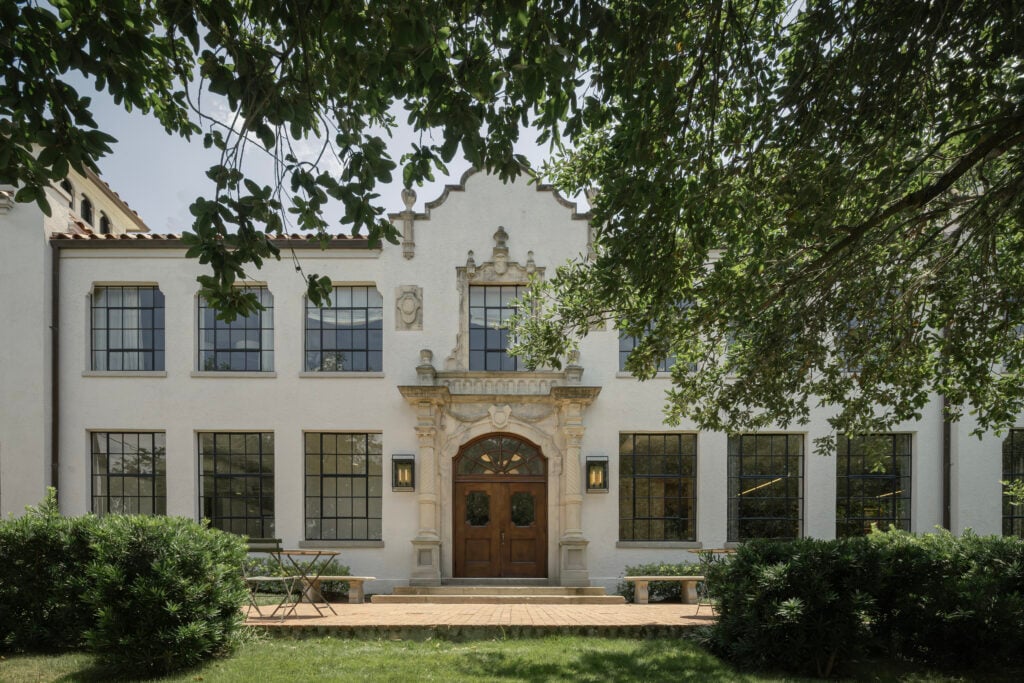
The parent company of Electrolit is the family-owned Guadalajara-based pharmaceutical company Pisa, founded in 1945 by a doctor dedicated to producing medicines for children that were not available in Mexican pharmacies. Pisa, an acronym for Productos Infantiles S.A. (“Children’s Products Company”), began distributing treatments for common childhood ailments such as colic, inflammation, fever, and cough. Electrolit was its serum engineered for severe dehydration in the aftermath of flu. It evolved over the years into a sixteen-flavor electrolyte drink, the most popular energy drink and hangover cure in Mexico, and Pisa into the largest pharmaceutical company in Latin America. The company markets its combination of electrolytes—magnesium, potassium, calcium, sodium glucose, and sodium lactate—and ions for electrolyte absorption, as a medical-grade formula for recovery from a night of partying, as well as from intense exercise. It is now the fastest-growing sports drink brand in the US, distributed in partnership with Keurig Dr Pepper group.
The office needs of the Electrolit’s sixty-some-person workforce of logistics and operations staff, salespeople, and executives were ostensibly conventional, but the company’s desire to maintain a connection to its Guadalajara origins while resonating with the US office’s southeast Texas context led them to Luis Aldrete, a well-established architect in Guadalajara, who reached out to Houston-based Spanish-native architect Jesús Vassallo, in turn linking up with his Rice University colleague Troy Schaum to round out the design team. “We’ve become a pretty good team,” says Schaum. “It’s not a big enough project for there to be three architects, but somehow we work together. I think the client enjoyed our different perspectives: American, Spanish, and Mexican.”
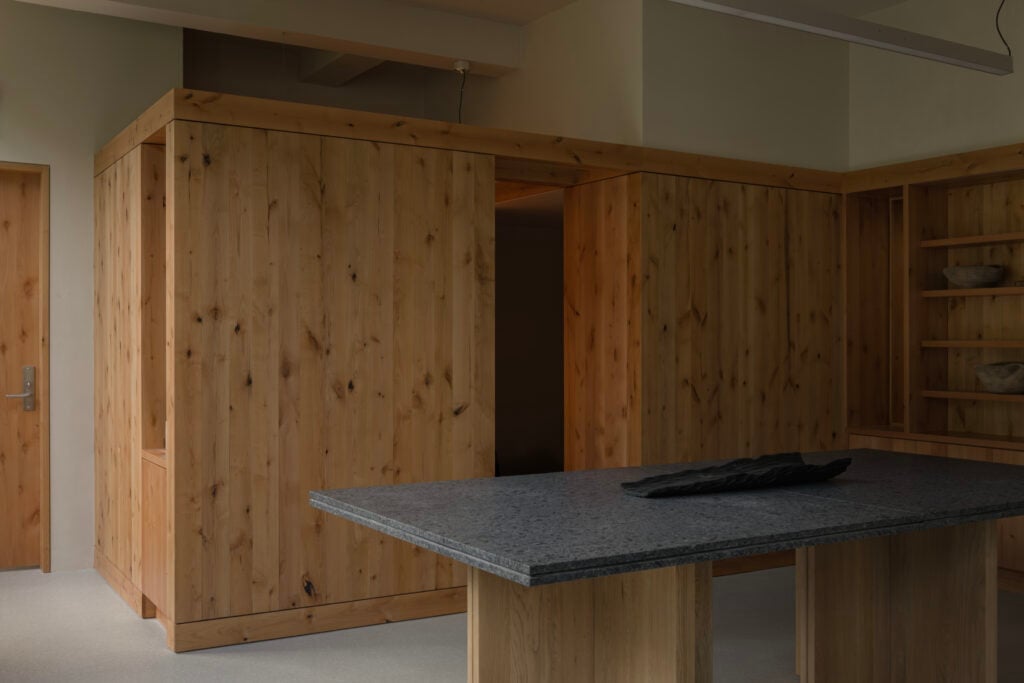
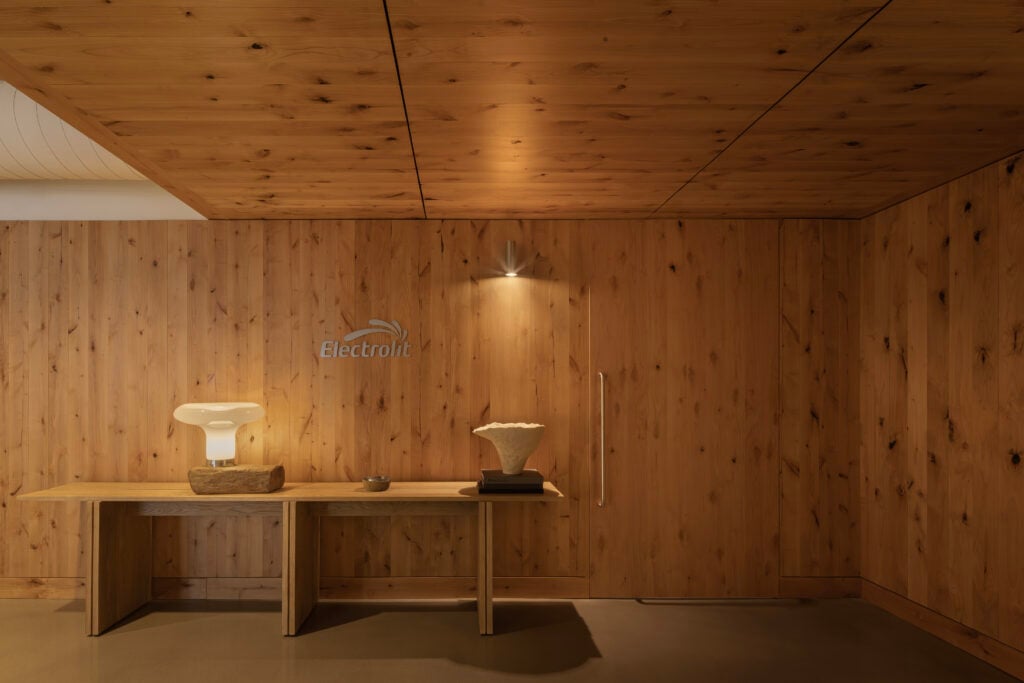
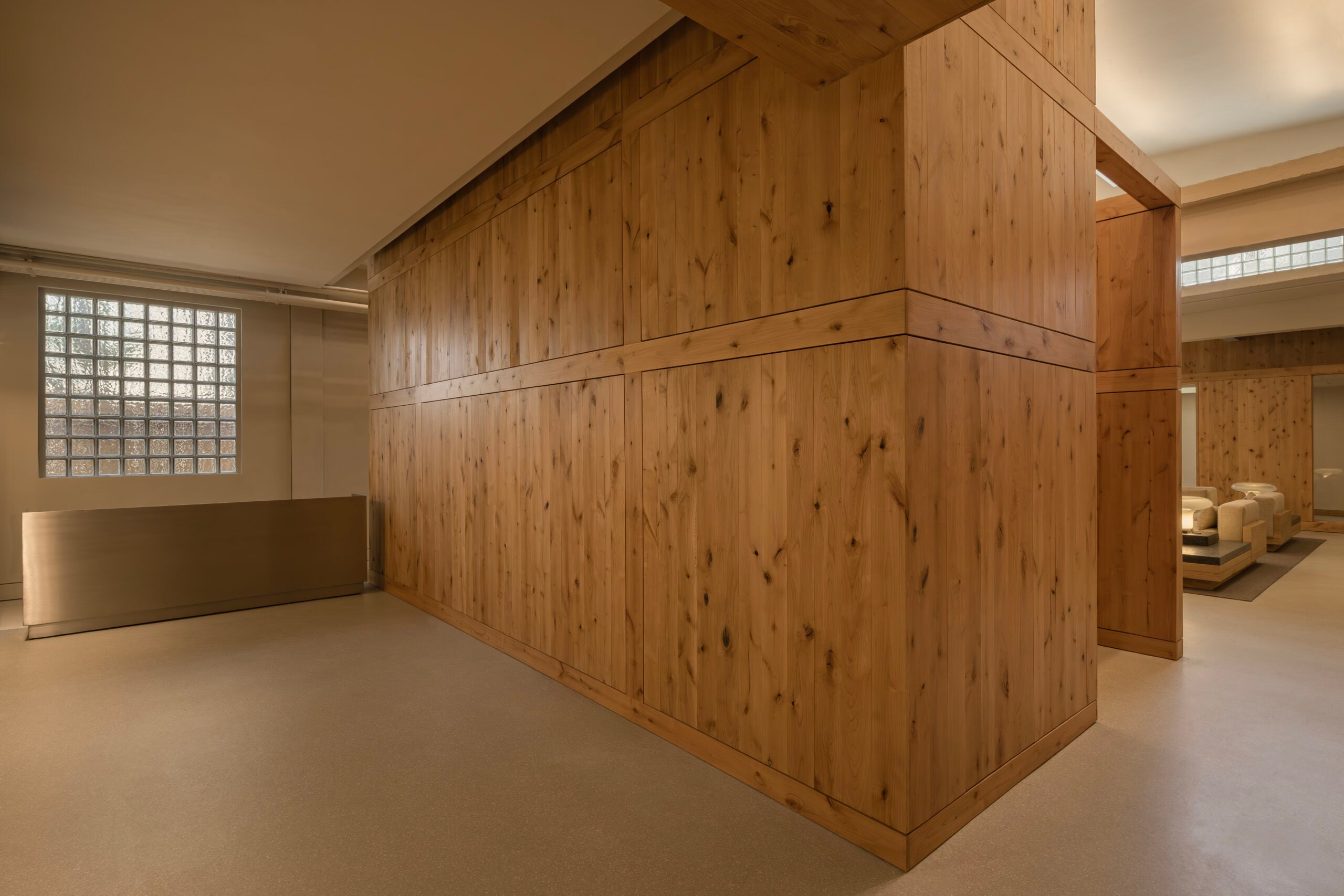
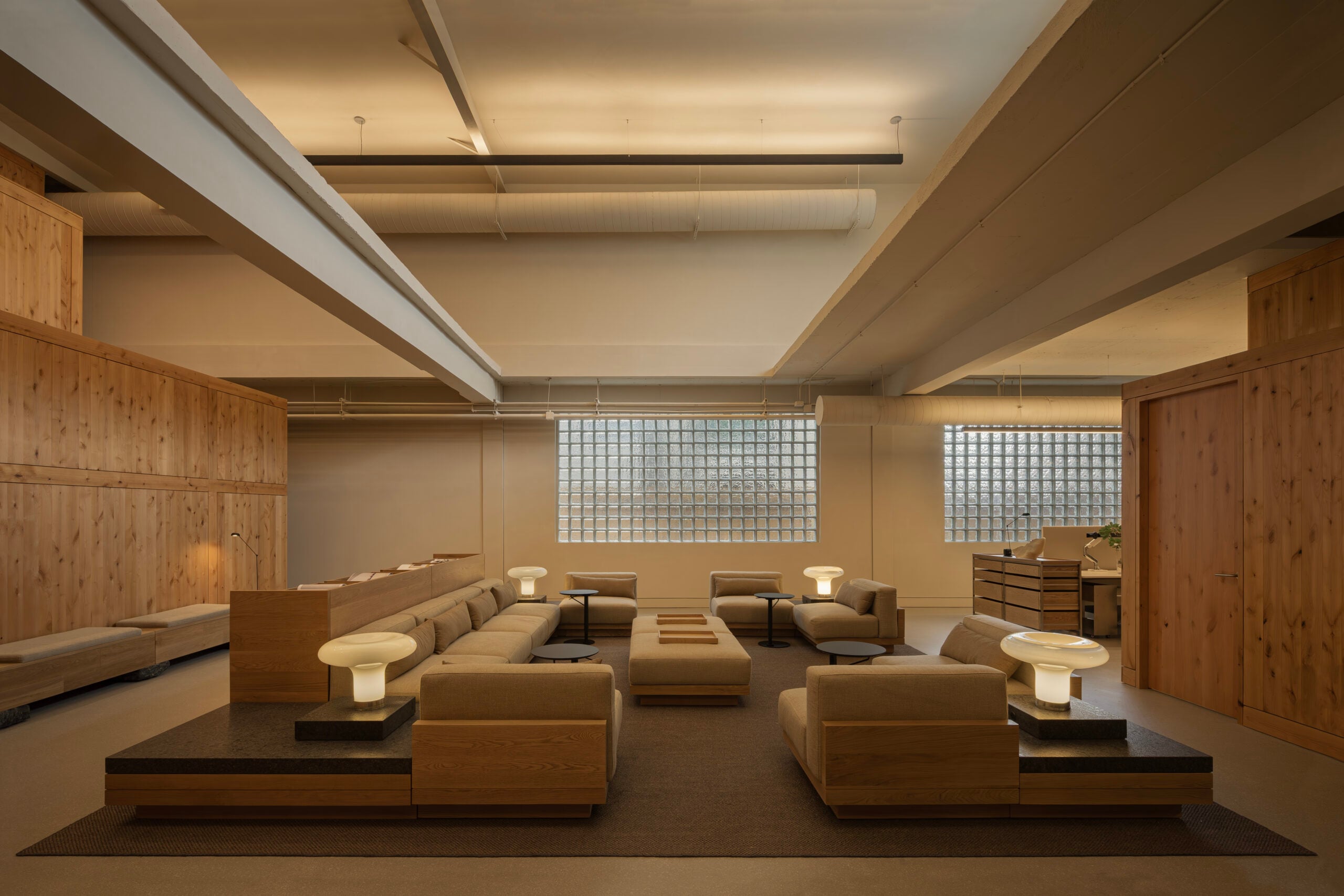
Their strategy was minimalist, partly in homage to the famous Donald Judd installations in Marfa, Texas, at the southwestern edge of the state, but also infused with the abundant wood features favored by Aldrete. They inserted a series of knotty alder wood interventions in the former factory floor to accommodate meeting rooms, lounges, kitchens, reception areas, and booths for private phone calls. Fabricated by Houston-based WoodMark, the installations give the feeling of a cozy residential setting.
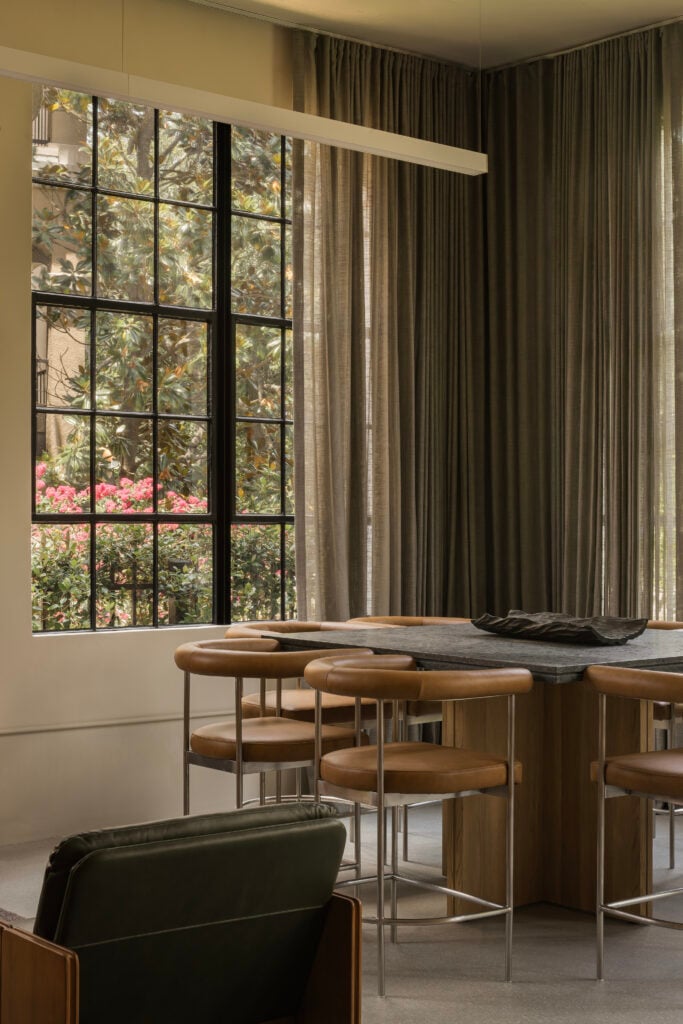
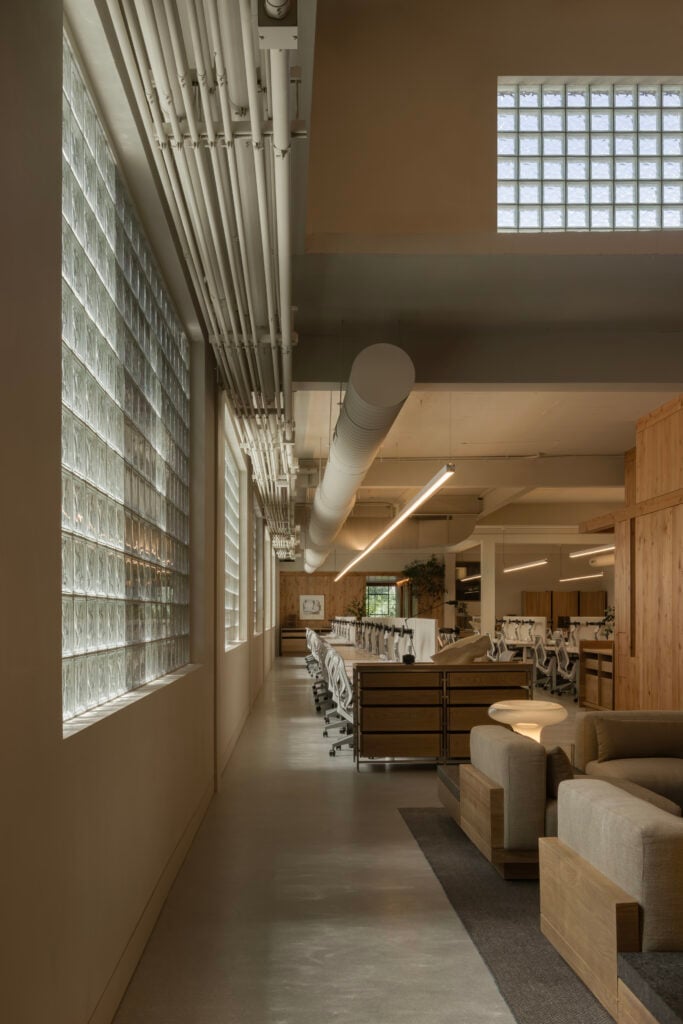
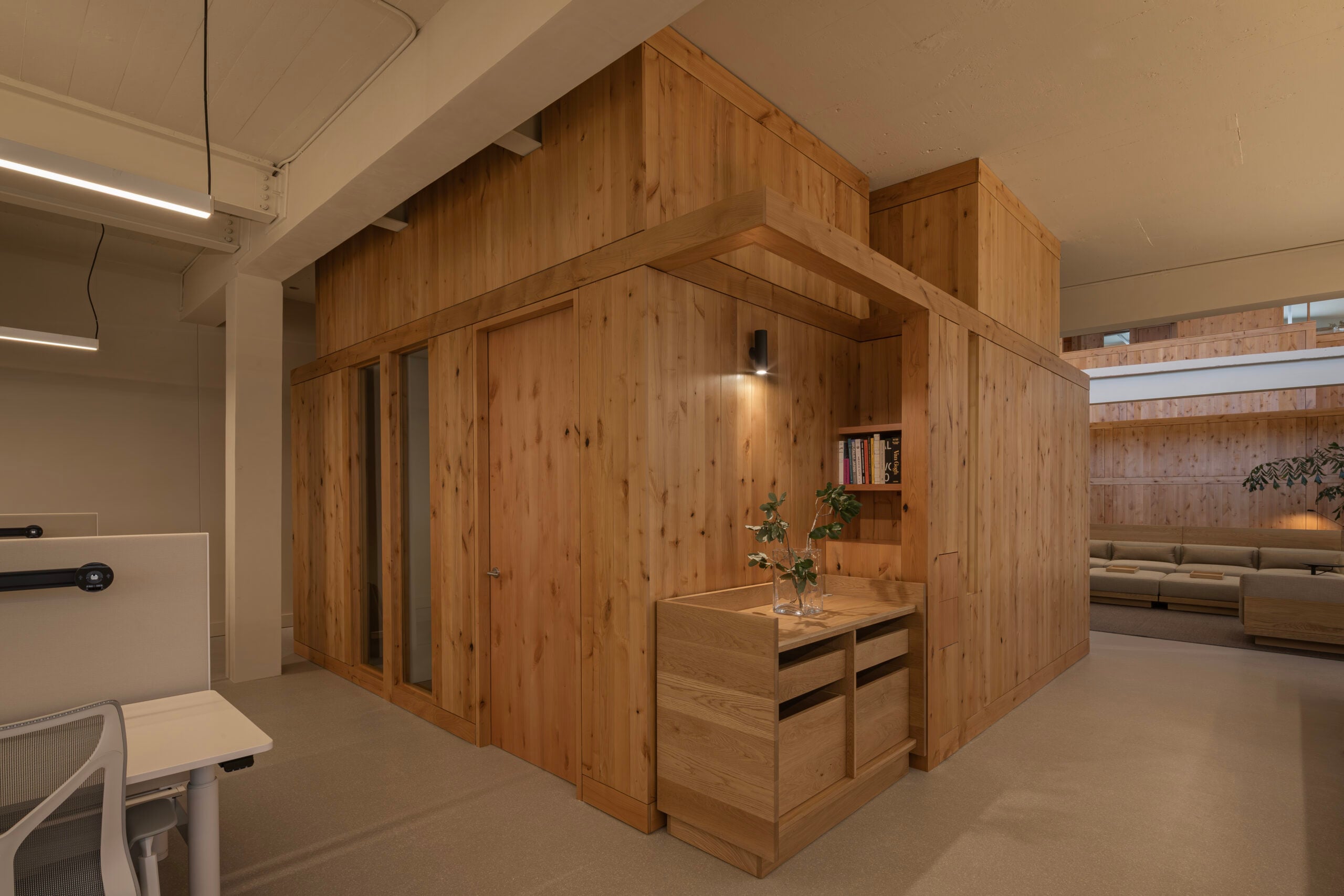
The team chose knotty alder because it was widely available in Texas and affordable at the scale they intended to use, though it is grown in the Pacific Northwest. “We used it everywhere,” Schaum says. It was meant to match the palette of blond wood furniture manufactured by craftsmen in Jalisco, working closely with Gualajara-based interior design company Aagnes, to finish the shared spaces and executive offices. “We worked very closely,” Vassallo says, “to the point where you don’t really know where the architecture stops and the interior design starts.” The architects opened up a wall facing an adjacent building and inserted glass blocks to add light within the open-plan offices, which are outfitted with Vitra chairs and workstations.
Along with its new office space, Electrolit is constructing a $400-million production facility in Waco, Texas that will employ more than 200 workers when it opens later this year. The factory’s automation, access to rail transport, and sourcing of non-virgin and recycled materials for packaging are intended to significantly reduce carbon emissions. Still, the company has not published the water sources it plans to draw from in a region frequently experiencing droughts and mandatory usage restrictions.
Would you like to comment on this article? Send your thoughts to: [email protected]
Latest
Viewpoints
Detroit Month of Design: A City’s Work in Progress
Now in its 16th year, the celebration offers insights into the Motor City’s ongoing accomplishments without glossing over its hurdles.
Projects
How a Hybrid Building Helped an Historic Manhattan Congregation Remain in Place
On Billionaire’s Row, FX Collaborative designed a new home for Calvary Baptist Church combined with an office tower.