



May 19, 2026
The Boredom Factor: Rethinking Sustainable Design for Millennia
“The insane thing is that these buildings are designed to last for several hundred years,” says Brandon Clifford, director and co-founder of the MIT Matter Design lab. “We don’t have a problem with designing materials and structures…we have a problem with obsolescence.” An architect who studies ancient construction techniques and approaches the sustainability debate with a long view of history, Clifford says that lack of foresight is often at the heart of the matter. “It’s always addressing the problem of today, and it’s never thinking, ‘how could we be good ancestors for future generations?'” So what would an evergreen structure capable of withstanding the tempests of taste and function look like?
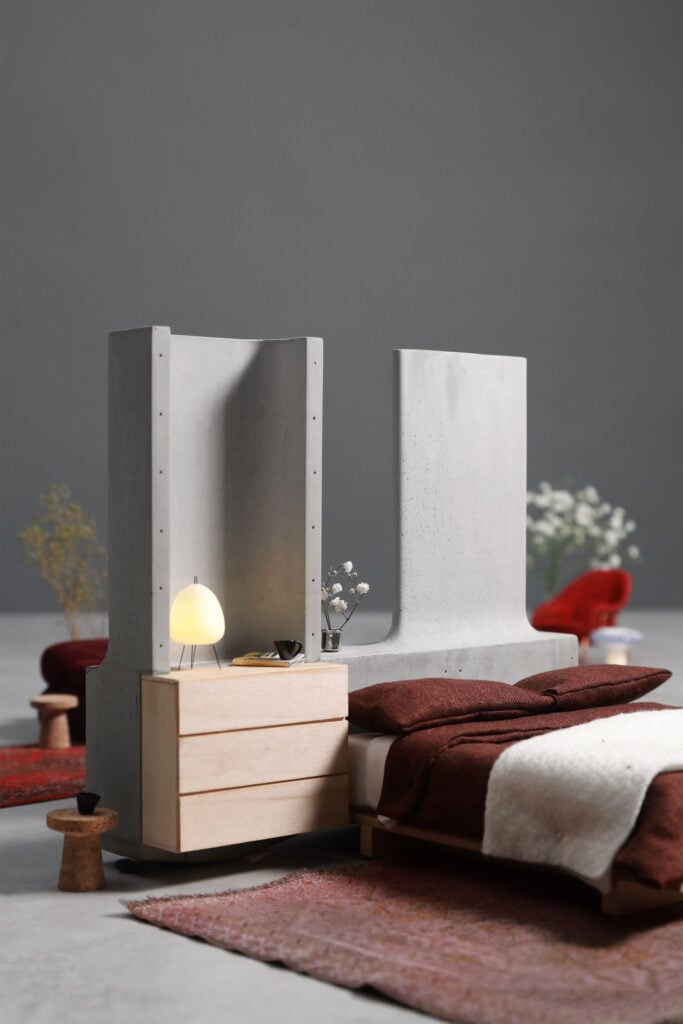
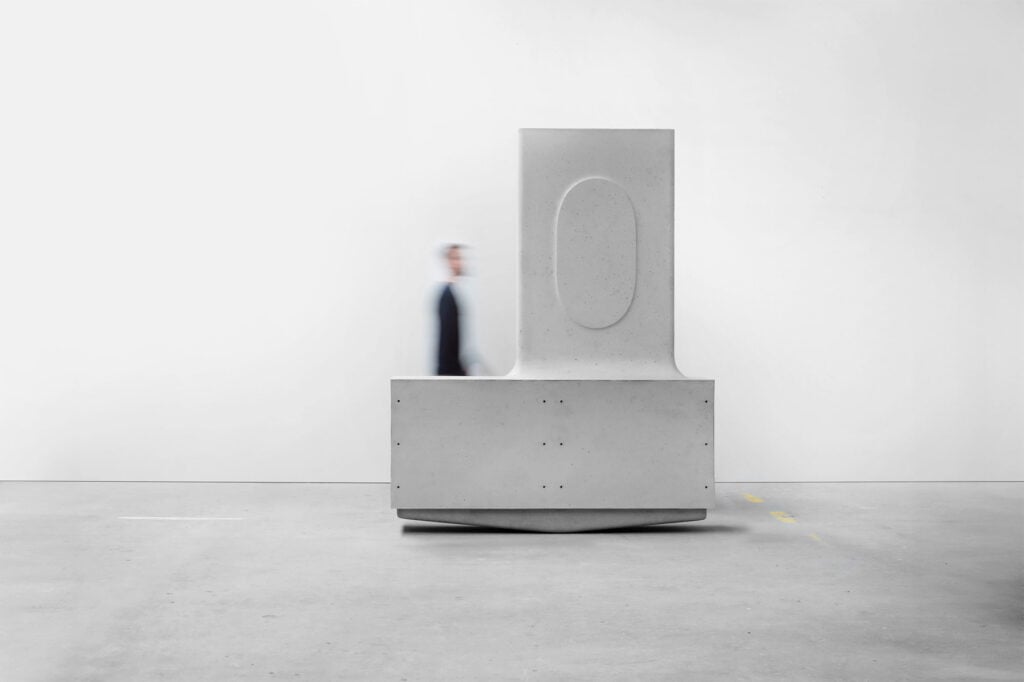
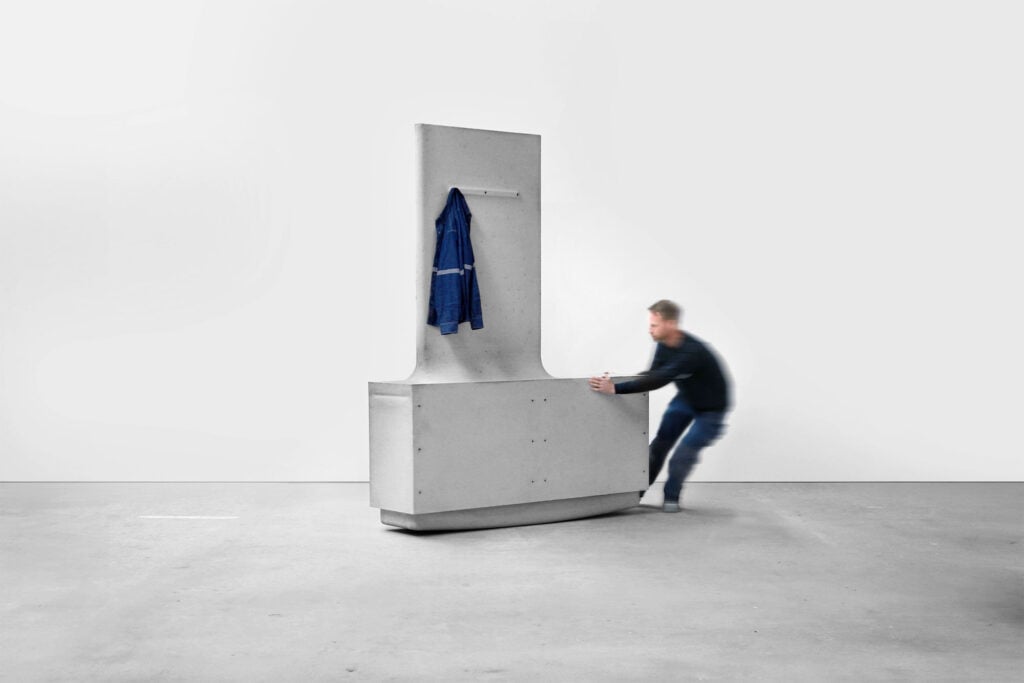
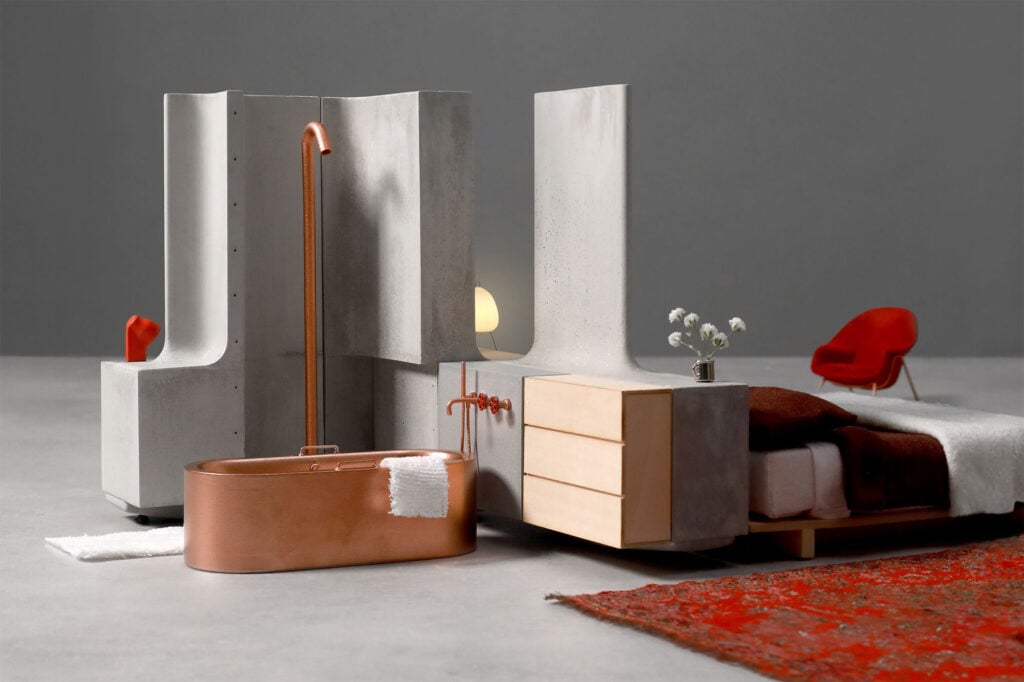
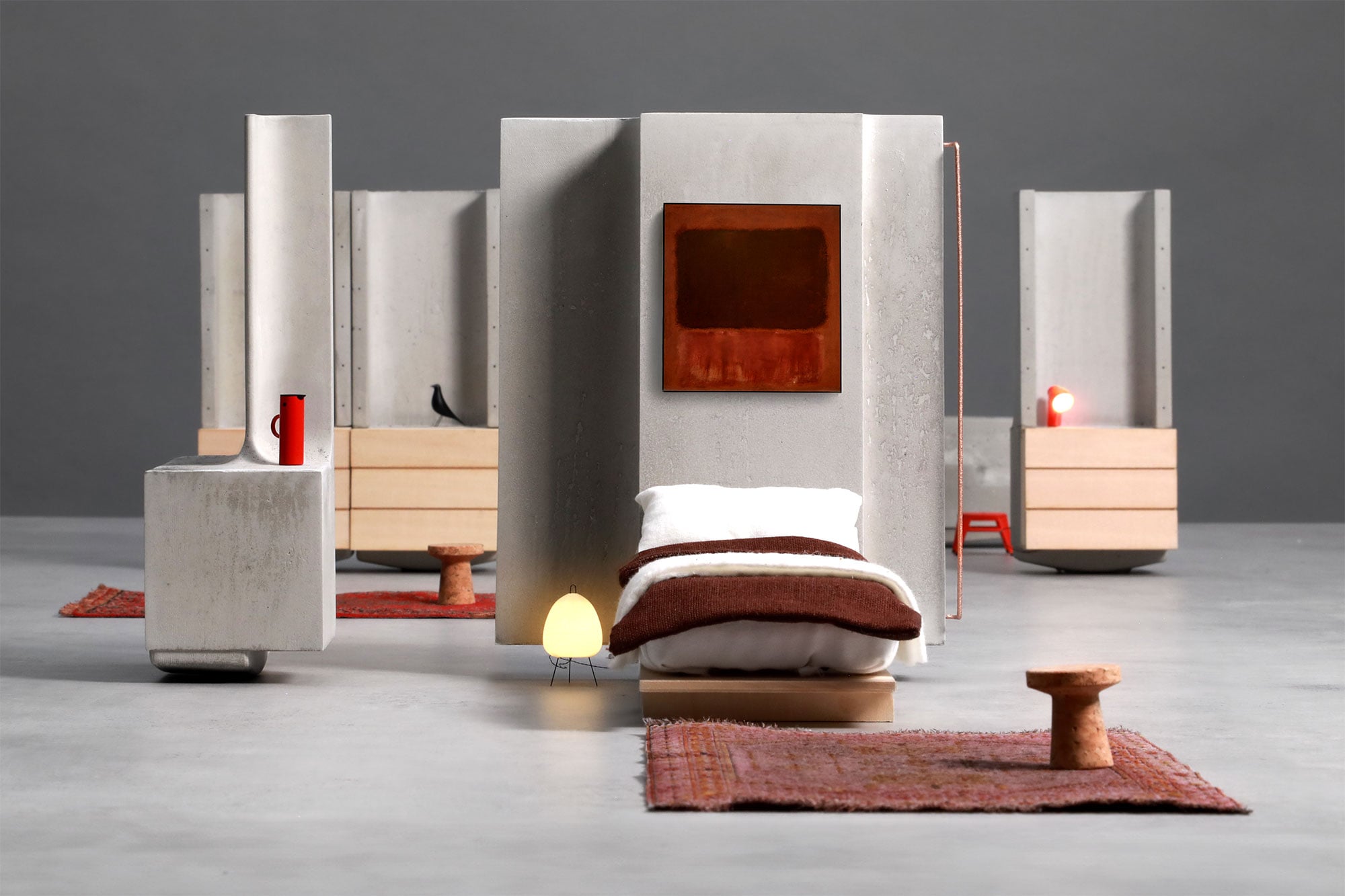
Clifford’s lab, in collaboration with Cemex, one of the world’s largest building materials companies, offers one answer in a concept called “Heirloom House.” Inspired by prehistoric megaliths, the proposal consists of nine large cement elements that can be moved and recomposed to partition space. Like an heirloom passed down over generations, the house is conceived as something to be inherited and reshaped—its layout adapted over time without the need for gut renovation.
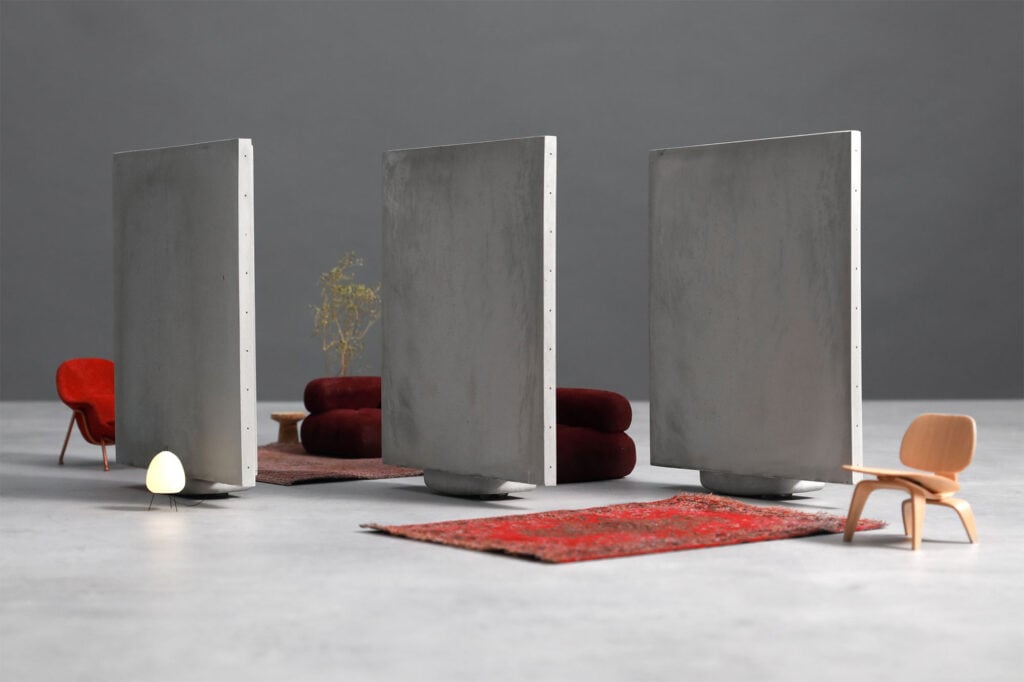
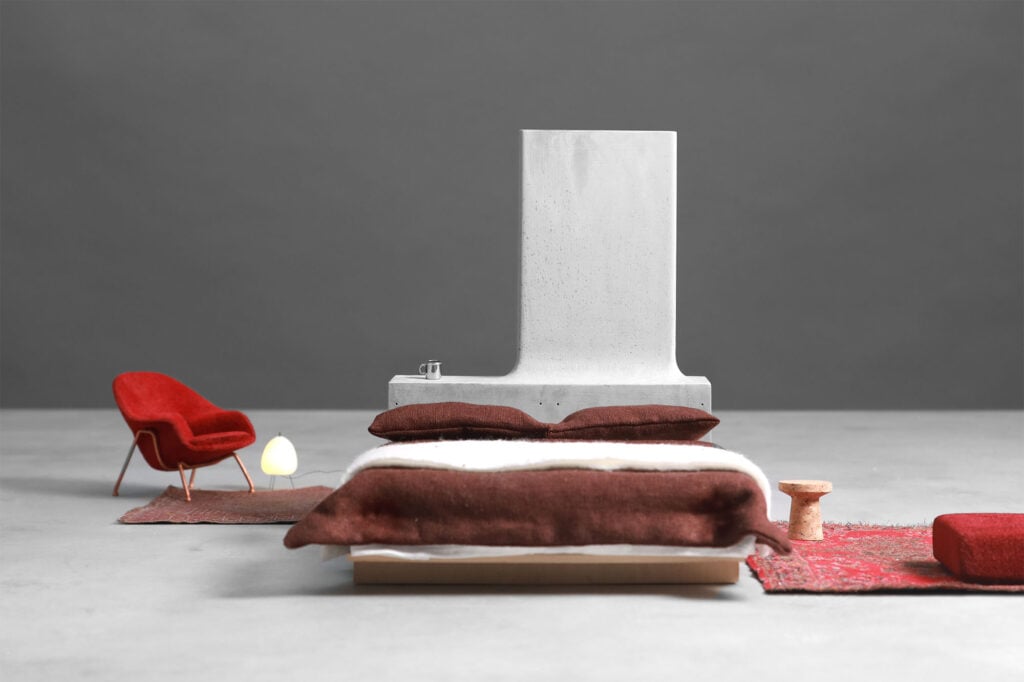
The idea aligns with a broader resurgence of nomadic living, Clifford suggests. “The trends are telling us that humans will become more migratory in the coming years, and it might be that the architecture stays put and that you’re moving to different architectures,” he says, likening the system to “an archaeologist coming upon a series of megaliths.” “Heirloom House” is not intended for near-term production but instead operates as a provocation—aimed at a highly polluting construction industry responsible for roughly 40 percent of global emissions.
Still, the question remains: Is there room for such a radically different model—and a rather whimsical one— within a hard-nosed industry defined by tight budgets and rigid timelines?
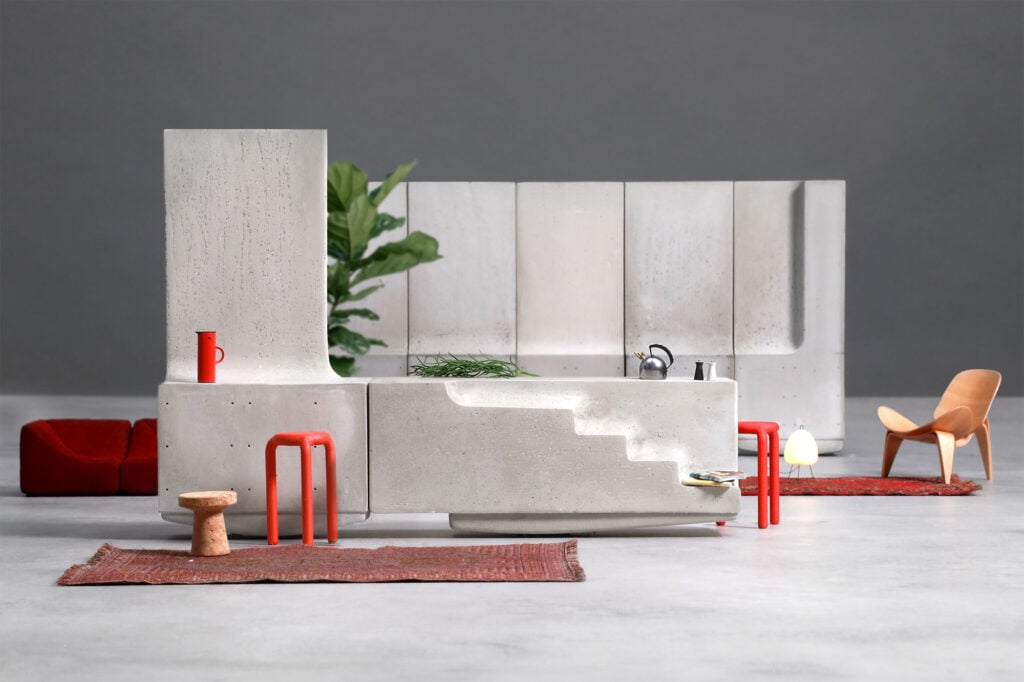
“It’s a balancing act,” says Davide Zampini, Cemex’s vice president of global research and development, acknowledging skepticism from within the field. “What we’re trying to do is open the eyes of the industry—that there are considerations and perspectives beyond economics that deserve a place in the equation,” he says. “If we don’t do things that are artistic and exploratory, the construction industry may not last too long.”
Zampini was particularly enamored with the idea of a shape-shifting heirloom. He points to the potential for embedding new functions within the megaliths—using magnetic concrete, for instance, so that surfaces can double as charging stations. “I think it’s a new way of thinking about buildings,” he says. “The history of humanity has taught us that radical change occurs when we least expect it, and we have to be ready.”
Would you like to comment on this article? Send your thoughts to: [email protected]
Latest
Viewpoints
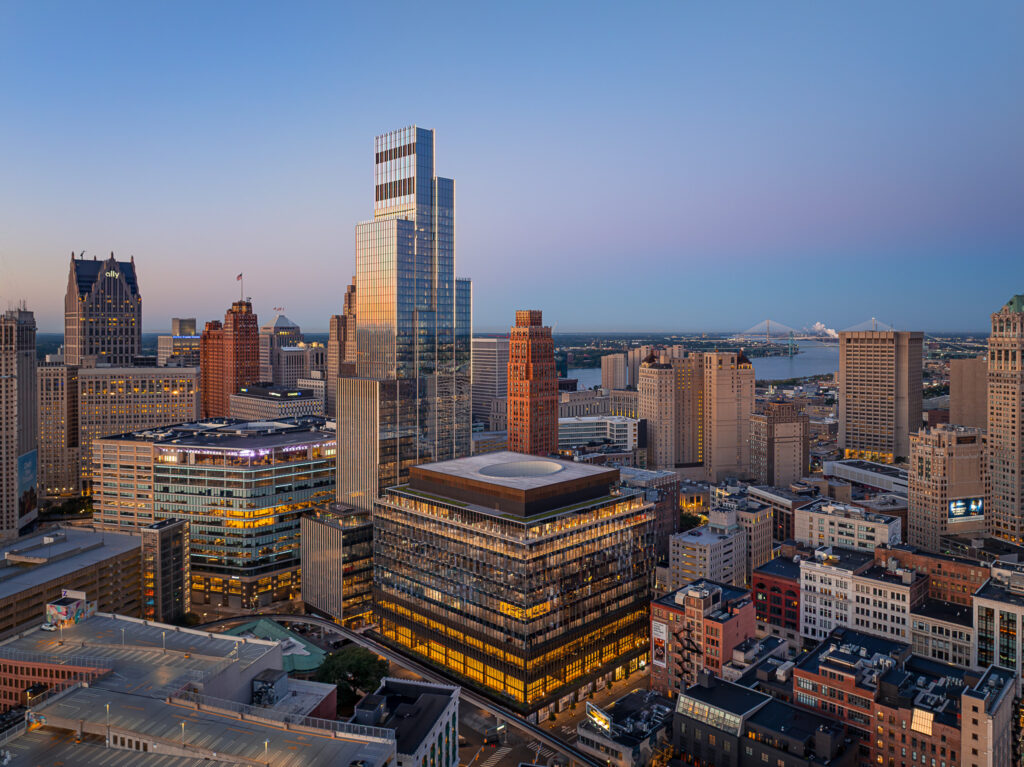
Detroit Month of Design: A City’s Work in Progress
Now in its 16th year, the celebration offers insights into the Motor City’s ongoing accomplishments without glossing over its hurdles.
Projects
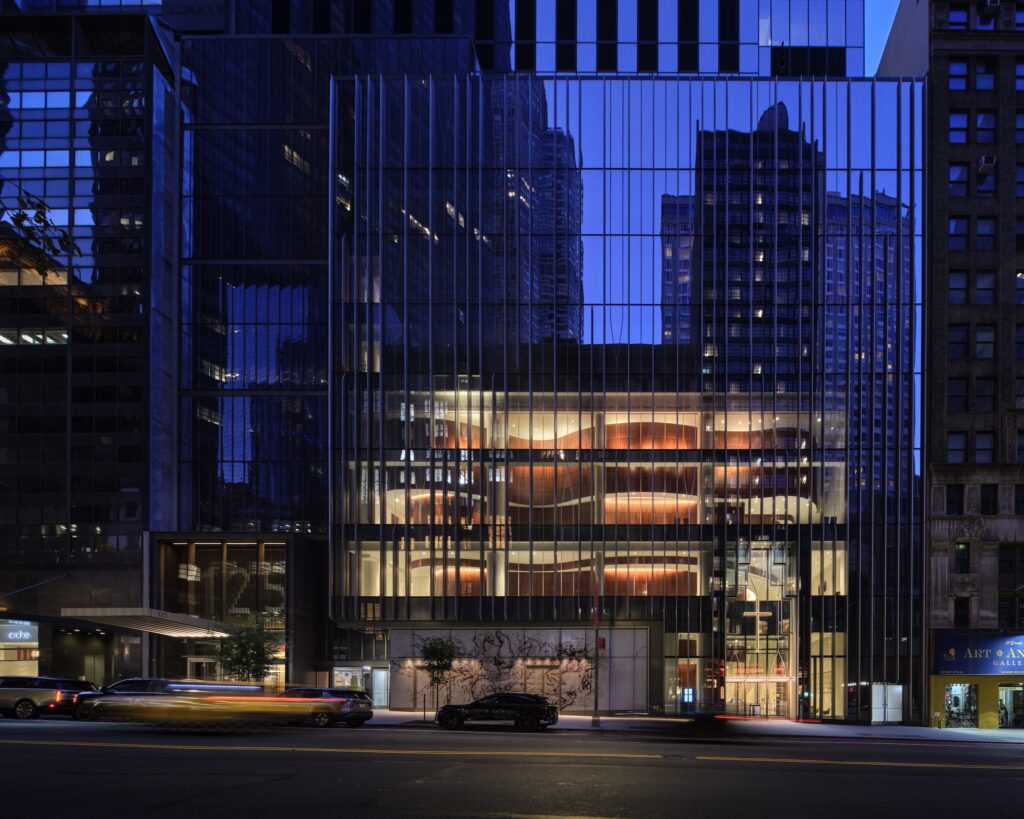
How a Hybrid Building Helped an Historic Manhattan Congregation Remain in Place
On Billionaire’s Row, FX Collaborative designed a new home for Calvary Baptist Church combined with an office tower.