



February 6, 2026
The Aranyani Pavilion Rethinks Architecture’s Role in Ecological Conservation
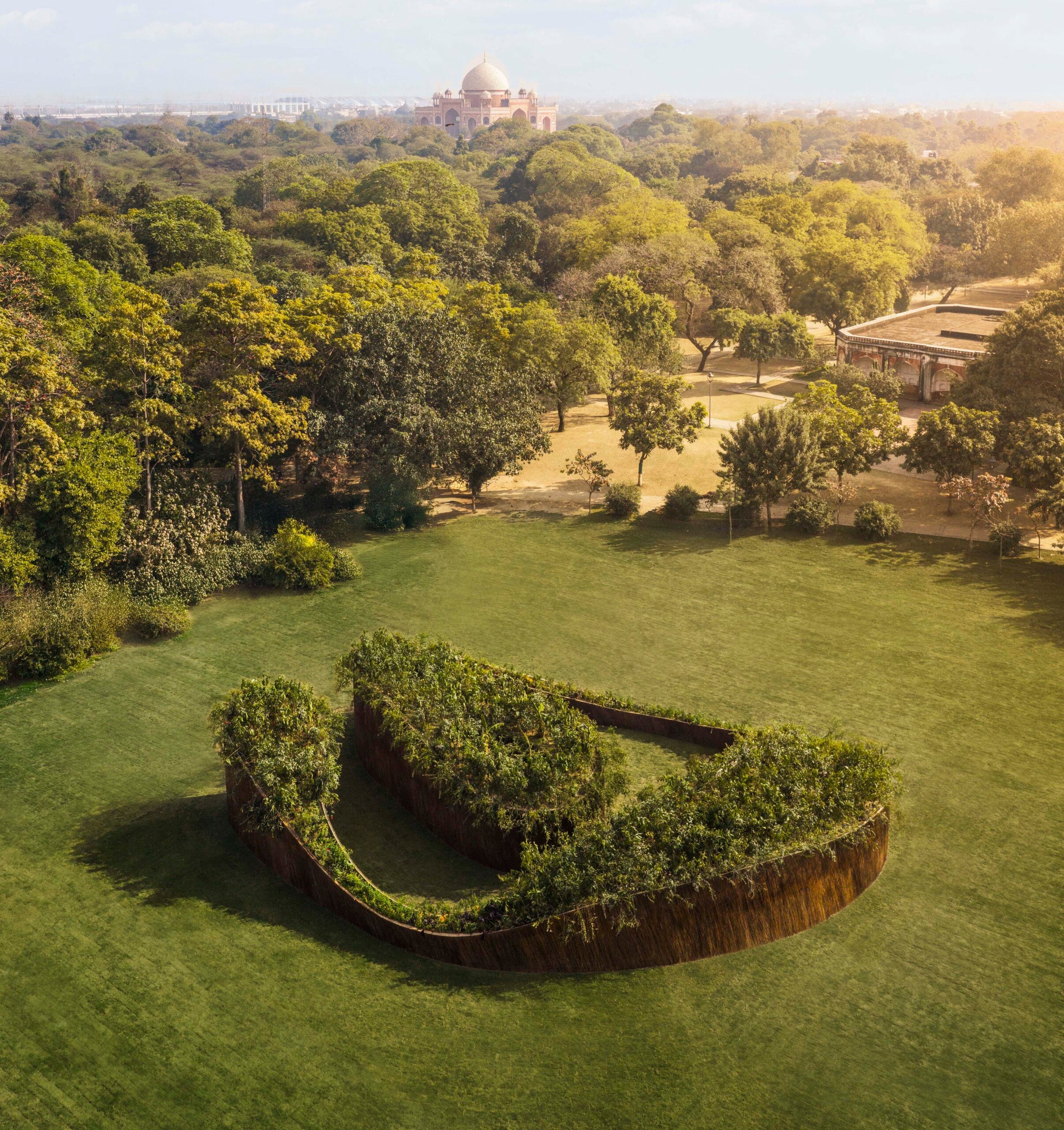
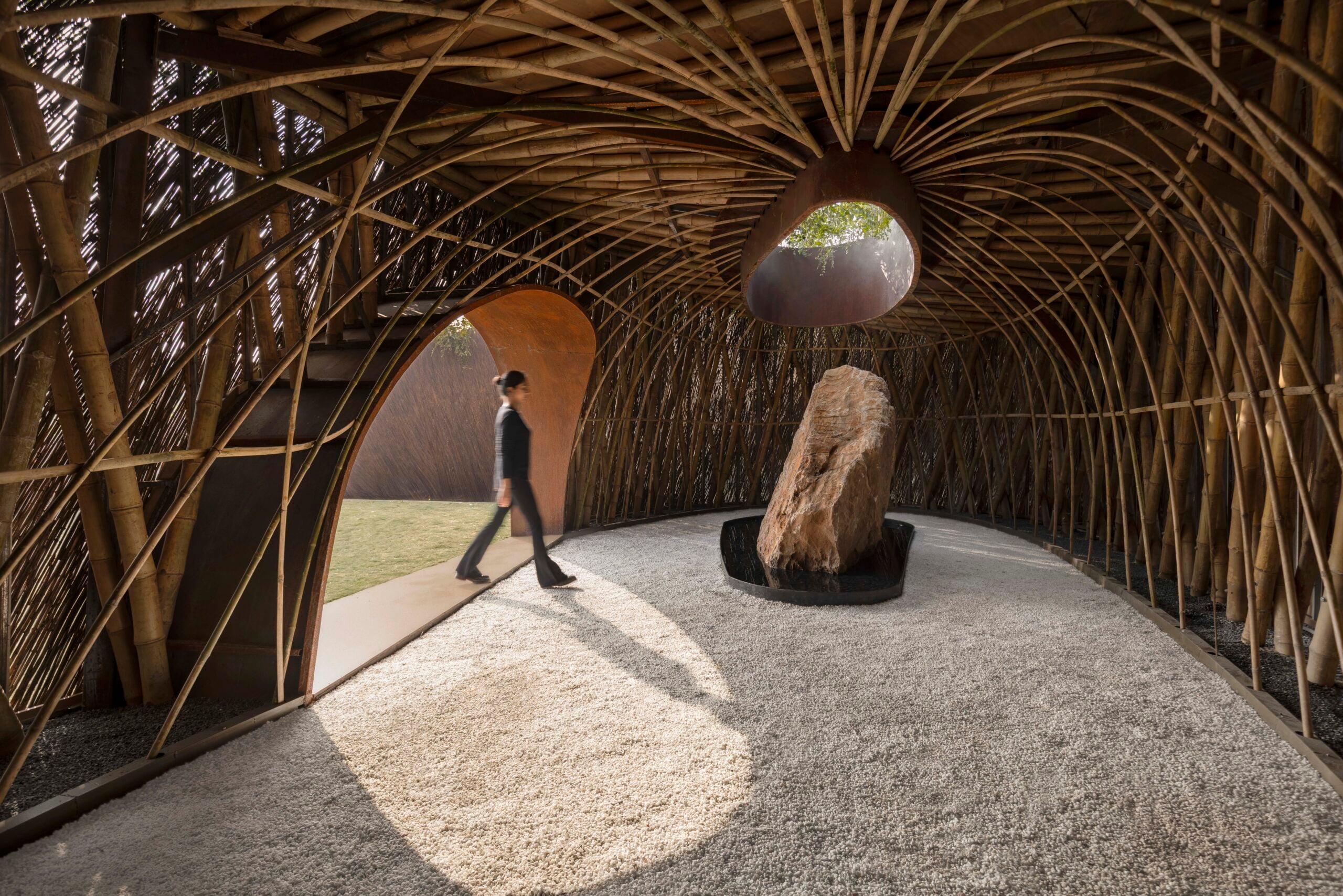
“It gets dispersed really easily, grows very fast, and is hard to remove—you have to pull it out and burn the roots,” says Aranyani founder Tara Lal, a Delhi-born conservation scientist, who has a diploma in architecture from London’s Architecture Association. Lal has always believed that cross-disciplinary action is the key to tackling our environmental problems. “Exploring how architecture, art, and nature can work together will be the cornerstone of conversations around the pavilion,” she says. Lantana camara’s woody stem was an obvious choice of material to express how architecture could have regenerative impact and for Lal, it turns the pavilion into an act of decolonization.
To design the first Aranyani Pavilion, called Sacred Nature, Lal collaborated with TM Space, a young, London-based architectural design studio founded by Tanil Raif and Mario Serrano Puche, who draw on experiences at SANAA, SO-IL, MAD Architects, and Yeezy. She first saw their work in Miami—a sculptural, demountable pavilion for retail brand Cult Gaia—and later, Raif’s collaboration on the medal-winning Malta Pavilion at the 2025 London Design Biennale. “I love their simplicity of form and their interest in materiality,” she says. “They were excited to work with the lantana, which was really important.” The duo, who met during their undergraduate studies at the Illinois Institute of Technology in Chicago, call their approach “primitive futurism” for the way they model their designs with high tech visual scripting software yet work with bio-materials from a site or region.
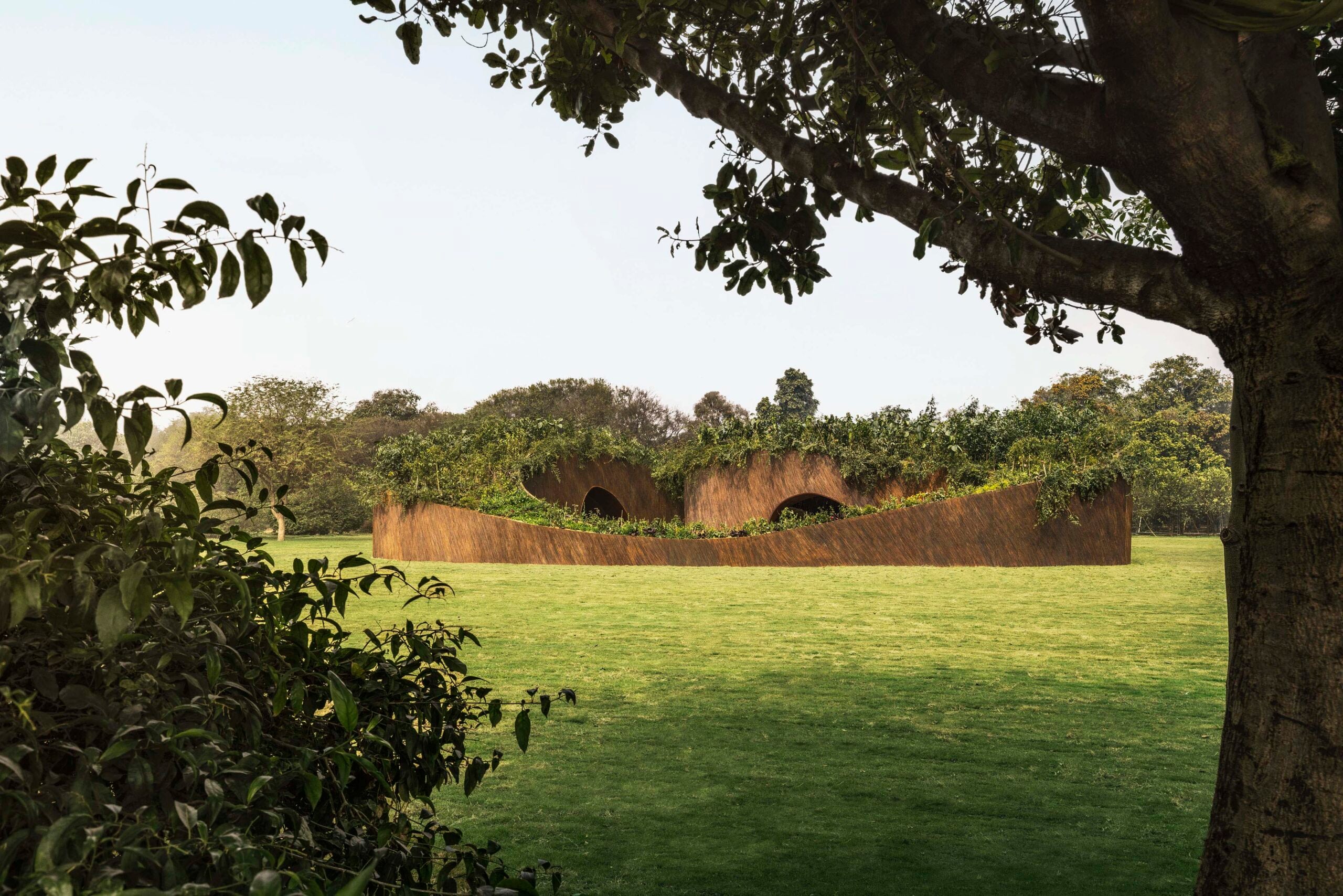
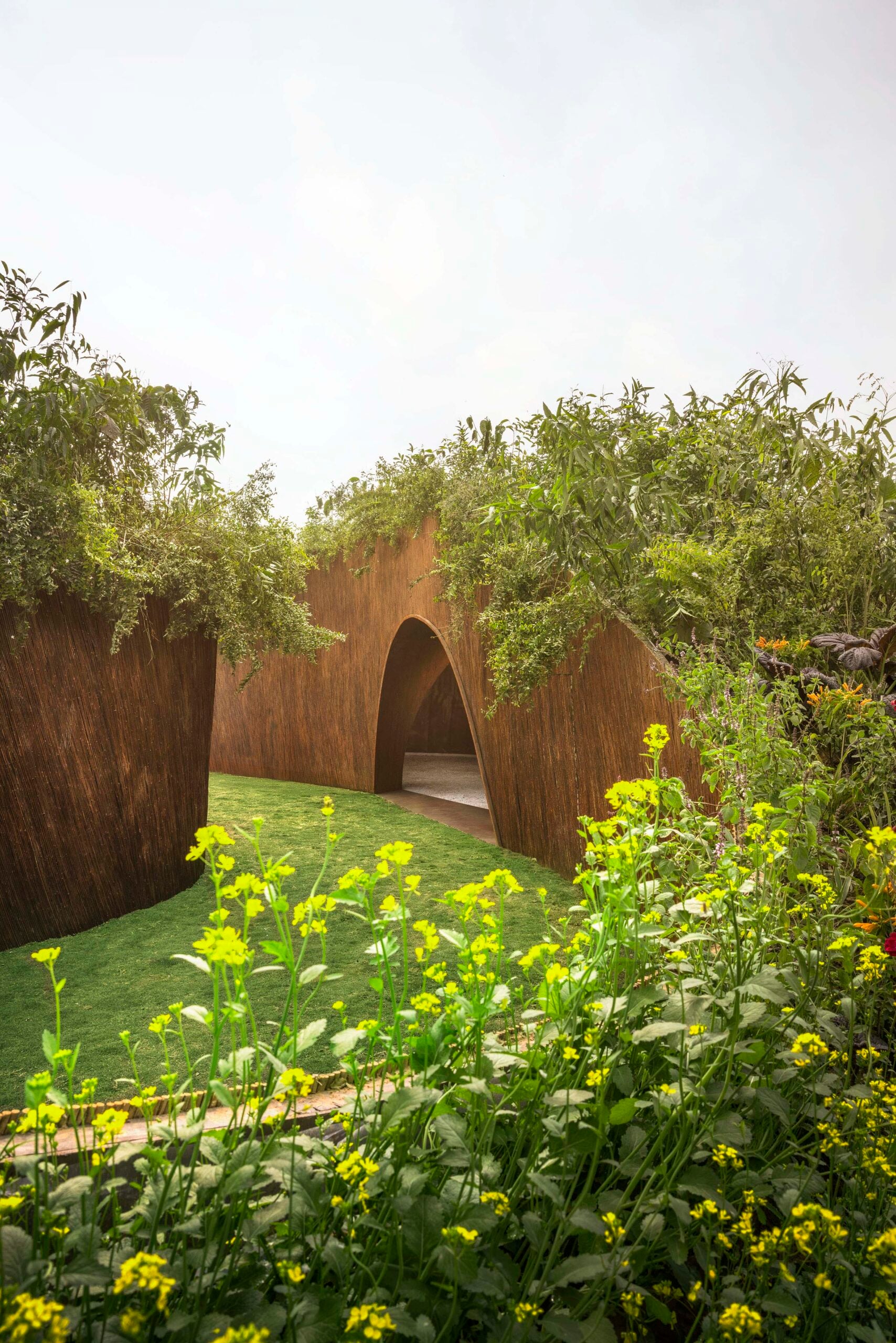
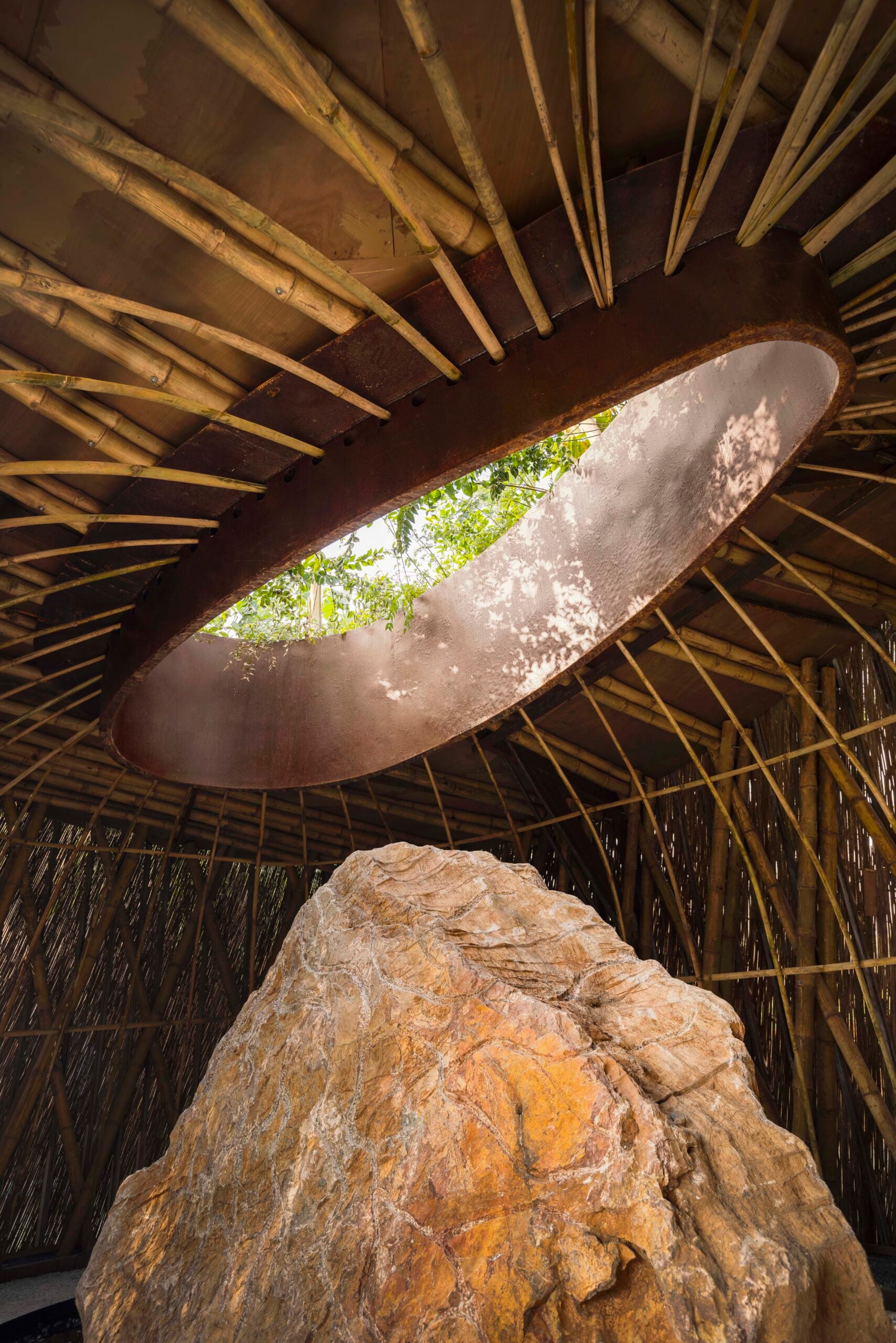
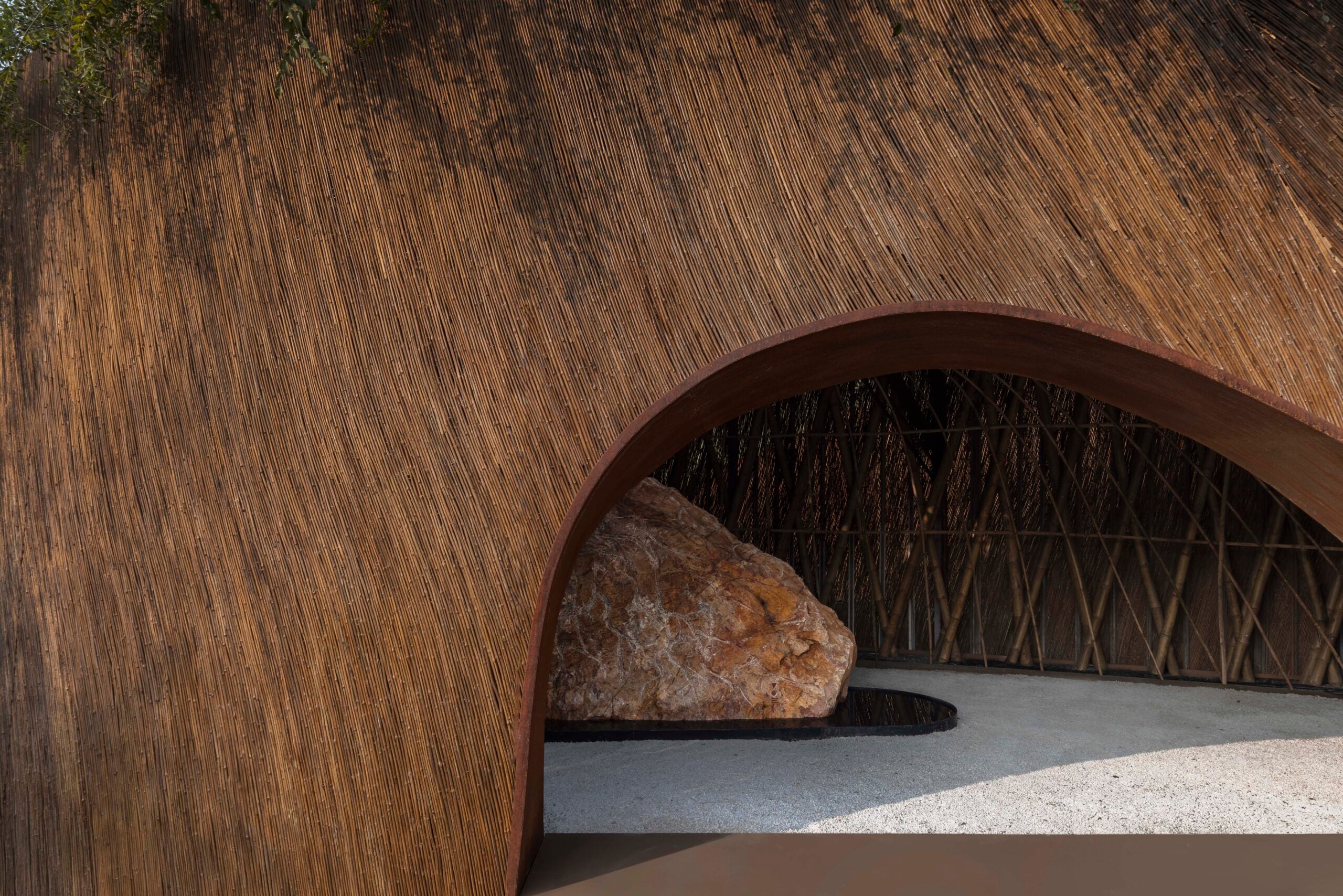
Their pavilion design takes cues from sacred geometry, as well as the often-spiralling pathways into India’s ancient sacred groves—vital biodiversity hotspots stewarded by local communities through spiritual belief and social custom. “We wanted the experience of journeying through the pavilion to feel like a twisting pathway to the sacred center,” says Serrano Puche. The lantana walls of the structure sweep up and down, “so that you don’t have immediate clarity on where you enter it,” he adds. “That’s part of the adventure.” The journey culminates at a central shrine anchored by a large stone monolith, recalling the stone markers of the sacred groves that traditionally signify the meeting of earth and sky. Topping the structure is a micro-habit of 40 native plant species—a mix of edible, medicinal and culturally significant varieties—a gesture of ecological regeneration in the aftermath of colonialism.
The pavilion will be a meeting place and a site for workshops and talks, including by Vandana Shiva, an environmental activist on biodiversity and food sovereignty, and Sathnam Sanghera, a historian whose work examines the legacies of empire. The lantana cladding is permeable, ensuring natural ventilation within the pavilion, which will later be permanently installed at Rajkumari Ratnavati Girls’ School in Jaisalmer. Its plants will be transferred to ongoing community-led projects in Delhi, including the Basti Gardens of Hope in Nizamuddin.
Lantana is a thin, bendable wood without structural strength so it is unlikely to be adopted at scale by the construction industry, but the pavilion is a metaphor for how architecture and conservation can work together. For Lal, Aranyani is also about renewing human connection with the natural world. She hopes to shape the 2027 from research into another vital biome: India’s wetlands and mangrove swamps—essential carbon sinks that Aranyani Earth is working to restore. These ecosystems are so rich in biodiversity that Lal declares, “I would happily live in a swamp.”
Would you like to comment on this article? Send your thoughts to: [email protected]
Latest
Viewpoints
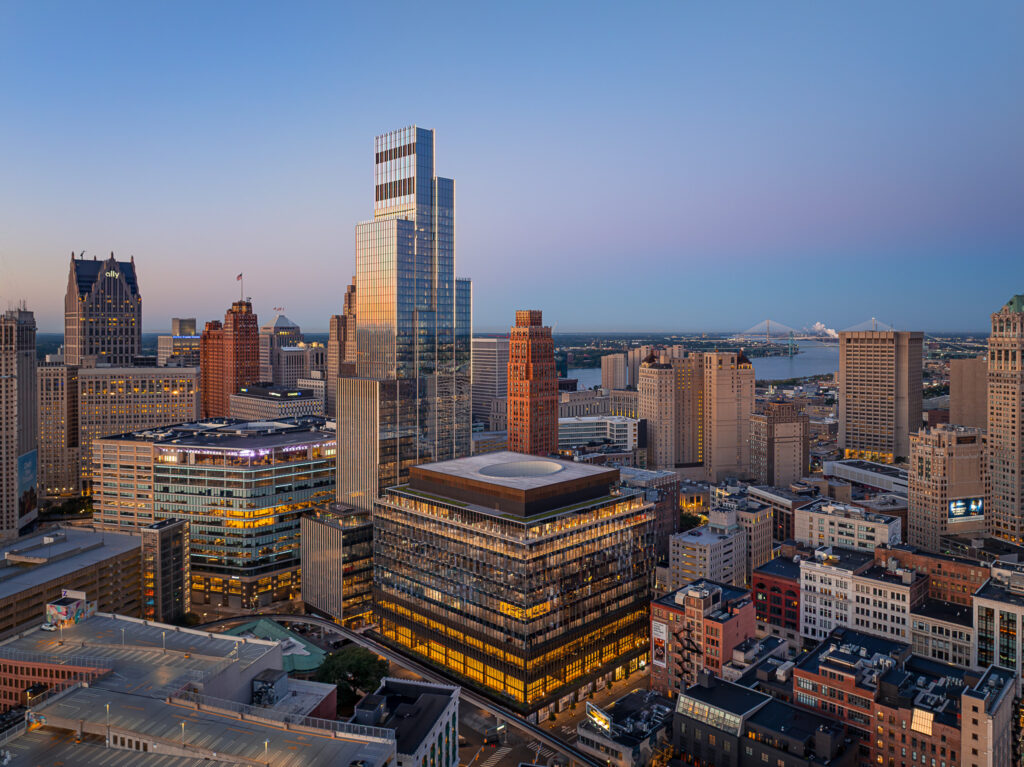
Detroit Month of Design: A City’s Work in Progress
Now in its 16th year, the celebration offers insights into the Motor City’s ongoing accomplishments without glossing over its hurdles.
Projects
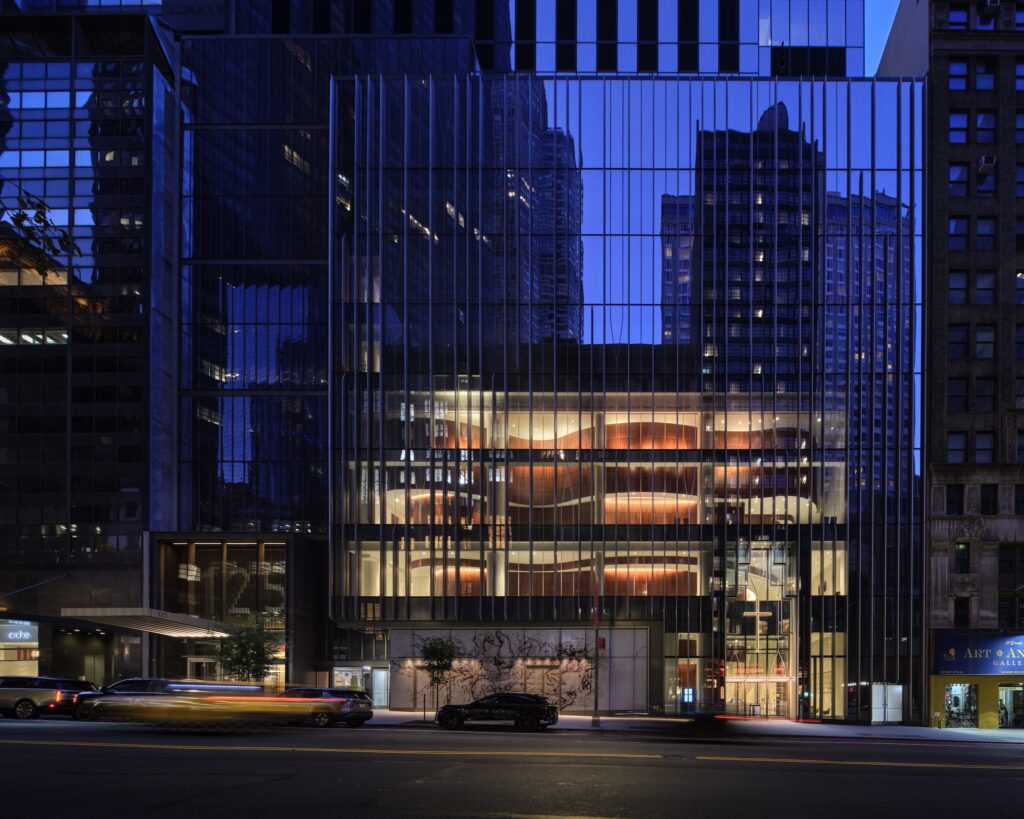
How a Hybrid Building Helped an Historic Manhattan Congregation Remain in Place
On Billionaire’s Row, FX Collaborative designed a new home for Calvary Baptist Church combined with an office tower.