



May 8, 2026
Milan Design Week: 7 New Sustainable Products and Perspectives
Architects, designers, and curious urbanites arriving in Milan for its design week can expect to see two key things: a city bursting with design—from a giant inflated octopus towering over iconic shopping and dining complex, 10 Corso Como, to a merry-go-round with seats shaped like fruits and vegetables—and an endless stream of tote bags. An attentive participant could end up with an entire second suitcase-full of free swag if they aren’t careful. The unfortunate alternative is the trashcan—unless the merchandise is edible, as was the case with the pop-rocks press kit from Spanish furniture brand Sancal.
But sustainability at trade shows remains a paradox. Even for companies with climate-conscious products on display, the booths themselves often produce significant amounts of waste. And at the biggest design trade show of the year, Salone del Mobile, brands go all out—often creating entirely new spectacles every year. But some companies are making a point of recycling their booth designs and reducing their carbon footprints: Knoll has been reusing its metal grid booth for the last few years, Miele’s modular design is set to be rebuilt in the U.S. and Fisher & Paykel will repurpose the native Tōtara wood in their showroom back in New Zealand.
In conversations with manufacturers and designers across Milan, sustainability emerged repeatedly—sometimes as a talking point, sometimes as a selling point, and often as an open question. A publicist from a major furniture brand known for its sustainability initiatives asked: Is sustainability still important? Are people still interested? The answer, based on broader industry sentiment, is yes. In fact, as the inaugural METROPOLIS Interface U.S. Sustainable Design Report 2026 makes clear, most A&D professionals care deeply about embedding sustainability into daily practices and have the tools to do so.
Here are seven brands seen in Milan exploring materials, systems, and approaches to reducing waste.
1. Kriskadecor
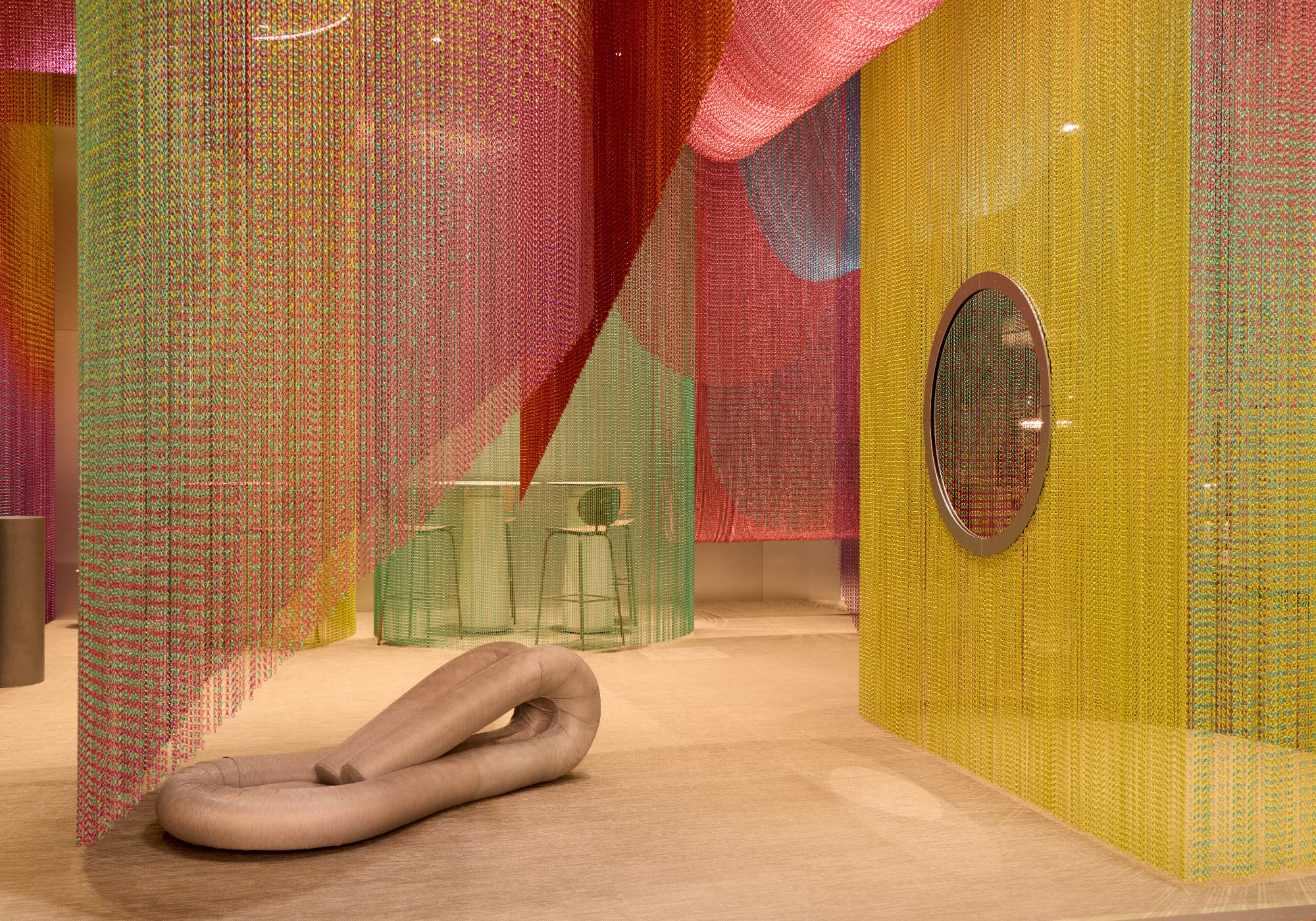
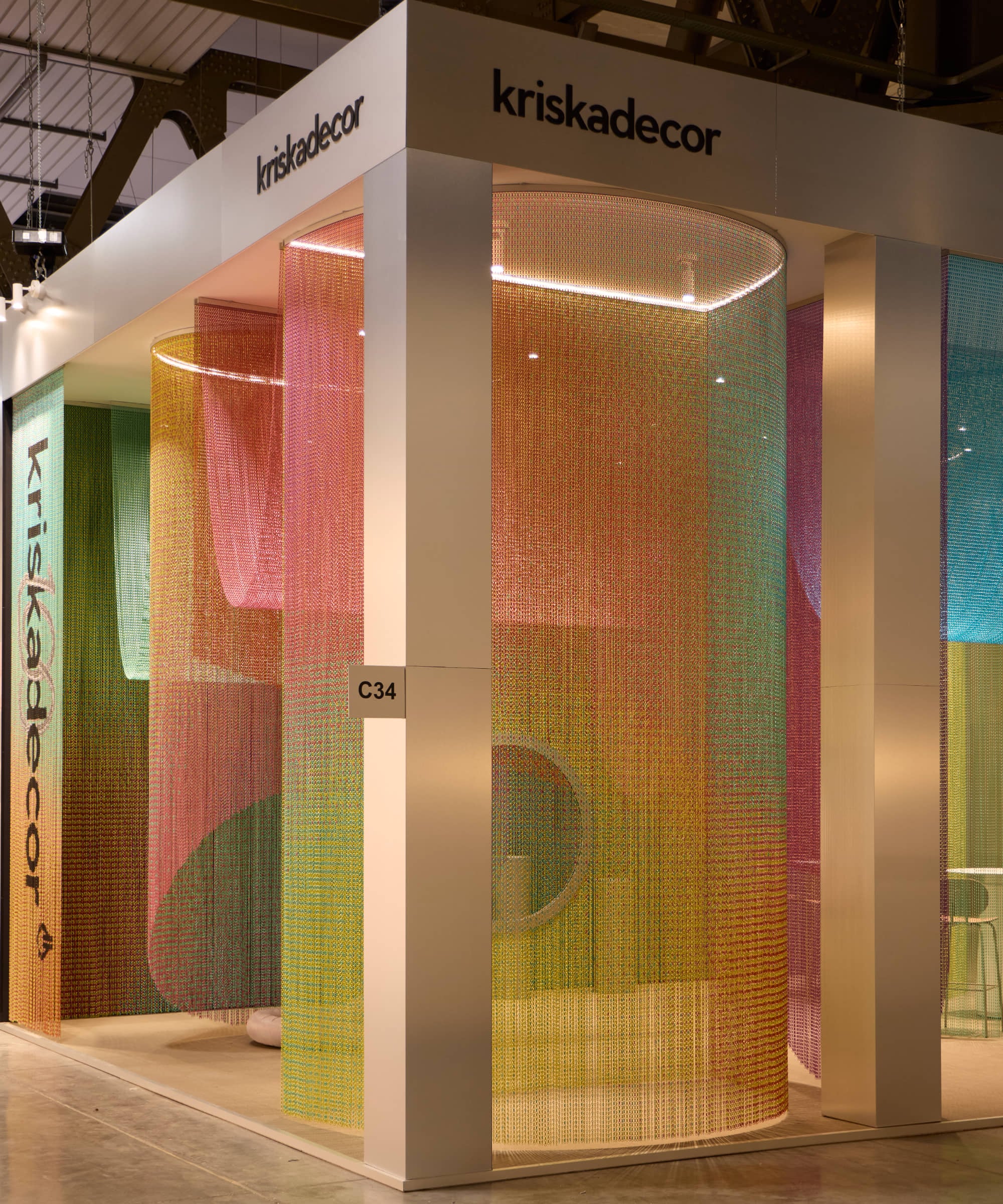
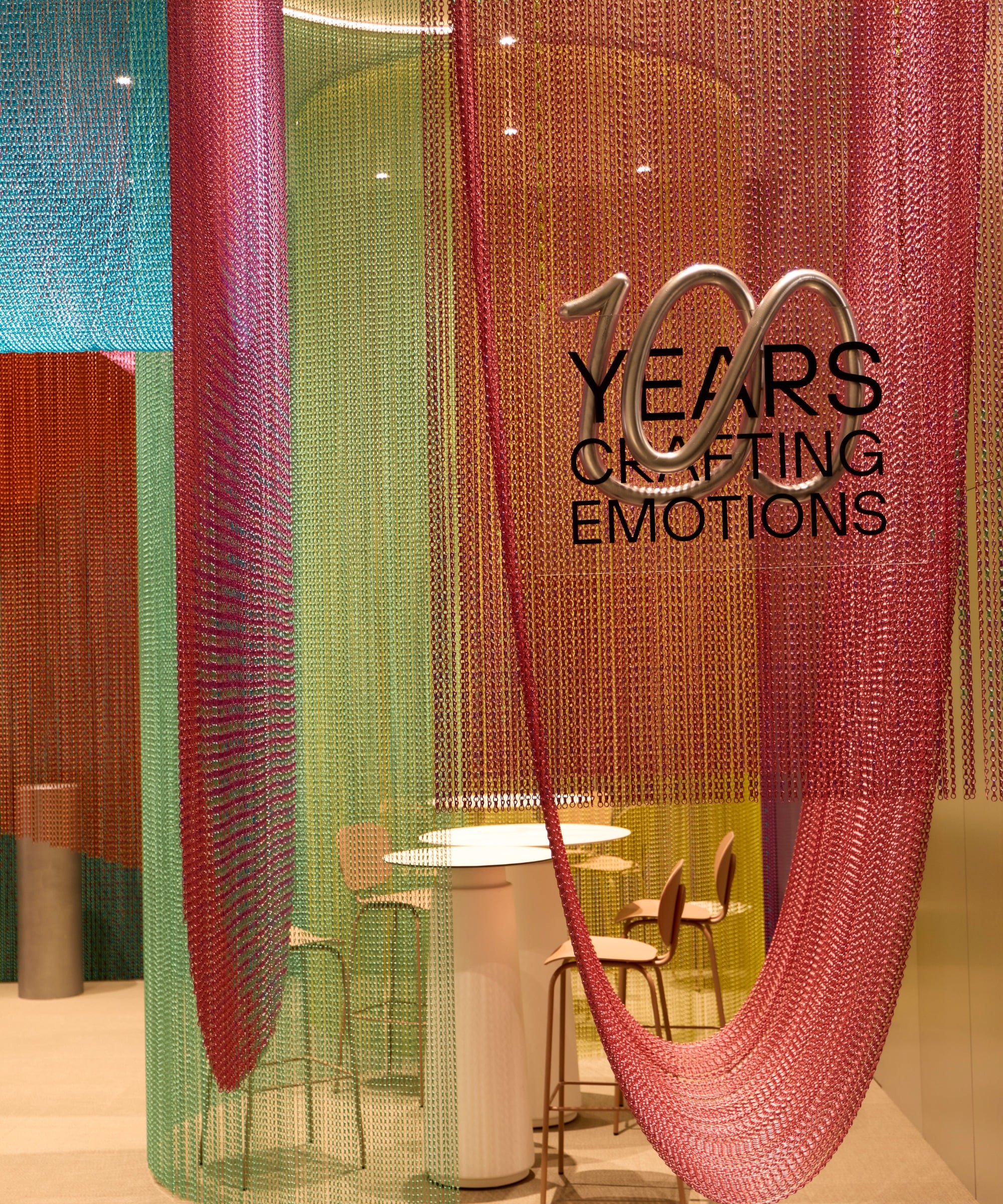
Celebrating its centenary this year, the Spanish interior design studio has long been known for its sustainable custom mesh curtains. Made from 100 percent recyclable aluminium, Kriskadecor’s two profiles—Kriska and Snina—offer a range of textural finishes, from the most durable to the most delicate. At their Salone del Mobile booth, these cascading, colored curtains pulled in passersby like bees to honey, all marveling at the metallic fabric equally impressive for its small ecological footprint.
2. Arper
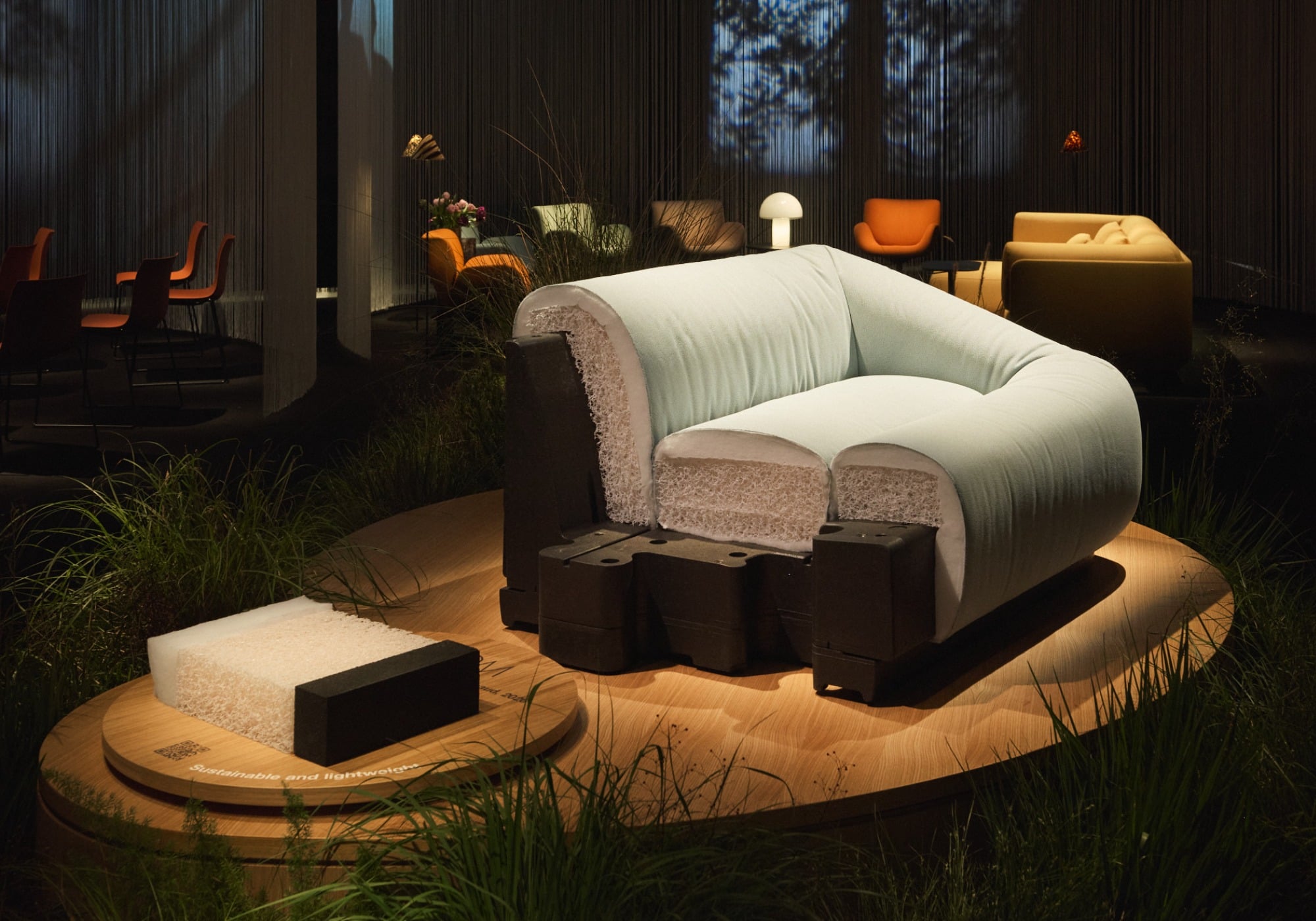
Released this year, Arper’s new Aom collection by Jean-Marie Massaud was designed as a versatile indoor/outdoor furniture line that makes reconfiguration easy. What sets it apart is its construction. Made of only two components—a lightweight polypropylene (EPP) structure and a recyclable polyester elastomer dubbed Breathair—Aom does away with polyurethane padding altogether (a material that is notoriously difficult to recycle). Alongside Aom, a new lounge chair by Doshi Levien named Cari prioritizes recyclable materials and complete end-of-life disassembly, and an expansion of the Catifa (RE) 46 collection—made from 100 percent recyclable plastic shell—now features new upholstered versions.
3. KOHLER
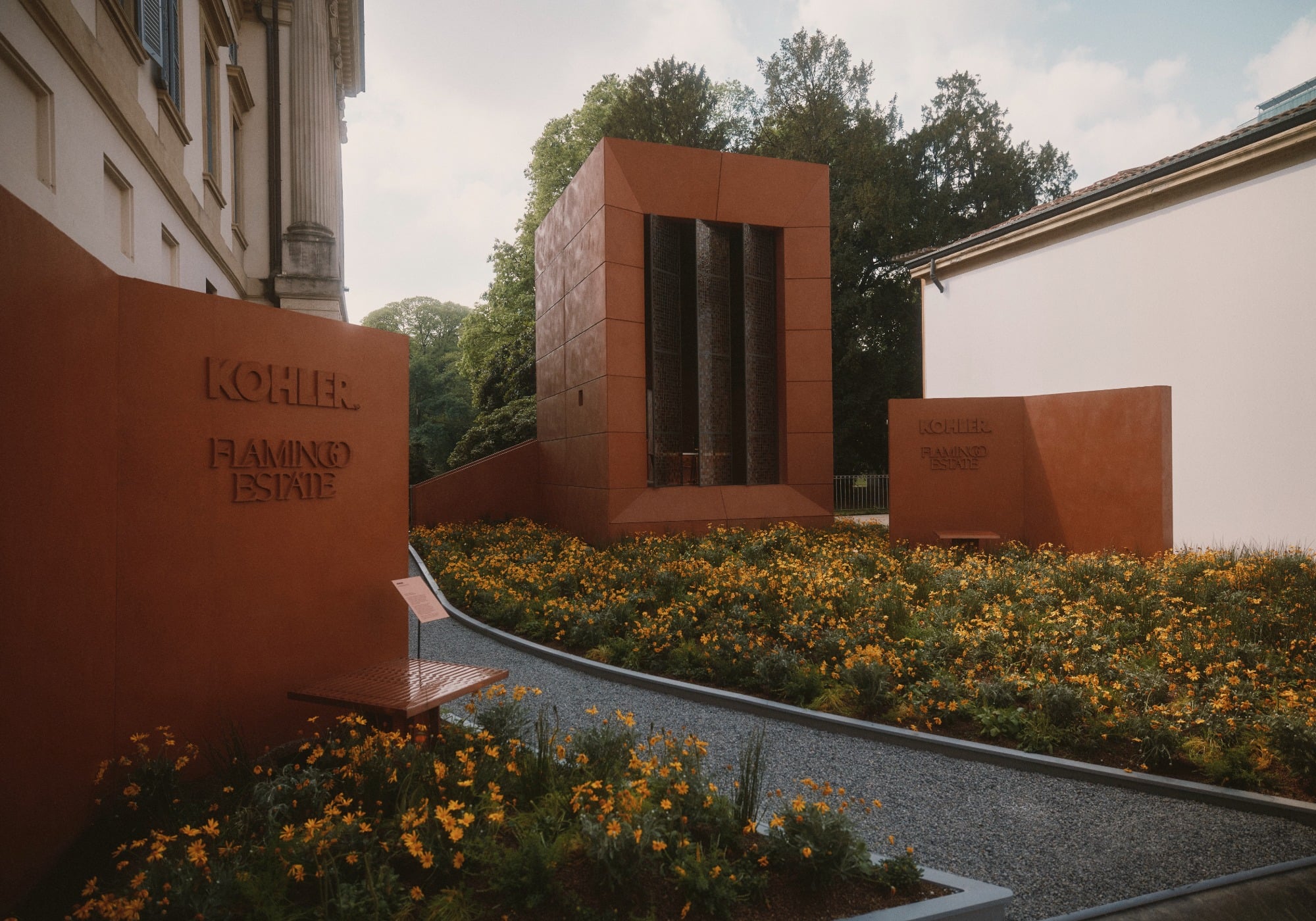
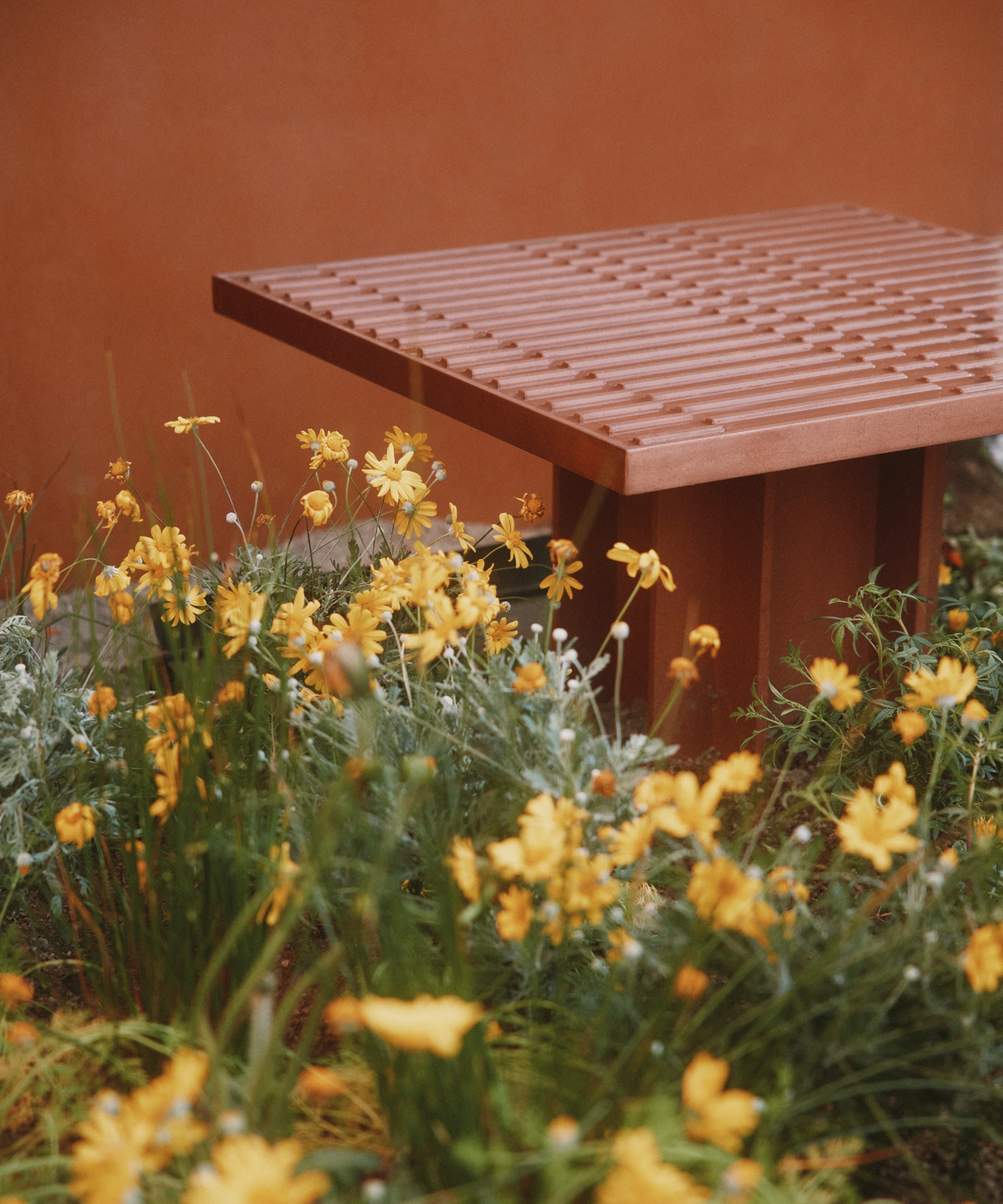
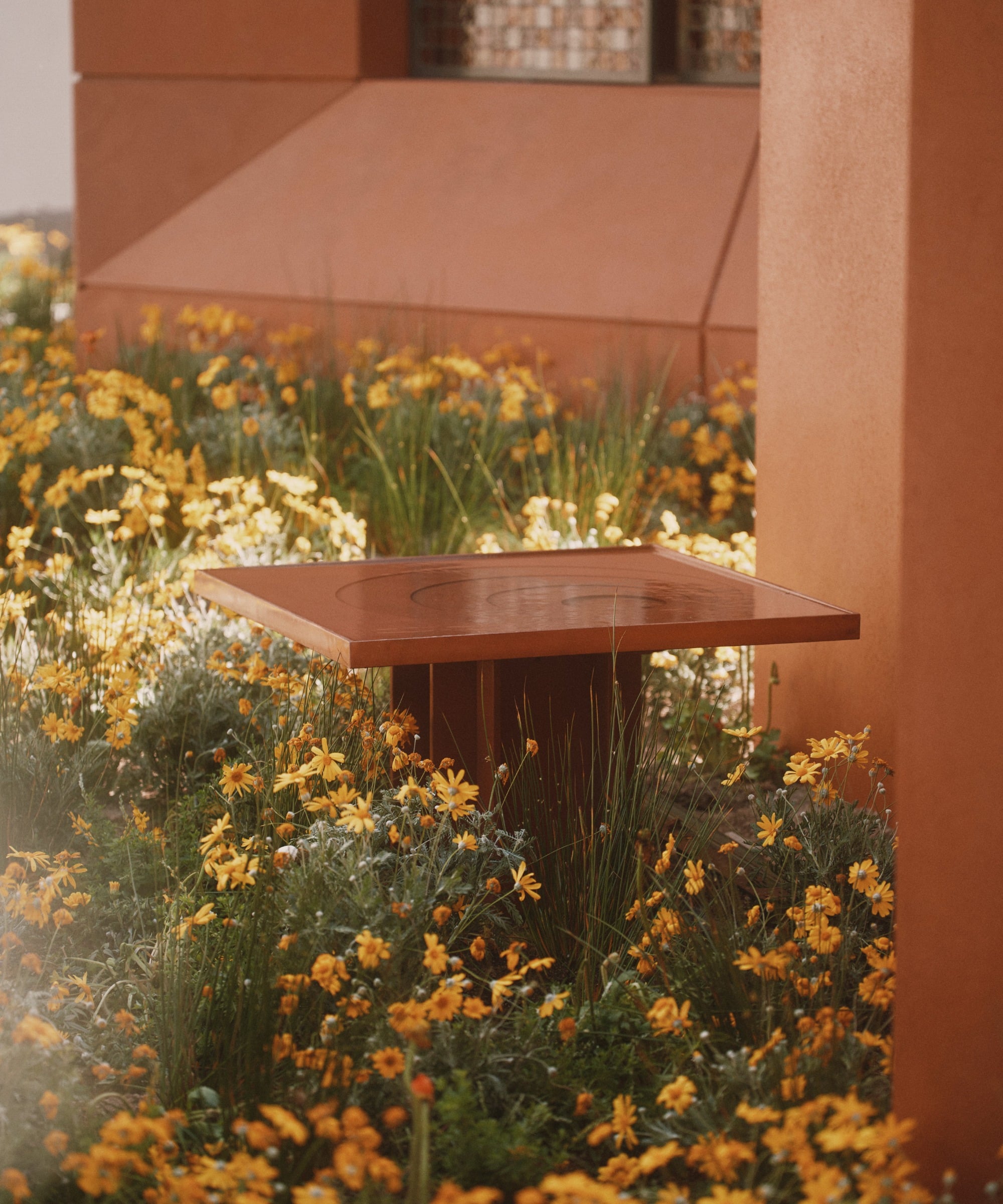
Set within the idyllic Padiglione d’Arte Contemporanea for Fuorisalone, The Flamingo Estate Bathhouse by Kohler displayed a deep connection between design and nature. Walking into the courtyard, the first thing visitors encounter is a large, copper-colored brutalist bathhouse surrounded by wildflowers. Inside, a Kohler freestanding enameled cast iron bath—made of 80 percent recycled material—catches the light of floor-to-ceiling stained glass panels. In the gardens, visitors encounter four one-of-a-kind pollinator baths that promote biodiversity for birds, bees, butterflies, and other creatures. These sustainable sanctuaries, devised by project partner Richard Christiansen, founder of Los Angeles–based Flamingo Estate, and brought to life by Kohler in its Wisconsin foundry, speak to a shared desire to unite human craft and the natural world.
4. Andreu World
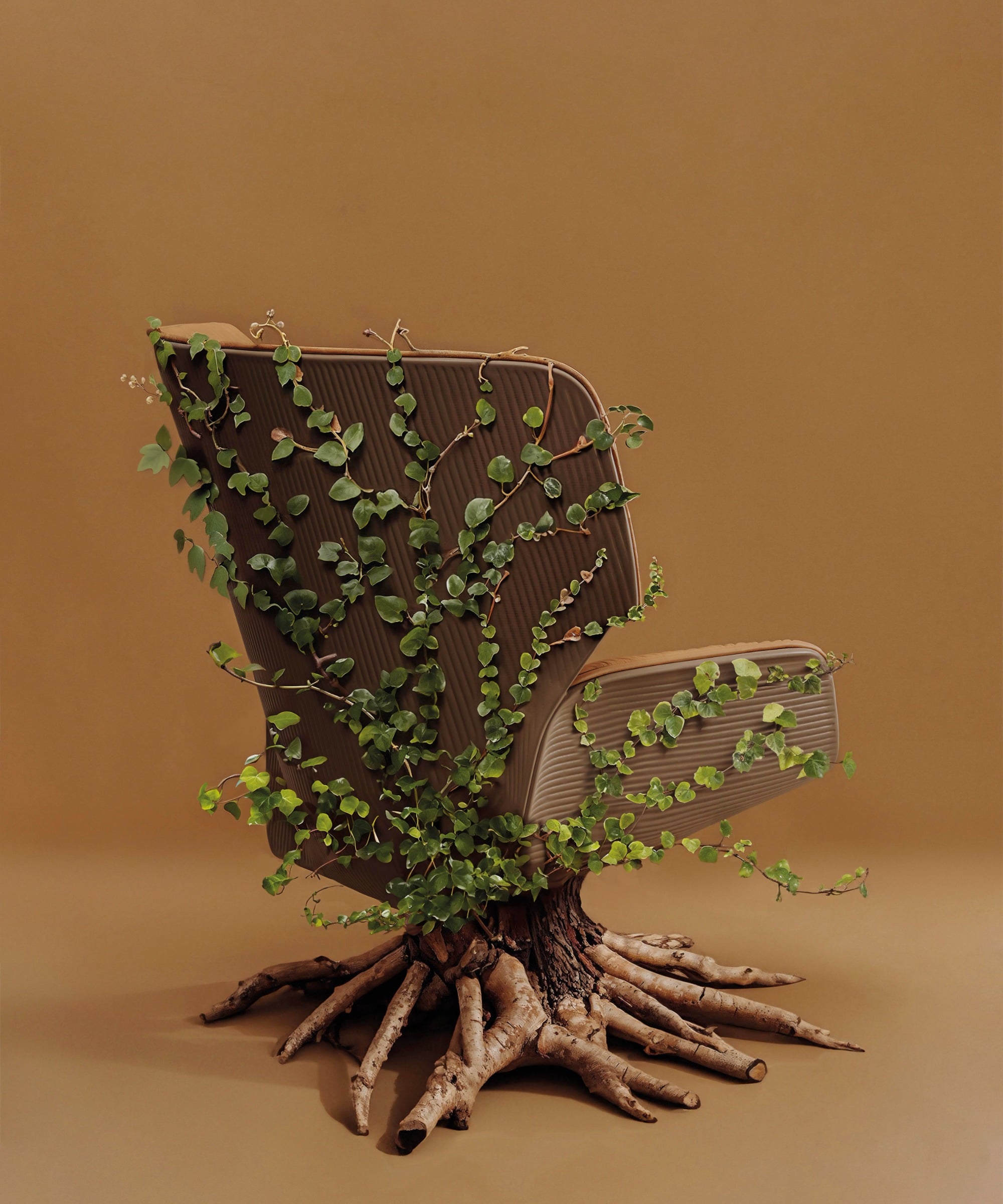
A leading company in circular furniture—and the first in the world to obtain 100 percent FSC certification—Andreu World introduced a new color palette of its BIO thermopolymer at its Milan showroom. The fully recyclable, biodegradable and compostable plastic that resembles the profile of wood is now available in hues selected by designer Patricia Urquiola. A close collaborator of the brand, Urquiola also presented her 2026 collections, including the Bolete lounge collection and Calma lounge, and hosted the first of two intimate talks at the showroom. The second was a conversation with designer Benjamin Hubert about recent Andreu World collaborations, like the Velo chair and Triada Lift tables. Both designers presented collections that are 100 percent cradle-to-cradle.
5. Miele

For the return of EuroCucina at Salone, premium home appliance brand Miele unveiled an eye-grabbing red facade for its booth, themed “Designed to Move with You,” which featured a range of new tech innovations and a Michelin-star cooking class. Notable highlights included a self-cleaning combi steam oven and an AI Culinary Coach. Sustainability is also embedded in the products. One example: an automatic smart feature in Miele dishwashers adjusts the water level based on need, reducing water waste. Plus, chairs in the coffee lounge were made from repurposed material recovered from the canals of Amsterdam.
6. Expormim
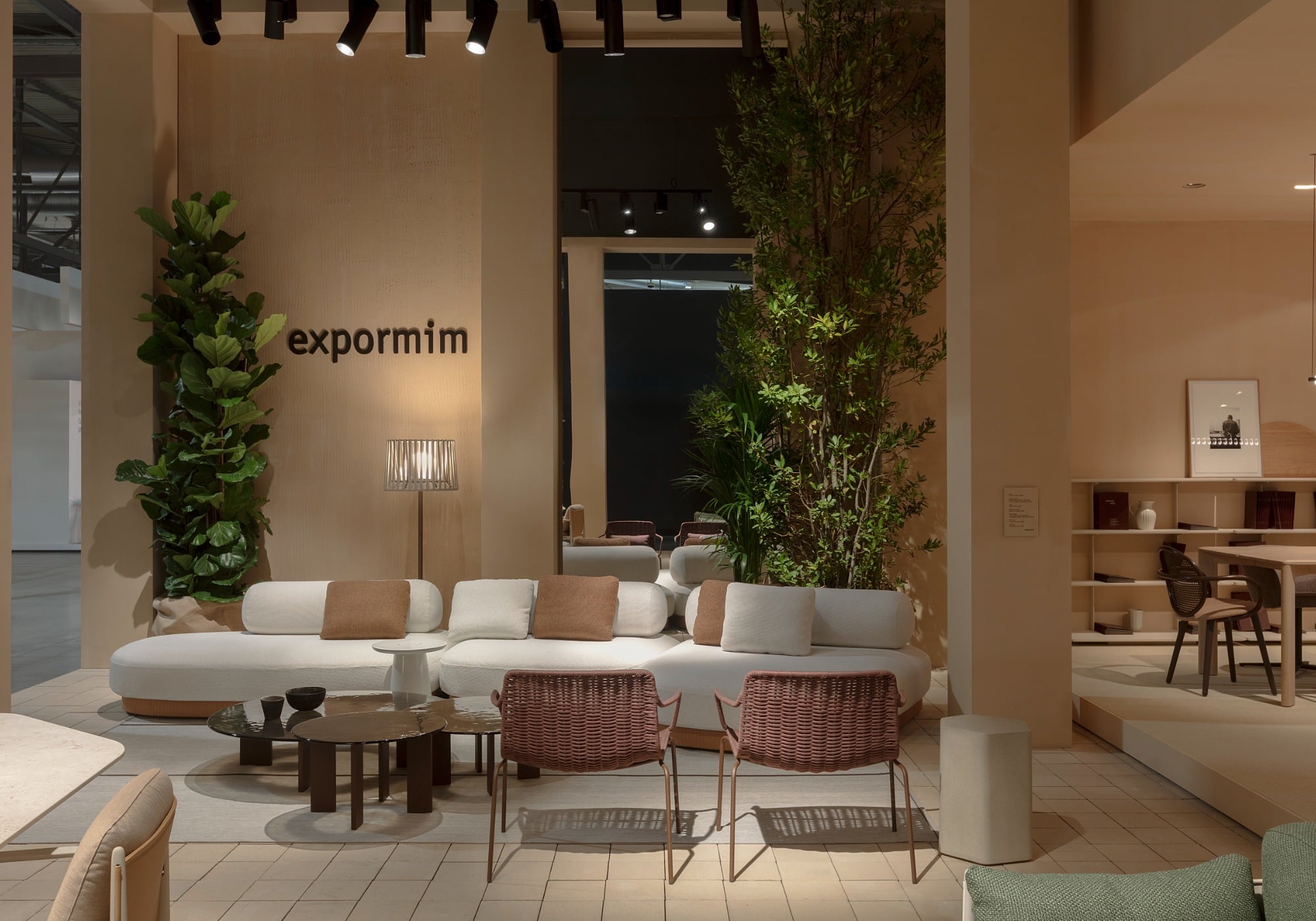
Committed to net zero by 2035, Valencia-based indoor/outdoor furniture brand Expormim introduced three new climate-conscious furniture collections. Meridies by Roberto Lazzeroni features woven rattan seating made from FSC sapele wood; the modular outdoor furniture line, Brae, by Norm Architects makes use of recycled aluminum alloy and new recycled fabrics (Sunbrella, Strada, or Bora Bora from Crevin); and Leku coffee and dining tables by Javier Pastor are also crafted with FSC-certified wood legs.
7. Fisher & Paykel
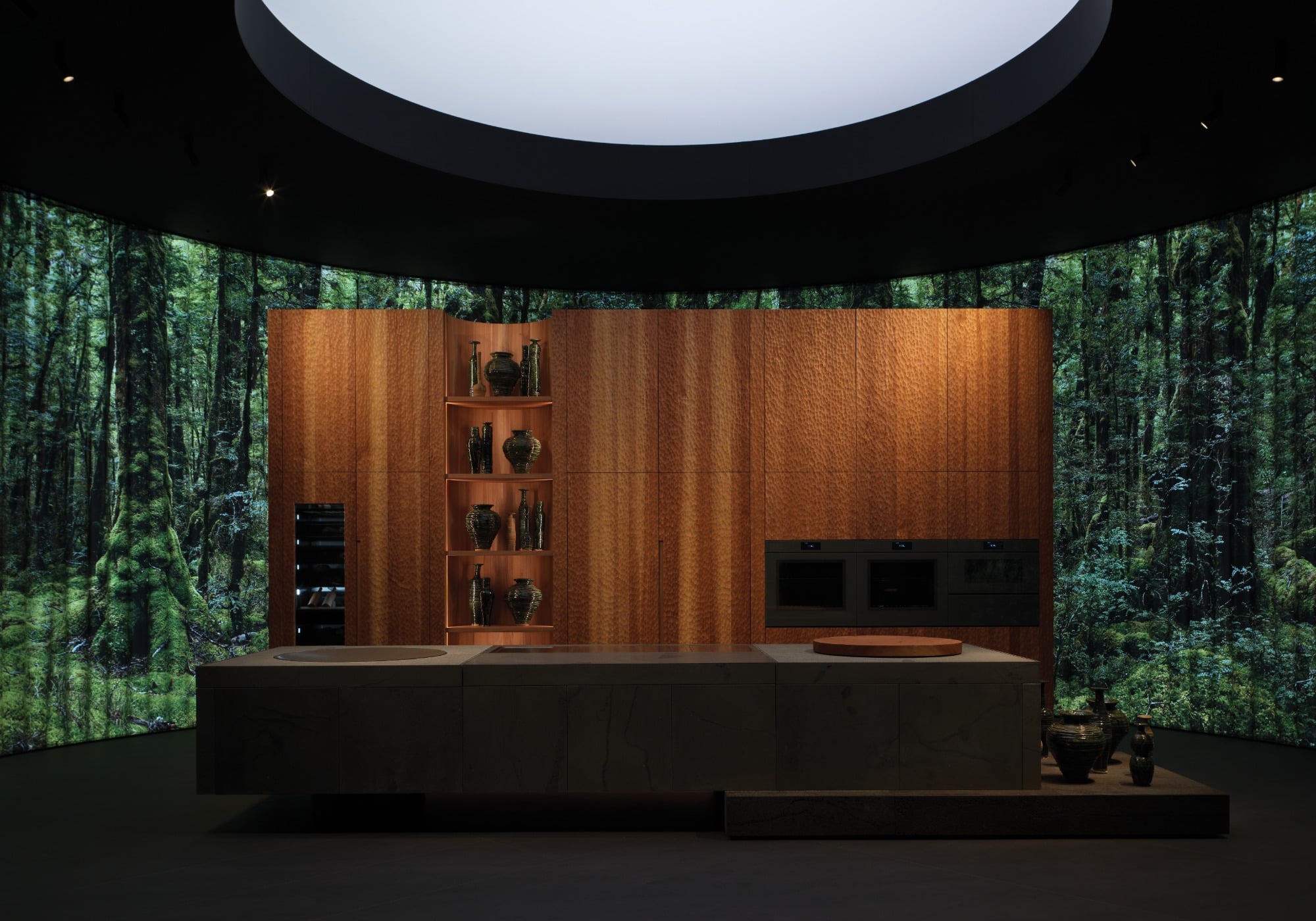
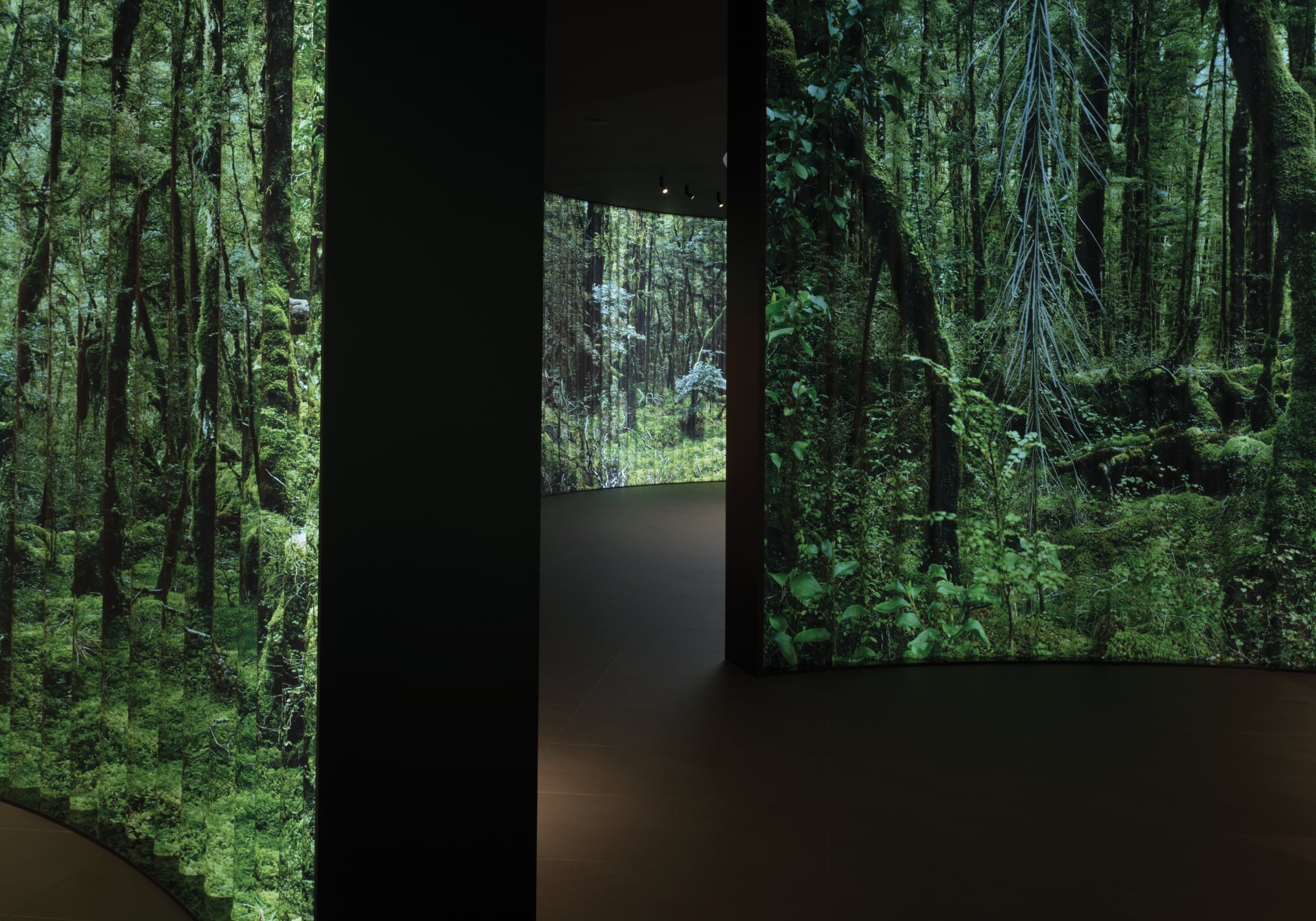
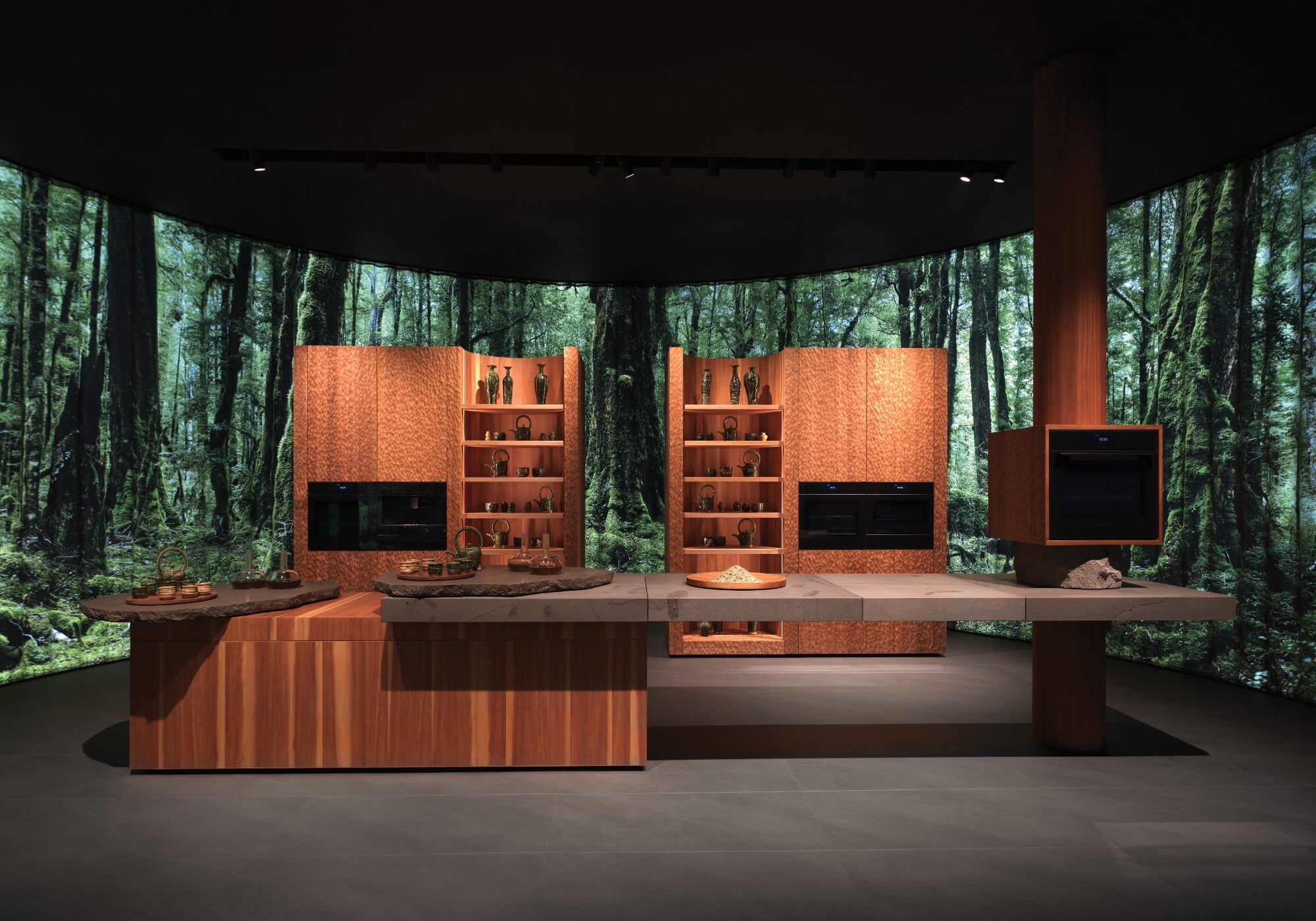
With one of the most immersive—and calming—booths at Salone, the New Zealand kitchen appliance brand Fisher & Paykel brought a taste of Aotearoa to the trade show floor. Within a continuous floor-to-ceiling forest scene, the brand’s beautifully crafted appliances came to life—in particular, a kitchen system made of local New Zealand Tōtara softwood, featuring a subtle and textural grooved pattern that enhanced the immersive experience. On display were modular induction cooktops, integrated column refrigerators, fabric solutions, and more, along with ceramics from local artist Aaron Scythe. Looking to reduce carbon emissions per appliance sold by 50 percent in the next four years, Fisher & Paykel makes sustainability part of everyday ritual.
Would you like to comment on this article? Send your thoughts to: [email protected]
Latest
Viewpoints
Detroit Month of Design: A City’s Work in Progress
Now in its 16th year, the celebration offers insights into the Motor City’s ongoing accomplishments without glossing over its hurdles.
Projects
How a Hybrid Building Helped an Historic Manhattan Congregation Remain in Place
On Billionaire’s Row, FX Collaborative designed a new home for Calvary Baptist Church combined with an office tower.