



May 1, 2026
11 Tools Transforming Sustainable Design
01 WATER
Epic Cleantec positions itself at the intersection of infrastructure, architecture, and climate resilience, challenging a centuries-old model of centralized water management with building-scale solutions. Founded on the premise that wastewater is a recoverable resource, the company deploys onsite treatment and reuse systems that allow individual buildings—or clusters of them—to recycle up to 95 percent of their water. Its flagship OneWater™ system, recognized as a TIME Magazine Best Invention in 2022, converts wastewater into non-potable reuse water, soil amendments, and recovered heat energy, reducing both environmental impact and long-term operating costs.
Kristen DiStefano, Director of AtelierTen, highlighted that their “site water reuse and resource recovery systems make circular water strategies truly achievable at the building scale. The combination of bespoke analytics and collaboration with innovators in the field is helping us deliver projects that are not only more resilient but also regenerative and aligned with a circular future.”
Epic offers an alternative to municipal systems that are increasingly strained by climate change, population growth, and deferred maintenance. By treating water onsite, Epic aims to relieve pressure on public sewer networks and insulate building owners from annual rate increases that can reach 5–10 percent. Most building and health codes, cofounder and CEO Aaron Tartakovsky explains, were “written for a purely centralized model,” leaving onsite reuse systems in a regulatory gray area. The company has responded by taking an unusually proactive stance— working directly with agencies, hosting regulatory training sessions, and helping cities establish modern permitting pathways.
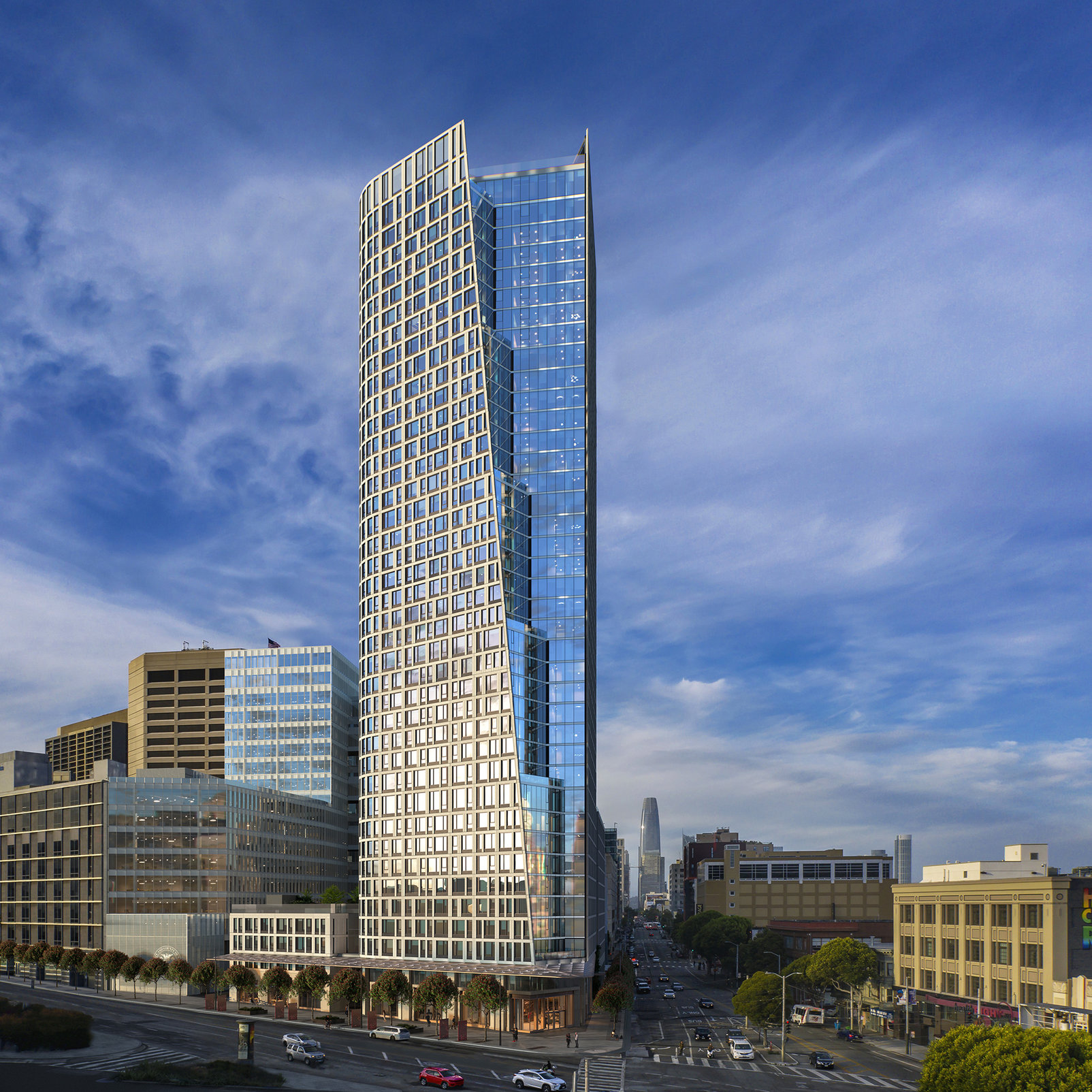
Epic’s project credits now include the first approved greywater system in San Francisco, the country’s largest onsite blackwater system at Salesforce Tower, and a recycling system at the Waldorf Astoria Beverly Hills. The company is scaling rapidly, driven by new municipal mandates and incentives in New York, Los Angeles, and Austin. And with the 2025 launch of OneWater Rain, a modular system capturing rainwater and HVAC condensate, Epic is expanding beyond wastewater alone.
02 HEATING AND COOLING
As buildings transition away from fossil fuels, cold-climate heat pumps are being recognized as a cornerstone technology for decarbonization. While heat pumps have existed for decades, recent advances have resolved their long-standing performance issues in cold regions, making efficient electrification possible in more places.
“Advances in cold-climate heat pumps offer a powerful opportunity to move the needle on building decarbonization. Our research focuses on rethinking traditional sustainable design approaches, like window selection in cold-climate multifamily buildings, to work in concert with these systems to keep down utility bills,” MIT associate professor Holly W. Samuelson adds.
Global HVAC manufacturers like Mitsubishi are increasingly pairing these technologies with all-electric buildings, district energy systems, and renewable grids, positioning heat pumps as a mature and scalable solution rather than an experimental one.
“Does this mean architects in cold climates can simply design the same building and swap a conventional HVAC system for a heat pump?” Samuelson warns, “not necessarily.” Envelope performance plays a decisive role. Improved insulation reduces peak loads, allowing smaller equipment and lowering costs, while also reshaping the relationship between heating and cooling demand.
Traditional “Goldilocks” strategies may no longer apply. In some cold-climate residential projects, “it can be worth modeling higher–solar heat gain coefficient glazing, particularly on south-facing façades,” she says, even when this contradicts conventional guidance. Simulations often reveal lower utility bills and meaningful carbon reductions.
Cooling, on the other hand, is one of the fastestgrowing drivers of global energy use, leading experts to question whether conventional air-conditioning—sealed, overcooled, and mechanically intensive—should remain the default. One emerging alternative is “soft cooling,” also known as “hybrid cooling,” a design strategy articulated and advanced by Transsolar Klimaengineering, the consulting team with offices in New York, Stuttgart, and München. As Erik Olsen, managing partner at Transsolar, describes it, soft cooling focuses on “designing spaces to be provided with the small amount of tempered (not cold!) fresh air required for air quality – and nothing more.”
Rather than chasing uniform interior temperatures, soft cooling prioritizes human comfort through airflow, humidity control, and thermal adaptation. The result is intentionally warmer indoor environments that remain comfortable while significantly reducing system complexity and energy demand. Olsen frames the approach: “Soft cooling is a key technology for both simplifying complex air conditioning systems and dramatically reducing energy use from cooling, while providing spaces that occupants report as more comfortable compared to the overcooled environments that have become standard around the world.”
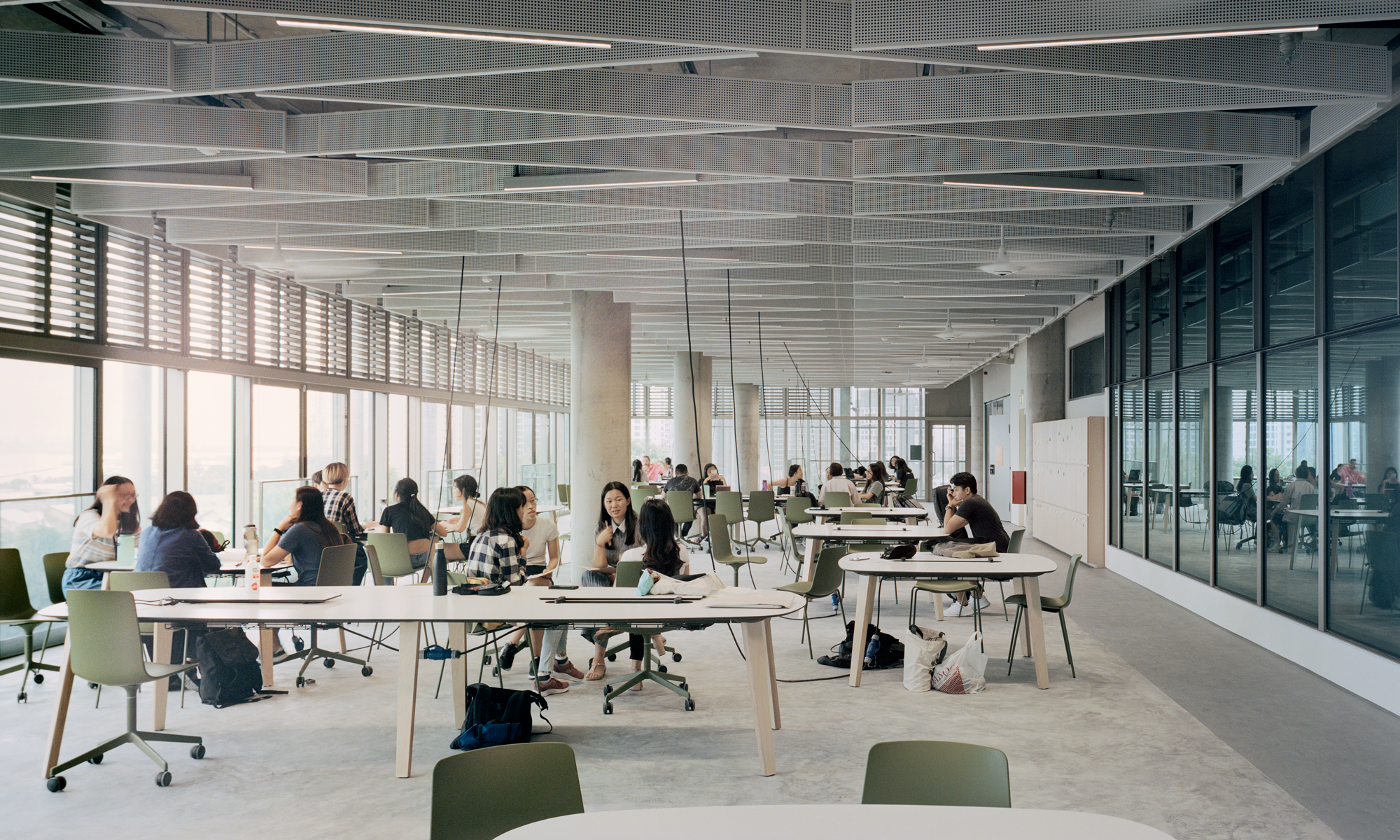
Transsolar’s work at the National University of Singapore’s School of Design and Environment offers a compelling case study. Located in a hot, humid climate traditionally associated with energy-intensive cooling, the building integrates hybrid ventilation, ceiling fans, solar shading, and careful massing to minimize mechanical reliance. Instead of isolating the interior from the climate, the building works with it—leveraging cross-ventilation, adaptive comfort models, and selective conditioning only where necessary.
03 AI
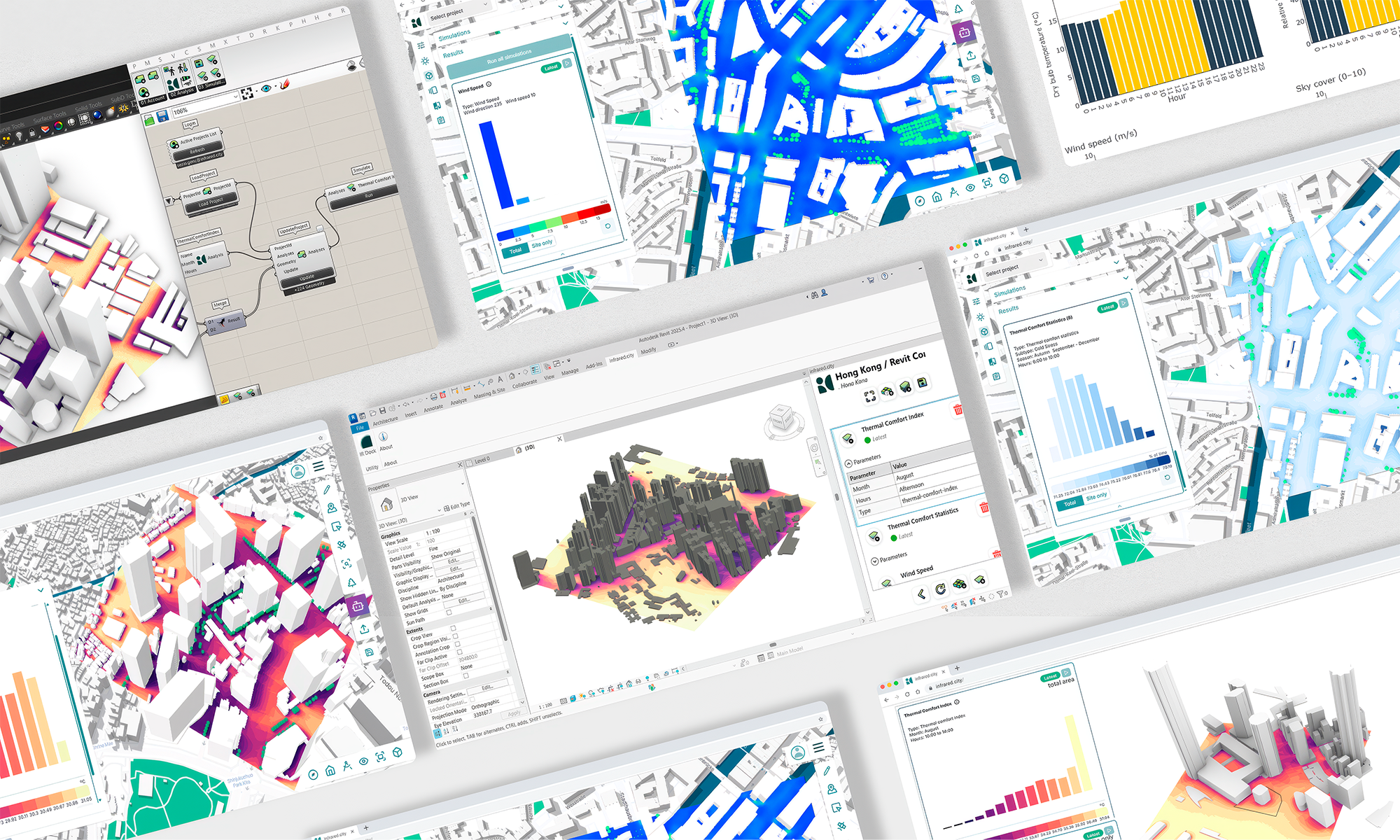
For many architecture and planning teams, the gap between sustainability ambition and real-world outcomes is less about intent than timing. As Theodoros Galanos, Chief Science Officer of Infrared.city, explains, critical decisions are often made in days, while conventional environmental simulations can take weeks. Infrared.city responds by embedding real-time, AI-driven climate simulation directly into the software environments designers already use, reframing ecological performance as a live design parameter rather than a post-rationalized check.
The platform serves architects, urban planners, municipalities, and real estate stakeholders working at scale, where microclimate performance increasingly shapes livability, resilience, and asset value. Galanos emphasizes that the challenge is not accuracy versus speed: “We reject this framing—the real question is about accessibility.” By integrating simulation into CAD, BIM, and GIS workflows, Infrared.city allows teams to test dozens of scenarios early, when form, orientation, and massing decisions still matter.
In the U.S., fragmented data standards, inconsistent climate datasets, and siloed procurement processes often limit the usefulness of advanced simulation. Infrared.city addresses this by translating complex outputs—radiation maps, wind fields, heat stress indices—into actionable guidance, aiming to make climate-informed decisions as fast and fundamental as drawing itself.
04 DATA
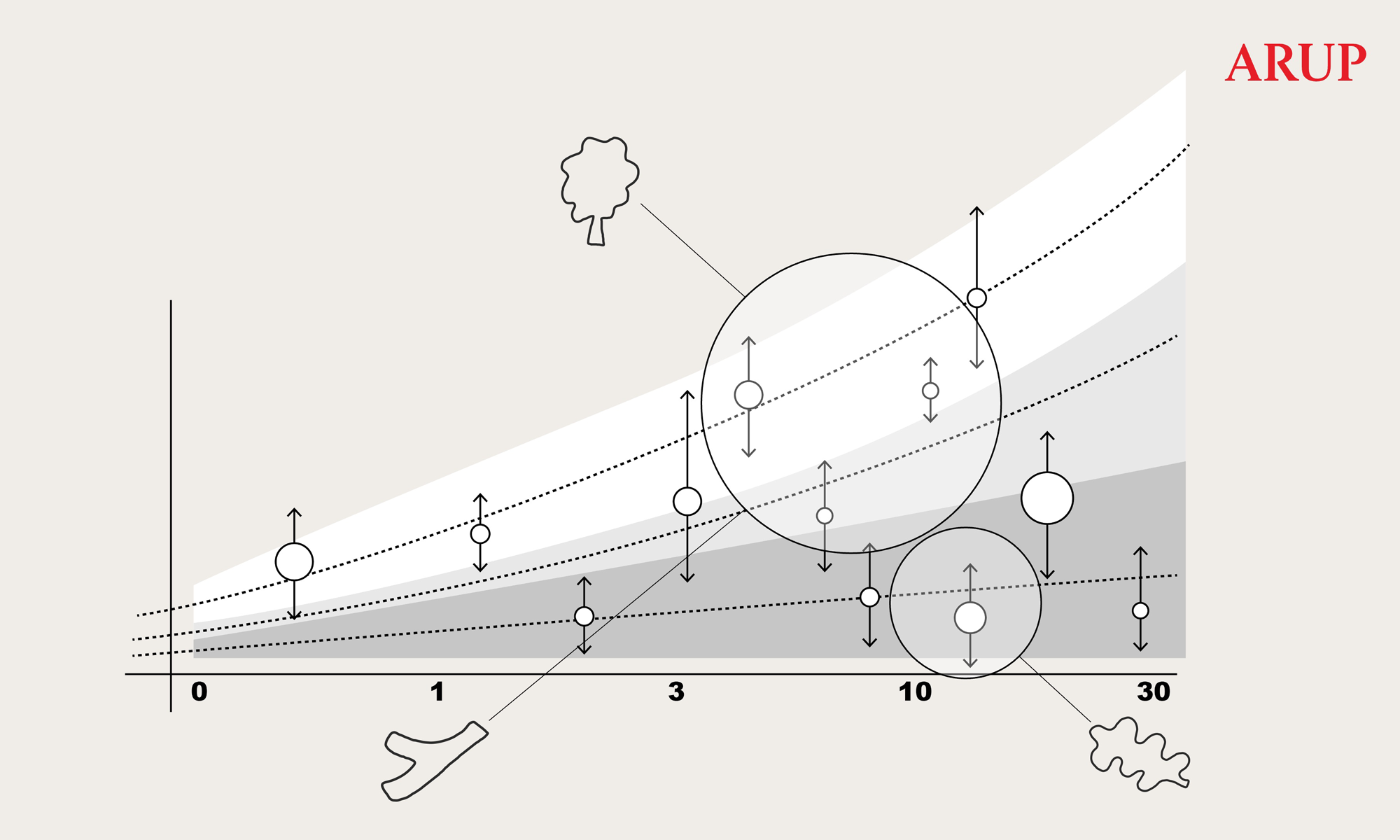
Long-term thinking is often invoked in sustainability discourse but rarely operationalized in ways that shape near-term decisions. Arup’s 1–3–10–30 tool, developed through research led by associate Tobias Revell, attempts to close that gap by making foresight both accessible and actionable across the design and engineering process.
As Revell explains, the original aim was to help Arup’s leaders “map how our long-term purpose of building a better world would require action in the short term,” while also clarifying how decisions made over the next one to three years can reverberate across decades. Rather than relying on abstract futures thinking, the framework translates complexity into a diagrammatic structure that helps users visualize interdependencies across time horizons.
Designed initially for internal teams working on asset management, climate strategy, and long-life infrastructure, the tool has since expanded to clientfacing applications. It is used both to broaden the framing of complex problems—surfacing long-term externalities— and to stress-test strategies for adaptability and resilience. Revell notes that people often need “something diagrammatic or straightforward” to navigate uncertainty more effectively than traditional qualitative foresight methods alone.
Crucially, the framework is not geographically fixed. Revell emphasizes that it is “globally applicable,” with localized datasets now being developed for specific cities and regions. Within Arup’s Total Design ethos, the tool supports evidence-informed conversations about how climate, demographics, and technology may reshape sites and user needs over time.
05 REUSE AND REGENERATIVE MATERIALS
Autodesk Research is using artificial intelligence and BIM (Building Information Modeling) to reframe one of architecture’s most persistent sustainability challenges: how to reuse existing buildings to avoid carbon emissions.
As Andrew Gracefa, Principal, Energy & Sustainability at the global consulting firm Socotec, remarks: “The utilization of BIM platforms is critical to the future of our work, particularly how it can enable project and product circularity initiatives. Adaptive reuse of existing buildings, whether for electrification, office-to-residential conversion, or similar, is an impactful way to reduce the embodied carbon of projects.”
At Autodesk, this new research area is led by senior principal research scientist John Locke, exploring how AI-assisted material selection and sensing technologies can make adaptive reuse more practical, scalable, and reliable across the AEC industry.
Locke emphasizes that reuse “remains difficult not because of a lack of intent, but because of uncertainty.” Existing buildings often conceal critical information, leaving teams to work with incomplete drawings, unknown conditions, and late-stage surprises. The research uses AI to synthesize disparate datasets— historic plans, laser scans, GIS records, and sensor data—to “see inside the walls” and generate component level material inventories, including hidden elements. This shift allows materials typically treated as demolition waste to become, in Locke’s words, “valuable assets.”
Autodesk’s AI-assisted workflows can then support reuse-oriented design by identifying how reclaimed materials can be recombined to meet performance goals or used in new assemblies that are cost-effective, high-performing, and low-carbon. One example replaces newly manufactured acoustic products with reclaimed carpet tiles repurposed for sound attenuation. Crucially, the research also exposes systemic gaps in material data and carbon accounting. Locke argues that clearer, more comparable information is essential to help teams navigate tradeoffs between “cost, carbon, performance, and livability.”
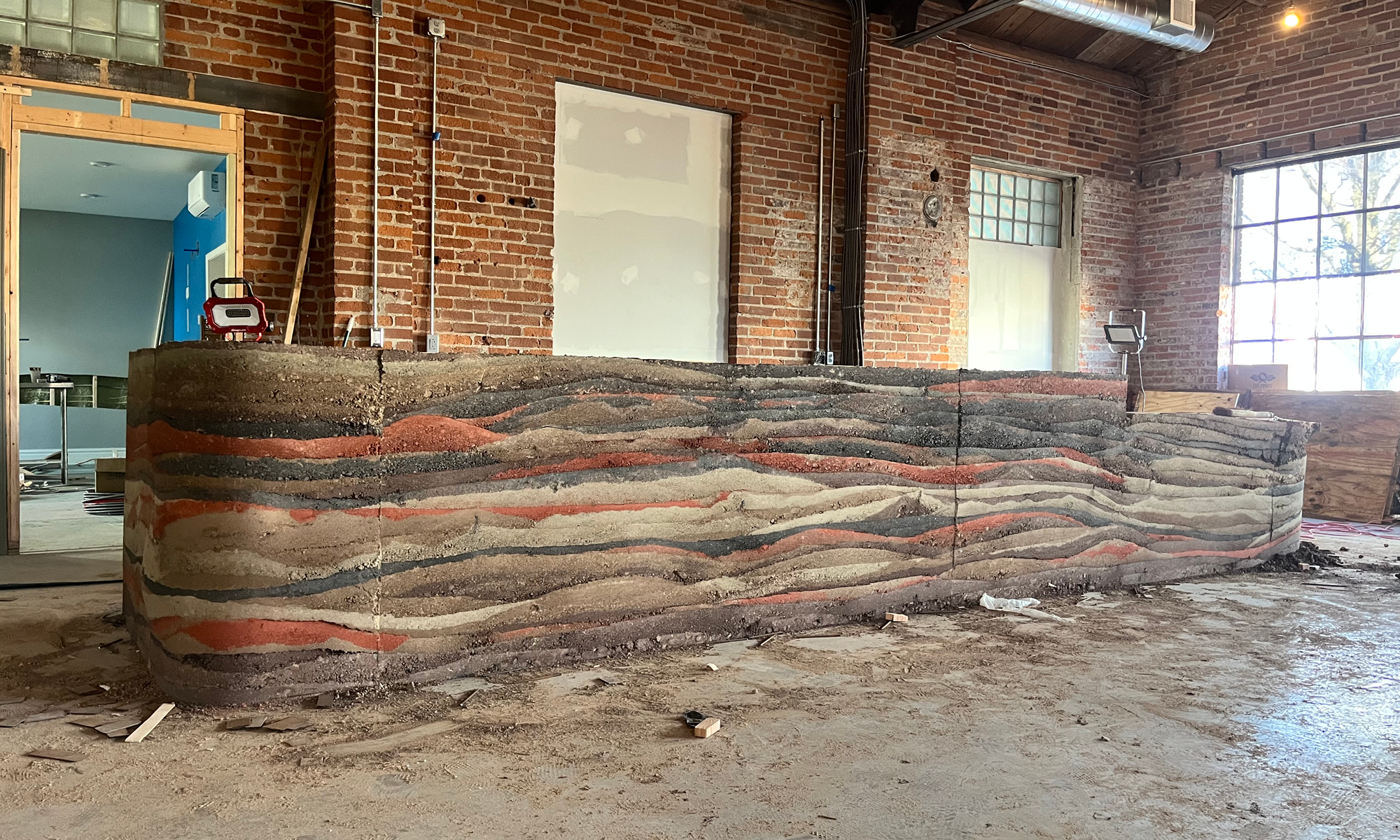
Where we use new materials, our framework must be regenerative. “Substantially lowering the embodied carbon footprint of the built environment will depend on transitioning to much greater use of bio-based materials, including compressed earth technologies like the one by Civic Saint,” says Emilie Hagen, Director of Innovation at AtelierTen. A for-profit social enterprise, Civic Saint approaches housing innovation through material intelligence and social repair, positioning earthen construction as both a technical and cultural intervention. Founded by Godfrey Riddle, the company is aimed at “dismantling the legacy of discriminatory housing policies in Black American communities through the delivery of artful, affordable homes,” some of them built with its proprietary GeoNova™ Compressed Earth Block system.
“Affordable does not mean ‘compromised’,” Riddle says, insisting that performance and dignity must be inseparable. Civic Saint’s blocks are engineered to meet ASTM C90 standards and are fire-resistant, non-toxic, and highly durable.
Recent projects signal a transition from proof-ofconcept to deployment. Following a debut at Kansas City Design Week, Civic Saint has moved into private commissions, including a rammed-earth service counter for a Kansas coffee roaster and the Stonehome Signature, a 900-square-foot single-family residence designed by BNIM near Kansas City’s historic 18th and Vine district. The home’s pricing and compact footprint challenge prevailing assumptions about cost, sustainability, and quality in new housing.
Looking ahead, Civic Saint plans to scale through workforce development. The company’s forthcoming Earthworks Technician Training Institute aims to create a certified labor pipeline capable of producing up to 4,000 homes annually. For Riddle, the work is ultimately about alignment—building methods that operate “in harmony with the cycles of life, nature, and the economy.”
06 MODELING
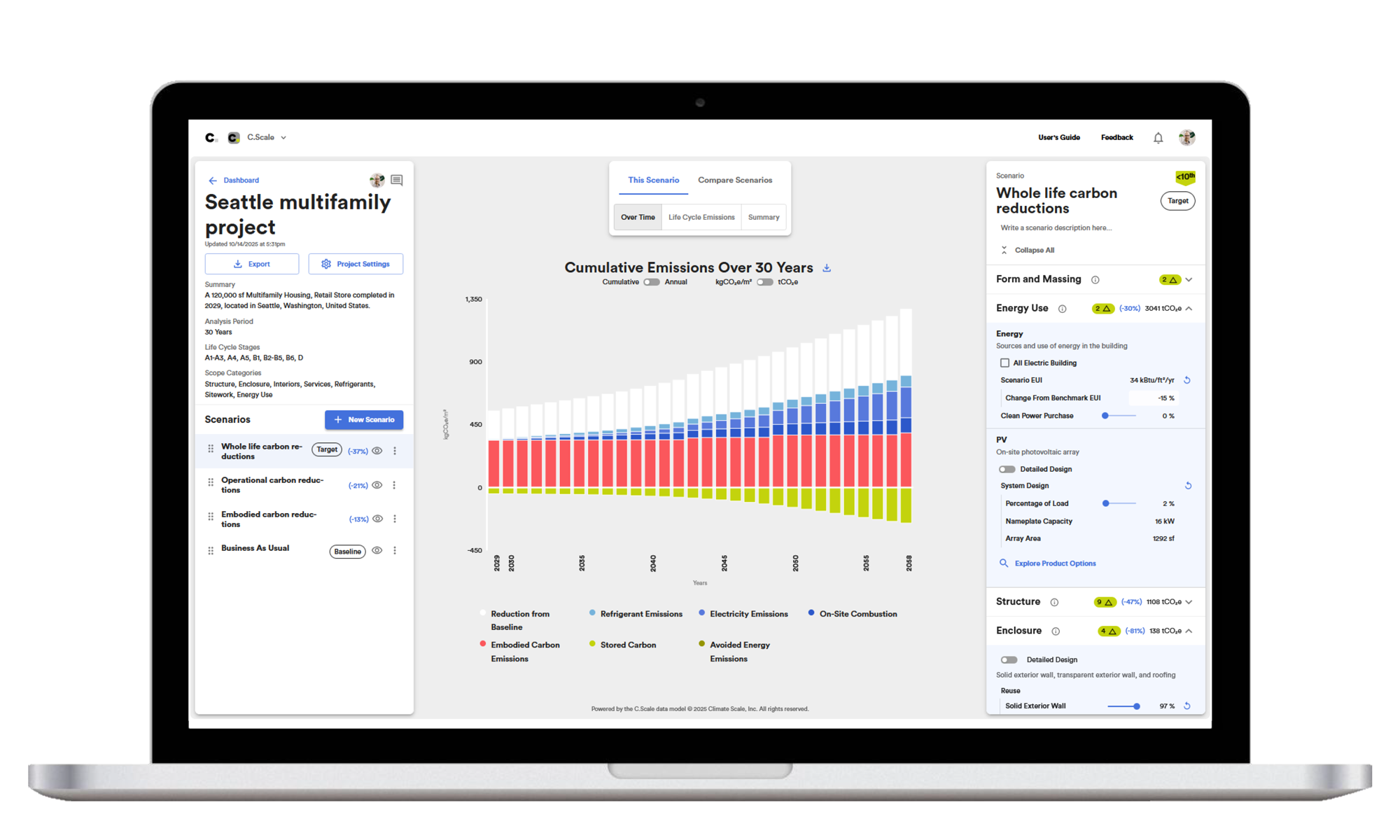
As climate accountability moves from aspiration to obligation, performance software has transitioned from being a specialist add-on to being used as a core design medium. Platforms like IES Virtual Environment, ClimateStudio, and C.Scale are widely adopted not simply because they model energy and carbon, but because they translate complex environmental data into design intelligence that architects can act on—early, iteratively, and at scale.
ClimateStudio has gained traction by embedding simulation directly inside the design environment. Its success reflects a broader shift toward tools that dissolve the boundary between form-making and performance testing. As Clarke Snell, RA, Associate Professor at New York Institute of Technology, observes, “Low energy, low carbon design requires a tight partnership between form and performance.” By operating within Rhino and aligning outputs with benchmarks such as LEED and ASHRAE, ClimateStudio enables architects to test daylight, comfort, and energy implications without leaving the creative workflow—with immediate performance feedback.
IES VE, by contrast, represents depth and rigor. Long trusted by sustainability consultants, it remains a gold standard for whole-building energy modeling and compliance-driven analysis. Drew Shula, Founder and CEO of Verdical Group, underscores its role as a collaborative engine: “The most important tool we use to optimize building energy performance is IES VE. [It provides] the design team with feedback on how choices like wall thicknesses, glazing, and site orientation impact the overall energy performance of the building.” IES VE’s strength lies in structured iteration—fine-tuning design decisions for quantifiable outcomes.
C.Scale extends this evolution into carbon-first thinking by offering rapid, early-stage insights when material quantities and systems are still fluid. Together, these tools respond to a shared challenge in U.S. practice: fragmented data, compressed timelines, and rising expectations for accuracy and transparency. “C.Scale enables architects and building owners to make data-driven decisions throughout the design process,” says founder and CEO Jack Rusk, “driving down both costs and whole life carbon emissions. Its ML-powered technology analyzes thousands of design and material combinations in seconds, delivering actionable insights from the earliest project phases— when decisions have highest impact—all the way through to the point of product specification.”
07 CONSTRUCTION

“Projects need to pay serious attention to electric construction equipment,” says Aditi Agarwal, air pollution specialist at the California Air Resources Board. “It is one of the aspects that project owners have direct control over and has been proven to significantly reduce costs while maintaining operational schedules. Electric construction equipment offerings have increased over the years with states like California also offering incentive programs to assist with the purchase or lease of zero-emission off-road equipment.”
Today, manufacturers in Europe and North America are building commercially viable electric models that are already being deployed on real job sites. For example, Volvo Construction Equipment has expanded its line of zero-emission machines and is pushing rollout in Asia, Europe, and the U.S.
Adoption is rising, but not yet universal. Larger mainstream players like Caterpillar and Komatsu are investing in electric and hybrid solutions and R&D while navigating higher upfront costs and the scarcity of charging infrastructure.
The impact on sustainability is notable, including “the reduction in noise and air pollution, as well as the carbon emissions that would have otherwise come from operating the equipment with fossil fuels,” Agarwal says. “Using electric construction equipment can benefit onsite workers, neighbors, the environment, and contribute towards sustainability goals and financial performance.”
Viewpoints
Report: METROPOLIS Weighs in on Sustainable Design in the U.S.
The METROPOLIS Interface U.S. Sustainable Design Report 2026 captures the state of green building today and what comes next.
Download NowWould you like to comment on this article? Send your thoughts to: [email protected]
Latest
Viewpoints
Detroit Month of Design: A City’s Work in Progress
Now in its 16th year, the celebration offers insights into the Motor City’s ongoing accomplishments without glossing over its hurdles.
Projects
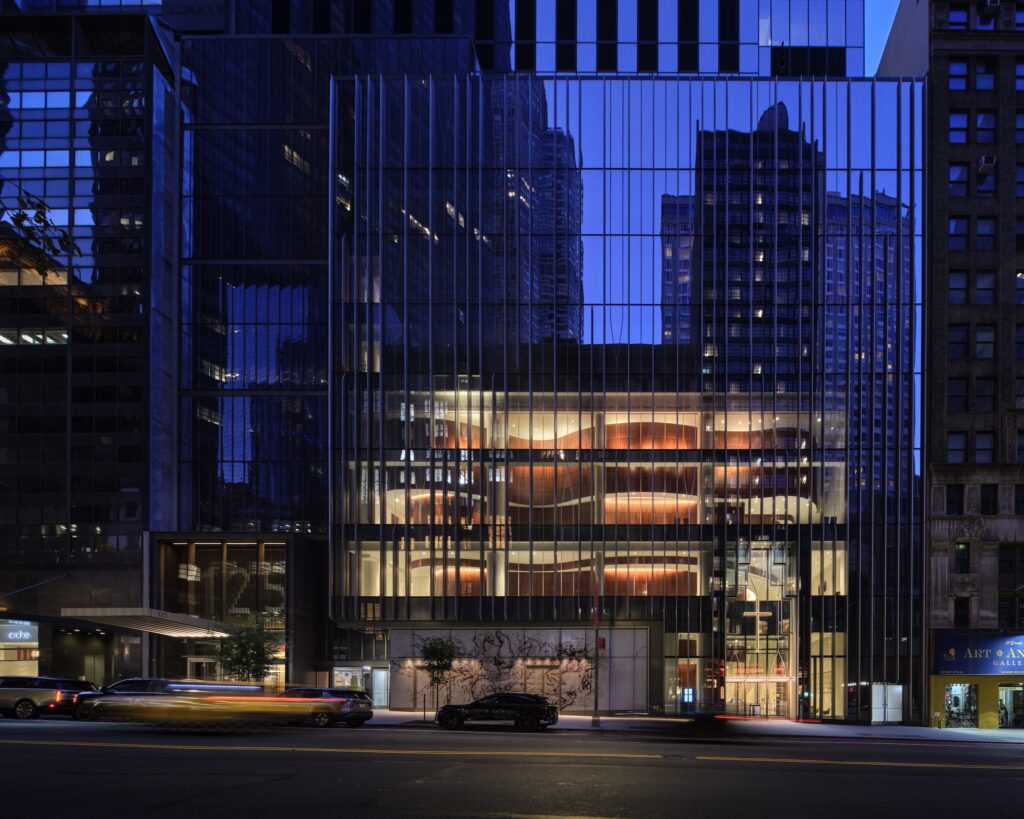
How a Hybrid Building Helped an Historic Manhattan Congregation Remain in Place
On Billionaire’s Row, FX Collaborative designed a new home for Calvary Baptist Church combined with an office tower.