



October 24, 2025
The End of Net Zero as We Know It
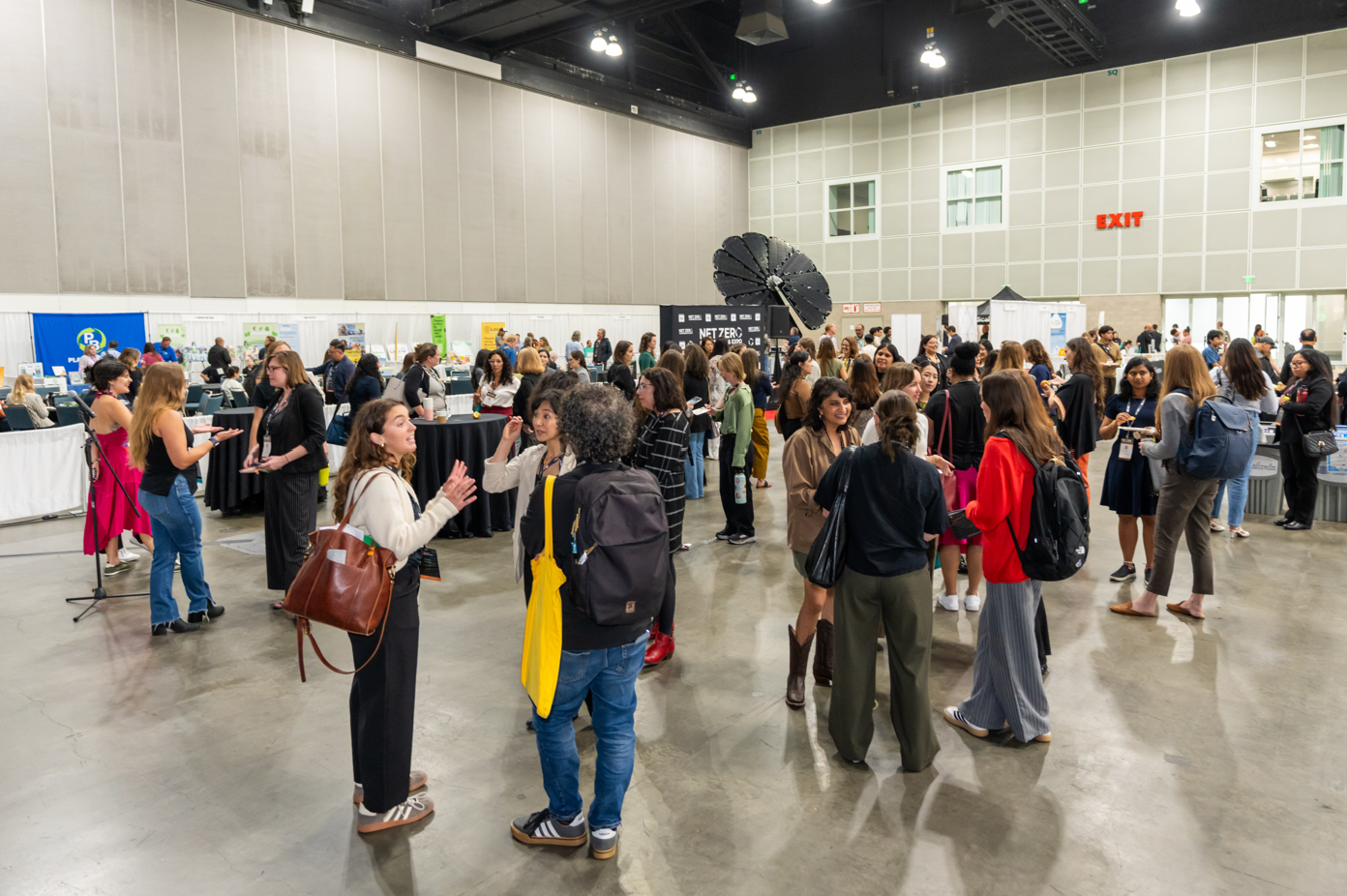
Anthony Brower recently attended the Net Zero Conference, an annual event that convenes climate leaders to collaborate on global solutions for change in the built environment. Hosted by Verdical Group, the event is a hub for people in the industry to gather to bridge knowledge gaps. Now in its twelfth year, the conference came at a pivotal moment for attendees like Brower to discuss the future of the movement and what is needed to create necessary change at scale.
The concept of net zero as an aspirational goal, whether energy, water, material, or any other precious resource used to erect and operate buildings, is dying. Not from neglect or irrelevance, but from exhaustion. The virtue signaling of responsible buildings has been carried by too few shoulders for too long. We continue to ask the renaissance community of our time—architects, engineers, planners, specialists—to climb a mountain that keeps reshaping itself beneath their feet.
“Net zero is dead. Less than 0.02 percent of buildings worldwide are net zero. Clearly, we’re missing something.” —Eric Corey Freed, director of sustainability at CannonDesign
This is not a new or isolated story. Net zero now stands where every movement built on voluntary virtue eventually lands. A good idea worn thin by its own optimism. For years, public safety campaigns begged drivers to buckle their seatbelts. Adoption was nonexistent until laws required it, and cars themselves protested with persistent warning chimes that ceased only when we clicked in. Recycling began as an act of personal responsibility but participation only truly began when cities issued bins, set pickup schedules, and left unsorted trash on homeowners’ doorsteps uncollected. Smoking bans followed a similar path, workplace safety found its turning point with OSHA, and building codes for fire safety emerged after tragedy forced our hand.
Each of these examples reveals a quiet trend of how voluntary progress eventually stalls, but they all started with hope and succeeded with regulation. Enduring change happens when we set the floor, not when we beg people to climb. The systems changed, and human behaviors followed. Participation was no longer dependent on willpower, but design.
This is the moment that the idea of net zero finds itself in today. Once it was a rallying cry, now it’s more like the half-torn banner at a decaying and empty stadium. The problem is not that the goal was wrong, but that we built it on volunteerism and jargon instead of shared language and mandate.
For decades, we have created fluency in a language that almost no one else speaks. Acronyms, checklists, energy curves, carbon coefficients, all traded like currency. While our clients nod politely, attention wanes. They want to see the recipe before deciding on a chef, but they seldom stay for the meal.

“Net zero is only one part of the big issue. Embodied carbon may carry even more social and economic weight.” —Michael S. Martin, FAIA, architect at Martin Studios
Rethinking the Language of Net Zero
We surely are missing something, but it’s not the concept that’s broken, it’s the story we tell. Firms race to differentiate in a crowded design market, trying to translate physics into persuasion, and along the way the meaning dissolves.
Engineers speak performance data, clients of cost, users of comfort. Architects live in the space between those two languages, often serving as translators rather than designers. When we tell a client the building’s energy use intensity (EUI) is dropping, they hear math. When you tell them their employees will breathe easier, they hear purpose.
Interestingly, the builders are starting to bridge the divide. Several design-build teams at Verdical Group’s 2025 Net Zero Conference noted that net zero no longer costs more than conventionally conceived projects. The unguarded enthusiasm revealed that the tools are ready, it’s the alignment that needs work. When teams share in the literacy of the effort everyone pulls toward a common goal.
This is a key structural flaw. We’ve been treating a fever, operational energy, while the rest of the body, embodied energy, stands by unattended. Each of these efforts represents a monumental task that, independently, can become overwhelming. Together they can, in our clients’ eyes, represent a recipe for a brownie so heavy that we default to something lighter, easier, known.
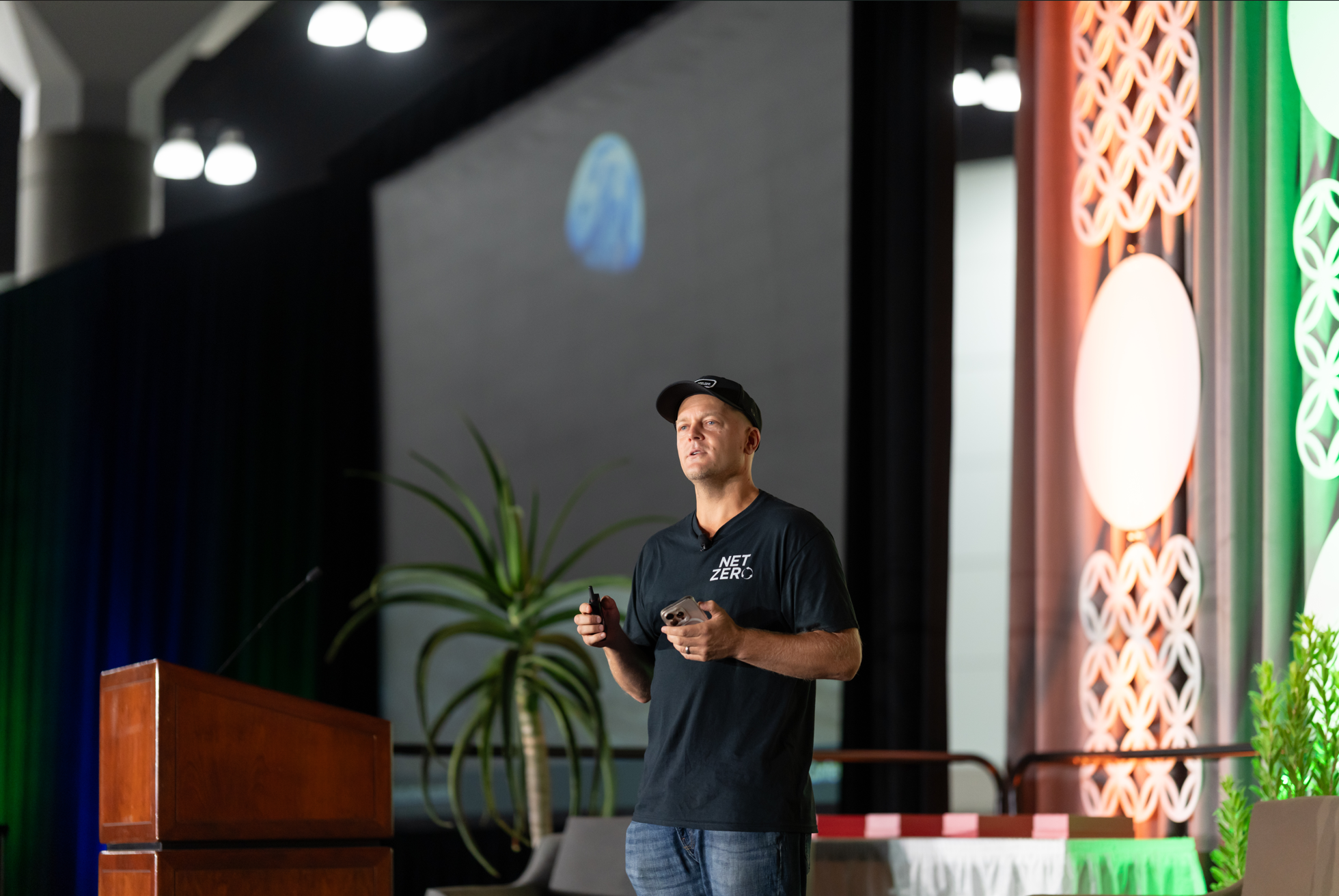
“The tipping point is policy. As soon as there’s a building code that requires it for everybody, we’re done. We’re good. We’ll be there. But right now, it’s all voluntary. You get so much more impact out of raising the floor than by chasing a lower ceiling.” —Drew Shula, founder and CEO at Verdical Group & the Net Zero Conference
Voluntary programs were designed to lead, to create a proof of concept for those visionaries on the near side of the curve. A handful of temples have been built, shining as examples that the impossible is indeed possible, but heroics do not scale; codes do.
Context deepens the confusion. In California at noon, the energy grid is nearly carbon free. Come evening, it isn’t. A kilowatt-hour has a different accent depending on where and when it’s spent. “What does net zero even mean in this context?” asks Ismar Enriquez of Practice at the conference. The definition itself, and key nuances, keep changing. Ismar is right, translation is not about better storytelling, it’s about broader fluency. We need a way for financiers, developers, tenants, and politicians to hear the same message and believe it belongs to them.
The future will not hinge on new or clearer acronyms but on plain speech. Regenerative design will shift the frame from subtraction to repair. Homeowners will not ask for EUI metrics but for air that doesn’t trigger asthma. Engineers will describe waste heat as warmth for families instead of recoverable loads. Policy needs to stop sounding like a punitive burden and start sounding like a shared purpose.
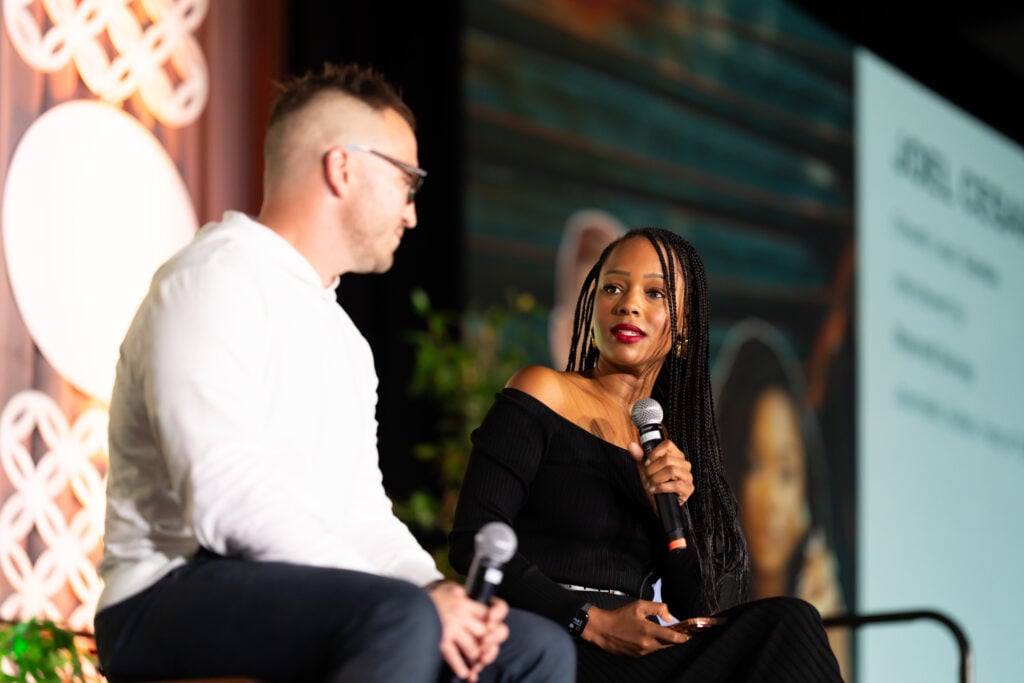
“We keep pushing design forward, but the missing piece is always the same: who’s funding it and who’s actually building it? Until that gap closes, the best ideas will stay on the page.” —Justin Di Palo, associate partner at Syska Hennessy Group
Net Zero Belongs to Systems, Not Heroes
The lesson from every public campaign and building code is that progress accelerates when responsibility becomes a collective action. If ten percent better on every project creates greater impact than one hundred percent better on an immeasurably few projects, imagine what eighty percent better on every project would mean as a standard. For design, this means writing performance into the contract, the zoning, and the financing. Design intent needs to survive value engineering.
Policy is often treated as the villain of creativity, but regulation has always been its crucible. The best designers find clarity inside constraint. Cities are tying incentives to verified performance. Developers are seeing energy resilience as a way to protect asset value. Insurers are opening opportunities to reward buildings than anticipate problems instead of reacting to them, resulting in fewer claims. Each of these is a step away from persuasion and toward fluency.
The end of net zero is not a loss. It is the handoff we need now to pivot from hope to habit. You’ll know the moment it happens because we’ll stop asking for miracles and start to design for memory.
About the Author
Anthony Brower, FAIA, LEED Fellow, is an architect and climate strategist whose career spans nearly 30-years and multiple building typologies worldwide. He has guided projects to over 400 design awards and is known for turning sustainability into design opportunities by inspiring teams to move beyond checklists toward narratives that elevate both performance and experience. Anthony is based in Kansas City. Contact him at [email protected].
About the Net Zero Conference
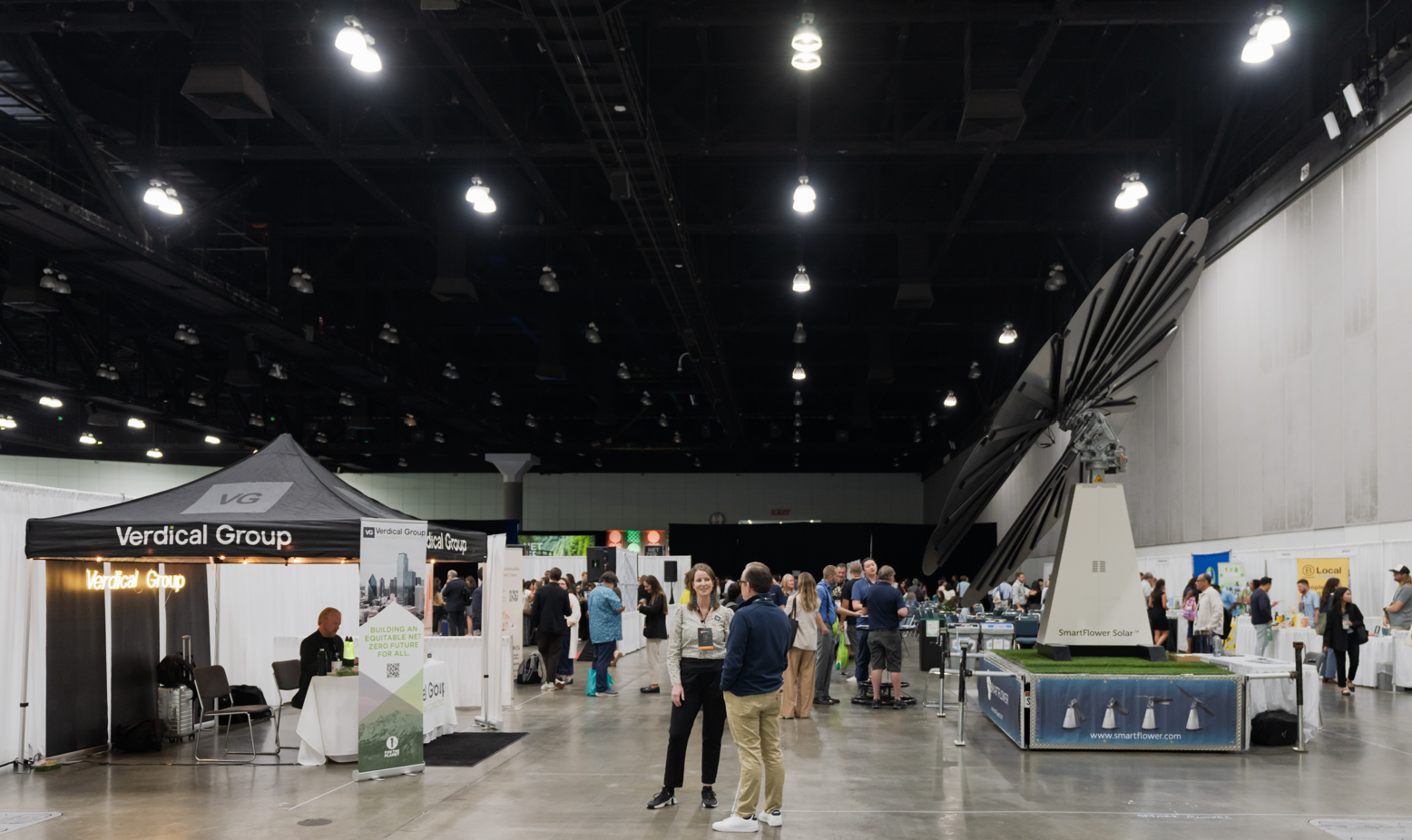
The 12th annual Net Zero Conference was hosted at the Los Angeles Convention Center on October 1, 2025. The conference convenes climate leaders to collaborate on global solutions for change in the built environment. The event is a hub for people in the industry to gather, bridge knowledge gaps, and inspire a net zero future. It features inspiring keynotes, educational sessions, an expo hall featuring leading decarbonization technologies, and the Trailblazer Awards Ceremony. This year’s keynotes included Joel Cesare (Growth Lead, Cambio), Leah Thomas (Environmentalist), and Nalleli Cobo (Environmental Activist), and Michael Ford (Founder, The Hip Hop Architecture Camp). The Net Zero Conference is produced by Verdical Group, a sustainability consulting firm that specializes in decarbonizing the built environment.
Would you like to comment on this article? Send your thoughts to: [email protected]
- No tags selected
Latest

Products
Momentum Partners with Interact Center to Empower Artists with Disabilities
A collaboration with the Minnesota nonprofit brings nine artists’ work to Momentum’s Digital Art Library, connecting commercial design with a broader vision of accessibility and human expression.

Projects
In Jodhpur, Studio Lotus Builds a Modular Future for Stone
Visitor Center at Mehrangarh Fort, sandstone-and-steel pavilions streamline visitor circulation, preserve rocky desert terrain, and give regional stone working traditions new applications.