



June 29, 2026
Why Shade Is America’s Most Overlooked Infrastructure
It started with a spatula. In 2023, images circulated online of a magenta steel shade structure in Los Angeles: La Sombrita, a roughly 2-foot-wide, 10-foot-tall swiveling panel of perforated metal that seemed more useful on a grill than for providing relief to people waiting for the bus. The project was meant to showcase a new type of shade infrastructure, something that could be replicated along the 120 bus routes in LA County, which serve more than 700,000 daily riders. But a complex permitting system for bus shelters and narrow sidewalk clearances meant that a project once imagined to include seating, a canopy, and a digital screen was whittled down to a metal pole.
The project went viral on urban planning and heat-policy X/Twitter, becoming a skinny totem of poorly executed infrastructure projects. But the spatula-shade controversy ended up perfectly embodying America’s relationship with extreme heat: we know it’s a deadly hazard, but we can’t seem to prioritize the maintenance and creation of shade and other cooling infrastructure.
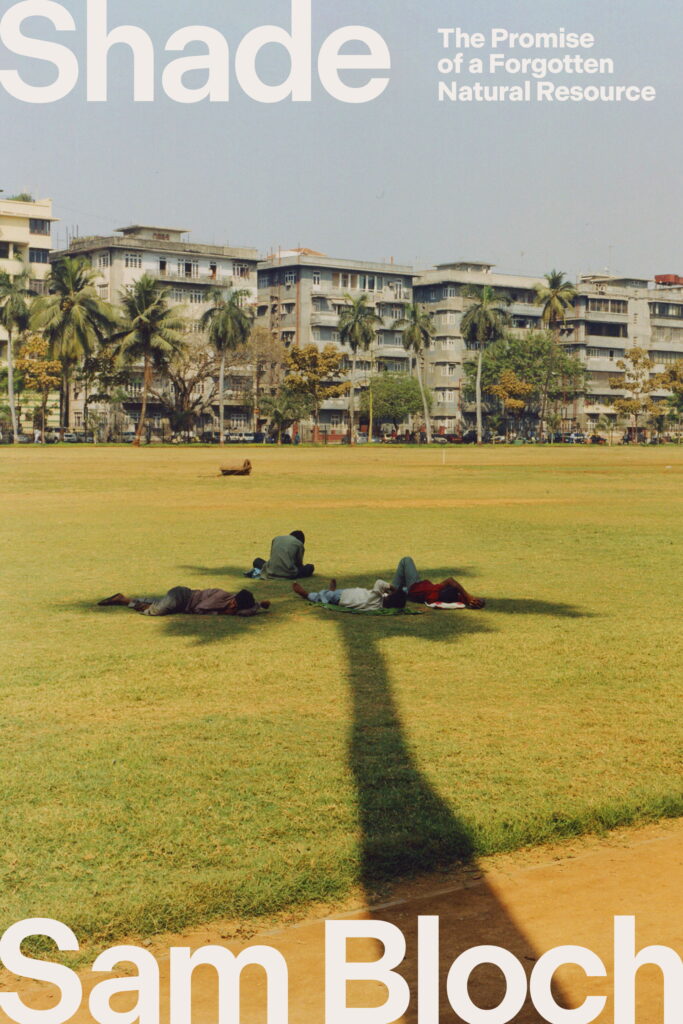
As summer officially begins, Sam Bloch’s book, Shade: The Promise of a Forgotten Natural Resource (Penguin Random House, 2025), offers a timely argument that the neglect of shade and cooling infrastructure is not merely a design failure but a cultural one. The book is a much-needed addition to the relatively sparse landscape of accessible writing on heat. Extreme flooding and rainfall loom large in our popular culture: from Subway Creatures Instagram posts of water pouring into the NYC subway system to nor’easters that continue to break records, to disaster movies, to the recent retrospectives on the 20th anniversary of Hurricane Katrina. Familiarity is not the same as resilience, but when it floods, we have a collective sense of its seriousness. Heat has never had the same “PR” and the same cultural visibility, perhaps because it produces less visual drama, and because it harms people already pushed into the margins: farmworkers, unhoused people, and low-income people of color. Extreme heat kills more people annually than any other weather event in the U.S., yet rarely produces the visual signs of destruction that make headlines.
How America Lost Its Shade
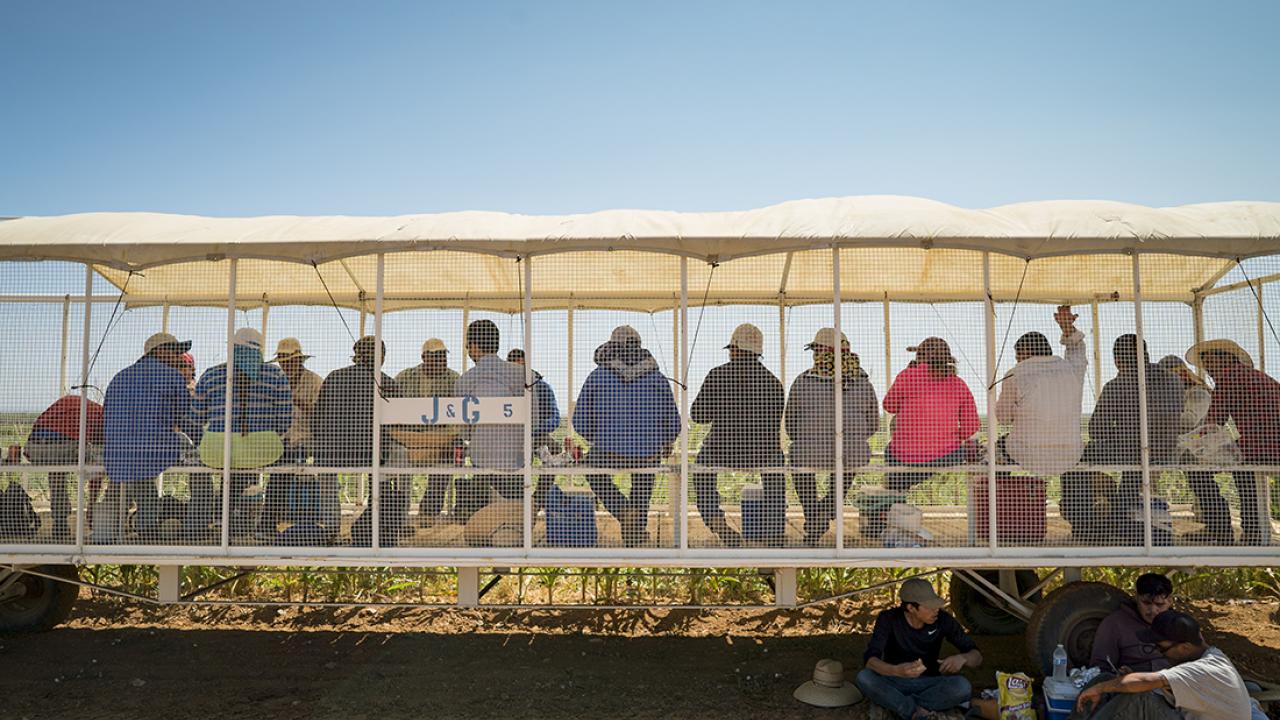
Bloch’s focus on shade begins to make visible a system whose invisibility is itself the problem. He argues that ordinary, everyday shade must be reframed as essential public infrastructure. The book is organized into three sections: a history of shade in nature and early societies, the mid-century turn toward air conditioning during the postwar housing boom, and contemporary experiments in rethinking cooling in the face of climate change. Bloch is strongest in his middle section, where he combines ethnographic reporting with sharp policy analysis. He follows the lives of Angelenos navigating deadly summer heat. He recounts the story of Maria Isabel Vasquez Jimenez, a 17-year-old farmworker who died of visceral multiorgan hyperthermia after working for hours in the direct sun on a 95-degree day in a California vineyard. Her death spurred regulations intended to protect agricultural workers, but as Bloch details, enforcement is weak, and undocumented workers risk their safety in demanding safer conditions.
What makes this especially damning is that the federal government already knows how to keep outdoor workers safe and alive in extreme heat. The U.S. military maintains one of the most sophisticated heat-safety protocols in the world: acclimatization periods that gradually expose recruits to higher temperatures, training schedules tied to wet bulb globe temperature (a measure that factors in humidity and wind, not just air temperature), and strict hydration requirements. Yet outside of active duty, there are still no federal heat safety standards for outdoor workers. OSHA is currently going through a rulemaking process, but it’s yet to be seen when regulations will be implemented.
If Heat Wave, Eric Klinenberg’s now-classic study of the 1995 Chicago heat wave, showed how disinvestment and inequality made heat exposure fatal, Bloch broadens the frame to not only examine the social determinants of heat-related mortality but also the built environment and political choices that have literally erased shade from American life. The history of zoning code in the United States, and the prioritization of light and air, reveals what Bloch calls a kind of “solar fetishism” movement driven partly by the tenement reformers seeking to improve working-class housing conditions, but also by a desire to eliminate activities seen as unsavory, anything that might thrive in the shadows of tree canopies or building awnings.
A lack of trees is, in effect, just another form of hostile architecture, a way to prevent comfort and lingering in public space. Bloch recounts how the LAPD justified deforestation in the Watts neighborhood on the grounds that criminals could hide from helicopters beneath tree canopies or stash weapons in the branches. The result was predictable: less shade for everyone, from bus riders to unhoused people to students walking home from school.
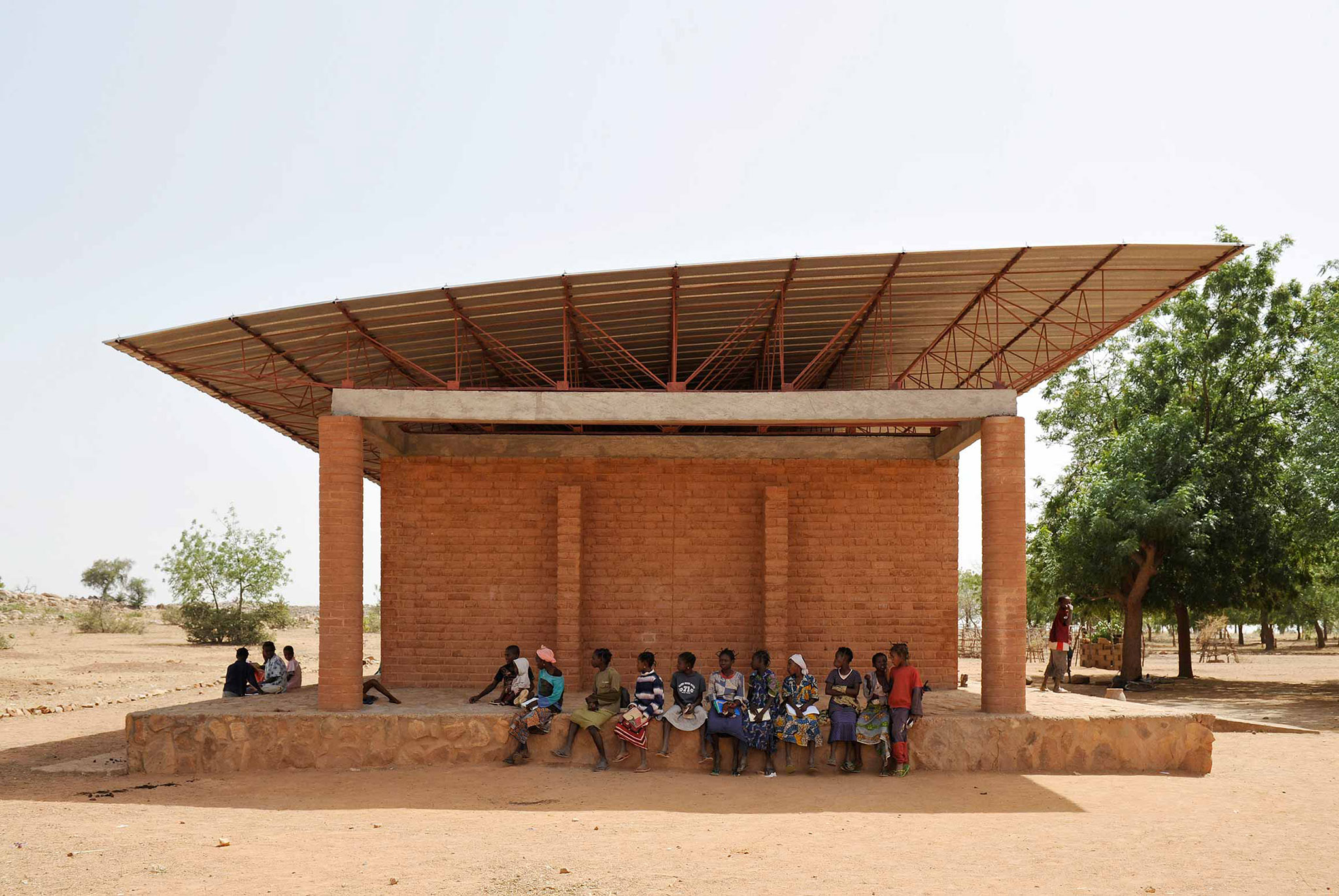
The book’s final section turns to solutions, some low-tech, others more experimental. Bloch highlights architects like Francis Kéré, whose Gando Primary School in Burkina Faso uses thick walls, operable windows, and buckets of water to keep interior temperatures cool, borrowing from cooling strategies that have been used in hot arid climates for thousands of years. These approaches require daily human attention and care, as well as a more hands-on relationship with buildings, something that’s becoming increasingly rare. Even geoengineering makes an appearance, with proposals to reflect sunlight back into the atmosphere, a move Bloch treats skeptically, as do many climate policy experts who see it as an avoidance tactic instead of a long-term solution.
The Politics of Sun and Shade
What threads through all of these stories is Bloch’s insistence that shade is not just a technical fix but a commons. The shift from communal cooling, porches, parks, tree-lined streets, to individualized air conditioning mirrors the broader turn away from public goods. Today, most Americans experience summer as a leapfrog between private, air-conditioned spaces: house, car, office, mall. That bubble-wrapped lifestyle has left us both thermally fragile and socially disconnected. By contrast, shade in the public realm is collective, restorative, and, as we begin to feel the impacts of climate change and higher temperatures more chronically and acutely, life-saving.
The power of Bloch’s book is its clarity: heat deaths are preventable. They can be eliminated with robust protections for workers: guaranteed rest breaks, access to water, shaded work areas, and modified schedules, and for residents: wider adoption of passive house standards, updates to municipal urban design standards to prioritize shade. These solutions work even better paired with access to affordable energy and more widespread heat pump adoption. The payoff is not just moral but economic; a 2017 study by the Union of Concerned Scientists estimates that by midcentury, if no interventions are put in place for outdoor workers, the United States could face a projected loss of $55.4 billion in worker earnings. But as Bloch shows, the obstacles are political will and cultural imagination.
This month, ShadeLA launched a campaign promoting shade structures in the public realm, tree planting, and permitting reforms in LA County. These are policy ideas that community organizations and heat resilience experts have been advocating for years, now with the added political urgency of the World Cup and the Olympics as covered by Alissa Walker’s Torched newsletter, and the sheer number of people who will be navigating the streets of LA in the middle of summer. The policy and advocacy initiative for extreme heat mitigation was created by the USC Public Exchange and UCLA Luskin Center for Innovation, in partnership with policymakers at the City of Los Angeles and the LA Olympic Committee. These types of partnerships will be critical for navigating the invisible yet complex web of regulations that dictate the kinds of structures you can place in the sidewalk. Whether LA’s shade reckoning becomes a model for the rest of the country may depend on whether we’re ready to treat shade as the public good Bloch insists it always was.
Would you like to comment on this article? Send your thoughts to: [email protected]
Latest
Viewpoints
Detroit Month of Design: A City’s Work in Progress
Now in its 16th year, the celebration offers insights into the Motor City’s ongoing accomplishments without glossing over its hurdles.
Projects
How a Hybrid Building Helped an Historic Manhattan Congregation Remain in Place
On Billionaire’s Row, FX Collaborative designed a new home for Calvary Baptist Church combined with an office tower.