


June 26, 2026
Dorothy Cosonas Designs Textiles from the Fiber Up
One might say it was kismet when Dorothy Cosonas’s 16-year tenure as the creative director for KnollTextiles came to an end in 2021. Just a few short years later, another highly lauded contract-product designer, Suzanne Tick of Luum Textiles, announced her retirement. Luum wasted no time in approaching Cosonas and, in 2025, named her its new creative director. There could be no better match: Under Tick, Luum had become known for exploring performance textiles, beginning at the fiber level, an ethos that resonates with Cosonas, as demonstrated by her debut collection, Beyond the Surface.
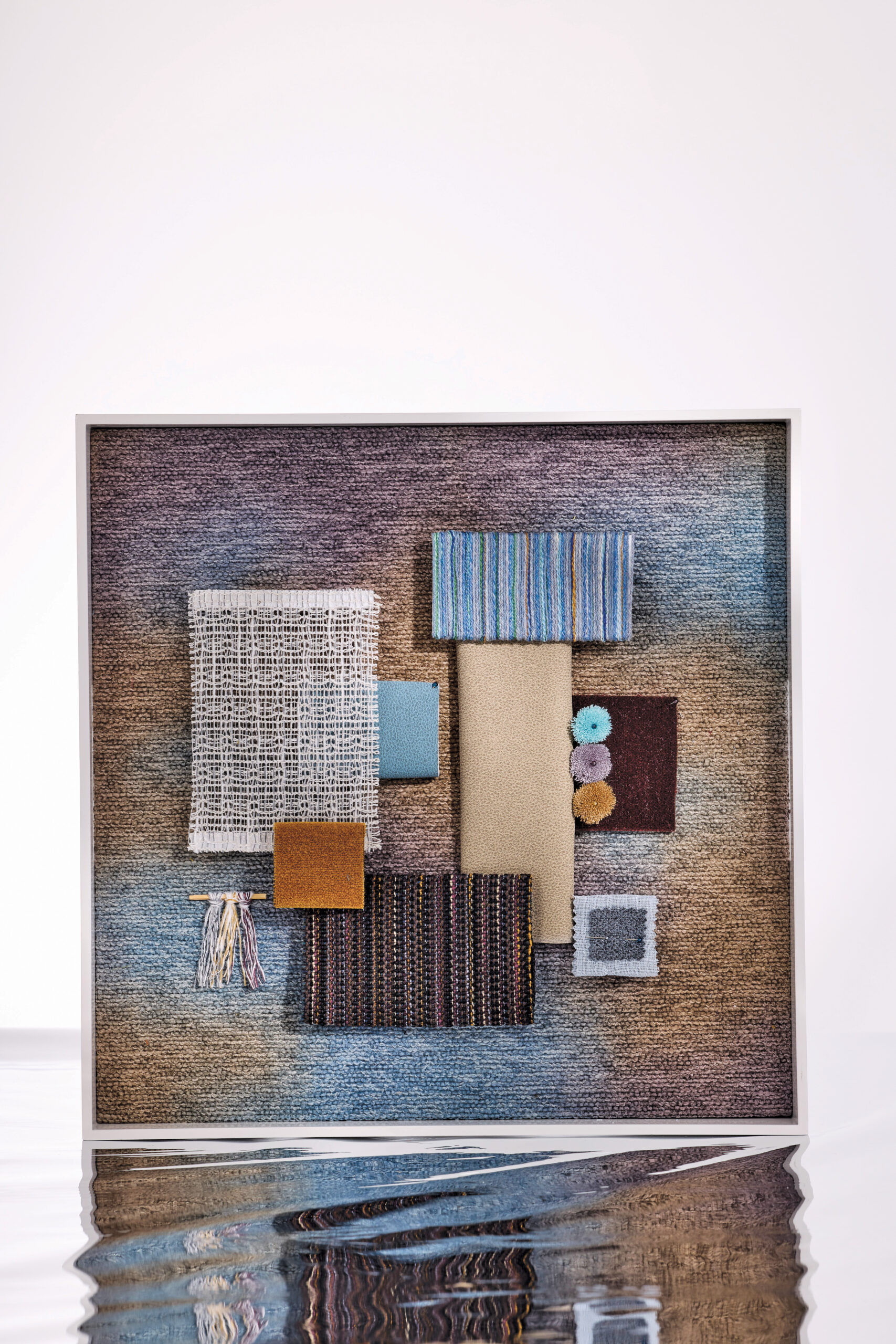
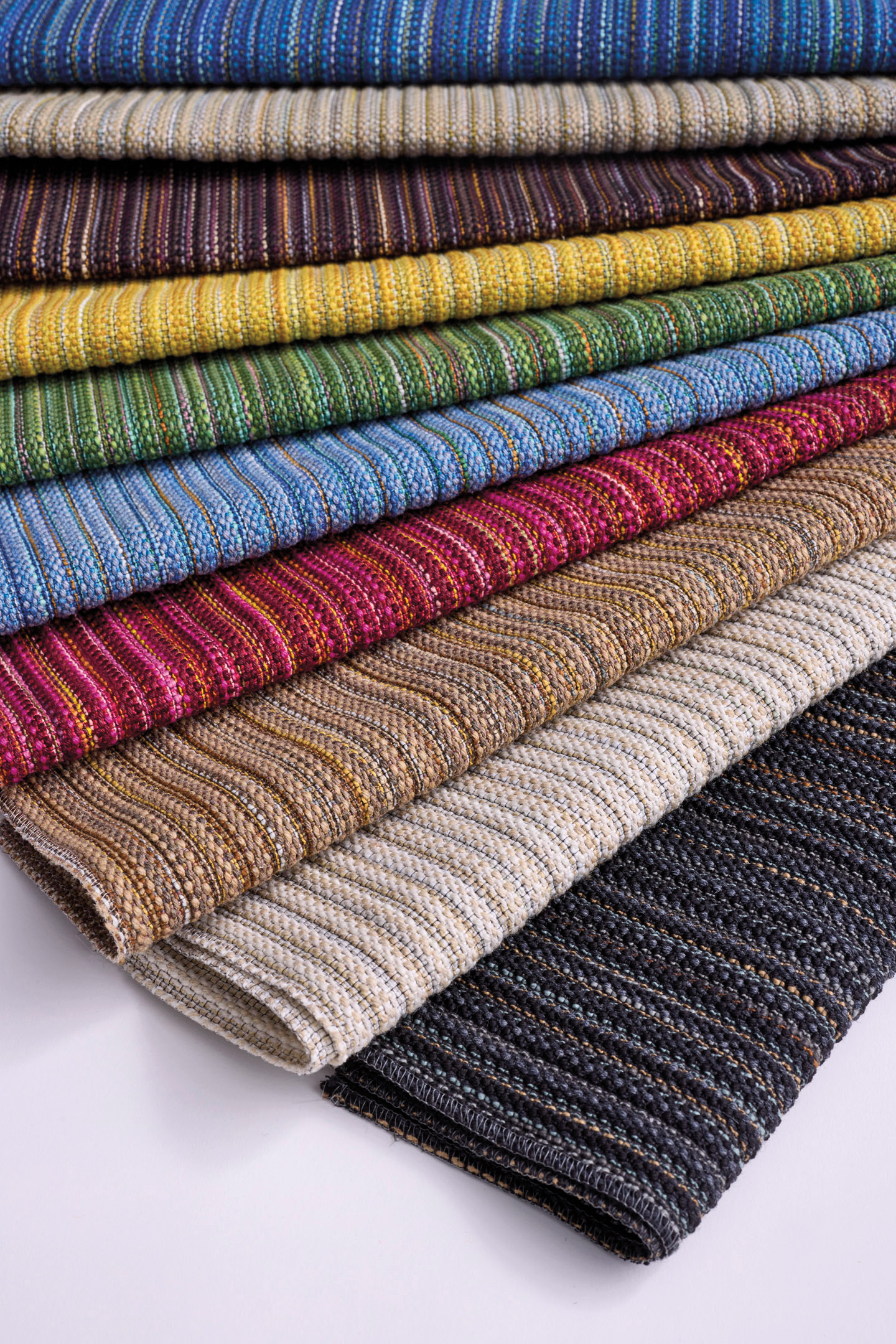
The series includes Reed Tones, an up-the-roll stripe made tactile and visually intriguing by weaving four yarn types and 11 different warp colors. The result has an almost corduroy-like appearance, with varying raised channels. Cosonas admits it was a bit of a guessing game to get the yarn and palette combinations right. “This is where experience, knowledge, and skill come in both on our side and the mill’s side,” she says. “That’s why we like to call the mills partners, not suppliers.”
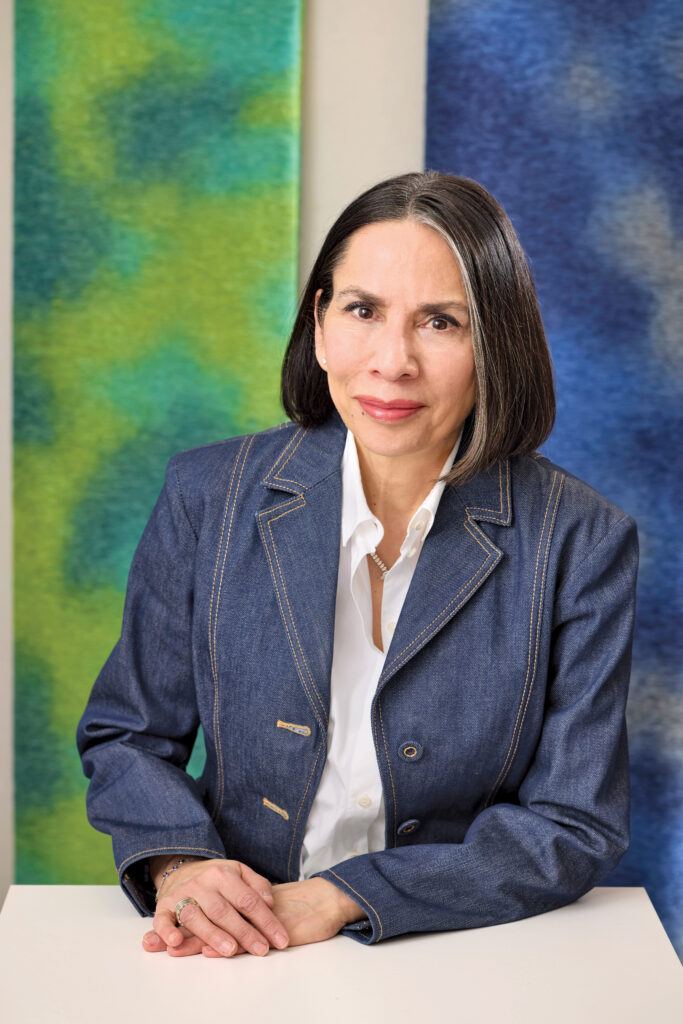
In fact, the creative director selected a different mill—both in the U.S. and abroad—for each of the seven designs in the collection, based on each mill’s expertise, capabilities, and willingness to go beyond the norm. “It’s about understanding each mill’s tool kit and figuring out who would be best to execute an idea.”
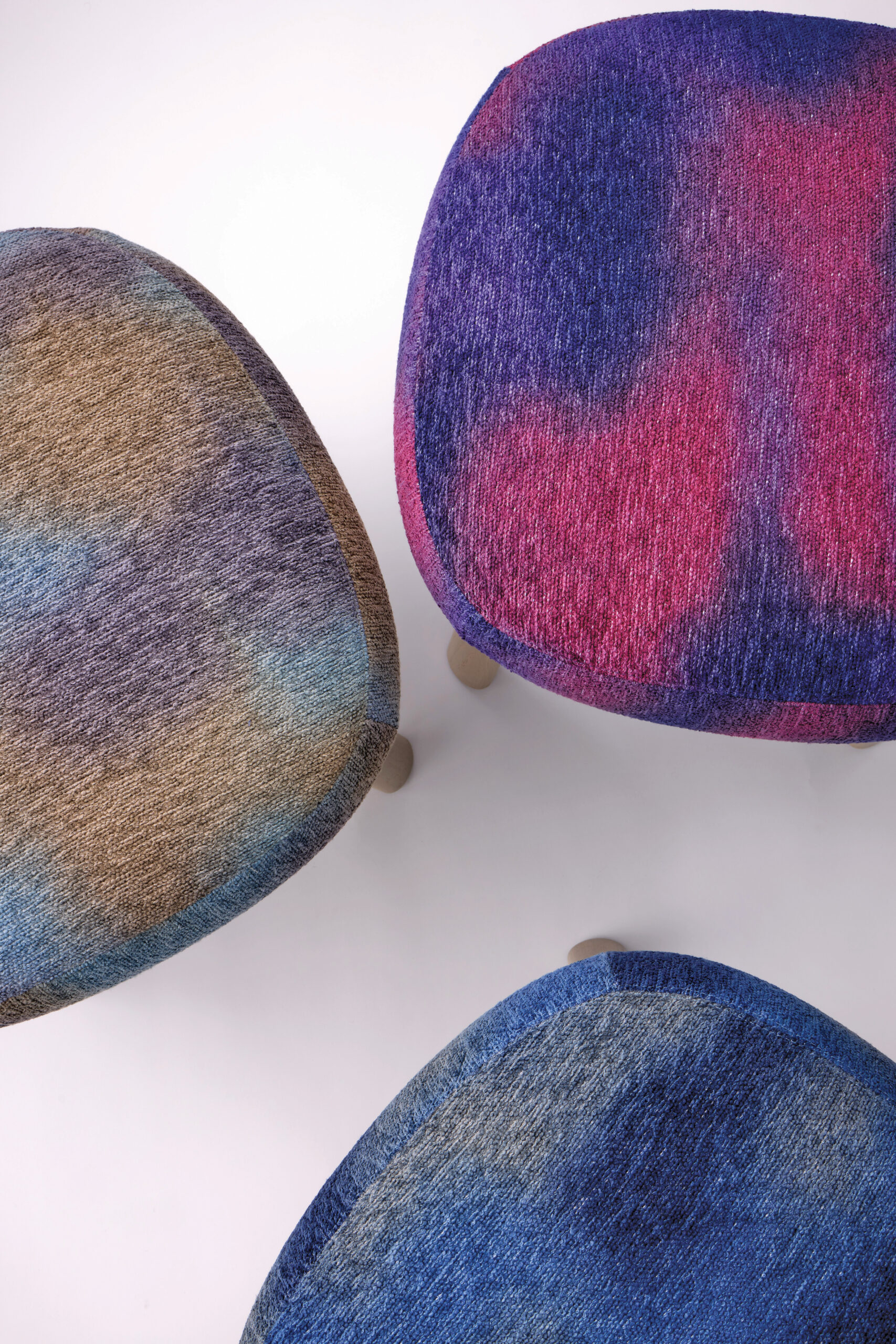
Another design within the collection, Cloud Nine, reveals a partner mill’s shared enthusiasm for experimentation: The tricolor pattern is actually a solid chenille cloth that only appears to use colored yarns; instead it is spray dyed using a proprietary conveyor system technique. Cloud Nine also demonstrates Cosonas’s color sense: Though large-scale and spray-applied, the pattern is anything but random, so no single color overshadows another. “We had to be very specific about the weight of each color and when and where the jets would hit the ground fabric,” she says.
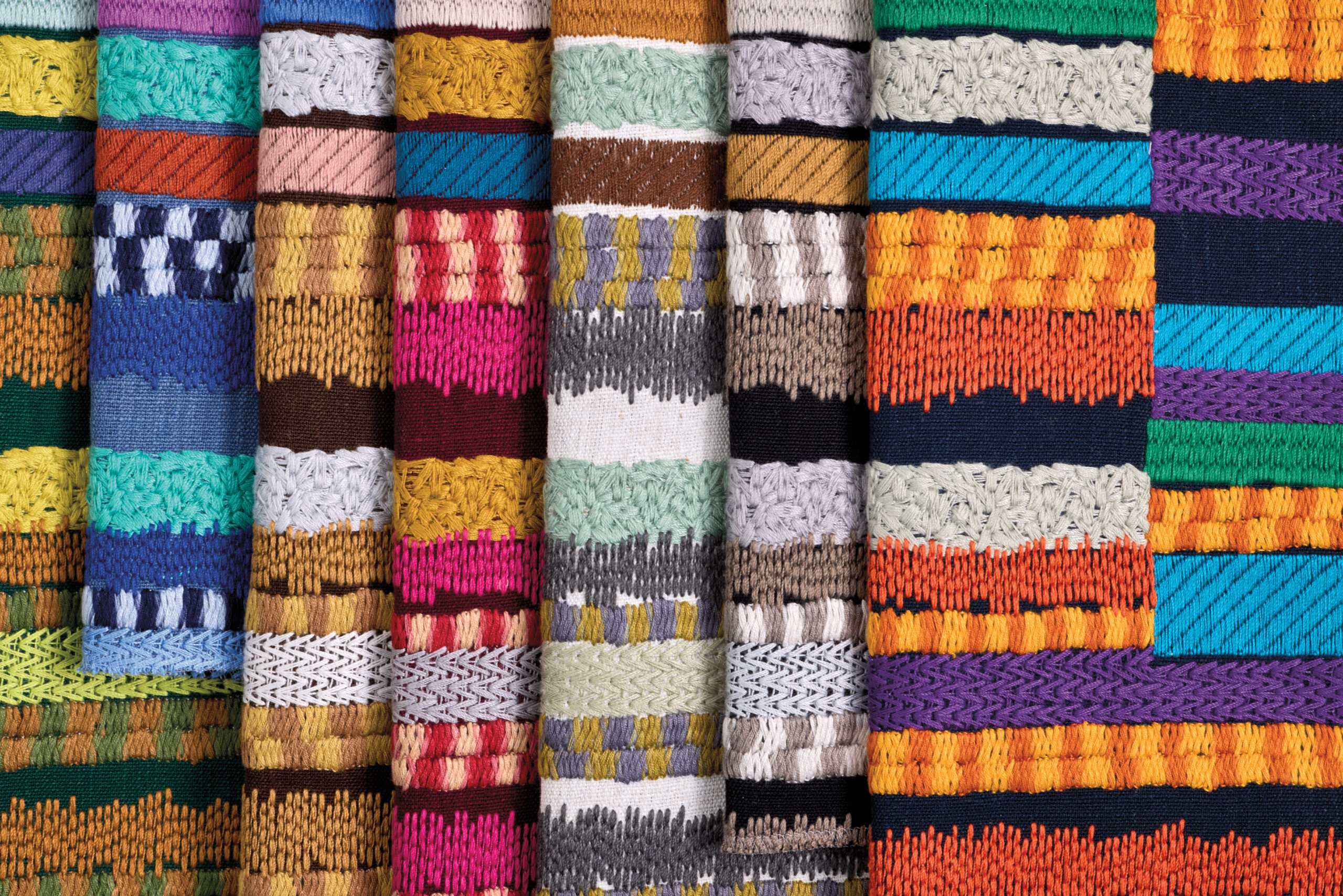
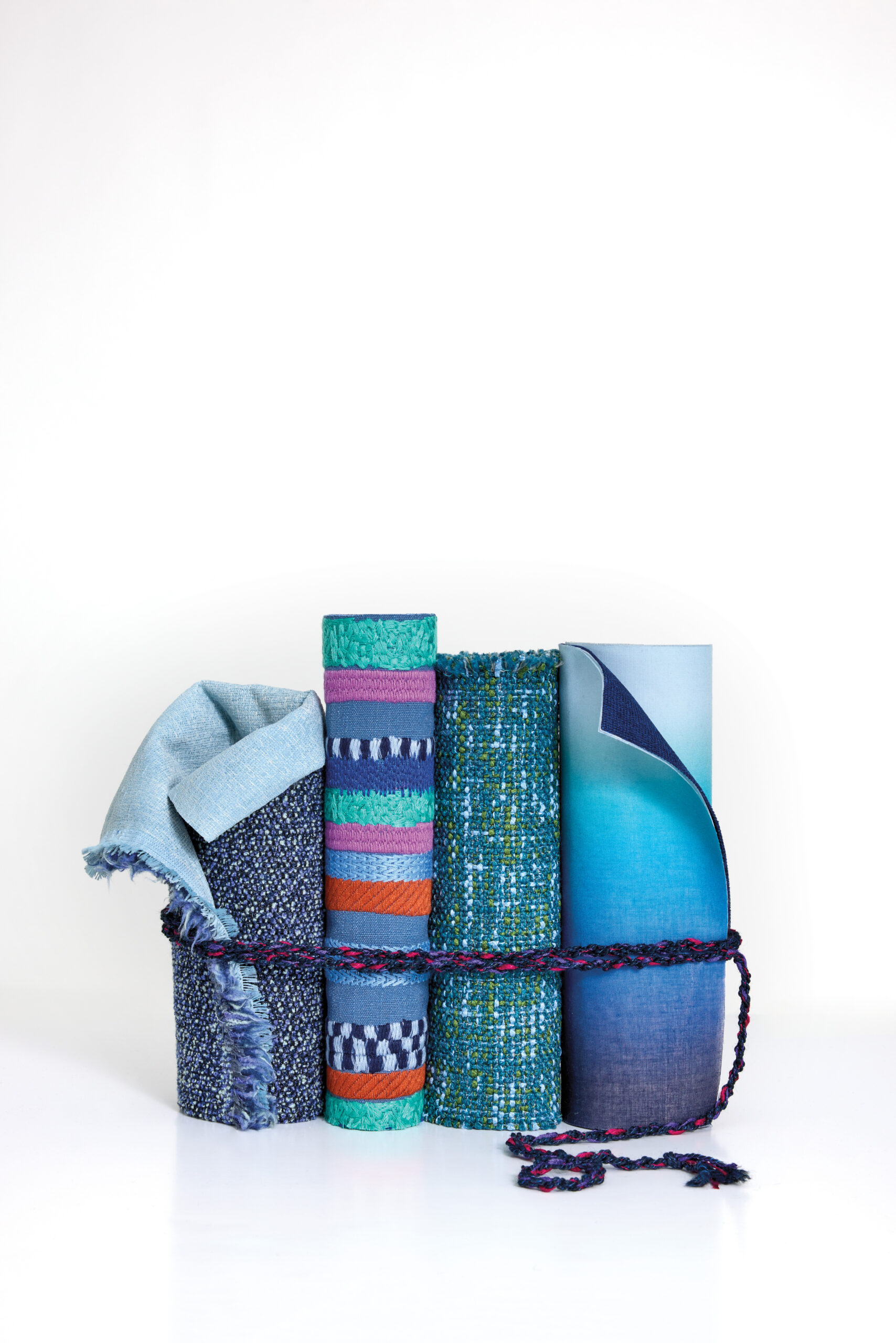
Newly launched, the designer’s second collection for Luum, Craft Work, exhibits the same level of attention to the smallest details and an exploration of craft and process. The boldest pattern in the line, Dori, is a prime example. Working with a mill in India that was new to Luum, the design team strove to create something rare for the industry: a contract-grade textile almost entirely covered in embroidery. After the mill provided a sampler of embroidery stitches set in an array of patterns, Cosonas and her team selected six stitch motifs to be produced in a vast palette—including special hand-dyed yarns—resulting in “building blocks” that make up the patchwork-like pattern. This painstaking process was repeated across seven colorways ranging from neutral to vibrant.
As for which hues to incorporate into such a tightly packed design, the design team studied Josef Albers’s Interaction of Color for inspiration. “We had to carefully consider which color lived next to the other—the turquoise next to the pink next to the gold,” explains Cosonas. And just as in Cloud Nine, she reiterates, each tone has to have a voice so no single hue fades away.
Since Luum is also known for championing sustainability, Cosonas challenged the mill to create a 90 percent–recycled-polyester and 10 percent–linen ground on which the embroidery lives and add a back weave that secures the stitches in place. The outcome is an eco-friendly upholstery textile that may look delicate with its embroidery stitches but actually withstands a hundred thousand double rubs (Wyzenbeek method).
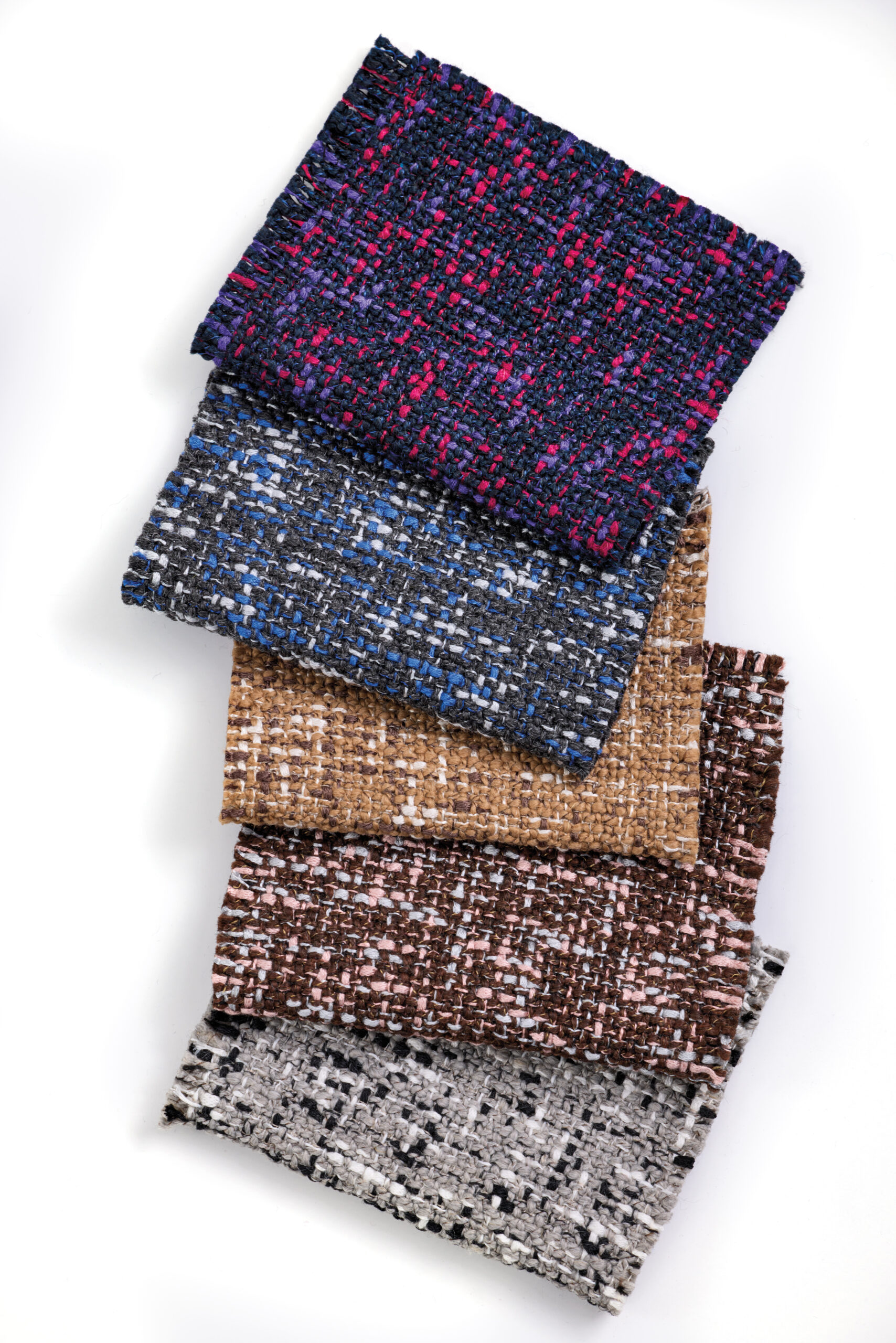
The five other products in the collection showcase the continued thoughtful and creative process of Cosonas and her team, as well as collaborating mills, from the couture tweed-inspired upholstery Gigi, woven by an Italian mill, utilizing a unique blend of bouclé and specialized circular knitted yarns, to the dramatic drapery Calm, which features a digitally printed ombré palette in six colorways.
This next chapter in Cosonas’s career has refused to slow down. She notes that her team is already designing and formulating next year’s launches and even planning for 2028. “This is a continuous organic flow of ideas, not just going to a mill and shopping,” she says. And, she adds, they’re still on the lookout for exciting mill partnerships. “It’s really who we can push the envelope with and learning what they can do.”
Would you like to comment on this article? Send your thoughts to: [email protected]
Latest

Viewpoints
Detroit Month of Design: A City’s Work in Progress
Now in its 16th year, the celebration offers insights into the Motor City’s ongoing accomplishments without glossing over its hurdles.
Projects
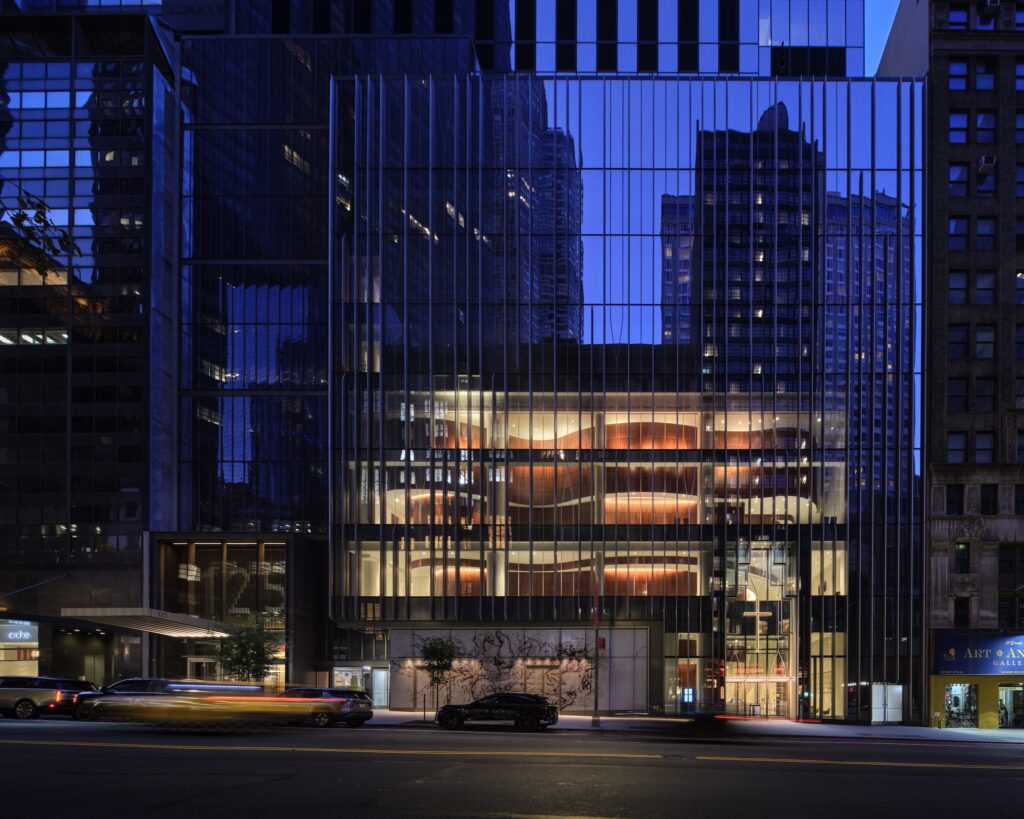
How a Hybrid Building Helped an Historic Manhattan Congregation Remain in Place
On Billionaire’s Row, FX Collaborative designed a new home for Calvary Baptist Church combined with an office tower.