



May 22, 2025
How to Make Smart, Sustainable Surfacing Choices
Sustainable design is as much about what’s beneath your feet and behind your walls as it is about the big-picture concept. In today’s evolving built environment, stone, tile, and surfacing materials play a critical role—not only in defining a project’s aesthetic, but also in meeting its performance, wellness, and environmental goals. Whether you’re selecting finishes for a commercial environment or refining the palette for a residential interior, smart material choices can enhance durability, reduce embodied carbon, and promote occupant health.
Here, we bring together our most up-to-date coverage on stone, tiles, and surfacing. Explore how four leading manufacturers are pushing the industry forward with unprecedented transparency, how to specify stone with sustainability in mind, and what to consider when choosing ceramic tiles for long-term performance and impact. Plus, see how these materials come together in a striking new ceramic rainscreen at Rice University’s Cannady Hall—Swiss architecture firm Karamuk Kuo’s first U.S. project.

Products
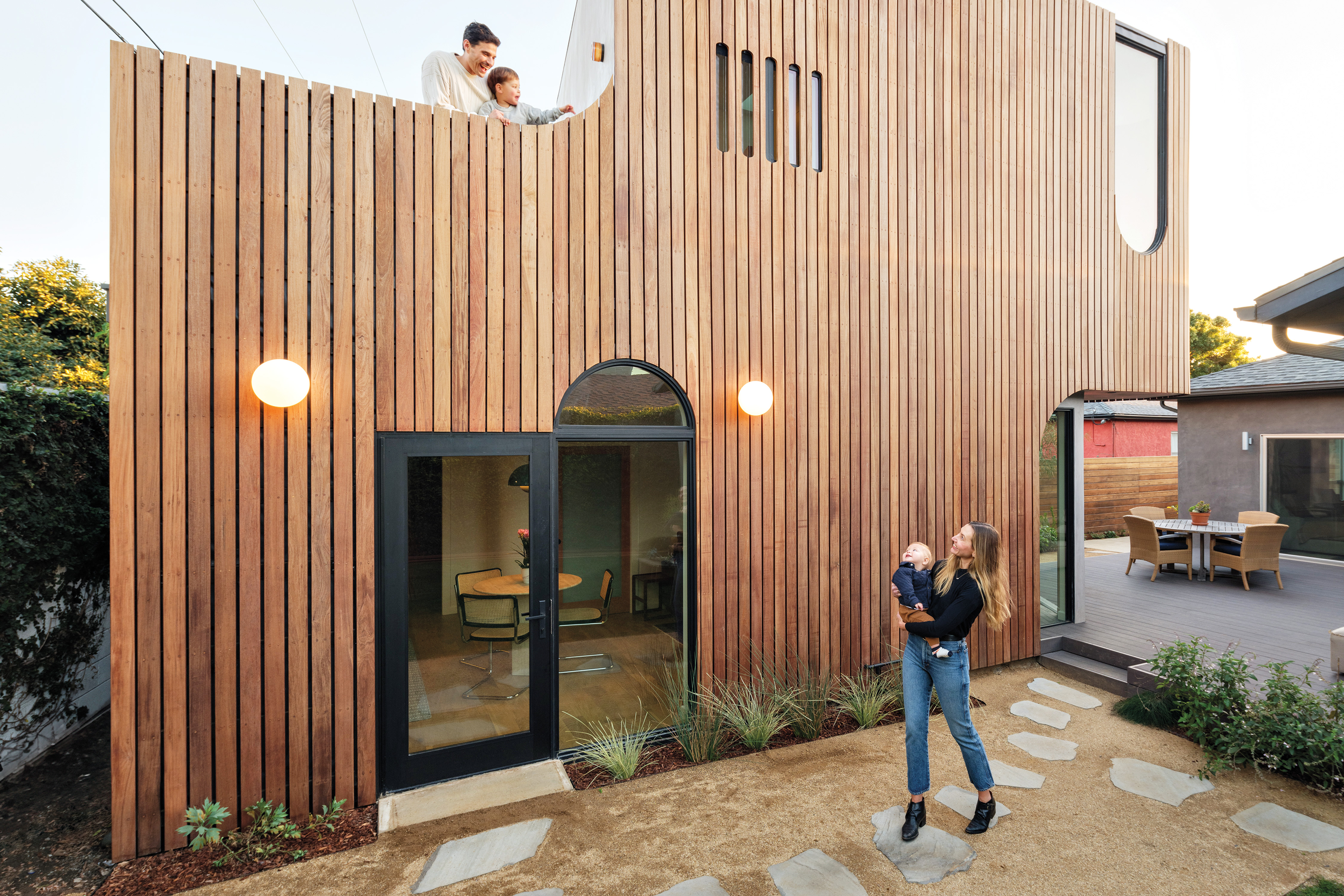
3 Key Considerations for Specifying Sustainable Ceramic Tiles
Ceramic-based materials remain optimal for high-traffic spaces—not just for their durability but also for their benefits to well-being.
Products
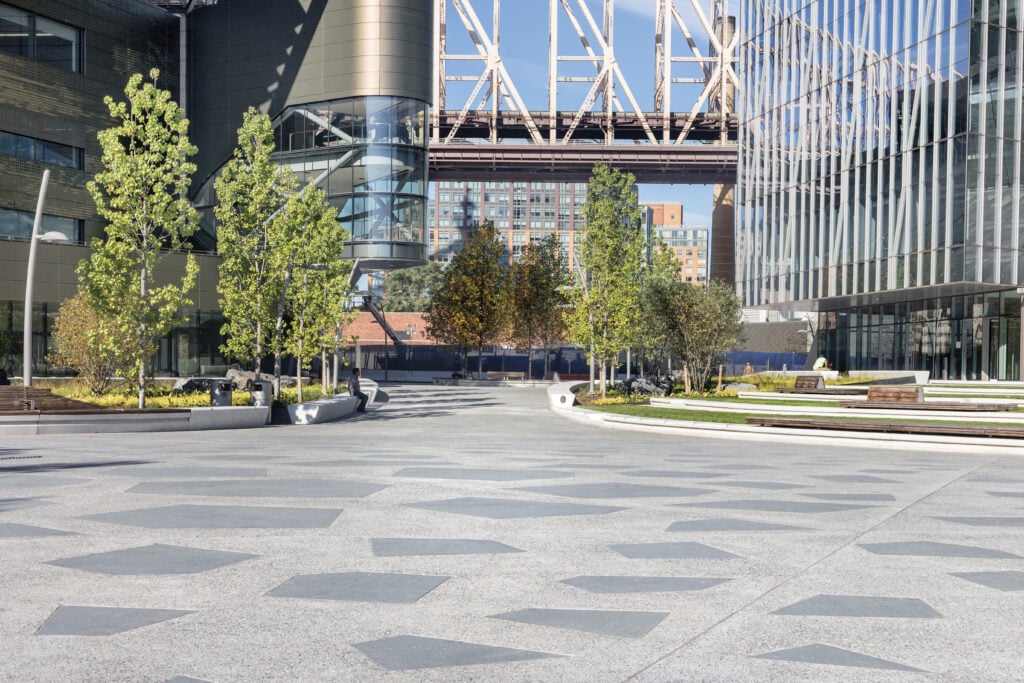
How to Specify Stone Sustainably
Essential considerations and resources for selecting stone that meets environmental standards without compromising design.

Products
4 Manufacturers Lead the Way in Sustainable Surfaces
3form, Corian, Cosentino, and Wilsonart offer some of the most transparent surfacing products on the market.
Products
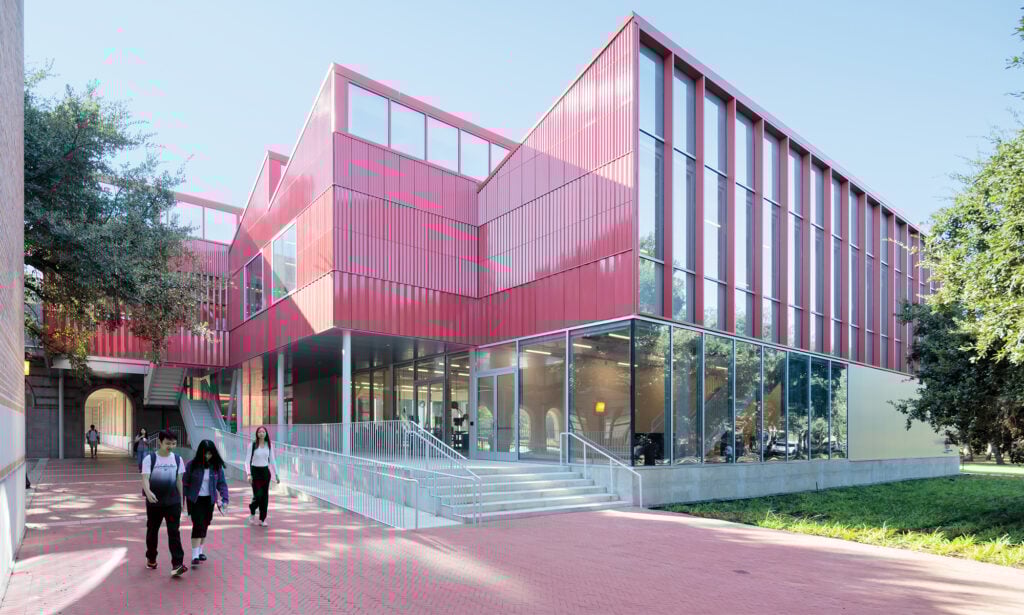
Rice University’s New Architecture Hall Revives Terra-Cotta Tradition
Swiss firm Karamuk Kuo’s first U.S. project merges craft and performance with a custom ceramic rainscreen facade.
Would you like to comment on this article? Send your thoughts to: [email protected]
Latest

Projects
UC Berkeley’s Newest Building Is All About Human Interactions
The Barbara and Gerson Bakar Gateway—home to the university’s College of Computing, Data Science, and Society—gently reminds data scientists and AI researchers of what’s really important.

Projects
ZD+A Brings a Modernist Mexico City House in Line with its Context
Architect Yuri Zagoin Alazraki reorganized the speculative house to respond to its site and create unique spaces for contemplation.