



May 21, 2026
15 Booths We Loved at ICFF 2026
The 2026 edition of New York’s International Contemporary Furniture Fair (ICFF) brought together work across furniture, lighting, textiles, and material innovation under the theme “Common Ground: A Global Dialogue on Design and Shared Values.” This year’s standout exhibits included a new material section courtesy of Parsons Healthy Material Lab, a showcase of BFA and MFA student work from RISD, and numerous independent studios highlighted by WantedDesign’s Launch Pad platform. The following selection highlights designers and manufacturers that prioritize craftsmanship, material transparency, and the use of reclaimed, recycled, and biobased materials, as well as experimental approaches to fabrication and production.
INTRINSIC VALUES
Rhode Island School of Design
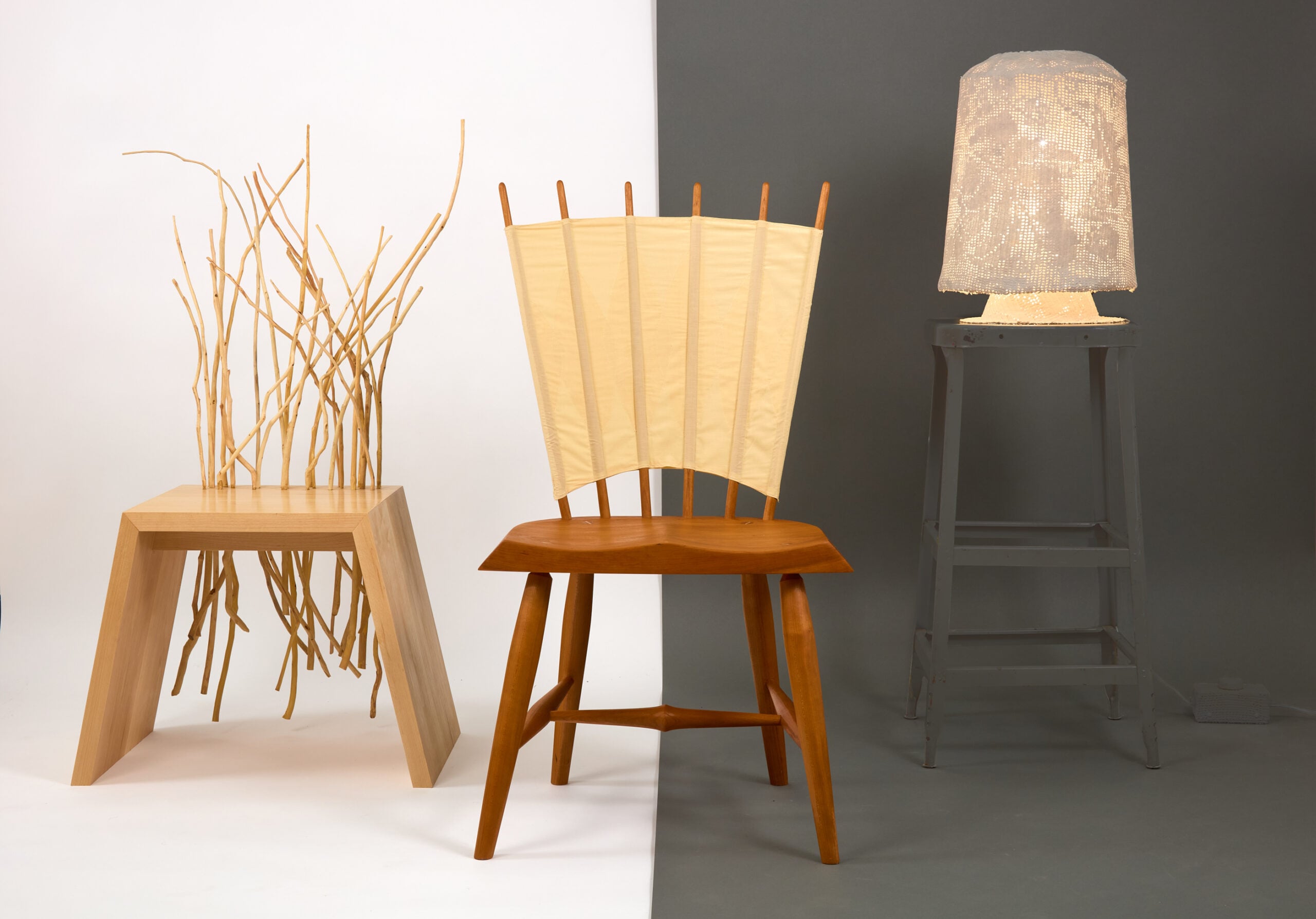
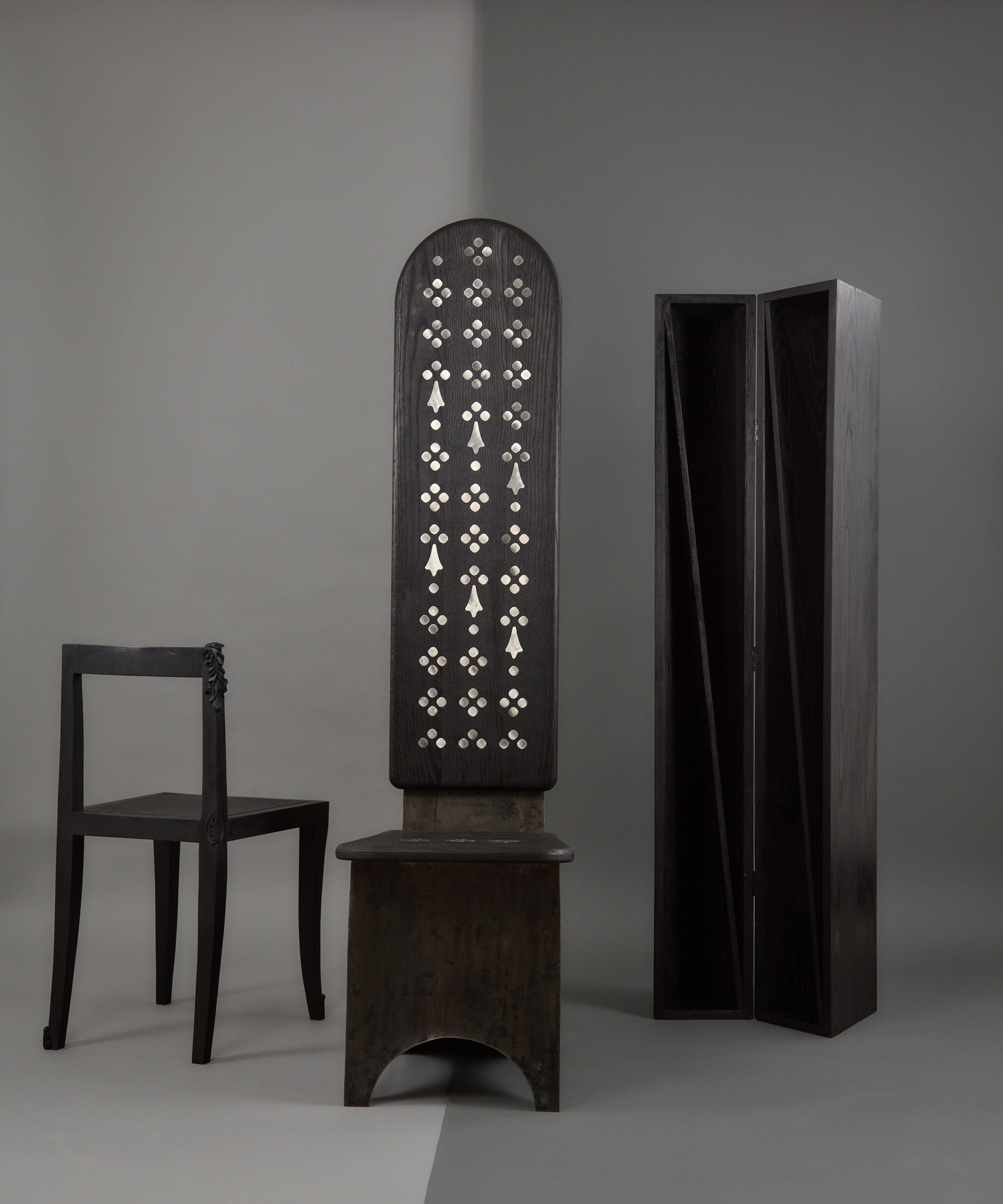
Building on ICFF’s 2026 theme “Common Ground: A Global Dialogue on Design and Shared Values,” the Rhode Island School of Design presented Intrinsic Values, a selection of works from BFA and MFA students that reexamine the role of hand-crafted furniture in contemporary life. What are some of the values these students hope to cultivate? Interconnection at every scale; Craft as origin, not ornament; Attentiveness to ethics; Materials as carriers of memory, and Feminine lineages as shared ground are just a few of the ways these young designers are setting out to change the industry.
TARTAN
CICIL
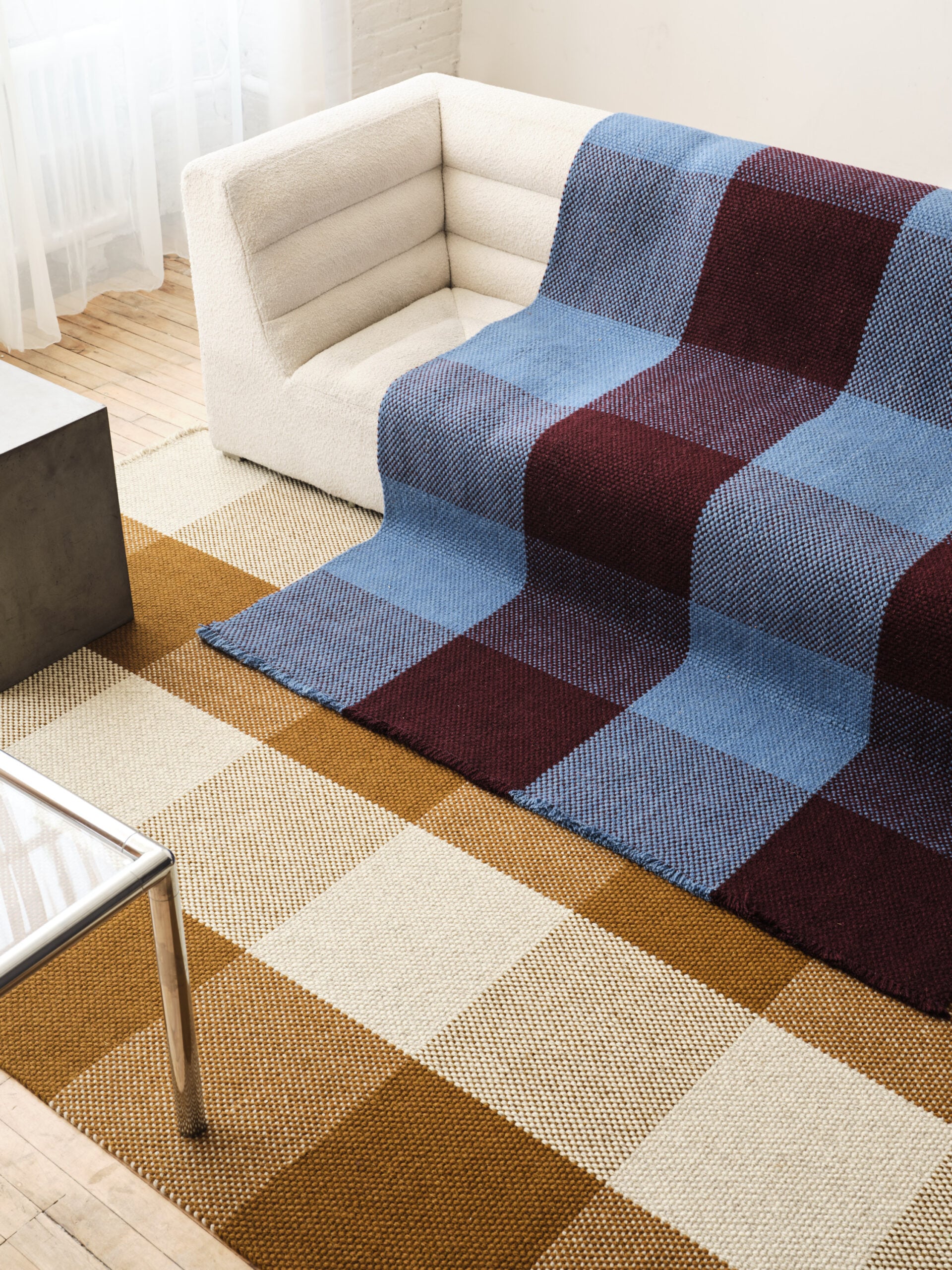
CICIL is a women-owned, locally-made textile brand based in North Carolina. “Rugs are dirty business,” the company writes, “Many are made using toxic forever chemicals disguised as ‘easy care finishes’ and plastic fibers that will never degrade.” CICIL aims to challenge that by divesting from carbon-intensive global textile supply chains. Instead, they use wool fiber sourced directly from United States farms, alongside upcycled natural fibers like jute—never synthetics. This commitment is backed by 3rd Party certifications such as the Responsible Wool Certification and GoodWeave.
EKOSI CHAIR
Brett Paulin Design
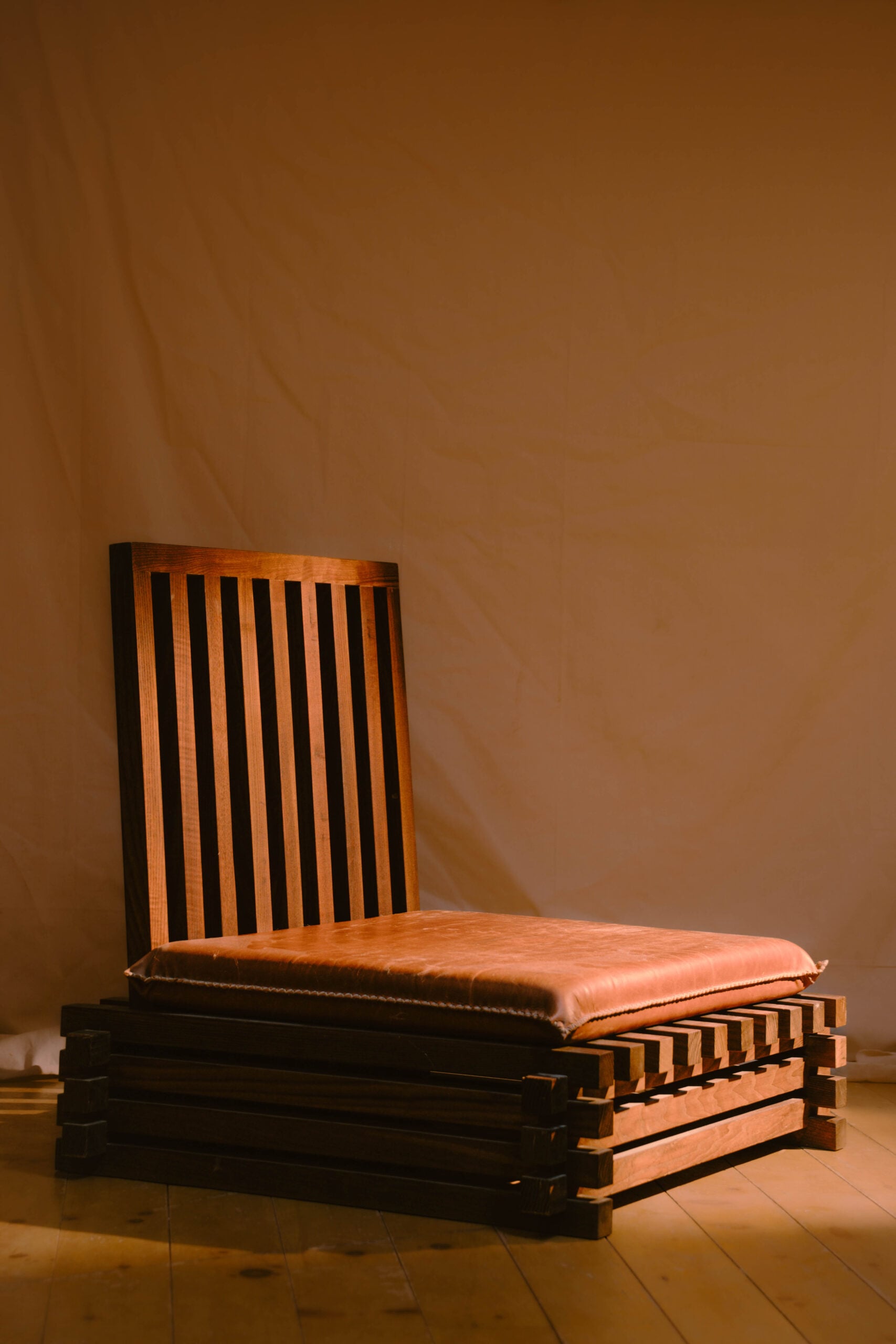
Brett Paulin is a Toronto-based interior and furniture designer that creates bespoke commercial and residential solutions that highlight functional hand craftsmanship, primarily in wood. Pictured: Paulin’s Ekosi Chair made with roasted ash slats with a textured navy cushion and hand stitched details. His booth at Wanted featured other handcrafted objects made from wenge wood, natural, charred, and oxidised walnut.
SERIES 01
KOBA
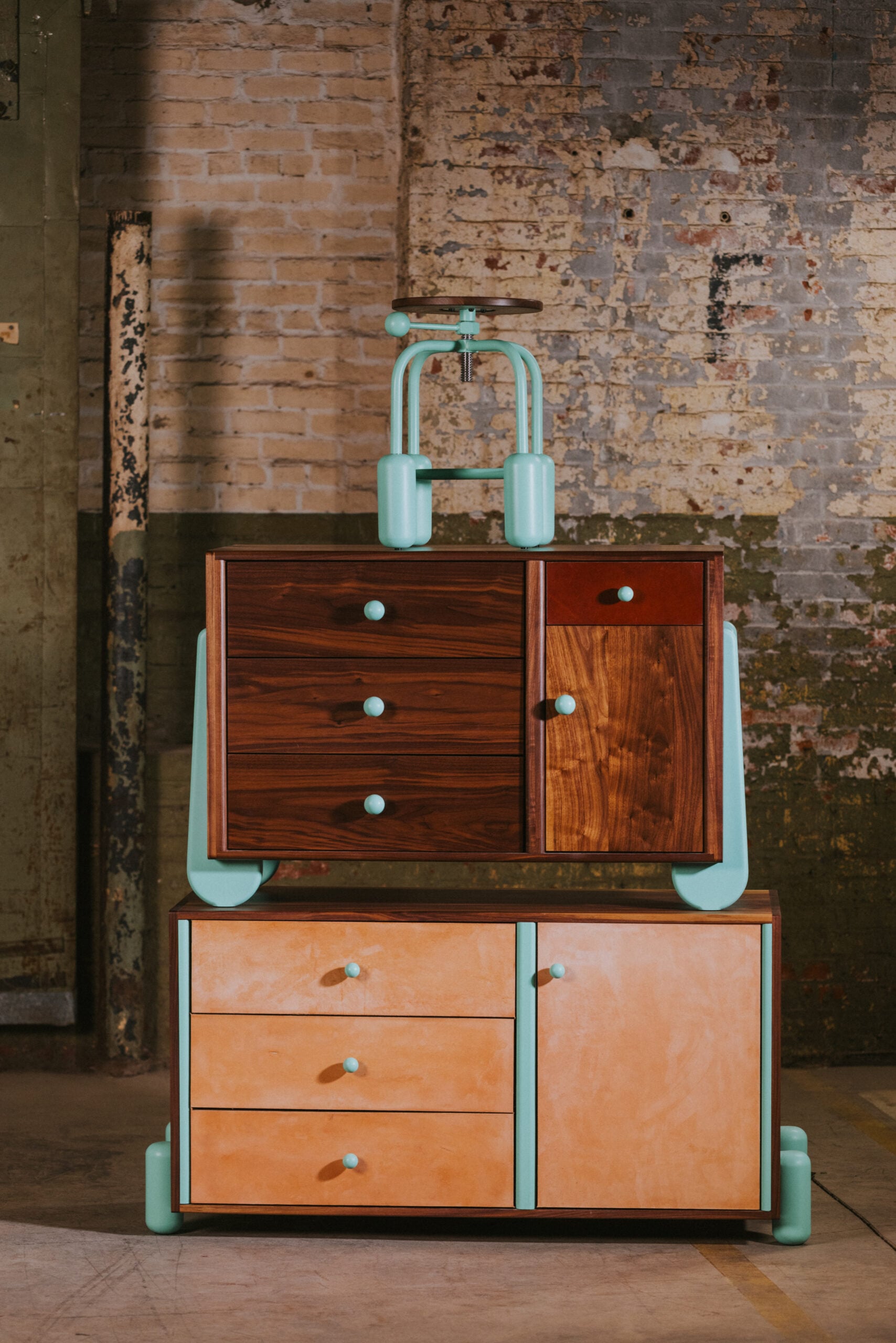
Based in Baltimore and founded by designer Sam Acuff, KOBA is a design studio that creates playfully modern “funk furniture.” This year at Wanted, KOBA presented Series 01, a collection of objects that “contrast natural materials with the overtly artificial.” The collection invites users to play around with a variety of colors to create funky and functional spaces that feel unique to them.
LA SCOBA
Nomasuno
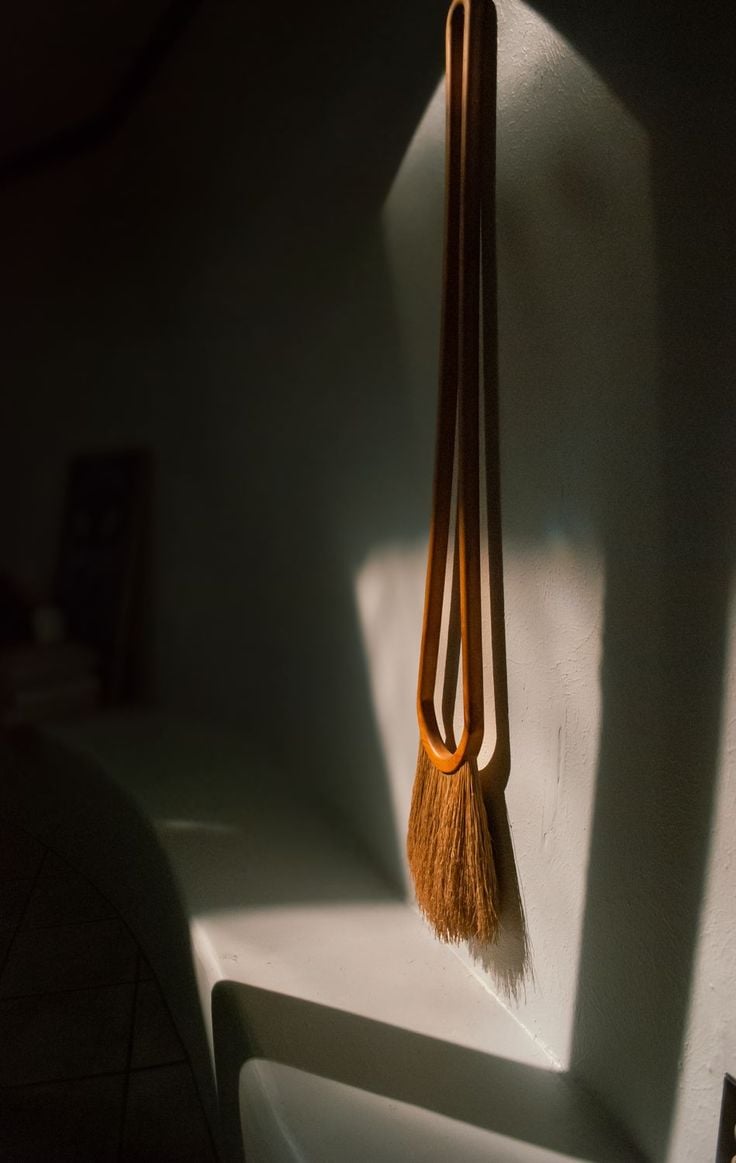
Guided by the belief that objects hold meaning and memory, Nomasuno curates home goods in collaboration with artisans, family workshops, adn independent studios across Mexico and Japan. For Nomasuno, each object carries generations of skill and cultural heritage, reflecting honesty and intention with every piece. Pictured: Gussman Studio’s La Scoba broom, a limited edition sculptural tool made of natural broom fibers and solid alder wood.
LOTUS, PLUM, and TUOLO
Taiwan-Lantern
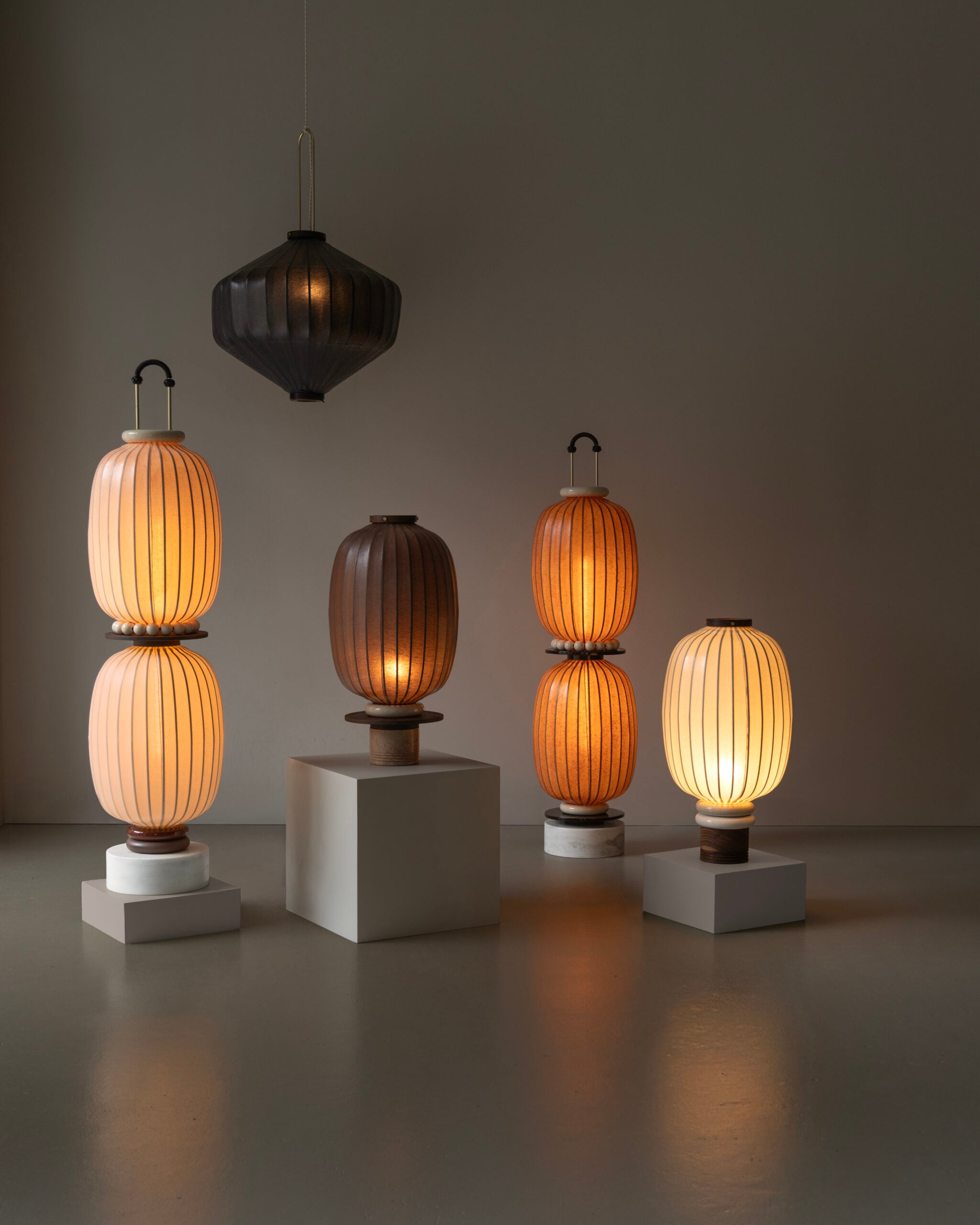
Amsterdam-based studio Taiwan-Lantern made its ICFF debut with new floor lanterns and expanded standing lantern colorways. Rooted in Wu Xing, the Chinese philosophy of the five elements, each hue in the palette reflects wood, fire, earth, metal, and water. The collection includes five pieces: two floor lanterns, two table lanterns, and one pendant lantern, all handmade in collaboration with Taiwan’s last remaining lantern factory. Master artisans worked on specific elements of the lanterns’ design from the raw lacquer, to the Chinese knotting, marble and porcelain work.
HEALTHY MATERIALS LAB
Parsons School of Design
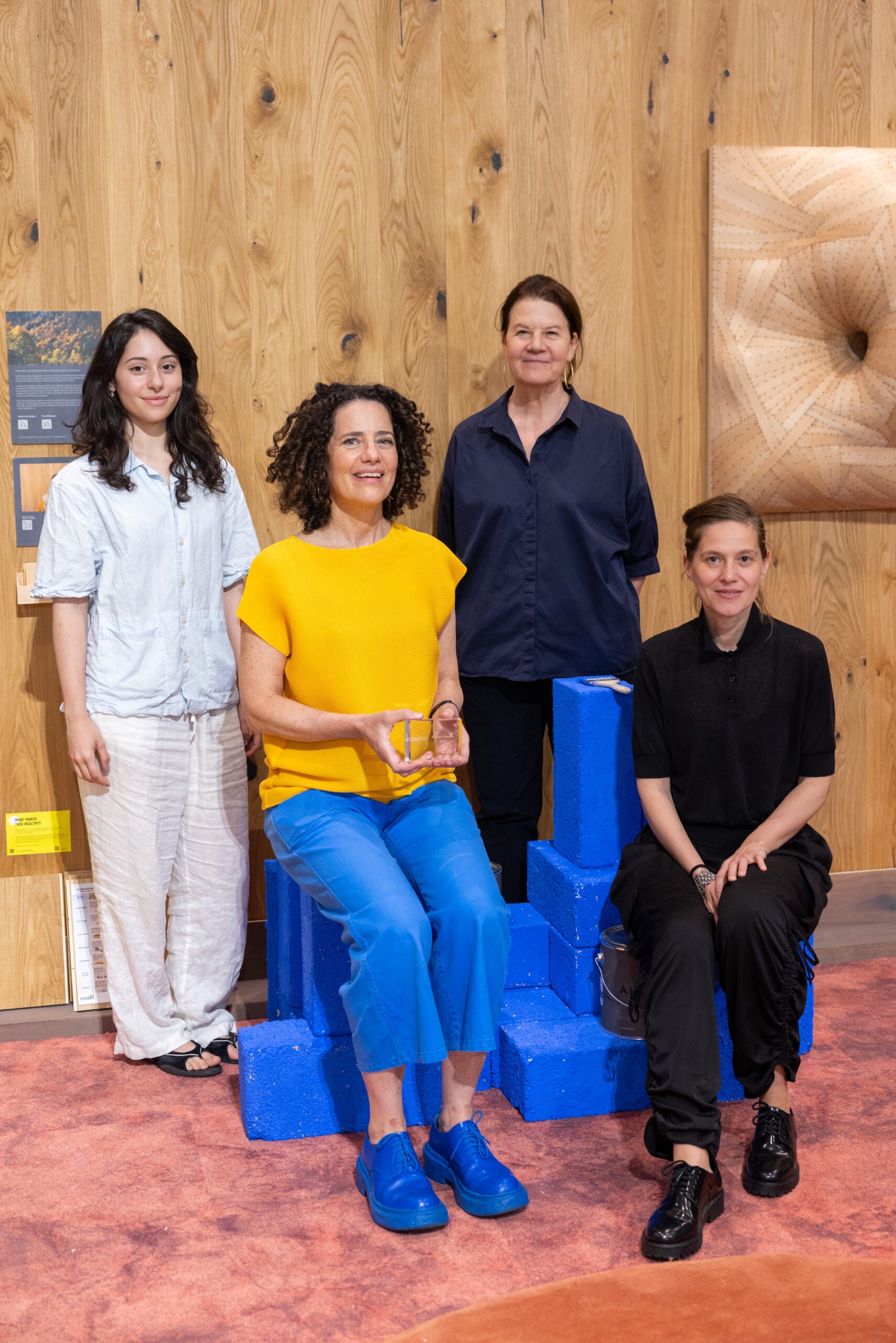
Editors Award winner Parsons Healthy Materials Lab (HML) brought a powerful vision for regenerative and biobased design to ICFF 2026, launching a new Materials section within The Oasis. Through immersive installations, hands-on workshops, and conversations on healthier, climate-positive materials, HML showcased how design can prioritize transparency, repair, reuse, and human health. From mineral-based paints to innovation in mycelium, their presence challenges the industry to rethink the future of materials.
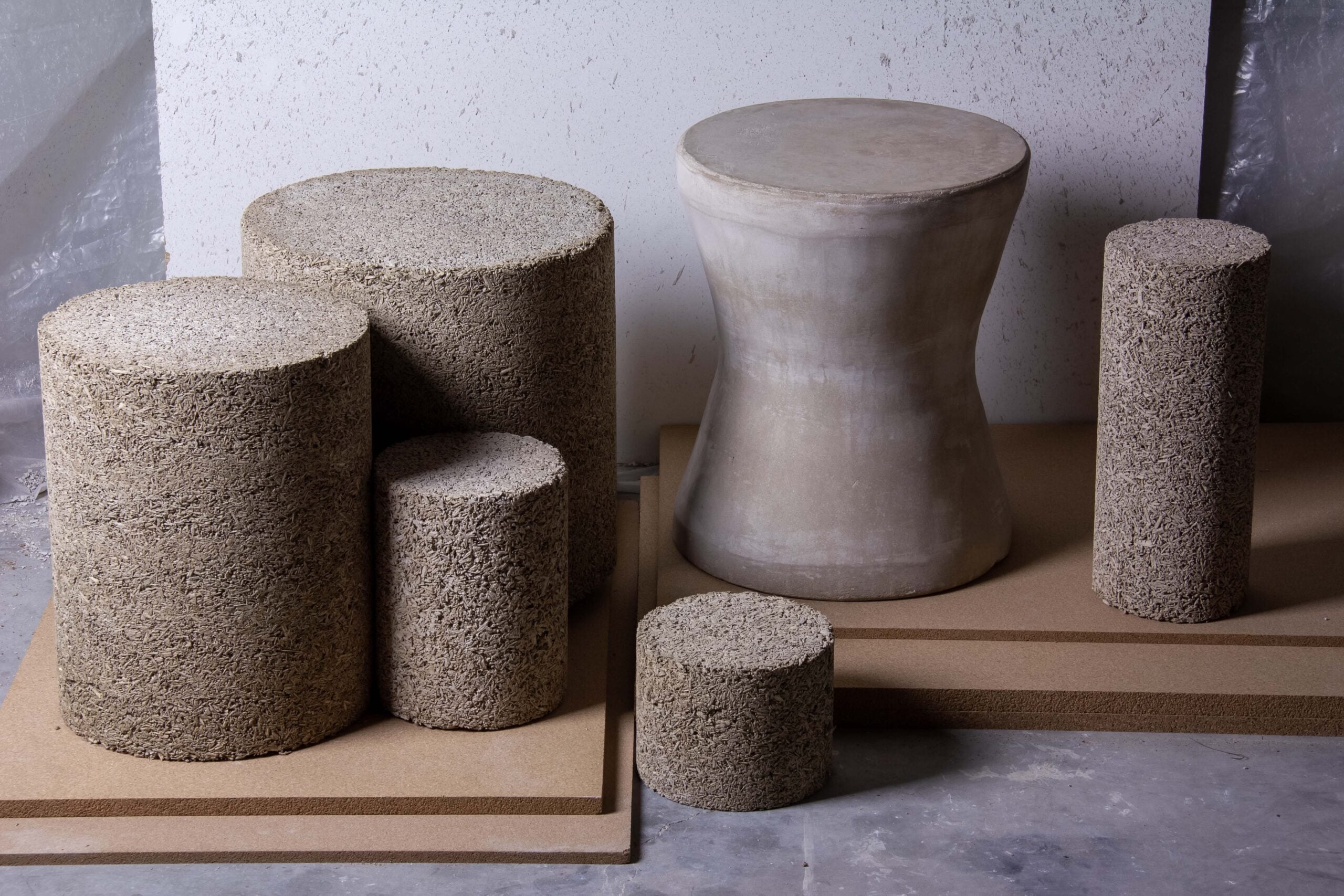
HEMPCRETE COLLECTION
LIRIO Design House
Lancaster, Pennsylvania–based Lirio Design House is a furniture studio that creates small batch furniture out of healthier materials. “Everything that exists will eventually be discarded back into the ground,” says designer Paul Silverman, “Even through all of the sustainability buzzwords used today, the materials will still become waste in a landfill, inevitably. The solution is to never create waste in the first place.” This year at ICFF, Lirio launched a line of made-to-order furniture made of hempcrete, a carbon negative material that is composed of industrial hemp shiv, line binder, and sand.
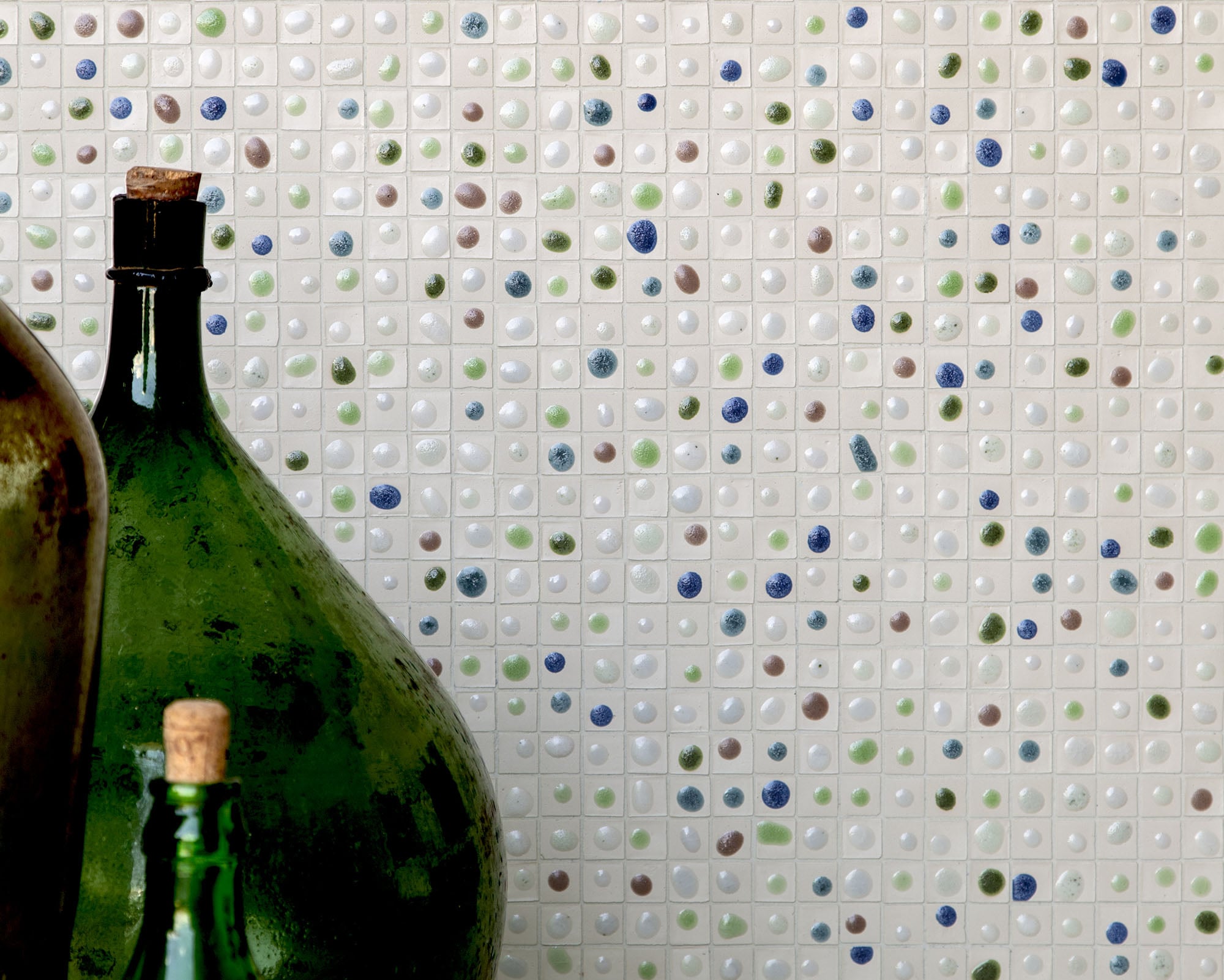
MOSAICMICRO
NeroSilica
Mosaicomicro by NeroSilica is produced from recycled cathode ray tube glass sourced from discarded TV and computer monitors. The glass is ground into powder and mixed with clay, water, and natural oxides to create a composite material. Rather than being pressed like conventional ceramic tile, the mixture is cast into molds, dried for at least 24 hours, fired, and then assembled by hand with the support of robotic systems. The resulting material is designed for architectural applications including interiors, pools, and exterior surfaces, demonstrating how electronic waste can be reprocessed into durable finishes. Pictured: Perle designed by Rodolfo Dordoni.
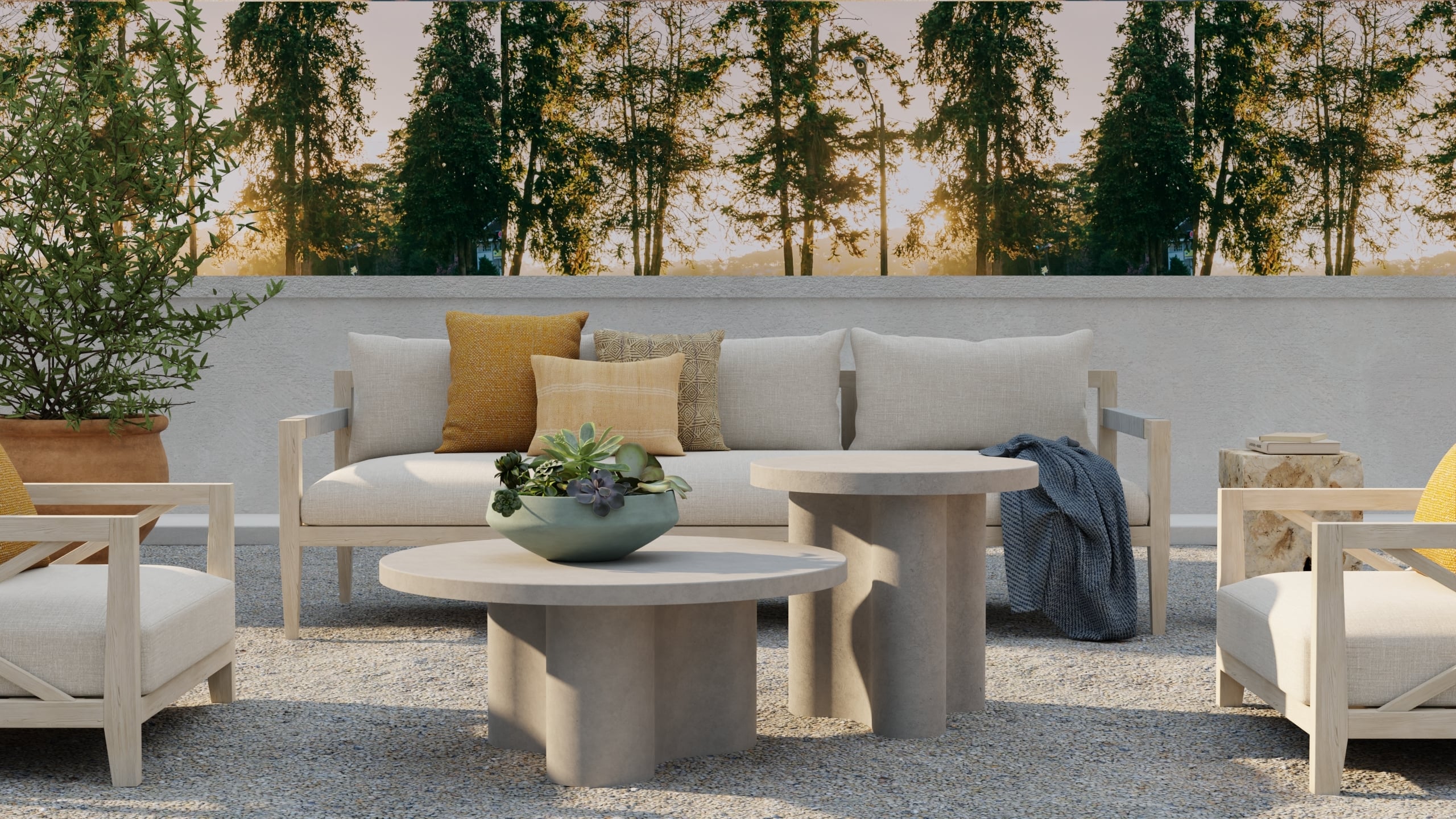
DUNE
Trashy Co.
Trashy has developed a lightweight concrete alternative that replaces conventional aggregate with densified recycled styrofoam or finely ground post-consumer glass. The material is engineered to reduce landfill waste while maintaining structural performance, with the company reporting compressive strengths of roughly 7,000 PSI in under two days. Their Styrofoam-based mix is up to one-third lighter than traditional concrete, while the glass aggregate version contains up to 85% recycled content and produces a smoother, more uniform surface finish. The company has used the material in its Dune collection (pictured here) which is available in a dining table, coffee table, side table, and bench.

TACTILITY
STUDIO SOFT HAIRY
Founded by architectural designer Yu Nong Khew, Studio Soft Hairy is a multidisciplinary studio that focuses on soft materials and experimental fabrication. From developing a recycling system for 3D print material to biodegradable knitted objects, Khew’s current work explores zero-waste principles and biobased design in the built environment. At ICFF, she launched TACTILITY, a lamp prototype that explores how 3D-knitted wool, translucency, and form “can reshape the atmosphere of an interior.” Curious about the name? Artist Salvador Dali once said, “The future of architecture is soft and hairy.”
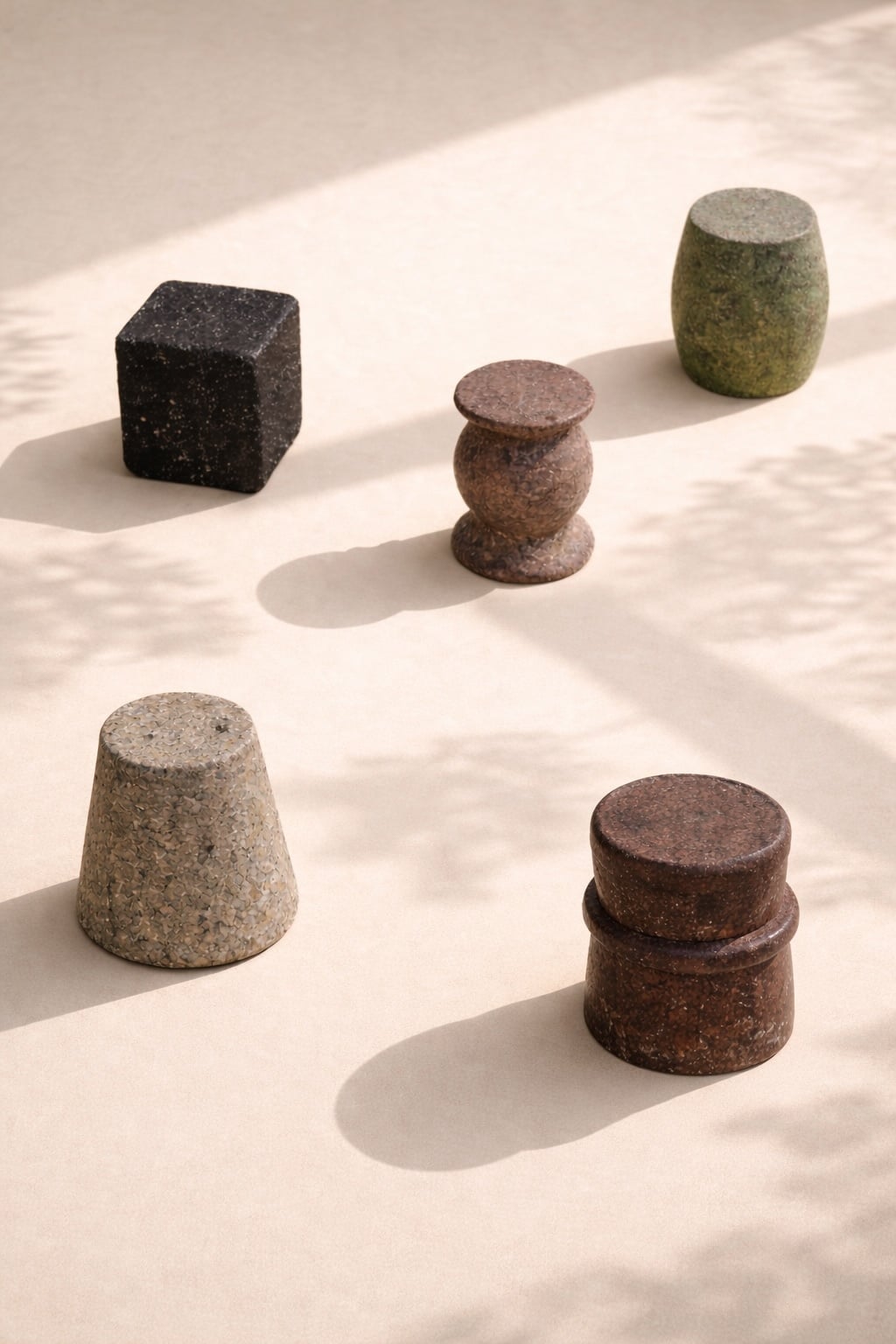
BALAUSTRADA
ESTUDIO PM
Designed by Brooklyn-based studio Estudio PM, Balaustrada is a collection of sculptural side tables and stackable forms made from reclaimed textiles. Inspired by the shapes of traditional balusters and architectural fragments, the collection’s pieces can stand alone or be used together to create functional furniture or sculptural pieces. The recycled textiles used create unique variations in color and surface across the collection, and like with all of its collections, the studio welcomes open exploration and unexpected outcomes.
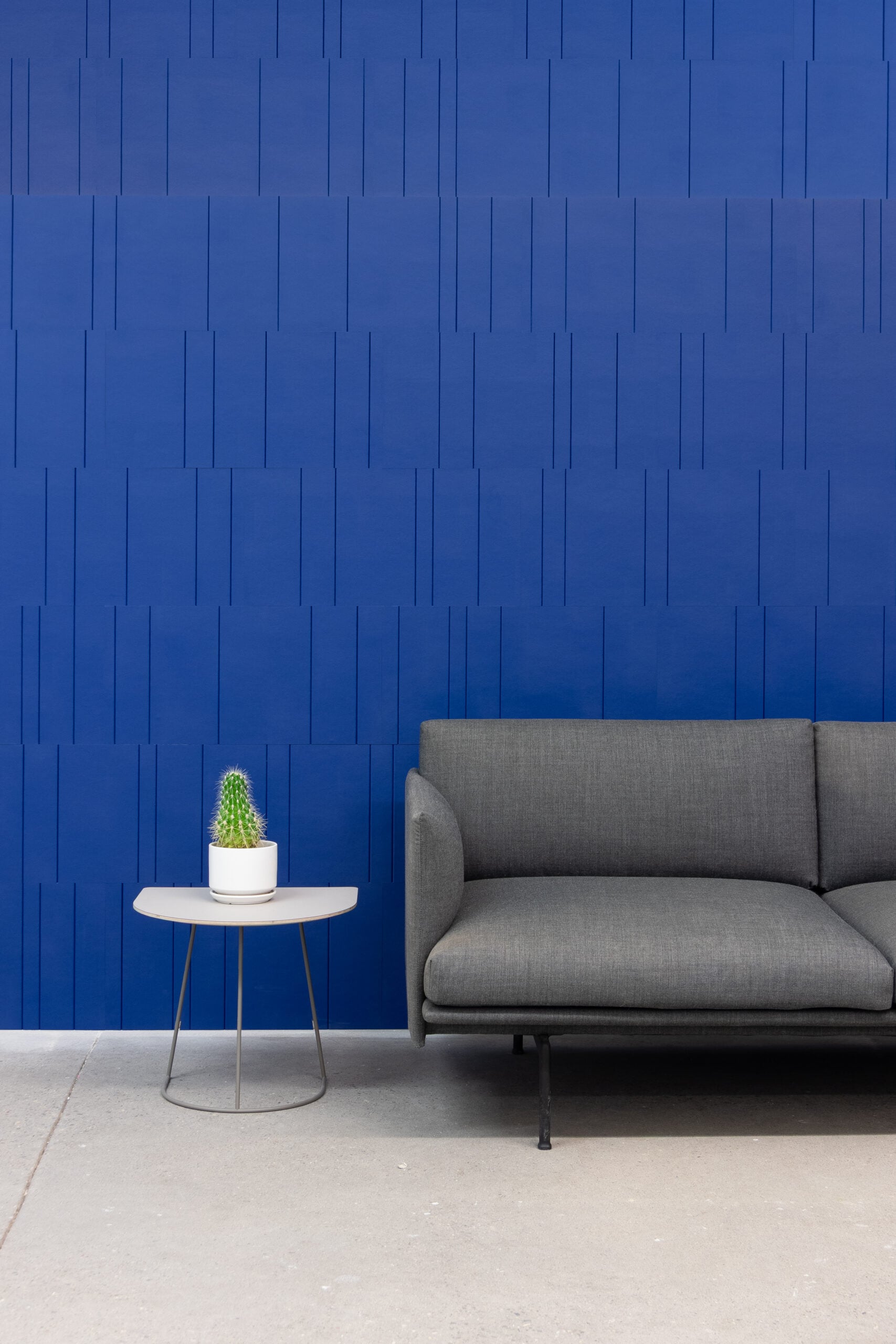
Echo
Submaterial
Echo by New Mexico–based design studio Submaterial is a cactus leather wallcovering made with Nopal cactus leather, bio-based polymer, water-based adhesive, and a recycled acoustic substrate. The tile-based design is manufactured through a resource-efficient process and like all of Submaterial’s designs, is American-made, handcrafted, and customizable in color and size.
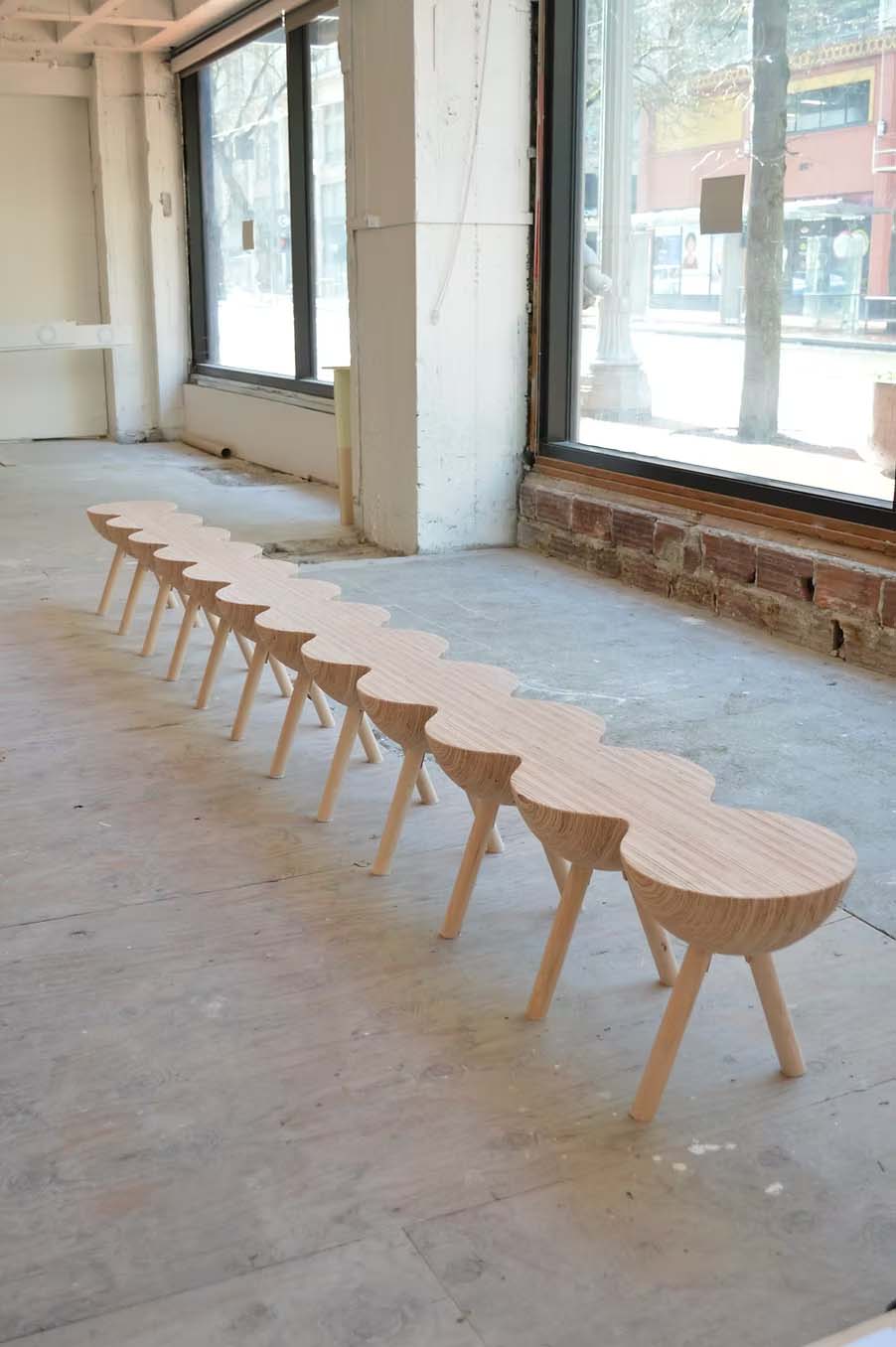
CATERPILLAR BENCH
Cory Micah Olsen
Oregon-based furniture designer and educator Cory Micah Olsen focuses his research on the integration of digital fabrication technologies and traditional craft practices. His works in mass timber are the result of a collaborative research project with Linda Zimmer and Dylan Wood, funded by the USDA Agricultural Research Service and in partnership with the Tallwood Design Institute at Oregon State University. Each piece of furniture is made from scrap mass timber material leftover from architectural projects—from food and window cutouts, parts nesting, and panel sizing. Pictured here: The Caterpillar bench, made from mass plywood panel beams milled to form using a KUKA robotic arm.
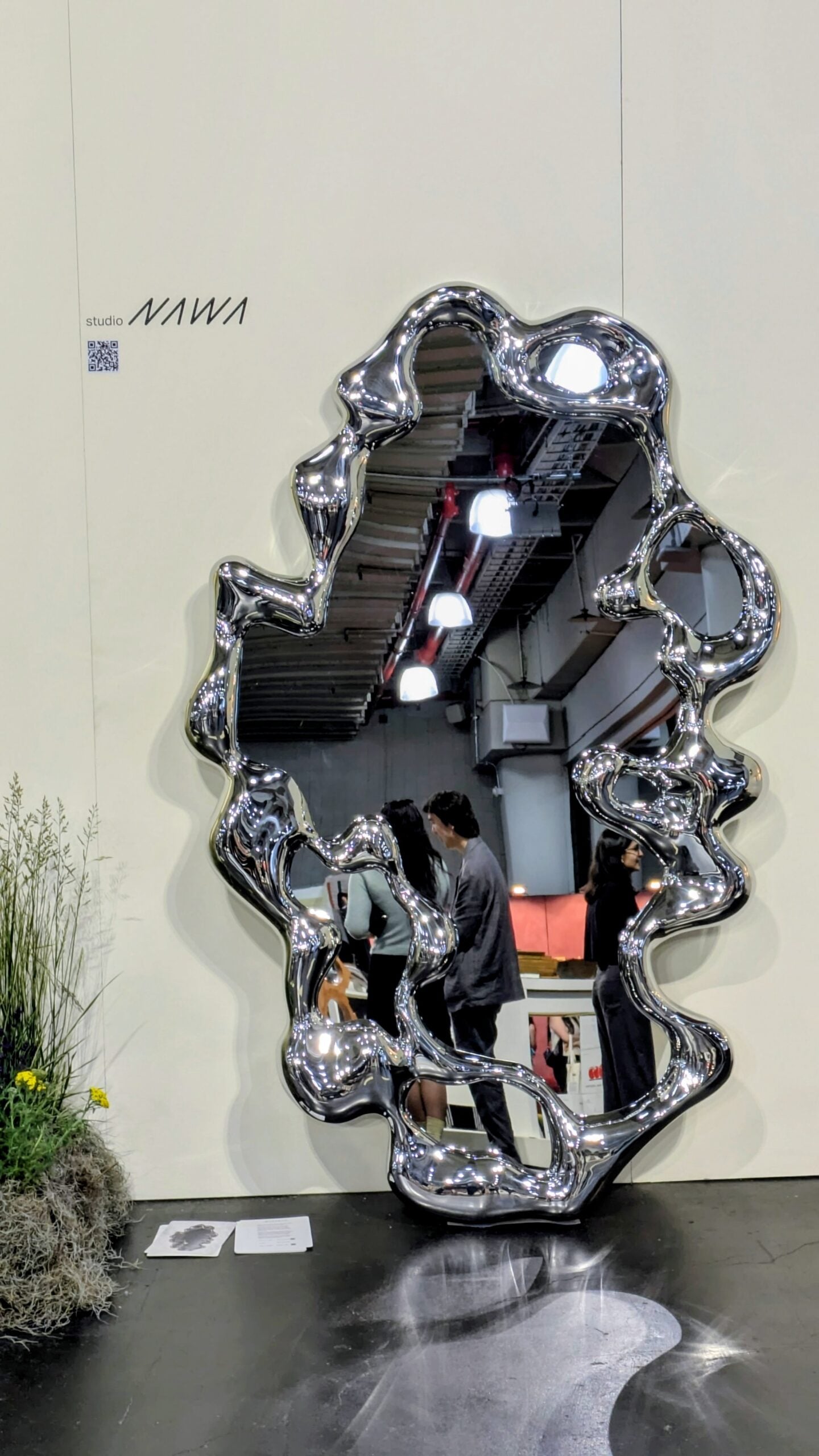
SURFACE MIRROR
Studio NAWA
Launched at Maison & Objet Hong Kong in 2025, Studio NAWA return to ICFF 2026 with the Surface Mirror. The studio writes, “Formed through water-simulation algorithms and forged in polished steel, the surface mirror records moments of digital motion as fixed geometry—flowing ripples to tranquil stillness—translated into weightlessness, depth, and reflection.” Made of 100 percent mirror polished stainless steel, the mirror is free from chrome or other harmful chemicals.
Would you like to comment on this article? Send your thoughts to: [email protected]
Latest
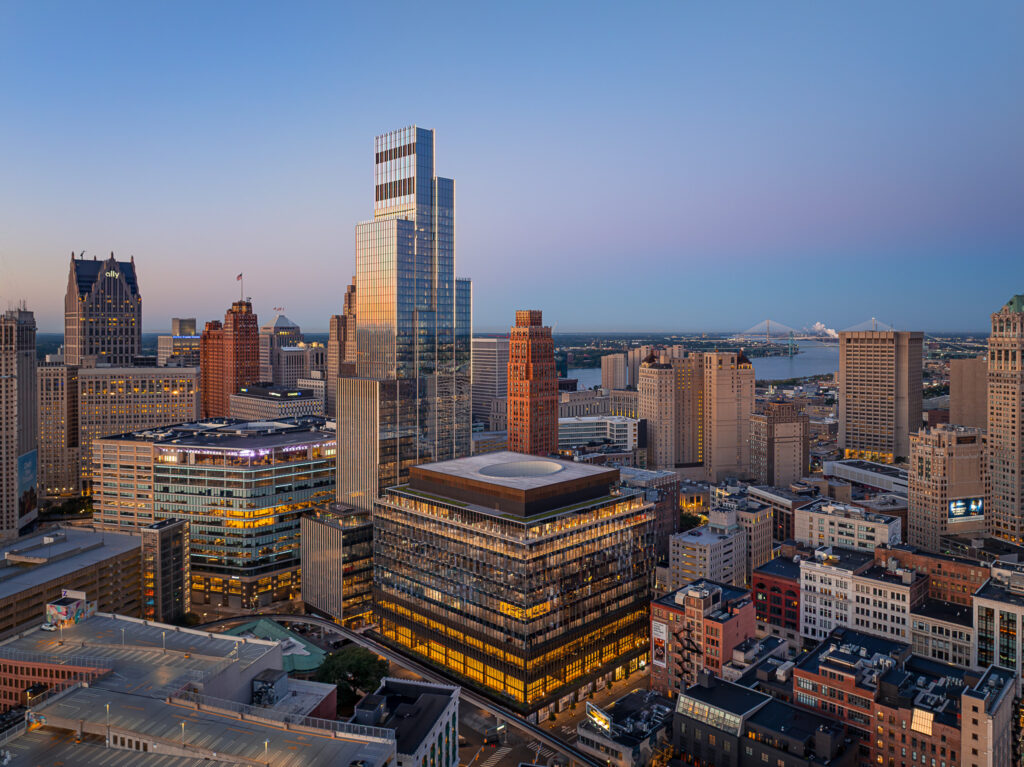
Viewpoints
Detroit Month of Design: A City’s Work in Progress
Now in its 16th year, the celebration offers insights into the Motor City’s ongoing accomplishments without glossing over its hurdles.
Projects
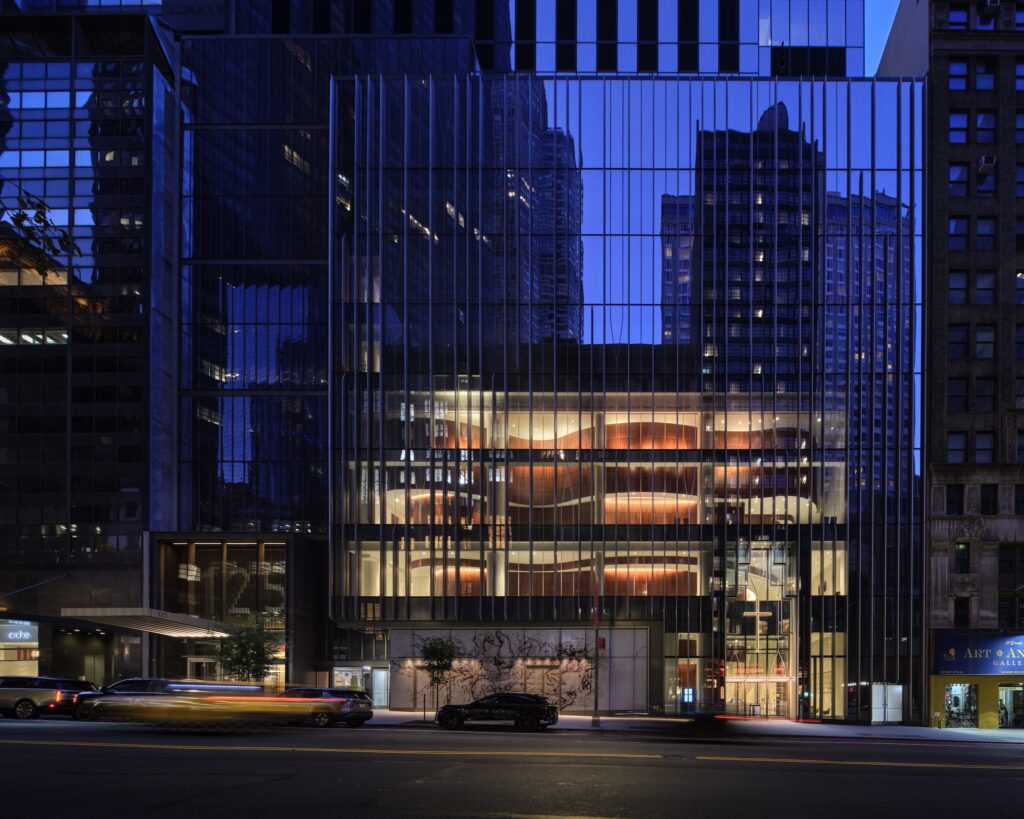
How a Hybrid Building Helped an Historic Manhattan Congregation Remain in Place
On Billionaire’s Row, FX Collaborative designed a new home for Calvary Baptist Church combined with an office tower.