



April 9, 2026
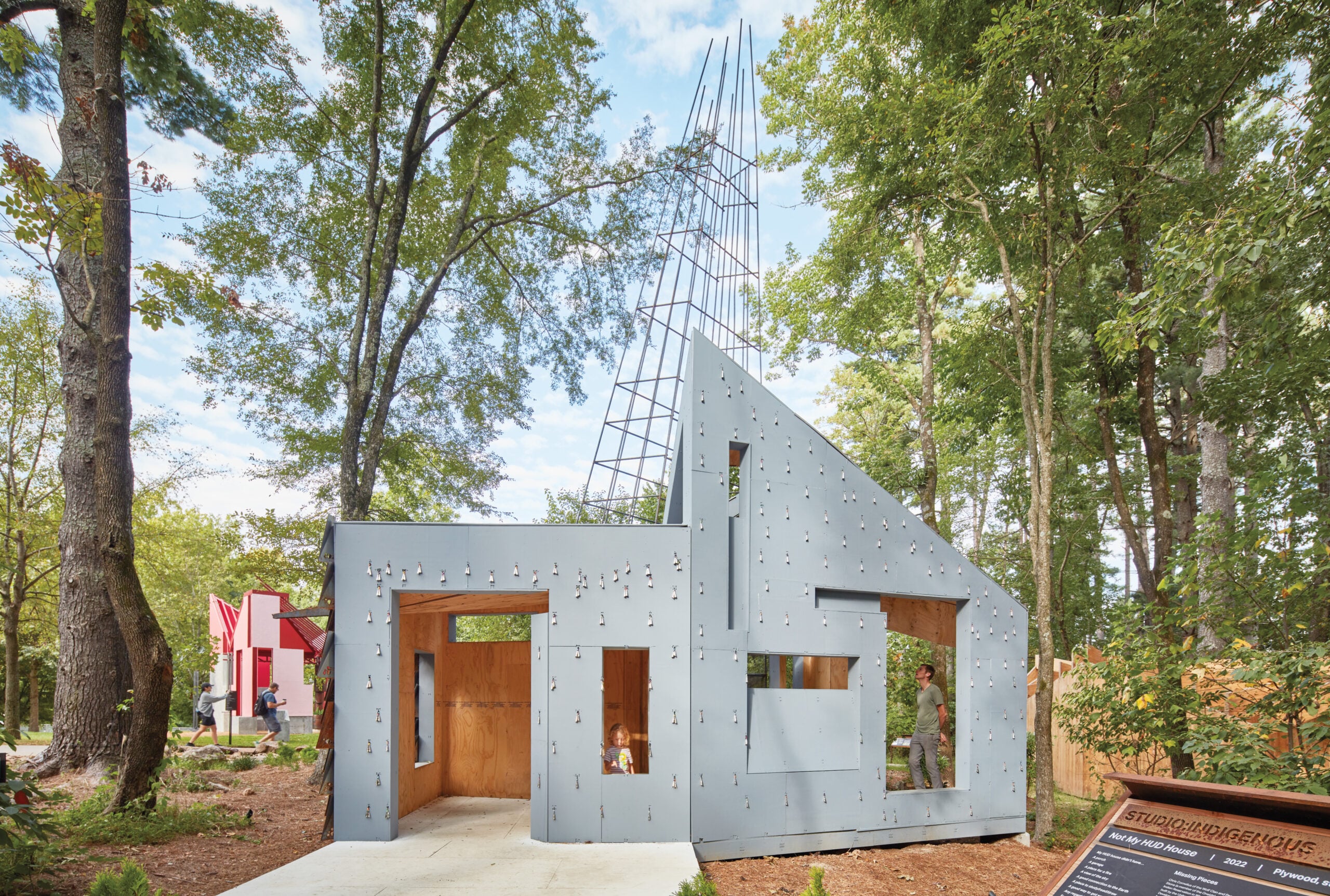
Architecture by, for, and with America’s First Communities
In the United States and Canada, a vanguard of leaders and educators are finding new ways to navigate the complex relationships between indigeneity and contemporary architecture. Recently, I sat down for a conversation with two of the finest minds in Indigenous-informed architecture today. Chris Cornelius is the founding principal of studio:indigenous and a professor (and former chair) in the department of architecture at the University of New Mexico. Wanda Dalla Costa, the first First Nations woman to be licensed to practice architecture in Canada, is a principal at Tawaw and director of the Indigenous Design Collaborative at Arizona State University, where she is also an institute professor and associate professor.
Founding principal, studio:indigenous; professor, department of architecture, University of New Mexico. Courtesy Department of Architecture at the University of New Mexico
Principal, Tawaw; director, Indigenous Design Collaborative & institute professor, The Design School, Arizona State University. Photo by Deanna Dent/ASU Now
Avinash Rajagopal: Chris and Wanda, what’s occupying your hands and minds these days?
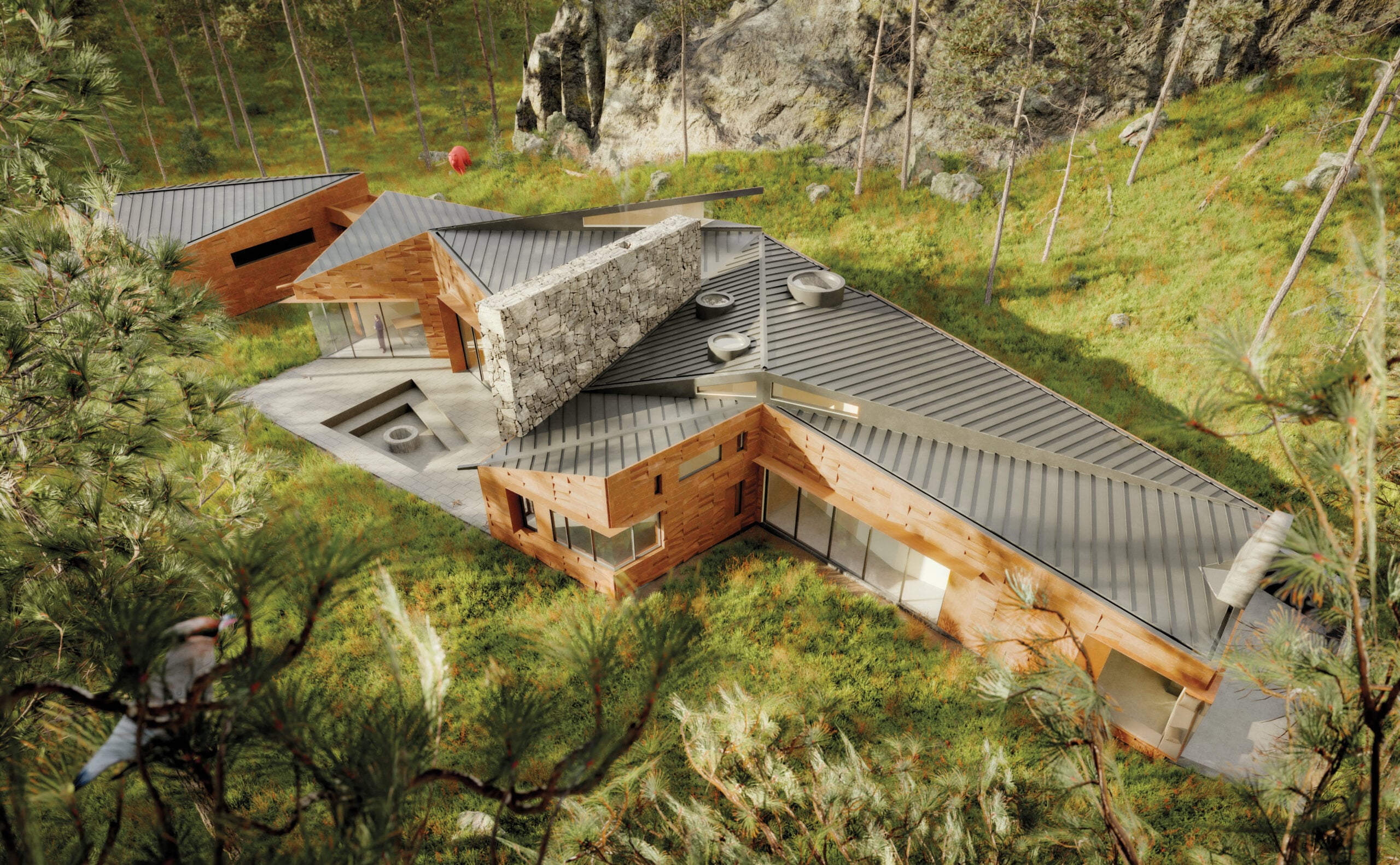
Chris Cornelius: I stepped down from being the chair in the fall, so I’m back to being a professor. I wanted to concentrate more on my practice, and we’re starting to take on more building projects. It’s not just installations and exhibitions. I’m working on an Indigenous cultural center in Texas and a private residence in South Dakota. I’m also on a project with [the landscape architecture studio] Land Collective, working on the master plan for Pennsylvania Avenue in Washington, D.C.
Wanda Dalla Costa: We’re working on the Canadian embassy in Mexico City, so our work is moving into the international realm, which is exciting for me.
Reconciliation is a big topic right now in Canada, and they’re starting to have some significant talks on the impact of boarding schools and residential schools on Indigenous people. We’ve been working with groups of elders who are survivors of that era, trying to create monuments and memorials that recognize that really difficult time. We were also commissioned by the Mellon Foundation to run an artist-driven grant; they want to fund Indigenous architects and artists directly.
And of course, our bread and butter is projects like affordable housing, which is really critical.
AR: If you look at these projects, are there common things that you’re being asked to do or problems you’re being asked to solve?
CC: Institutions and funders want to engage Indigenous people but aren’t always sure how.
Initially, a lot of my work was in my own community. It was just something I was familiar with: The people were those I knew; the culture was what I knew. But in that time, I learned what people are calling ‘community engagement.’ I’ve been very cognizant of what is being shared, because Indigenous people share openly with other Indigenous people. And then, after the fact, they think, “Oh, actually, this is just for Indigenous people. That information isn’t really for the larger public.”
I’ve been asking that question a lot: “Is this something that should be shared?” “How do I make this translate for a broader audience without giving specifics?”
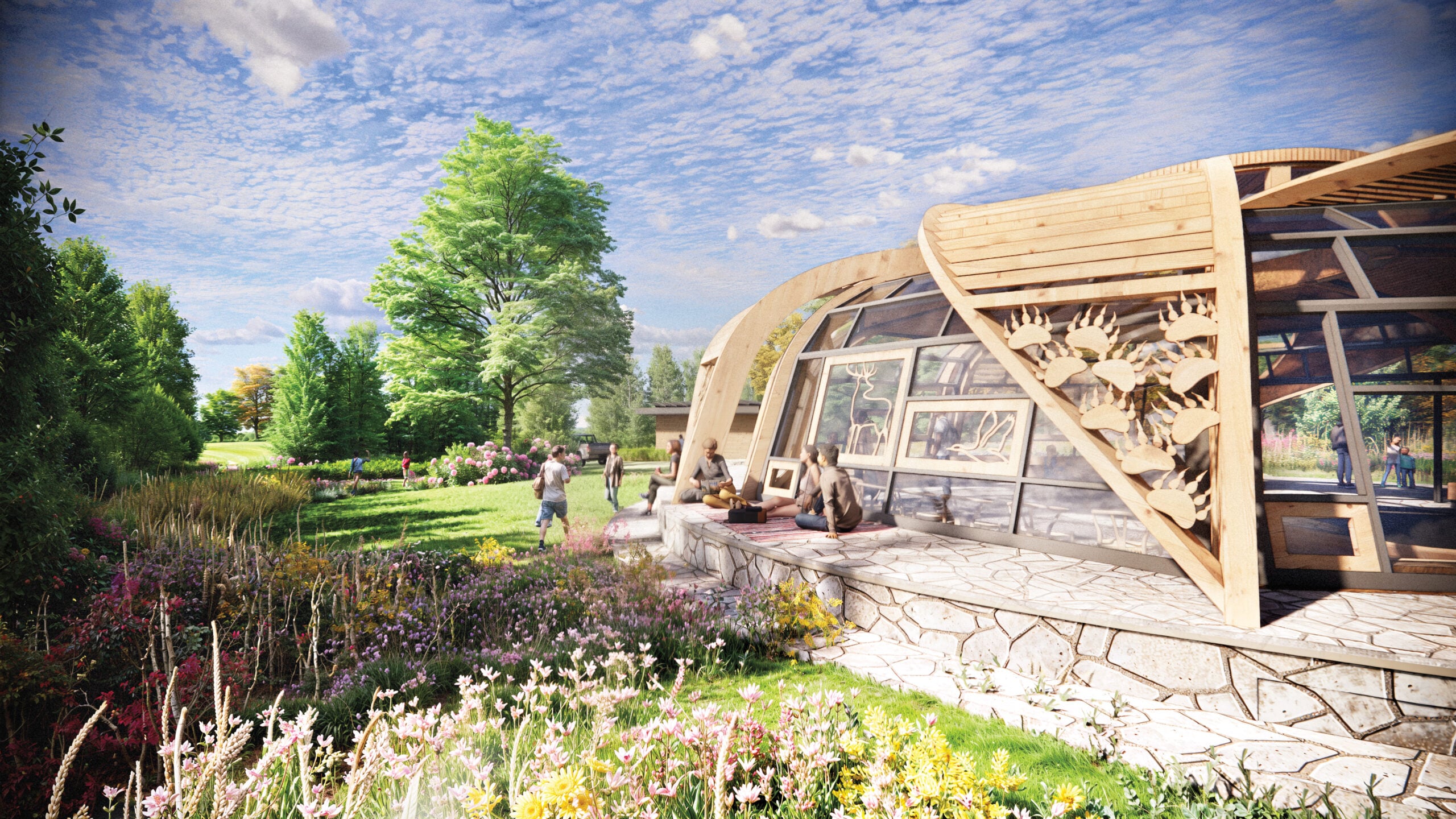
WDC: I might have a slightly different perspective to add because I have had to try to teach non-Indigenous designers how to do this work in a good way. It is a lot to teach this work. It’s a heavy load, but I know we need allies, advocates, and champions.
At my firm, we have about fourteen staff members, of whom only seven are Indigenous designers. How do I make sure they feel included and productive so they can contribute? We developed online training modules for our staff to understand what Chris is talking about, all of those nuances and those sometimes-sacred pieces of information that happen in meetings within communities. They know to recognize what those topics are and to take a step back, pause, bring in someone Indigenous, and table some of those sacred topics.
We now have a framework for how we do this work. It’s called the Indigenous Place-Keeping Framework, which is the design process for thinking through what you need to make a successful Indigenous project, everything from honorariums to opening blessings to listening cues. The other framework we’re developing now is a tool that enables us, when we leave the engagement, to distill it according to what I call the Indigenous model of designs with a five-category system that helps classify data. We need to break it down so we can understand that what they’re telling us here, when they said that, is about identity. What they’re telling us here, kinship, is about community and social structures. The framework tool helps us all work together to develop two-eyed seeing, with one foot in the non-Indigenous world and one foot in the Indigenous world.
AR: Very often, Indigenous communities have a preexisting relationship with architecture and urbanism that is constrained. They’ve rarely allowed themselves to think about having a greater ambit of decision-making or having a greater voice. Their relationship to what is good is based on what they’ve known. How do you work with communities to help them understand the built environment?
CC: That’s the skill set I have as an educator. I’m trying to help them understand that I’m not there to do what I want to do. I had a client once who put it in an amazing way. He said, “Well, I just don’t want it to be like, ‘We’re going to drop an atomic bomb. Where do you want us to put it?’”
At this point in our country’s history, there are plenty of communities—not just Indigenous communities but middle-class communities—that have not had this position of being able to say what their neighborhoods look like or what their homes look like or what their libraries or schools or post offices look like. What should they really be asking for when those opportunities come up?
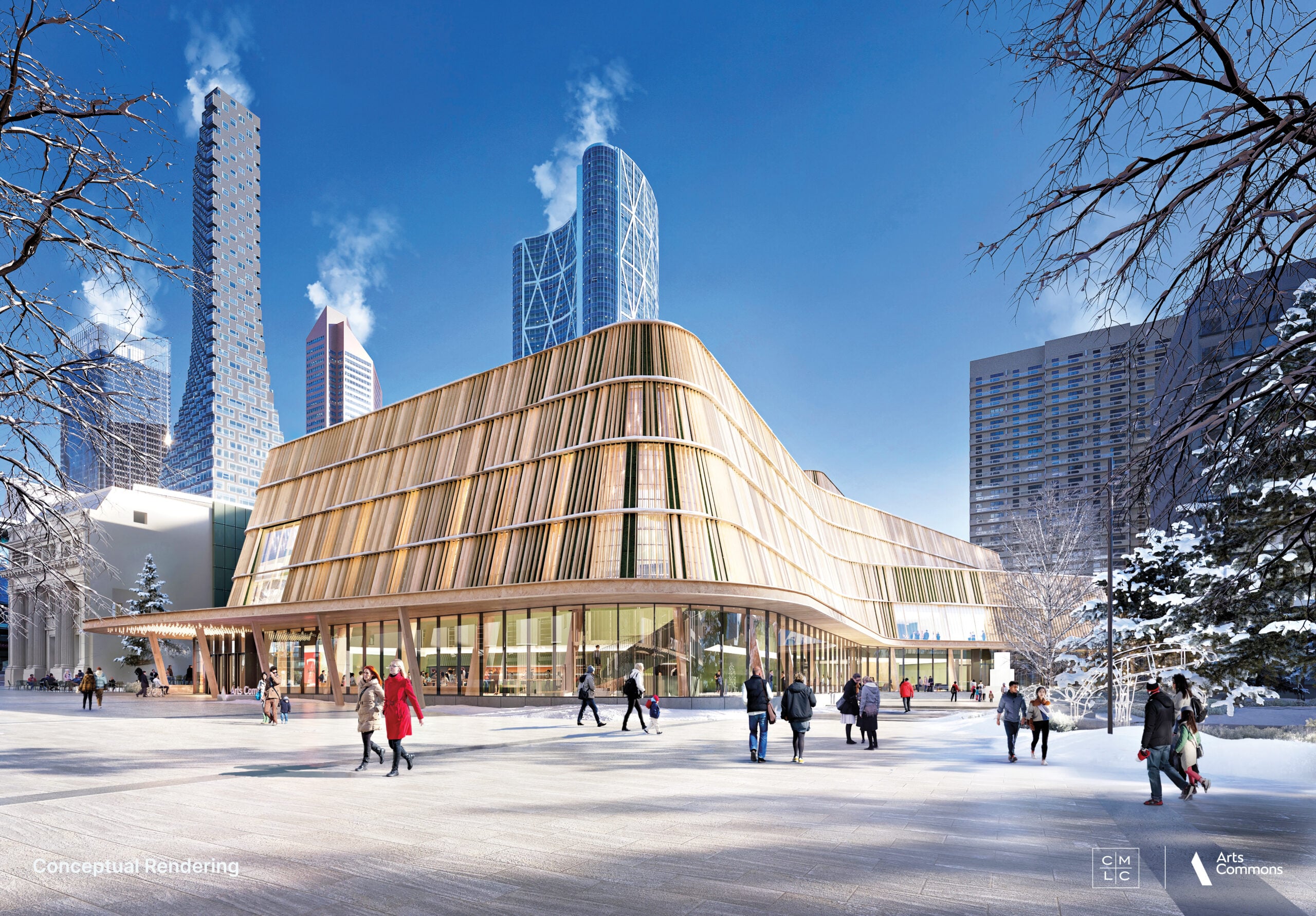
WDC: This is an ongoing challenge in the field because—imagine you grew up on the rez [reservation]. You probably took a couple of trips here and there, but then you get us, who have been looking at buildings for thirty years and falling in love with things that are just way out there, far beyond.
Our communities are asking us to replicate traditional forms because of what you said, Avinash, that they have never had spatial agency. They want the teepee poles, the shape of the hogan, and the wigwam details. And as Chris mentioned, it’s really important for us to help lead them to the art of what we’re doing.
I’ve got two methods right now for broadening their range. We conduct a visual preference survey. We will put all the images on the wall, but often we will do it with the youth first, let them think about some crazy things because their minds are a little bit more attuned or expansive to ideas that are fresh and innovative. Then I take that visual preference survey and go to the community and the elders. I’ll say, “Hey, look at what your next generation has come up with.” And they’re like, “Oh, well, OK.” And so it gives us a little bit more opening.
The second thing that I do in terms of that spatial agency lately is I’m now giving two options on every building. I don’t just give one, because they’re often shy to critique an Indigenous designer. So, they’ll sit quietly, and then you don’t know if you got it right or not. There are times when they just are being too kind, and they don’t want to admit that it’s too modern, too round, too square, too whatever.
We’re pushing hard on spatial agency, really hard.
AR: How do you also bring those Indigenous voices into spaces where they’re not necessarily the focus of the project, but you know that it would not be right to do the project without their perspectives?
CC: I’m usually bringing my point of view to larger teams. I was pursuing a project with Kate Orff [founding principal of SCAPE], and it’s a park outside Dallas. I was in the interview, and the first question the person asked me was “Chris, I’m glad you’re here. I know your work, and it’s wonderful to see you, but why are you here?” Because it’s not an Indigenous project. And I said, “My expertise is in helping people tell the stories of their communities that haven’t been heard. And it’s not just Indigenous communities that need that.”
The work that we do is important. Wanda and I have been working for a long time to develop these methodologies and ways of working where our focus is certainly on Indigenous communities, but we can also do this in non-Indigenous communities to help people who don’t have those voices in the larger culture, especially with housing. That’s affecting middle-class white America; people can’t afford houses anymore.
AR: I’m noticing, especially within the sustainability movement, that there’s now this urge to say, “Oh, there’s knowledge there [in Indigenous communities], and let’s utilize it because we’ve just realized we have a problem.” I don’t know how to feel about that. Is there nuance to how we should be engaging with Indigenous knowledge?
CC: Indigeneity doesn’t separate things out. It doesn’t compartmentalize things, “This is how you deal with the sun, this is how you deal with the earth, this is how you deal with paint, this is how you deal with furniture.” And sustainability has gotten to the point where there are distinct strategies, like “It’s a net-zero building, but is it net-zero energy or is it net-zero carbon?” Indigeneity is not that way, meaning that there’s no formula, there’s no specific strategy.
The thing I’m always trying to say, especially to clients, is that the world is about reciprocities and relationships. It’s really about kinship. “The moon is my grandmother”: We mean that when we say it. What if we started to think about buildings and materials in a similar way: “How am I putting this relative into the world?” I started calling my projects relatives; that’s my way of keeping it straight for myself. I’m putting something into the world that’s part of me, even though I might walk away from the project and go on and do something else. It helps mitigate the larger idea that buildings are disposable.
WDC: I can’t say I’m a sustainability expert, even though I have LEED behind my name, but I am interested in the integration of natural law, and I’m interested in passive design. And I think those two, by themselves, are all of the sustainability I care to talk about. Am I going to get that LEED Gold status through natural law and passive design? Probably not, but I’m not sure that that’s the goal that I’m after. What I am after, however, is seeing the relationship to the natural world that is inevitably a part of every Indigenous project: It’s always this indoor-outdoor relationship, biophilia. Land-based teaching has become really important. I’m interested in how we can start to change Western philosophy by increasing place attachments through the work that we’re doing. If I can bring someone to my site and they can go, “Cool. I now see the earth. I see the land, I see the water, I see the stars, I see all of those things,” then they start to be open to that interconnectedness of all living things. That’s one of the beautiful things that Indigenous design can offer.
Would you like to comment on this article? Send your thoughts to: [email protected]
Latest
Viewpoints
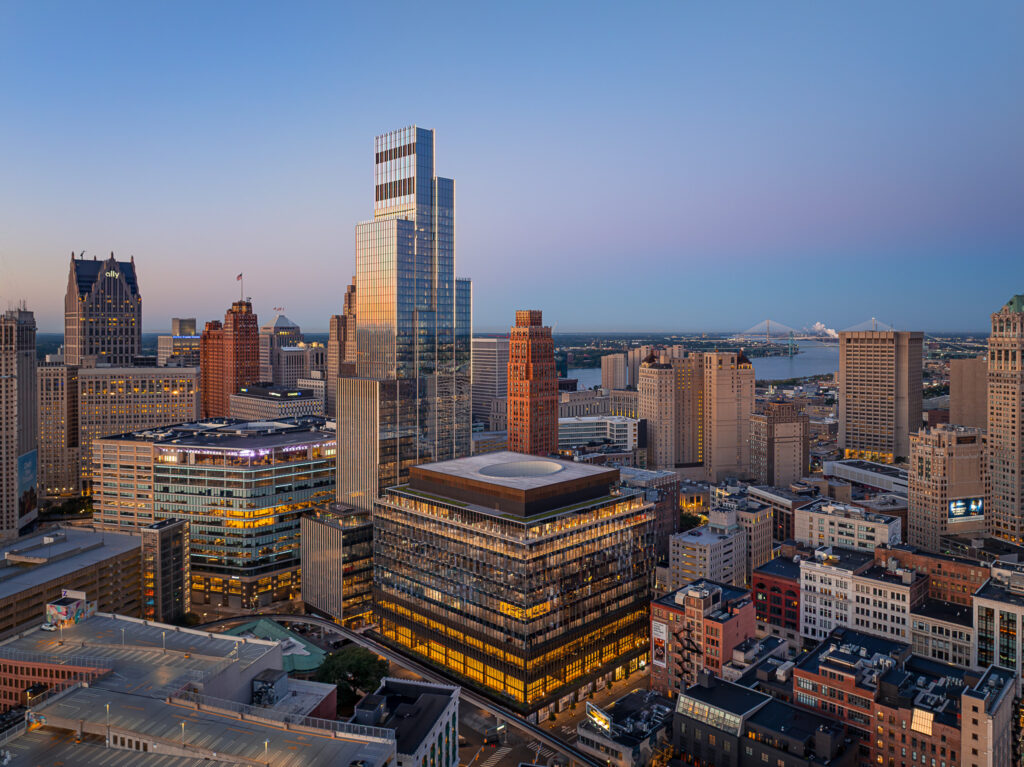
Detroit Month of Design: A City’s Work in Progress
Now in its 16th year, the celebration offers insights into the Motor City’s ongoing accomplishments without glossing over its hurdles.
Projects
How a Hybrid Building Helped an Historic Manhattan Congregation Remain in Place
On Billionaire’s Row, FX Collaborative designed a new home for Calvary Baptist Church combined with an office tower.