



April 13, 2026
This Architecture Student Designs Through Productive Friction
Graduate architecture student EmaLee Davidson approaches design as a critical and exploratory practice, using conceptual rigor and material experimentation to push projects beyond predictable outcomes. At UCLA, her work consistently challenges conventional assumptions about structure, landscape, and housing, engaging complexity rather than smoothing it away.
“EmaLee has a unique capacity to conceptualize any brief towards unexpected trajectories, resulting in a body of work which deviates from the predictable, the norm, and the superficially novel,” says nominator Kutan Ayata, vice chair and associate professor at UCLA and cofounder and principal of Young & Ayata.

University of California, Los Angeles (UCLA)
That synthesis is evident in Truss Terrain, which explores how architecture can coexist lightly within the Los Angeles landscape. Centered on the idea that the ground should belong to trees rather than buildings, the project features an elevated steel truss system developed through a rule-based design process. The resulting structure supports suspended floors, paths, and public programs while minimizing contact with the site.
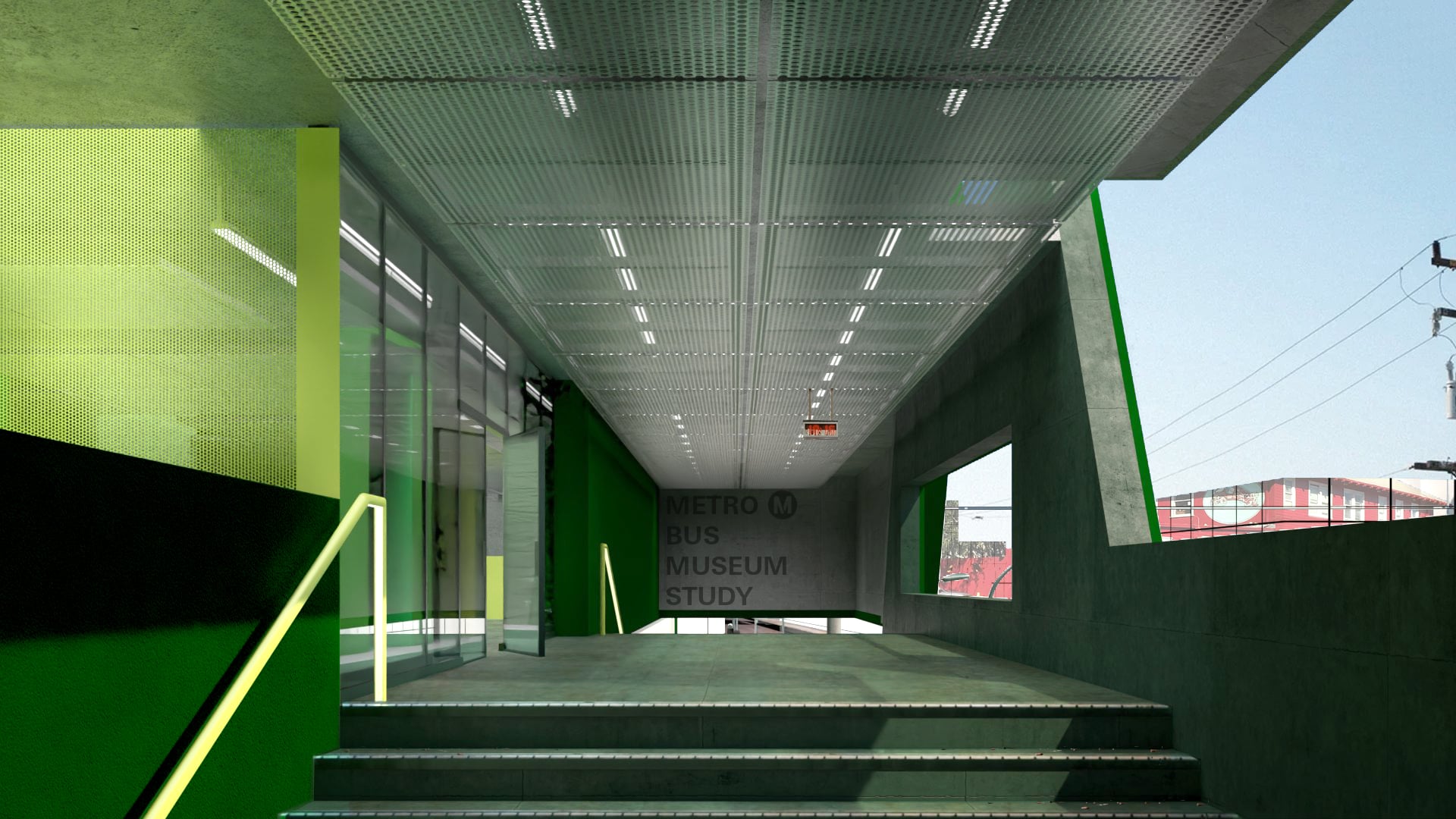
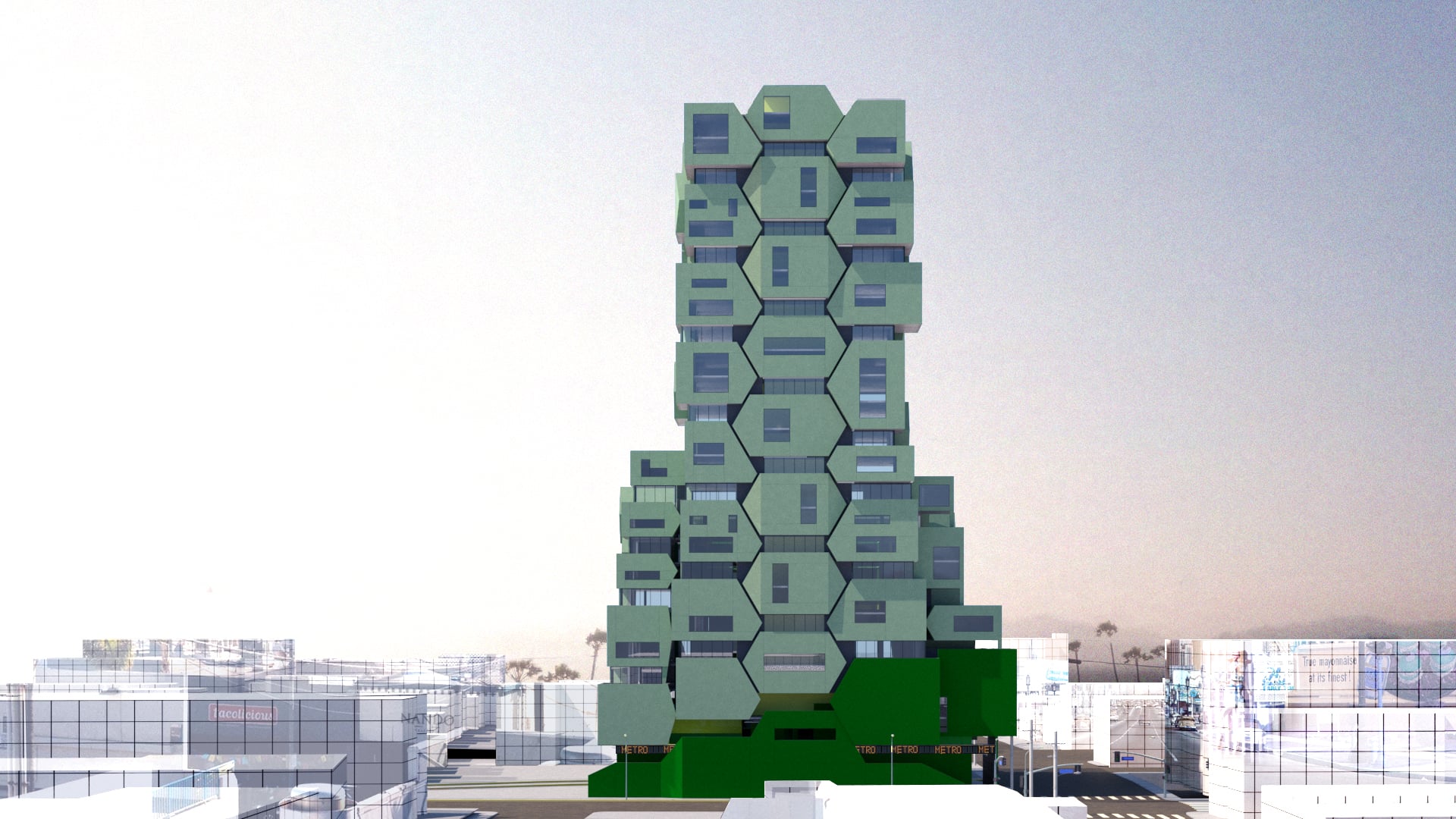
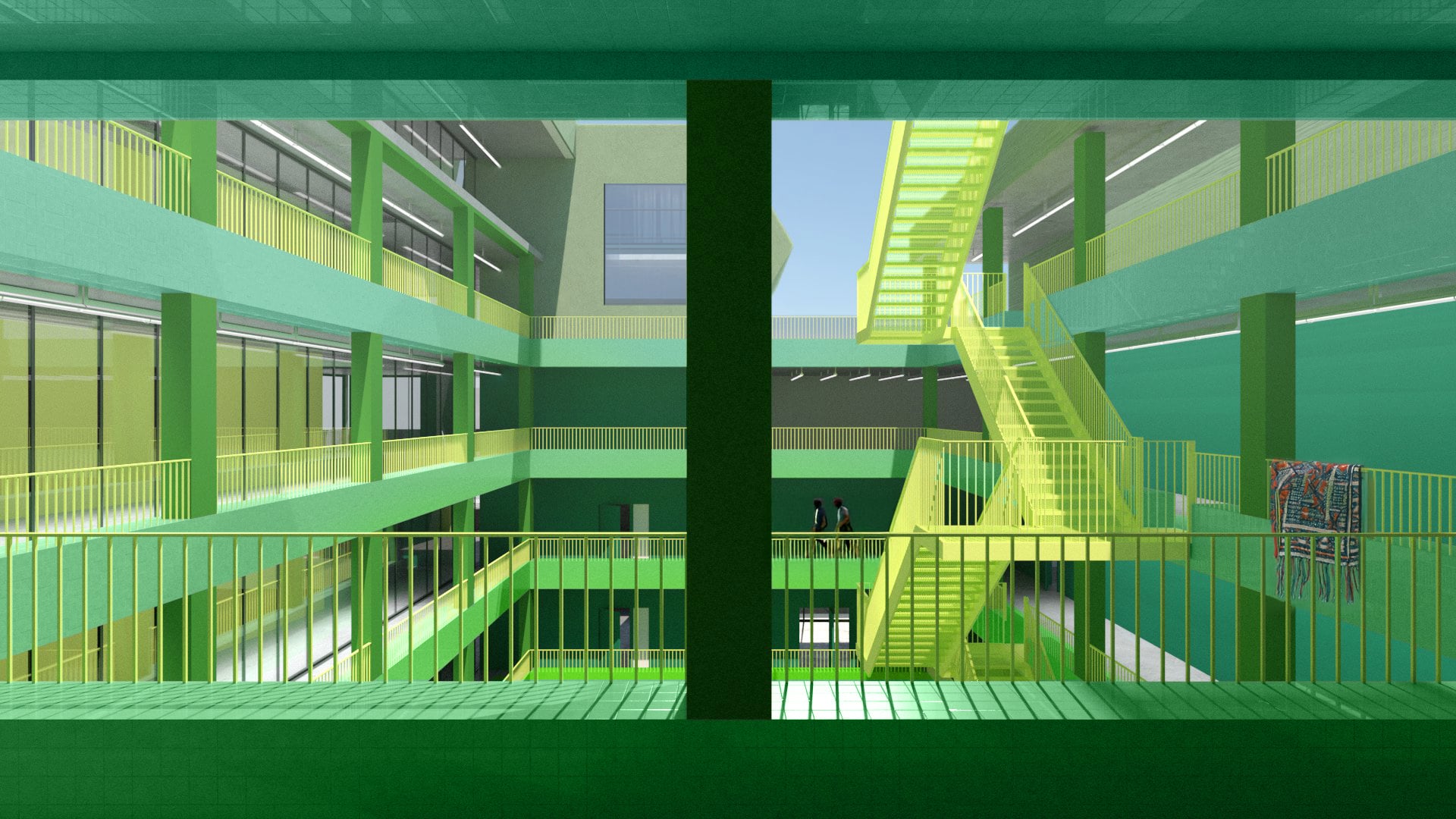
Main X Rose Urban Accelerator is a mixed-use housing and transit project in Santa Monica that combines high-density residential units with a bus terminal, a proposed underground metro line, and public cultural spaces. The building uses a repetitive but varied modular system to break down mass, creating pockets for shared space while resisting uniformity and reflecting Los Angeles’s culture of misalignment.
Across projects, her work frames complexity as an active design force—one that produces new spatial, social, and urban possibilities.
Would you like to comment on this article? Send your thoughts to: [email protected]
Latest
Viewpoints
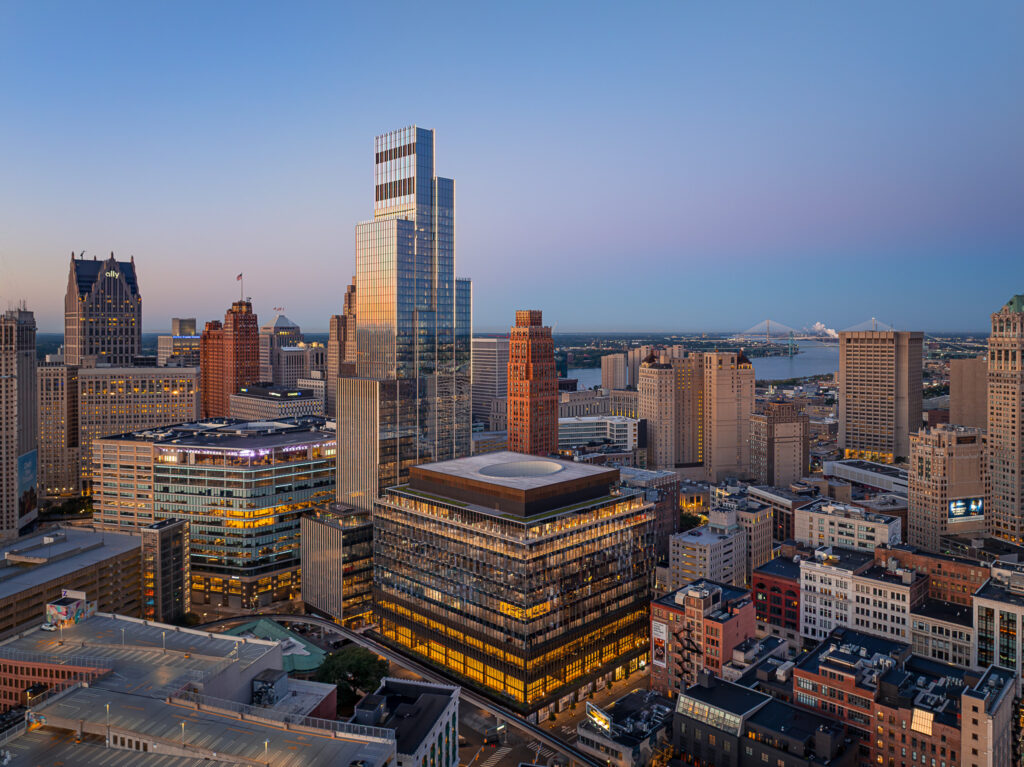
Detroit Month of Design: A City’s Work in Progress
Now in its 16th year, the celebration offers insights into the Motor City’s ongoing accomplishments without glossing over its hurdles.
Projects
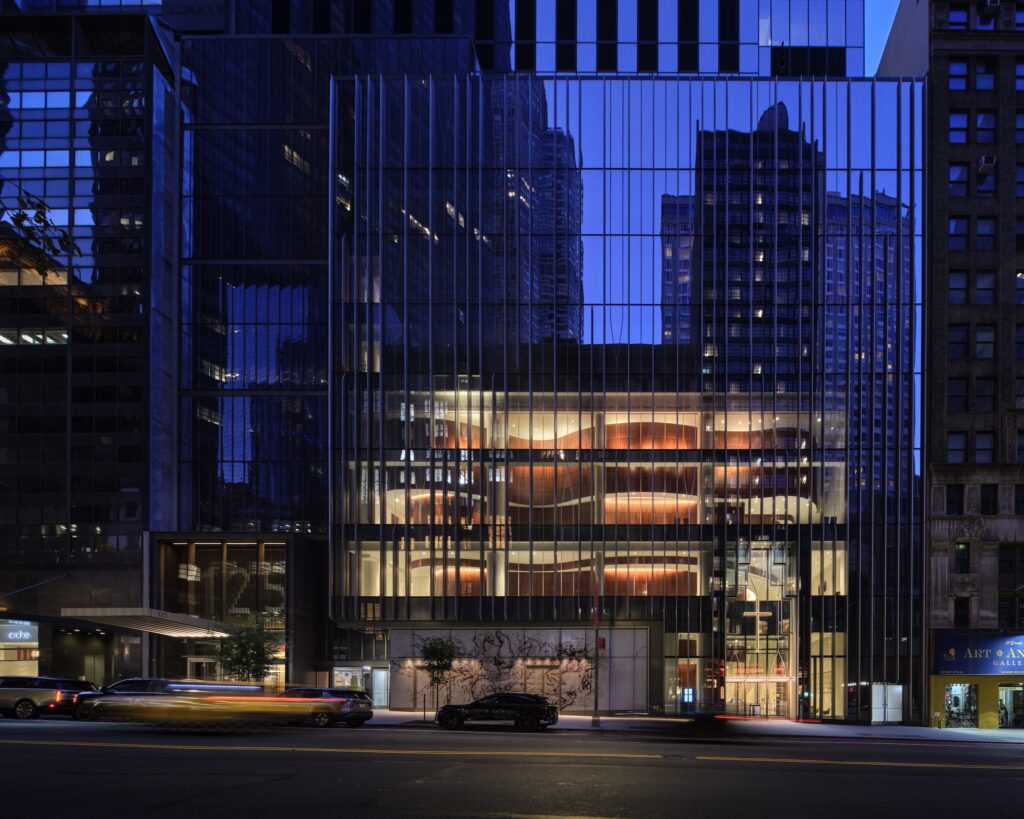
How a Hybrid Building Helped an Historic Manhattan Congregation Remain in Place
On Billionaire’s Row, FX Collaborative designed a new home for Calvary Baptist Church combined with an office tower.