



August 27, 2026
For Omar Gandhi, the Practice Is the Project
Happiness can seem like an almost frivolous thing to design for, but Canadian architect Omar Gandhi disagrees. Over the past decade and a half, he has built a singular body of work—and a celebrated practice spread across Halifax, Toronto, and Berlin—not by chasing a signature style but by pursuing pleasure in the process, which, as it turns out, breeds joy in the final product. Architizer’s executive editor, Hannah Feniak, talked to Gandhi about his studio’s work, which is defined by a care for construction and attentiveness to material sourcing and is driven by a sense of adventure and spirit of explorative curiosity.
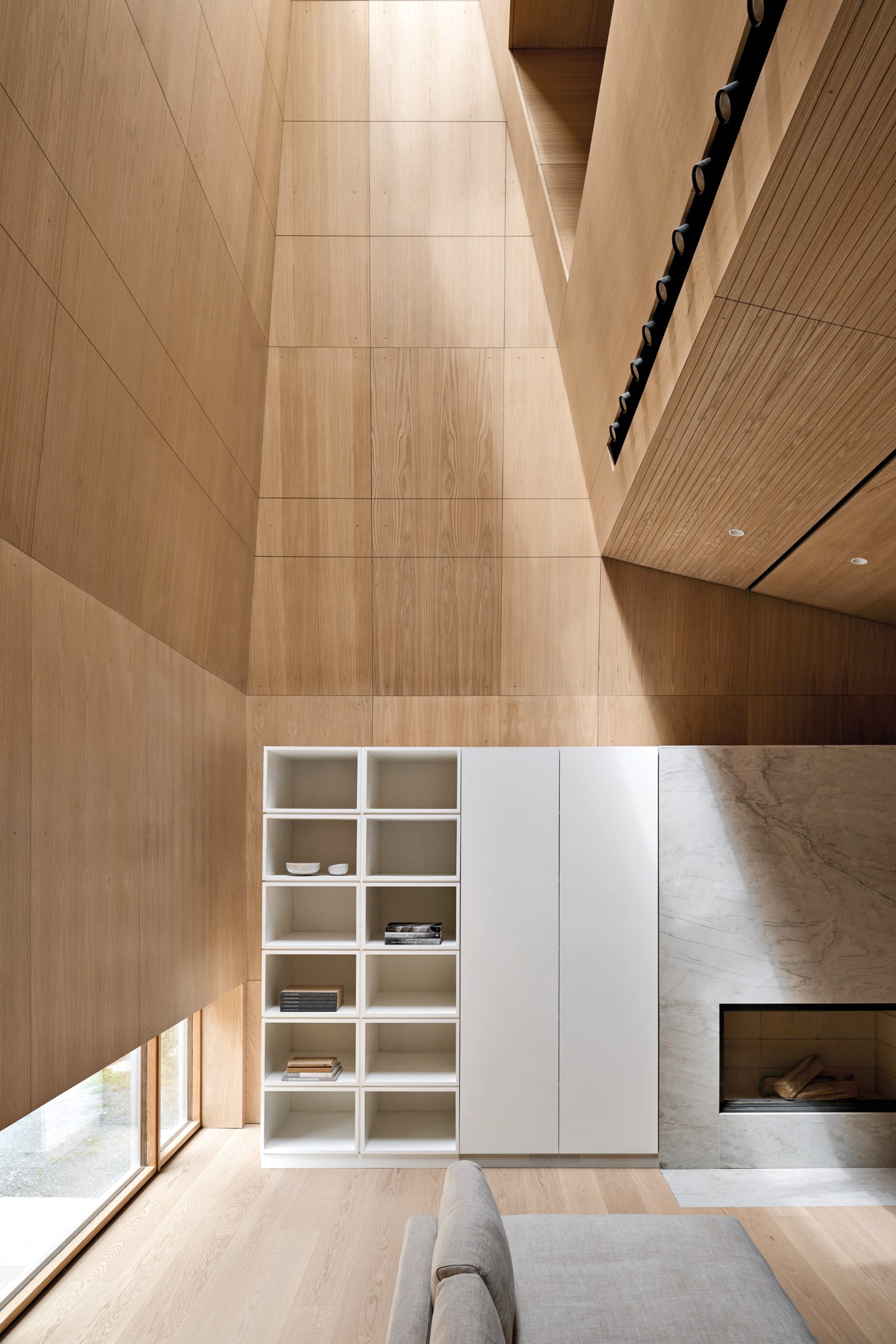
Hannah Feniak: You now have offices in three cities, including Berlin. What led you there?
Omar Gandhi: Even pre-COVID, there was always this far-flung dream of a European office. We kicked around Berlin mostly because a friend who used to work for us, and I just loved the city—it felt like the center of coolness in a way that resonated with us. We have small projects in the south of the U.K. and in Paris and something we’re vying for in Hamburg. We thought this was a great time to start small and see what’s out there. And for no reason other than that I love Berlin; that’s where we put it.
HF: You’ve said happiness is undervalued in architecture. How do you take it seriously as an objective when you’re actually designing?
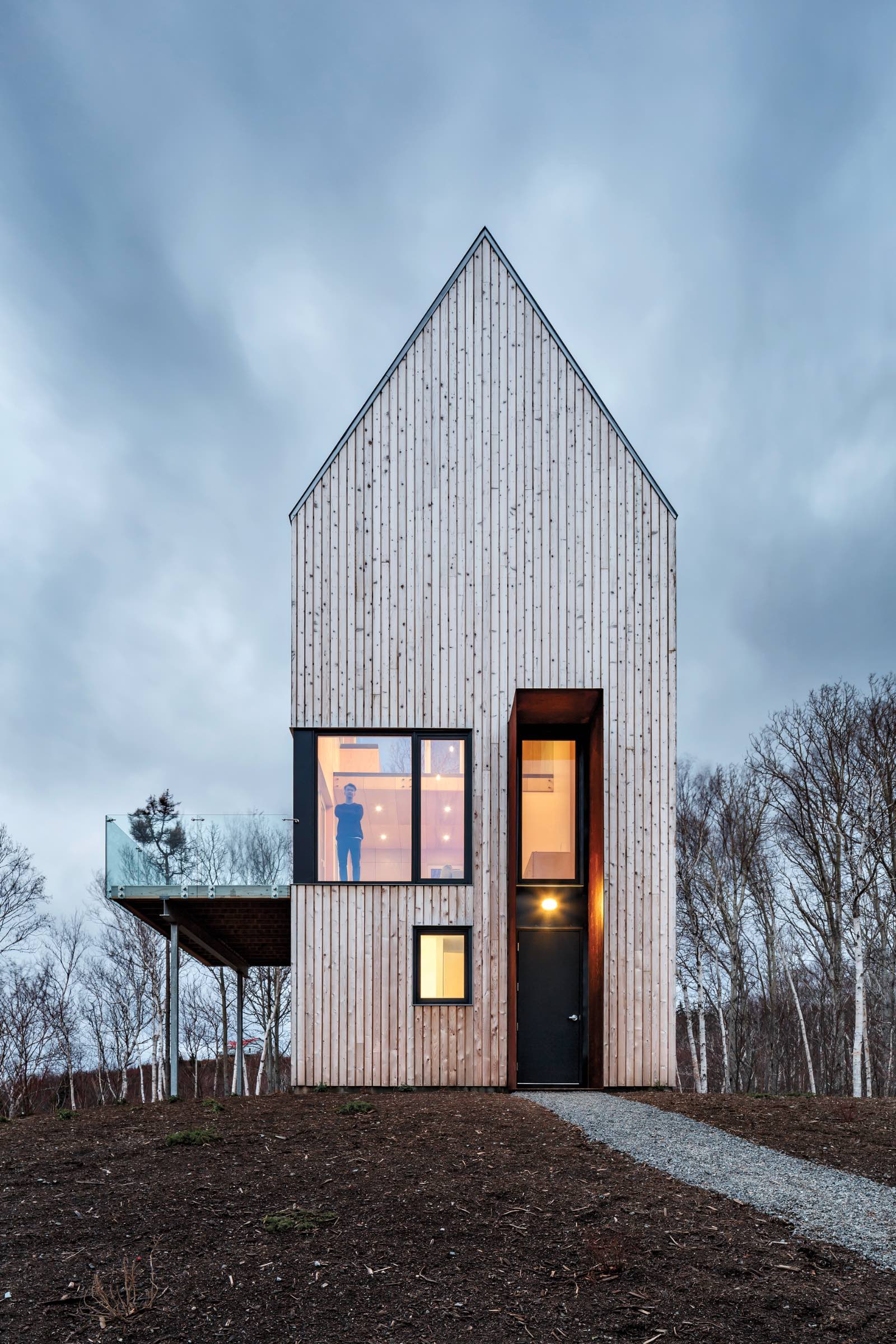
OG: Well, I think part of it comes from not really knowing and then seeing how things resonate with people. What I always loved about Rabbit Snare Gorge is that it makes people happy—maybe in a childlike way or because it’s a little silly. It’s something that isn’t taking itself too seriously. The lesson it taught me was the value of being part of beautiful things that, for no more serious reason than that, give people a moment of joy.
The only way to translate that into work is to save in your mind what brings joy in a space. You watch people playing. You see the environment shaping their experience even though they don’t know it—the way you control natural light, acoustics, or the materials you touch. You bank these experiences and think, I need to bookmark that, because we should explore something down that road.
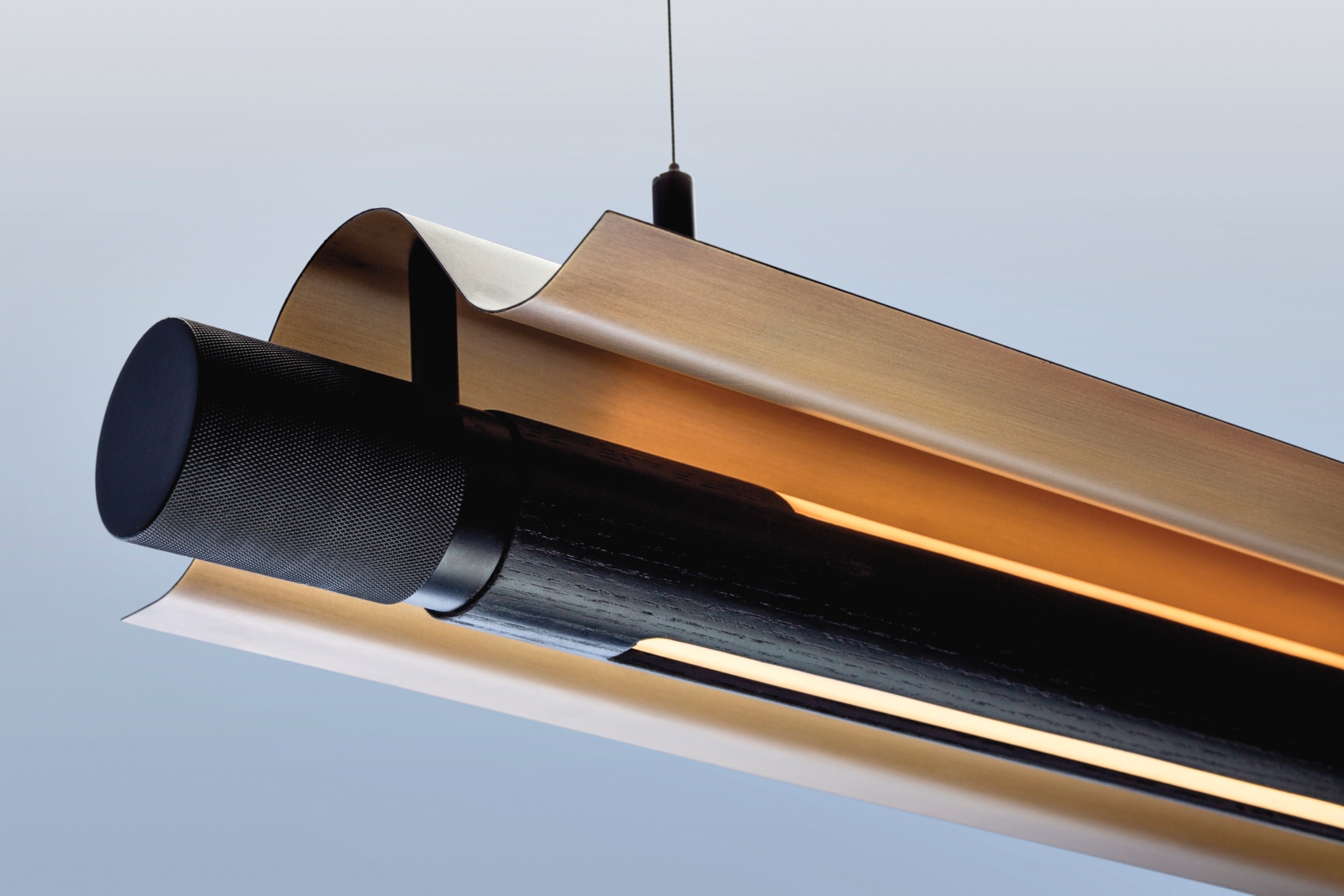
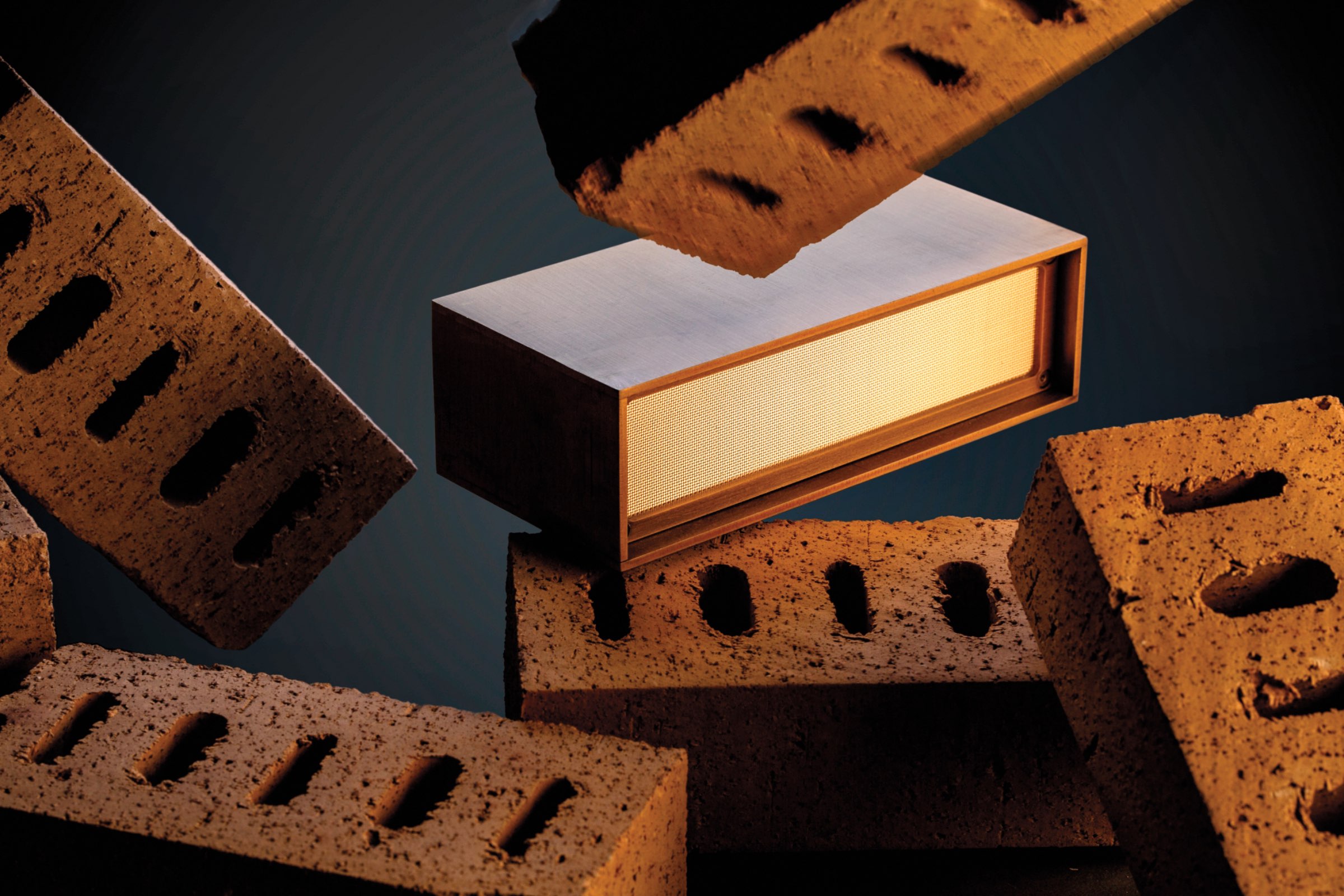
HF: Light comes up again and again in your work. Where does that fit?
OG: I didn’t even really know what my influences were when I was starting, but storytelling was always a big part of what we do. And you want people to feel something: Whether they’re at a symphony or watching a film, there are kinds of highs and lows, and you kind of push and pull and contort people in a way that they feel something. And so, with light, it isn’t about flooding a space. It’s about shaping it, so you feel two things at once: You yearn for the warmth of natural light, and then you get to feel it.
HF: That same playfulness shows up not only in the lighting but also in the furniture and hardware your studio designs.
OG: It’s feeding off people’s excitement, surrounding yourself with people who push the idea that you can do everything. You can experiment—if you want to think about furniture, hardware, or landscape, just do it. These are all the itches we’re scratching.
My own house was an opportunity to experiment more than a client would give you leeway on, because I was the one paying for it. I’m so easily convinced to do things if they’re exciting that, probably to my detriment, the last thing I’m thinking about is whether I can actually afford it. But that experimentation opened the door to doing it for other people, too.
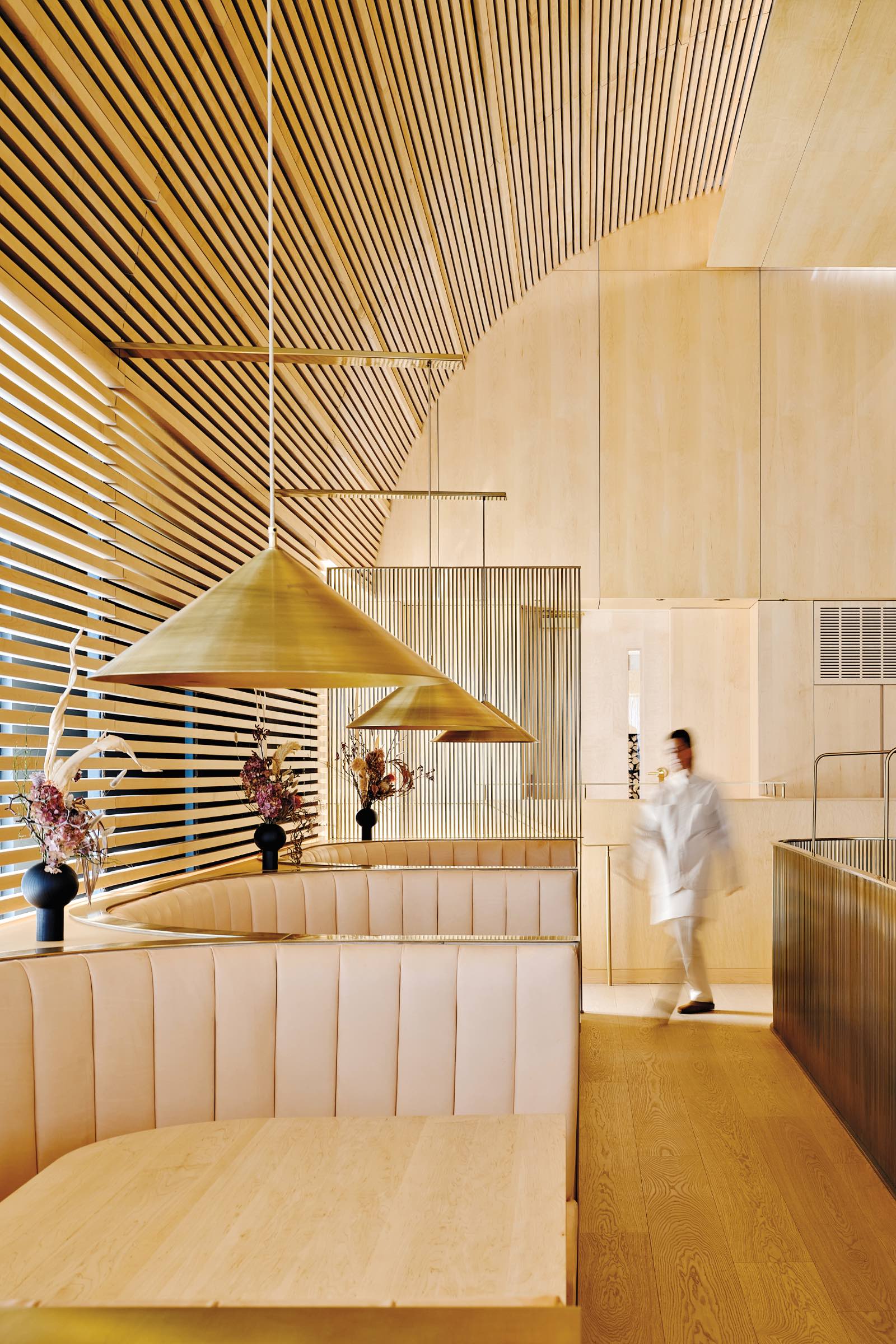
HF: Does that change when the work is public rather than private?
OG: A more public work—even something like Prime Seafood Palace, which is a private restaurant—is a place people can go to. The times I go in for dinner, it’s unbelievable how happy people are. It’s a beautiful restaurant for celebrating special things in people’s lives, and it’s an addictive feeling to have that kind of influence and watch them enjoy it.
HF: That feeling has led you into collaborative community work. Tell me about that.
OG: My house was meant to have the studio on the lower floor, but work took off, and we couldn’t downsize into it. So, it became my home studio, but also a place where we get together with the community to work on North End projects. The most recent was a 100- to-150-year-old home that had been torn apart and dilapidated. We renovated it with the North End Community Health Centre, found donors, and it became the Blue House—a home for people who had been on the street.
We also have a project in collaboration with another firm and Zabrina Whitman of the Native Women’s Association for a birthing center, which they’re just finding the funds for right now, but we’re really excited to be a part of that. And then there’s a housing project—basically emergency housing for women who are victims of abuse. In Toronto, we’re currently working with the University Health Network on an emergency shelter health hub at Bathurst and Dundas.
I always felt a little weird about only working on things for people with means. Guilt’s maybe not the right word, but I was cognizant of it from the beginning, and I wanted to make sure that, at least in my own mind, we were finding ways to contribute at a much vaster level. The dream was always getting to large public projects, which we’re venturing into now—but those other projects just need to happen first, for the soul of the practice. We just want to be part of good things.
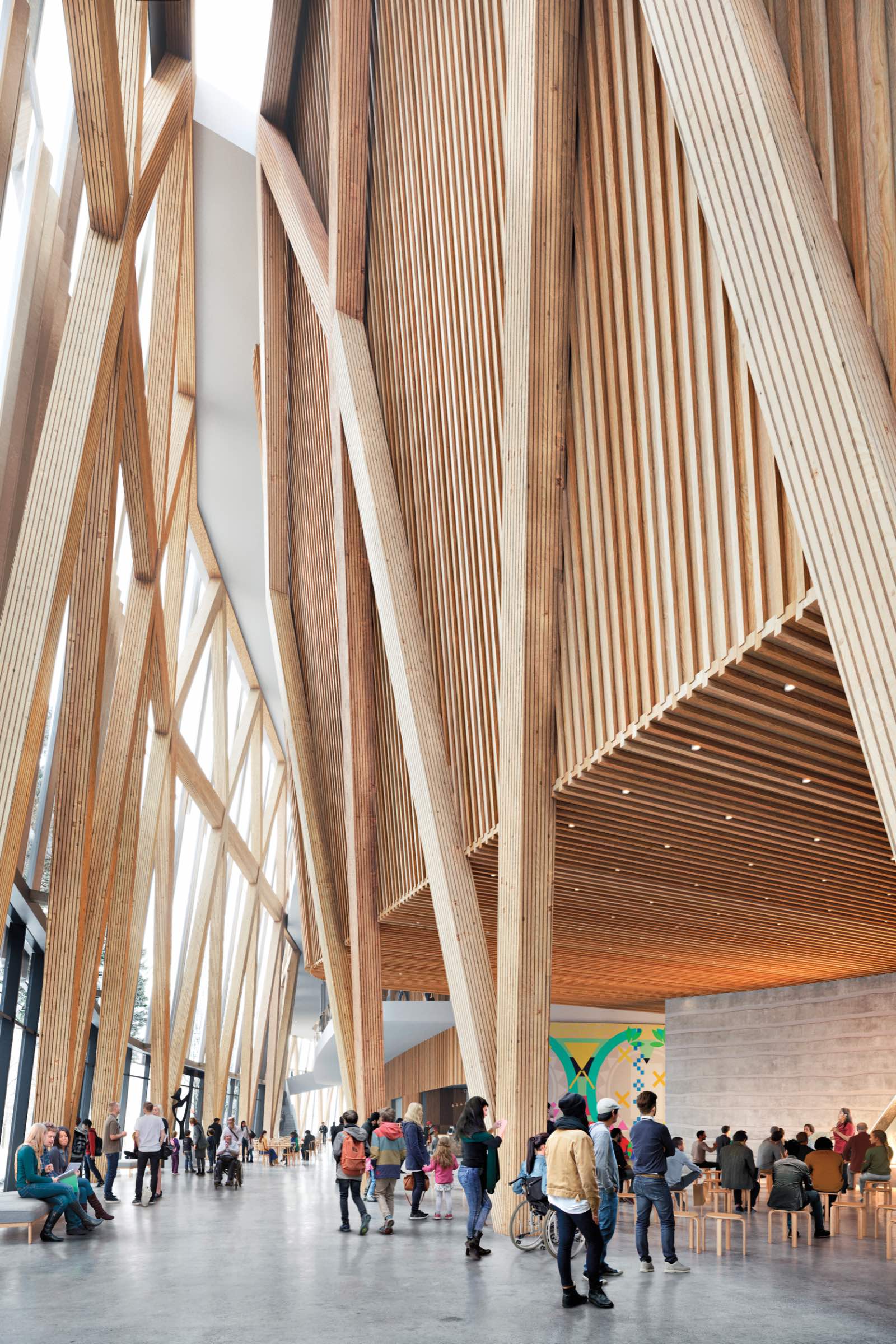
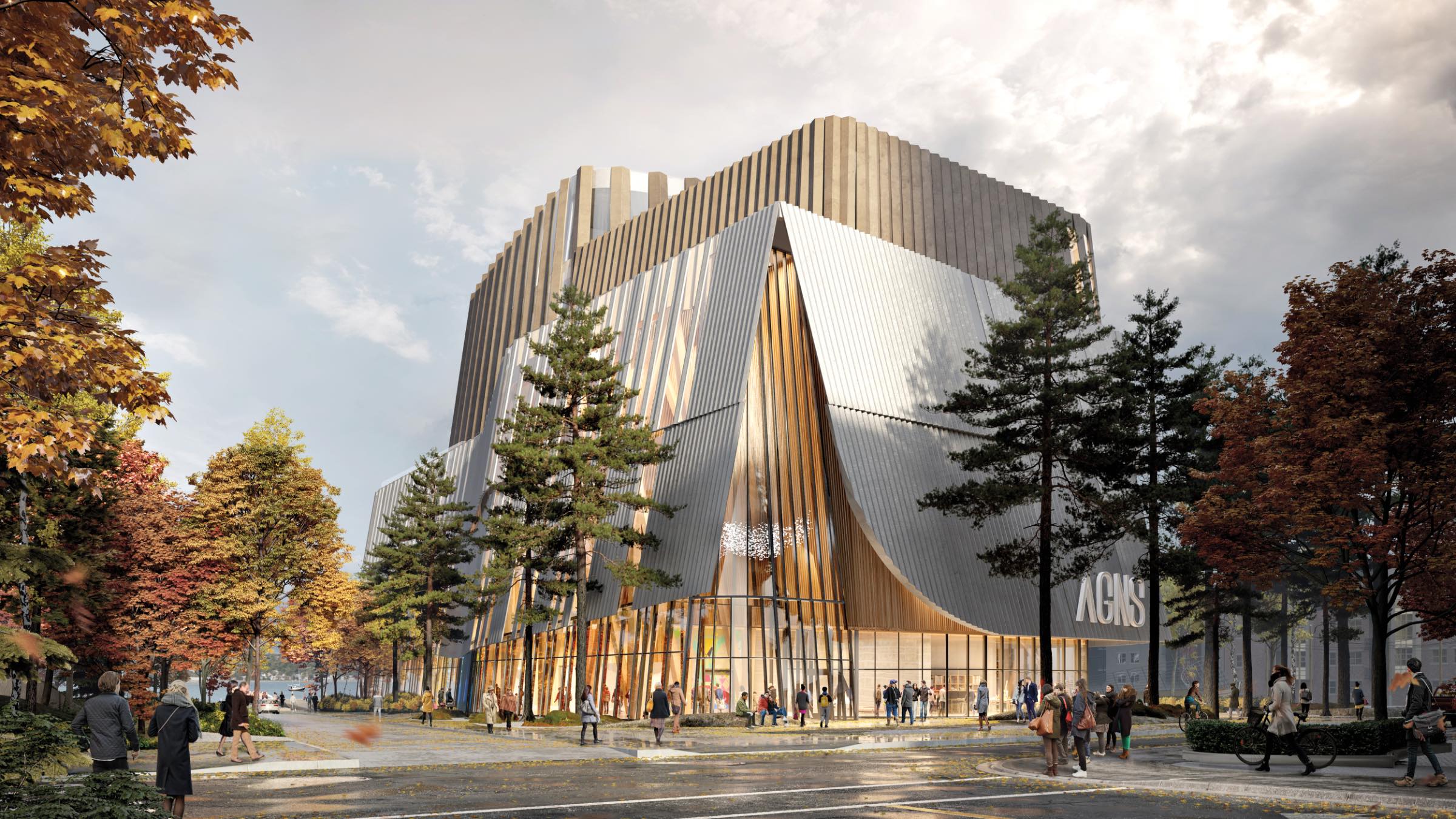
HF: You’ve called the Art Gallery of Nova Scotia the project of your career: a deeply collaborative, KPMB-led team, a long period of listening to Mi’kmaq partners. How does designing with people, rather than for people, change the way you think about architecture?
OG: The whole point of hiring amazing people is that they’re hyperintelligent and super talented, and it would be such a waste not to take advantage of that for the benefit of the studio. Some projects might begin with a sketch I produced, but in large part they begin with ideas and discussions coming from different people—often a studio-wide charrette to jam on ideas.
The product that comes out of the office is the office’s work. There’s a benefit to being in a generation where it was very much the opposite when I started; the entire focus for me was designing a studio that encompassed my values and the things that I saw that were both right and wrong with the profession and the ways that studios work. What motivates people is giving people due credit, and I think it’s all for the benefit of the work.
It’s all about the work; everything else is immaterial. The end product is a lot more successful when people work together. There’s nowhere on earth that makes me as happy as being in the studio.
Would you like to comment on this article? Send your thoughts to: [email protected]
Latest
Viewpoints
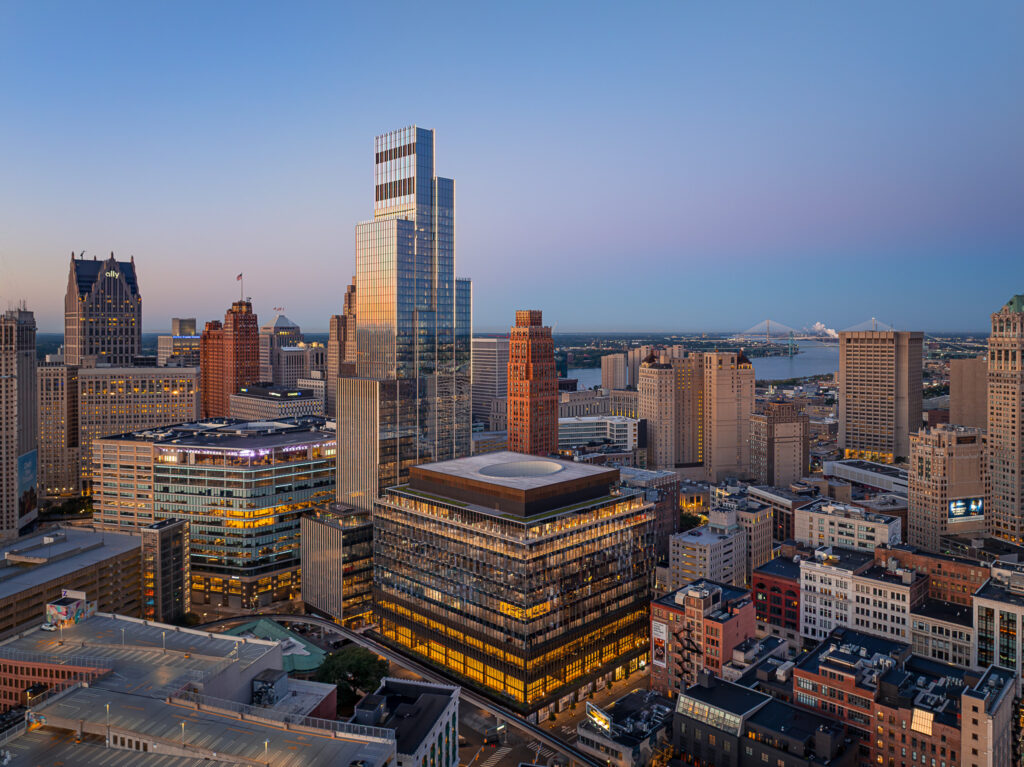
Detroit Month of Design: A City’s Work in Progress
Now in its 16th year, the celebration offers insights into the Motor City’s ongoing accomplishments without glossing over its hurdles.
Projects
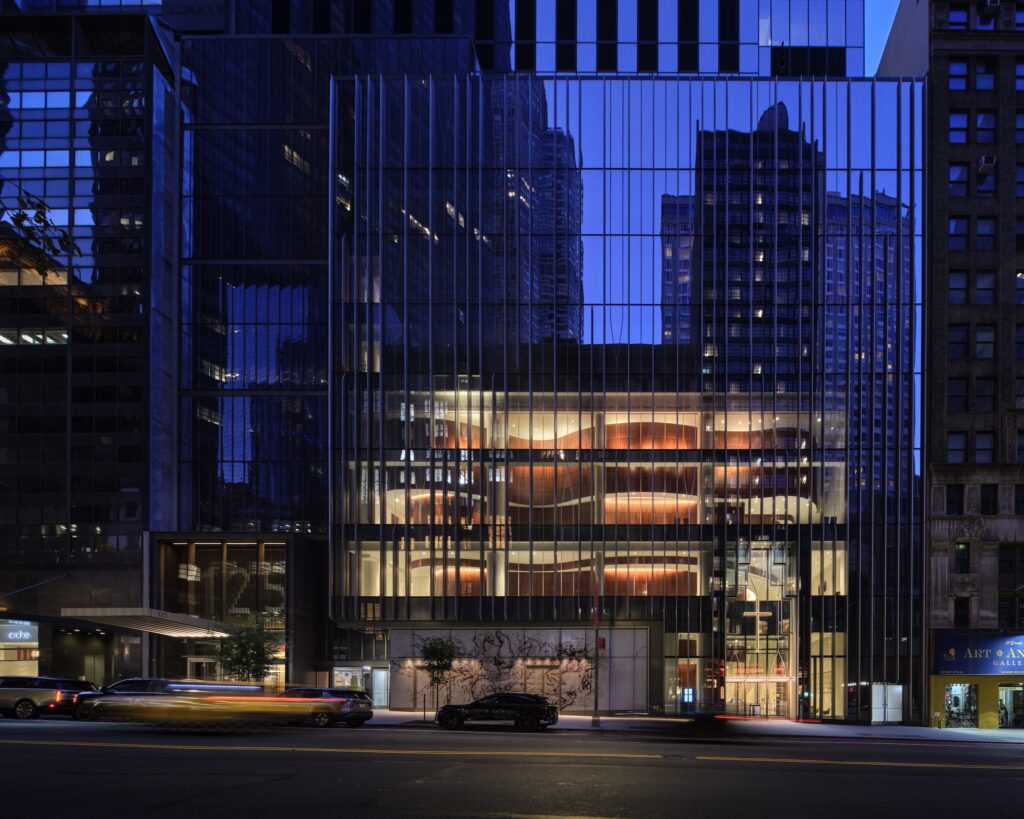
How a Hybrid Building Helped an Historic Manhattan Congregation Remain in Place
On Billionaire’s Row, FX Collaborative designed a new home for Calvary Baptist Church combined with an office tower.