



January 13, 2026
For Studio Saar, Architecture is about Facilitation
What enables this eclecticism is the practice’s business model. Studio Saar is a subsidiary of Secure Meters, a multinational energy-meter manufacturing company owned by Singhal’s family, where he also serves as co-managing director. Rather than positioning the firm as commercially autonomous, the arrangement offers something rarer: freedom. “Secure underpins all our costs and gives us enough work that we don’t need to chase projects,” Singhal says. “It allows us to take on genuinely challenging projects and make suggestions for the future of architecture.”
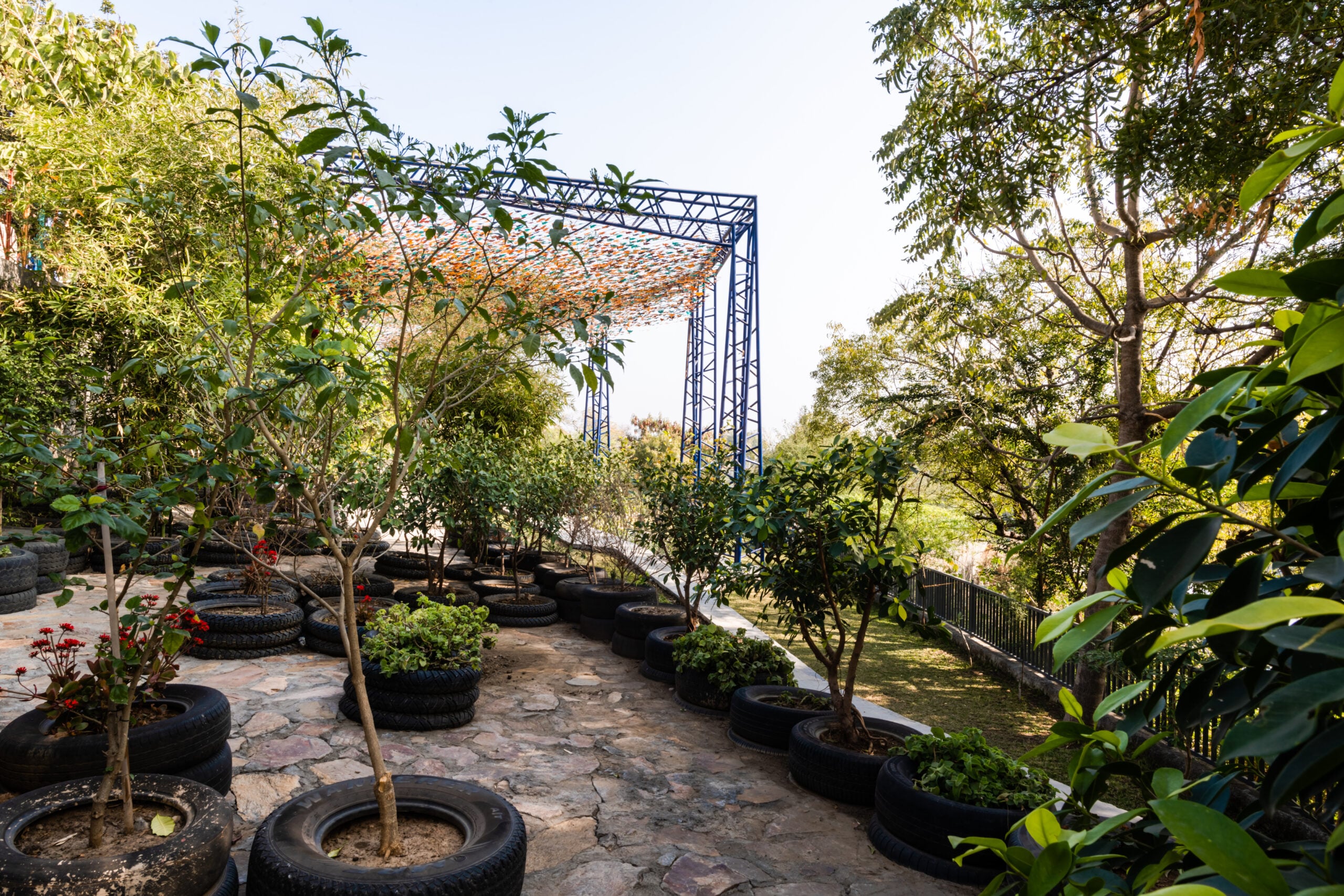
Studio Saar’s work broadly falls into three categories. The first comprises projects for Secure Meters, including large-scale factories for manufacturing electronic circuit-boards that serve as testing grounds for how workplaces function, from worker welfare to long-term adaptability.


The second strand includes projects in the UK, primarily housing. Among them is Mayday Saxonvale, a masterplan for a large brownfield site in Frome that began as a community-led campaign to overturn a conventional, developer-driven proposal. “It’s of immense importance that a site like this contributes to the town,” Buckland says. “For us, architecture is evolving into facilitation. Regenerative development isn’t just about the final project—it’s about how you work through the design process with communities and stakeholders.
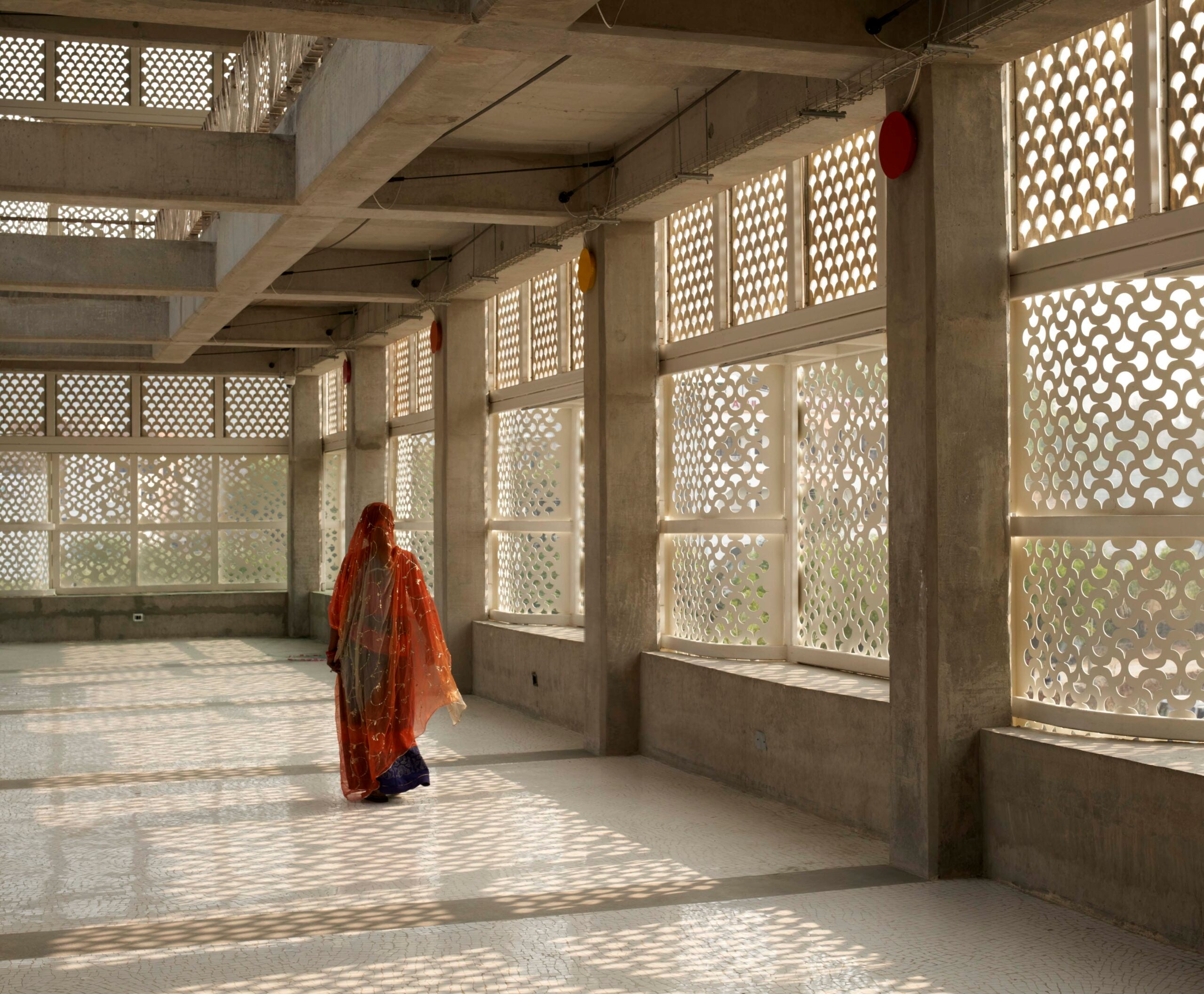
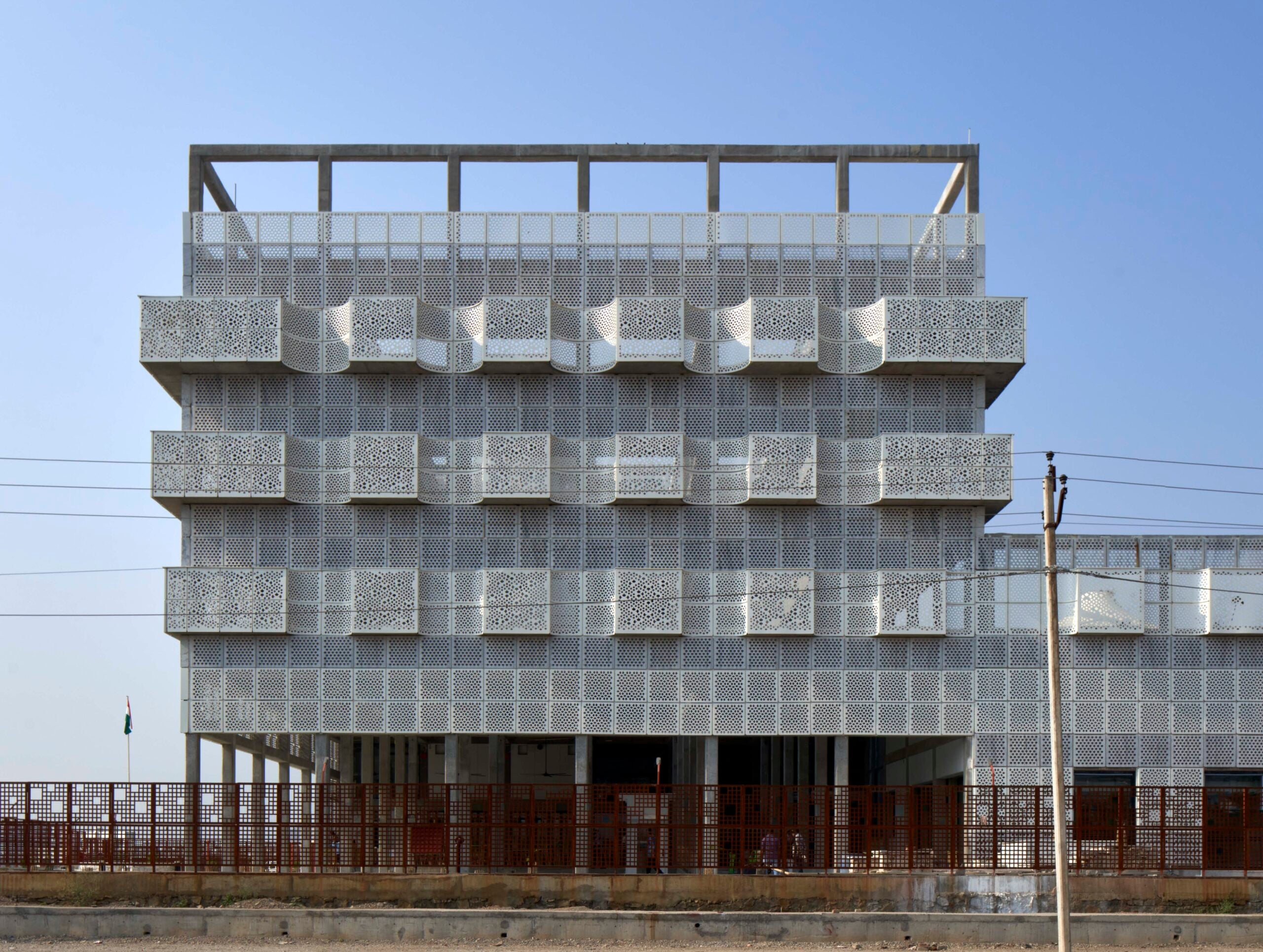
That freedom is most evident in Udaipur, where Studio Saar’s work extends well beyond conventional commissions. Here, the practice develops Secure-backed schemes that allow it to operate simultaneously as designer, researcher, and civic advocate, with a particular focus on creating gathering spaces. An early initiative, Third Space, draws on Rajasthan’s historic stepwells, which traditionally combined water infrastructure with social life. The multi-use cultural centre, organised around a sunken waterbody, brings together exhibition spaces, a playground, theatre, library and workshops, and is intended to attract people from across the city as it develops.
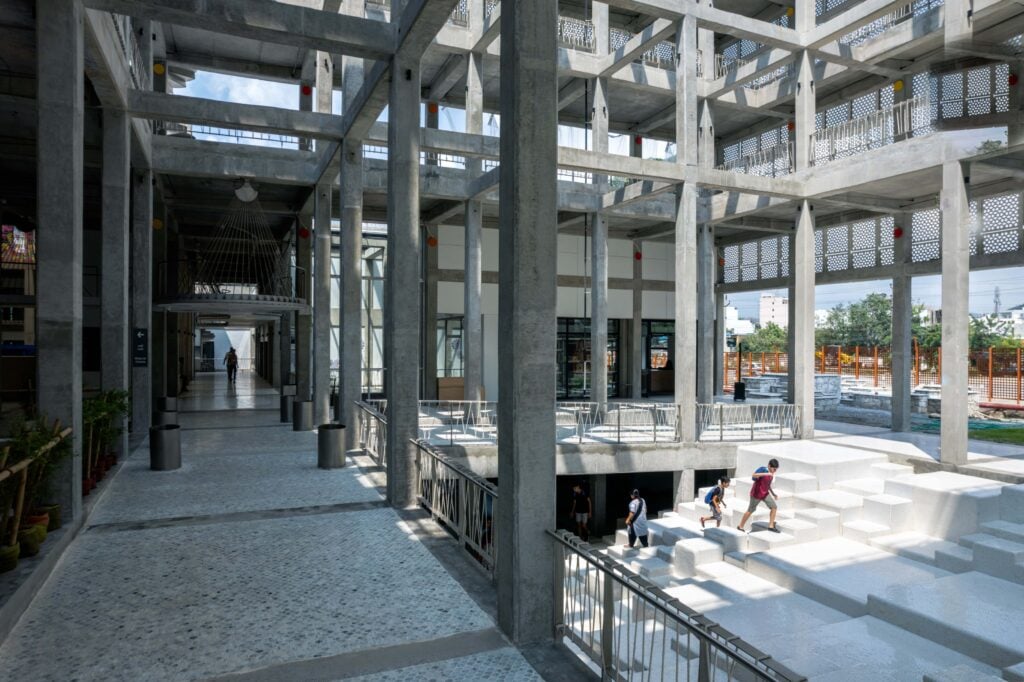

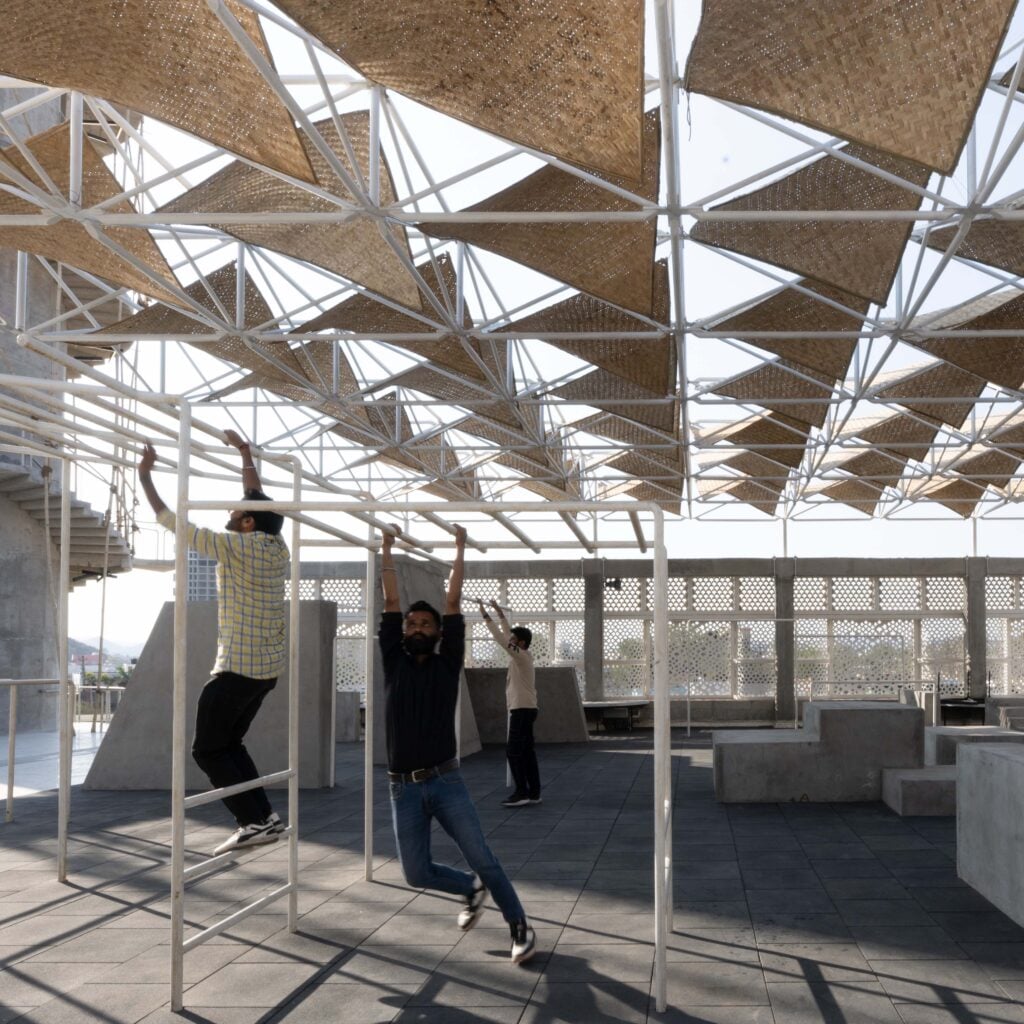
Other projects are smaller, public interventions. These include a pocket park created on an underused site overlooking the city’s lake, now equipped with play areas and a sculptural shaded canopy formed from 60,000 handcrafted birds made with local young people.
What distinguishes Saar’s Udaipur projects is not their scale but their process. The practice has hired researchers to study how the city is actually inhabited today, arguing that official data has failed to keep pace with rapid demographic change. That research is used to challenge inherited planning assumptions—from public transport routes that no longer serve where people live and work, to parks that remain underused—and to initiate conversations with local authorities. “For me, the idea is to create a parallel planning department,” Singhal says. “To bring what we know as an architecture practice, and what’s happening around the world, and use that to empower citizens.”

Taken together, these projects point to what architecture can become when it moves beyond service provision and object-making, and towards facilitation, research, and advocacy. Studio Saar’s position is enabled by financial backing that is out of reach for most. But in operating under those conditions, it reveals what becomes possible when time, trust, and continuity are embedded in the process. If architects are increasingly expected to act as mediators between communities, institutions and social change, how could the profession shift to support such longer-term ways of working?
Would you like to comment on this article? Send your thoughts to: [email protected]
Latest
Projects
UC Berkeley’s Newest Building Is All About Human Interactions
The long-awaited project highlights uncomfortable truths about Los Angeles’s cultural sector and civic health.
Projects
ZD+A Brings a Modernist Mexico City House in Line with its Context
Architect Yuri Zagoin Alazraki reorganized the speculative house to respond to its site and create unique spaces for contemplation.