



July 6, 2023
How Do Designed Environments Affect Health?
Four leaders in design, science, sustainability, community, and health showed the way forward during Design Optimism.
“A pandemic is a course correction to the trajectory of civilization,” commented researcher Alex de Waal of Tufts University to Ed Yong in a 2021 The Atlantic article.
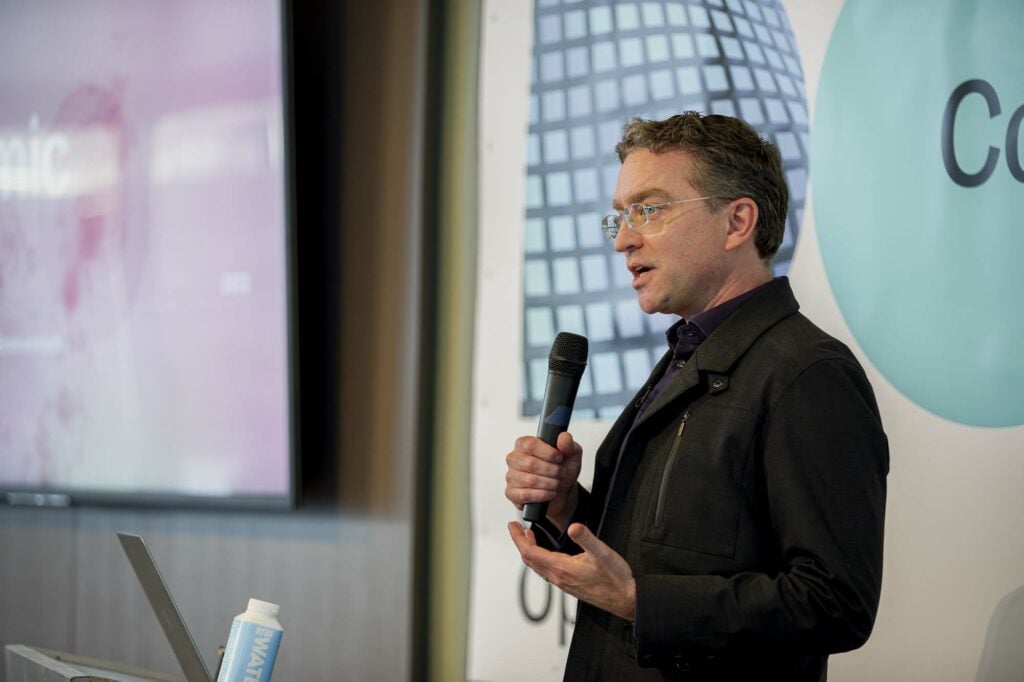
In Design Optimism’s second presentation, educator and researcher Blaine Brownell addressed the intersection of disease, climate, and the built environment. Over the course of global history, from the Plague of Justinian in 541 CE through COVID-19, 18 to 20 pandemics have occurred, Brownell noted. Urbanization has accelerated their frequency, sparking investigation of how designed environments affect—and are affected by—health.
Drawing on his new book, The Pandemic Effect: 90 Experts on Immunizing the Built Environment, Brownell outlined how structures “holistically affect our behavior and constitution.” After tracing historical architectural responses to pandemics like tuberculosis, he demonstrated the ways that contemporary building envelopes, with fixed windows and thermal-controlled climates, have resulted in a “lost connection with the outdoors in favor of efficiency.” Brownell encouraged instead a return to open architecture and natural ventilation systems and presented the pros and cons of interventions, including biometric sensors, antimicrobial surfaces, and catch-and-kill air filtration.
Turning to the broader landscape, he addressed urban ecologies, including the vital role of parks; advocated for multisensory wayfinding to increase “health and mobility for marginalized groups”; and encouraged partnerships between interior design and landscape design to maximize energy efficiency. As Brownell observed, “Architecture can be a cure—not a cause—of communicable illness and the climate crisis.”
Design Optimism was presented by Grohe, Material Bank, Tarkett, and 3form, in partnership with Garden on the Wall and Ultrafabrics.
Would you like to comment on this article? Send your thoughts to: [email protected]
- No tags selected
Related
Profiles
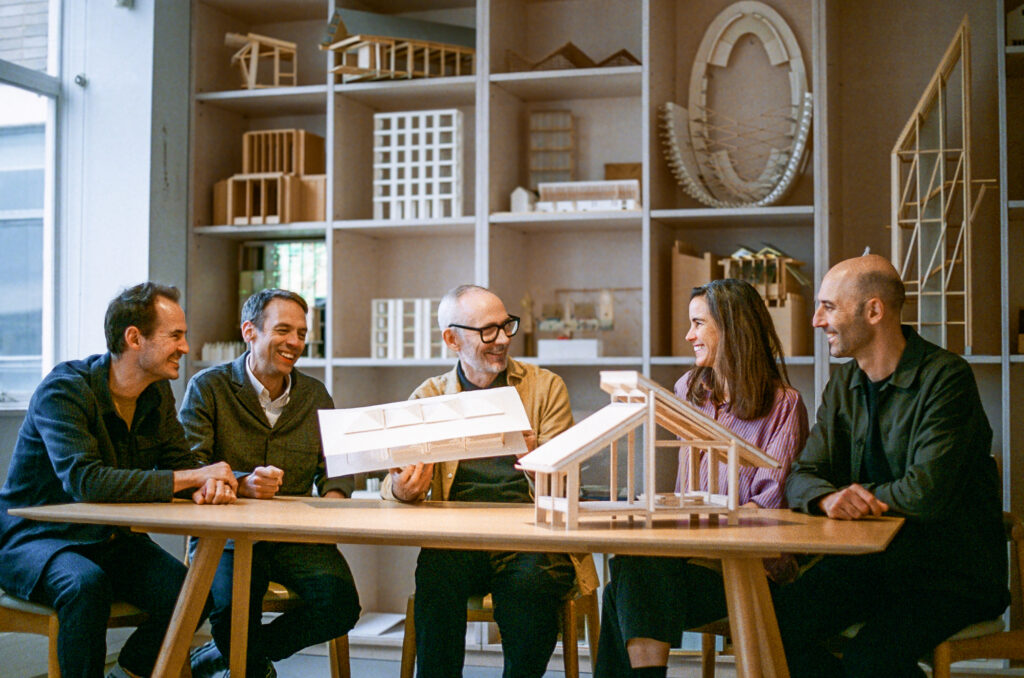
The Architect Designing Sacred Spaces for the Every Day
RIBA Gold Medal winner Níall McLaughlin strives to design not just buildings but the rituals that unfold within them.
Profiles
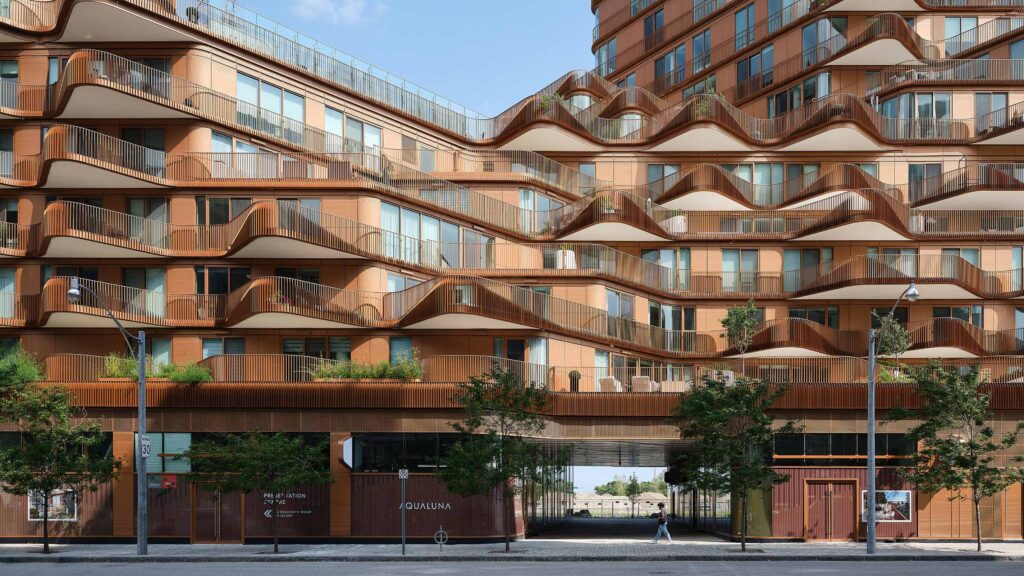
3XN Designs at the Public Edge
From Toronto’s waterfront neighborhoods to Sydney’s iconic harbor, the Danish firm shows how architecture can balance private development, civic access, and environmental stewardship.

Profiles
Beyond Symbolism: Farshid Moussavi on the Ismaili Center in Houston
The cultural building and community center reinterprets Islamic design philosophy through geometry, climate-responsive design, and generous civic spaces.