




October 12, 2021
Canadian Design Firm Ivy Studio Is Revolutionizing Contract Interiors

And the team has become expert in finding ways to further clients’ business objectives, or “propelling brands forward,” as Staszewski puts it. For example, Vention, a Montreal-based machine fabricator, needed a new headquarters that reflected its core business, metal extrusions. “We were extremely intrigued by the client’s product,” Staszewski says. For barbershop Crisp Saint-Henri, “the client didn’t want a classic barbershop, but something more minimalist,” Staszewski recalls. “He had taken a trip to Japan and loved everything he saw there.”
For Spacial, the coworking office, the brief was to insert a 9,000-square-foot office interior in a former industrial space along the lines of a Manhattan loft. “The three big conference rooms and the common areas are very generous,” Staszewski says. “In fact, it’s patterned after the idea of working in a café.”
Ultimately, a spirit of teamwork makes the firm work. “We were close friends at Laval University in Quebec City, doing class projects together,” said Staszewski. “We still have the energy and ambition we had in school.”

Crisp Saint-Henri is a barbershop with a minimalist Japanese-inflected look. COURTESY © ALEX LESAGE 
COURTESY © ALEX LESAGE 
COURTESY © ALEX LESAGE 
COURTESY © ALEX LESAGE 
Ivy Studio’s work for the first location of Spacial, a Canadian office-sharing firm, emphasizes fresh finishes and custom fittings made by local craftspeople. COURTESY © ALEX LESAGE 
COURTESY © ALEX LESAGE
Would you like to comment on this article? Send your thoughts to: [email protected]
Latest
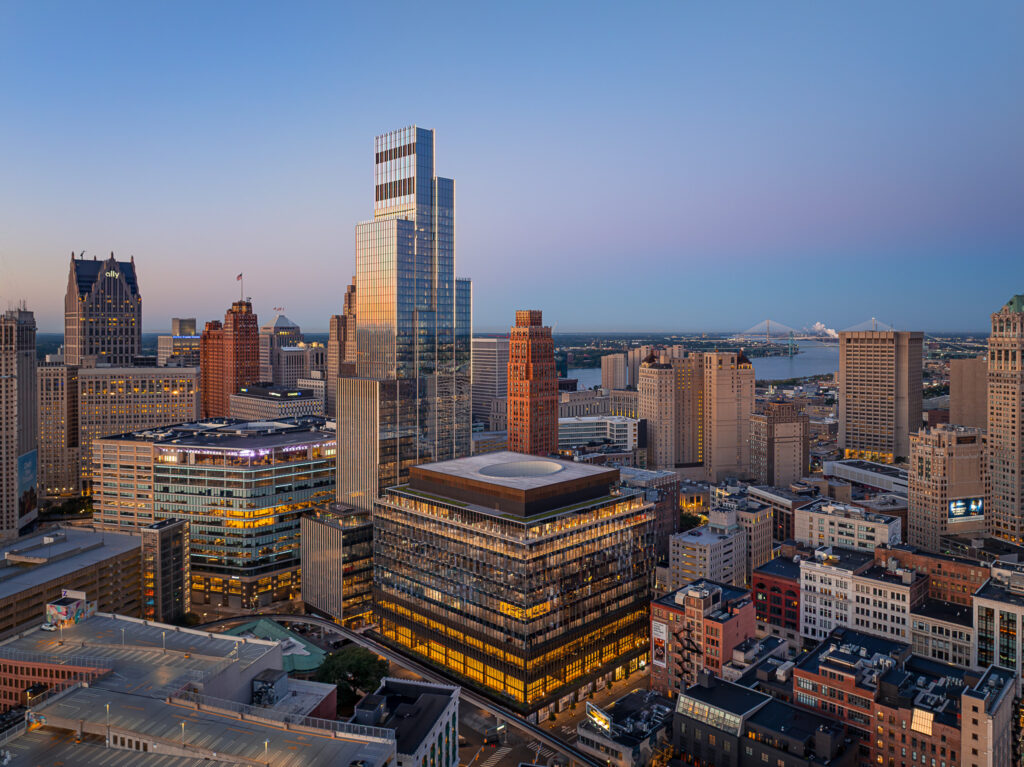
Viewpoints
Detroit Month of Design: A City’s Work in Progress
Now in its 16th year, the celebration offers insights into the Motor City’s ongoing accomplishments without glossing over its hurdles.
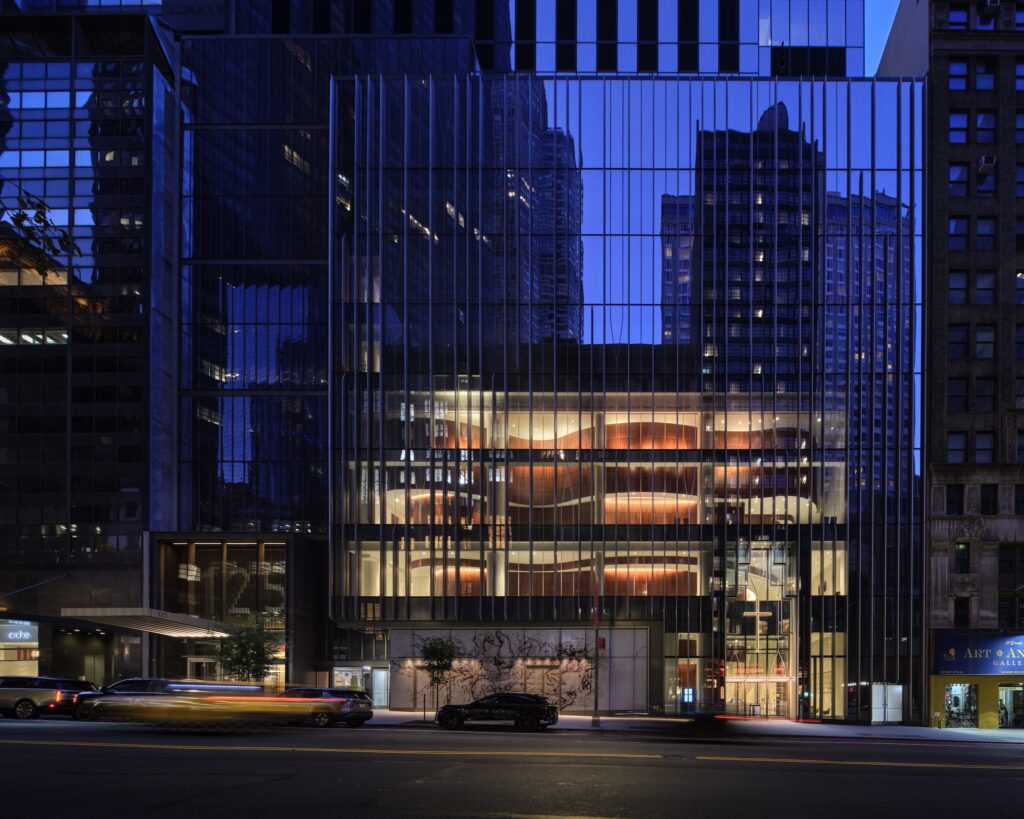
Projects
How a Hybrid Building Helped an Historic Manhattan Congregation Remain in Place
On Billionaire’s Row, FX Collaborative designed a new home for Calvary Baptist Church combined with an office tower.
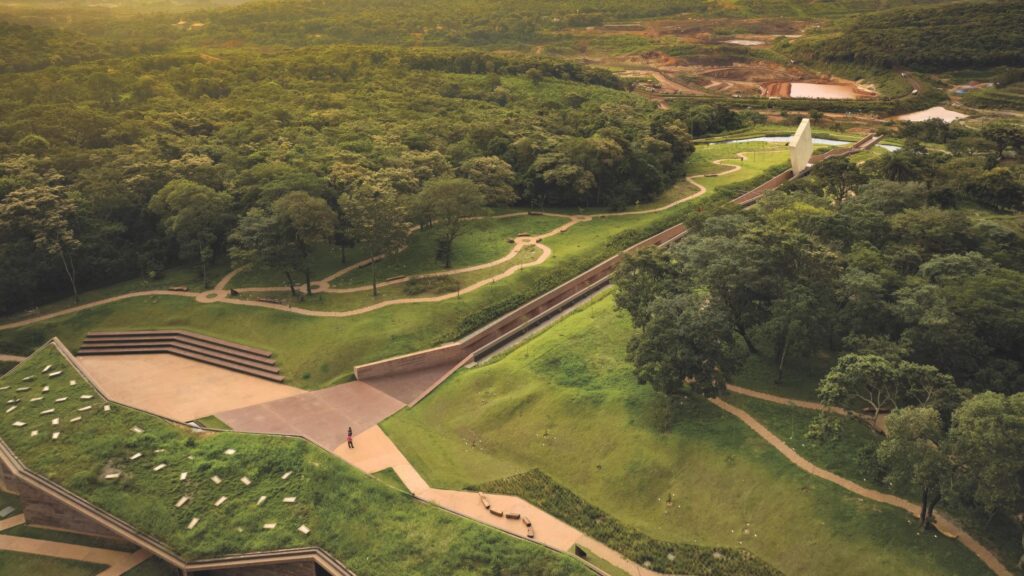
Projects
The Brumadinho Memorial Is an Exercise in Memory and Materiality
Designed by Gustavo Penna Arquitetos Associados, the memorial was built to honor the 272 victims of the collapse of Brazil’s Mina Córrego do Feijão tailings dam.