



April 6, 2026
Mycelium Moldings: Shaping Space Through Change
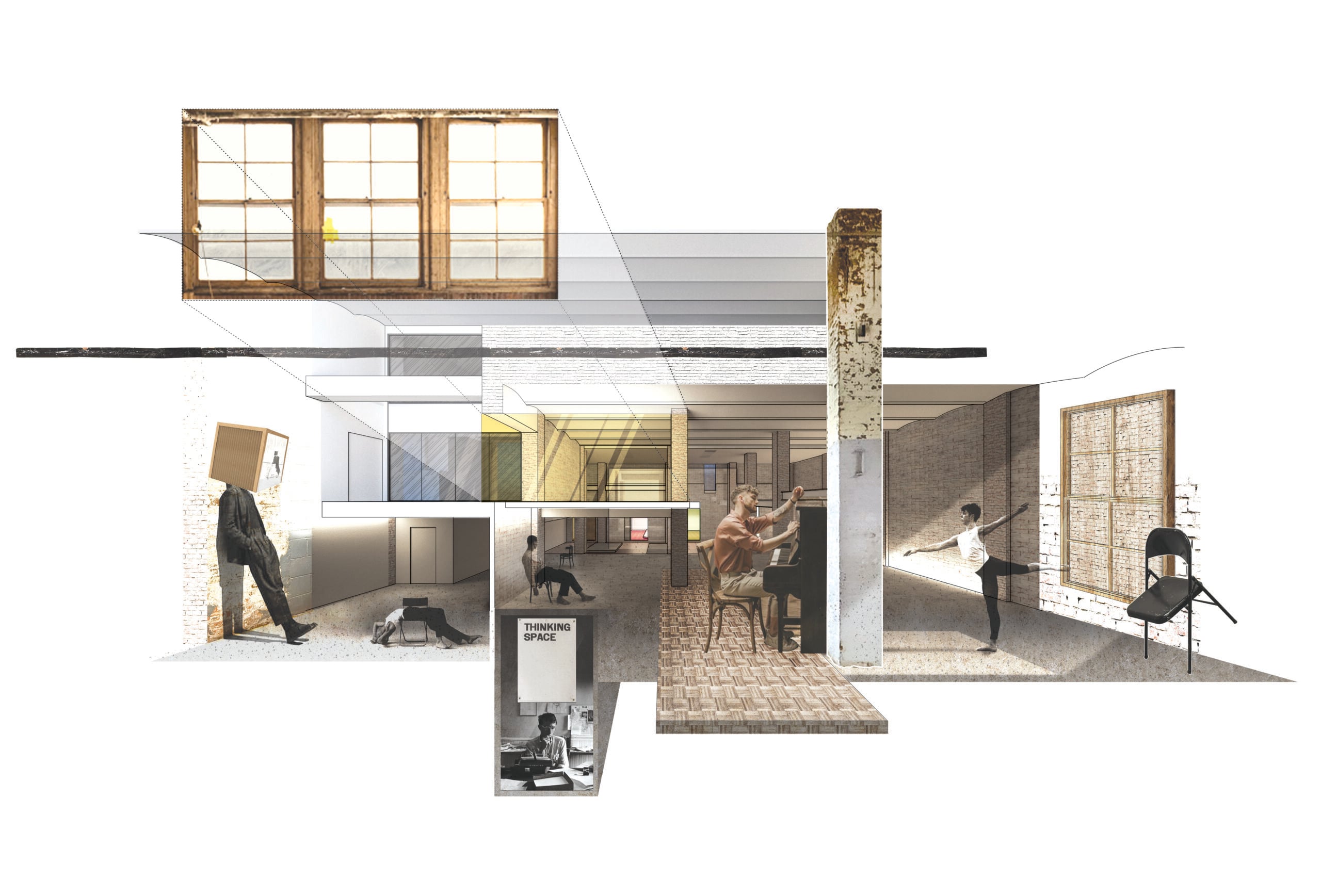
Julian Camilo Trujillo Morales, a graduate interior design student at Parsons School of Design, is rethinking permanence in interior spaces. For Morales, interiors are living systems shaped by human and nonhuman forces, where time and use leave visible traces that are not flaws but evidence of life, labor, and ongoing negotiation.

Parsons School of Design, The New School
His winning thesis, Time as a Material Practice, questions architecture’s cultural fixation on permanence and perfection. Rather than erasing wear, Morales treats maintenance and repair as integral material processes, using tracing, casting, and photographic documentation to understand how rust, abrasion, and moisture shape spatial experience.
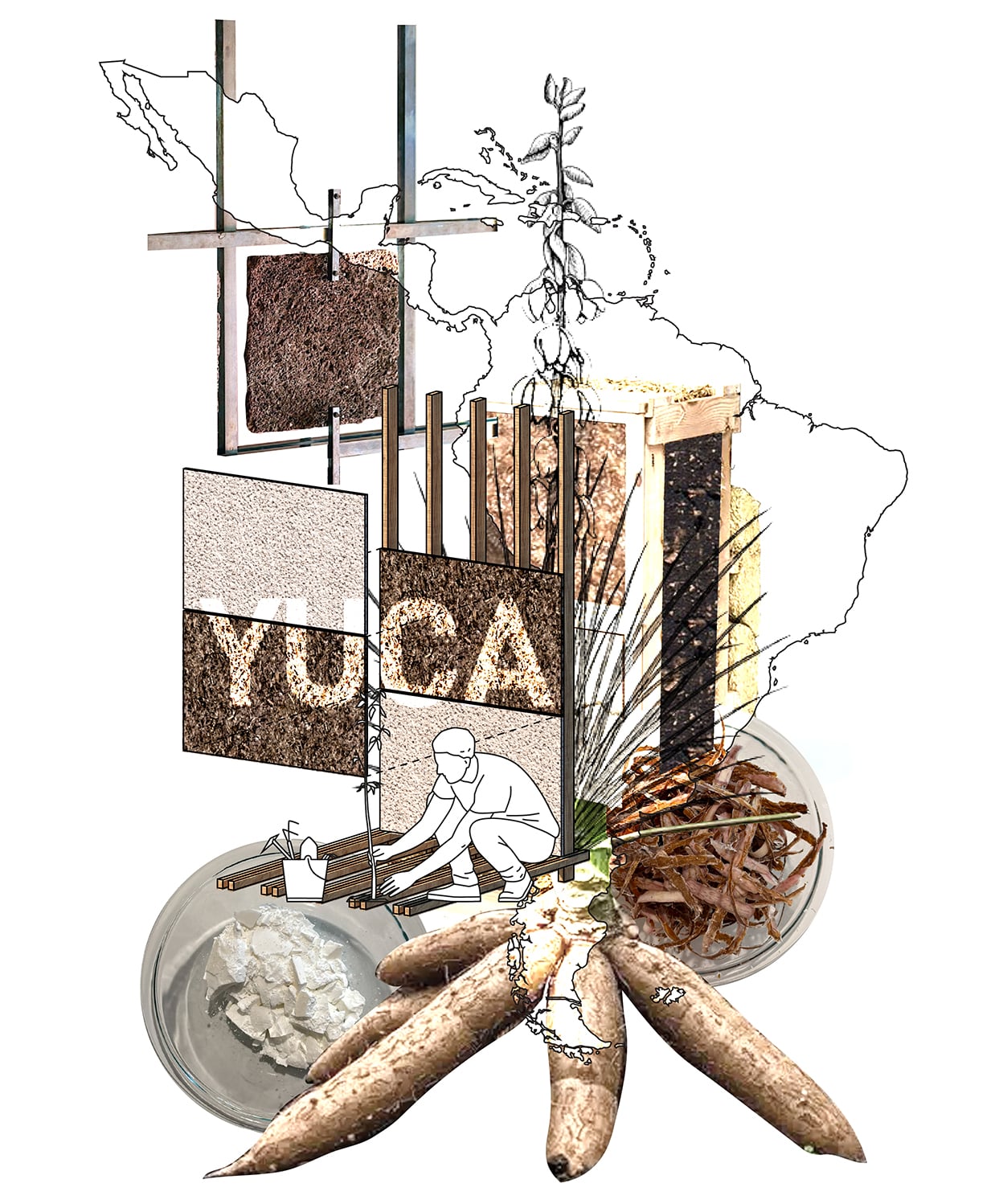
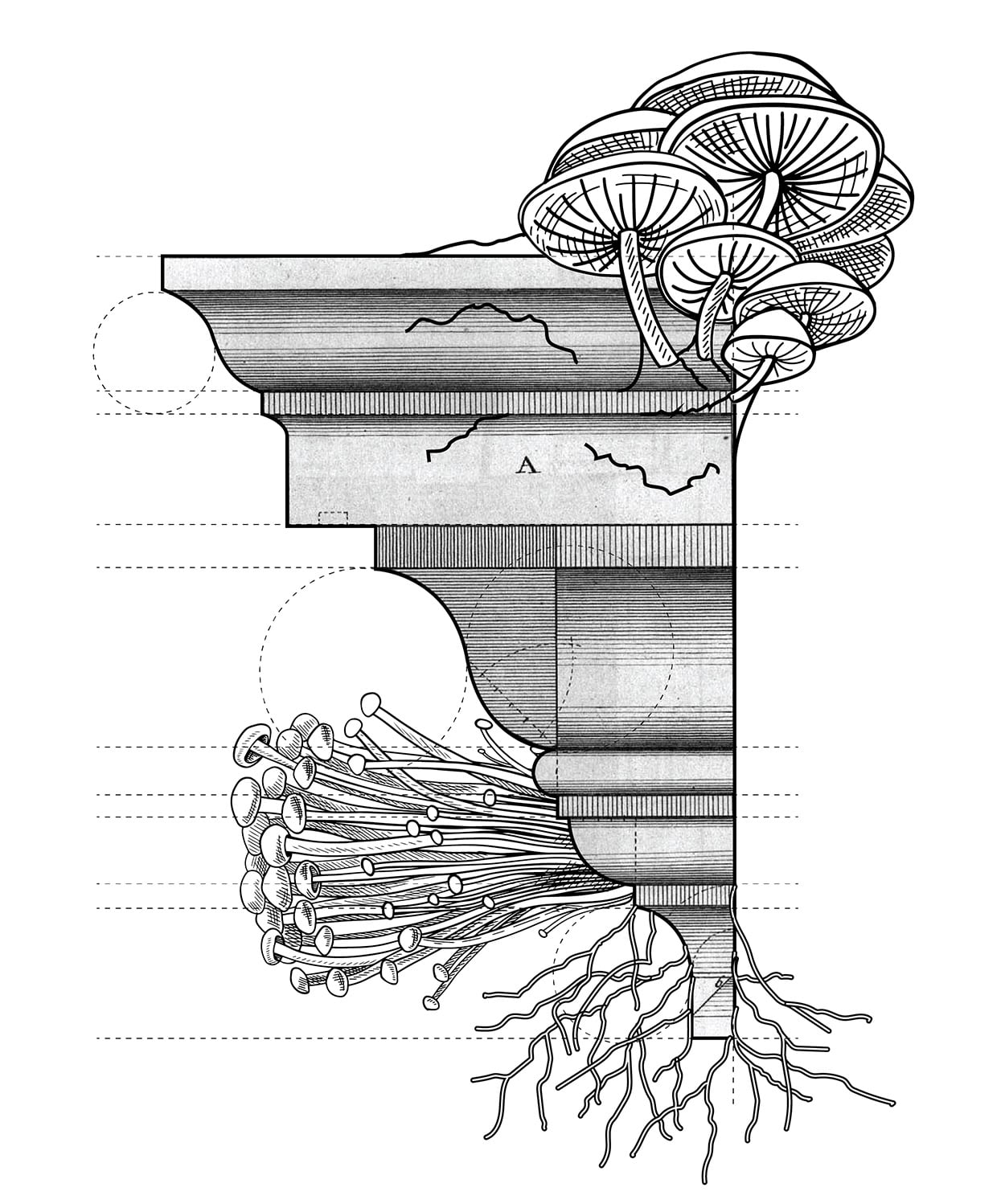
Morales extends this exploration in his work Yuca/Cassava Starch, in which he observes the natural transformations of biopolymer-based wall surfaces, allowing form and meaning to emerge from the material itself rather than imposed design expectations. In Mycelium Moldings, he cultivates fungal networks as sustainable alternatives to PVC trim, producing lightweight, heat-stabilized moldings that rethink a conventional architectural component through renewable, biological fabrication.
“Camilo Trujillo Morales redefines interior design by framing impermanence as a form of care and continuity,” says Michele Gorman, former director of the MFA Interior Design program at Parsons. “His work uses experimental documentation and material agency to reveal how interiors are continually reshaped by time, labor, and nonhuman agents.”
Would you like to comment on this article? Send your thoughts to: [email protected]
Latest
Viewpoints
Detroit Month of Design: A City’s Work in Progress
Now in its 16th year, the celebration offers insights into the Motor City’s ongoing accomplishments without glossing over its hurdles.
Projects
How a Hybrid Building Helped an Historic Manhattan Congregation Remain in Place
On Billionaire’s Row, FX Collaborative designed a new home for Calvary Baptist Church combined with an office tower.