


June 5, 2026
Michael Ford and Momentum Find a New Way to Express Hip-Hop Culture
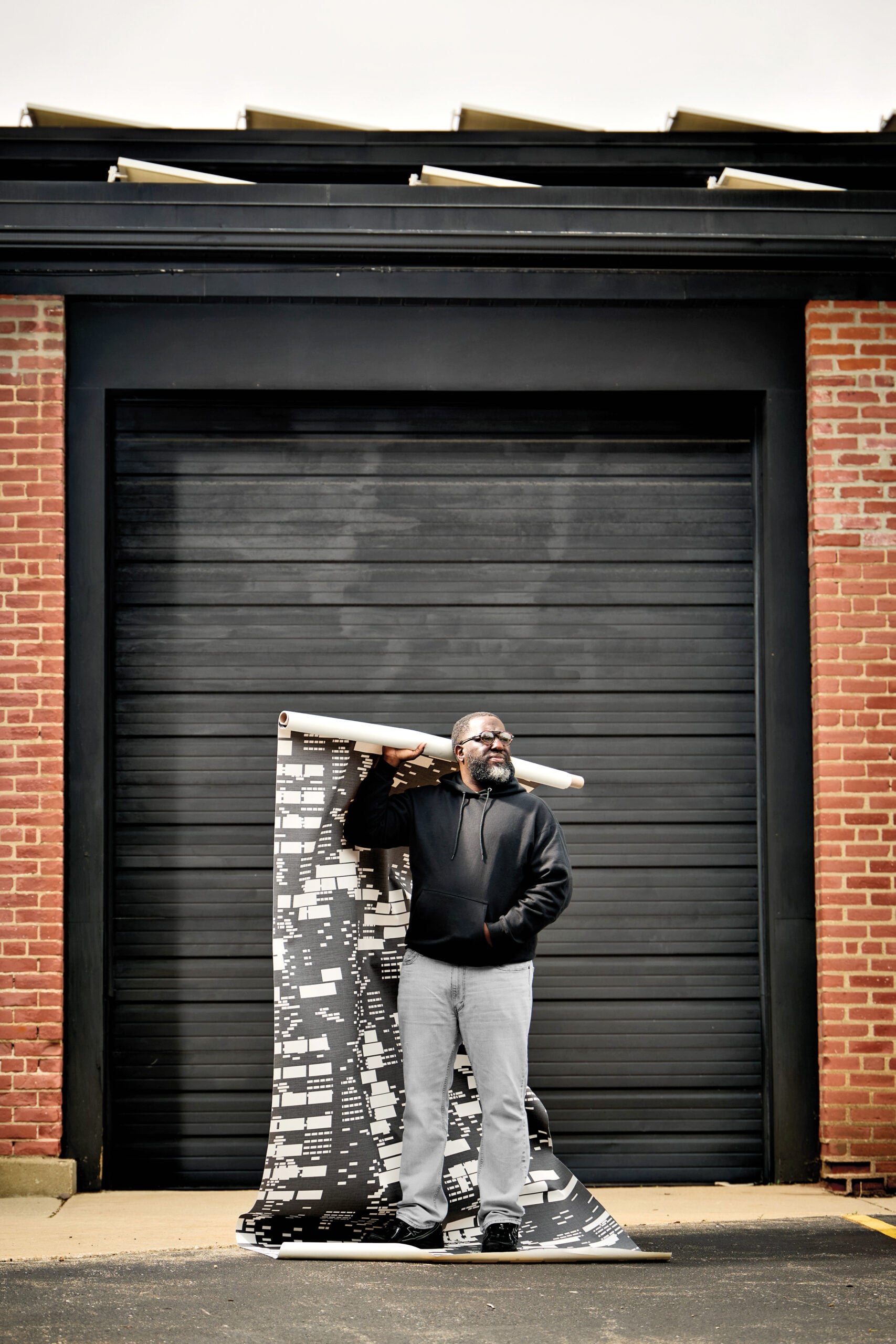
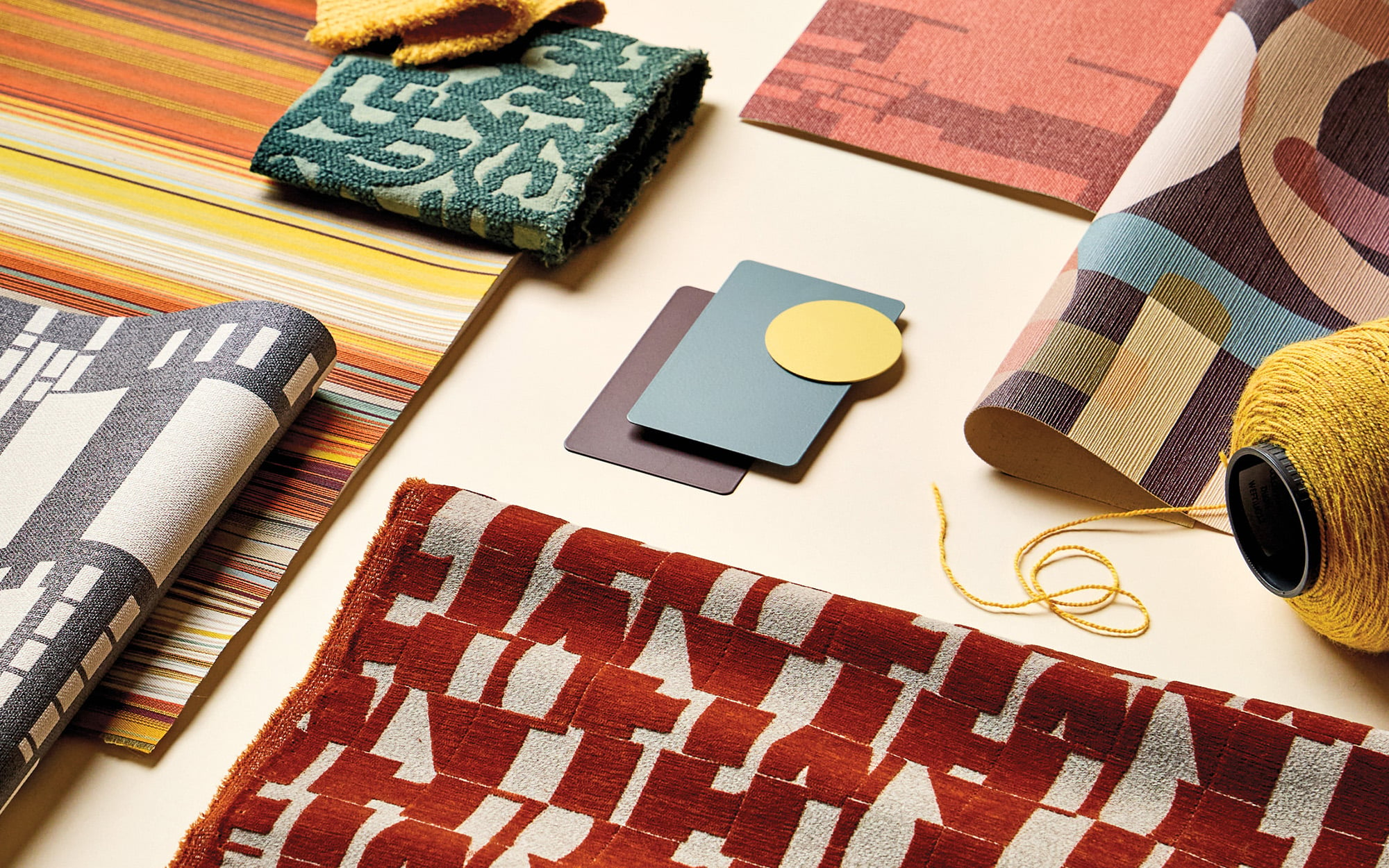
How do you translate hip-hop music and culture into design? For his newest collaboration with commercial textiles and wallpaper brand Momentum, architect Michael Ford aims to do just that.
Inspired by the world of beatboxers, ballers, and B-boys, Ford distills the essence of the culture into a range of colorful textiles and wallcoverings with patterns that represent the music genre’s energy.
“My whole career has been dedicated to this intersection of hip-hop and architecture,” the principal and founder of BrandNu Design Studio says. “What this collaboration with Momentum allowed me to do was tell the story of the textures, the patterns, and the rhythms that you find within the elements of hip-hop in a way that’s not literal, but in a unique way that speaks to the innovation, the genius, and extracting that from the culture.”
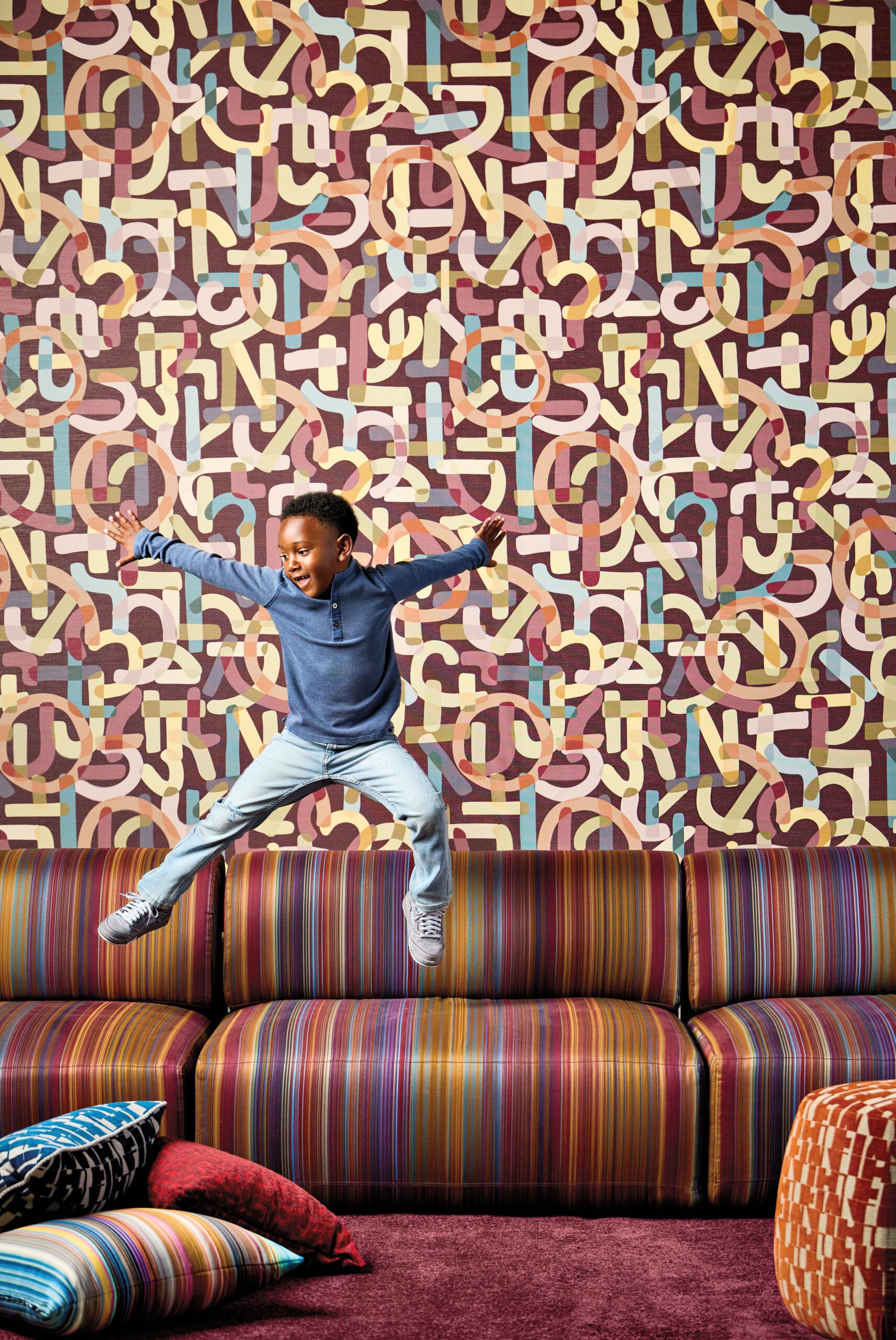
Ford’s partner in rhyme (as it were) was his son, Mason, who used his dad’s digital tools to draw figurative breakdancers represented by kinetic lines. This design eventually became the Breakin’ wallcovering. “We doctored them up and modified the colors, but it’s all based on the original sketch that he created, which was about movement and flow and mimicking breakdancing,” Ford says.
In addition to Breakin’, the collection includes Jacquard textiles Cypher (available in ten colorways), Dance Off (nine colorways), and Bronx Composition (seven colorways), as well as a Circon wallcovering called Flow Chart (six colorways).
The collaboration with Ford is very much on brand for Momentum, which has a history of approaching artists and designers with a deep story to tell, says Jennifer Nye, the company’s chief marketing and creative officer. The list includes Italian architect and designer Emanuela Frattini Magnusson, British visual artist Shantell Martin, Polish textile designer Aleksandra Gaca, and London-based artist and designer Yinka Ilori, among others.
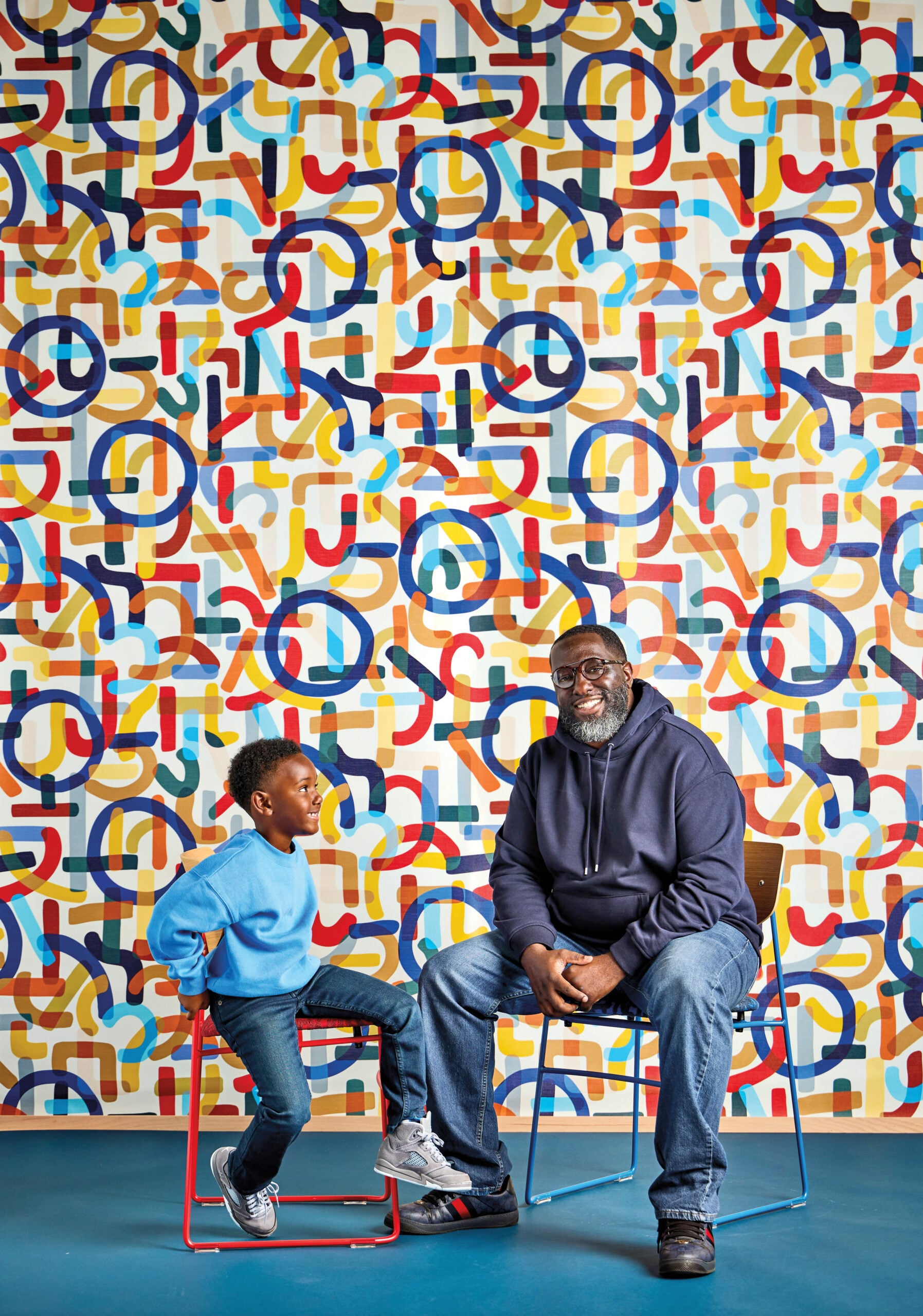
“We try to find [designers] that speak to something inside of us, who are good people and they’re designing for good,” Nye explains.
An unapologetic “hip-hop architect,” Ford is focused on opening up opportunities for historically marginalized communities that do not see themselves represented in the architecture world in any meaningful way. His Hip Hop Architecture Camp, a ten-year-old program through his nonprofit, Hip Hop by Design, introduces young people to architecture and design through music and creative problem-solving. The hope is that it will pave a pathway into the design profession for emerging talent.
As for the new collections, Ford hopes specifiers use them in unexpected ways. “You know, I have some ideas around the Breakin’ we were just talking about,” he says. “I can see that in academic spaces, especially K–12, where young people are learning. That is an ultimate nod to my son.”
Would you like to comment on this article? Send your thoughts to: [email protected]
Latest
Viewpoints
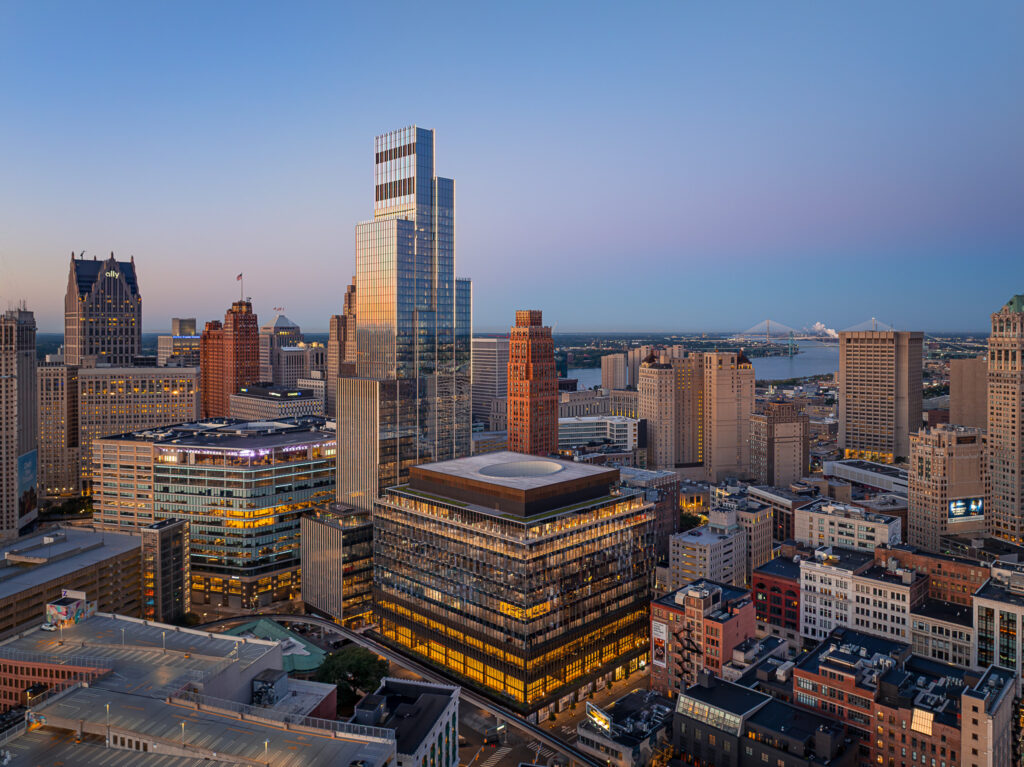
Detroit Month of Design: A City’s Work in Progress
Now in its 16th year, the celebration offers insights into the Motor City’s ongoing accomplishments without glossing over its hurdles.
Projects
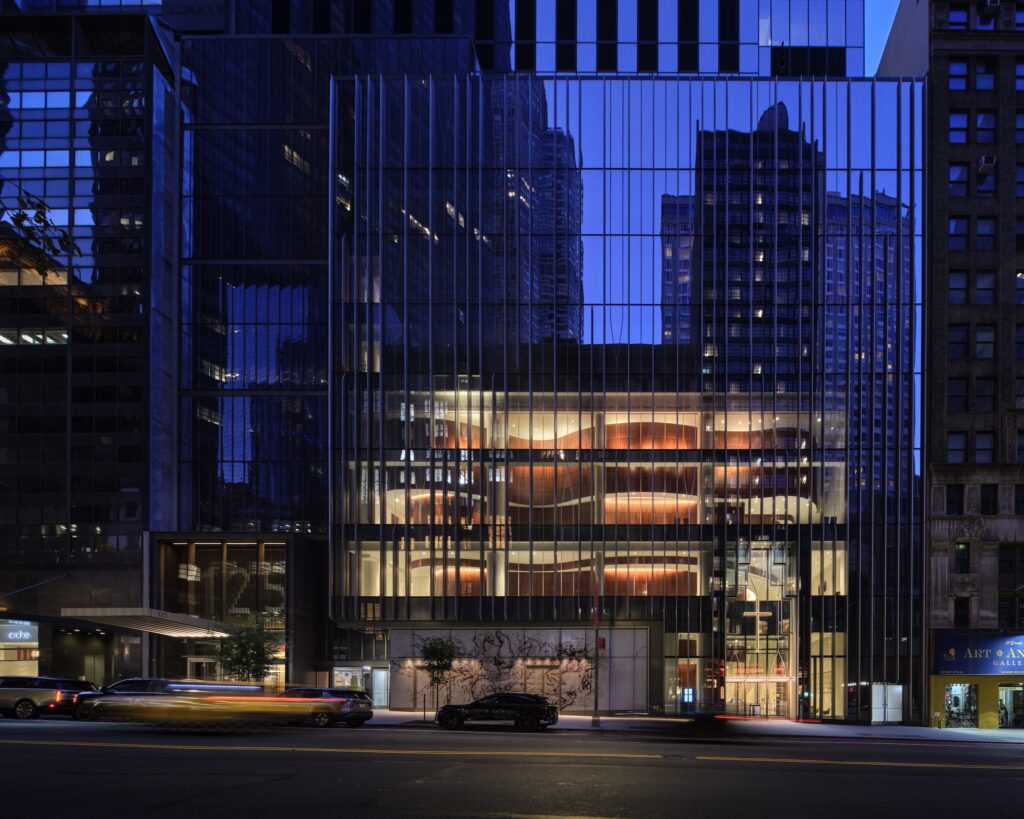
How a Hybrid Building Helped an Historic Manhattan Congregation Remain in Place
On Billionaire’s Row, FX Collaborative designed a new home for Calvary Baptist Church combined with an office tower.