



June 10, 2026
Neri&Hu Design for Continuity
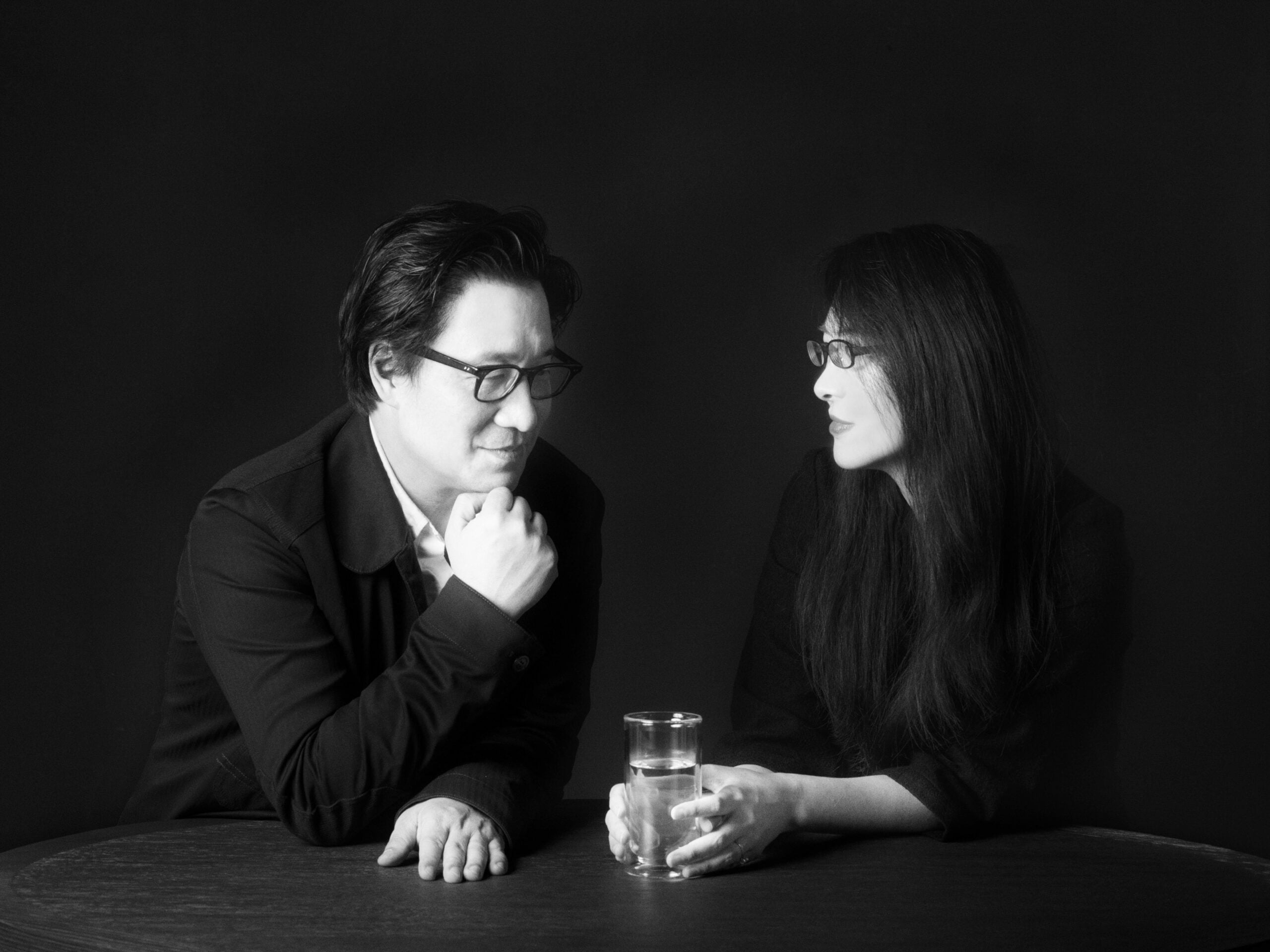
To Lyndon Neri and Rossana Hu, founders of the interdisciplinary firm Neri&Hu Design and Research Office, there must be continuity with the past, especially in the designed world. “There is no new if we don’t understand our old,” Neri says.
Neri and Hu are nostalgic. Not in the conventional understanding of the word as a romantic longing for, or desire to return to, a real or imagined past, but as practitioners of the theorist Svetlana Boym’s concept of reflective nostalgia that “explores ways of inhabiting many places at once.” It’s a quality inherent in Neri&Hu’s practice. The pair’s work collapses time.
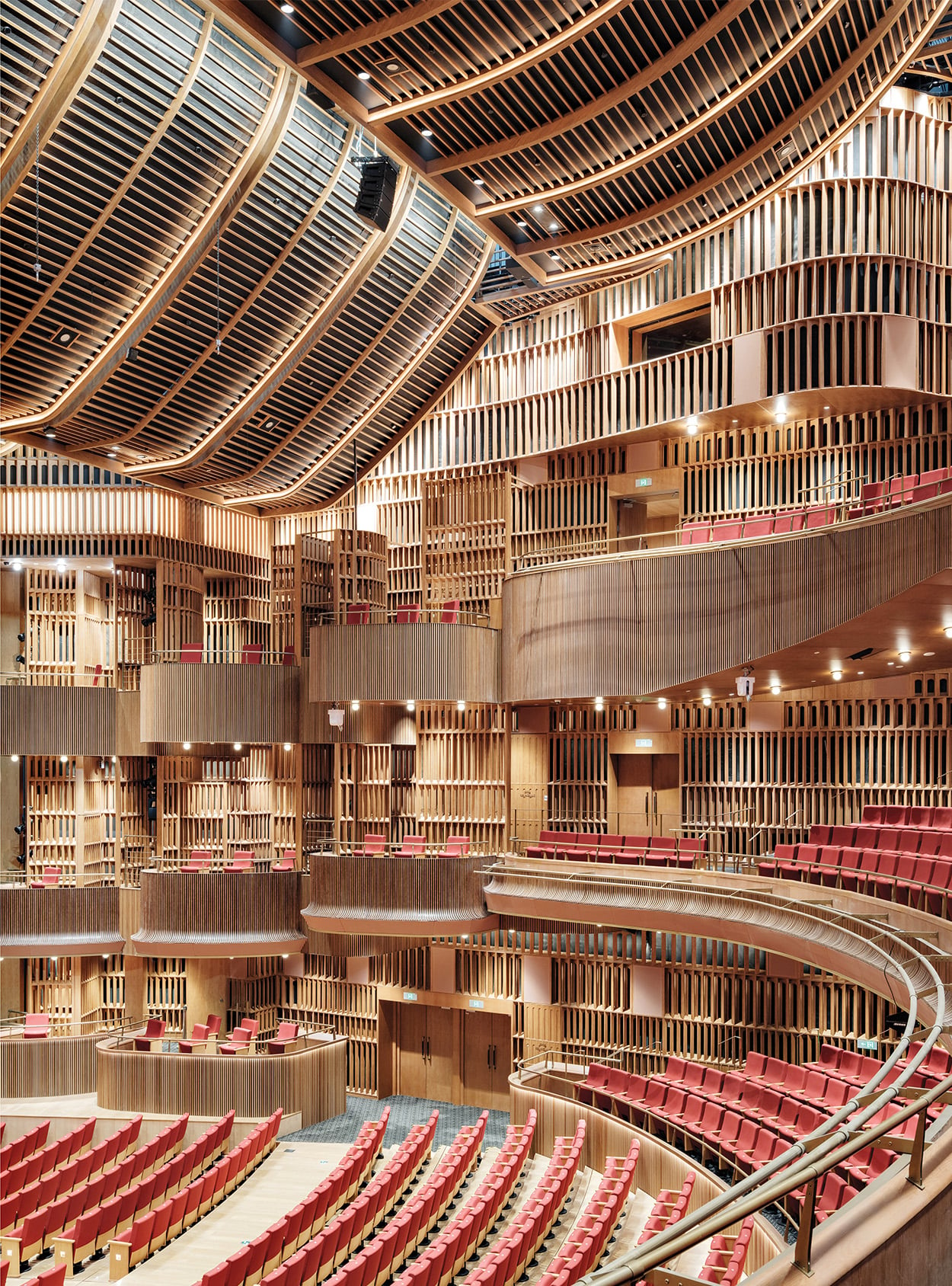
Take, for example, their performing arts center in Shanghai, completed in 2023. While sited in a rapidly redeveloping district called New Bund, it references the dense network of alleyways that once traversed the city’s historic core through a recurring arch motif, from the golden arcade that visitors pass through when they enter the building to the vaults that compose the ceilings inside. It is a decidedly contemporary space, as well as a surreptitious memorial to the city’s vanishing, narrow laneways.
While adaptive reuse projects that stitched, incised, and cut through historic buildings brought the firm recognition—and that still does well, as with the concept store for the bakery Lao Ding Feng, built in an old warehouse and completed in 2022—it has matured into large-scale, high-profile projects, many of which are now ground up. This includes the aforementioned 190,000-square-foot performing arts center as well as a forthcoming arts center in Utah; a hotel and residences in Cape Town, South Africa; and two new hotels in Jingdezhen, the “porcelain capital” of China.
“All of a sudden we have to reframe, to rethink,” Neri says. Still, the studio has managed to retain material richness, conceptual rigor, and daring formal qualities that felt so fresh when it was just the two of them working in the office they founded more than 20 years ago. Now a 120-person firm with staff working around the world, Neri&Hu continues to create exciting spaces because of how attuned it is to place, memory, and meaning.
© Zhu Runzi Courtesy Neri&Hu 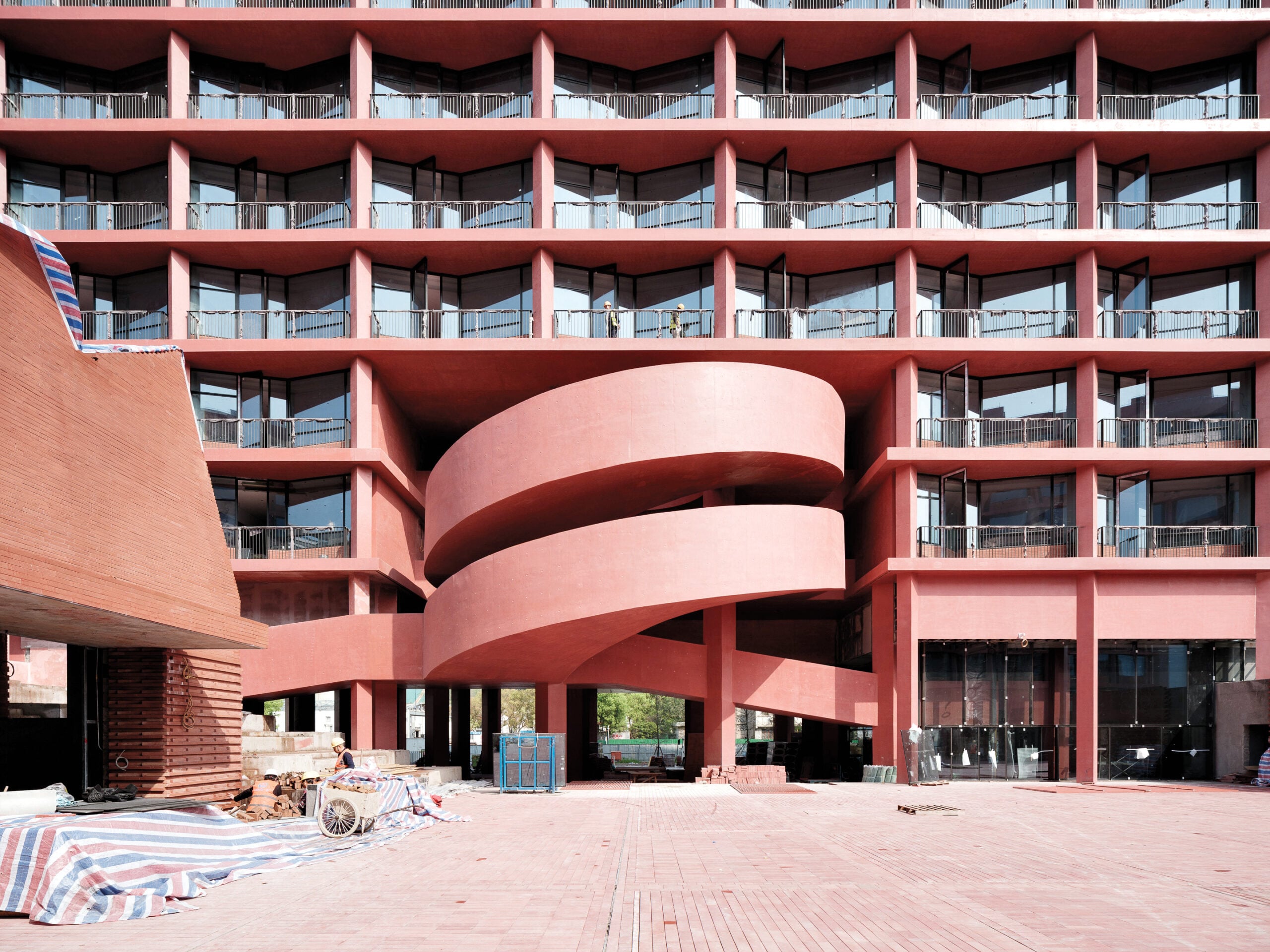
© Zhu Runzi Courtesy Neri&Hu
© Zhu Runzi Courtesy Neri&Hu 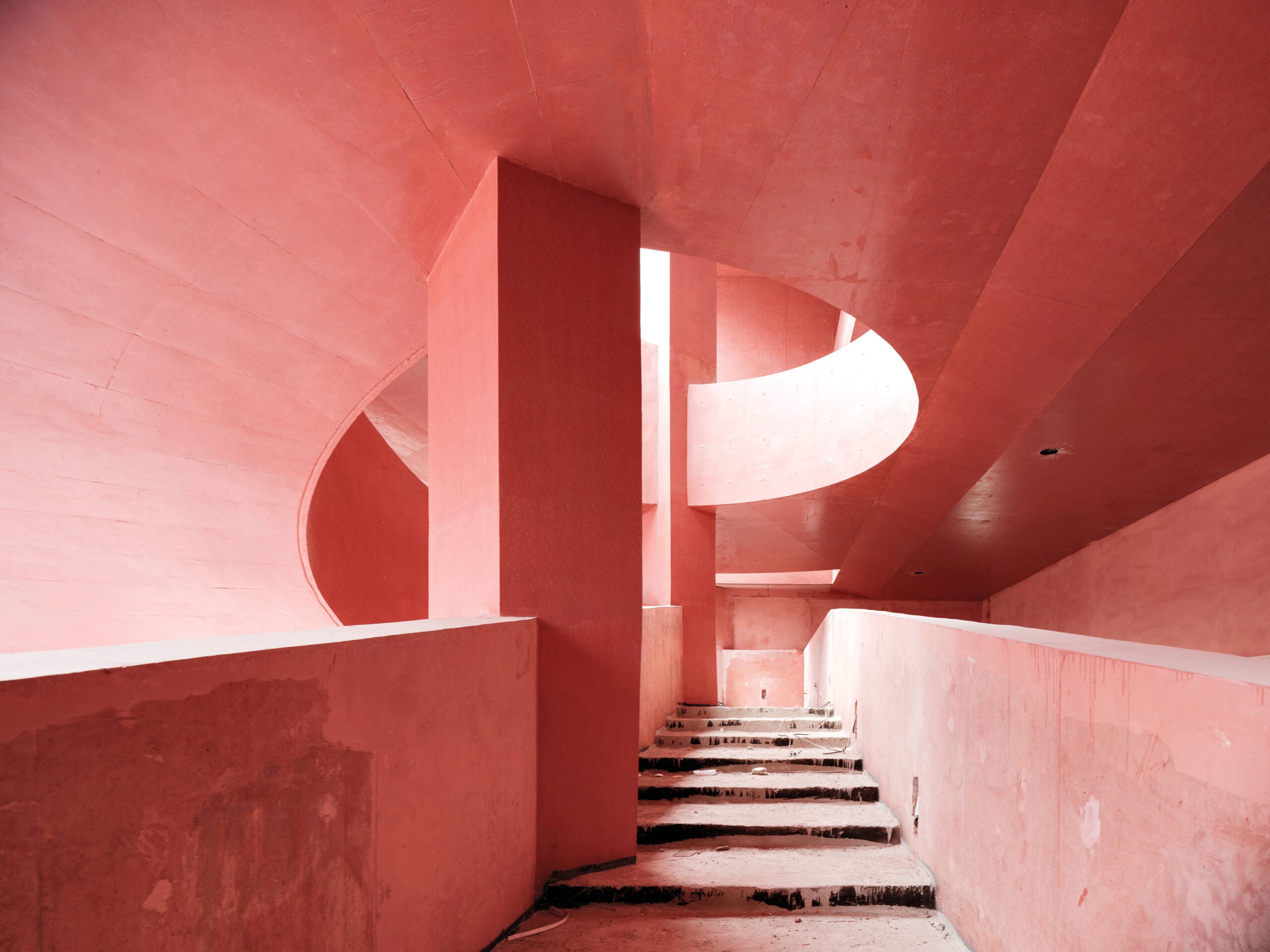
© Zhu Runzi Courtesy Neri&Hu
“We ask the question every day, for every project: How are we relevant to the time we’re in, to the culture we work in, and to the people who are using this?” Hu says. “All those things are intertwined, and I think a good architecture, good design, has to answer to all three.”
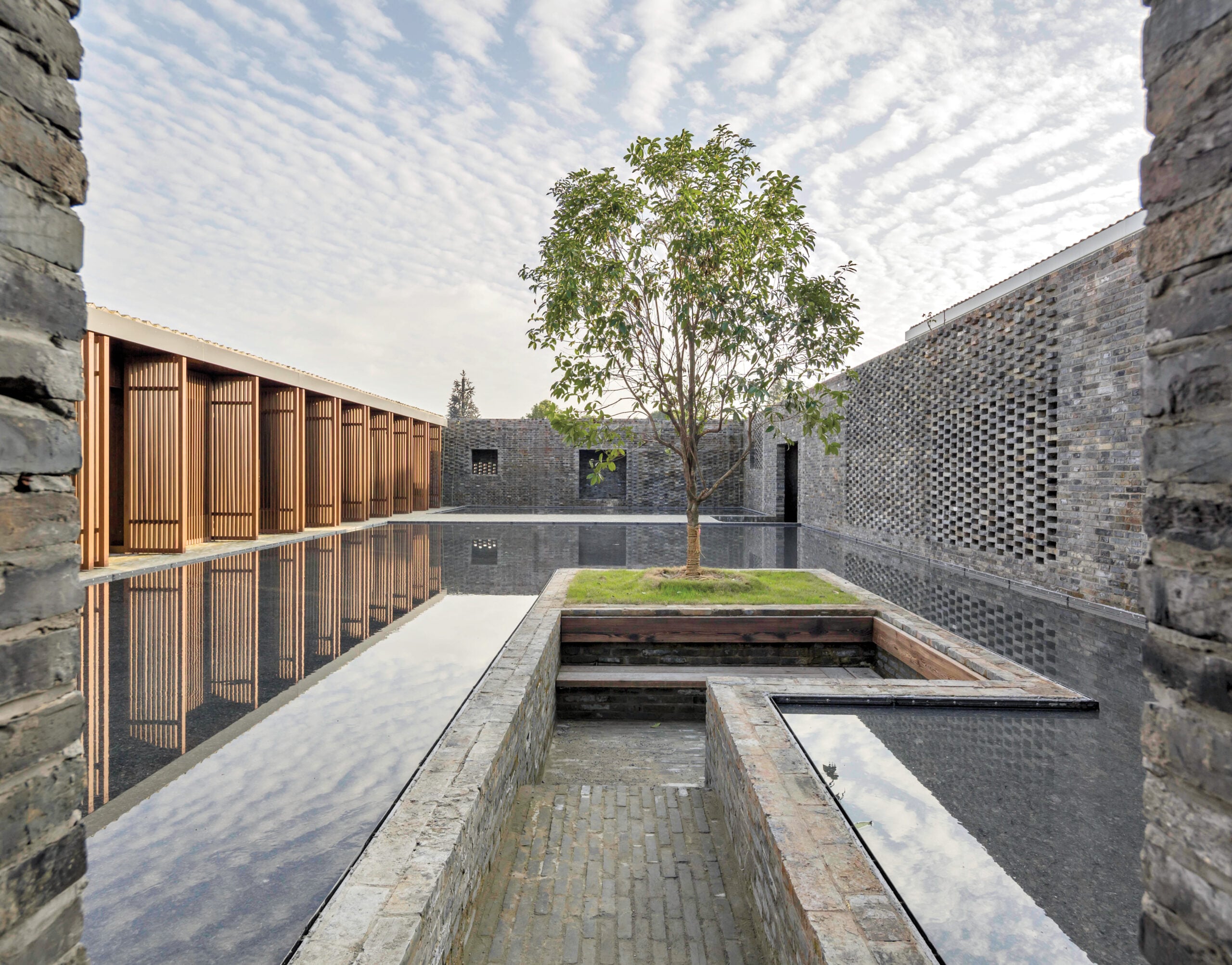
The research skills Neri&Hu honed working with historic buildings in China have remained the foundation of its practice, even as it works with more international clients. The firm understands that a building is not in isolation but is in conversation with its block, its neighborhood, the city as a whole, and, perhaps most importantly, time. To wit: Hu recalls a moment when workers building the Tsingpu Yangzhou Retreat, a monastic wellness center and hotel completed in 2017, noticed markings on the reclaimed brick that would eventually form the structure’s walls. The material came from nearby villages that had been demolished, and the moment of recognition was emotionally powerful. “They were just so proud, like ‘Oh, this yellow means it’s from our village. That’s my family name,’” Hu recalls. The connection to the building, albeit somewhat bittersweet, represents the cultural durability the firm aspires to.
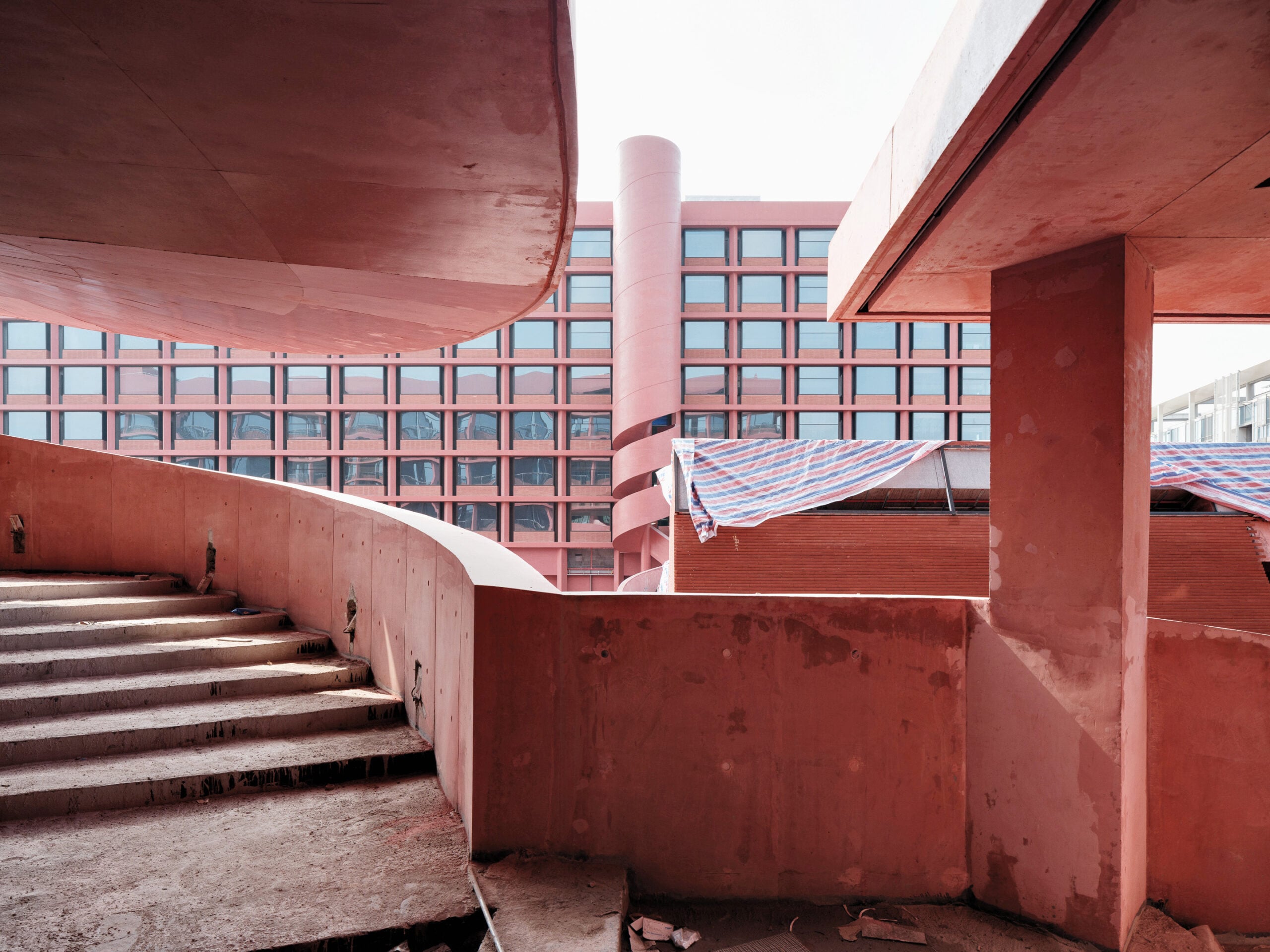
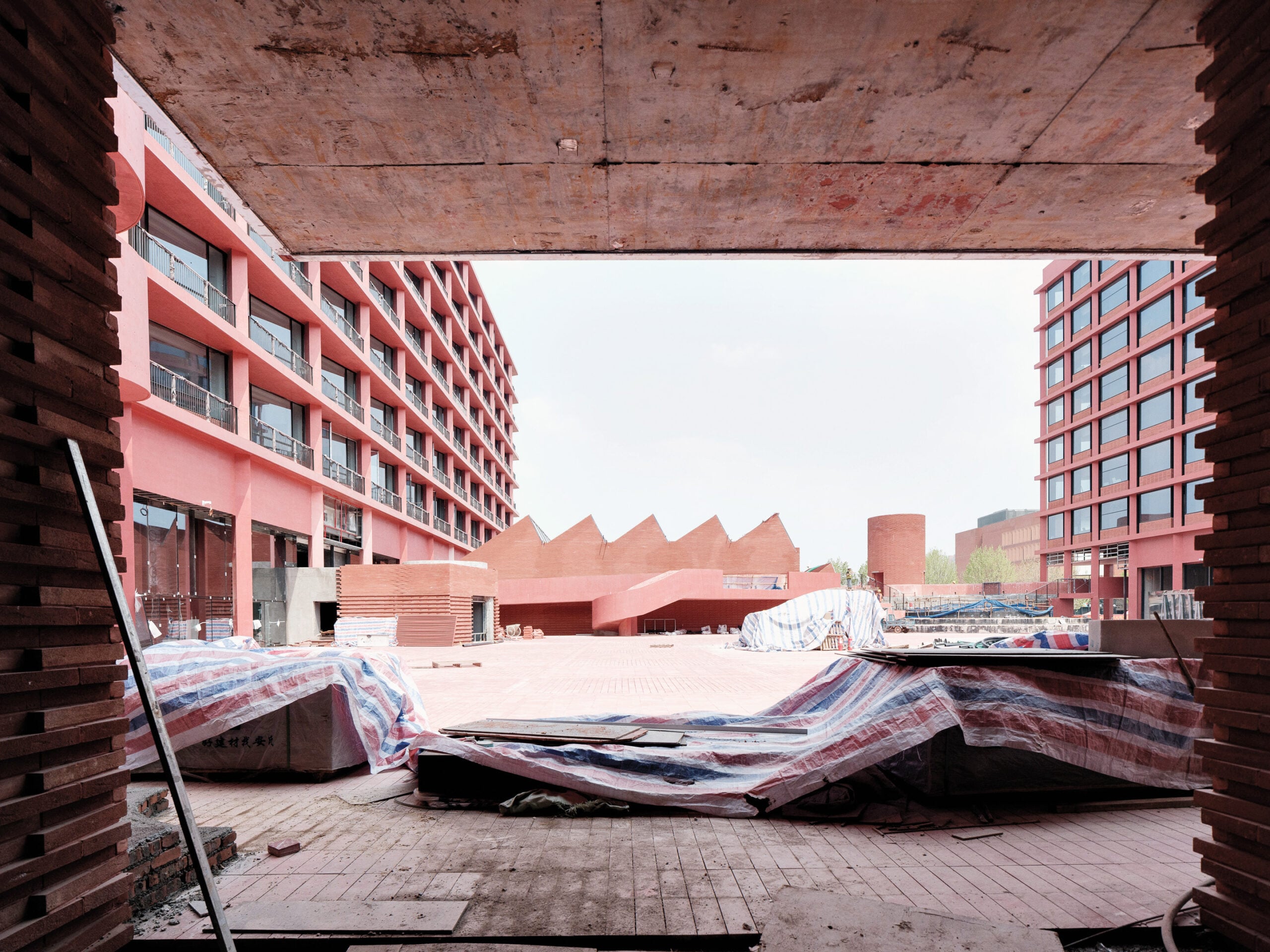
There is always something present in its work—a material, a form, a silhouette—that speaks to the individuals who encounter it. In Jingdezhen, a city in eastern China that is reinventing itself into a cultural destination, Neri&Hu tapped into the region’s history as a ceramic capital of the country for the two forthcoming hotels they designed. For more than two millennia, the region has produced pottery. Even as factories are redeveloped into mixed-use districts, its past remains a draw for tourism. Keeping that in mind, Neri&Hu referenced the raw earth at the heart of the industry through the red-hued brick, concrete, terrazzo, and ceramic that compose the buildings. They also nodded to the rooflines of old factories for the low-rise amenity buildings that hotel guests will have a bird’s-eye view of from their windows, a subtle cue to the workers who sustained the region’s economy for generations.
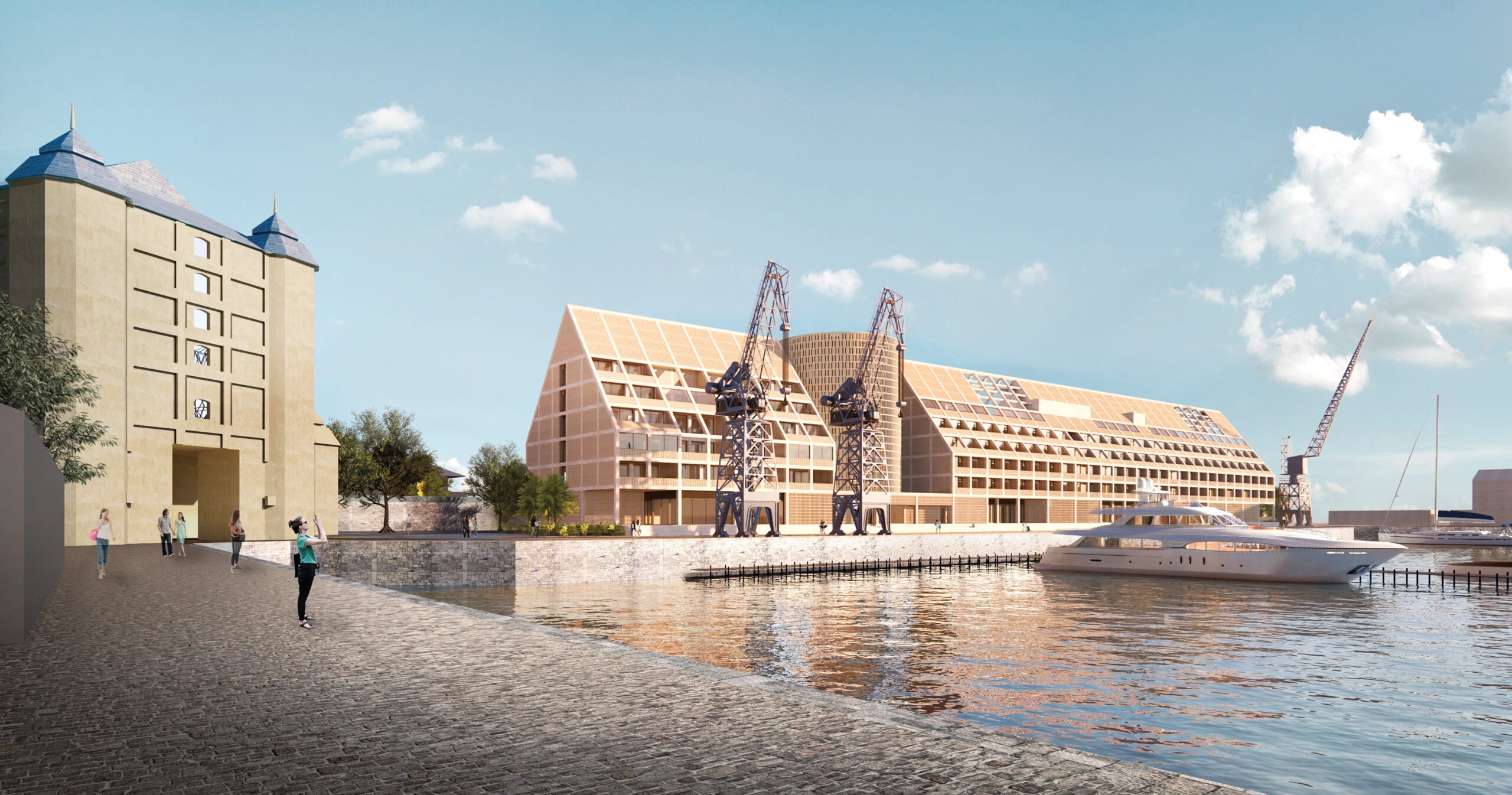
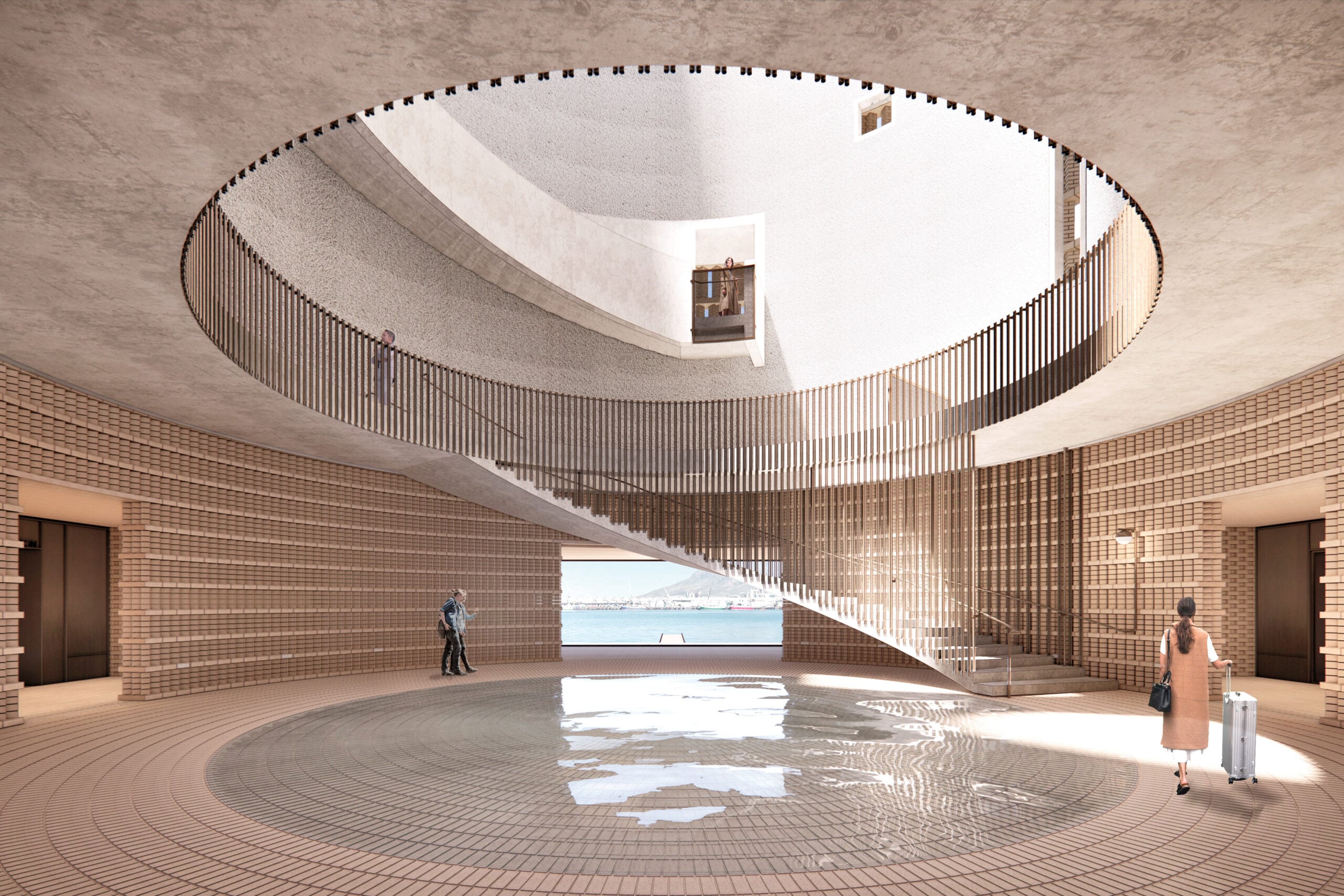
Brick, a recurring material for the firm due to its local availability around the world, is also a defining feature of the Marriott EDITION in Cape Town, South Africa, which is expected to open later this year. Located along the V&A Waterfront, an industrial harbor turned mixed-use neighborhood, the 253,000-square-foot hotel and residences, known as The Gridded House, features a steeply pitched gabled roof and facade composed of beige brick. They chose the material because it can withstand the harsh salt air and because it’s well suited to local labor. “People always ask, ‘How come you guys are so good with the details?’” Neri remarks. “I give credit to the local collaborators who are actually [building the architecture]. Because when you give that sense of ownership back to them, now all of a sudden it’s their own work, and they do it very well. Instead of trying to force a particular agenda, we understand what the locals are good at.”
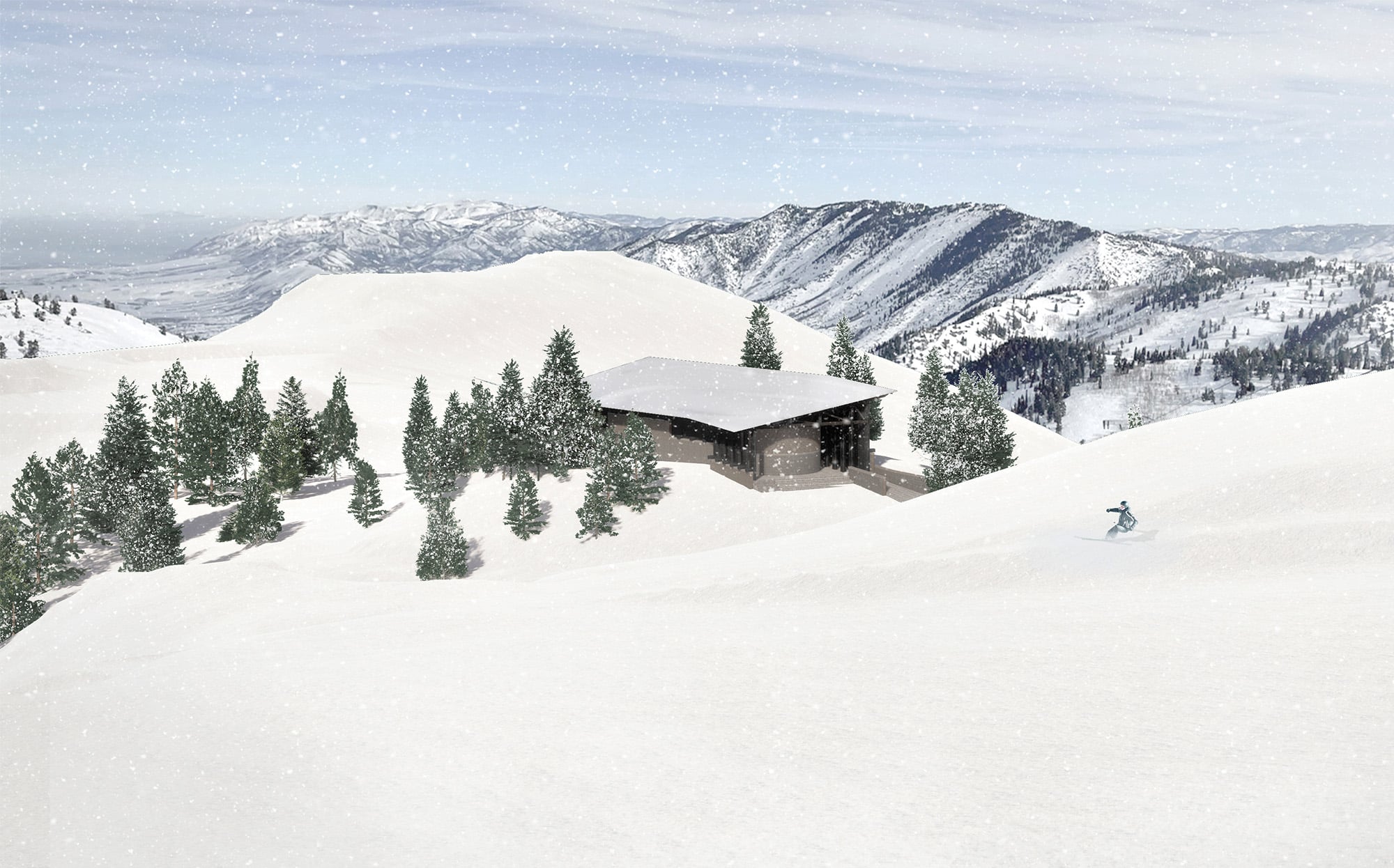
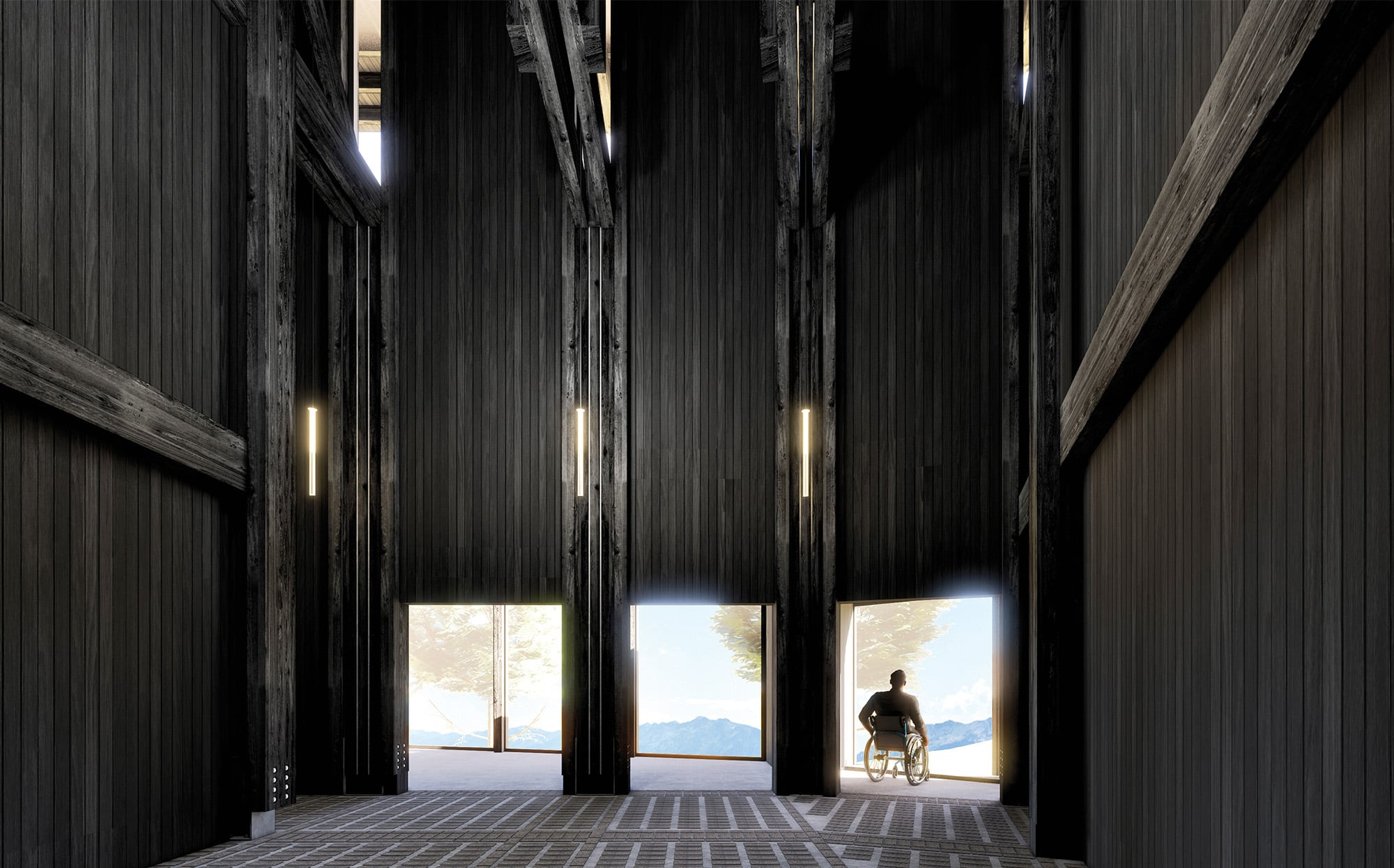
Neri&Hu is presently working on one of its highest-profile commissions to date, an art pavilion with a James Turrell ganzfeld inside. It’s part of a forthcoming arts center on Powder Mountain, a ski resort in Utah, that Reed Hastings, the billionaire cofounder of Netflix, is developing. Visitors to Turrell’s ganzfeld, which is underground, will enter through the pavilion. Since the artist’s light sculptures make space disappear, Neri&Hu is designing something “extremely tectonic” and “extremely architectural,” Neri says, to heighten the experience within the artwork.
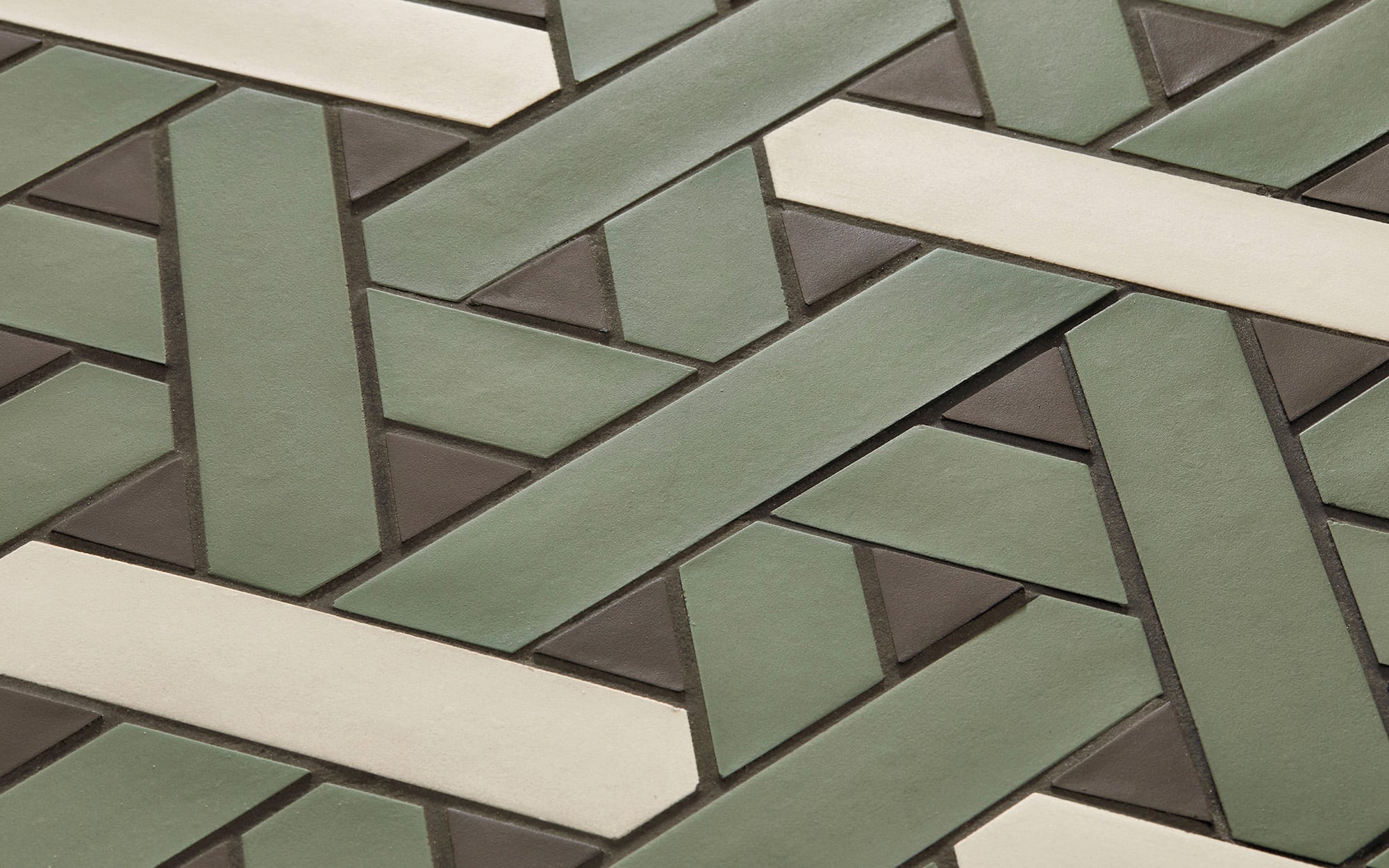
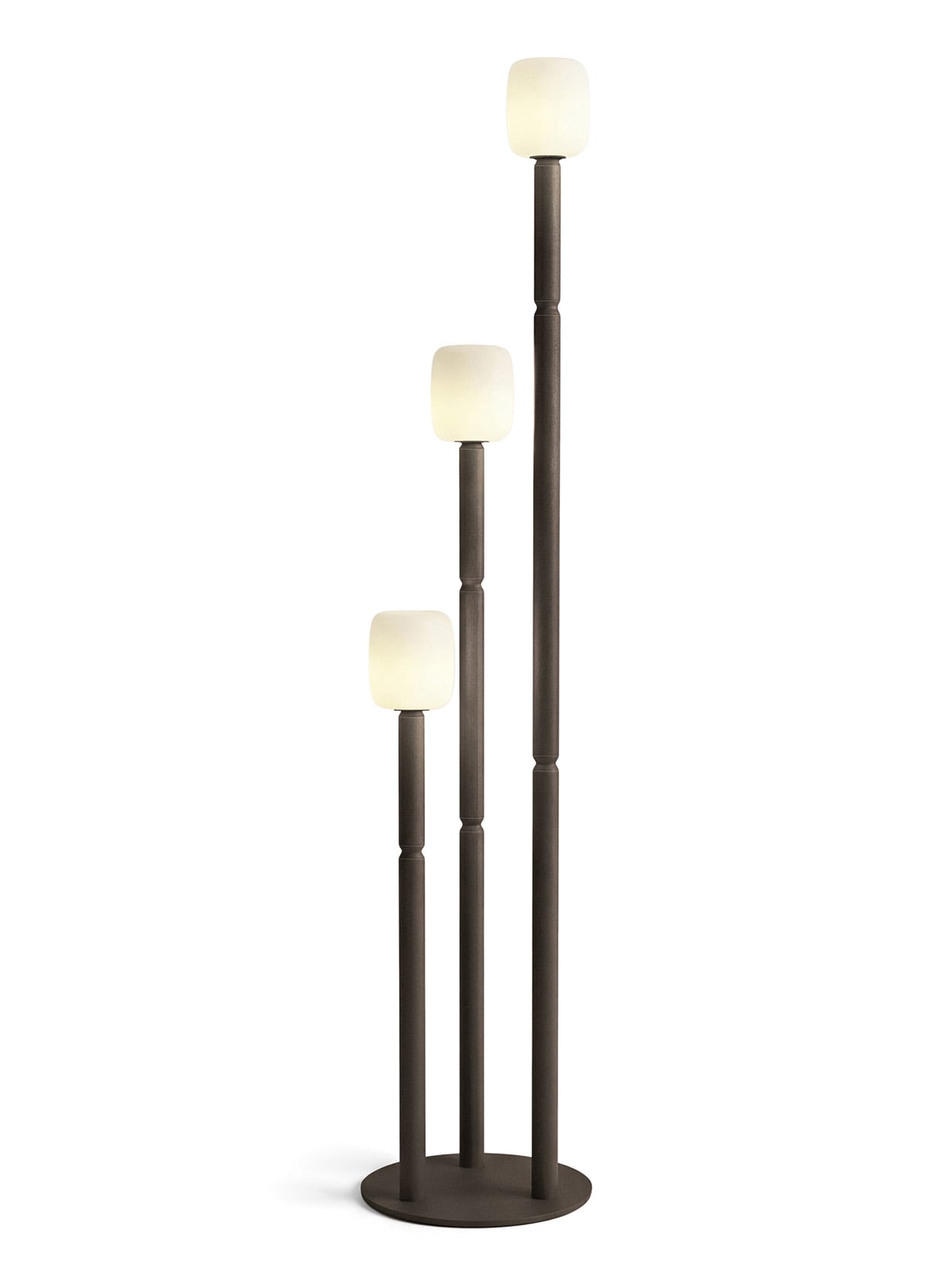
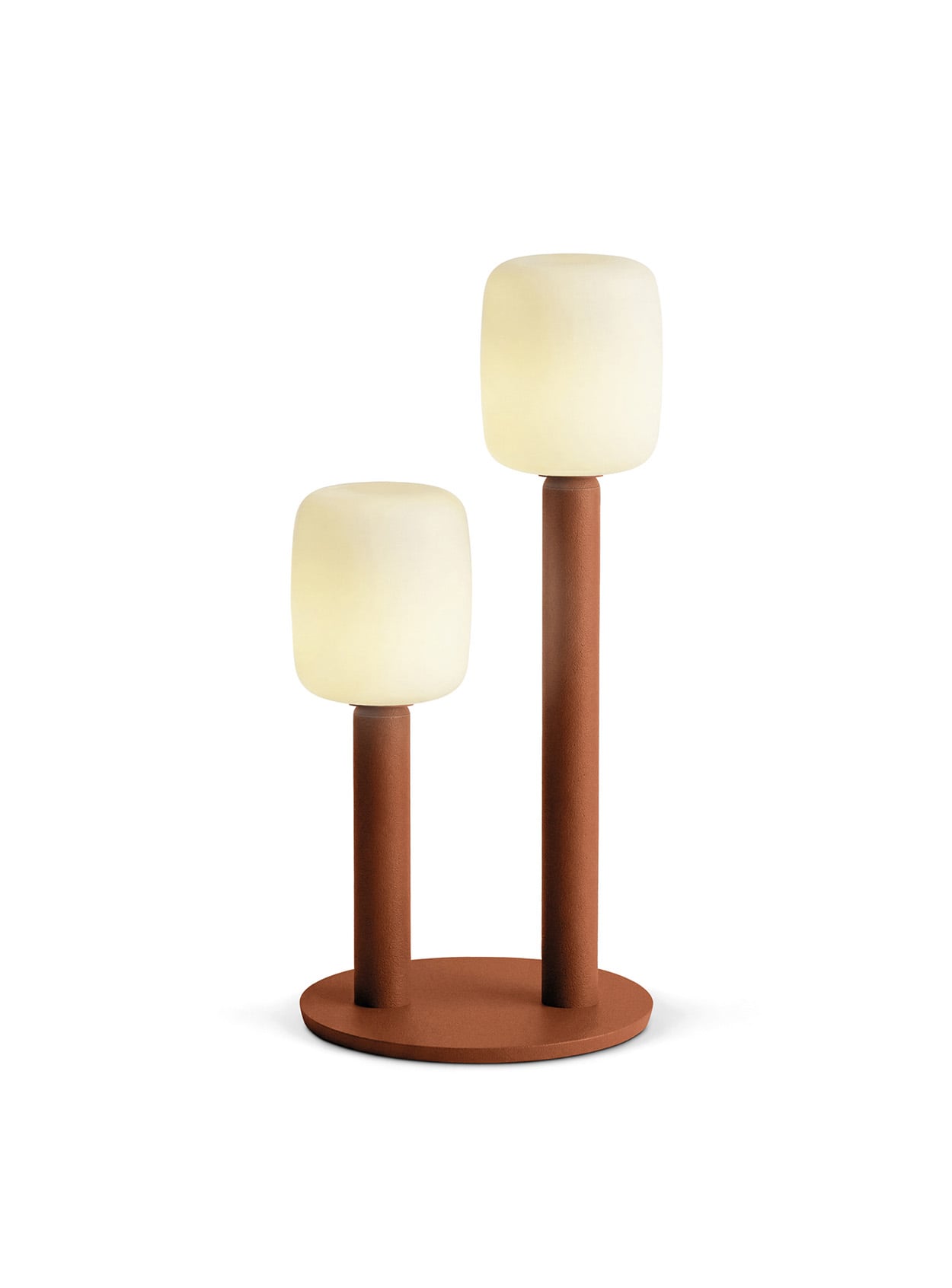
Neri&Hu’s sensitive attention to history has also informed its small-scale endeavors. At Milan Design Week, the studio released a new tile collection with Mutina based on traditional basket-weaving patterns and new lamps for Cassina that reference bamboo as well as matchsticks. “It has international resonance but, at the same time, a very specific Asian connotation,” Neri says.
© Mutina Courtesy Neri&Hu 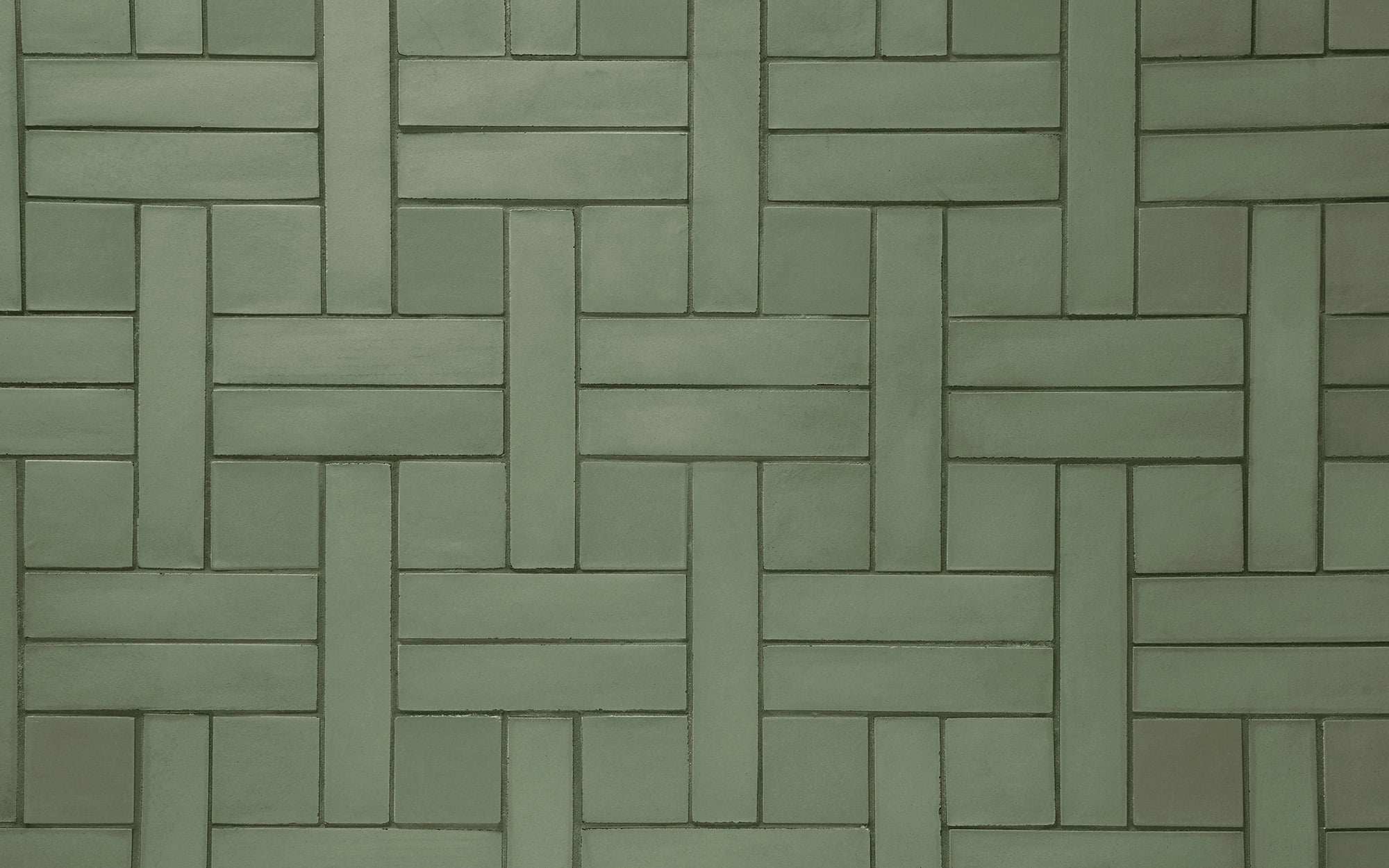
© Mutina Courtesy Neri&Hu 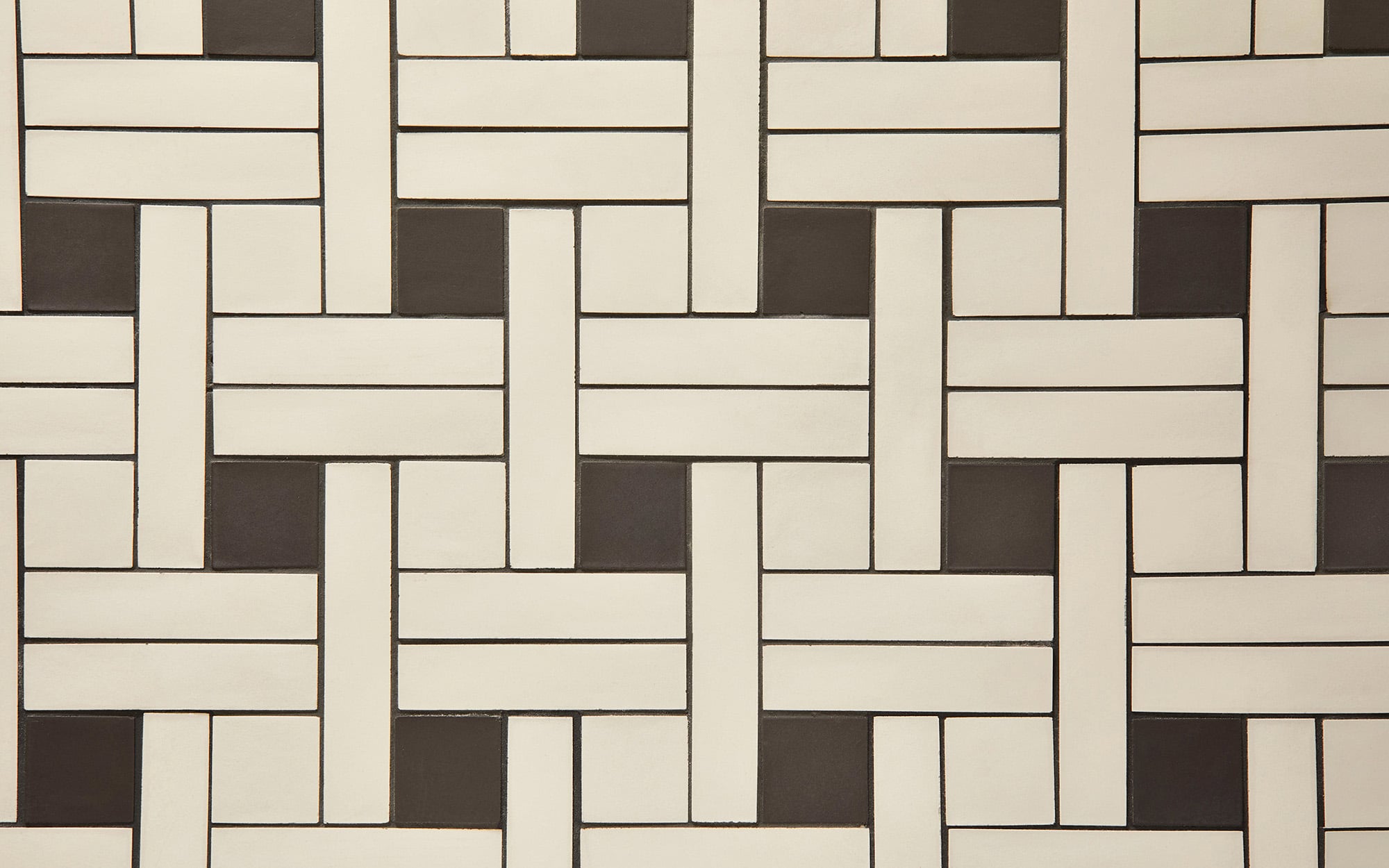
© Mutina Courtesy Neri&Hu 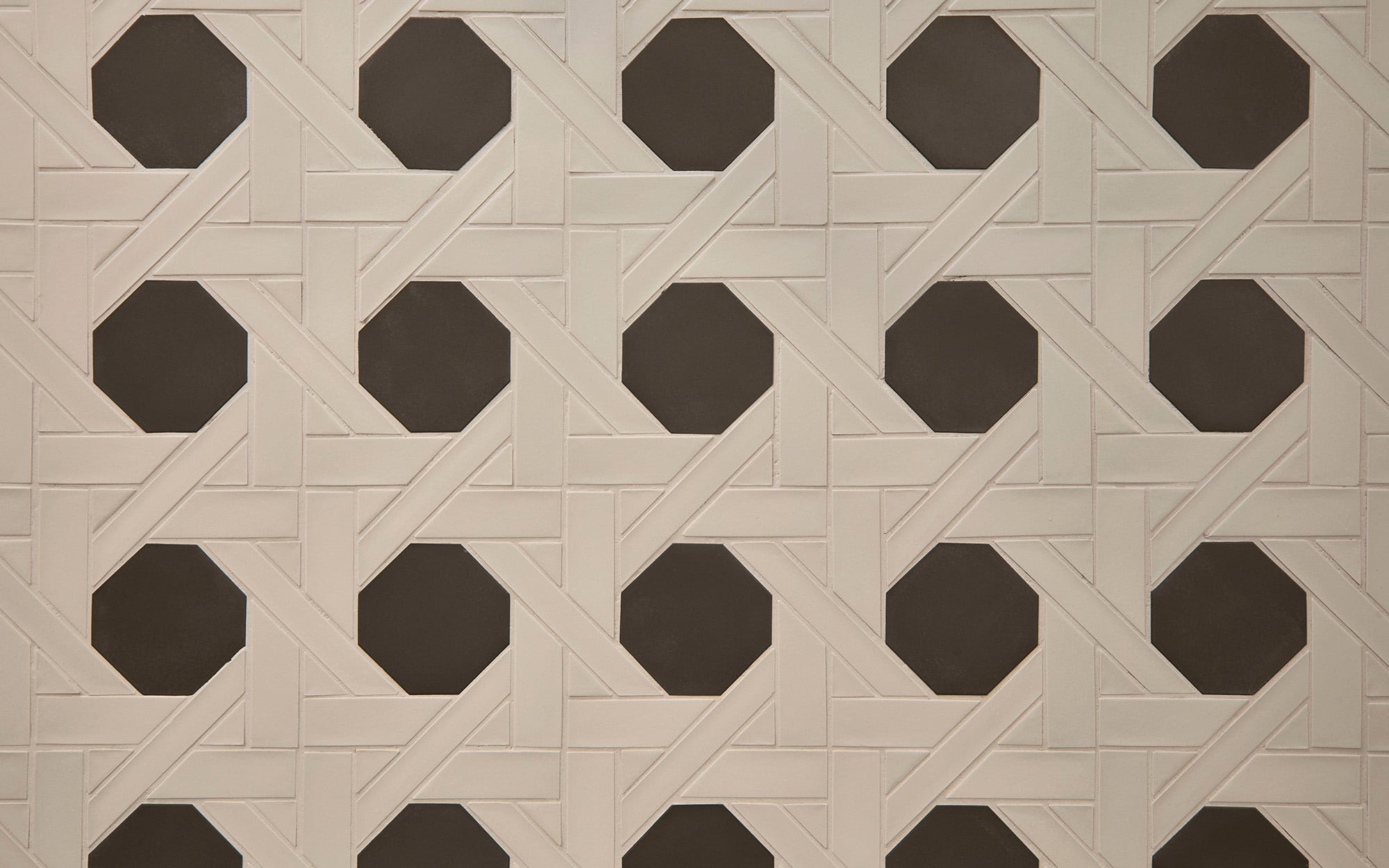
© Mutina Courtesy Neri&Hu
While Neri and Hu have always thought of their practice as a Shanghai firm, they are always questioning identity and how it relates to their work, which is a strength. Their sensibility is perhaps more diasporic than bound to a specific nationality, owing to their backgrounds as individuals who have continually moved across borders and developed ways to feel connected to whichever place they find themselves in. As Boym writes, the reflective nostalgic “is never a native, but a displaced person who mediates between the local and the universal” and who has the capacity “to awaken multiple planes of consciousness.” Their work speaks to the global culture we find ourselves in today and creates a sense of belonging within it—it is human nature to want to feel at home, after all.
Hu points out that their “center of physical gravity has shifted” once again as the couple embarks on their next challenge: teaching. They spend half the year in the U.S. now that Hu is the chair of the architecture program at the University of Pennsylvania and Neri is a visiting faculty member at Princeton. They hope their students become architects with the same sense of inquisitiveness, sensitivity, and cultural responsibility that guides their practice. They’re constructing a bridge to the future that complements the one they’ve already built to the past. “What is intelligence today?” Hu posits. “Intelligence is knowing where we came from.”
Would you like to comment on this article? Send your thoughts to: [email protected]
Latest
Viewpoints
Detroit Month of Design: A City’s Work in Progress
Now in its 16th year, the celebration offers insights into the Motor City’s ongoing accomplishments without glossing over its hurdles.
Projects
How a Hybrid Building Helped an Historic Manhattan Congregation Remain in Place
On Billionaire’s Row, FX Collaborative designed a new home for Calvary Baptist Church combined with an office tower.