



June 17, 2026
3daysofdesign 2026: Vibe Over Spectacle
A Level Playing Field
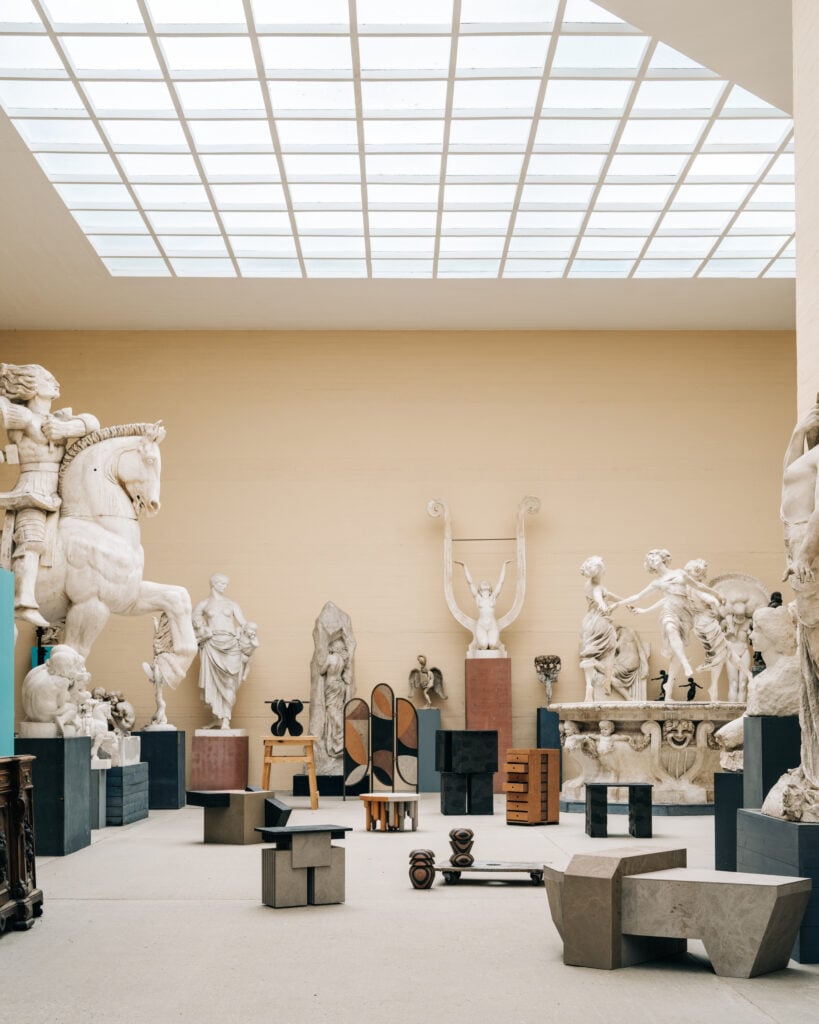
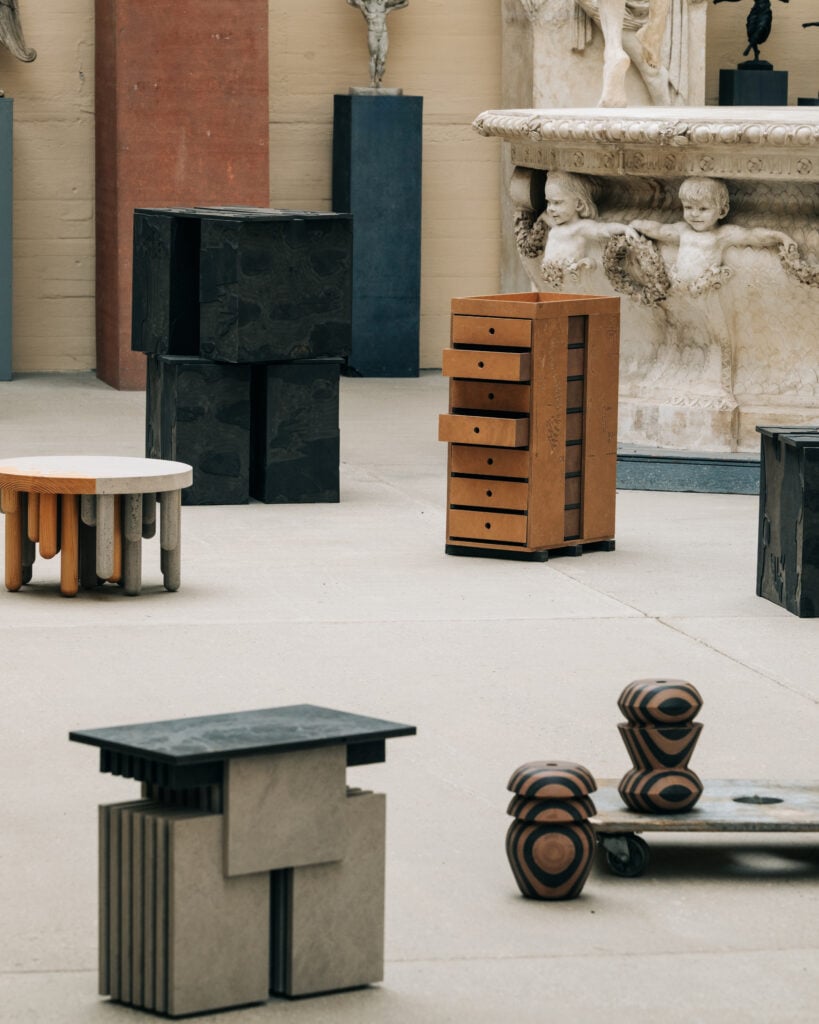
Established manufacturers, including Hay, Fritz Hansen, and Bang & Olufsen, were joined by a raft of edgy newcomer group shows highlighting up-and-comers, many of which have fully embraced collectible design as a viable alternative to realizing innovative propositions through conventional, creatively limiting mass production. This year’s Ukurant showcase featured 20 distinct designs that all draw from, but also riff on, well-worn furniture-making traditions. This red thread was apt when considering what the festival is fundamentally about: continuously reassessing the potent, if at times constraining, legacy of Danish modernism, especially when it comes to addressing the pressing concerns of our time: circularity and more rigorous sustainable practice.
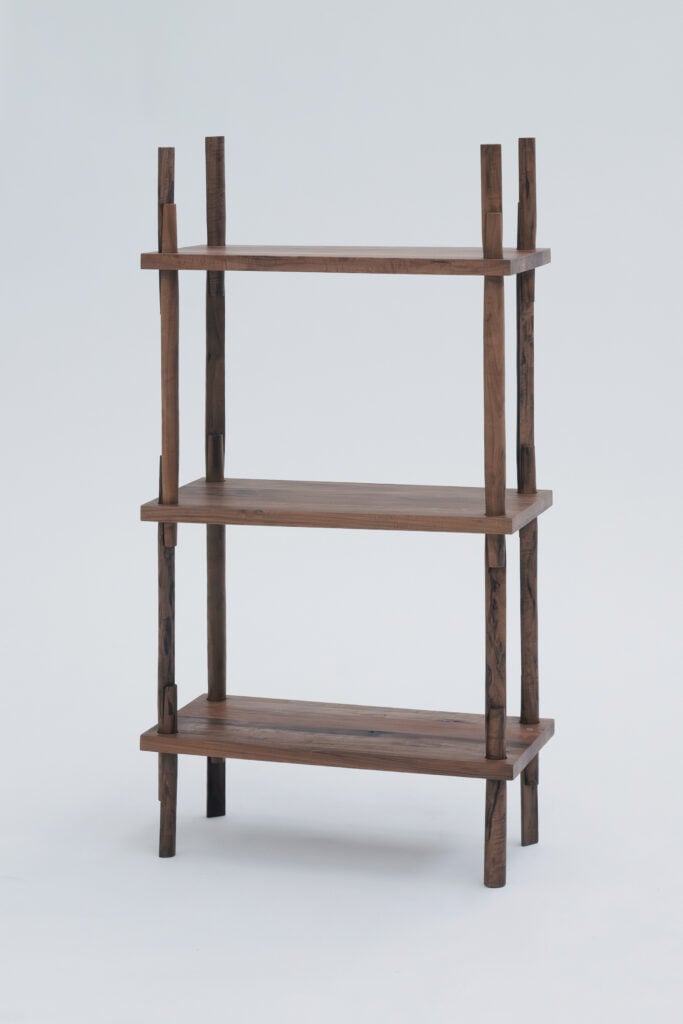
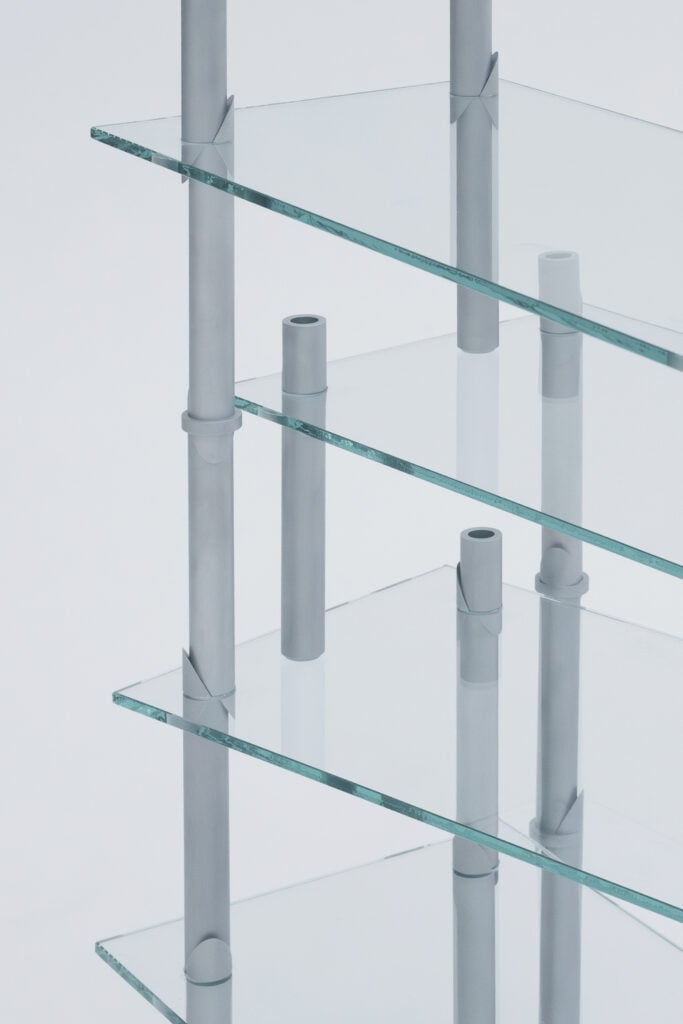
Of note at Ukurant was Ludwig Bachmann’s Distant Relative concept: two shelves, one in wood and the other in metal, both constructed using the same slightly fragmented and offset, yet still connected, structural system. The message: idiosyncratic shapes inherent to nature can get the job done as well as the streamlined rectilinear forms to which we’ve grown accustomed. There isn’t necessarily a need for the extraneous, energy-consuming refinement procedures normally involved in hewing minimalist components to create sturdy furniture.
At other circle, another independent talent group exhibition that also showcases brands like USM and Petite Friture—Milan-based Canadian designer Chris Fusaro presented his Tortiglioni Stool with recently established Paris gallery Sausset Leou. The design is also fragmented, made up of cast bronze, collaged-together pieces of pasta. Could this unlikely foodstuff or any other more granular upcycled elements be used to create fully functional furnishings at scale?
The Value of Play
Apparent across 3daysofdesign, the solid foundation of mid-20th-century Danish—overall Scandinavian—design often serves as a springboard for nascent, at times radical, reassessment; a standard to rebel against: retool form and function to better meet current demand; revise production models and notions of sustainability; engineer adaptability and even facilitate play.
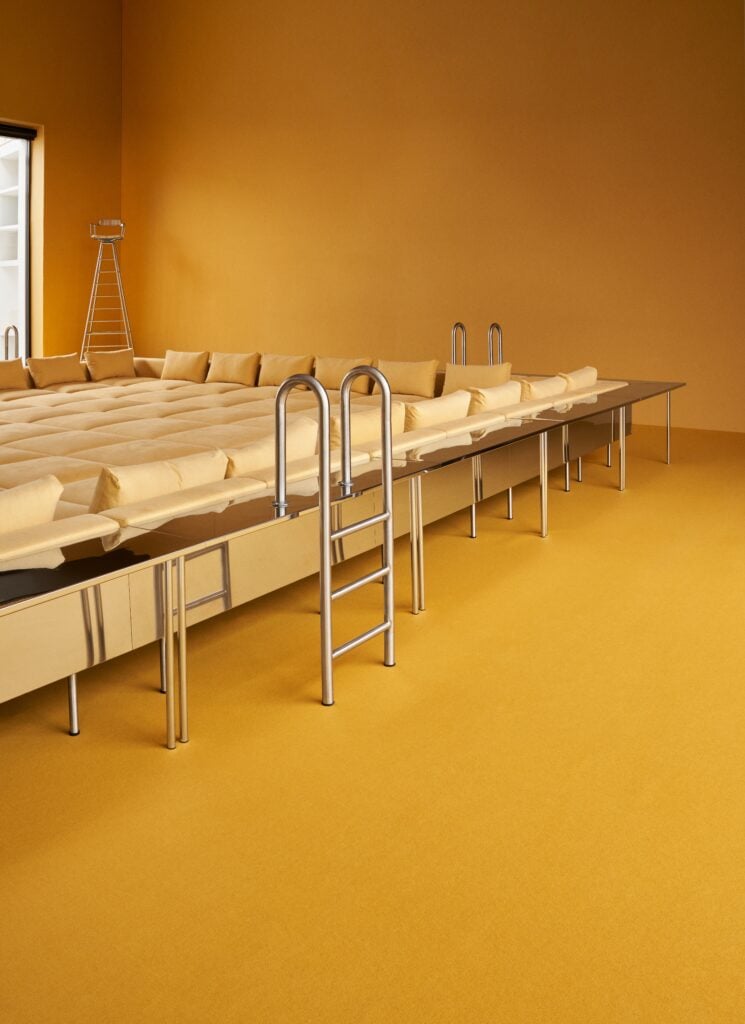
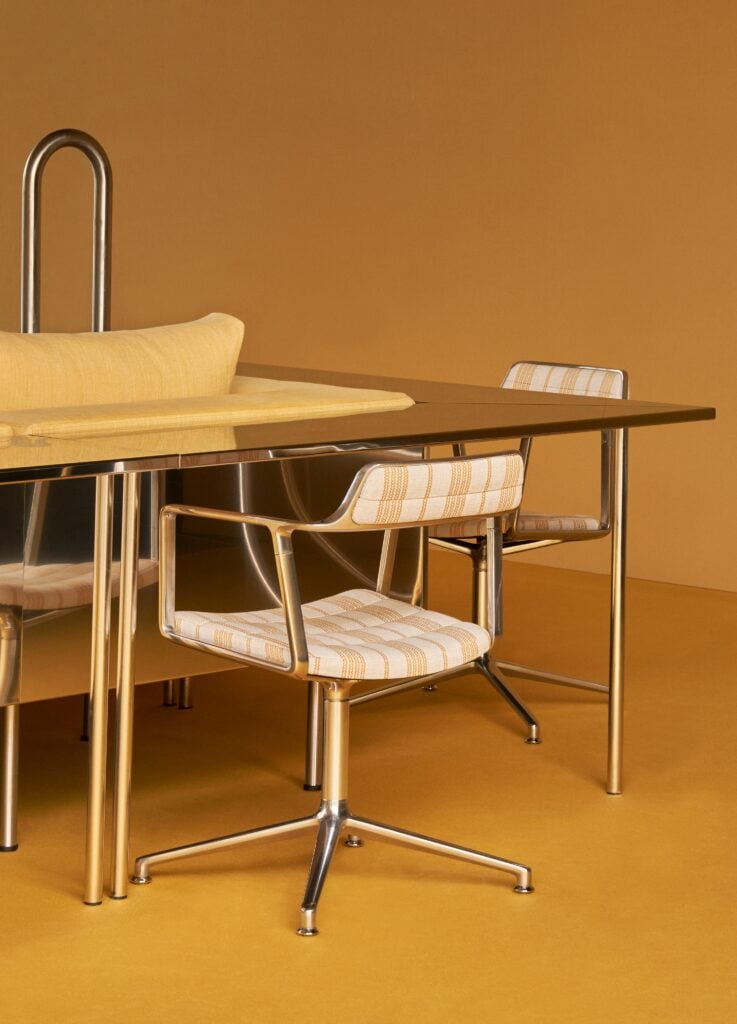
The latter was a common trend this year. Ever adventurous and agile in its approach, fourth-generation kitchen and garbage can producer Vipp teamed up with Barcelona-based architecture firm Mesura on a yellow-toned playscape that cleverly uses its full range, showing how products can be repurposed for different functions. The temporary guest house concept—the brand runs over a dozen distinct properties around the world—featured a massive conversation pit, a seesaw, and lifeguard chairs. All elements, including the carpeting and wallcovering, are set to be reused.
The presentation was photographed and posted thousands of times, but was, perhaps most importantly, experienced in person. Increasingly, these two conditions, previously thought of as opposed, can coexist.
The Modeled Lived Environment
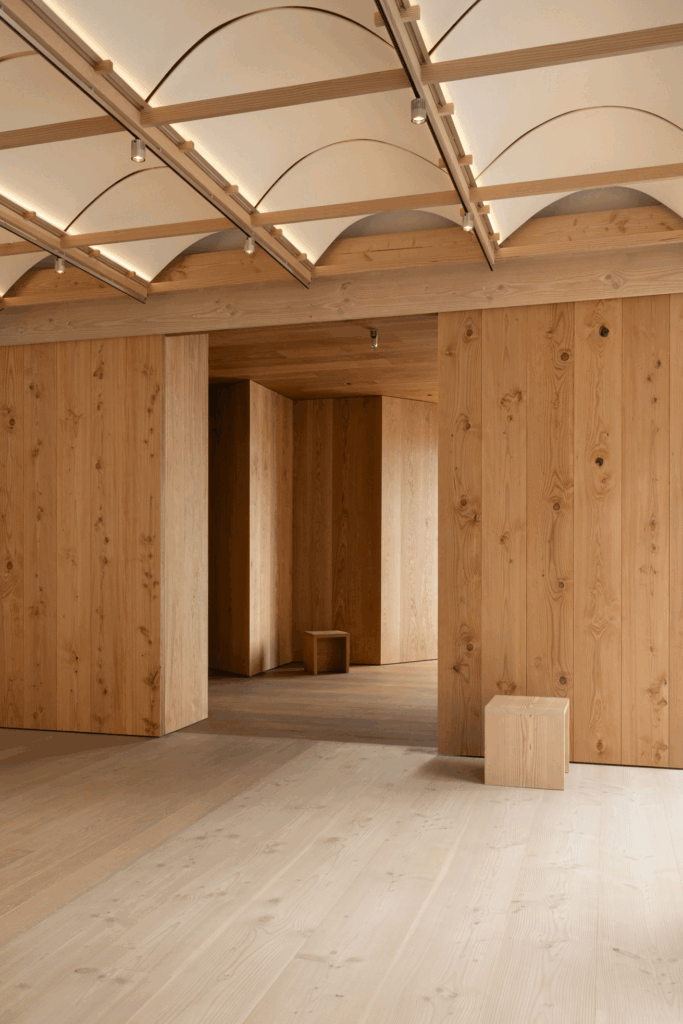
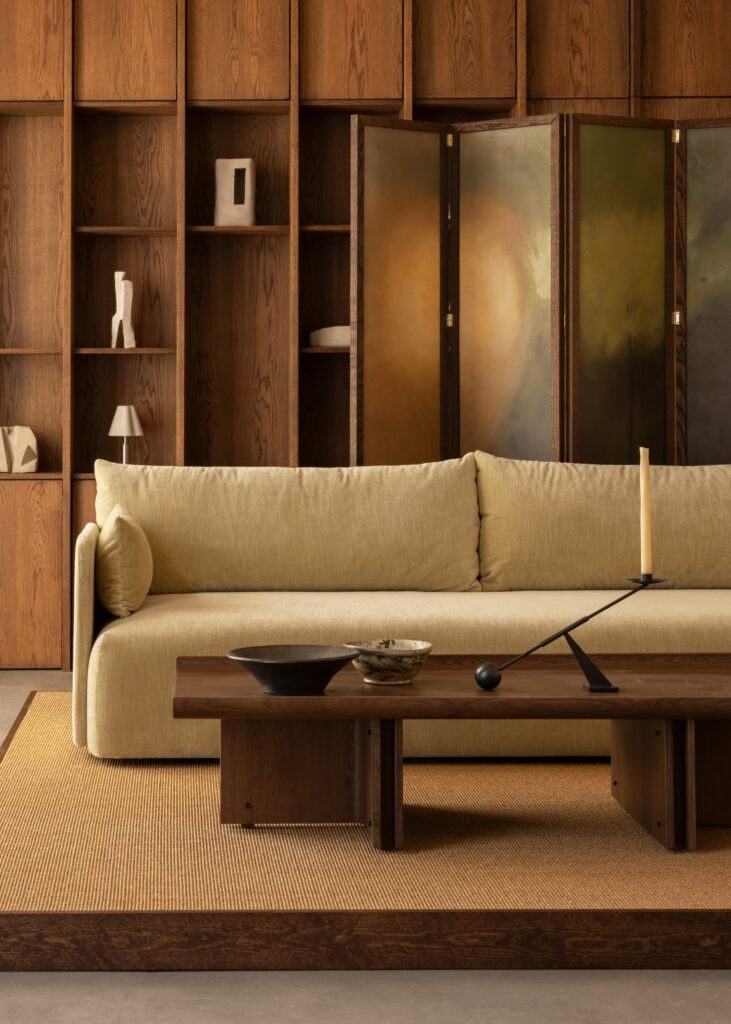
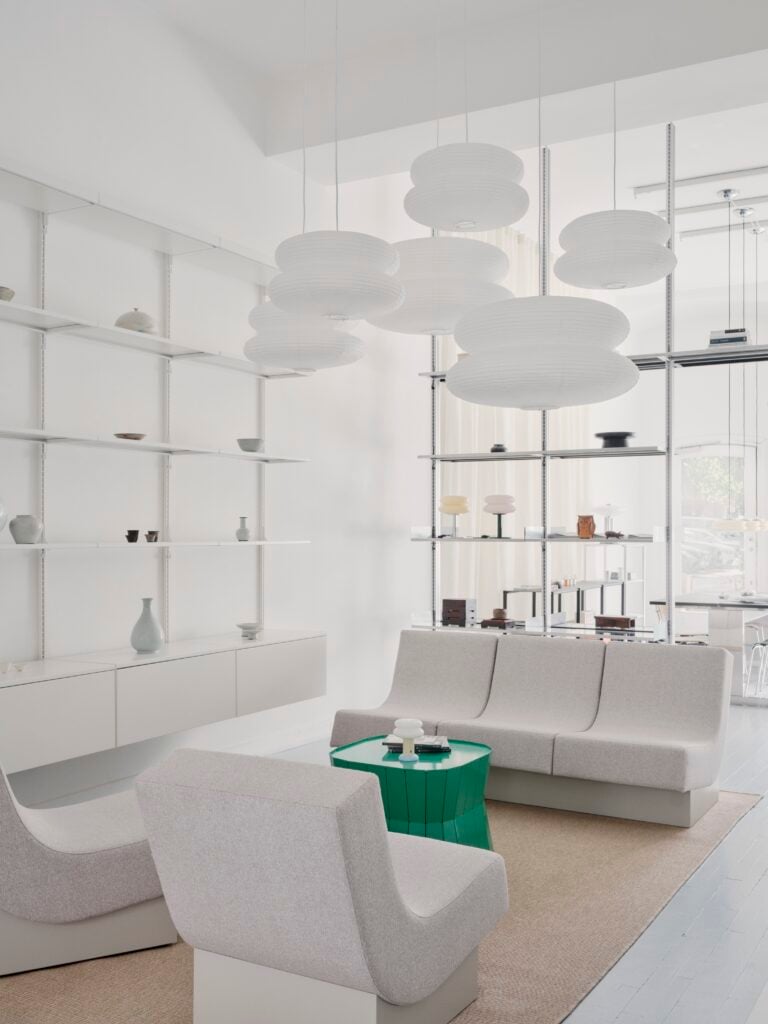
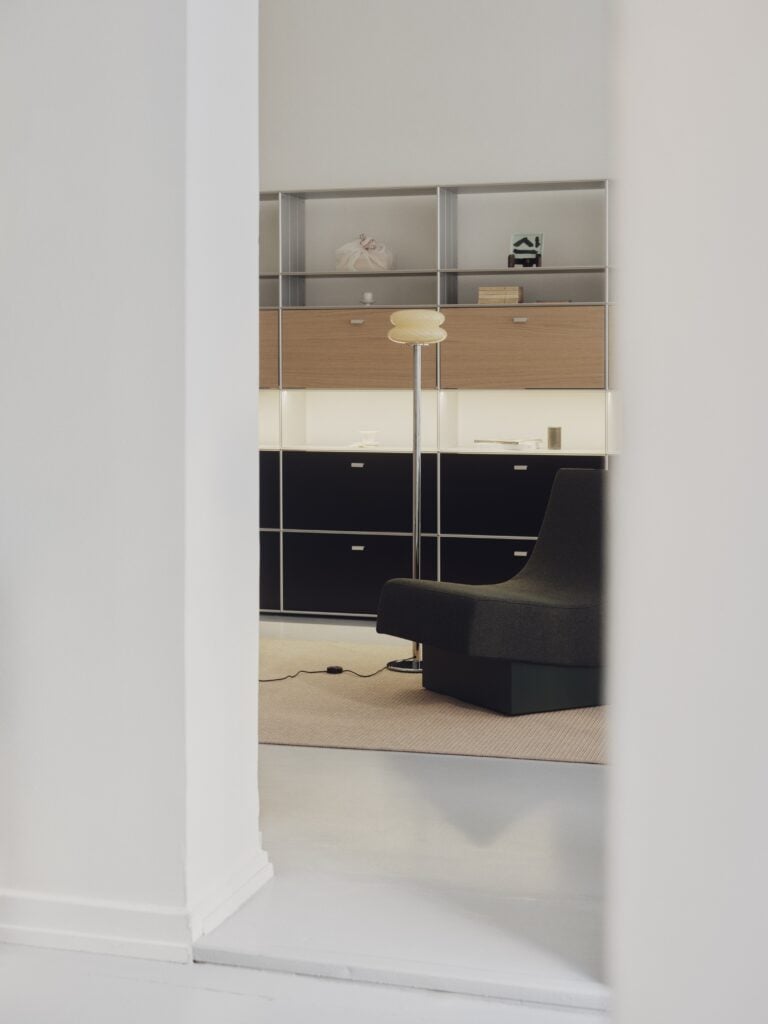
Within its multipronged Nordhavnen complex, major Danish furniture producer Audo chose to debut six new products within a series of more subdued vignettes, presenting the releases alongside existing furnishings and paintings of pastoral scenes. The “Quiet Grandeur” showcase championed atmosphere, tactility, and connection over bombastic theatricality. Sustainable wood flooring purveyor Dinesen tapped architecture studio Office Kim Lenschow to transform its showroom into a series of quieter rooms within rooms more akin to the scale of domestic space.
Several “lived environment” exhibitions saw smaller, complementary start-ups—especially from the same scene or geographic context—join forces. Take the Portrait of Korean Living exhibit staged at the local gallery Etage Projects. In this plausibly modeled “lived environment,” Seoul-based modular shelving unit manufacturer rareraw, portable lamp company ILKW, and minimalist furnishings company Flat Point positioned their products together and filled the display with accessories and personal items selected by their respective founders.
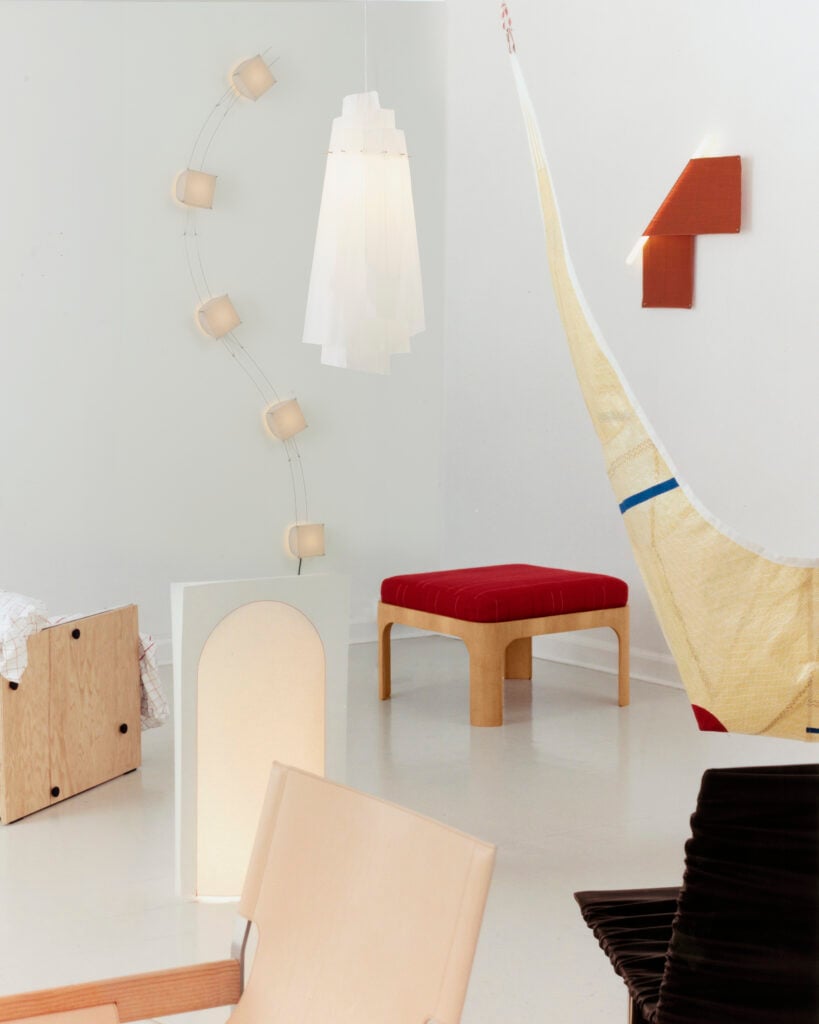
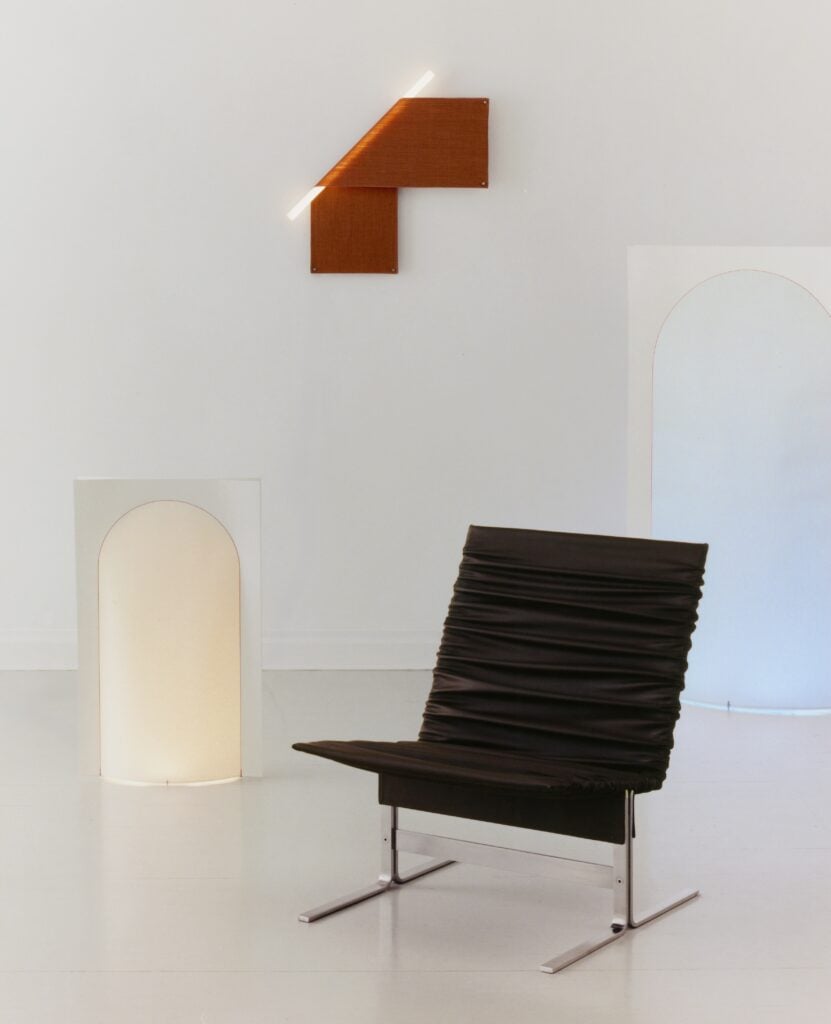
Other exhibitors were keen to present process material and the apparatus involved, almost as a way of affirming authenticity and rigor and holding true to the honest assembly principle that underlies the Danish and Scandinavian design canon. VÆRKTØJ—a new format gallery dedicated to highlighting the importance of tools—staged its third edition thematic group show. This year’s exhibition focused on the sewing machine—a device found in both industrial and domestic settings. The tightly curated presentation brought together vastly different yet purpose-designed and theme-responsive furniture, lighting, and textile concepts by the likes of Erwan Bouroullec, Lærke Ryom, and Louise Campbell.
This transparent approach sets an important precedent when considering design’s impact on the environment; both its embodied and operational carbon footprint. It’s no longer enough to claim that a craft-led approach is more responsible ambiguously. Producers need to show how.
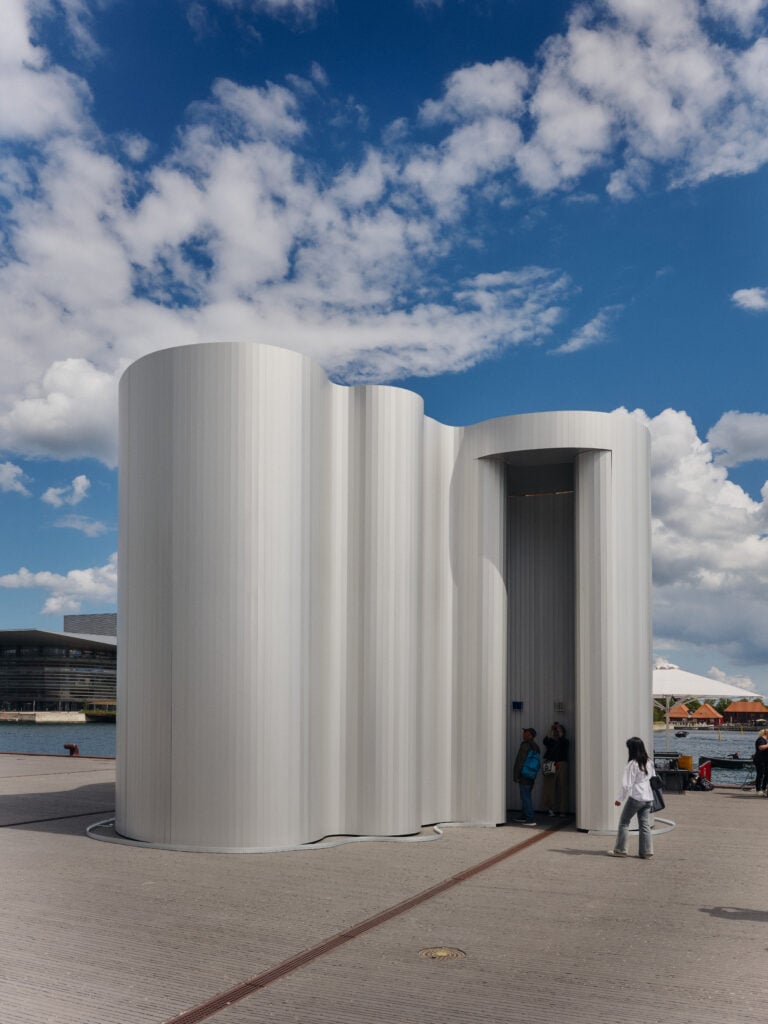
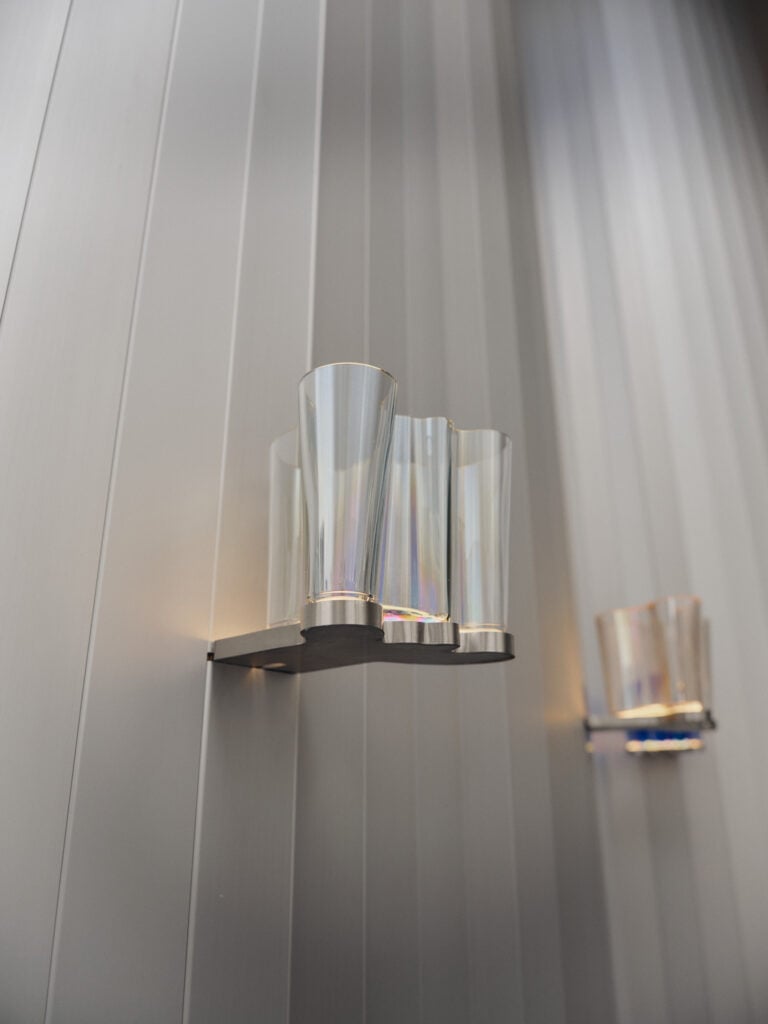
This year’s 3daysofdesign did see a few unrelated companies “creep in” with activations, but not the degree or unchecked gall seen at the Milan Design Week earlier this spring. These installations were far more rooted in the idea of reinterpreting and celebrating the local design heritage. An event partner, Delta Airlines chose to commemorate its 35 years serving Copenhagen with the Flow State lounge. Designed by Danish talent Yasmin Edgecombe, the courtyard environment—equipped for both quiet reflection and communal exchange—reflected the Scandinavian design principles of simplicity and functionality. Even more impressive was the collaboration between Norwegian sustainable metal purveyor Hydro and heritage Finnish glassware company Iittala. The former translated the latter’s seminal Alvar Aalto-designed vase into a 22-foot-high low-carbon aluminum pavilion placed right next to the port.
Brand-Sponsored Experimentation
If anything, brands presenting here are interested in supporting young, independent designers actually experimenting; talents challenging typological and material property standards with their proprietary solutions and extensive resources, demonstrating that finding new uses for materials is inherently resourceful and, in turn, sustainable to a certain degree.
Copenhagen recycled-sawdust and e-waste composite brand Mater teamed with exhibition platform Materia, multidisciplinary practice TABLEAU, and limited-edition producer Edition Solenne on a special project that saw internationally recognized designers such as Sophie Dries and Lea Colombo implement the board material in decidedly varied articulations, demonstrating its versatility and malleability. Dutch talent Willem Van Hooff chose to create a classic filing cabinet, but in his true poetic fashion, inscribed its surface with graffiti-like depictions recounting the steps of the making process.
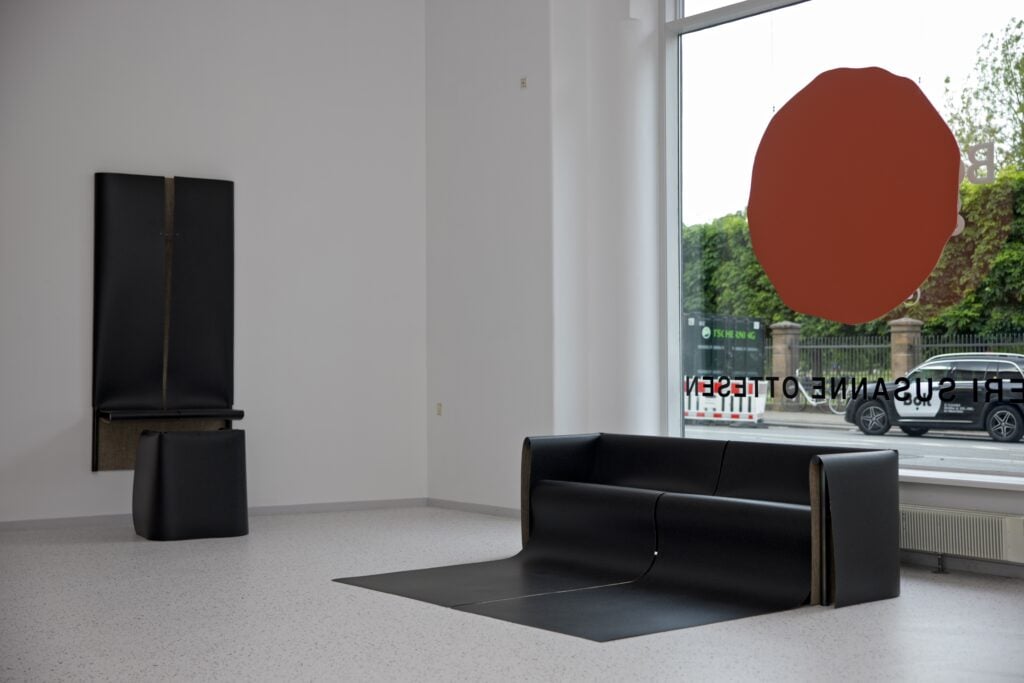
French circular flooring producer Tarkett tapped ever-innovative independent talent Laurids Gallée and Christian+Jade to use its vast product range in new, unexpected ways. While the former delved deep into the potential of post-use vinyl as a material perfectly suited to more elevated decorative marquetry, the latter explores the use of linoleum as draped upholstery, an ingenious extension that seamlessly flows from the armature of a sofa into a rug.
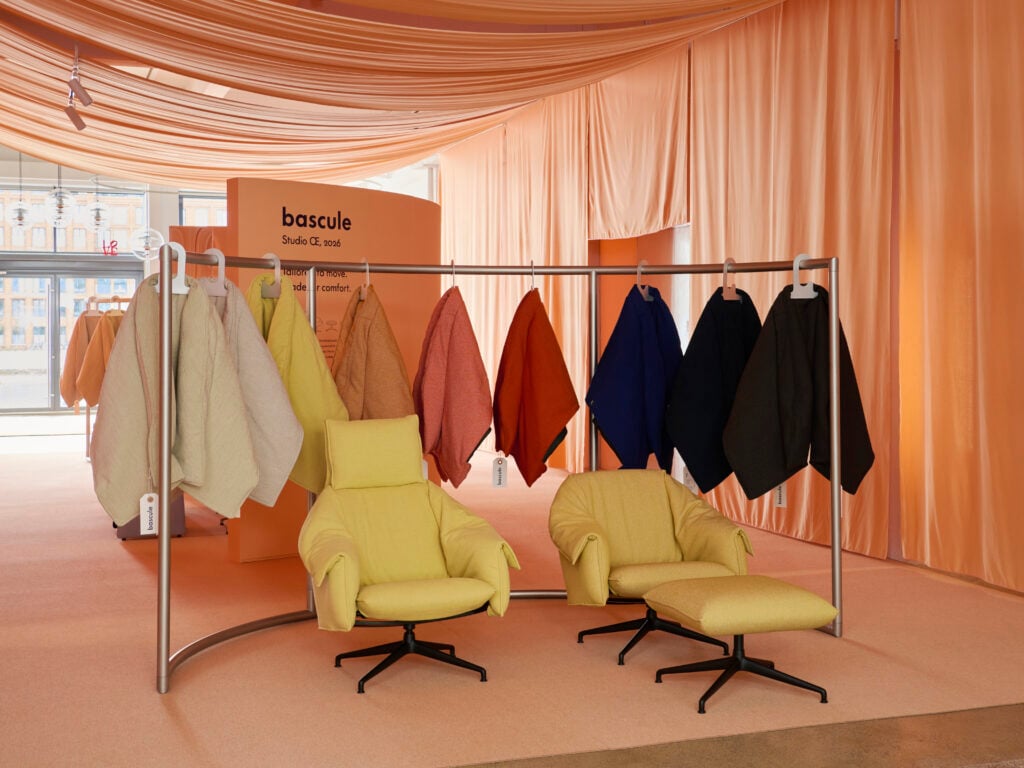
Draped seating was another popular current at this year’s 3daysofdesign. In a rare move for the Swiss producer, Vitra chose this occasion to introduce the entirely new Studio Œ-designed Bascule lounge chair. The plush, slightly frumpy settee is defined by its removable “jacket” upholstery. This approach reflects a growing push in the industry to engineer products that can be more easily taken apart, refurbished, and reintroduced. It also accounts for human behavior and our unceasing appetite for change, constantly outfitting our interiors with new products, forms, colors, and patterns.
Rethinking Function and Material, Not Just Form
There’s no denying that clever typological reconfiguration was all the rage at this edition of 3daysofdesign. Adjacency—the pairing or melding of two unlikely disciplines, techniques, or formal expressions—was apparent in everything from new textile designs to cutlery and ceramic finishes.
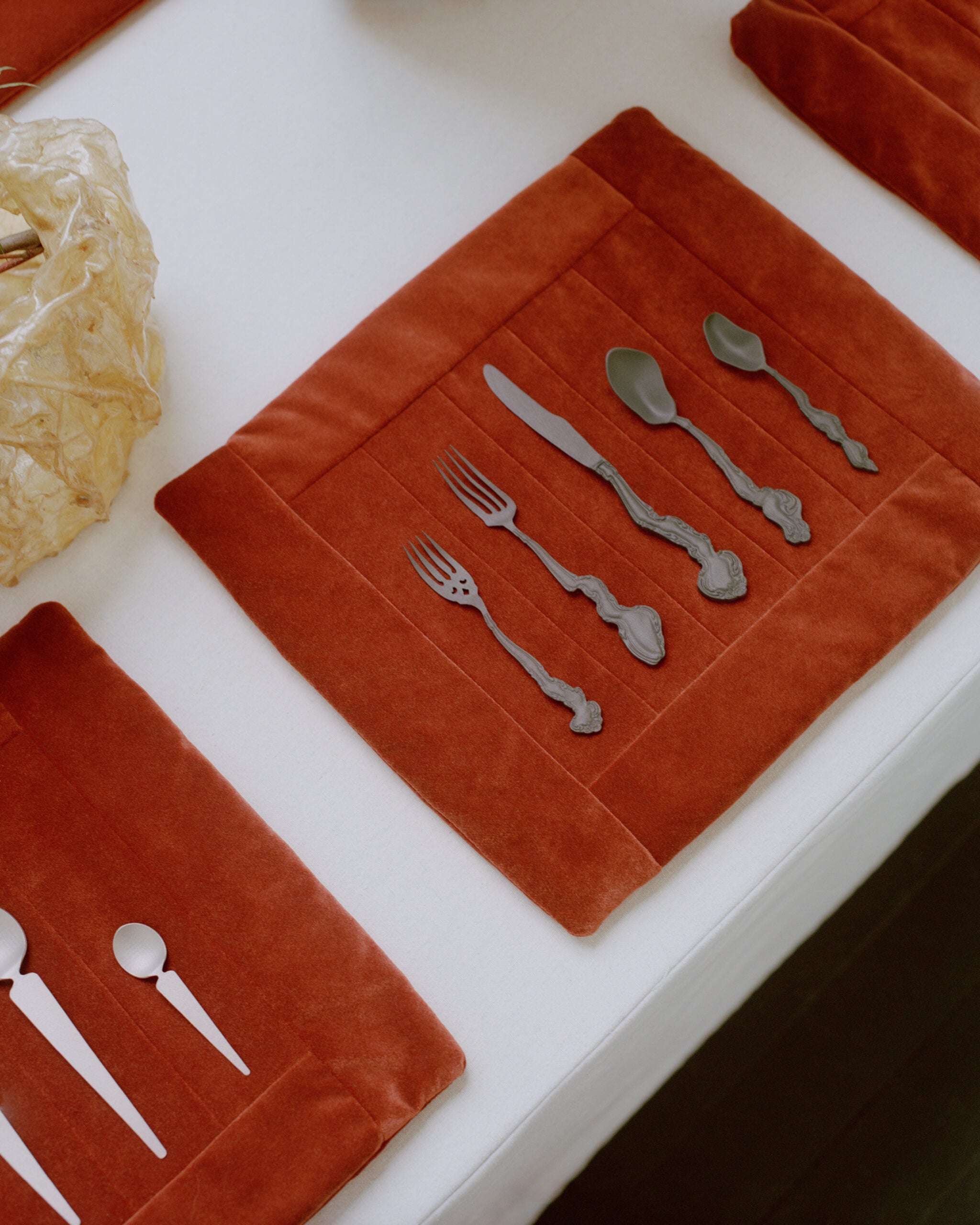
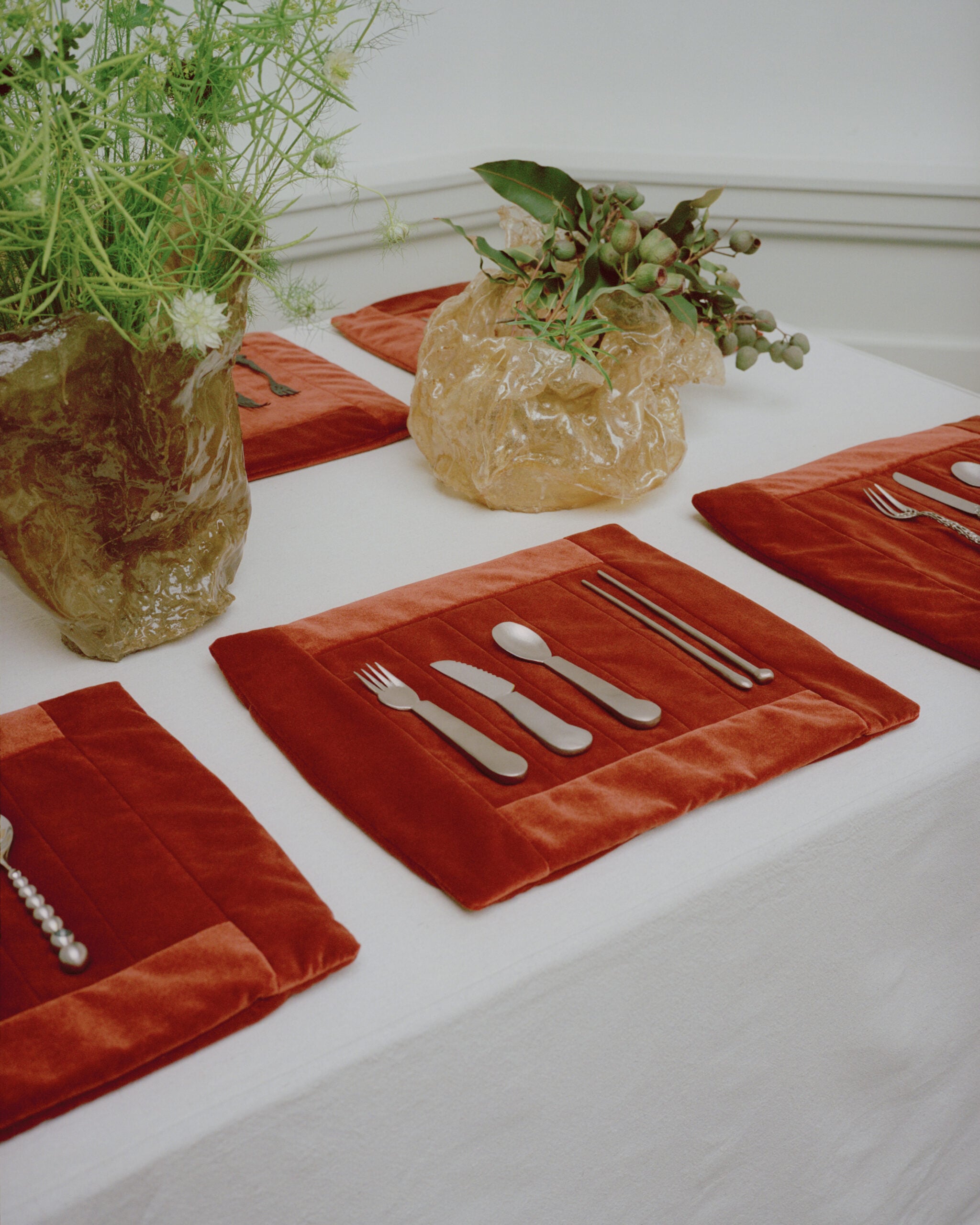
At revered lifestyle magazine Ark Journal’s blockbuster “Design Dialogue” group showcase, Los Angeles collectible design gallery Marta teamed up with independent curator Dung Ngo to present an extended sampling of his Denver Art Museum “Knife Fork Spoon” exhibition. On view were clever stylistic and functionally divisive riffs that take on these oft-overlooked utensils by the likes of Misha Kahn, Charlap Hyman Herrero, and SO-IL. At Deoron, one of the independent talent showcases, New York-based Danish talent Michael Daae Christensen (Studio Daae) exhibited Domestic Partition, a folding screen that, in a simple yet adroit gesture, incorporates window blinds.
Australian company Nau introduced the Breeze outdoor dining table, a kit-of-parts design. Designed by Sydney-based industrial designer Nick Rennie, the concept draws inspiration from highly ornamental pavers, especially those that clad Australian beachside boardwalks. The modular, easily expandable table top is made-up of removable open-structure tiles and like the Vitra Bascule is imbued with a longer life.
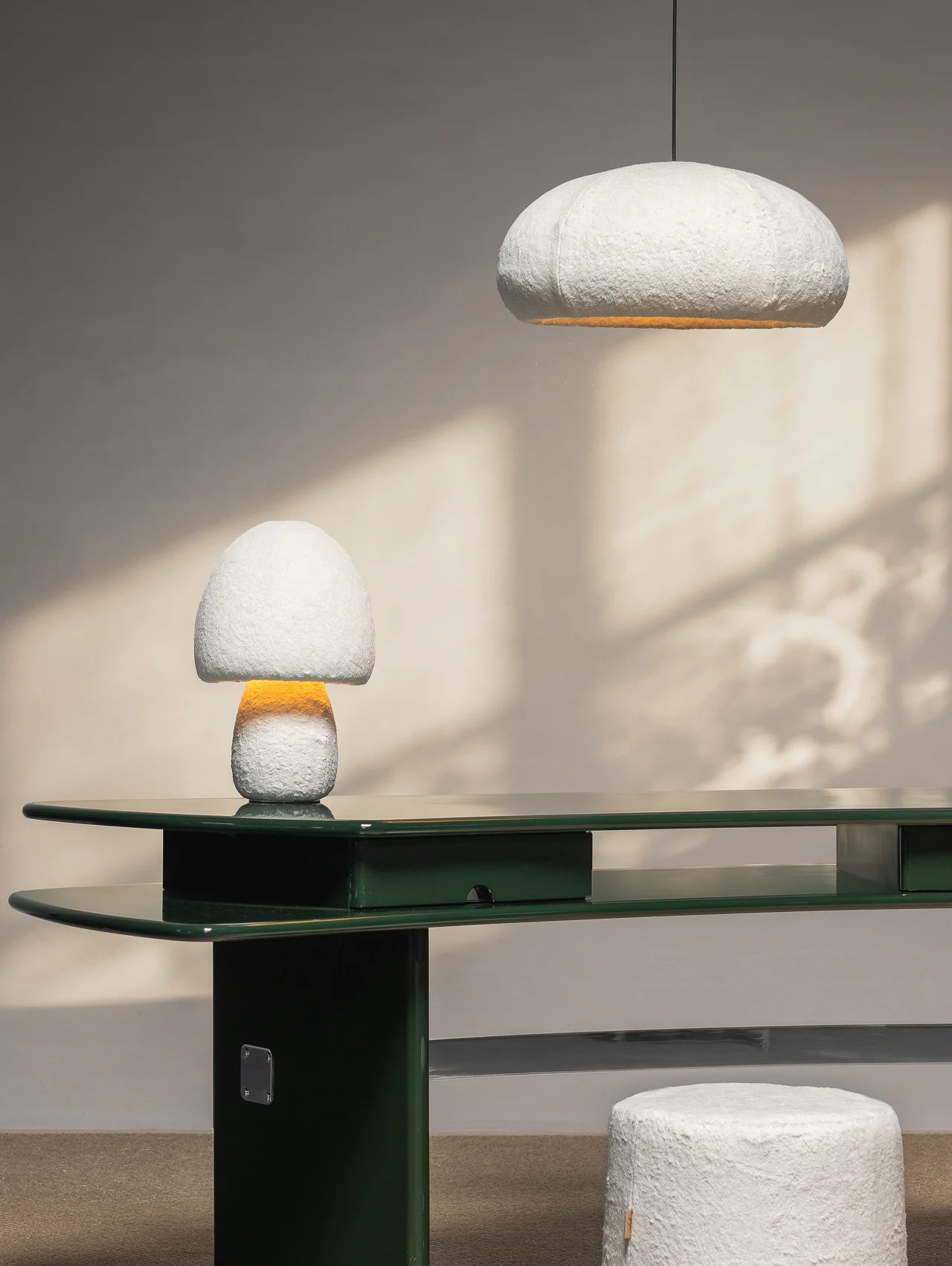
Perhaps the most poignant showcase at 3daysofdesign for sustainability is the annual Material Matters exhibit. Highlights at this edition were Aifunghi’s collaboration with celebrated Italian designer Elisa Uberti. Produced using increasingly fortified mycelium-based composite (MCB), the Eryngi Pendant Lamp takes on an aesthetic and formal vocabulary all its own; qualities it couldn’t achieve in another more traditional material.
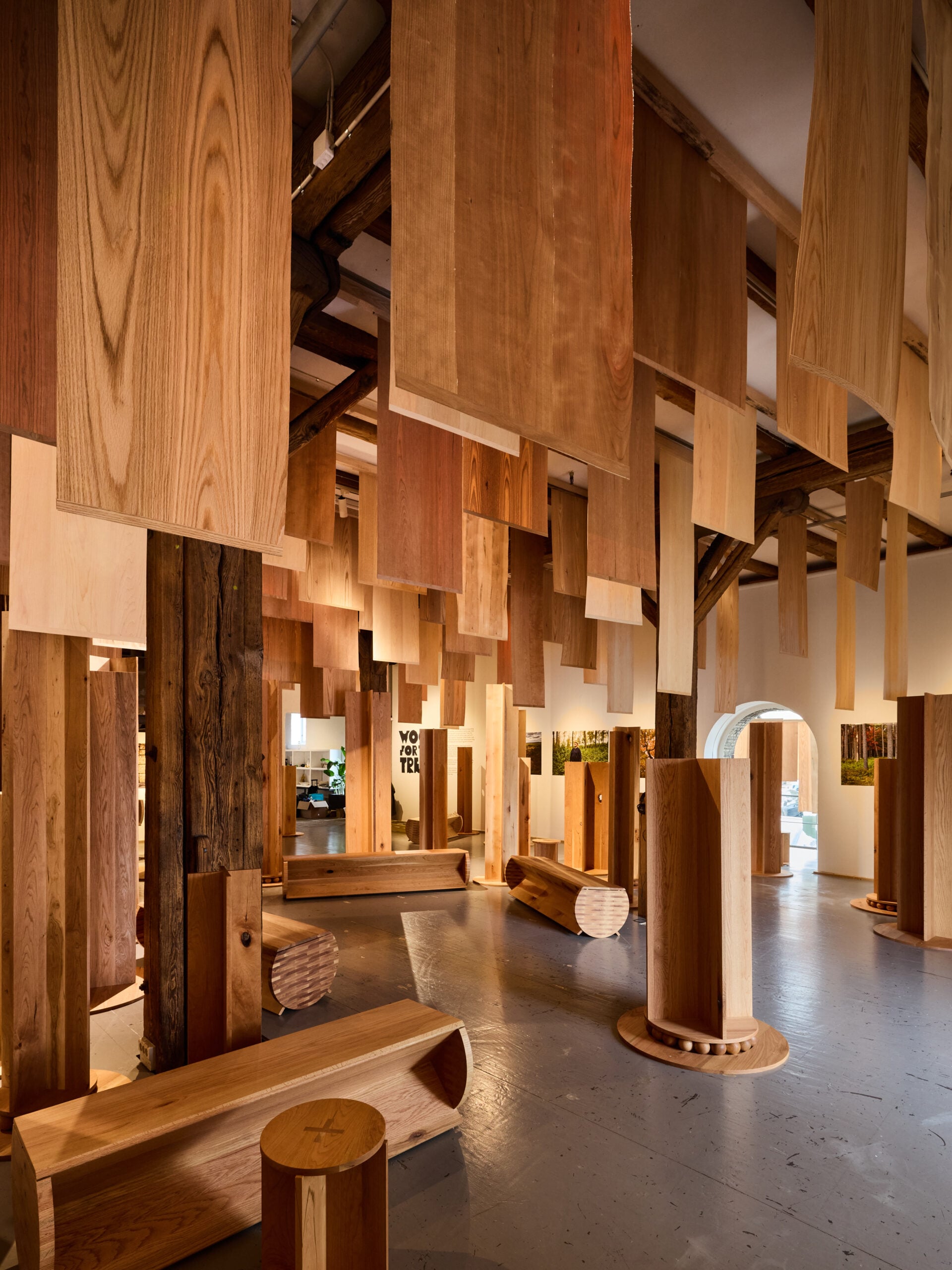
Also on view was the American Hardwood Export Council’s Wood For Trees installation mounted by London-based design studio Mitre & Monday; a practice that focuses on systemic, social, and environmental change, regenerative materials, and design for reuse and repair. Like the previously mentioned tool and process displays, this showcase was intended to educate non-expert visitors about the lifecycle of responsibly sourced timber, offering insights into better forestry and milling practices.
Would you like to comment on this article? Send your thoughts to: [email protected]
Latest
Viewpoints
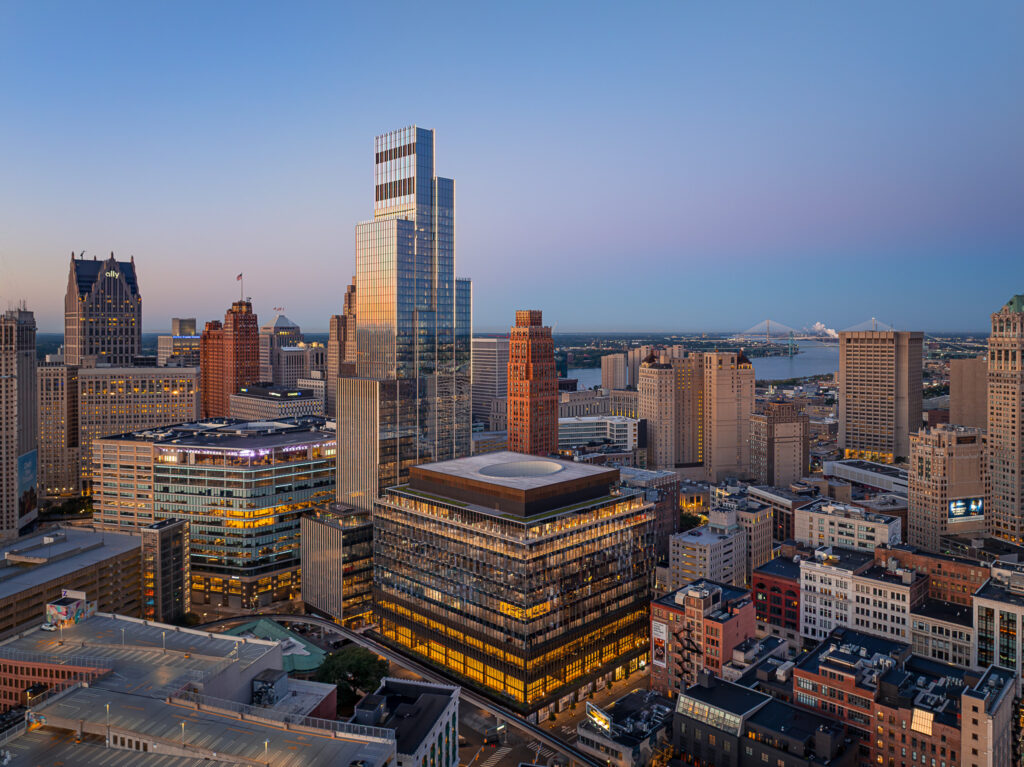
Detroit Month of Design: A City’s Work in Progress
Now in its 16th year, the celebration offers insights into the Motor City’s ongoing accomplishments without glossing over its hurdles.
Projects
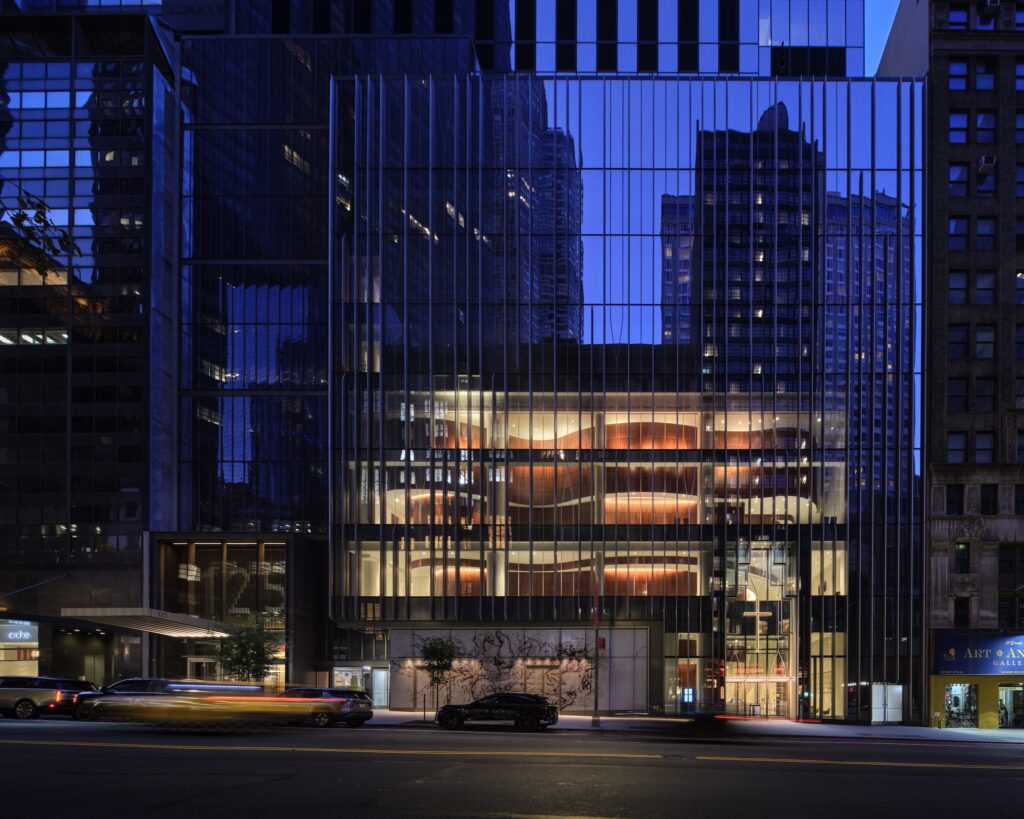
How a Hybrid Building Helped an Historic Manhattan Congregation Remain in Place
On Billionaire’s Row, FX Collaborative designed a new home for Calvary Baptist Church combined with an office tower.