



June 23, 2026
10 Standout Biobased Materials from NeoCon 2026
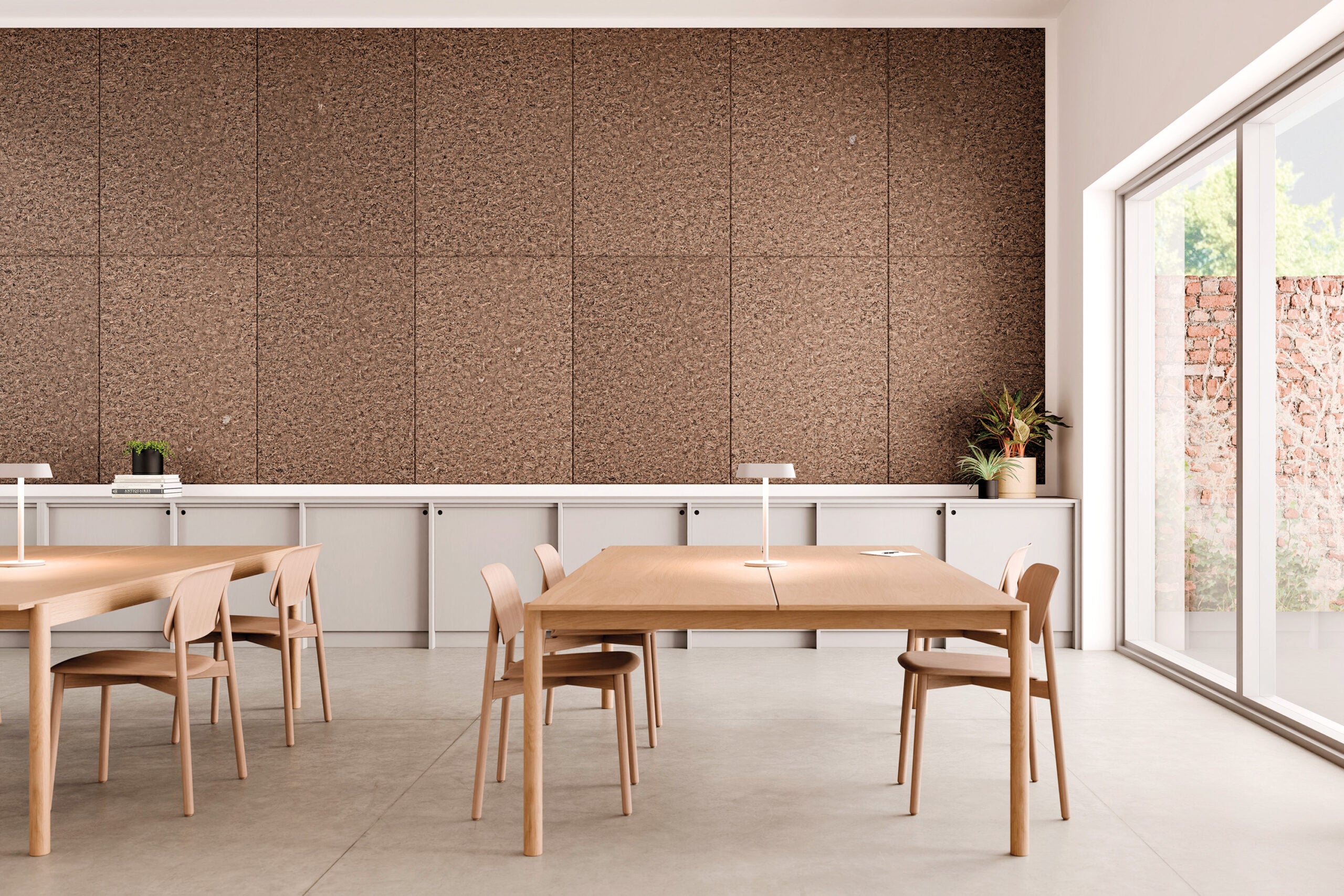
For the METROPOLIS Sustainability Lab at NeoCon in Chicago, June 7–10, 2026, we curated a special exhibition, Grown for Good, that showcased the best of biobased materials over the past two years. In line with this year’s fair theme, “Good is Fun,” the exhibit highlighted how responsible design can also be joyful, engaging, and inspiring.
From flax and cork to mycelium and bioplastics, the following materials and products show that not only is research into biobased materials good and fun, it is necessary in building a sustainable design ecosystem for future generations.
ANDREU WORLD
BIO Thermopolymer
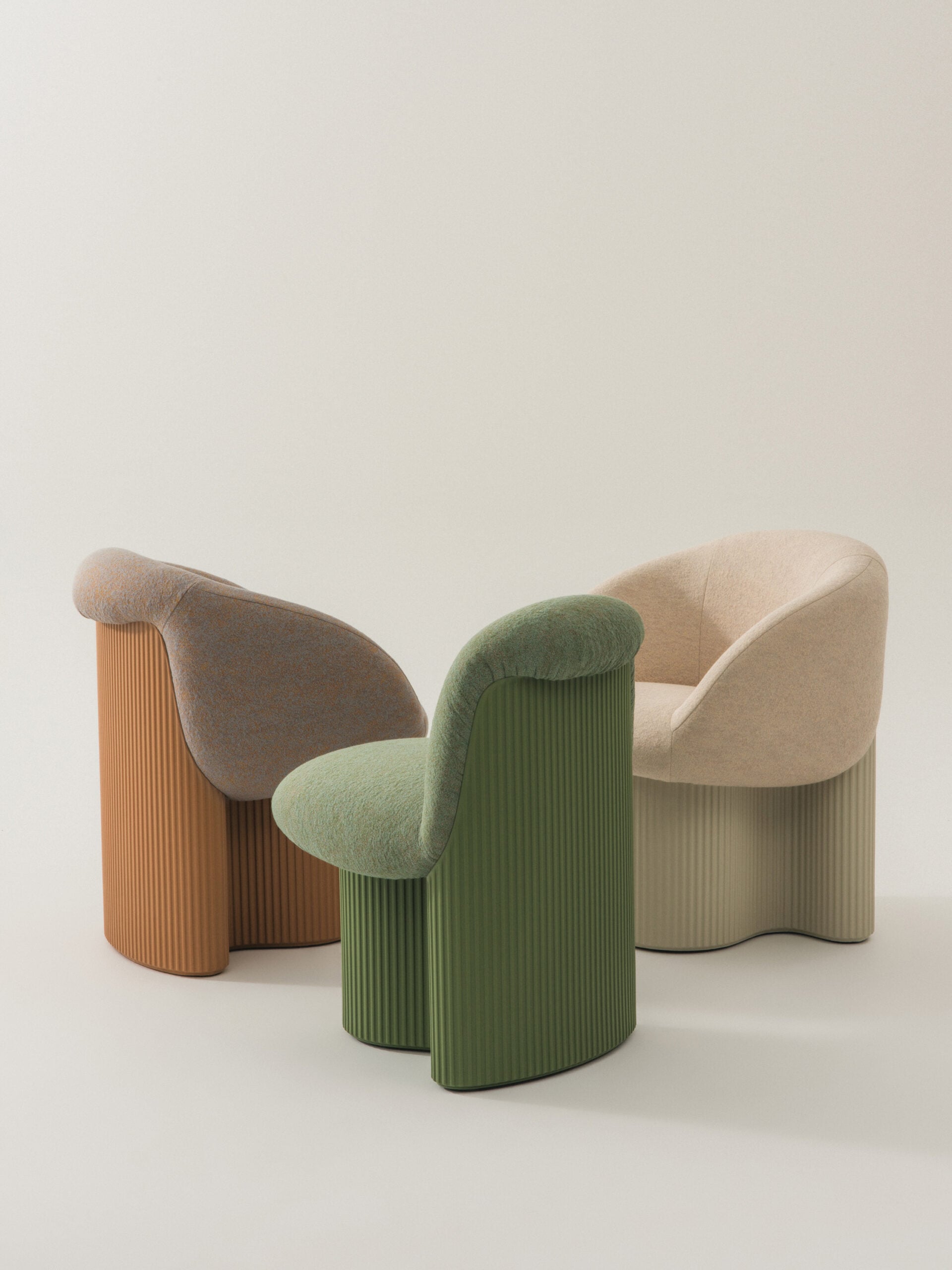
Andreu World’s BIO thermopolymer is a 100-percent biodegradable and compostable material made from living microorganisms through the fermentation of genetically modified bacteria. The material has achieved 4-star certification—the highest level granted by the OK BIOBASED seal of TÜV Austria—and is available in ten colors selected by Patricia Urquiola. Pictured: Urquiola’s Bolete Lounge BIO.

DZEK
FLAXWOOD
Developed by London-based architectural materials studio Dzek and Dutch designer Christien Meindertsma, Flaxwood is a natural architectural tile derived from linseed oil. Debuted at Milan Design Week 2024, the pilot tile collection was made by disrupting traditional linoleum production midprocess in order to create “a more natural, three-dimensional expression of an inherently renewable, biodegradable material.” Flax has been central to Meindertsma’s practice since 2012, and the designer has extensively researched the linoleum system, from material supply chains to production methodologies. While not commercially available, Flaxwood has been included in multiple exhibitions—including a commission by the V&A—and the team is eager to explore future applications of the material.

EKOA
COLOR BURST COLLECTION
Winner of a METROPOLIS 2025 Planet Positive Award, ekoa by Lingrove is a natural, durable wall covering made from rapidly renewable flax, serving as an alternative to wood or synthetic veneers. Free of Red List chemicals and petroleum-based ingredients, the collection is low-VOC and impact-resistant, with a built-in finish. The collection’s 40 saturated colors add depth and texture to walls, ceilings, and furniture and can be specified for hospitality, health-care, workplace, or residential interiors.
FRONT MATERIALS
MIMMIK TILE
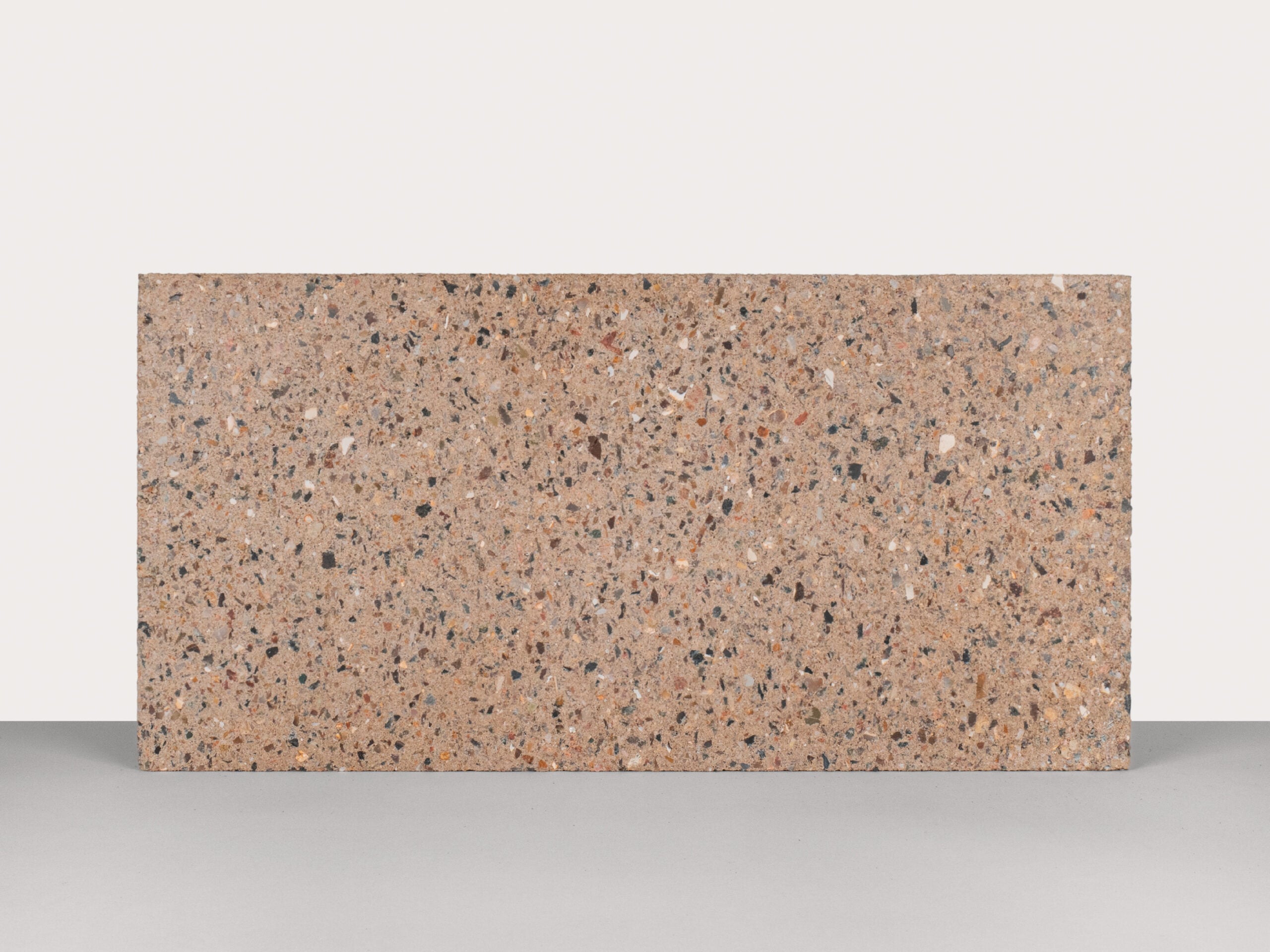
Consisting of 85 percent natural aggregate and 15 percent biologically grown limestone, Front Materials’ Mimmik Tile is the first-ever tile grown with the help of bacteria. Rather than using Portland Cement, the company uses biocement to bind loose sand and rock, meaning that high heat and fossil fuels are not required in the process of making the tiles. By producing the tiles at scale, Front Materials hopes to help architects and designers drastically reduce their carbon footprint.
HAWORTH
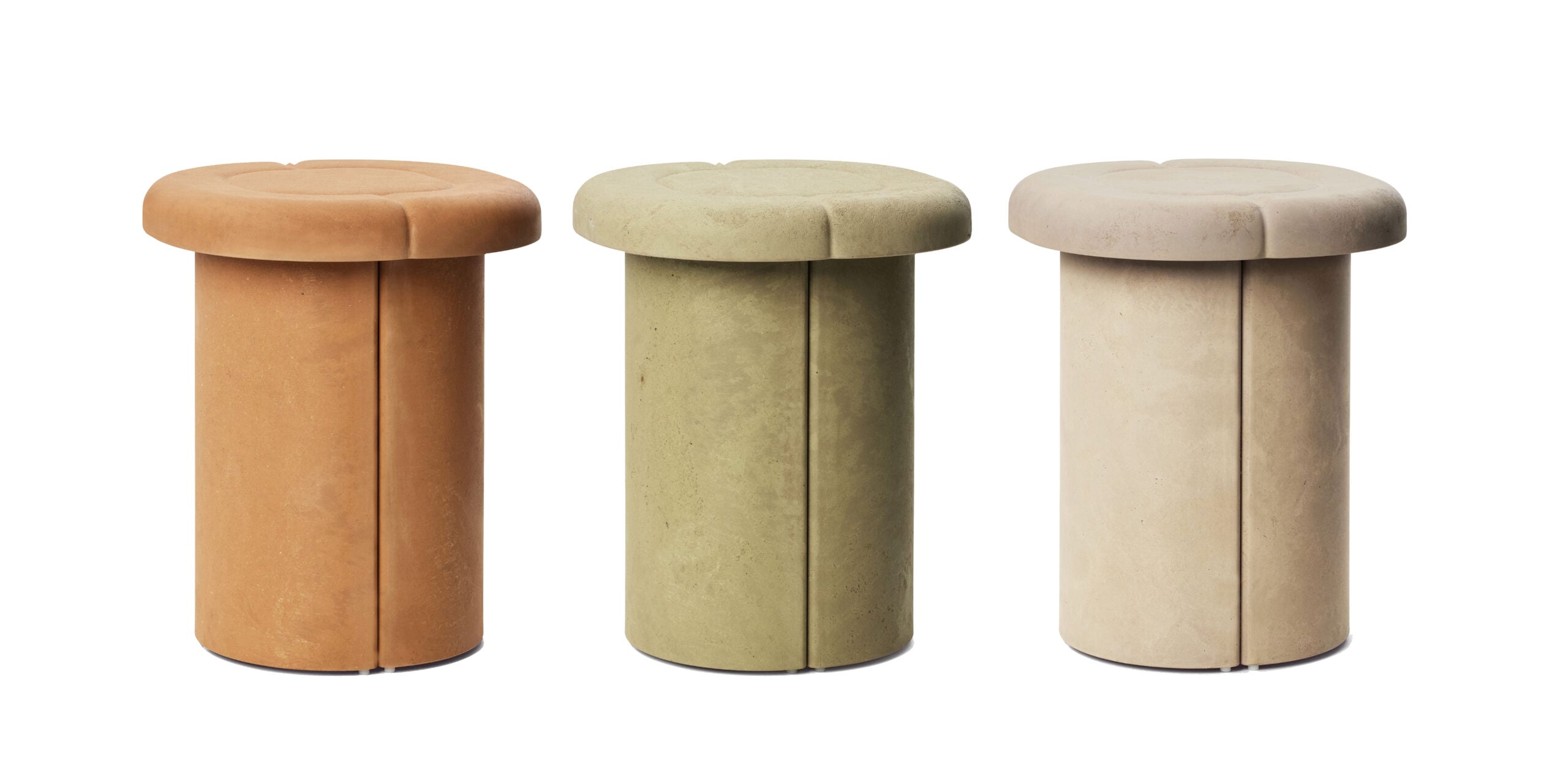
ALDER STOOL BY PATRICIA URQUIOLA
Patricia Urquiola designed this indoor-outdoor furniture collection out of Matek, a patented material developed by Mater that combines biodegradable plastic derived from sugarcane with coffee waste and wood fibers. At the core of each Alder piece is a 94 percent recycled steel frame. The two components—the Matek shell and steel frame—can be disassembled easily at end of life to be composted and recycled, respectively.
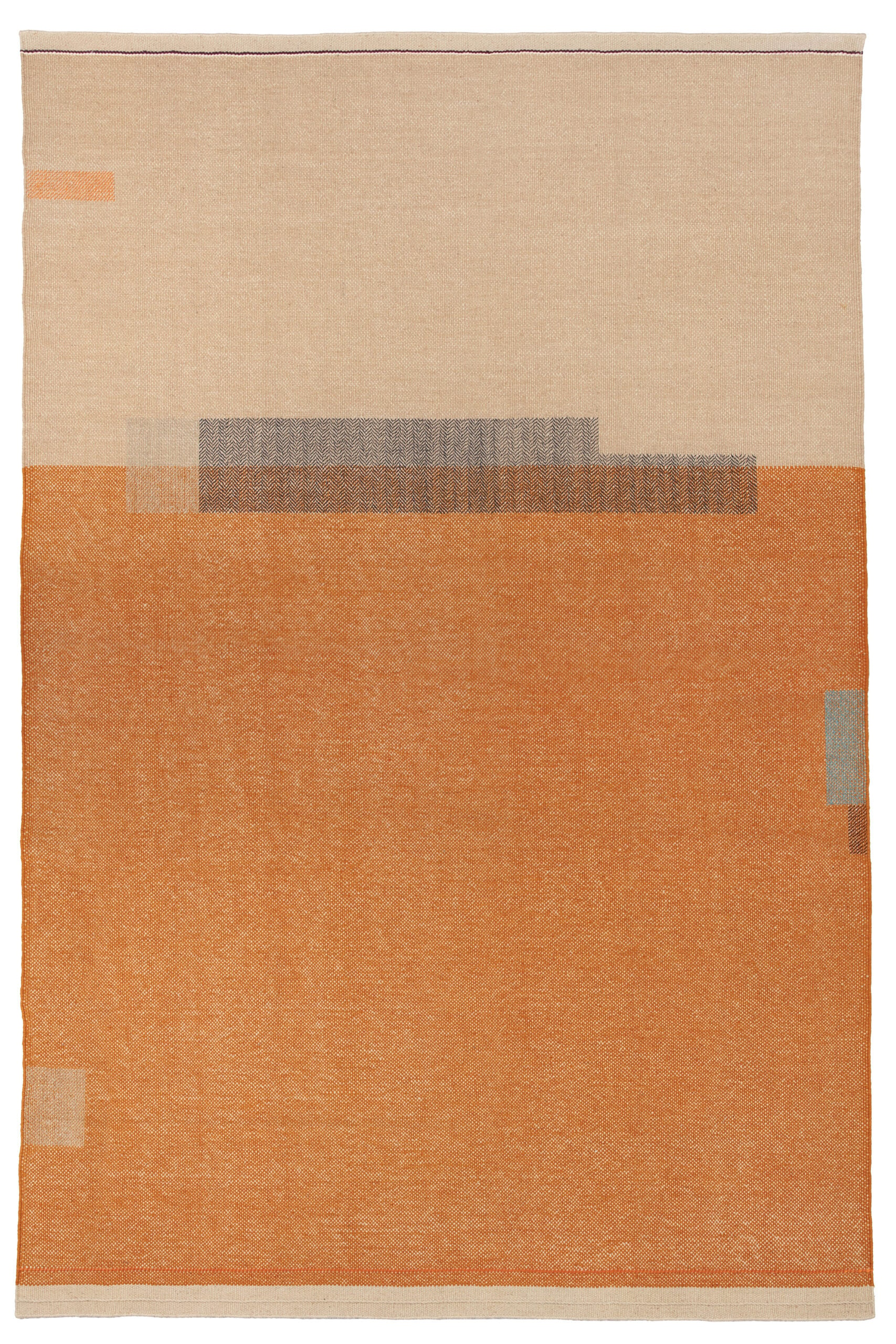
MAHARAM
COMPOSE BY EDITH VAN BERKEL
Made of 95 percent wool, 4 percent silk, and 1 percent cotton, Edith van Berkel’s Compose rug for Maharam is a natural flooring option for interiors with moderate traffic. Available in four sizes and six colorways, the rug is handwoven in Nepal, LBC Red List Free, REACH Compliant, and free of intentionally added PFAS.
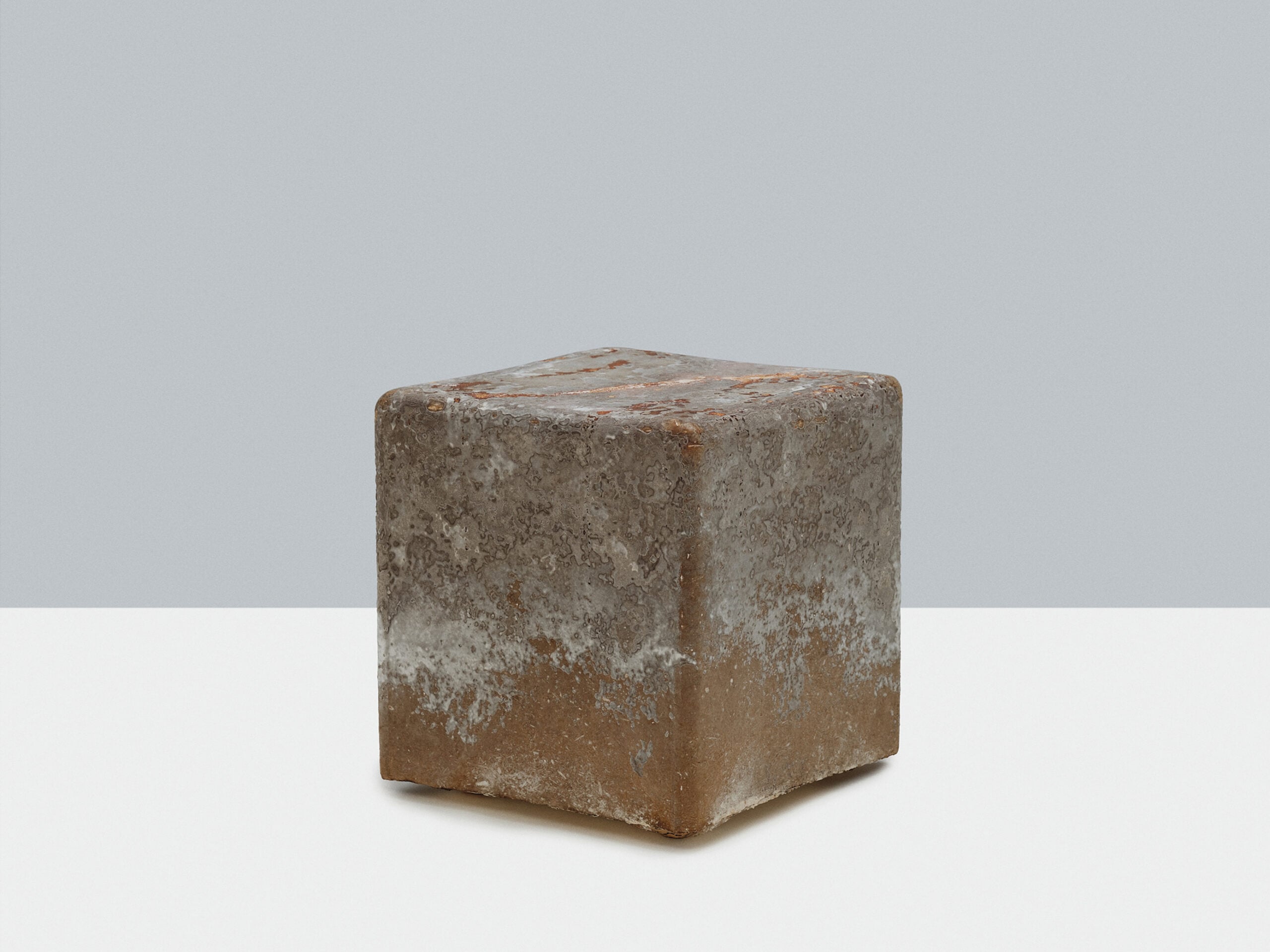
GARDEN ON THE WALL
MYCEEN
Made of mycelium and industrial by-products from wood and paper processing industries, all of Myceen’s products and building materials are carbon-negative and “grown to order.” While the company started by producing objects such as pendant lighting and simple furniture blocks, Myceen is now working on scaling high-performance insulation and acoustic materials through fully automated production technology. Best of all, after use, each biodegradable product and material “can become nutrients for nature.”
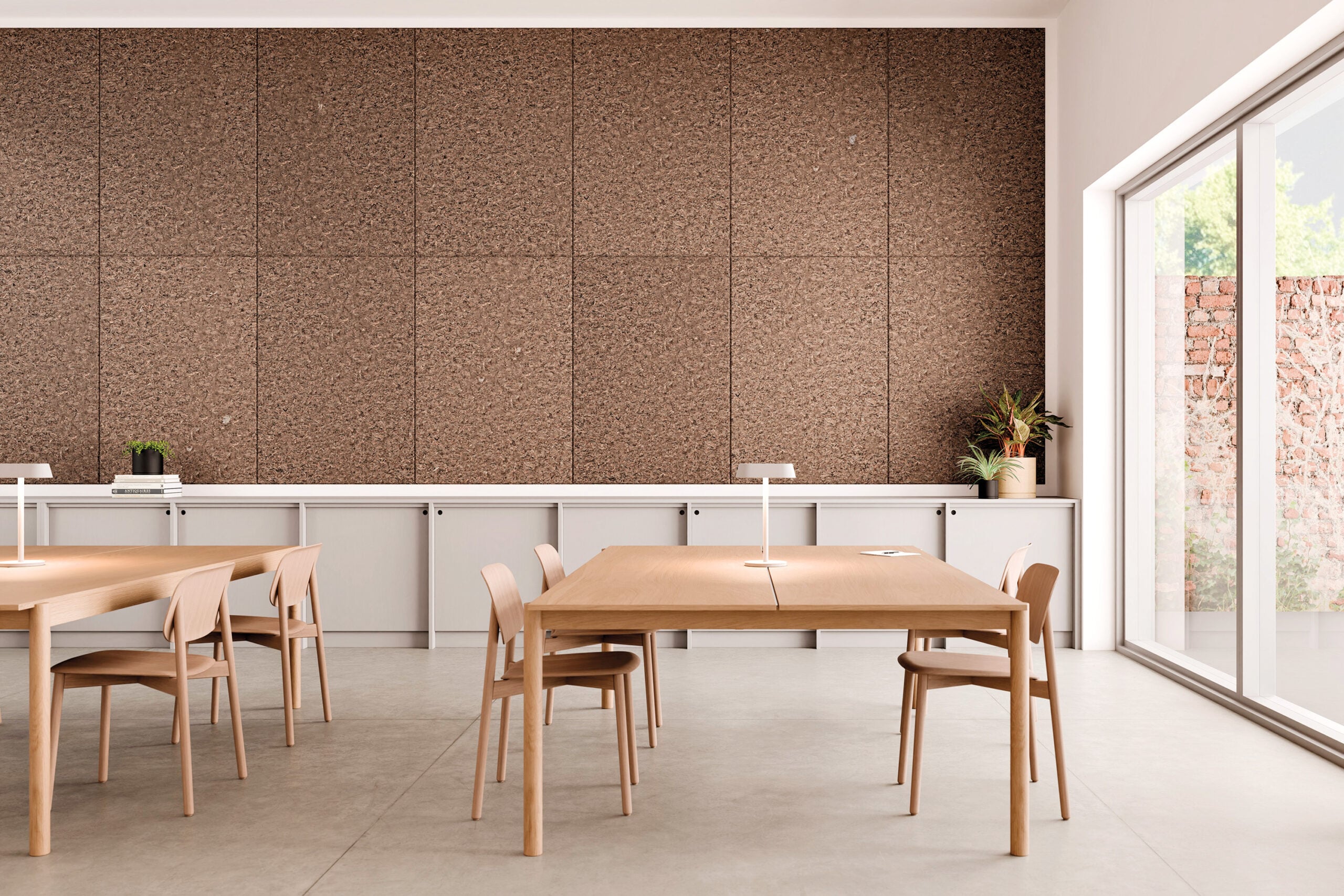
SPINNEYBECK
SØULD WALL
This new acoustic material is made from eelgrass, collected from the shores of Denmark and dried naturally. Once dried, eelgrass endures for more than 300 years, so these acoustic products can be fully recycled into other products at the end of their use. Søuld offers an NRC rating of 0.65 when directly mounted on walls or ceilings.
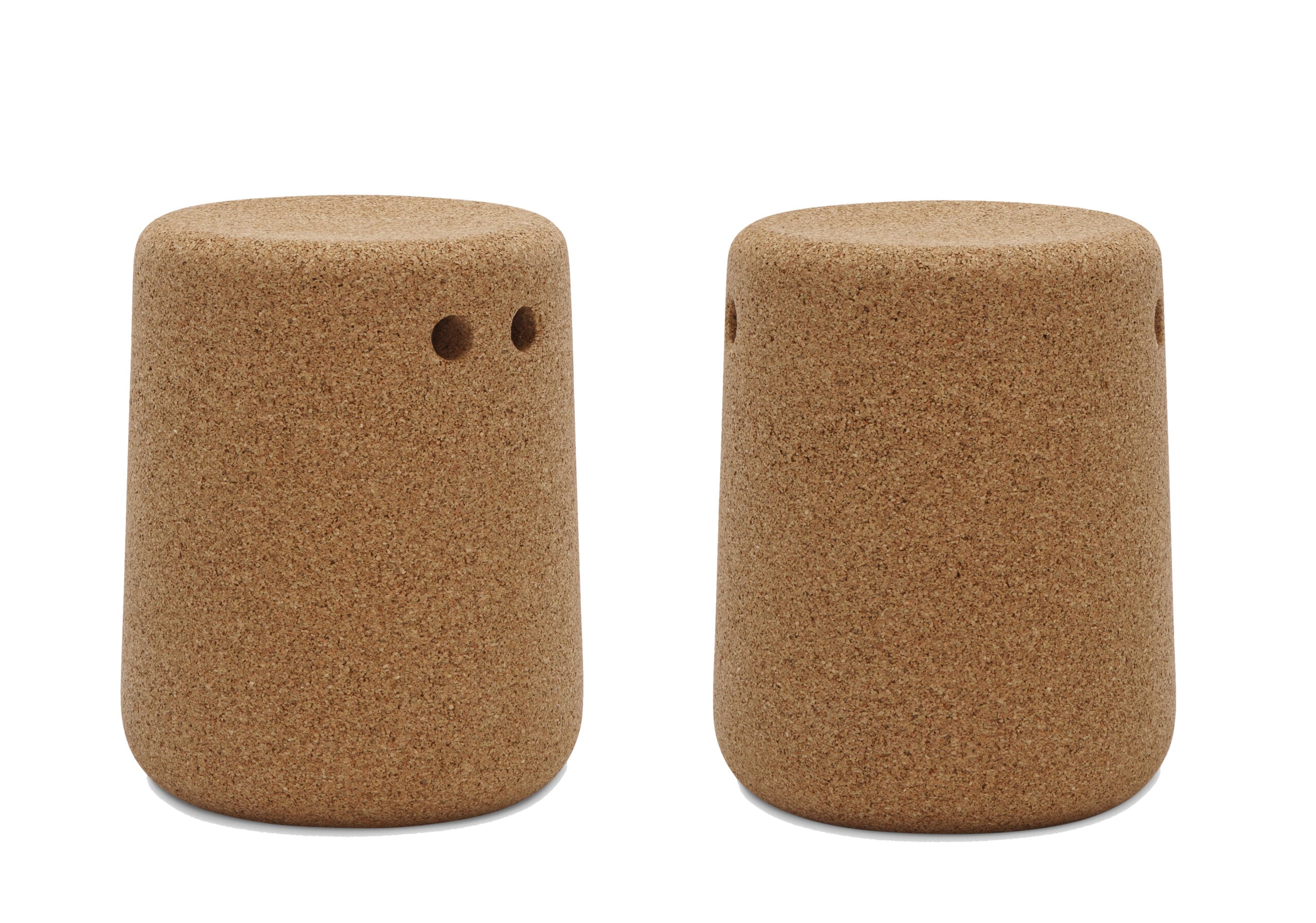
STUDIO TK
MODUS BOB STOOL
Renewable, compostable, and carbon positive, Studio TK’s Modus Bob cork stool is made entirely from waste materials generated during the production of wine bottle corks and a solvent-free binder. Designed by Michael Sodeau and produced in partnership with U.K.-based Modus Furniture, the stool features a natural finish, curved base, and concave seat with holes that make it easy to pick up and move around.
TARKETT
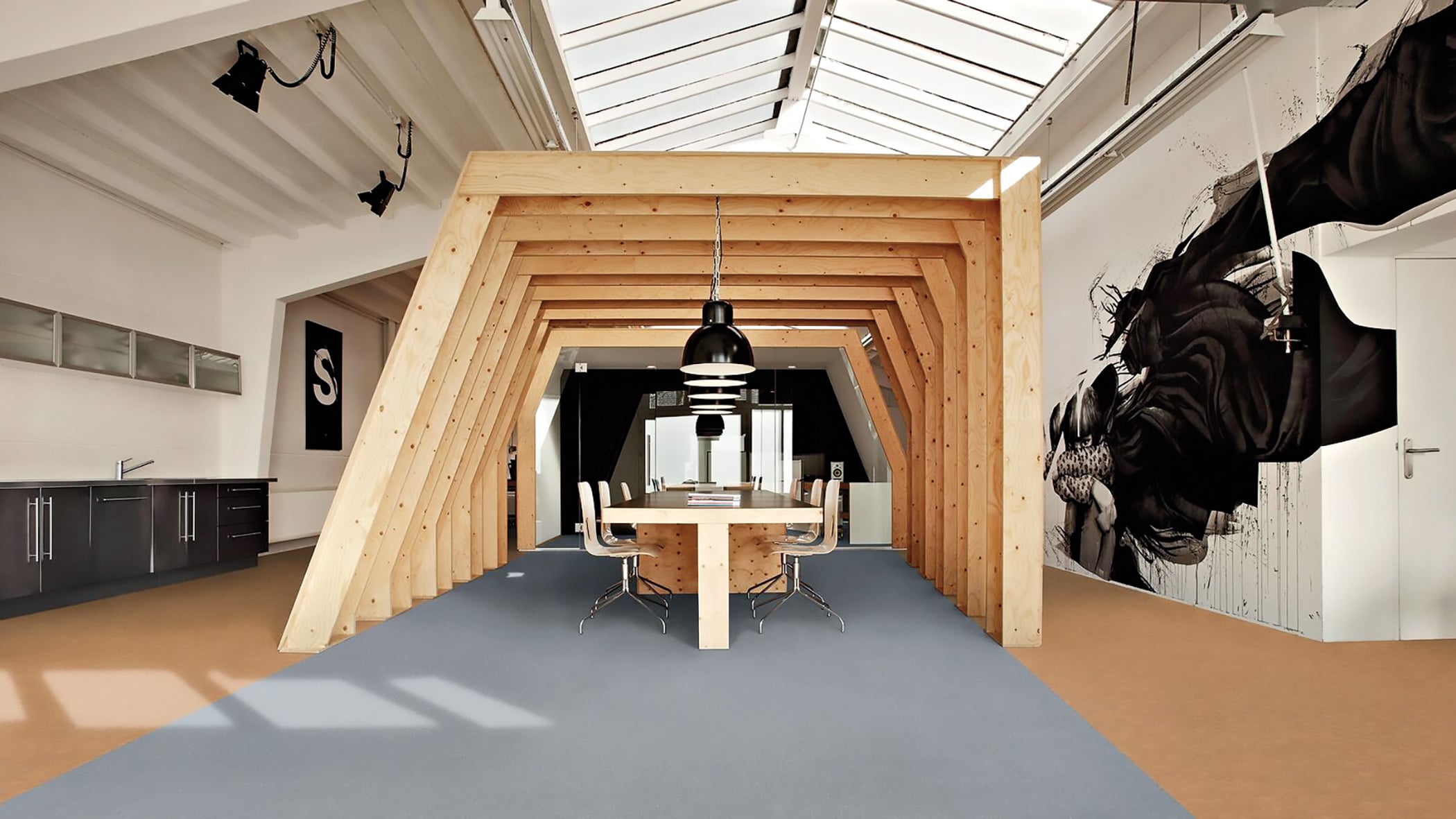
LINOFLOOR XF2
Winner of a METROPOLIS Planet Positive Award and 2022 Good Design Award, Tarkett’s LinoFloor xf2 is the first linoleum product in the industry to become Cradle to Cradle Certified Silver. Available in six patterns and 105 colors, the tiles are suitable for floors in a variety of settings, and there’s also a version for walls. The product is highly resistant to stains, abrasions, chemicals, as well as heavy traffic. All it requires is simple maintenance with a neutral cleaner for long-lasting use.
Would you like to comment on this article? Send your thoughts to: [email protected]
Latest

Viewpoints
Detroit Month of Design: A City’s Work in Progress
Now in its 16th year, the celebration offers insights into the Motor City’s ongoing accomplishments without glossing over its hurdles.
Projects
How a Hybrid Building Helped an Historic Manhattan Congregation Remain in Place
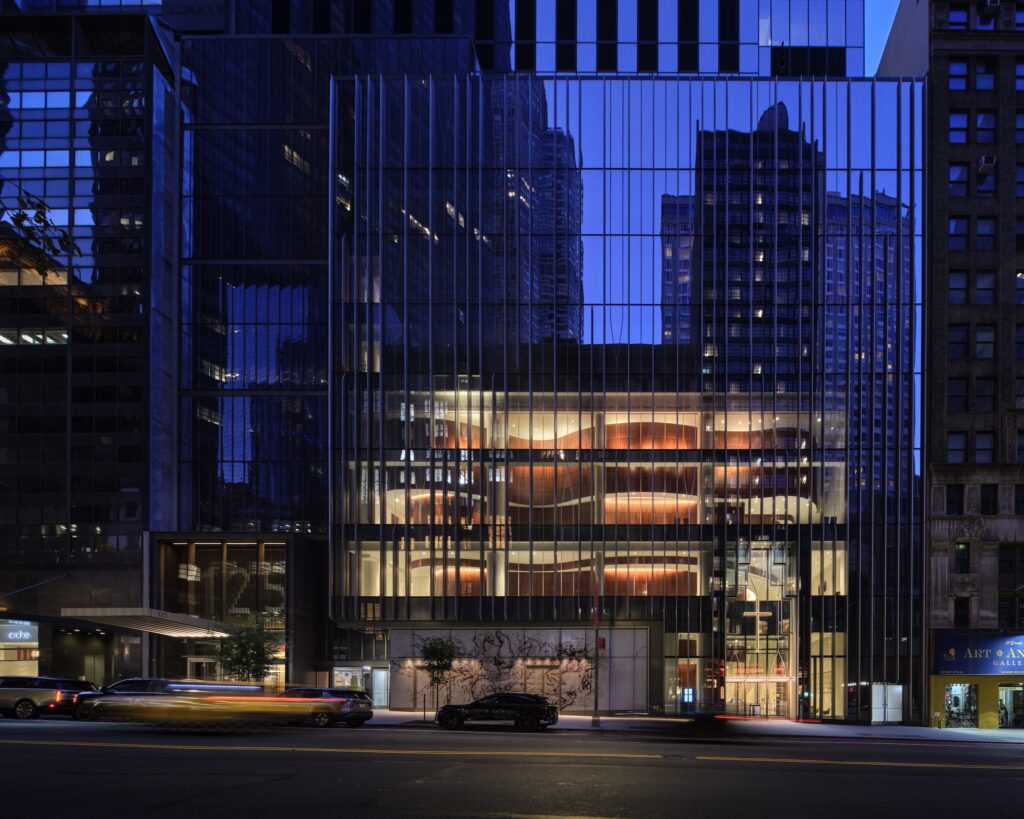
On Billionaire’s Row, FX Collaborative designed a new home for Calvary Baptist Church combined with an office tower.