



December 22, 2025
Designing a Regenerative World with Flax

What is Flax?
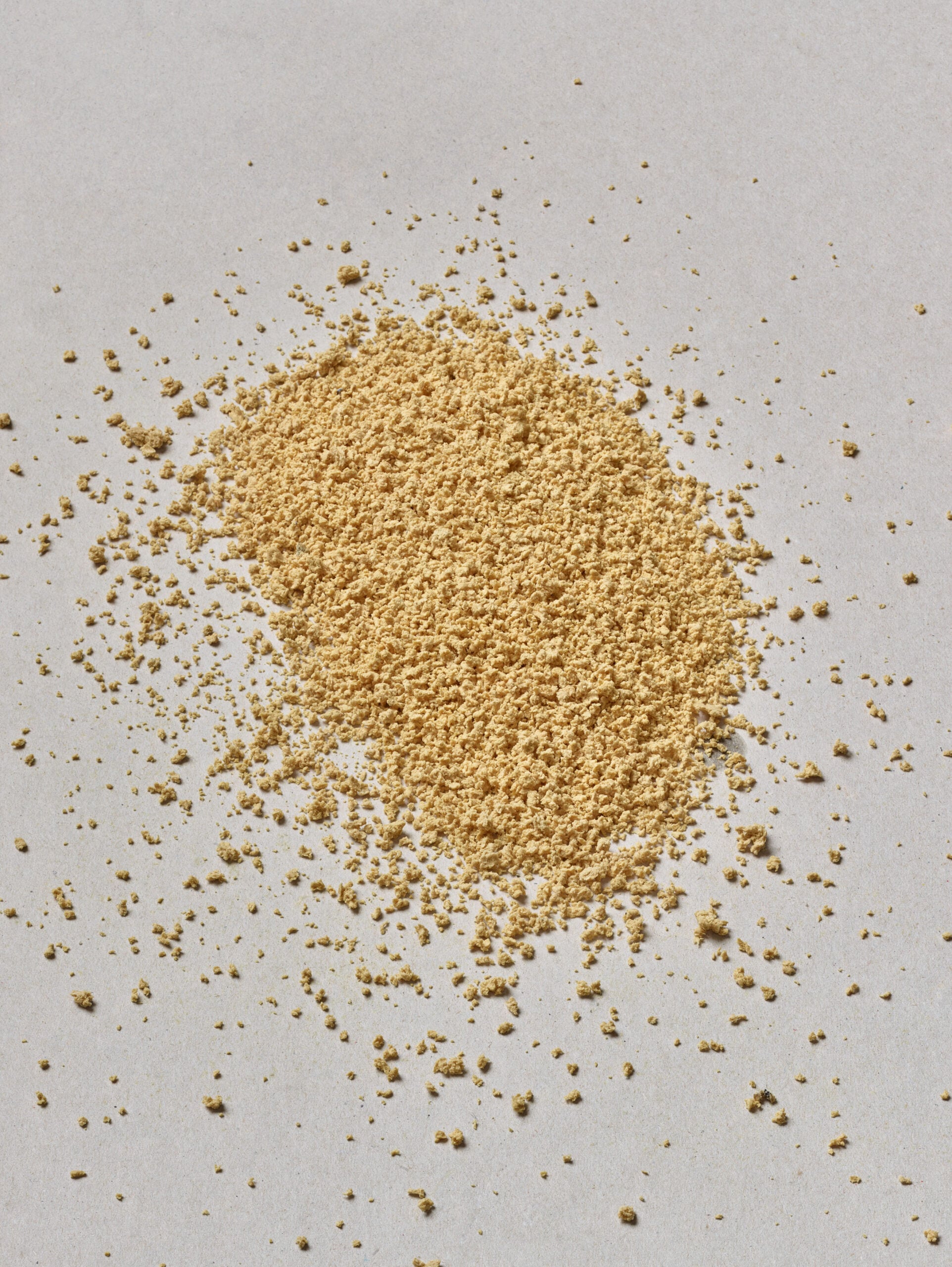
Flax is one of the oldest continuously cultivated plants in the world. The Ancient Egyptians used the finest woven linen made from flax fibers as an expression of class, even wrapping their mummies in the material, and the plant’s seeds have helped keep humans’ digestive systems in motion for millennia. When grown in a climate responsible fashion, the benefits of this fast-growing, pollinator-friendly plant are many: the cultivation of one hectare of flax can sequesters 3.7 tons of CO2 and its long, fibrous roots can detoxify the soil and improve hydration. Meanwhile, it requires no herbicides, pesticides or irrigation when grown in its ideal geographical zone, such as parts of western Europe.
The rise of cotton in the 18th century and synthetic fibers in the 20th century saw flax cultivation decline in many parts of the world. It is expanding again in Europe, however, as fashion brands increasingly demand local, natural fibers, though the processing infrastructure has been decimated. Now architects and designers are exploring its potential as a material for furniture, flooring, construction, and car interiors. In 2010, the designer Christien Meindertsma bought the entire harvest of a farmer in the Netherlands’ Flevopolder region to explore how flax products might be locally produced. “Flax has a deep history in our culture,” she says, pointing to knowledge that has been passed down the generations. “Both the woody fibers and oils are interesting materials, but I feel they are not valued as they could be.”


Shedding Light on Linoleum
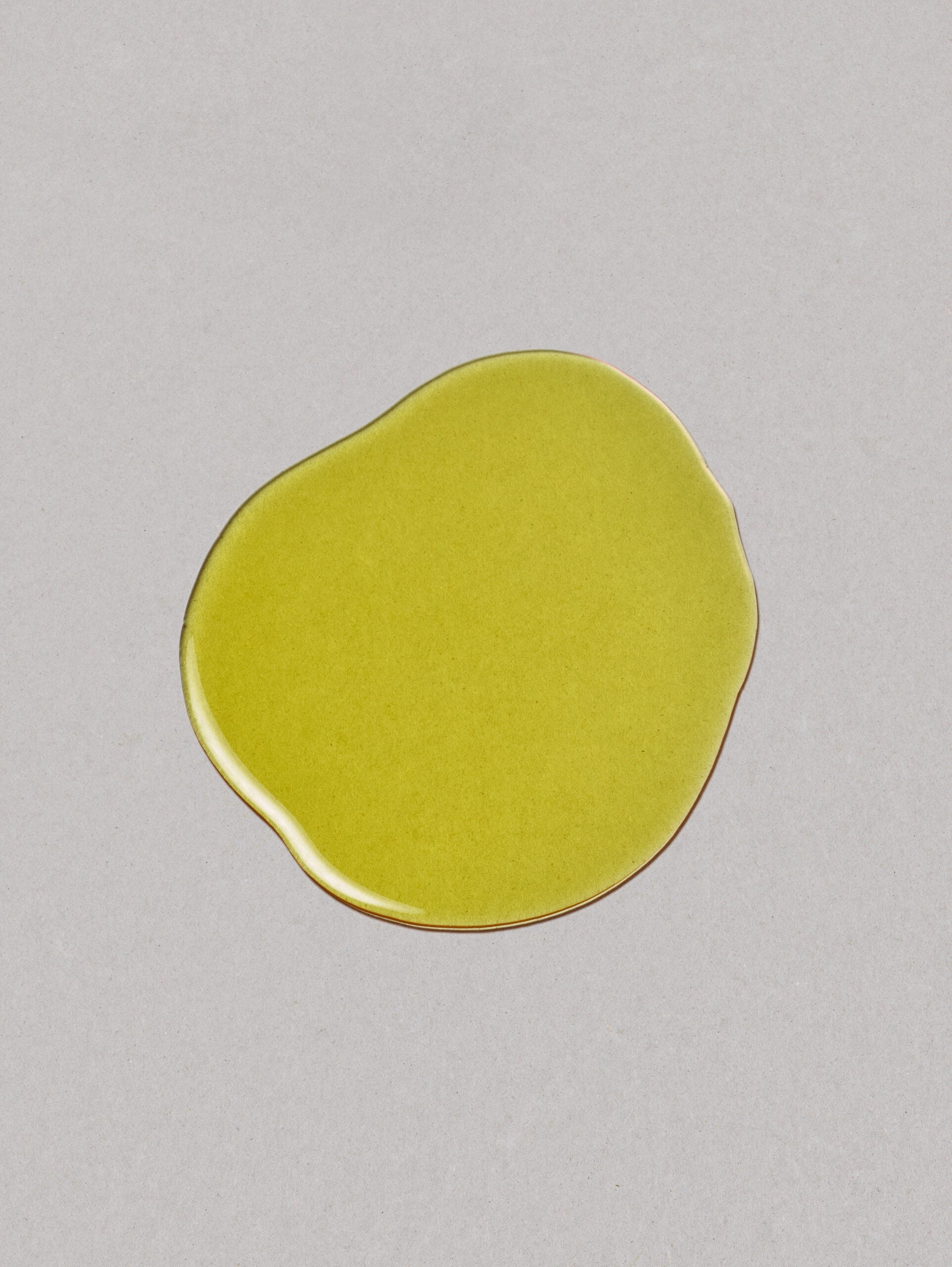
In 2015, she created the award-winning Flax Chair with natural fiber specialist Enkev and Label/Breed, made from layers of an existing woven flax textile and newly developed, dry-needle felted flax. The robust yet biodegradable chair is now in the collection of Germany’s Vitra Design Museum, among others. More recently, Meindertsma has been shedding fresh light on linoleum, a natural, recyclable flooring material made with solidified linseed oil from flax seeds. It is often misunderstood, lumped together in public perception with its toxic counterpart, vinyl flooring.
Meindertsma was drawn to its pliancy. “Linoleum is like playdough: it can be remolded over and over again,” she says. “That is an amazing property in a material.” Her Renoleum project—reinventing old linoleum floors—was exhibited at London’s V&A Museum in 2024, and she has devised regional recipes for linoleums using byproducts of local industries such as chalk.
To help reframe linoleum as an architectural material of the future, she collaborated with manufacturer Dzek at Milan Design Week in 2024, cladding a monumental staircase to nowhere in linoleum tiles made from linseed oil, pine resin, wood dust, and chalk. “Flaxwood” was made without pigments, coatings or backings to show off its rich, earthy aesthetic qualities. The material is not commercially available, however. “We are keen to take it into production, but the barrier is the [lack of] production partners,” she explains.
Ancient Plant Meets Advanced Robotics
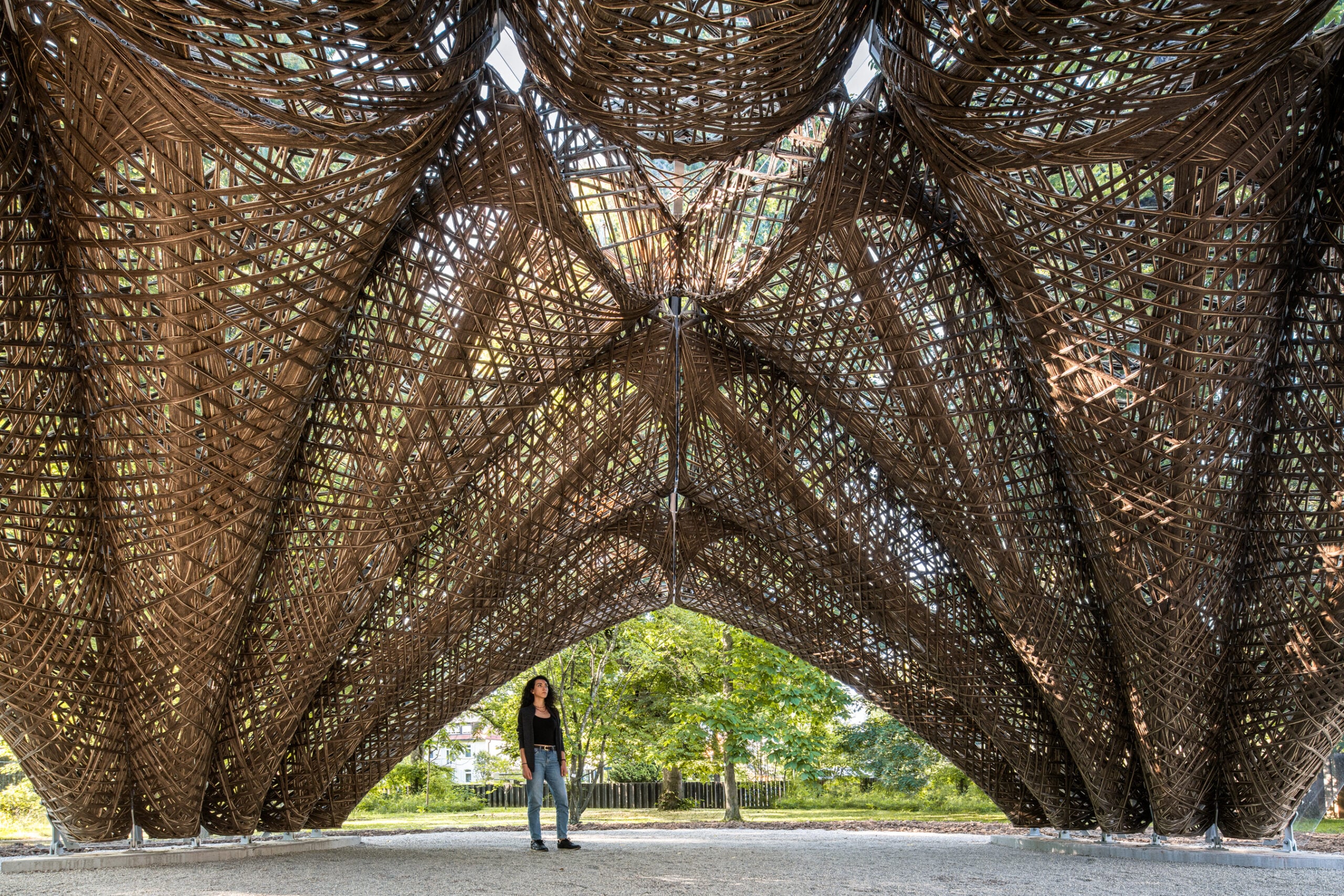
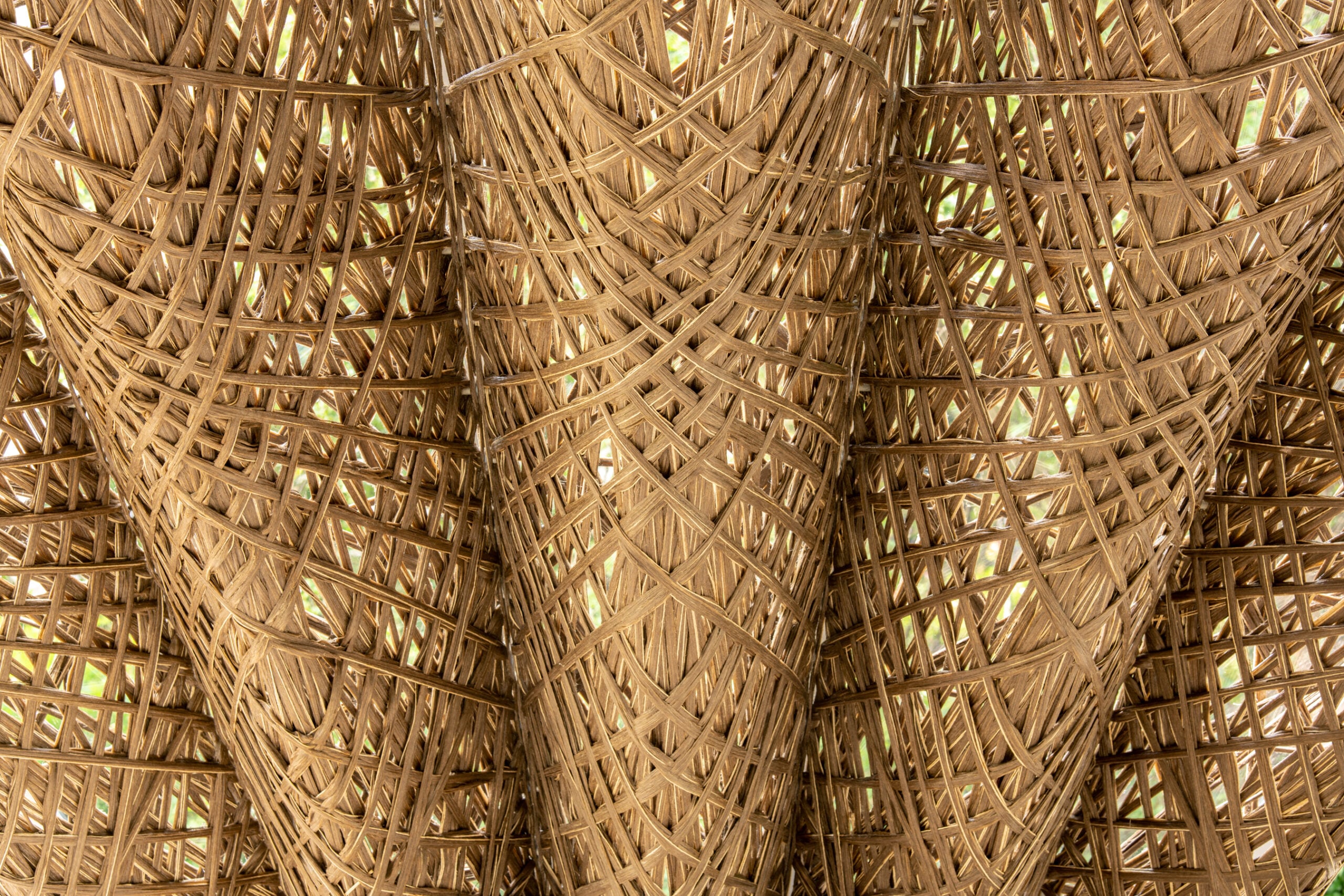
Architects are adopting flax as an alternative to energy-hungry carbon fiber. In 2021, researchers and engineers at Stuttgart University completed the livMatS Pavilion, the first load-bearing structure made from robotically woven flax, with biologists from the University of Freiburg. In the pavilion, the flax fiber is wound into a truss structure, with corner reinforcement and structural bracing. The fibers add rich texture to the design, while the robotic weaving ensures material efficiency.
“The pavilion had a huge wave of positive feedback,” says Jan Knippers, head of Stuttgart University’s Institute of Building Structures and Structural Design (ITKE). “The natural, woven fibers create a very different visual and haptic expression to our earlier carbon fiber structures— they are almost like woven basketry.”
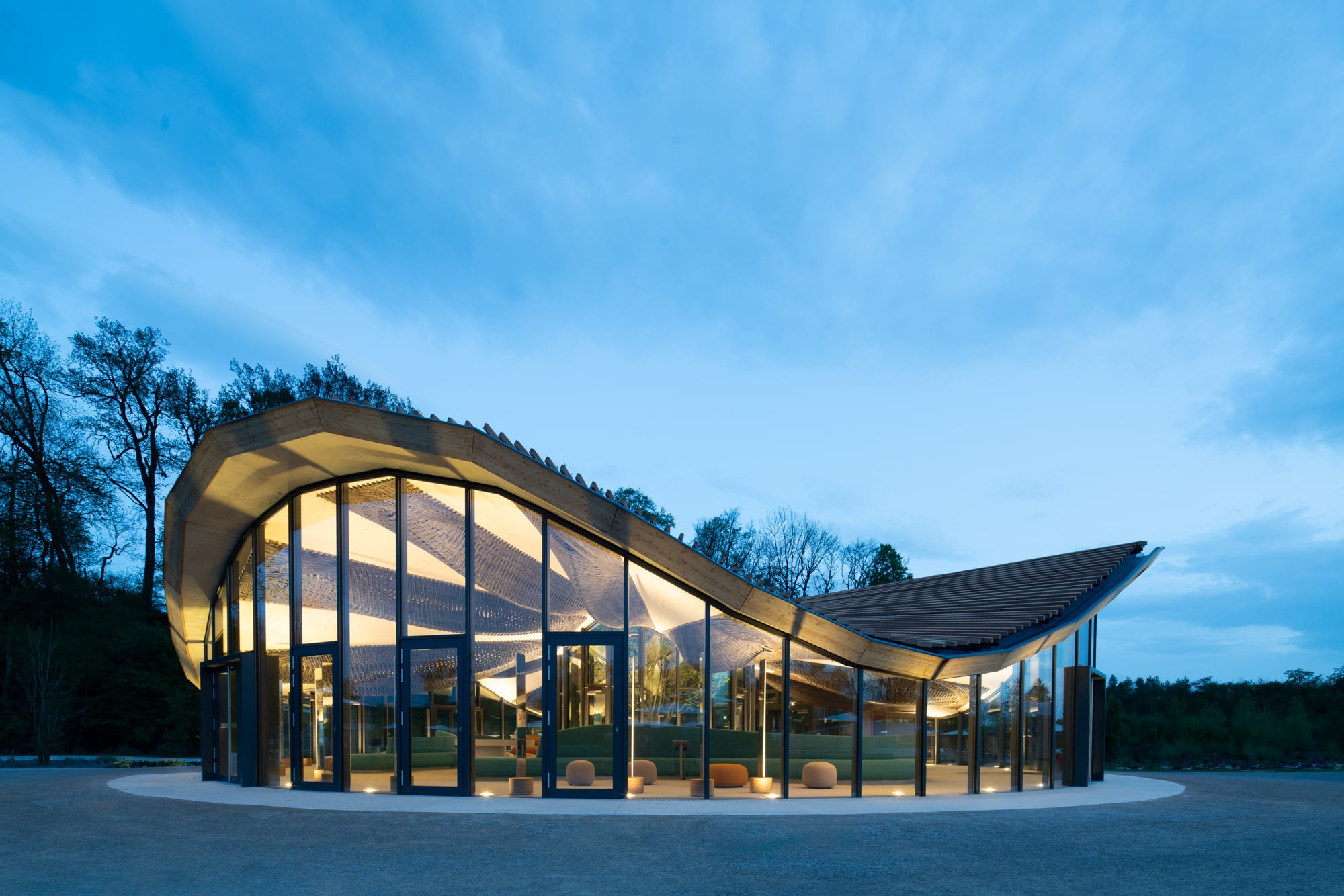
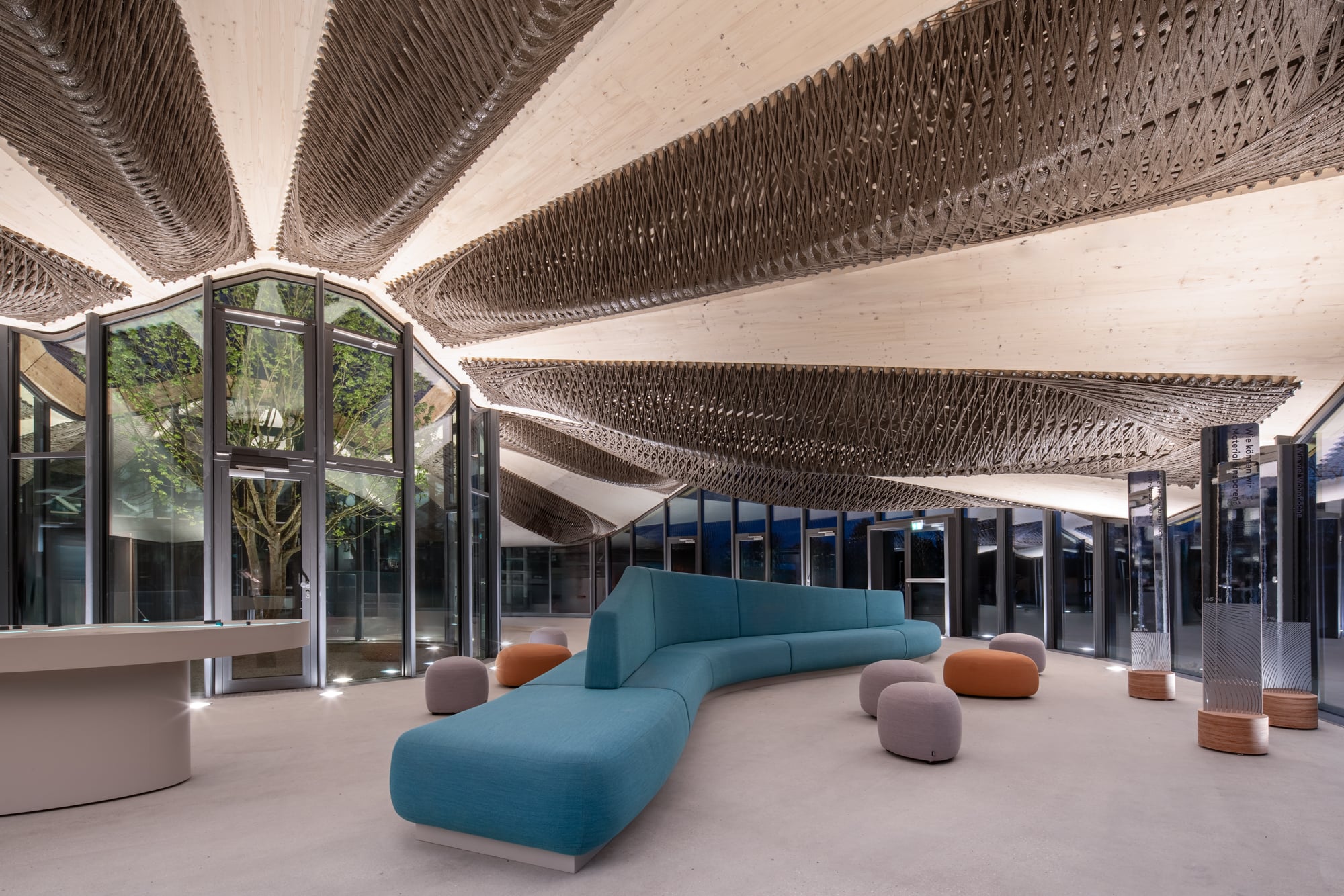
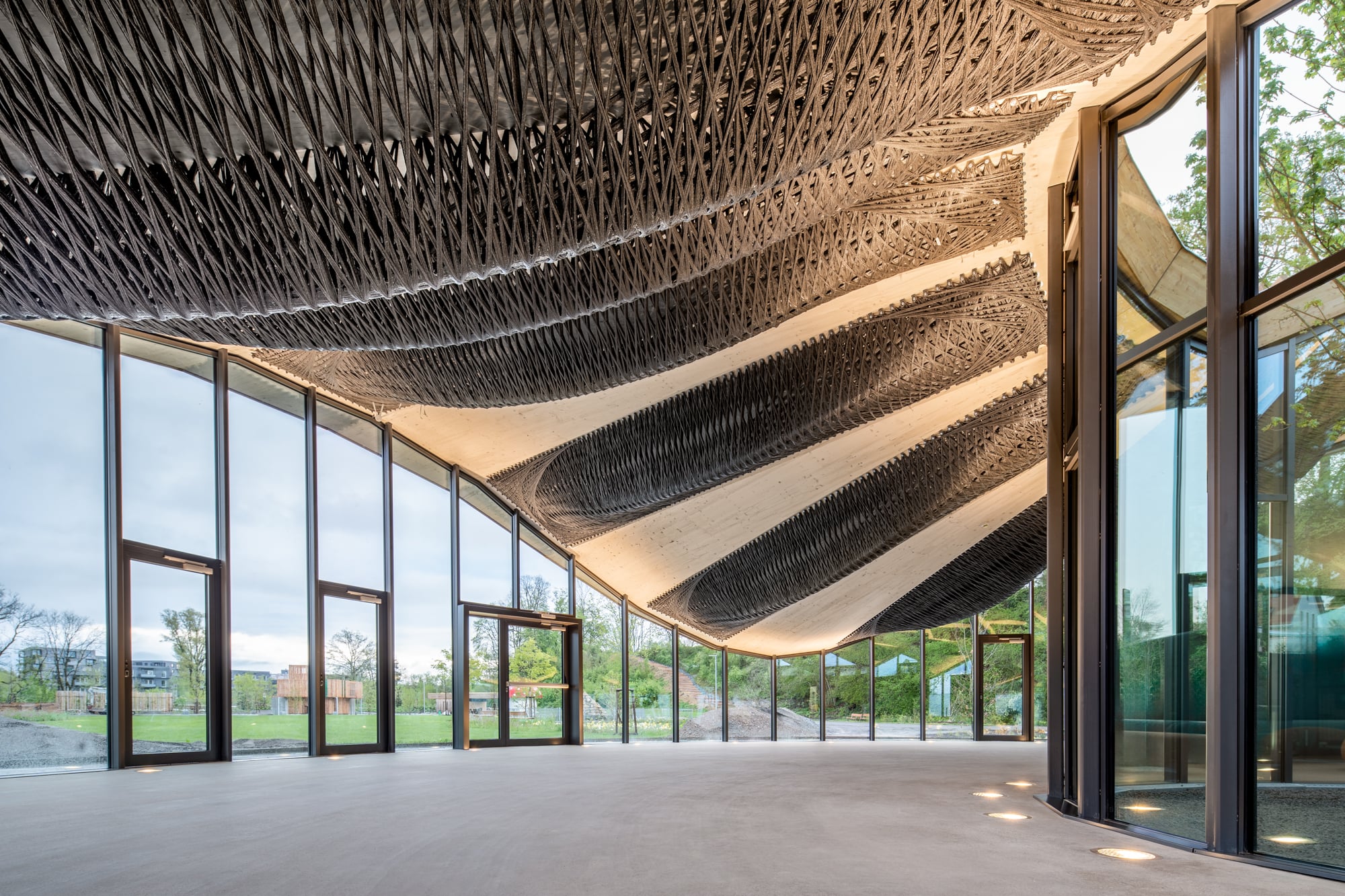
But natural fibers come with challenges. “The big issue with flax and other natural materials such as hemp is their high variability and the uncertainty of their mechanical properties, unlike with steel or concrete,” he adds. To mitigate this, ITKE combined woven flax with timber for its latest structure, the 2024 Hybrid Flax Pavilion in Wangen im Allgäu. Its undulating roof—echoing the rhythms of the adjacent Argen river—is the first-ever melding of cross-laminated timber plates and natural fiber bodies produced through coreless flax filament winding, resulting in a column-free space below. For Knippers, combining fast-growing flax with timber could be a way to reduce demand for the latter, a slow-growing, scarce resource.

Navigating Costs and Challenges
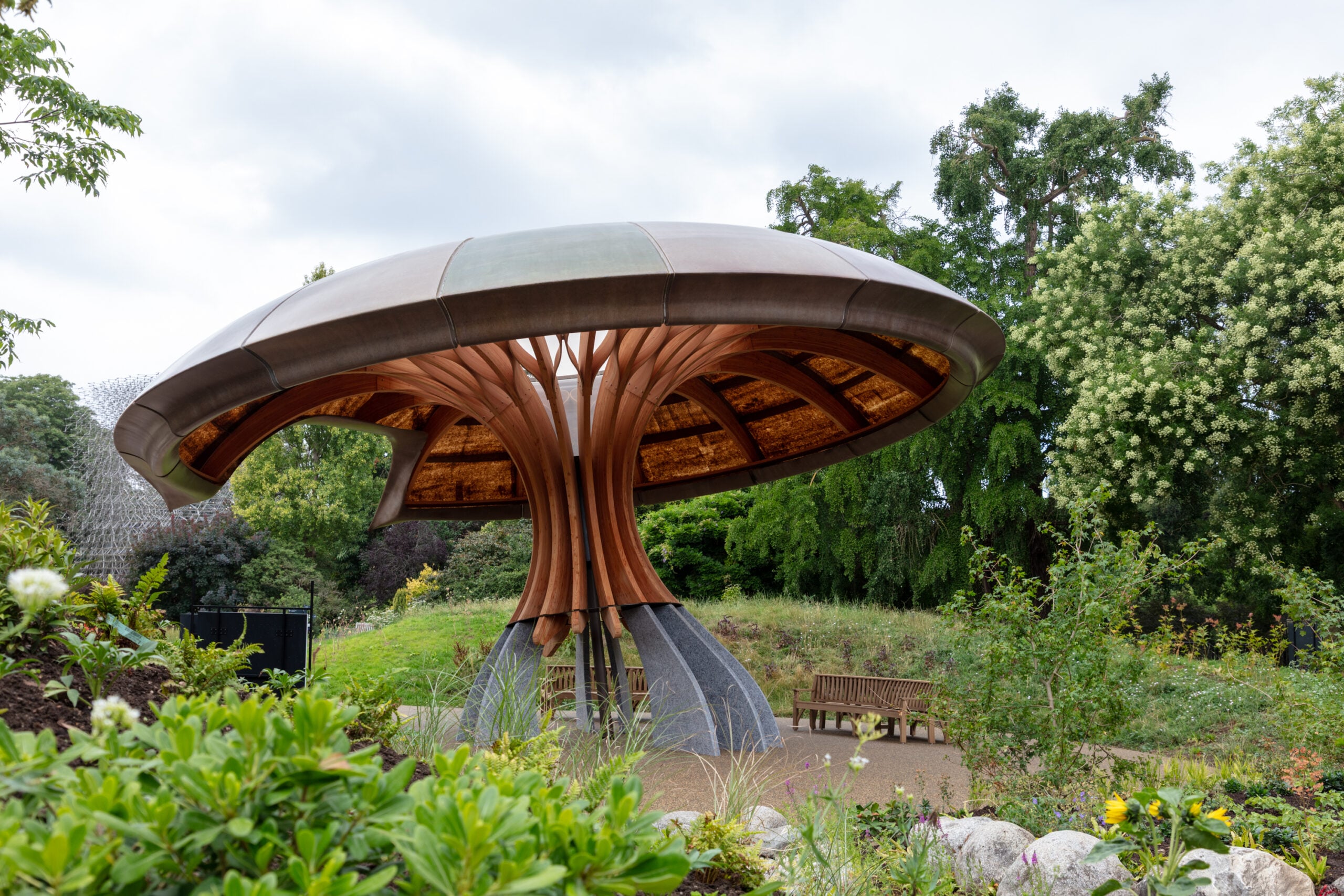
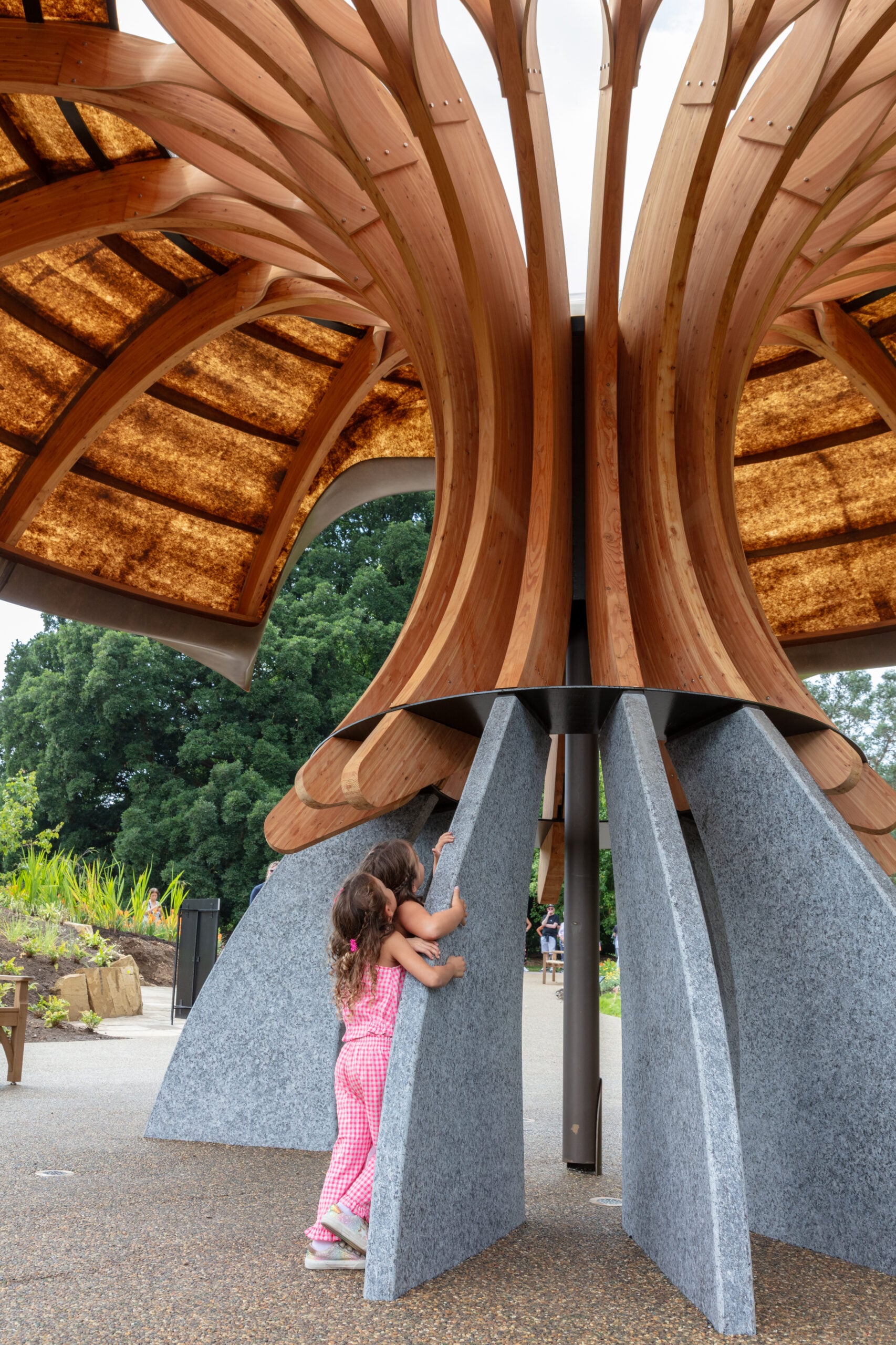
Another barrier to uptake is the costly certification hoops and warranty hurdles that building with new materials requires—especially challenging when working on public buildings. At Kew Gardens, Mizzi Studio had to balance a desire to push the construction industry forward by building a natural fiber pavilion on an unprecedented scale in the UK with pragmatism about costs and obtaining the requisite warranty on materials. “Our solution was to design a timber structure with a 50-year lifespan and sit the flax panels upon them, reducing their structural responsibility,” says Mizzi. The panels can be removed and repaired or replaced when needed, for ease of maintenance. Meanwhile, Knippers says that the materials and construction system used for the Hybrid Flax Pavilion are “light years away from any building codes or technical regulations” but they underwent rigorous moisture and UV testing, with the pavilion passing the strict German building approval procedures, and “can now be a reference, making it easier for others to build in this way in future”.
Both projects incorporate resins derived from fossil fuels due to the prohibitive cost of bio alternatives and questions around their durability but, as demand increases, their cost and quality will improve. Likewise, while it might be decades before flax is used at scale in the built environment, new innovations by designers—coupled with rising demand from the fashion industry—should encourage flax production to flourish once again.
Would you like to comment on this article? Send your thoughts to: [email protected]
Latest
Viewpoints
Detroit Month of Design: A City’s Work in Progress
Now in its 16th year, the celebration offers insights into the Motor City’s ongoing accomplishments without glossing over its hurdles.
Projects
How a Hybrid Building Helped an Historic Manhattan Congregation Remain in Place
On Billionaire’s Row, FX Collaborative designed a new home for Calvary Baptist Church combined with an office tower.