



November 20, 2025
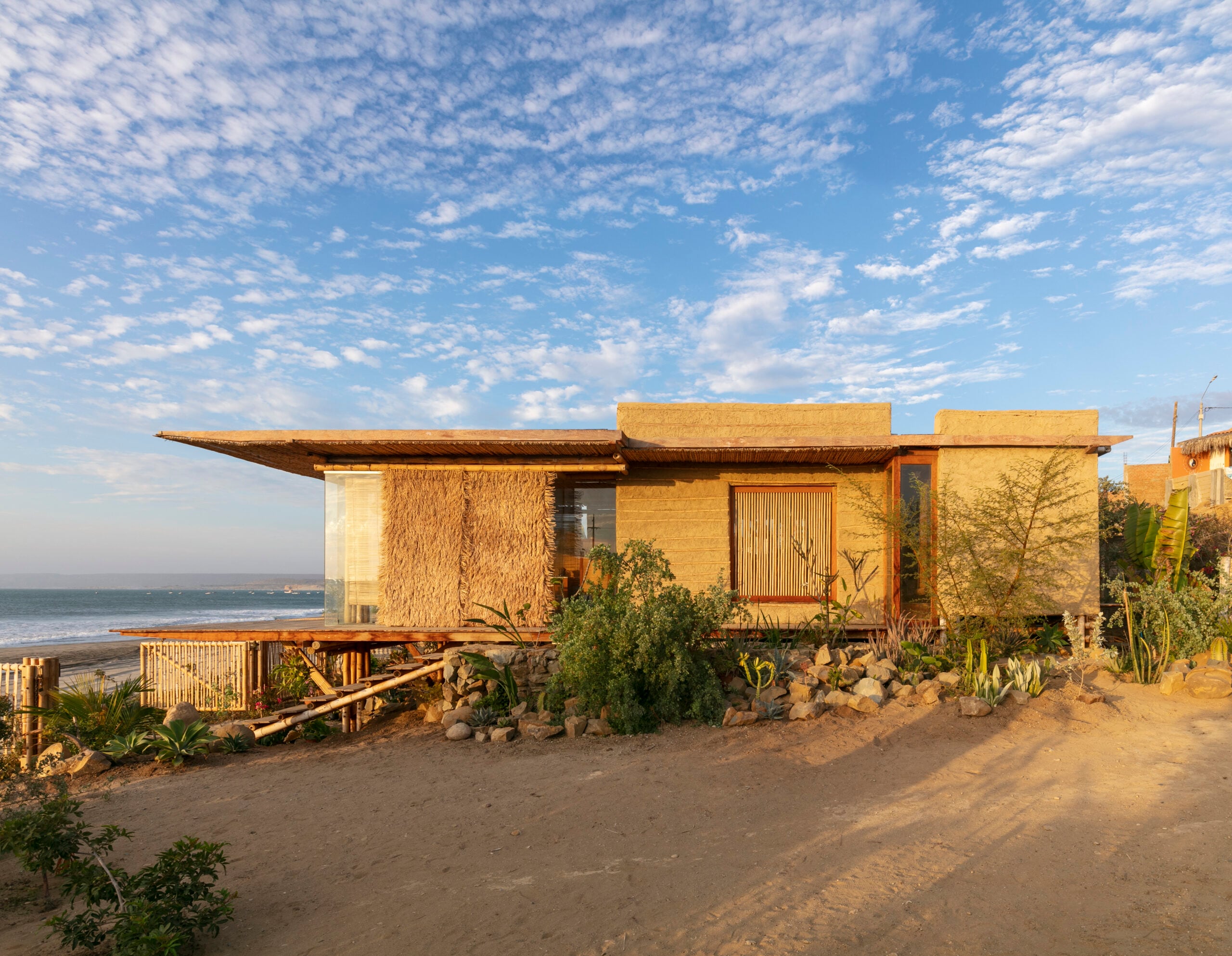
Rafael Freyre Creates Architecture that can Return to the Land
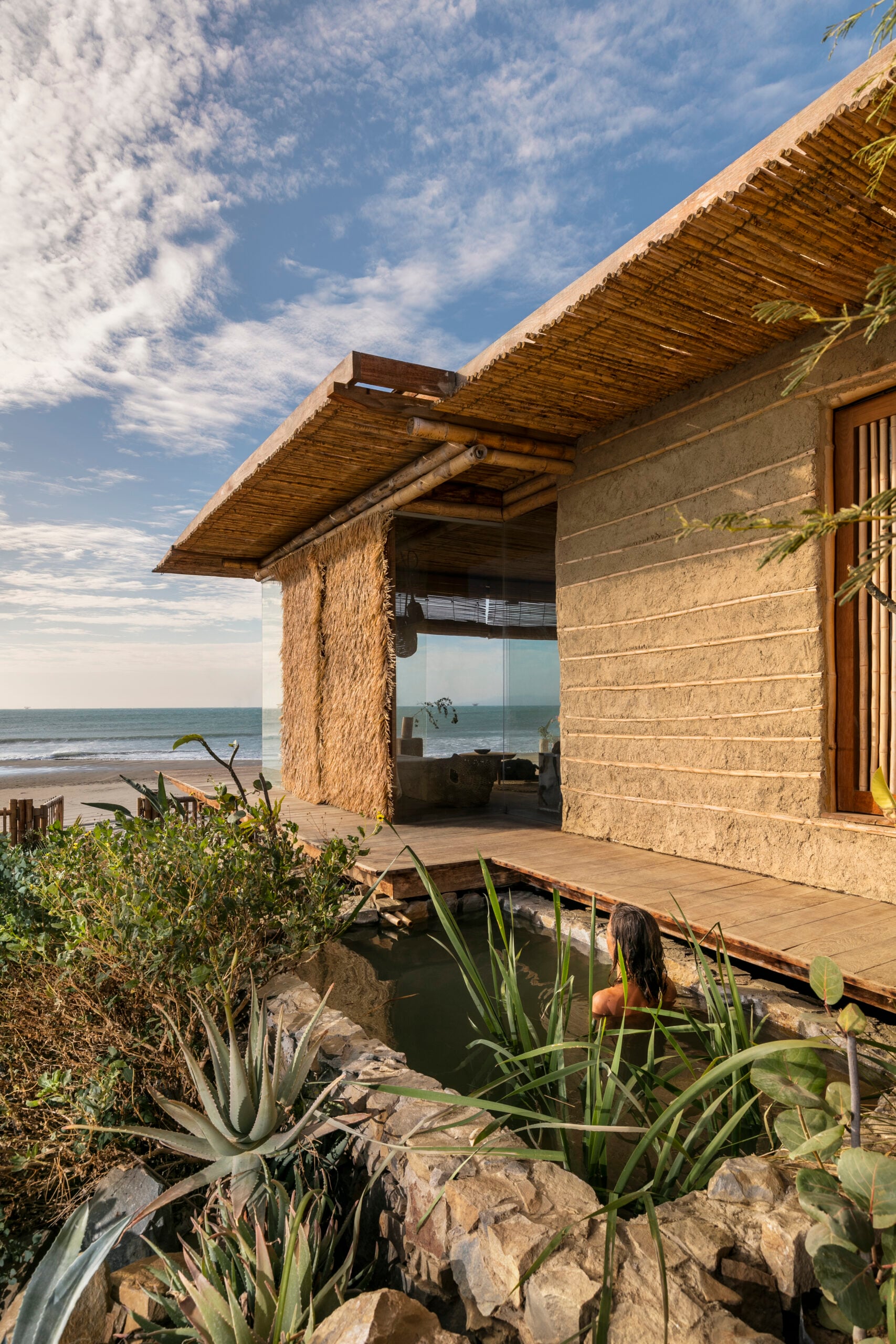
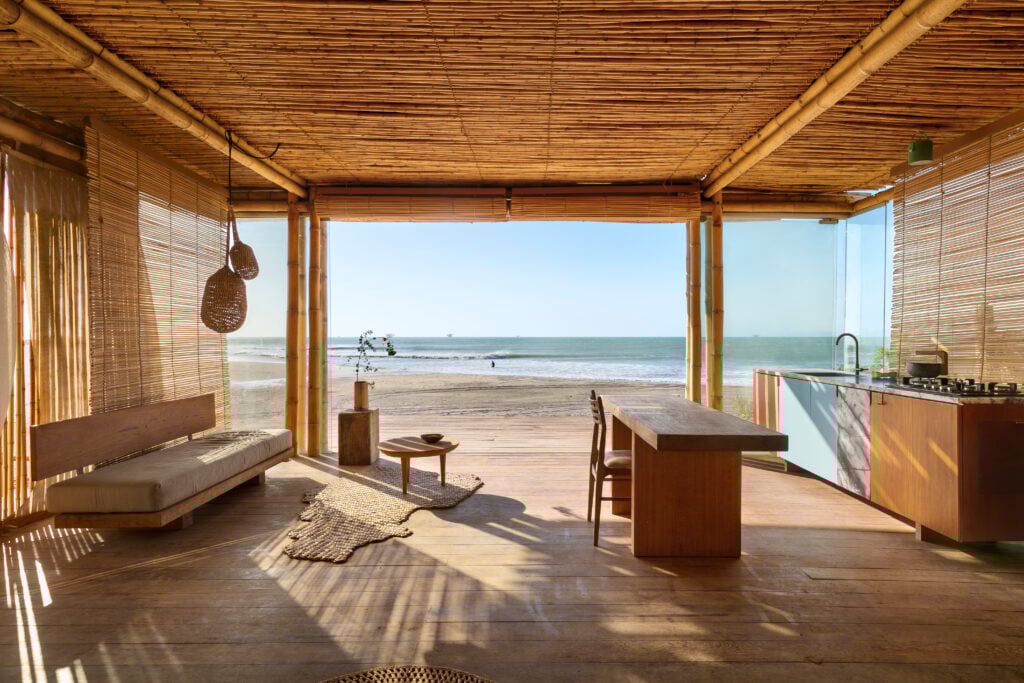
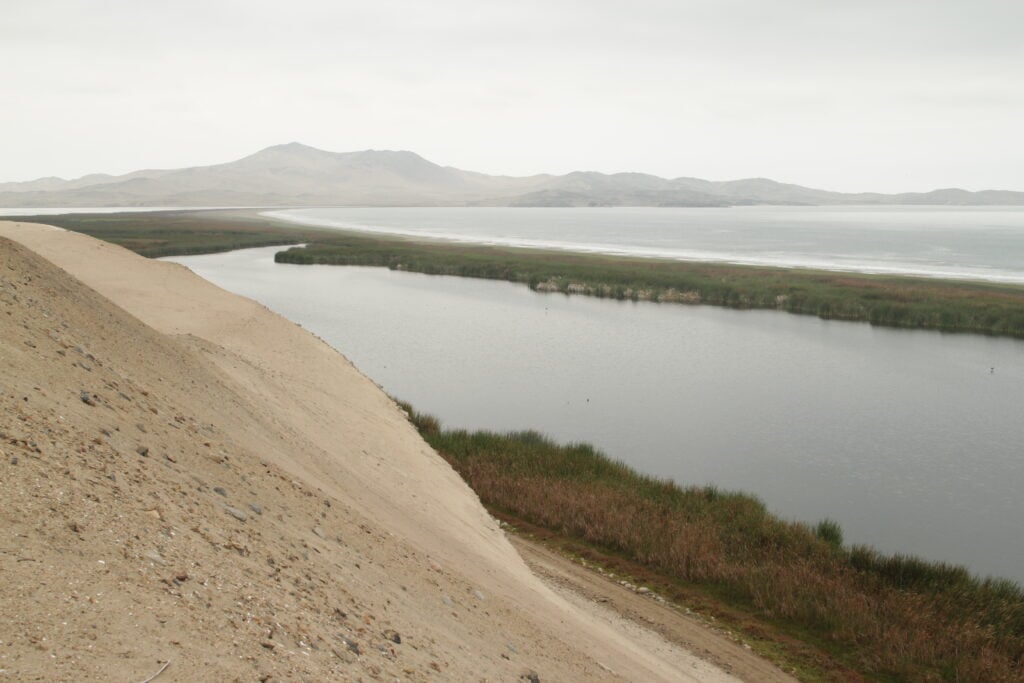
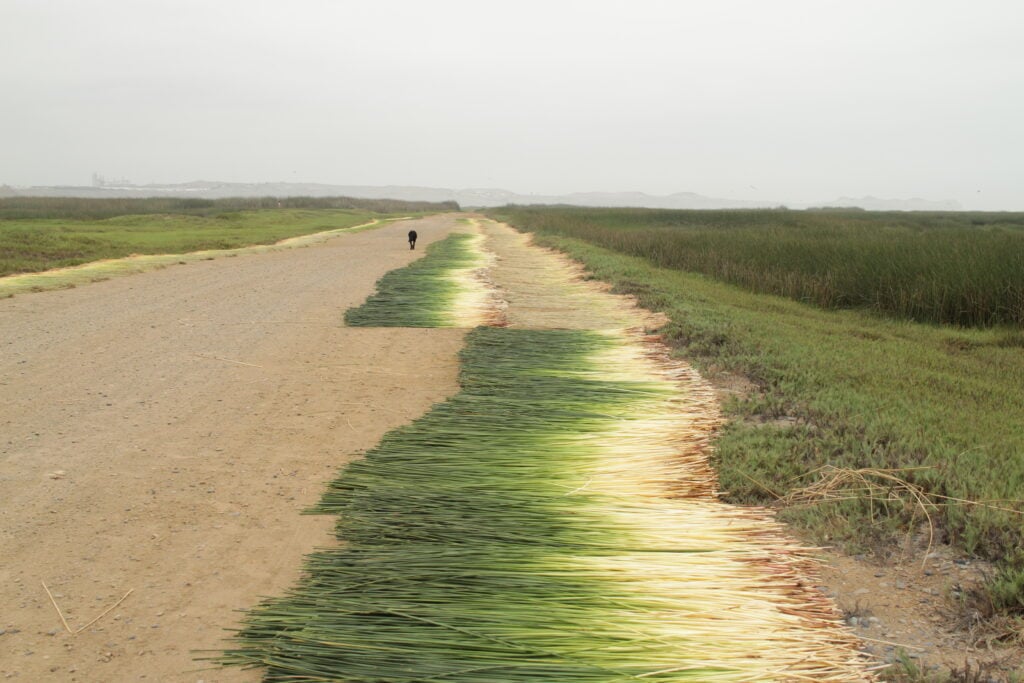
RF Studio is an eclectic team of architects, designers, artists, and writers. Each piece that it makes is a study of a region, its materials and its cultural traditions—be it a building, or a collection of furniture or sculptures. Currently on show at Paris’ Boon_Room gallery (until April 2026) is a series of wallhangings and functional artworks woven from reed and totora gathered in the Paraíso wetland in Huacho on Peru’s Pacific coast. “They highlight the importance of the wetlands in Peru, which are under threat from urbanization,” says Freyre, who founded the studio in 2012 after a stint working with Massimiliano Fuksas in Italy. “Their capacity to retain water makes them one of the most productive ecosystems in the biosphere.”
Working with Wetlands
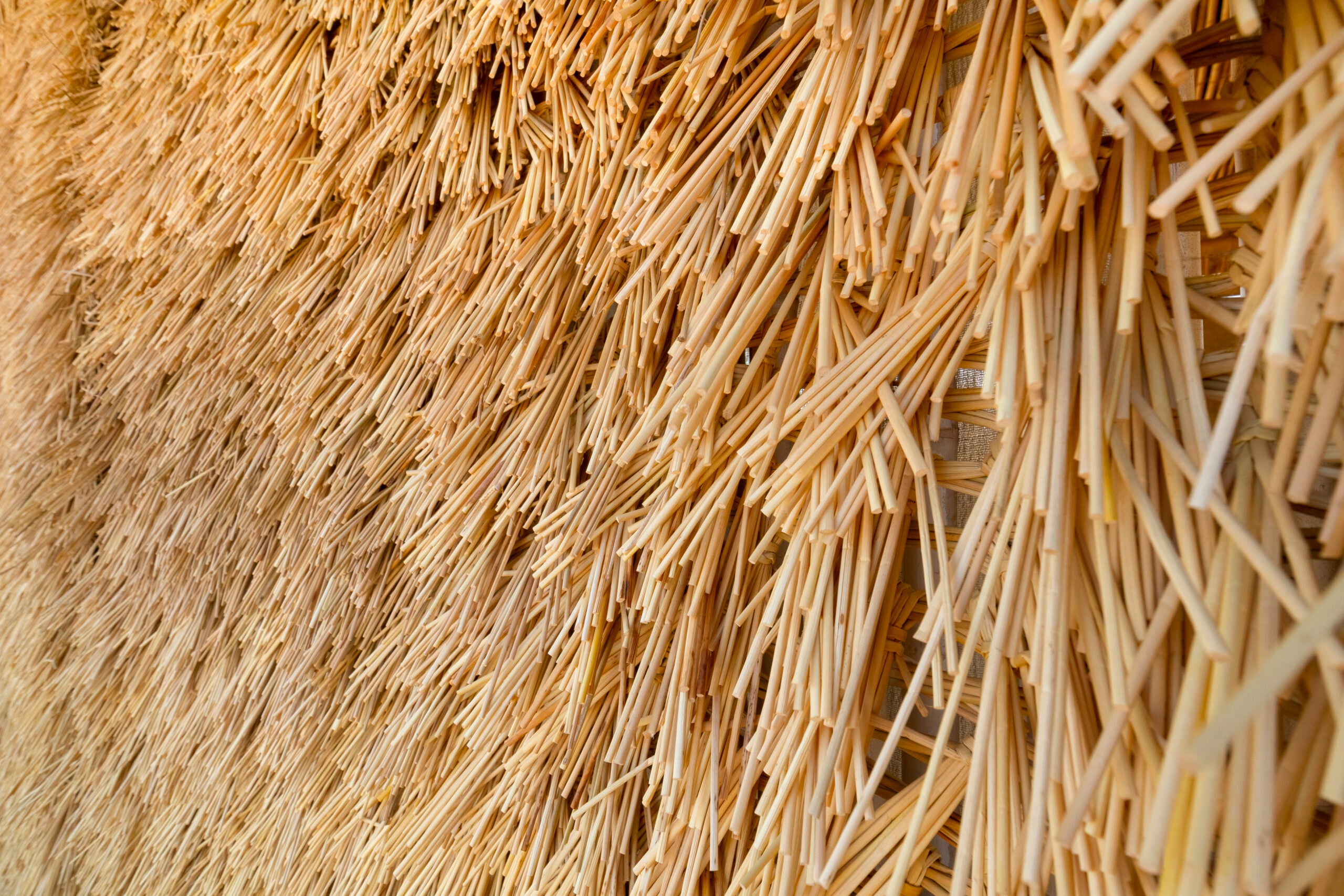
During his research, Freyre discovered that some of the early fabrics made in Peru were created from wetland materials. This inspired him to draw on ancient weaving techniques to create a collection of ambiguous forms: the wall-hung Humedal N°6 (“Wetlands”) piece loosely references the shifting shape of the wetlands, while Tejidos Vegetal N°12 (“Vegetable Fabrics”)—a sculpture suspended from the ceiling with pod-like cocoons illuminated from within—explores the processes of growth and transformation of plant organisms.
These expand on his Water Ecosystem installation, a collaboration with textile artist Ana Teresa Barboza shown at the 2022 Sydney Biennale, which immersed the viewer in reeds to express their value as a natural water filtration system and ancestral knowledge about water management.
RF Studio is looking to the past to move design forward in the region. For its recent Mapa De Suelos (“Soil Map”) furniture collection, for example, it drew on artisanal stonemasonry techniques to create tables from discarded fragments of marble, onyx, and travertine. “The idea was to work with local stone to develop a contemporary Peruvian design language rooted in tradition,” he says. Using aerial views and geological studies of the Andes and Amazon, Freyre collaborated with third generation master stonemason Roberto Román to create tables that act like maps of the territories. The largest piece—Table N°7, spanning nearly nine feet long—was commissioned by chef Virgilio Martínez Véliz of leading Lima restaurant Central, whose home itself was designed by the studio in 2018. Just as Martínez Véliz’s dishes reflect the breadth of Peruvian cuisine, the tables celebrate the lithic diversity of the region.

The Art of the Ecosystem
Freyre started his career as an actor and performance artist, working with the late experimental theatre director and designer Robert Wilson. “He taught me the language of theatre but also the relationship between space, light, and objects,” he says. He later studied architecture in Peru, but an urge to go beyond the conventional role of architect led him to do a master’s in fine art at the University of Plymouth in the UK. After returning to Peru, Freyre founded his studio to explore “the interplay between contemporary habitats and natural ecosystems,” as he puts it. His multidisciplinary approach is influenced by Wilson and the context itself—Lima’s lack of design infrastructure necessitates an experimental and artisanal ethos. “There’s little investment in culture and research here,” he explains.
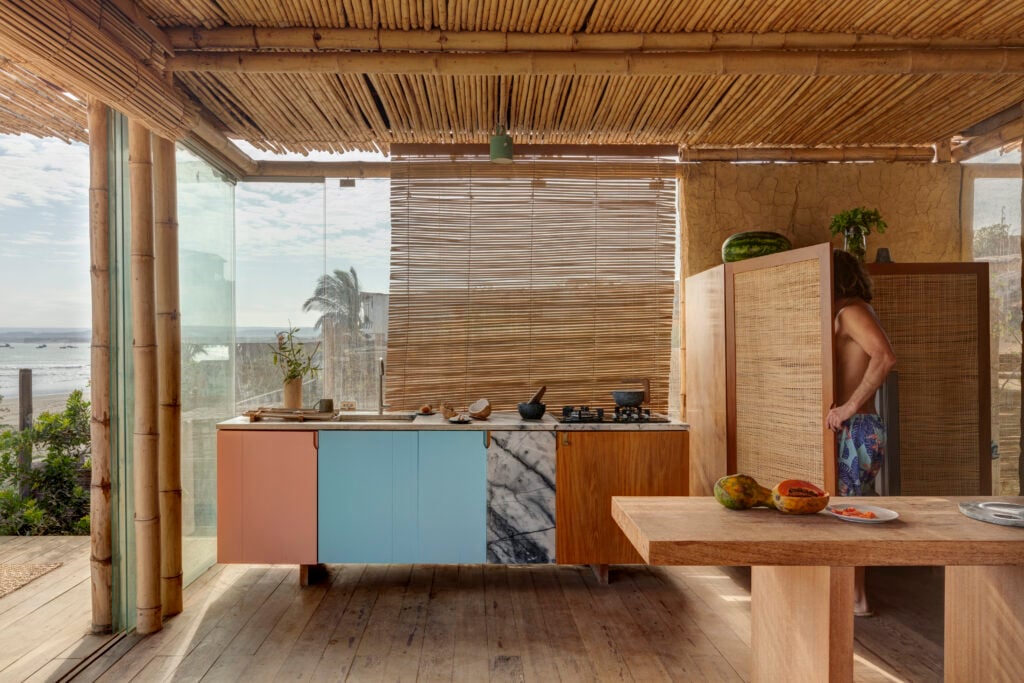
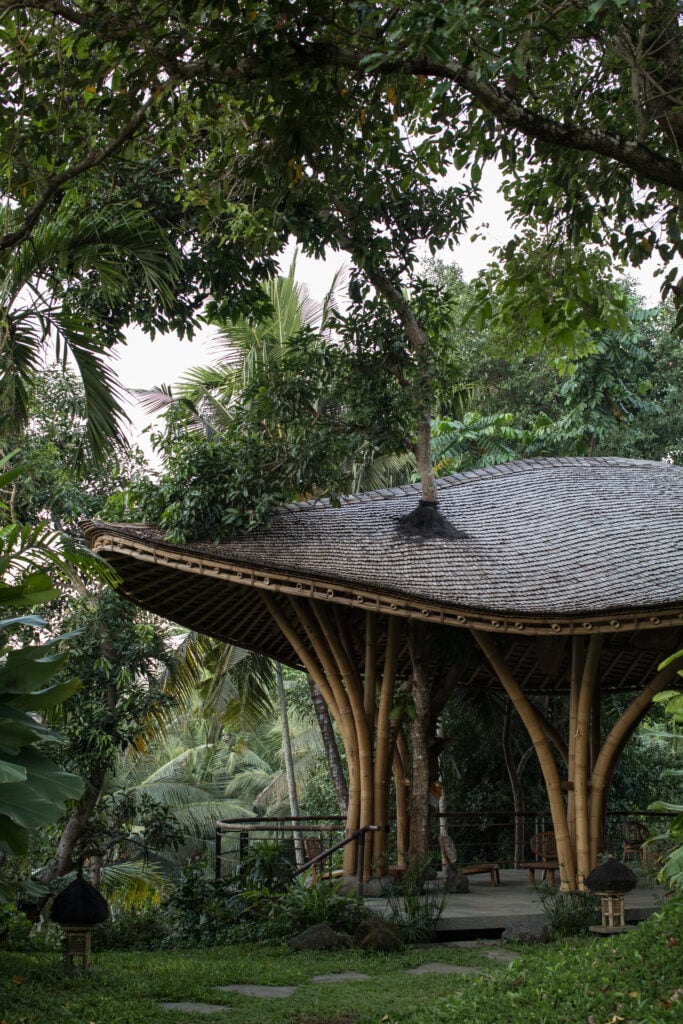
It was Wilson who first led Freyre to Yayasan Bali Purnati (The Bali Purnati Center for the Arts) in 2002, a well-known platform for contemporary arts, where the theatre director encouraged a dialogue between architecture, performance and place. Years later, RF Studio has just completed an extension within its Batuan grounds, comprising three villas and nine guest rooms to support its residency scheme. These are built from natural materials found on site—salvaged wood, bamboo, volcanic wood and handmade terracotta—and thread their way around the trees, lying low within the contours of the garden. “The protagonist is the landscape, not the architecture,” says Freyre.
Respite and Rituals
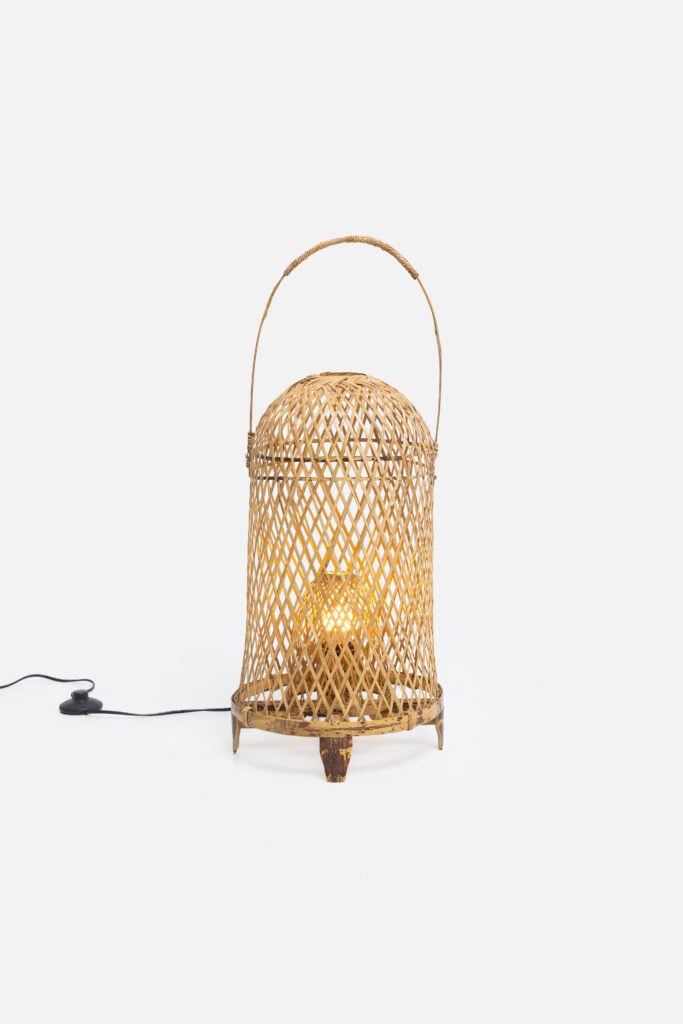
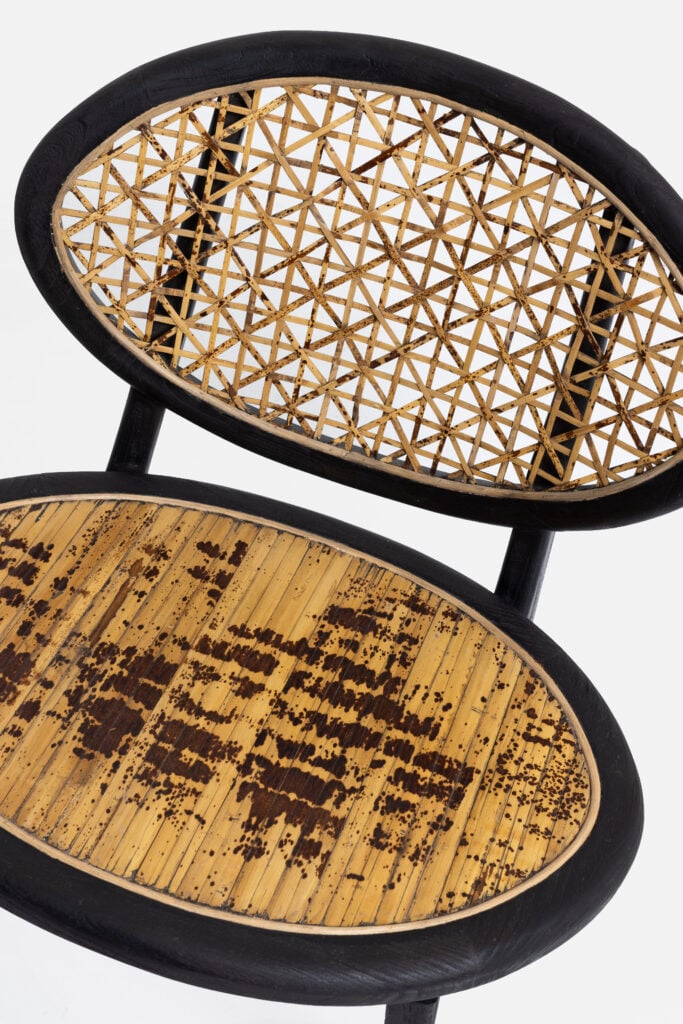
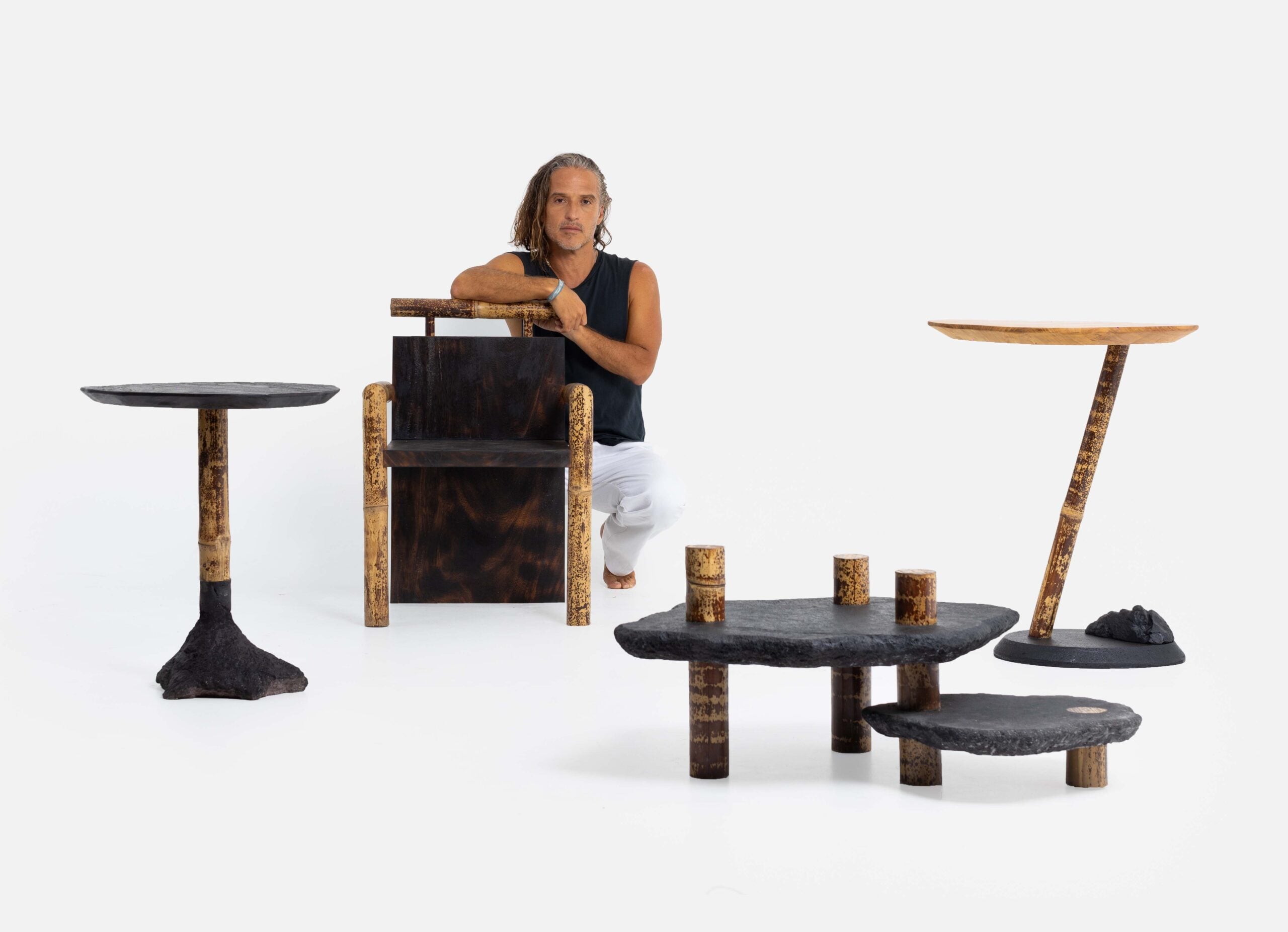
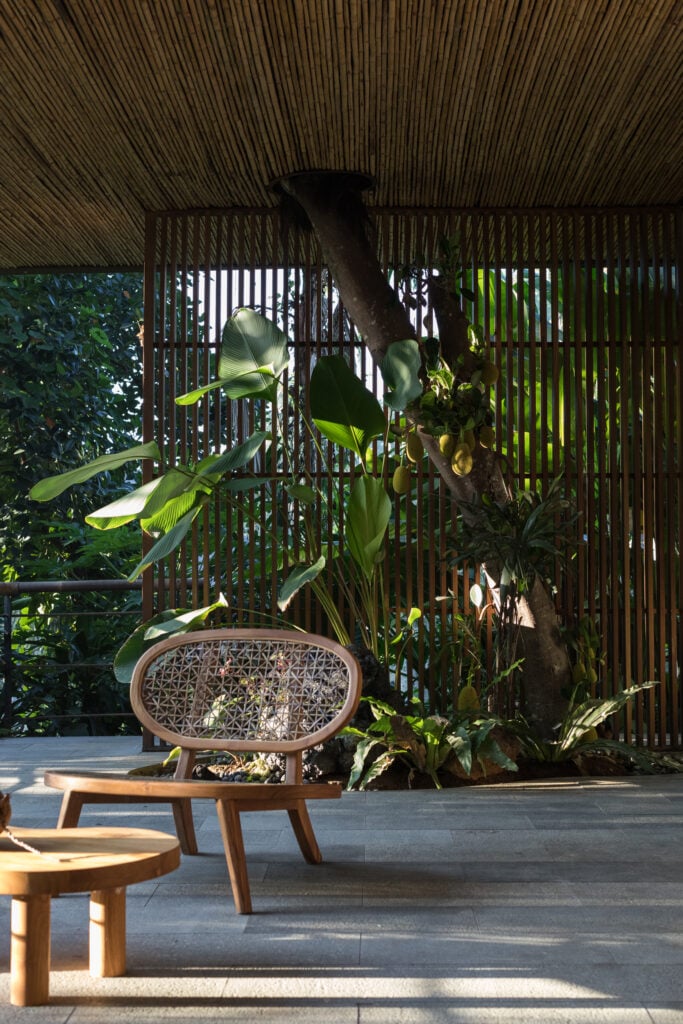
RF Studio also worked with local artisans in Bali to create a new, made-to-order collection of furniture called Rituals. “In Latin America, objects and artefacts were historically designed for rituals—even a utilitarian cup, for example, had some kind of ceremonial significance—and that’s something that is shared in Indonesia,” he says. While in Peru, temples and rituals objects are connected to hard stone, shaped by the geography of the Andes, in Bali, they are linked to bamboo, wood and volcanic materials, which have shaped this collection of furniture, designed for resting, being present and connecting with the landscape.
Freyre hopes to open a studio on the island one day, seeing connections between its tropical ecosystem and that of Peru. Though RF Studio’s work involves digging deep into a specific region, it is not restricted by national boundaries. For Freyre, territories are always in flux— animals and people migrate, water flows across borders, and cultures continually adapt—and the studio’s output reflects these continual shifts.
Would you like to comment on this article? Send your thoughts to: [email protected]
Latest
Viewpoints
Detroit Month of Design: A City’s Work in Progress
Now in its 16th year, the celebration offers insights into the Motor City’s ongoing accomplishments without glossing over its hurdles.
Projects
How a Hybrid Building Helped an Historic Manhattan Congregation Remain in Place
On Billionaire’s Row, FX Collaborative designed a new home for Calvary Baptist Church combined with an office tower.